Adam
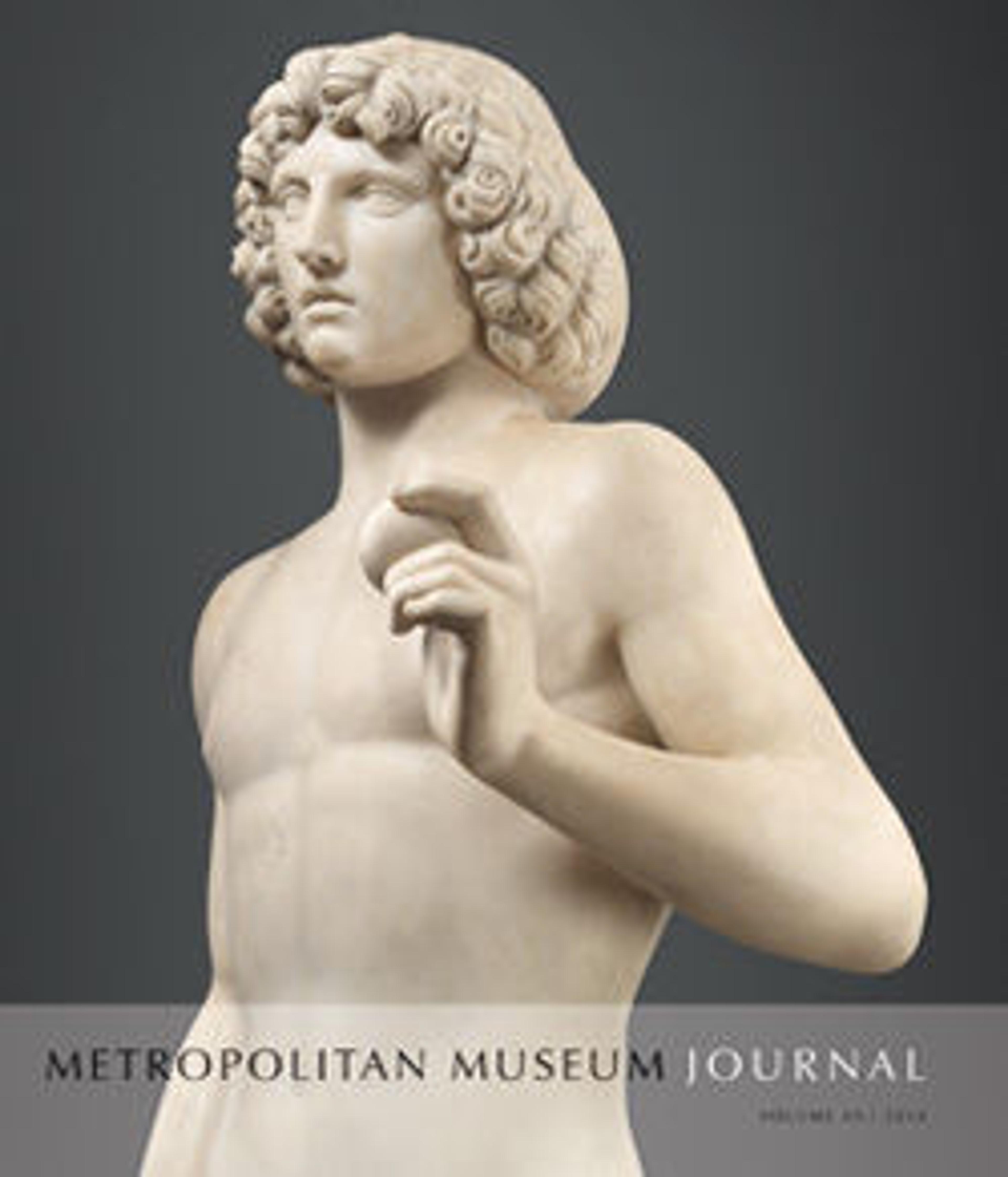
The figure of Adam is clearly classicized, as is the architectural framework derived from the Roman triumphal arch in which he was formerly paired with a figure of Eve. Adam is based on a combination of antique figures of Antinous and Bacchus, interpreted with an almost Attic simplicity. Further refinements are his meaningful glance and eloquent hands (one holding the Apple of Temptation) and the tree trunk adorned with a serpent and a grapevine, allusions to the Fall and Redemption of Man.
Remarkable for the purity of its marble and the smoothness of its carving, Adam was the first monumental classical nude carved following antiquity; prudery led to its removal from display around 1810–19, when the monument was transferred to SS. Giovanni e Paolo.
Artwork Details
- Title: Adam
- Artist: Tullio Lombardo (Italian, ca. 1455–1532)
- Date: ca. 1490–95
- Culture: Italian, Venice
- Medium: Marble
- Dimensions: Overall: 6 ft. 3 1/2 in., 770 lb. (191.8 cm, 349.2697kg)
- Classification: Sculpture
- Credit Line: Fletcher Fund, 1936
- Object Number: 36.163
- Curatorial Department: European Sculpture and Decorative Arts
Audio
94. Adam, Part 1
Gallery 504
PETER BELL: He seems to be lost in thought. His eyes look out above—not even at the apple, not at the viewer. It's sort of a pensive look. He's considering the apple, so the moment is frozen. His hand is suspended in the air in front of him.
NARRATOR: Adam's body language captures a moment of all-too-human indecision—but there's something more.
PETER BELL: The fig leaf is one of the great moments that breaks the realism of this sculpture. It's not attached by a vine or by any other means to his waist.
LUKE SYSON: By making this leaf float free of the branch to which it might otherwise be attached, he's drawing attention to it. So, oddly, you're looking carefully at the cover of somebody's shame. It's a very brilliant conceit, and it reminds you that the whole story, in a way, is contained within this figure—that it's both before and after the fall of man.
Listen to more about this artwork
More Artwork
Related Content


 Free to download
Research Resources
The Met provides unparalleled resources for research and welcomes an international community of students and scholars. The Met's Open Access API is where creators and researchers can connect to the The Met collection. Open Access data and public domain images are available for unrestricted commercial and noncommercial use without permission or fee.
To request images under copyright and other restrictions, please use this Image Request form.
Feedback
We continue to research and examine historical and cultural context for objects in The Met collection. If you have comments or questions about this object record, please contact us using the form below. The Museum looks forward to receiving your comments.
Content Notice
The Metropolitan Museum of Art presents over 5,000 years of art from around the world, and our online collection reflects ongoing work conducted over the course of our more than 150-year history. You may encounter objects or images that may be inappropriate for some viewers or information that may be outdated.