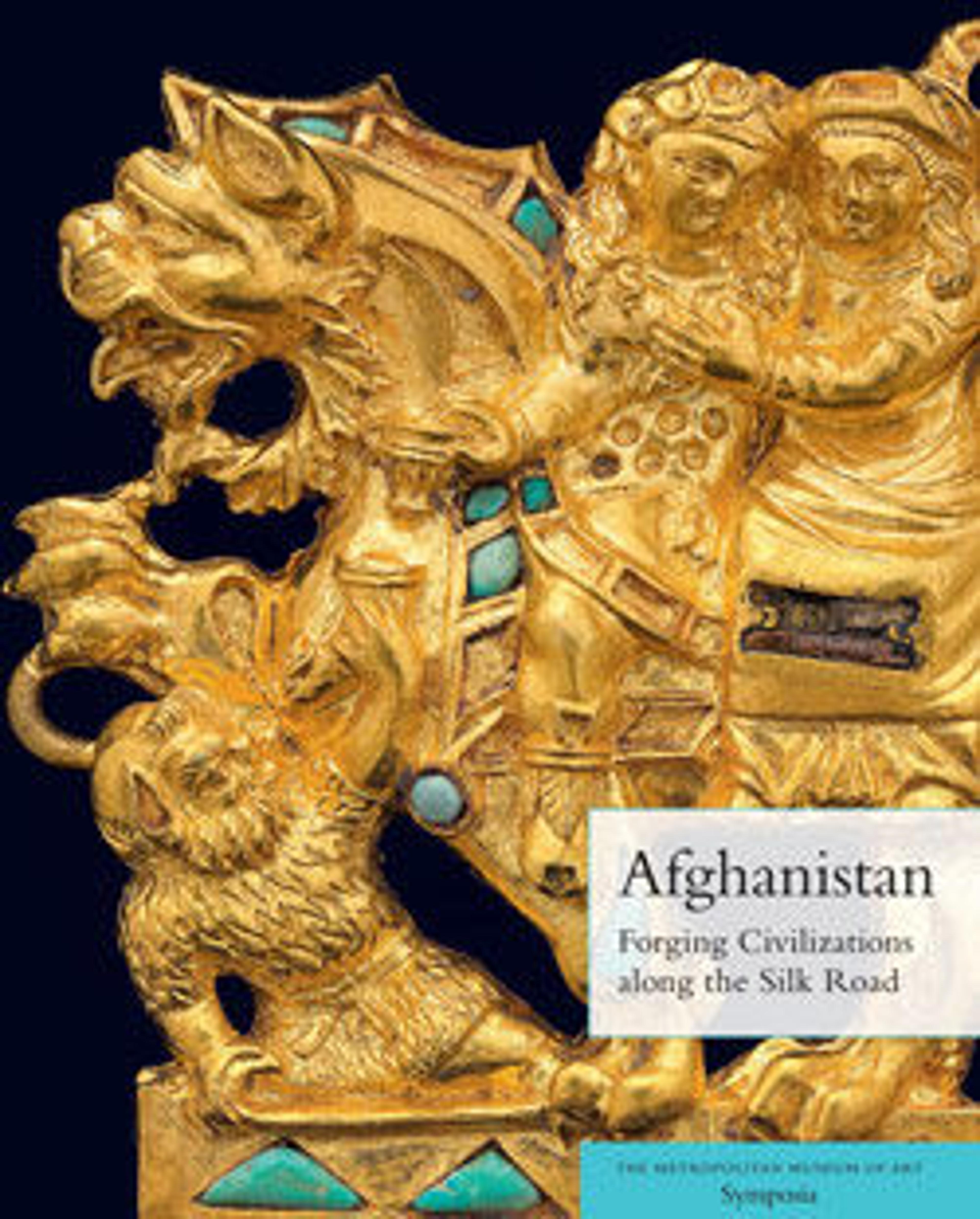
Afghanistan: Forging Civilizations along the Silk Road
This title is out of print.
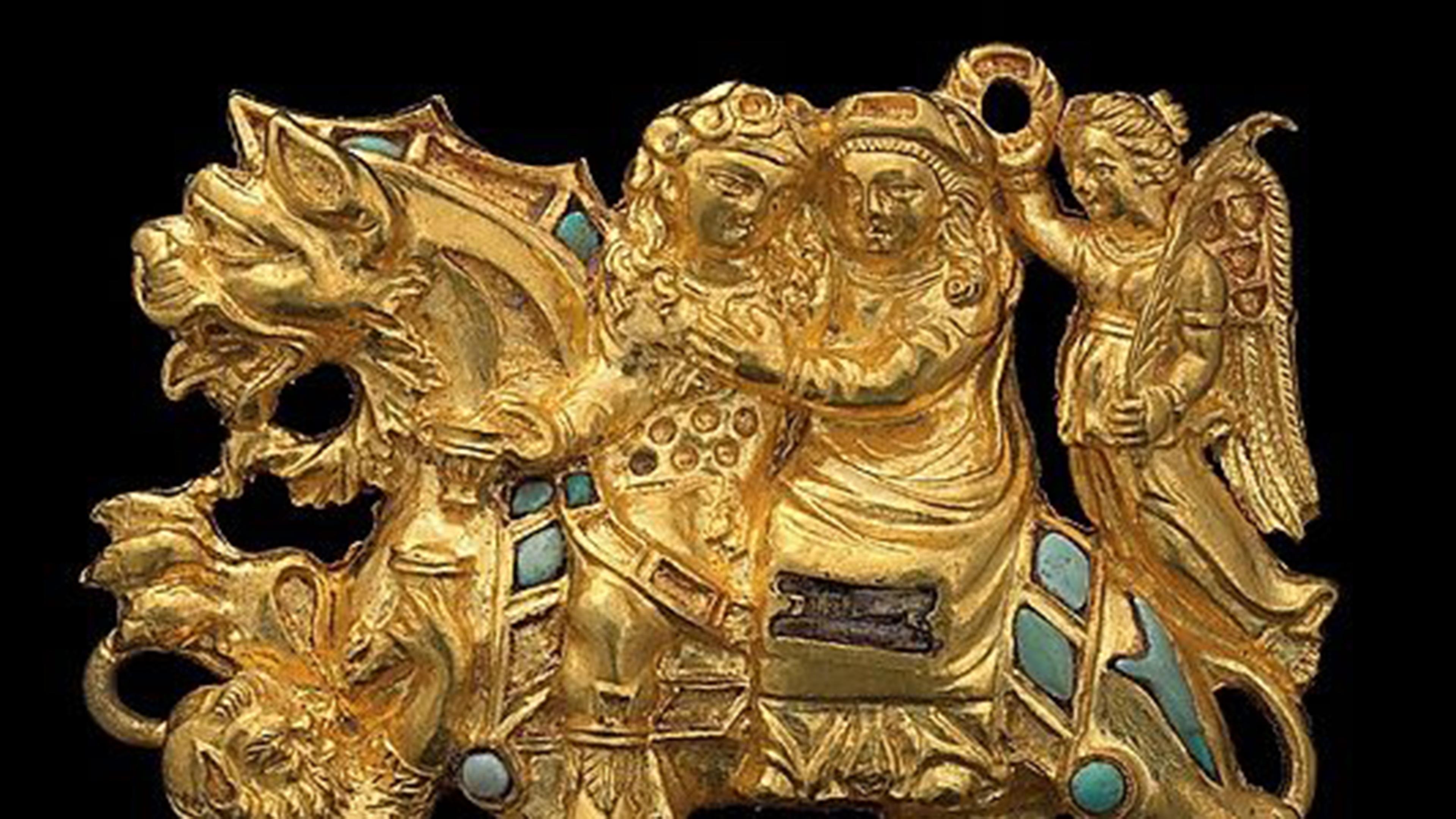
The symposium that was held in 2009 at The Metropolitan Museum of Art in New York, on the occasion of the exhibition "Afghanistan: Hidden Treasures from the National Museum, Kabul," brought together an exceptional group of scholars responsible for the excavation and interpretation of the magnificent works on view in the show. The title of the exhibition, "Hidden Treasures," alludes to the bravery of our Afghan colleagues, who—upon witnessing the destruction of the National Museum and the subsequent attacks by the Taliban—protected their artistic heritage for twenty-five years, only revealing in 2003 that these treasures were safely stored in a secure bank vault. The exhibition and the symposium celebrate their "rediscovery," one of the great triumphs for cultural preservation of the twentieth century and a story recounted here in an essay on the history of the National Museum by its heroic director, Omara Khan Massoudi.
Afghanistan, standing at the crossroads of major trade routes, has a long and complex history. Its rich cultural heritage bears the imprint of many traditions, from Greece and Iran to the nomadic world of the Eurasian steppes and China. The essays in this volume concentrate on periods of great artistic development: the Bactrian Bronze Age and the eras following the conquests of Alexander the Great, with a special focus on the sites of Aï Khanum, Begram, and Tillya Tepe. These contributions— in response to the reappearance of the magnificent hidden treasures from Afghanistan and their exhibition— have shed new light on the significance of these works and have reinvigorated the discussion of the arts and culture of Central Asia.
You May Also Like
A slider containing 5 items.
Press the down key to skip to the last item.
Press the down key to skip to the last item.
Free to download
Free to download
Related Content
- Timeline of Art History | Essay
Roman Glass
- Timeline of Art History | Essay
The Rise of Macedon and the Conquests of Alexander the Great
- Timeline of Art History | Essay
Trade between the Romans and the Empires of Asia
- Timeline of Art History | Essay
Trade Routes between Europe and Asia during Antiquity
- Timeline of Art History | Essay
Art of the Hellenistic Age and the Hellenistic Tradition
- Timeline of Art History | Essay
The Parthian Empire (247 B.C.–224 A.D.)
- Timeline of Art History | Essay
Kushan Empire (ca. Second Century B.C.–Third Century A.D.)
- Timeline of Art History | Essay
The Seleucid Empire (323–64 B.C.)