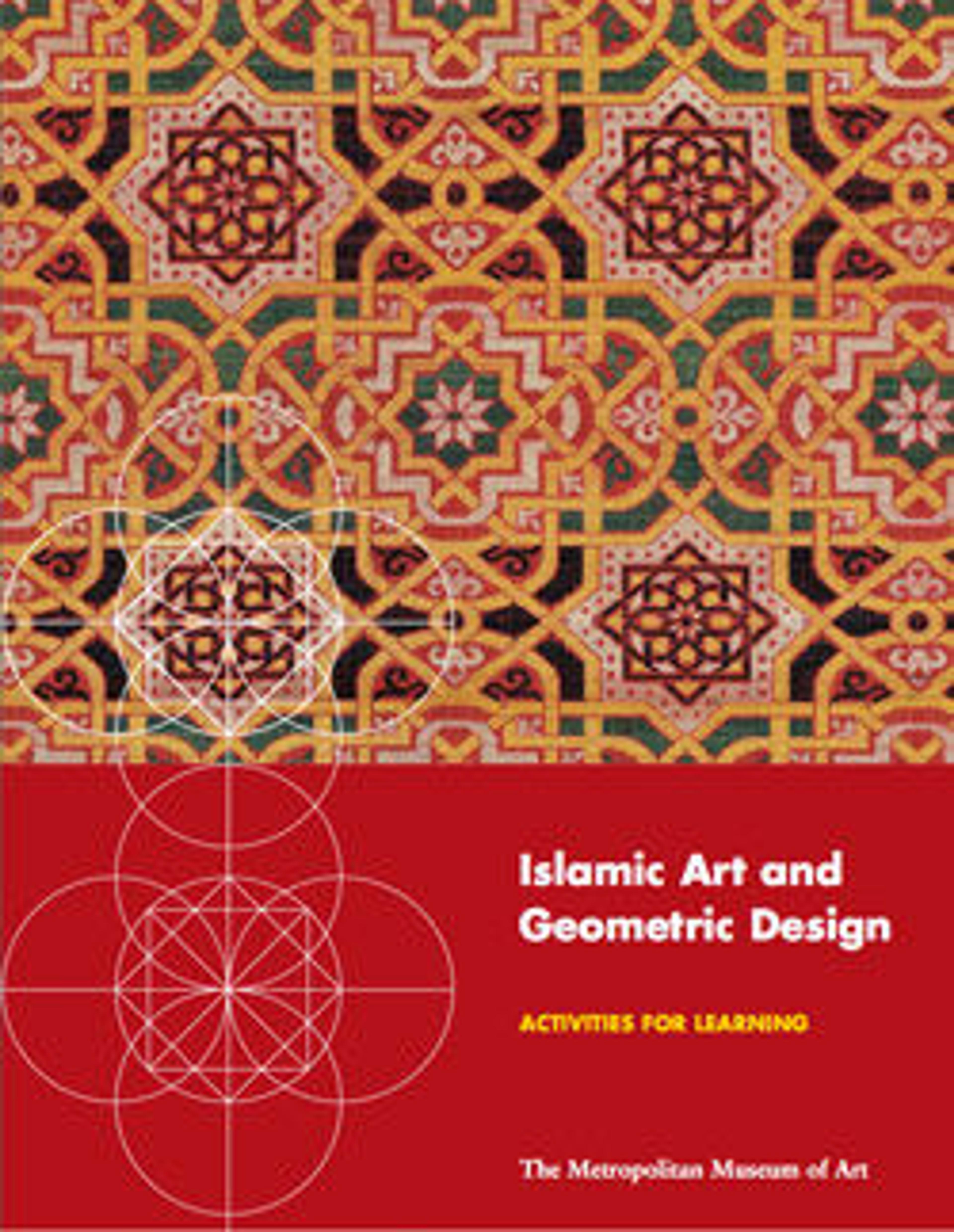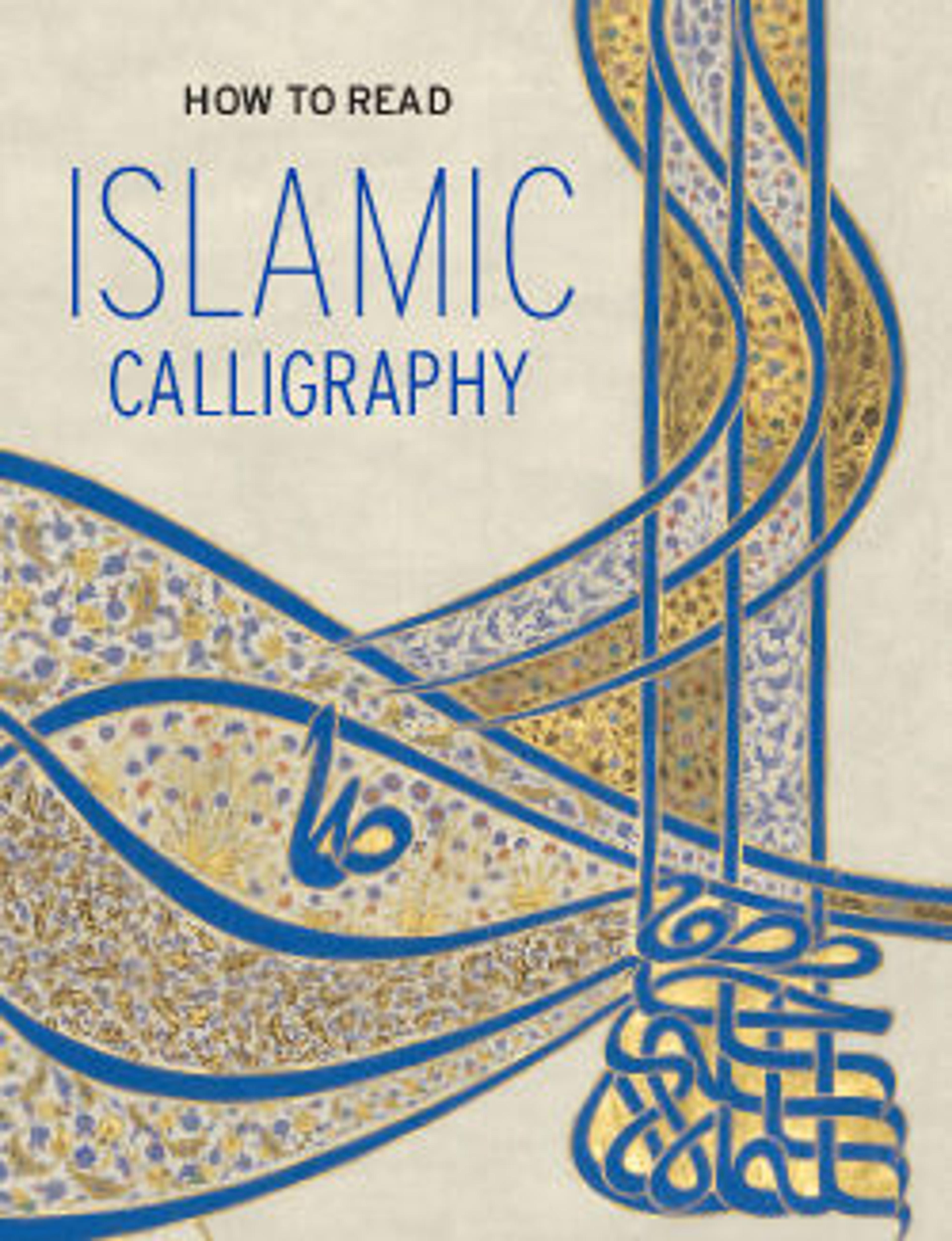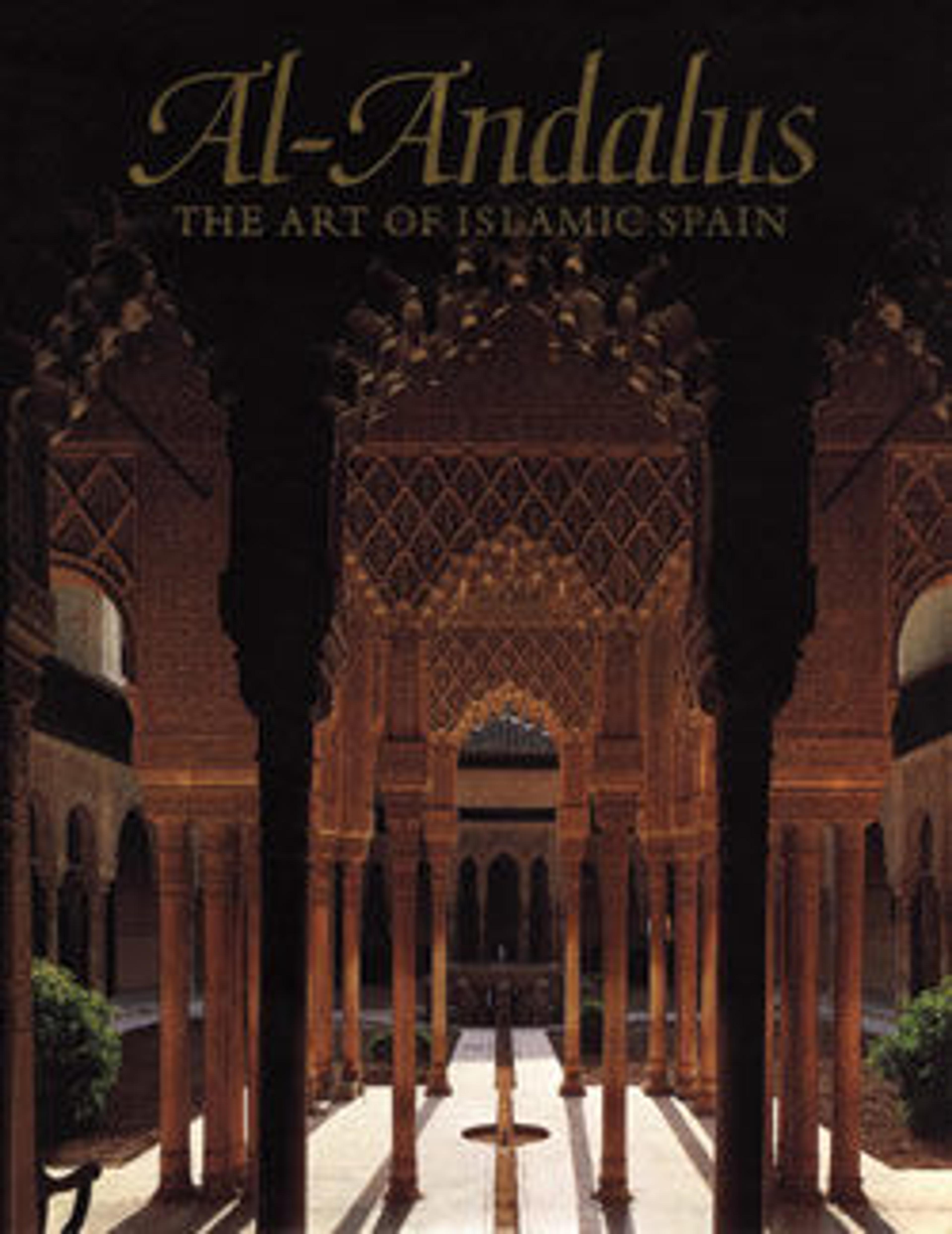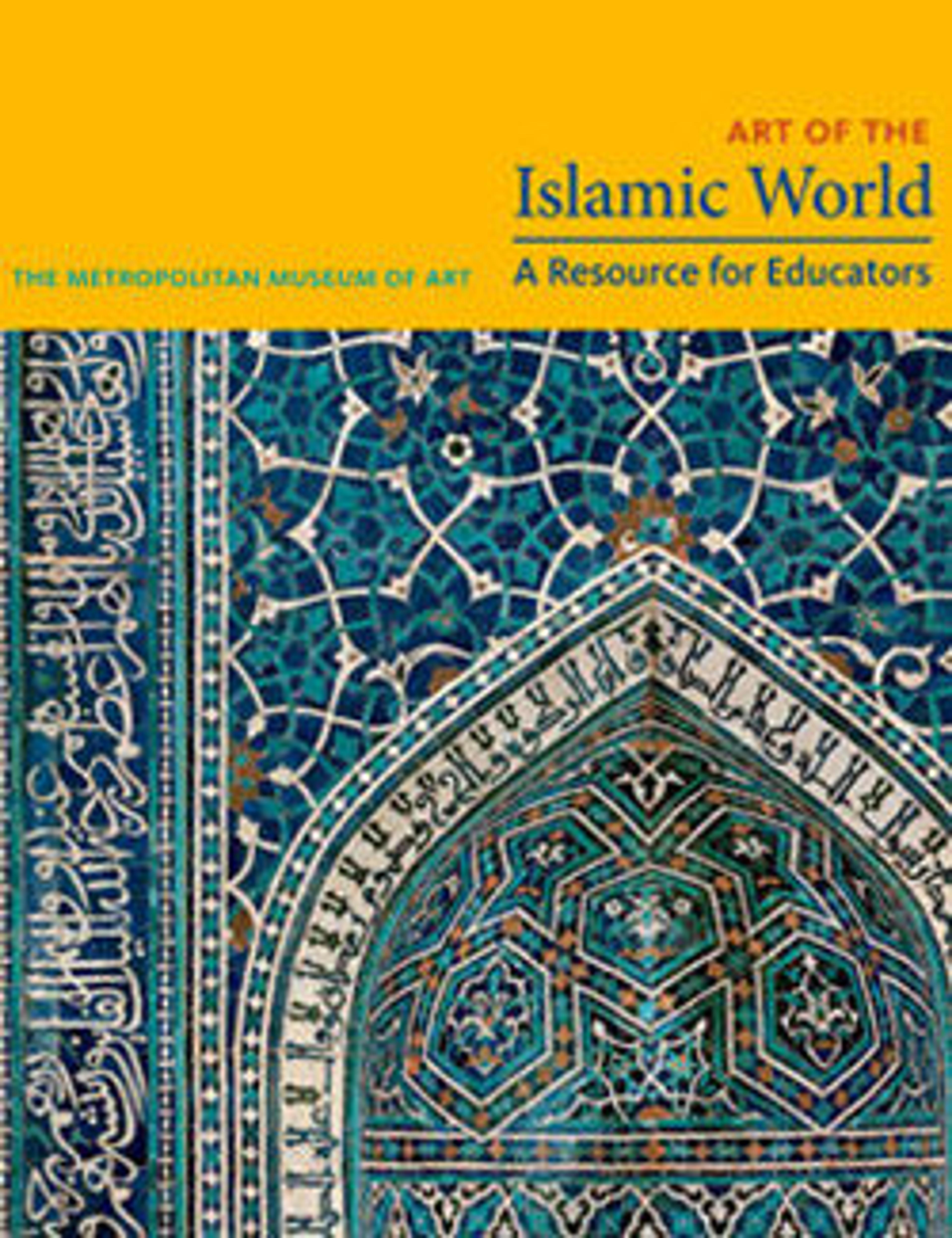
Learn about art and culture of the Islamic world and glean ideas for supporting studies of English language arts, math, science, social studies, world history, and visual arts.
Introduction
The Goals of this Resource—Why Include Islamic Art in Your Teaching?—The Structure of this Guide—Recurring Themes in the Art of the Islamic World—Frequently Asked Questions about Islam and Art of the Islamic World
Curriculum Connections
Quick List of the Featured Works of Art (Images)
Maps: The Islamic World, The Silk Road
Chronology of Major Empires and Dynasties in the Islamic World
Unit 1. Islam and Religious Art
Introduction—The Five Pillars of Islam—The Prophet Muhammad and the Origins of Islam—The Qur'an—The Written Word in Islam—The Mosque
Featured Works of Art: Images 1–6
Lesson Plan
Unit 2. Arabic Script and the Art of Calligraphy
Introduction—Arabic and Islam—Arabic Calligraphy as an Art Form—Origins and Characteristics of the Arabic Alphabet—The Arabic Alphabet and Other Languages—The Development and Spread of Calligraphic Scripts—Proportional Scripts—Regional Scripts and Variations—Calligraphers and Their Tools
Featured Works of Art: Images 7–11
Lesson Plan
Unit 3. Geometric Design in Islamic Art
Introduction—Primary Characteristics of Islamic Geometric Decoration
Featured Works of Art: Images 12–15
Lesson Plan
Unit 4. Science and Art of the Islamic World
Introduction—Astronomy and Astrology—Medicine
Featured Works of Art: Images 16–19
Lesson Plan
Unit 5. Courtly Splendor in the Islamic World
Chapter 1. Court Arts of Islamic Spain
Introduction—The Spanish Umayyads (756–1031)—Alliances between Islamic Spain and North Africa—Nasrid Rule in Spain (1232–1492)
Featured Works of Art: Images 20–22
Lesson Plan
Chapter 2. Art and Empire: The Ottoman Court
Introduction—The Ottoman Empire—Ottoman Art
Featured Works of Art: Images 23–26
Lesson Plan
Chapter 3. The Making of a Persian Royal Manuscript: The Shahnama (Book of Kings) of Shah Tahmasp
Introduction—The Shahnama—Themes of the Shahnama—The Shahnama of Shah Tahmasp—Making a Royal Manuscript
Featured Works of Art: Images 27–29
Lesson Plan
Chapter 4. The Mughal Court and the Art of Observation
Introduction
Featured Works of Art: Images 30–32
Lesson Plan
Unit 6. From the City to the Steppe: Art Beyond the Royal Court
Chapter 1. Daily Life in Medieval Nishapur
Introduction—The City of Nishapur—The Metropolitan Museum's Archaeological Excavations
Featured Works of Art: Images 33–37
Lesson Plan
Chapter 2. Domestic Life in Eighteenth-Century Damascus
Introduction—Eighteenth-Century Damascus—Courtyard Houses in Damascus
Featured Works of Art: Image 38
Lesson Plan
Chapter 3. The Nomads of Central Asia: Turkmen Traditions
Introduction—Who Are the Turkmen?—The Nomadic Way of Life—The Dwelling—Weaving—Jewelry Making
Featured Works of Art: Images 39–40
Lesson Plan
Unit 7. Trade and Artistic Exchange
Chapter 1. Ceramics in China and the Near East
Introduction—Trade and Travel—Artistic Interconnections—The Importance of Ceramics
Featured Works of Art: Images 41–44
Lesson Plan
Chapter 2. Venice and the Islamic World
Introduction—Venice and the Mamluks—Venice and the Ottomans—The Islamic Impact on Venice
Featured Works of Art: Images 45–46
Lesson Plan
Resources
Suggested Resources about Art of the Islamic World
Glossary