Search for Art
1-42 of 460 results for futurism
Sort by:
Show only
Images
Date
Artist / culture
Object type / material
Match
selected filters.
Geographic location
Match
selected filters.
Department
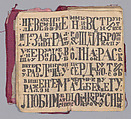
Kirill Zdanevich
Ilia Zdanevich [Iliazd]
Author Nikolai Andreevich Cherniavskii
1917-1924
Robert Peake the Elder
ca. 1606
Publisher IAIA Museum of Contemporary Native Arts
2020
Armorer Lucio Piccinino
ca. 1585
André Kertész
Printer Igor Bakht
1929, printed ca. 1978
Winslow Homer
1872
Russian or Greek
ca. 1500 or later
Attributed to William Vile
Attributed to John Cobb
1760–61

André Kertész
1937
Armorer Hans Seusenhofer
1532
Nepal
11th century
Laurent Pécheux
1765
Muhammad Isma'il Isfahani
dated 1271 AH/1854 CE
French, probably Paris
ca. 1570
Armorer Hans Seusenhofer
ca. 1532
Armorer Hans Seusenhofer
ca. 1532
Northeastern Thailand
first quarter of the 8th century
Giovanni di ser Giovanni Guidi (called Scheggia)
ca. 1449
Roman
ca. 50–40 BCE
China
dated 495
Tibet
ca. 15th century
Thailand
ca. late 17th century

Italian, Milan
ca. 1585
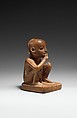
ca. 1981–1640 B.C.
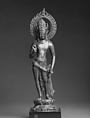
Nepal (Kathmandu Valley)
10th century
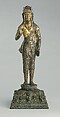
Pakistan (likely Swat Valley or Gilgit region)
early 8th century
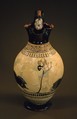
Attributed to the Painter of London B 620
ca. 520 BCE
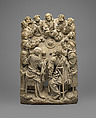
German or South Netherlandish
ca. 1500–1530
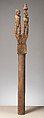
Sakalava artist
17th–late 18th century
![Futur vseuchbishche ... 4 lekt︠s︡ii Ilʹi Zdanevicha o Italianskom futurizme, Ilia Zdanevich [Iliazd] Georgian-French](https://images.metmuseum.org/CRDImages/li/web-additional/b2317452_001.jpg)
Author Ilia Zdanevich [Iliazd]
1918
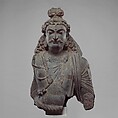
Pakistan (ancient region of Gandhara)
ca. 4th–5th century
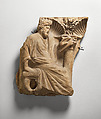
Roman
ca. 250
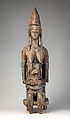
Bamana numu (blacksmith)
15th–17th century
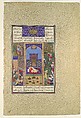
"The Wedding of Siyavush and Farangis", Folio 185v from the Shahnama (Book of Kings) of Shah Tahmasp
Author Abu'l Qasim Firdausi
Painting attributed to Qasim ibn 'Ali
Workshop director Mir Musavvir
ca. 1525–30
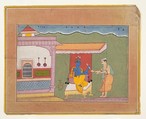
India (Rajasthan, Bikaner)
ca. 1610
French
Probably 20th century

Designer Edward McKnight Kauffer
ca. 1929
Western or Central European, the Netherlands or Austria
ca. 1505–19
French Painter
early 17th century
ca. 1473–1458 BCE
Jean Hey (called Master of Moulins)
ca. 1490
E. McKnight Kauffer
ca. 1937
Content Notice
The Metropolitan Museum of Art presents over 5,000 years of art from around the world, and our online collection reflects ongoing work conducted over the course of our more than 150-year history. You may encounter objects or images that may be inappropriate for some viewers or information that may be outdated.