日本語
寄付するメンバーシップチケット
私たちはこのページをできるだけ早く翻訳するために取り組んでいます。ご理解いただきありがとうございます。

Search for Art

Search Tips
5 results
Sort by:
Show only
Images
Date
For BCE dates, enter a negative number. E.g. For 2000 BCE, enter -2000.
–
Artist / culture
1
Object type / material
Match
 
Show results matching
selected filters.
Geographic location
Match
 
Show results matching
selected filters.
Department
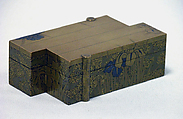
Incense Box (Kogo) with Design of Iris and Bridge (Yatsuhashi), Yamada Jōkasai (1681–1704)  Japanese, Gold-speckled aventurine (nashiji) lacquer with sprinkled and polished design (hiramakie), Japan
Yamada Jōkasai (1681–1704)
19th century
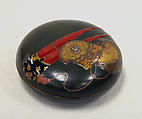
Round Box with Design of Bugaku Dance Hat and Musical Instrument

, Yamada Jōkasai (1681–1704)  Japanese, Lacquer on wood with gold, mother-of-pearl inlay, and colored lacquer, Japan
Yamada Jōkasai (1681–1704)
19th century
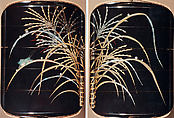
Case (Inrō) with Design of Dewdrops and Insects on Autumn Grasses in Basket, Yamada Jōkasai (1681–1704)  Japanese, Sprinkled gold lacquer with mother-of-pearl, stone, and metal<br/>Ojime: ovoid gold bead decorated with grasses<br/>Netuske: black wood carved as a piece of firewood, Japan
Yamada Jōkasai (1681–1704)
19th century
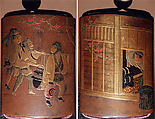
Case (Inrō) with Design of a Teahouse (obverse) Three Travelers En Route (reverse), Yamada Jōkasai (1681–1704)  Japanese, Lacquer decorated with sprinkled hiramakie lacquer, sprinkled and polished takamakie lacquer relief, and nashiji (pear skin) lacquer; Ojime: ivory and gold lacquer bead; Netsuke: carved wood bird (signed Shuko), Japan
Yamada Jōkasai (1681–1704)
19th century
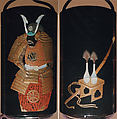
Case (Inrō) with Design of a Suit of Armor (obverse); Flasks for Boys Festival (reverse), Yamada Jōkasai (1681–1704)  Japanese, Gold and colored lacquer with inlaid mother-of-pearl on ro-iro black lacquer; ojime: metal bead inlaid with silver; netsuke: carved ebony inlaid with ivory design of Daruma, Japan
Yamada Jōkasai (1681–1704)
second half of the 19th century

Content Notice

The Metropolitan Museum of Art presents over 5,000 years of art from around the world, and our online collection reflects ongoing work conducted over the course of our more than 150-year history. You may encounter objects or images that may be inappropriate for some viewers or information that may be outdated.