Search the collection

Filter By

Object Type / Material
Geographic Location
Department
Date
Show Only:
  • As part of the Met's Open Access policy, you can freely copy, modify and distribute this image, even for commercial purposes.
    APIPublic domain data for this object can also be accessed using the Met's Open Access API
  • Objects with changed or unknown ownership in continental Europe between 1933-1945. Learn more
Showing 139 results for Harpocrates
Sort by:
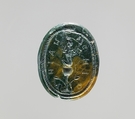
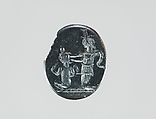
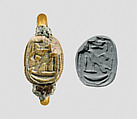
Harpocrates seal, Steatite
664–332 B.C.
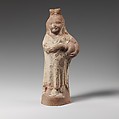
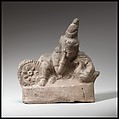
Terracotta statuette of Harpocrates, Terracotta, Roman, Egyptian
Roman, Egyptian
2nd century CE
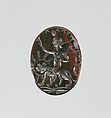
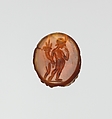
Jasper intaglio: Harpocrates riding a lion, Jasper, red and green, Roman
Roman
ca. 2nd–3rd century CE
664–332 B.C.
664–332 B.C.
Jasper intaglio: Harpocrates seated on a lotus, Jasper, Roman
Roman
ca. 2nd–3rd century CE
664–332 B.C.
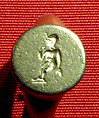
Carnelian scarab: Harpocrates with cornucopia, Carnelian, Roman
Roman
2nd century CE
664–30 B.C.
Hematite intaglio: Isis and Harpocrates, Hematite, black jasper, Roman
Roman
3rd century CE
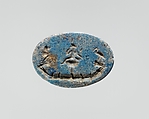
Lapis lazuli intaglio: Harpocrates in a papyrus boat, Lapis lazuli, Roman
Roman
2nd century CE
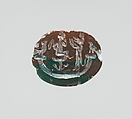
Jasper intaglio: Harpocrates seated on lotus in papyrus boat, Jasper, green, Roman
Roman
ca. 2nd–3rd century CE
Harpocrates, the God of Silence, Jan Muller  Netherlandish, Engraving; New Holl.'s first state of two
Jan Muller
Harmen Jansz. Muller
1593
Serpentine intaglio: Radiate lion-headed god, Serpentine, Roman
Roman
ca. 2nd–3rd century CE
Gold ring with scarab, Silver,gold, copper alloy, glazed steatite, Cypriot
Cypriot
8th–6th century BCE
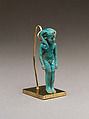
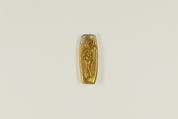
Glass pendant in the shape of Harpokrates, Glass, molded, Greek, Eastern Mediterranean
Greek, Eastern Mediterranean
late 2nd–1st century BCE
Francesco Piranesi
Tommaso Piroli
1783
Shabti of Nesbanebdjedet, Faience
380–343 B.C
Shabti of Nesbanebdjedet, Faience
380–343 B.C
A.D. 14–37
Shabti inscribed for Nesbanebdjedet, Faience
ca. 380–343 B.C.
Chilon, Spartan Philosopher and Councilor, Jan Muller  Netherlandish, Engraving; New Holl.'s second state of three
Jan Muller
Harmen Jansz. Muller
1596
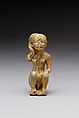
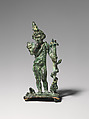
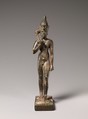
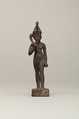
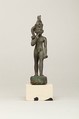
Harpokrates, Bronze
ca. 712–30 B.C.
Harpokrates, Cupreous metal, precious metal inlay
7th–4th century B.C.
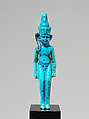
Harpokrates Amulet, Faience
1086–30 B.C.
Harpokrates amulet (?), Faience
ca. 1295–1070 B.C.
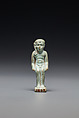
Amulet: Harpokrates, Faience
664–332 B.C.
Harpokrates amulet, Faience, blue
664–332 B.C.
Statuette representing Harpokrates, Copper alloy
332 BC–200 AD
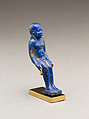
Amulet of Harpokrates, Lapis lazuli
ca. 1295–1070 B.C. or 1070–664 B.C.
Amulet of Harpokrates ?, Lapis lazuli
ca. 1850–1640 B.C.
Bronze statuette of Harpokrates, Bronze, Roman
Roman
1st–2nd century CE
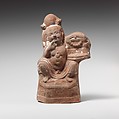
Terracotta statuette of Harpokrates, Terracotta, Roman
Roman
1st–3rd century CE
Terracotta statuette of Harpokrates, Terracotta, Roman, Egyptian
Roman, Egyptian
ca. 2nd century CE
Child god (Harpokrates?) amulet, Faience
664–30 B.C.
Child god (Harpokrates?) amulet, Lapis lazuli
664–30 B.C.
Harpokrates in double crown, Cupreous metal
664–30 B.C.
Harpokrates in double crown, Cupreous metal
664–30 B.C.
200 BC–200 AD
A child god, probably Harpokrates, Leaded bronze, formerly gilded
1st century B.C. or earlier