Search the collection

Filter By

Object Type / Material
Geographic Location
Department
Date
Show Only:
  • As part of the Met's Open Access policy, you can freely copy, modify and distribute this image, even for commercial purposes.
    APIPublic domain data for this object can also be accessed using the Met's Open Access API
  • Objects with changed or unknown ownership in continental Europe between 1933-1945. Learn more
More than 10,000 results for Japan (Shiga)
Sort by:
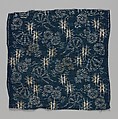
Piece, Hemp, Japan (Shiga)
Japan (Shiga)
19th century
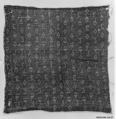
Piece, Hemp, Japan (Shiga)
Japan (Shiga)
19th century
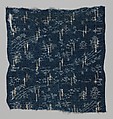
Piece, Hemp, Japan (Shiga)
Japan (Shiga)
19th century
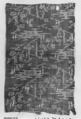
Piece, Ramie, Japan (Shiga)
Japan (Shiga)
19th century
The Bodhisattva Jizō, Intan  Japanese, Japanese cypress wood (hinoki) with polychrome pigments, gold paint (kindei), cut gold leaf (kirikane), and rock-crystal eyes, Japan
Intan
1291
Small Dish (Kozara) with Three Jars, Porcelain with cobalt blue under transparent glaze and polychrome enamels over the glaze (Hizen ware, Nabeshima type), Japan
Japan
1680–90s
Old Plum, Kano Sansetsu  Japanese, Four sliding-door panels (fusuma); ink, color, gold, and gold leaf on paper, Japan
Kano Sansetsu
1646
Covered Vessel (Futamono) with Plum Tree, Stoneware with iron brown under transparent glaze and copper-green glaze (Mino ware, Oribe type, Japan
Japan
early 17th century
Rough Waves, Ogata Kōrin  Japanese, Two-panel folding screen; ink, color, and gold leaf on paper, Japan
Ogata Kōrin
ca. 1704–9
Illustrated Legends of the Kitano Tenjin Shrine (Kitano Tenjin engi emaki), Set of five handscrolls; ink, color, and cut gold leaf (kirikane) on paper, Japan
Japan
late 13th century
Robe (Kosode) with Shells and Sea Grasses 
, Embroidery and gold leaf on plain-weave silk patterned with warp floats, Japan
Japan
early 17th century
Fudō Myōō, the Immovable Wisdom King (Achala Vidyaraja), Kaikei  Japanese, Japanese cypress with lacquer, color, gold, cut gold leaf (kirikane), and inlaid crystal eyes, Japan
Kaikei
early 13th century
Female Shinto Deity, Japanese bigleaf magnolia with traces of color, Japan
Japan
ca. mid-11th–mid-12th century
Portrait of Shun'oku Myōha, Unidentified artist Japanese, Hanging scroll; ink, color, and gold on silk, Japan
Unidentified artist
ca. 1383
Sake Ewer (Hisage) with Chrysanthemums and Paulownia Crests in Alternating Fields, Lacquered wood with gold hiramaki-e and e-nashiji (“pear-skin picture”) on black ground, Japan
Japan
early 17th century
Irises at Yatsuhashi (Eight Bridges), Ogata Kōrin  Japanese, Pair of six-panel folding screens; ink and color on gold leaf on paper, Japan
Ogata Kōrin
after 1709
Zaō Gongen, Gilt bronze with incised decoration, Japan
Japan
11th century
Under the Wave off Kanagawa (Kanagawa oki nami ura), or The Great Wave, from the series Thirty-six Views of Mount Fuji (Fugaku sanjūrokkei)
, Katsushika Hokusai  Japanese, Woodblock print; ink and color on paper, Japan
Katsushika Hokusai
ca. 1830–32
Night Rain at the Double-Shelf Stand, from the series Eight Parlor Views (Zashiki hakkei), Suzuki Harunobu  Japanese, Woodblock print (first edition); ink and colors on paper, medium-sized print (chuban), Japan
Suzuki Harunobu
ca. 1766
Gibbons in a Landscape, Sesson Shūkei 雪村周継  Japanese, Pair of six-panel screens; ink on paper, Japan
Sesson Shūkei 雪村周継
ca. 1570
The Thirty-Six Poetic Immortals, Studio of Kano Takanobu  Japanese, Pair of six-panel folding screens; ink, color, gold, and silver on paper, Japan
Studio of Kano Takanobu
Konoe Nobutada
early 17th century
Cosmetic Box (Tebako) with Chrysanthemum Flowers, Lacquered wood with gold, silver takamaki-e, hiramaki-e, gold, silver foil application on nashiji ground; gilt bronze fittings, Japan
Japan
first half of the 15th century
”Abiding nowhere, the awakened mind arises”, Musō Soseki  Japanese, Hanging scroll; ink on paper, Japan
Musō Soseki
early to mid-14th century
Daoist Master Fei Zhangfang, Sesson Shūkei  Japanese, Hanging scroll; ink on paper, Japan
Sesson Shūkei
ca. 1555–61
Robe (Kosode) with Floral Roundels, Figured satin-weave silk with tie-dyeing, silk embroidery, and couched gold thread, Japan
Japan
ca. 1670s
Sutra Box (Kyōbako) with Sun and Clouds, Lacquered wood with gold hiramaki-e; gilt bronze fittings, Japan
Japan
late 14th–early 15th century
Koto (箏), Metalwork by Goto Teijo, 9th generation Goto master, Japan  Japanese, Various woods, ivory and tortoiseshell inlays, gold and silver inlays, metalwork, cloth, laquer, paper,, Japanese
Metalwork by Goto Teijo, 9th generation Goto master, Japan
Gotō Yūjō
early 17th century
Amida, the Buddha of Limitless Light, Wood with lacquer, gold leaf, and color, Japan
Japan
ca. 1250
Jizō, the Bodhisattva of the Earth Store, Wood with lacquer, gold leaf, cut gold leaf (kirikane), and color, Japan
Japan
late 12th–mid-13th century
Finial of a Buddhist Monk’s Staff (Shakujō), Bronze, Japan
Japan
Jūichimen Kannon, the Bodhisattva of Compassion with Eleven Heads (Avalokiteshvara), Wood with lacquer, gold leaf, and metal decoration, Japan
Japan
mid- to late 14th century
Deep Pot (Fuka-bachi), Earthenware with cord-marked and incised decoration, Japan
Japan
Nigatsudō Burned Sutra, Unidentified artist, Hanging scroll; silver pigment on indigo-dyed paper, Japan
Unidentified artist
ca. 744
Dish with Bamboo Leaves
, Ogata Kenzan (?) Japanese, Stoneware painted with cream slip, cobalt blue, and iron brown under transparent glaze; gold lacquer repairs, Japan
Ogata Kenzan
18th century
One from set of five squared food vessels (mukōzuke) for tea-gathering meal, Stoneware with iron-oxide and copper green overglaze decoration (Mino ware, Yashichida Oribe type), Japan
Japan
early 17th century
Over Robe (Uchikake) with Mount Hōrai, Figured satin-weave silk (rinzu) with paste-resist dyeing, stencil-dyed dots, and silk- and gold-thread embroidery, Japan
Japan
late 18th century–first half 19th century
Bugaku Dances (front); Chinese Lions (reverse), Hanabusa Itchō  Japanese, Pair of six-panel screens; ink, color, and gold leaf on paper, Japan
Hanabusa Itchō
early 18th century
Stoneware with iron brown under transparent glaze and copper-green glaze (Mino ware, Oribe type), Japan
Japan
early 17th century
Set of Six Side Dishes (Mukōzuke) for Tea Gathering Meal (Cha-kaiseki), Stoneware with white slip and iron brown under transparent glaze and copper-green glaze (Mino ware, Oribe Yashichida type), Japan
Japan
early 17th century
Set of Six Side Dishes (Mukōzuke) for Tea Gathering Meal (Cha-kaiseki), Stoneware with white slip and iron brown under transparent glaze and copper-green glaze (Mino ware, Oribe Yashichida type), Japan
Japan
early 17th century