Pусский
ПожертвоватьЧленствоБилеты
Мы работаем над переводом этой страницы как можно скорее. Спасибо за понимание.

Search for Art

Search Tips
1-42 of 497 results for ankh
Sort by:
Show only
Images
Date
For BCE dates, enter a negative number. E.g. For 2000 BCE, enter -2000.
Artist / culture
Object type / material
Match
 
Show results matching
selected filters.
Geographic location
Match
 
Show results matching
selected filters.
Department
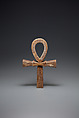
Model ankh, Wood
ca. 1981–1802 B.C.
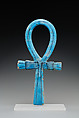
Ceremonial Implement in the Shape of an Ankh, Faience
ca. 1396–1386 BCE
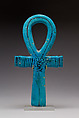
Ceremonial Implement in the Shape of an Ankh, Faience
ca. 1396–1386 BCE
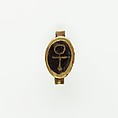
Cowroid Inscribed with an Ankh, Hematite, gold
ca. 1491–1473 BCE
Cowroid Inscribed with an Ankh, Faience
ca. 1491–1473 BCE
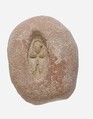
Mold for a Ring Bezel with an Ankh Hieroglyph, Pottery
ca. 1386–1347 BCE
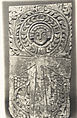
Funerary Stele with Ankh (Looped Cross) Featuring a Human Face at the Center, Limestone; carved in relief
6th–7th century
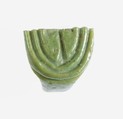
Ring Fragment with ankh, Faience, apple green
ca. 1386–1347 BCE
Ring Fragment with Ankh, Faience, blue
ca. 1386–1347 BCE
Ring Fragment with ankh, Faience, blue
ca. 1386–1347 BCE
Scarab Inscribed with an Ankh, Faience
ca. 1386–1347 BCE
Mold for an Ankh Amulet, Pottery
ca. 1386–1347 BCE
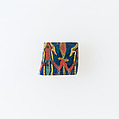
Inlay, ankh, was scepters, Glass
100 BCE–100 CE
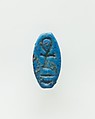
Ring Fragment Inscribed with an Ankh, Faience
ca. 1386–1347 BCE
Ring Fragment with Ankh, Faience, dark blue
ca. 1386–1347 BCE
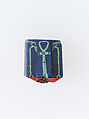
Inlay, ankh with was scepters, Glass
100 BCE–100 CE
Inlay, ankh with was scepters, Glass
100 BCE–100 CE
Cowroid Stamp Seal with an Ankh Inscribed on the Base, Faience
ca. 1386–1347 BCE
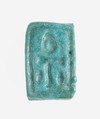
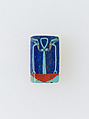
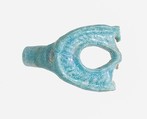
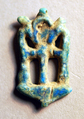
Amulet with an Ankh and Two Was Scepters, Faience
ca. 1386–1347 BCE
Amulet with an Ankh and Two Was Scepters, Faience
ca. 1386–1347 BCE
Ankh Ring Fragment, Faience, blue
ca. 1386–1347 BCE
Ring Fragment with ankh, Faience, blue
ca. 1386–1347 BCE
Amulet with an Ankh and Two Was Scepters, Faience
ca. 1386–1347 BCE
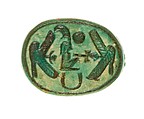
Stamp Seal Inscribed With An Ankh Between Two Falcons, Steatite
ca. 2323–2040 B.C.
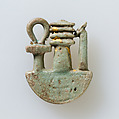
Ankh, djed, was on neb basket, Faience, gilding
664–30 BCE
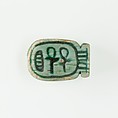
Plaque in the Form of a Cartouche; two ankhs; ankh, two nefers, Glazed steatite
ca. 1491–1473 BCE
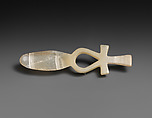
Cosmetic spoon with a handle in the shape of an ankh, Travertine (Egyptian alabaster)
ca. 1887–1750 BC
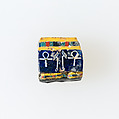
Inlay fragment, ankh and was scepters, Glass
100 BCE–100 CE
Inlay elements from shrine: ankh and was pattern, Glass
380–30 BCE
Oval Plaque Bearing the Name Menkheperre (Thutmose III ?), Limestone ?
ca. 1080–525 BCE
Administrative Seal, Clay (unfired)
ca. 1981–1640 B.C.
ca. 1300–1080 BCE
ca. 1300–1080 BCE
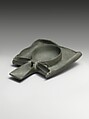
Libation Dish Depicting Ka-Arms Presenting an Ankh-Sign, Greywacke
ca. 3100–2900 B.C.
Amulet of seated goddess / queen with ankh and flail, Blue faience
ca. 1386–1300 BCE
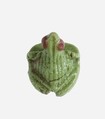
Frog Seal Amulet with an Ankh Hieroglyph on the Base, Faience
ca. 1386–1347 BCE
Frog Seal Amulet with an Ankh Hieroglyph on the Base, Faience
ca. 1386–1347 BCE
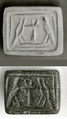
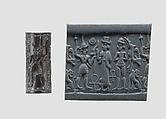
Cylinder seal and modern impression: smiting weather god before a Syrian goddess, nude goddess; ankh symbols, Hematite
ca. 1720–1650 BCE
ca. 1347–1330 BCE
Scarab Inscribed with the Name Maatkare (Hatshepsut) Flanked by Two Falcons, One Proffering an Ankh, Steatite (glazed)
ca. 1473–1458 BCE
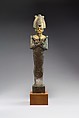
Statuette of Osiris with the epithets Neb Ankh and Khentyimentiu, donated by Padihorpare, Cupreous metal, gold leaf
589–526 BCE
Ring with a scarab inscribed with an ankh, Silver, travertine (Egyptian alabaster), gold
ca. 1080–721 BCE

Content Notice

The Metropolitan Museum of Art presents over 5,000 years of art from around the world, and our online collection reflects ongoing work conducted over the course of our more than 150-year history. You may encounter objects or images that may be inappropriate for some viewers or information that may be outdated.