中文 (简体)
捐赠会员资格门票
我们正在努力尽快翻译此页面。感谢您的理解。

Search for Art

Search Tips
1-42 of 808 results for incense
Sort by:
Show only
Images
Date
For BCE dates, enter a negative number. E.g. For 2000 BCE, enter -2000.
–
Artist / culture
Object type / material
Match
 
Show results matching
selected filters.
Geographic location
Match
 
Show results matching
selected filters.
Department
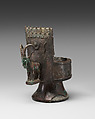
Incense burner, Bronze
ca. mid-1st millennium BCE
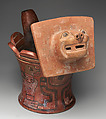
Incense burner with feline head, Tiwanaku artist(s), Ceramic, slip, Tiwanaku
Tiwanaku artist(s)
500–1000 CE
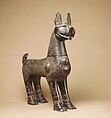
Bronze incense burner, Bronze, Etruscan, Faliscan
Etruscan, Faliscan
ca. 300 BCE
Incense boat and spoon, Benjamin Pyne, Silver, British, London
Benjamin Pyne
1708–9
Incense Burner, Brass; cast, pierced, chased
12th century
Incense Box, Bronze, Japan
Japan
19th century
Incense burner, Bronze, Northern Italian, probably Padua
Northern Italian, probably Padua
ca. 1530–40
Incense Burner, Brass; cast, pierced, chased, engraved
12th century
Incense burner, Stoneware with relief decoration under colored glazes, China
China
dated 1512
Incense Burner, Brass; cast with handle made of separately hammered sheet, pierced, inlaid with silver and gold
late 13th–early 14th century
Incense Box, Black lacquer, Japan
Japan
mid-19th century
Incense Burner, Ceramic, Mexica (Aztec)
Mexica (Aztec)
14th–16th century
Incense Burner of Amir Saif al-Dunya wa’l-Din ibn Muhammad al-Mawardi, Ja`far ibn Muhammad ibn `Ali, Bronze; cast, engraved, chased, pierced
Ja`far ibn Muhammad ibn `Ali
dated 577 AH/1181–82 CE
Incense burner in the shape of a goose, Copper alloy, China
China
early 15th century
Incense burner (koro), Hard-paste porcelain painted with cobalt blue under and colored enamels over transparent glaze (Hizen ware; Kakiemon type), Japanese, for European market
Japanese, for European market
late 17th century
Incense burner, Bronze, China
China
18th century
Incense Burner with Lotuses, Porcelain painted with cobalt blue under transparent glaze (Jingdezhen ware), China
China
early 16th century
Incense Box, Bronze, Japan
Japan
18th century
Incense Box, Black metal inlaid with gold, Japan
Japan
19th century
Incense Burner with Domed Cover, Bronze; cast, pierced, and incised
8th–9th century
Incense Burner in Three Parts, Bronze, Pakistan (ancient region of Gandhara) or north India
Pakistan (ancient region of Gandhara) or north India
ca. 6th century
Incense box, Gold takamaki-e, tin and mother-of-pearl inlay on black ground, Japan
Japan
second half of 19th century
Ritual Incense Burner, Bronze, Pakistan (ancient region of Gandhara)
Pakistan (ancient region of Gandhara)
ca. 6th century
Chinese couple as incense containers, Johann Friedrich Eberlein  German, Hard-paste porcelain, German, Meissen
Modeler Johann Friedrich Eberlein
Manufactory Meissen Manufactory
1745–50, after models of 1735
Incense burner, Jade (nephrite), China
China
19th century
Incense Burner, Bronze flecked with gold, China
China
Incense burner, Jadeite, China
China
20th century
Incense Box, Nashiji lacquer, Japan
Japan
mid-19th century
Incense Burner, Bronze; engraved
12th century
Incense burner with its chain, Silver
305–30 BCE
Incense burner with cover

, Jade (nephrite), China
China
18th century
Incense burner with floral patterns, Jade (nephrite), China
China
18th–19th century
Bronze thymiaterion (incense burner), Bronze, Cypriot
Cypriot
6th century BCE
Bronze thymiaterion (incense burner), Bronze, Etruscan
Etruscan
late 6th century BCE
Bronze batillum (incense shovel), Bronze, Roman
Roman
late 1st–early 2nd century CE
Bronze batillum (incense shovel), Bronze, Roman
Roman
late 1st–early 2nd century CE
Bronze batillum (incense shovel), Bronze, Roman
Roman
late 1st–early 2nd century CE
Terracotta thymiaterion (incense burner), Stuttgart Group, Terracotta, Greek, South Italian, Apulian
Associated with the Stuttgart Group
ca. 325–300 BCE
Terracotta thymiaterion (incense burner), Terracotta, Greek, South Italian, Apulian, Gnathian
Greek, South Italian, Apulian, Gnathian
ca. 350–325 BCE
Terracotta thymiaterion (incense burner), Terracotta, Native Italic, Daunian, Canosan
Native Italic, Daunian, Canosan
3rd century BCE
Bronze thymiaterion (incense burner), Bronze, Etruscan
Etruscan
late 6th–early 5th century BCE
Spittoon or Incense Burner, Brass; cast in sections, joined, engraved
late 16th–early 17th century

Content Notice

The Metropolitan Museum of Art presents over 5,000 years of art from around the world, and our online collection reflects ongoing work conducted over the course of our more than 150-year history. You may encounter objects or images that may be inappropriate for some viewers or information that may be outdated.