Français
Faire un donDevenir membreBillets
Nous travaillons à la traduction de cette page dès que possible. Merci de votre compréhension.

Search for Art

Search Tips
1-42 of 3,107 results for iron armor
Sort by:
Show only
Images
Date
For BCE dates, enter a negative number. E.g. For 2000 BCE, enter -2000.
–
Artist / culture
Object type / material
Match
 
Show results matching
selected filters.
Geographic location
Match
 
Show results matching
selected filters.
Department
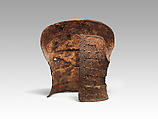
Armor plate, Iron, Assyrian
Assyrian
ca. late 8th–late 7th century BCE
Armor, Steel, copper alloy, textile, leather, Italian
Italian
ca. 1400–1450 and later
Cuirass of a <i>Tankō</i>, Iron, Japanese
Japanese
late 5th–6th century
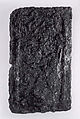
Armor plate, Iron, Assyrian
Assyrian
ca. late 8th–late 7th century BCE
Armor plate, Iron, Assyrian
Assyrian
ca. late 8th–late 7th century BCE
Armor plate, Iron, Assyrian
Assyrian
ca. late 8th–late 7th century BCE
Armor plate, Iron, Assyrian
Assyrian
ca. late 8th–late 7th century BCE
Armor plate, Iron, Assyrian
Assyrian
ca. late 8th–late 7th century BCE
Armor plate, Iron, Assyrian
Assyrian
ca. late 8th–late 7th century BCE
Armor plates, Iron, Assyrian
Assyrian
ca. late 8th–late 7th century BCE
Set of Four Mirriors (Cuirass), Iron, textile, leather, Tibetan or Nepalese
Tibetan or Nepalese
18th–19th century
Armor plate, Iron, Assyrian
Assyrian
ca. late 8th–late 7th century BCE
仏胴 “Buddha” Cuirass (<i>Hotoke-Dō</i>), Iron, silk, Japanese
Japanese
16th or early 17th century
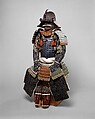
Armor (<i>Gusoku</i>), Bamen Tomotsugu  Japanese, Iron, lacquer, copper-gold alloy (shakudō), silver, silk, horse hair, ivory, Japanese, Toyohara, Echizen province
Armorer Helmet signed by Bamen Tomotsugu
18th century
Armor plate, Iron, Assyrian
Assyrian
ca. late 8th–late 7th century BCE
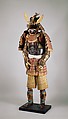
Armor (<i>Gusoku</i>), Saotome Ietada  Japanese, Iron, lacquer, silk, gilt copper, Japanese
Armorer Helmet bowl signed Saotome Ietada
Armorer Breastplate inscribed inside, Myōchin Munesuke
16th and 18th centuries
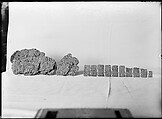
Armor Fragments of Scales from a Cuirass, Iron, Japanese
Japanese
possibly 8th century
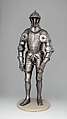
Armor, Steel, leather, German, Nuremberg
German, Nuremberg
ca. 1520 and later
Lamellar Armor (Byang Bu'i Khrab) and Helmet, Iron, leather, Tibetan
Tibetan
possibly 16th–17th century
Armor of Emperor Ferdinand I (1503–1564), Kunz Lochner  German, Steel, brass, leather, German, Nuremberg
Armorer Kunz Lochner
dated 1549
Armor, Steel, leather, German, possibly Lower Saxony
German, possibly Lower Saxony
ca. 1540–50 and later
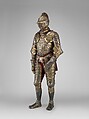
Armor of Henry II, King of France (reigned 1547–59), Jean Cousin the Elder  French, Steel, gold, silver, leather, textile, French, possibly Paris
Designer Part of the decoration design by Jean Cousin the Elder
Designer Part of the decoration design possibly by Baptiste Pellerin
ca. 1555
Armor, Steel, leather, German, possibly Lower Saxony
German, possibly Lower Saxony
ca. 1540–50 and later
Armor, Steel, leather, German, Nuremberg
German, Nuremberg
ca. 1520 and later
Gothic Armor, Steel, leather, copper alloy, German and Italian
German and Italian
late 15th century; extensively restored and completed ca. 1926
Armor for a Member of the Barberini Family, Steel, gold, silver, brass, textile, leather, armor, Italian, Milan; spurs, French
armor, Italian, Milan; spurs, French
armor, ca. 1623–30; spurs, early 17th century
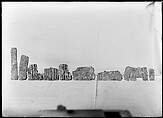
Armor Fragments of Scales from a Cuirass, Iron, Japanese
Japanese
ca. 300–710
Half Armor, Martin Schneider the Younger  German, Steel, German, Nuremberg
Armorer Attributed to Martin Schneider the Younger
1610–20
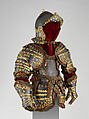
Armor of Infante Luis, Prince of Asturias (1707–1724), Jean Drouart  French, Steel, gold, brass, silk, cotton, metallic yarn, paper, French, Paris
Armorer Signature probably refers to Jean Drouart
dated 1712
Pikeman’s Armor, Steel, brass, British, probably Greenwich or London
British, probably Greenwich or London
ca. 1620–30
Lamellar Armor (<i>byang bu'i khrab</i>), Iron, leather, Tibetan
Tibetan
16th–17th century
Armor scales, Iron, leather, Achaemenid
Achaemenid
ca. 4th century BCE
Harquebusier's Armor of Pedro II, King of Portugal (reigned 1683–1706) with Buff Coat, Richard Holden  British, Steel, gold, leather, textile, British, London; buff coat, European
Armorer Armor attributed to Richard Holden
Armorer Helmet cheek pieces and metal plates on shoulder straps made by Daniel Tachaux
ca. 1683 and later; buff coat, 17th–18th century
Armored Belt, Iron, leather, Tibetan
Tibetan
17th–19th century
Six Armor Scales, Iron, textile fibers (wool), probably Spanish
probably Spanish
possibly 16th to 18th century
Armor for the Tilt, Anton Peffenhauser  German, Steel, brass, leather, German, Augsburg
Armorer Attributed to Anton Peffenhauser
ca. 1580
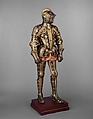
Armor Garniture of George Clifford (1558–1605), 
Third Earl of Cumberland, Jacob Halder  British, Steel, gold, leather, textile, British, Greenwich
Armorer Made under the direction of Jacob Halder
1586
Three-Quarter Armor, Kolman Helmschmid  German, Steel, leather, German, Augsburg
Armorer Pauldrons and vambraces attributed to Kolman Helmschmid
ca. 1525 and later
Jousting Armor, Anton Peffenhauser  German, Steel, leather, German, Augsburg
Armorer Attributed to Anton Peffenhauser
ca. 1580
Armor (<i>Gusoku</i>), Myōchin Munesuke  Japanese, Iron, lacquer, silk, copper, gold, Japanese
Armorer Signed by Myōchin Munesuke
early 18th century
Armor for the Tilt, Anton Peffenhauser  German, Steel, brass, leather, German, Augsburg
Armorer Attributed to Anton Peffenhauser
ca. 1580
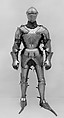
Composed Armor, Julian Arrechia  Spanish, Steel, copper alloy (latten), leather, Italian
Armorer Left tasset made by Julian Arrechia
Armorer Left pauldron made by Raymond Bartel
ca. 1450–60 and later, restored and composed in the 1920s

Content Notice

The Metropolitan Museum of Art presents over 5,000 years of art from around the world, and our online collection reflects ongoing work conducted over the course of our more than 150-year history. You may encounter objects or images that may be inappropriate for some viewers or information that may be outdated.