Search the collection

Filter By

Object Type / Material
Geographic Location
Department
Date
Show Only:
  • As part of the Met's Open Access policy, you can freely copy, modify and distribute this image, even for commercial purposes.
    APIPublic domain data for this object can also be accessed using the Met's Open Access API
More than 10,000 results for probably Italian
Sort by:
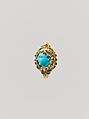
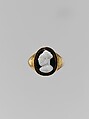
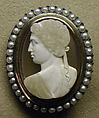
Alexander the Great (?), Turquoise, enamel, gold, probably Italian
probably Italian
ring: mid-16th century; cameo: early Hellenistic 4th century BCE
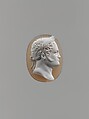
Laureate Head of Alexander I of Russia, Onyx, probably Italian
probably Italian
ca. 1810–20
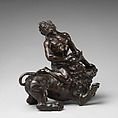
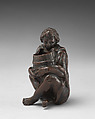
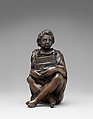
Samson and the Lion, Bronze, with red-brown natural patina, remains of dark brown lacquer, probably Italian
probably Italian
17th century
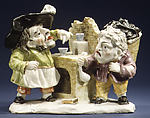
Alchemist and his Assistant, Hard-paste porcelain, probably Italian
probably Italian
ca. 1770–75
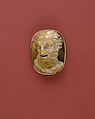
Cameo with the Head of a Satyr, Sardonyx with gold mount, probably Italian
probably Italian
late 18th or early 19th century
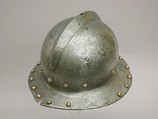
War Hat, Steel, copper alloy, probably Italian
probably Italian
1450–1500
Model for a Papal monument, Peter Anton von Verschaffelt  Flemish, Terracotta, probably Italian, Rome
Peter Anton von Verschaffelt
ca. 1740–50
Traveling cup, Coconut with gilt-silver mount, probably Italian, Rome
probably Italian, Rome
ca. 1503
Glass striped mosaic bowl, Glass, Roman, probably Italian
Roman, probably Italian
late 1st century BCE–early 1st century CE
Ribbed mosaic glass bowl with base ring, Glass, Roman, probably Italian
Roman, probably Italian
late 1st century BCE–early 1st century CE
Ribbed mosaic glass bowl, Glass, Roman, probably Italian
Roman, probably Italian
late 1st century BCE–early 1st century CE
Glass mosaic bowl, Glass, Roman, probably Italian
Roman, probably Italian
late 1st century BCE–early 1st century CE
Glass mosaic bowl, Glass, Roman, probably Italian
Roman, probably Italian
late 1st century BCE–early 1st century CE
Glass mosaic carinated bowl, Glass, Roman, probably Italian
Roman, probably Italian
late 1st century BCE–early 1st century CE
Glass mosaic bowl, Glass, Roman, probably Italian
Roman, probably Italian
late 1st century BCE–early 1st century CE
Glass striped mosaic bowl, Glass, Roman, probably Italian
Roman, probably Italian
late 1st century BCE–early 1st century CE
Goblet, Colorless (slightly gray) and turquoise blue nonlead glass. Blown, trailed, impressed, pincered., probably Italian (Venice)
probably Italian (Venice)
late 19th century
Sea monster, Severo Calzetta da Ravenna  Italian, Bronze, probably Italian, Padua
Severo Calzetta da Ravenna
ca. 1500–1510
Covered goblet, Opalescent bluish white nonlead glass. Blown, pattern molded, trailed, pincered, applied parts., probably Italian (Venice)
probably Italian (Venice)
probably late 19th century
Tazza, Bloodstone, gold, and enamel., probably Italian, Milan
probably Italian, Milan
ca. 1575–1625 with 19th century additions
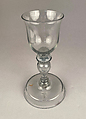
Wineglass, Colorless (slightly tan) nonlead glass. Blown, pattern molded, trailed, pincered, wheel-engraved., probably Italian (Venice)
probably Italian (Venice)
17th century
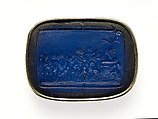
Plaque with Revel of Erotes, Glass, silver, probably Italian
probably Italian
late 18th–early 19th century
Hercules and Omphale, Sardonyx, mounted in gold as a pendant, probably Italian
probably Italian
late 17th–early 18th century
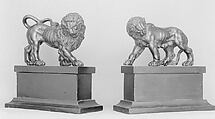
Lion, Bronze, probably Italian
probably Italian
18th–19th century
Lioness, Giovanni Francesco Susini  Italian, Bronze, probably Italian
Giovanni Francesco Susini
17th–18th century
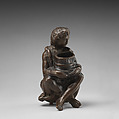
Boy with a barrel, Bronze, brown patina, on base of yellow marble with grey veining, probably Italian
probably Italian
16th century (?)
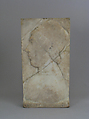
Renaissance-style portrait of a youth, Marble, probably Italian
probably Italian
19th century
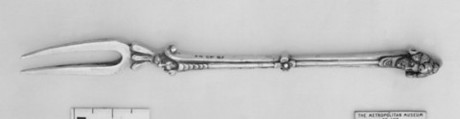
Fork, Silver, probably Italian
probably Italian
late 16th–early 17th century
Charity, Terracotta, tinted bronze, probably Italian
probably Italian
18th–19th century
Cup, Rock crystal, enameled gold, probably Italian
probably Italian
16th century with modern mounts
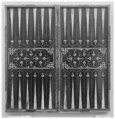
Chess and backgammon board, Wood, ivory, probably Italian
probably Italian
probably 16th century
Folding Knife, Steel, partly gilded; ivory, probably Italian
probably Italian
17th–18th century
Elizabeth I of England (1533–1603), Onyx and gold, probably Italian
probably Italian
ca. 1570–1600
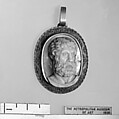
Head of a philosopher, Onyx and silver, probably Italian
probably Italian
18th–19th century
Bust of an athlete, Sardonyx, mounted in gold with pearls as a pin, probably Italian
probably Italian
first half 18th century
Recumbent lion, Sardonyx, mounted in gold as a pendant, probably Italian
probably Italian
18th–19th century
Walking lion, Sardonyx, mounted in gold as a ring, probably Italian
probably Italian
18th century
Head of Augustus (Gaius Julius Caesar Octavianus 63 B.C.–14 A.D.) wearing the celestial crown, Sardonyx, probably Italian
probably Italian
17th–18th century
Two Tritons, Onyx fragment and gold, probably Italian
probably Italian
late 18th century
Crucifix, Corpus: ivory; cross: ebony and ivory, probably Italian
probably Italian
late 16th–early 17th century