MetPublications
Showing 1–9 results of 9
Sort by:
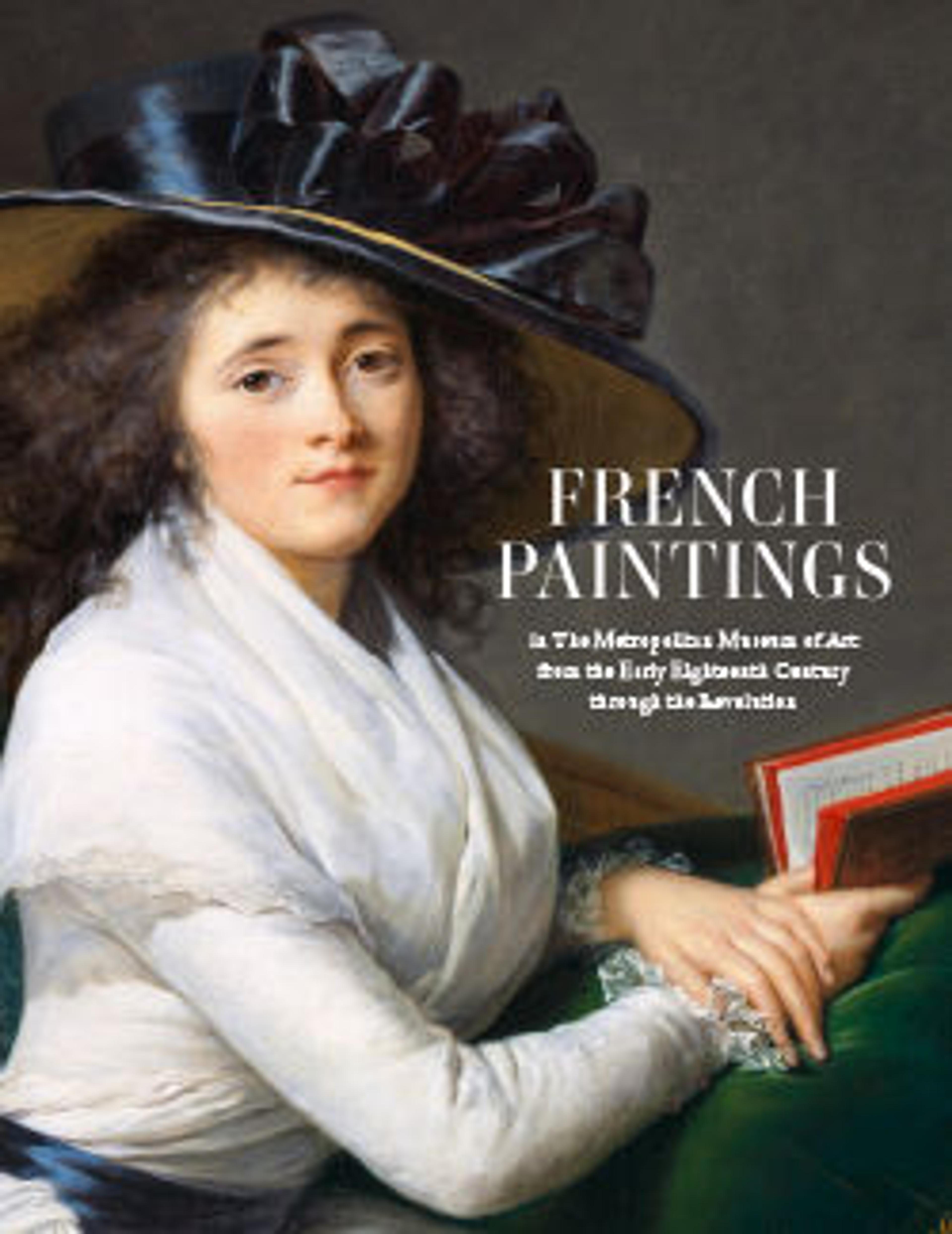 This publication catalogues The Met’s remarkable collection of eighteenth-century French paintings in the context of the powerful institutions that governed the visual arts of the time—the Académie Royale de Peinture et de Sculpture, the Académie de France à Rome, and the Paris Salon. At the height of their authority during the eighteenth century, these institutions nurtured the talents of artists in all genres. The Met’s collection encompasses stunning examples of work by leading artists of the period, including Antoine Watteau (Mezzetin), Jean Siméon Chardin (The Silver Tureen), François Boucher (The Toilette of Venus), Joseph Siffred Duplessis (Benjamin Franklin), Jean-Baptiste Greuze (Broken Eggs), Hubert Robert (the Bagatelle decorations), Jacques Louis David (The Death of Socrates), the Van Blarenberghes (The Outer Port of Brest), and François Gérard (Charles Maurice de Talleyrand-Périgord). In the book’s introduction, author Katharine Baetjer provides a history of the Académie, its establishment, principles, and regulations, along with a discussion of the beginnings of public art discourse in France, taking us through the reforms unleashed by the Revolution. The consequent democratizing of the Salon, brought about by radicals under the leadership of Jacques Louis David, encouraged the formation of new publics with new tastes in subject matter and genres. The catalogue features 126 paintings by 50 artists. Each section includes a short biography of the artist and in-depth discussions of individual paintings incorporating the most up-to-date scholarship.Download PDFFree to download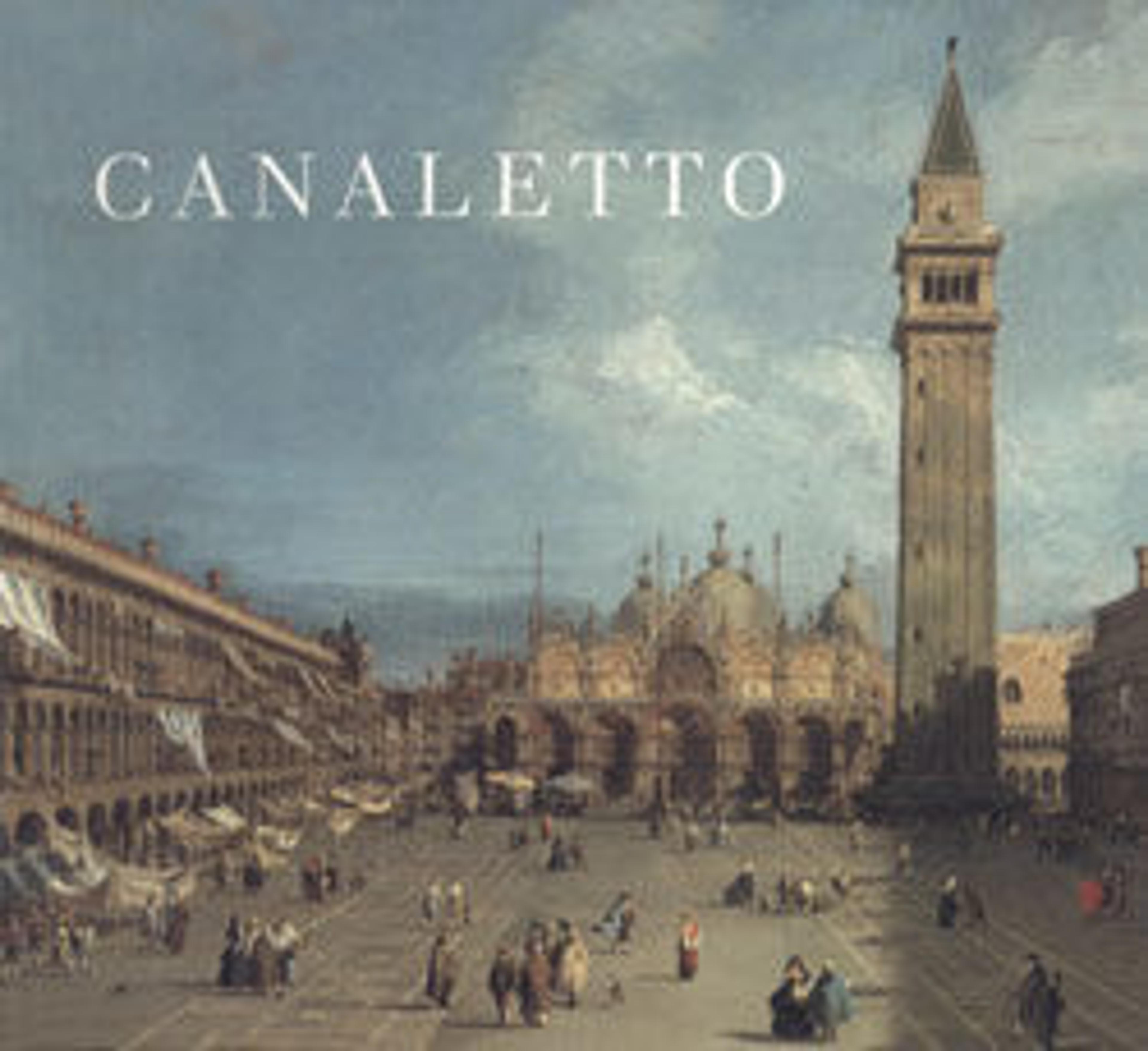
Canaletto
1989At the beginning of his career Canaletto (1697–1768) painted views of Venice that were singled out by the most discerning connoisseurs, and at its peak in the 1730s and 1740s he was by far the most successful Italian painter of his day. His work has never gone out of fashion, and he is now among the most popular of all Old Master painters. Because so much of Canaletto's oeuvre provides effortless enjoyment to the viewer, he is sometimes regarded as concerned only with the visible world, as opposed to those artists who were inspired by their religion or their imagination. However, Canaletto brought as reflective and original an insight to his early work as any of his contemporaries, and throughout his career he took relief from his normal realism in flights of fantasy and caprice. Even in his apparently most realistic pictures of Venice, Padua, and London, artistic considerations always took precedence over fact. This book accompanies the first exhibition of the work of Canaletto ever held in the United States. It follows the course of his career as painter and draftsman and reviews the different phases of his technical and artistic development. Canaletto's achievement cannot be seen as a whole without assembling a number of paintings and drawings still owned by the descendants of those who acquired them in his lifetime. Supreme among such collections is that of Her Majesty Queen Elizabeth II who owns the works sold to George III by Canaletto's principal patron, Consul Joseph Smith; a large number of these paintings and drawings are illustrated. Among public collections, the National Gallery, London, agreed to the inclusion of Canaletto's greatest masterpiece: "The Stonemason's Yard." Essays outlining Canaletto's life and illuminating his work are by J. G. Links, authority and author on Canaletto, who revised W. G. Constable's catalogue raisonné for its second and now its third editions; Michael Levey, former Director of the National Gallery, London: Francis Haskell, Professor of the History of Art at the University of Oxford; Alessandro Bettagno, professor, and Director of the Institute for the History of Art at the Cini Foundation, Venice; and Viola Pemberton-Pigott, Senior Restorer to the Royal Collection. The paintings and drawings are discussed by Katharine Baetjer, Curator in the Department of European Paintings, The Metropolitan Museum of Art, and J. G. Links.Download PDFFree to download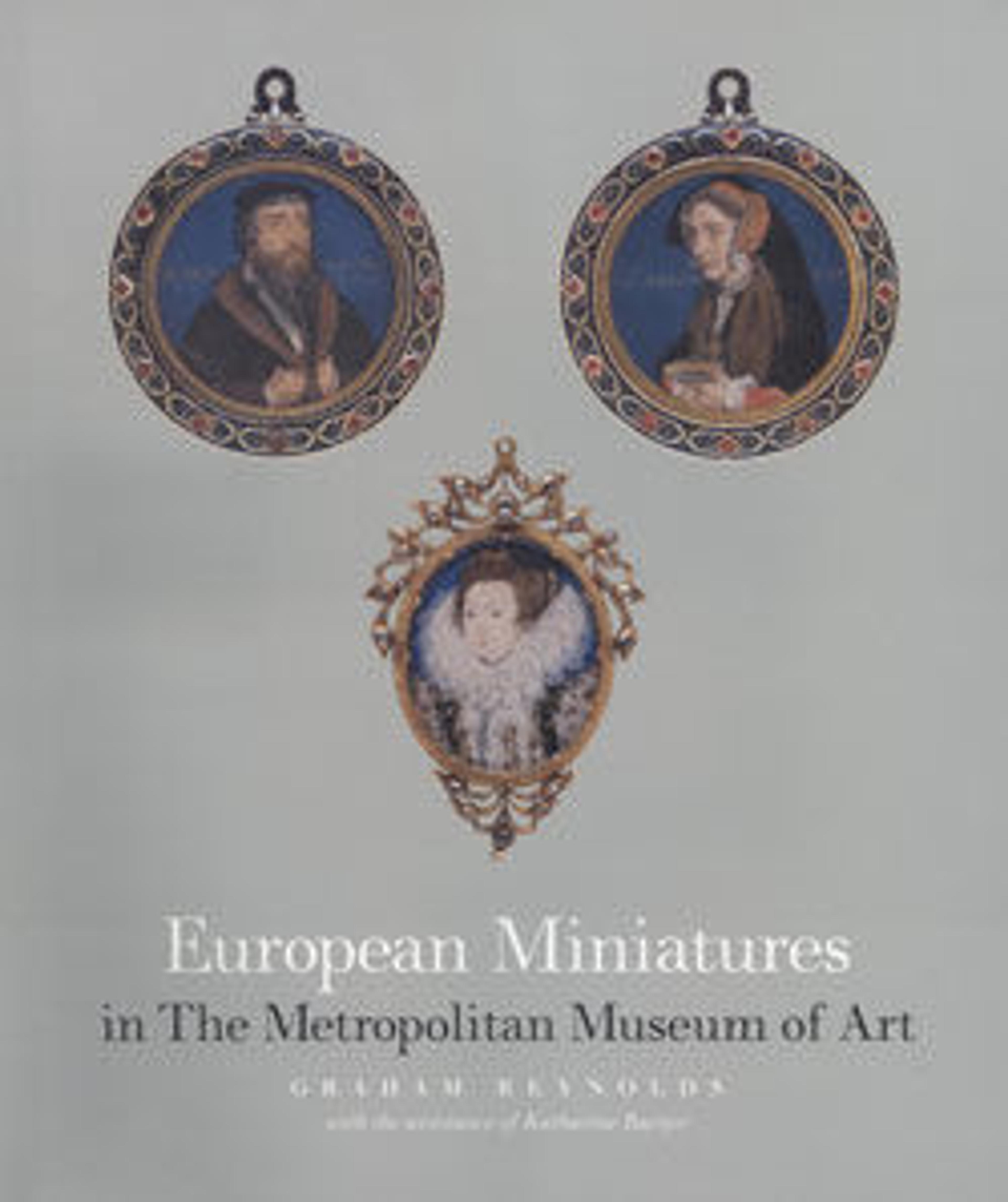 Miniatures are evocative objects, sometimes of great technical virtuosity and often of compelling historical interest. They have enormous appeal not only for the scholarly community but also for a more general audience. This publication is a catalogue of the Metropolitan Museum's permanent collection of more than three hundred European miniatures. In origin these works fall into three categories—British, French, and Continental—and date from the early sixteenth century to about 1850. The collection includes one of two known portrait miniatures by Jean Clouet, who is credited with originating this genre, and three of no more than twenty recognized portrait miniatures by Hans Holbein the Younger, the first great master of this art. Most of the important figures in this field—Hilliard, Hoskins, Cooper, Hall, Fuger, Zincke, Cosway, and Isabey—are represented, as are several painters who worked primarily in larger formats—Fragonard, the Van Blarenberghes, and Rosalba Carriera, for example. The majority of the miniatures are hitherto unpublished.Download PDFFree to download
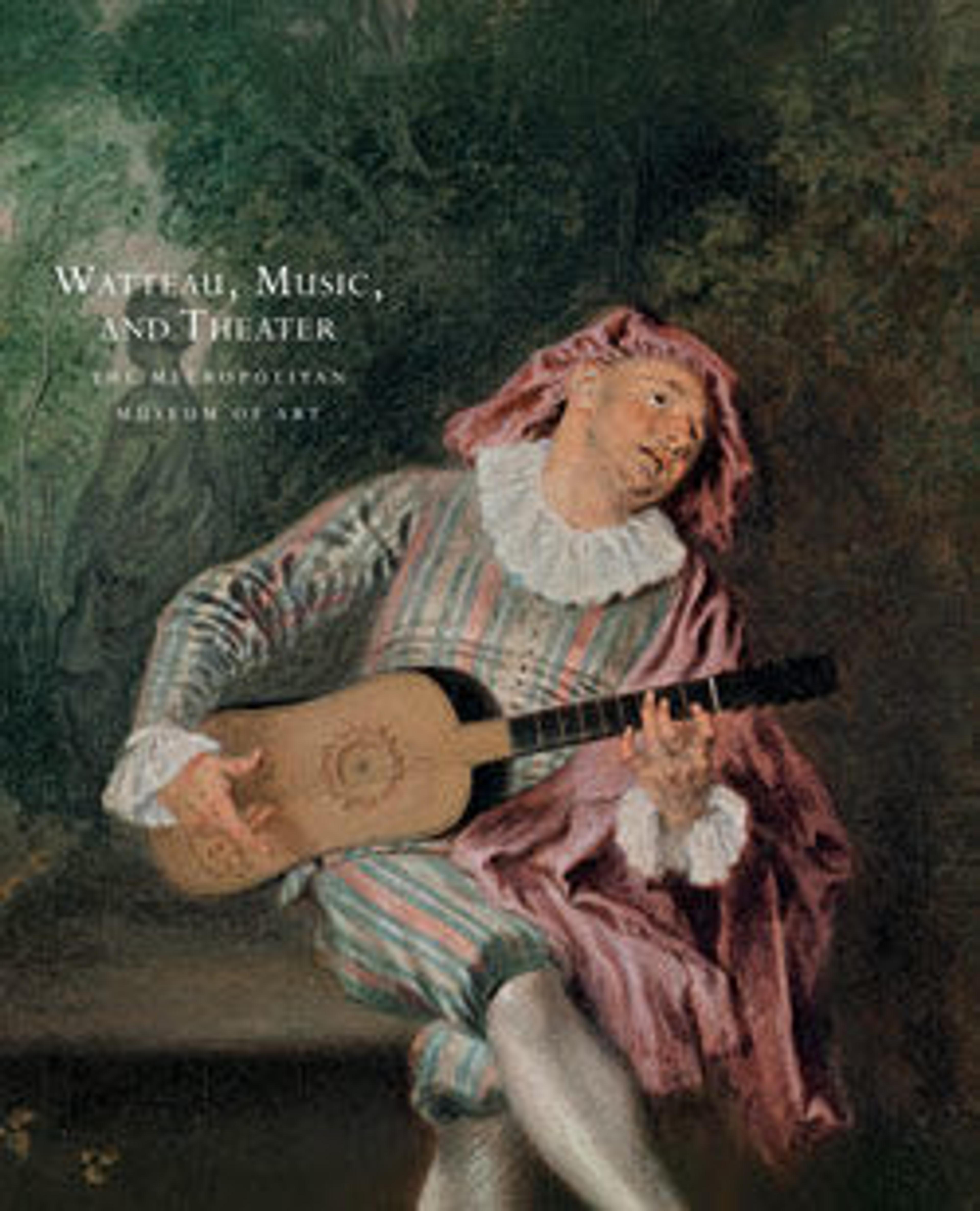 Focusing on both the visual and performing arts, Watteau, Music, and Theater explores the rich connections between painting and theater at a time when Louis XIV had reigned in France for some six decades. Its contents will engage admirers of the art of Jean-Antoine Watteau (1684–1721) and that of other early eighteenth-century French artists. The fascinating developments in music and theater that took place in Paris during the early years of the eighteenth century, after the young Watteau arrived in the vibrant French capital, are the subject of this volume. An introductory essay by Pierre Rosenberg de l'Académie française, Honorary President-Director of the Museé du Louvre, Paris, opens the publication. A second essay by Georgia J. Cowart, Professor of Music at Case Western Reserve University, furnishes instructive background information on the period's cultural milieu. A chronology of Watteau's life reveals the few facts known about this intriguing and somewhat mysterious artist. Brief biographies of the other artists represented are also included. Fifteen major paintings by Watteau and a number of his drawings demonstrate the ways in which the painter's vision reflects his involvement with actors, musicians, and the stage. The works discussed range from enchanting single figures to animated assemblages of players from the French and Italian theatrical tradition. You will meet Mezzetin, a stock character of the commedia dell'arte; Harlequin, garbed in the traditional black mask and a diamond-patterned costume; the cheerless and egotistical manservant Crispin, a leading stock comic character of the French stage; and Pierrot, a French charmer in his loose "clown" costume and pointed hat. The first of the sixty-three entries that examine individual works of art is Watteau's The Island of Cythera, an early canvas from about 1709–10, associated with the finale of Florent Carton Dancourt's play Les Trois Cousines, in which French villagers undertake a pilgrimage to the temple of Venus's son Cupid in search of love. Among the additional paintings by Watteau are Italian Comedians, in which the huge assemblage of players suggests the bows at the end of a performance, and French Comedians, which represents several aspects of tragi-comic French theater. The performing arts in Paris are also addressed in paintings by Nicolas Lancret (1690–1743), Jean-Baptiste-Joseph Pater (1695–736), and the Venetian Giovanni Domenico Tiepolo (1727–1804). Dance before a Fountain, a canvas by Lancret, is a classic fête galante in which young and fashionable characters in their garden world play out the drama of love. The Fair at Bezons, one of Pater's largest and most ambitious canvases, shows the artist in full command of the new genre of the fête galante. A number of appealing drawings and prints by Watteau and other eighteenth-century artists as well as porcelains and musical instruments are also examined. Examples include Watteau's delightful studies of men and women that served as the sources for his depictions of theatrical characters. Watteau, Music, and Theater was edited by Katharine Baetjer, Curator in the Metropolitan Museum of Art's Department of European Paintings, and it accompanies an exhibition at the Metropolitan Museum honoring Philippe de Montebello, Director Emeritus.Download PDFFree to download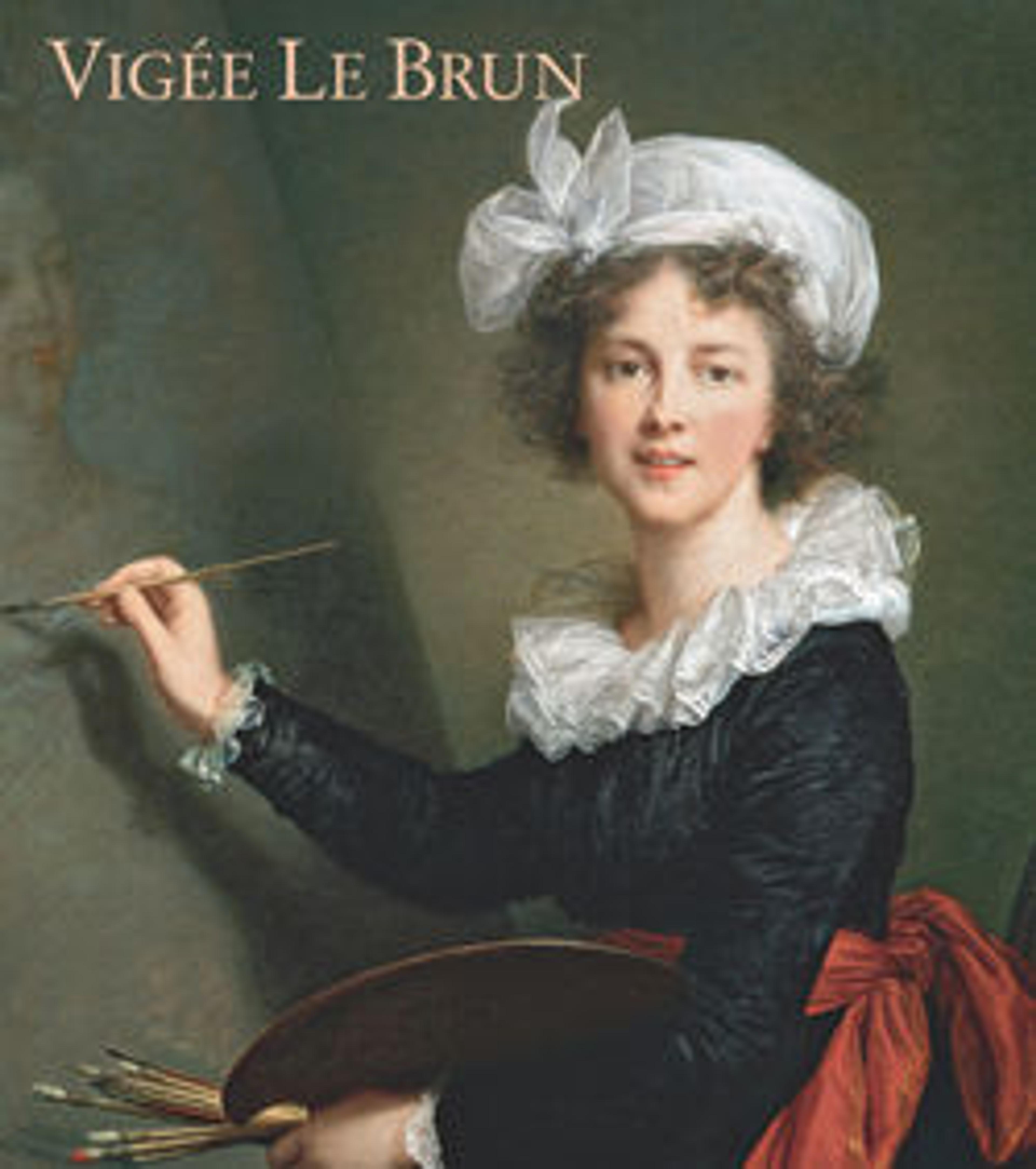
Vigée Le Brun
2016Elisabeth Louise Vigée Le Brun (1755–1842) was one of the finest eighteenth-century French painters and among the most important women artists of all time. Celebrated for her expressive portraits of French royalty and aristocracy, and especially of her patron Marie Antoinette, Vigée Le Brun exemplified success and resourcefulness in an age when women were rarely allowed either. Because of her close association with the queen Vigée Le Brun was forced to flee France during the French Revolution. For twelve years she traveled throughout Europe, painting noble sitters in the courts of Naples, Russia, Austria, and Prussia. She returned to France in 1802, under the reign of Emperor Napoleon I, where her creativity continued unabated. This handsome volume details Vigée Le Brun's story, portraying a talented artist who nimbly negotiated a shifting political and geographic landscape. Essays by international scholars address the ease with which this self-taught artist worked with monarchs, the nobility, court officials and luminaries of arts and letters, many of whom attended her famous salons. The position of women artists in Europe and at the Salons of the period is also explored, as are the challenges faced by Vigée Le Brun during her exile. The ninety paintings and pastels included in this volume attest to Vigée Le Brun's superb sense of color and expression. They include exquisite depictions of counts and countesses, princes and princesses alongside mothers and children, including the artist herself and her beloved daughter, Julie. A chronology of the life of Vigée Le Brun and a map of her travels accompany the text, elucidating the peregrinations of this remarkable, independent painter.Download PDFFree to download Download PDFFree to download
 Download PDFFree to download
 Download PDFFree to download
 Download PDFFree to download