MetPublications
1-10 of 1,791 results for American Quilts and Coverlets
Sort by:
Ways to read
Topic
Publication type
Met department
Curatorial
Conservation
Other
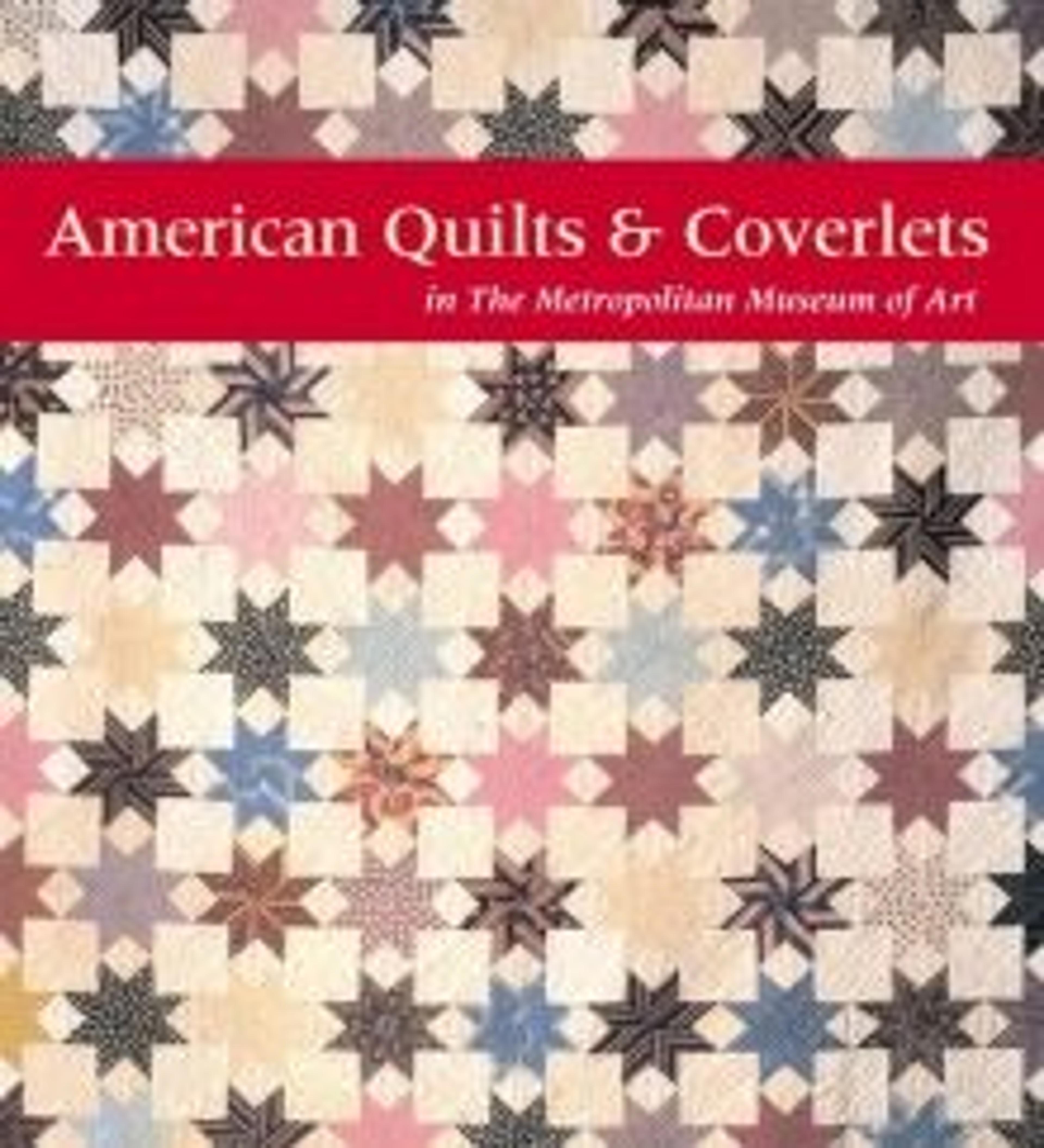 Since 1910, when the Museum's first American bed covering was acquired, curators in the American Wing have gradually amassed an admirable collection. Except for a few justly famous pieces, however, it is largely unknown. The textile collections of many museums remain under-explored for several reasons. Traditionally, art museums have not emphasized the utilitarian, primarily homemade, and often anonymous items in their collections such as quilts. Additionally, bed coverings are difficult to exhibit because of their large size. Most importantly, because the cotton and silk textiles that make up many of these works are exceedingly fragile, a museum must take its job as cultural caretaker particularly seriously; by rarely displaying our bed covers, we are prolonging their lives. Over the years an increasing number of collectors, quiltmakers, coverlet weavers, scholars, and textile enthusiasts have asked to see our quilts and coverlets. The Museum staff is not able to accommodate requests to see the entire collection of 119 bed coverings. Only by prearrangement can we show a small number of them to an occasional viewer or allow visitors to make use of the catalogued information kept for study purposes. This book provides greater access to the Museum's outstanding collection and enables all who are interested to discover the beauty and historical significance of our American quilts and coverlets.Download PDFFree to download
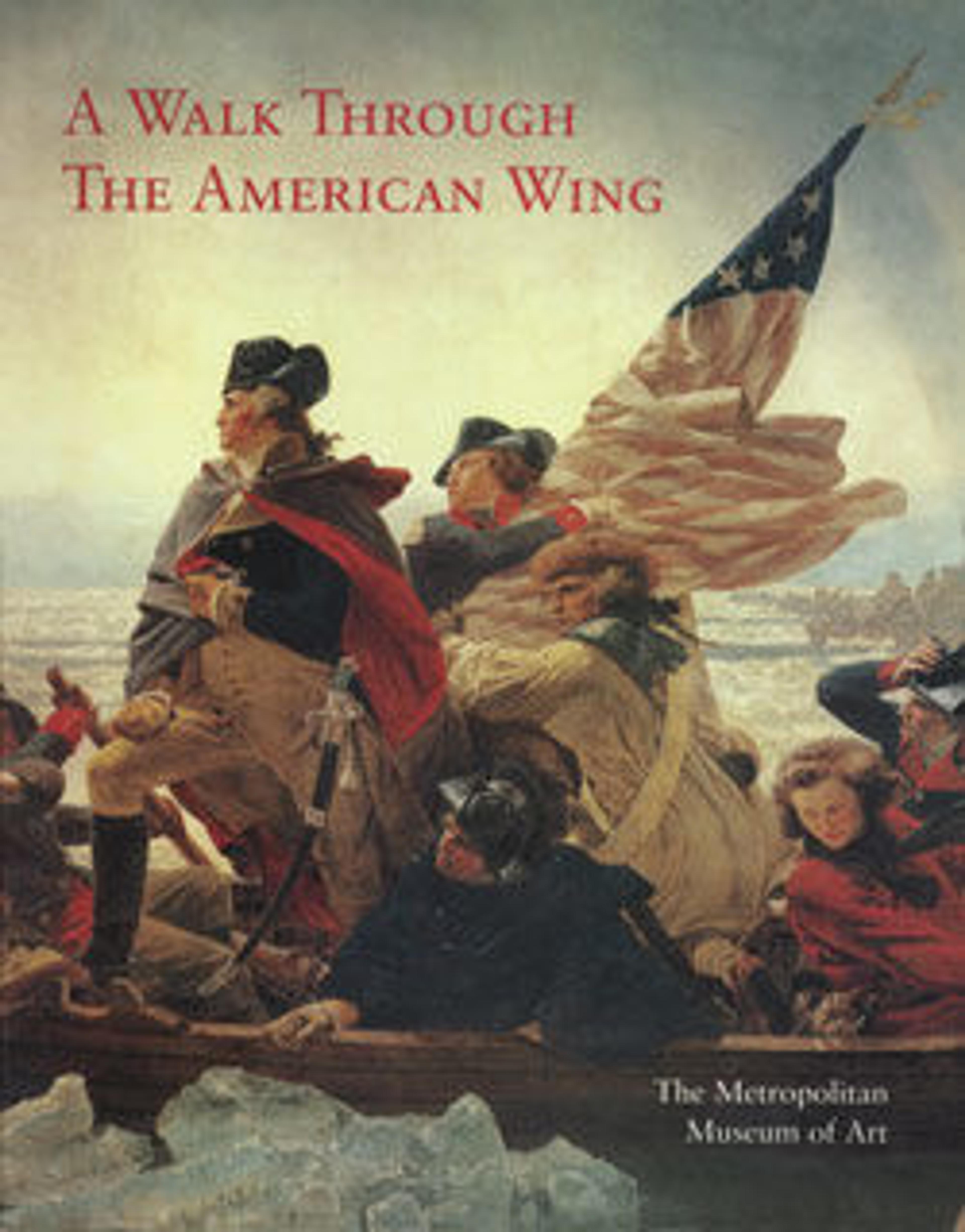 The American Wing is a favorite destination for the Metropolitan's visitors, so I am particularly pleased that, once again, there is in print a handy and dependable guide to its treasures. The joint work of the curatorial staffs of the Departments of American Decorative Arts and American Paintings and Sculpture, the text is informed by the latest scholarship presented in an informal and accessible manner. The American Wing is a living organism, with its collections and their means of display continually evolving. Since 1980, for example, literally hundreds of works of art have been acquired thanks to the generosity of many collectors and donors; a half dozen important period rooms, including a masterpiece by Frank Lloyd Wright, have been installed; and the Henry R. Luce Center for the Study of American Art, in which most of the Wing's reserve collections are on public view, has opened. Changes will continue, and it is our hope that this new volume, organized to guide the visitor through three stories and many galleries, will be as popular, and go through as many editions, as the original Handbook of the American Wing.Download PDFFree to download
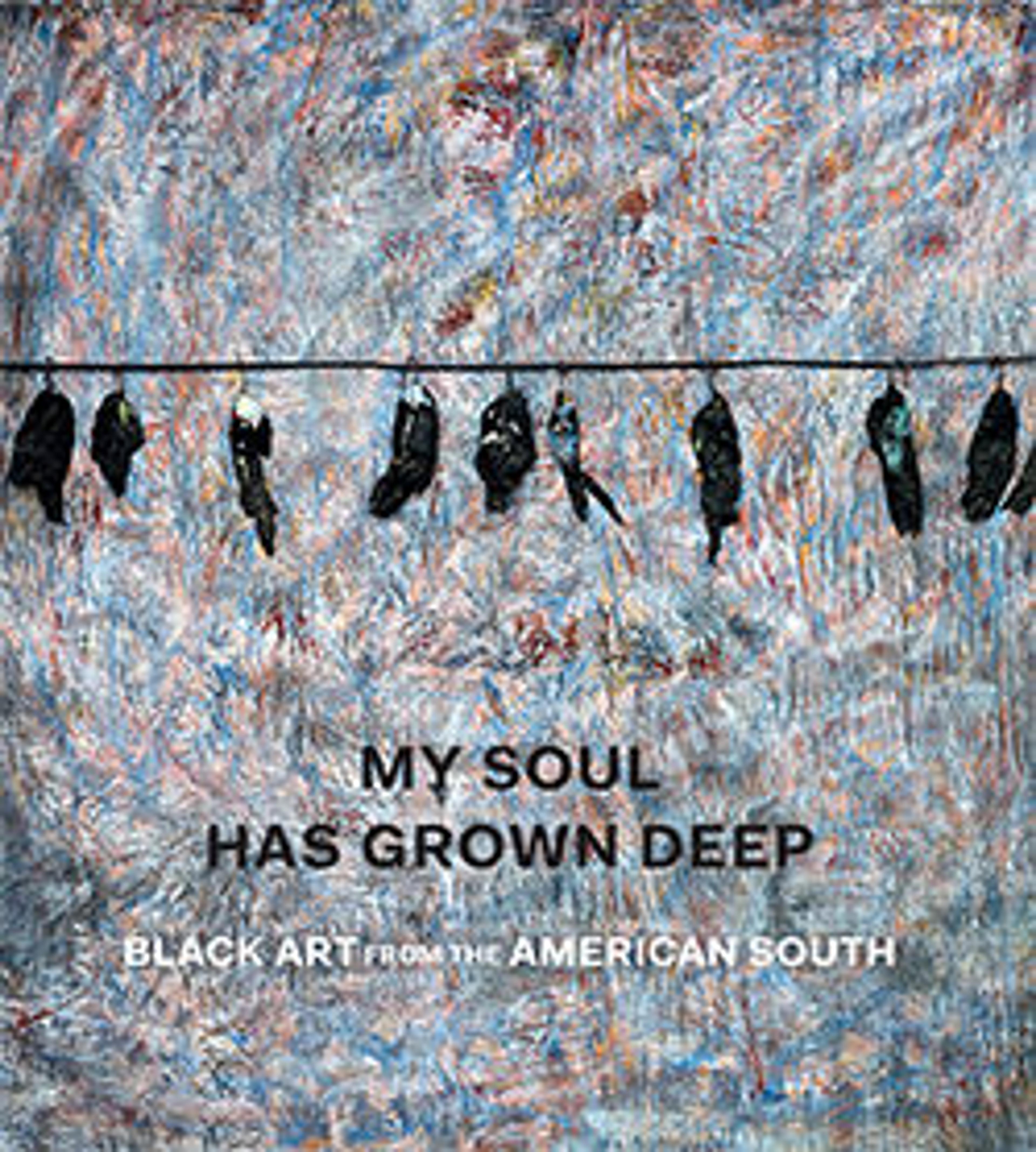 My Soul Has Grown Deep considers the art-historical significance of contemporary Black artists and quilters working throughout the southeastern United States and Alabama in particular. Their paintings, drawings, mixed-media compositions, sculptures, and textiles include pieces ranging from the profoundly moving assemblages of Thornton Dial to the renowned quilts of Gee’s Bend. Nearly sixty remarkable examples—originally collected by the Souls Grown Deep Foundation and donated to The Metropolitan Museum of Art—are illustrated alongside insightful texts that situate them in the history of modernism and the context of the African American experience in the twentieth-century South. This remarkable study simultaneously considers these works on their own merits while making connections to mainstream contemporary art. Art historians Cheryl Finley, Randall R. Griffey, and Amelia Peck illuminate shared artistic practices, including the novel use of found or salvaged materials and the artists’ interest in improvisational approaches across media. Novelist and essayist Darryl Pinckney provides a thoughtful consideration of the cultural and political history of the American South, during and after the Civil Rights era. These diverse works, described and beautifully illustrated, tell the compelling stories of artists who overcame enormous obstacles to create distinctive and culturally resonant art.
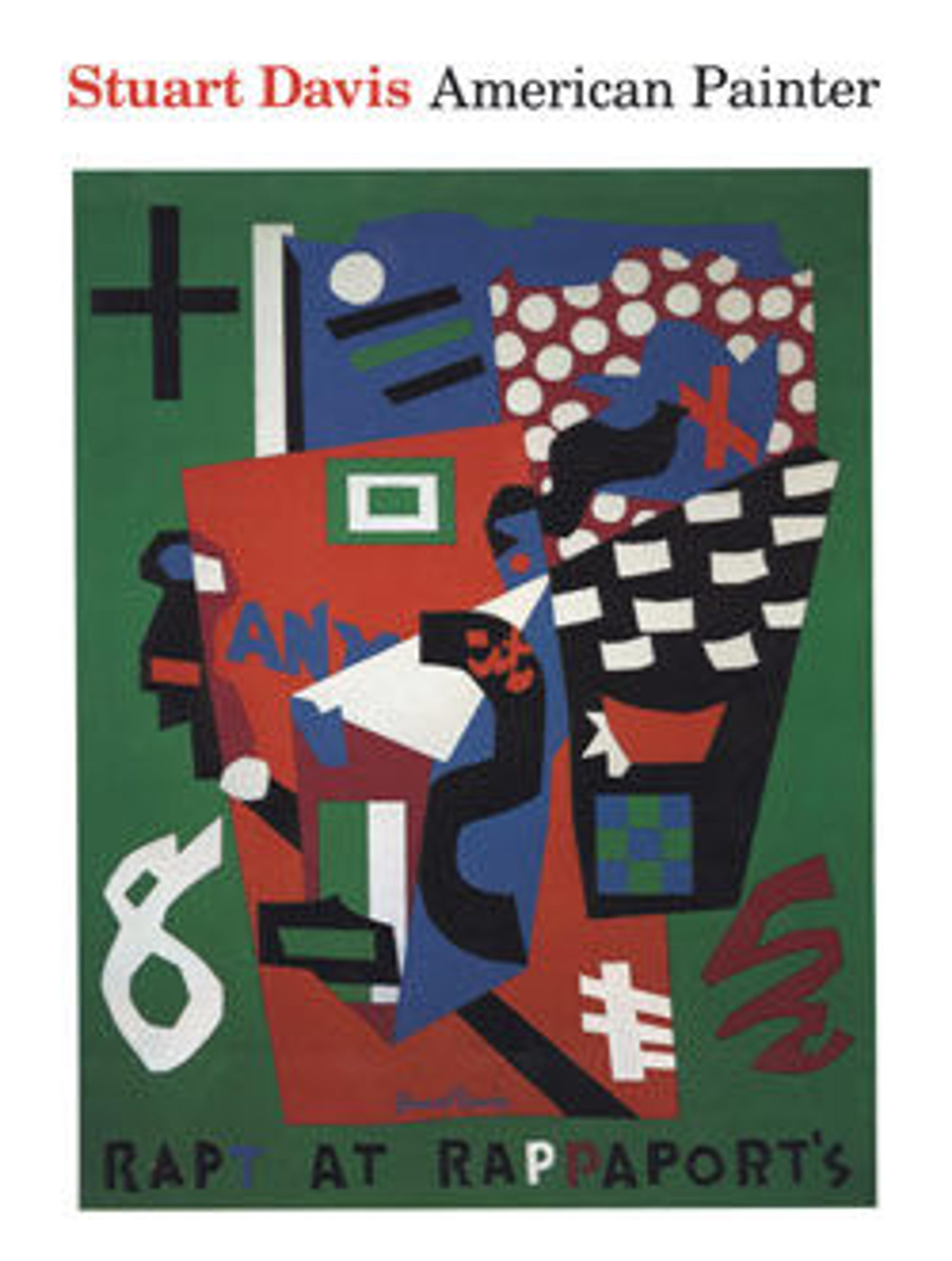 Stuart Davis (1892–1964) is one of the most important American artists of the twentieth century, whose artistic sensibility was formed early on by his teacher, Robert Henri, leader of "The Eight," and by the revolutionary Armory Show of 1913. That landmark exhibition exposed Davis to the new European modernism, which challenged traditional and academic concepts of art. From 1909 to 1923, the works of van Gogh, Matisse, Mondrian, Léger, and the Cubists were the main sources of inspiration for Davis's artistic experimentation, and he blended their influences with his own unique subject matter, which was rooted in the diversity of American culture. Out of the energy, vibrancy, change, and conflict of contemporary life, Davis forged a personal iconography inspired by the upheaval of the city, the tranquility of the seaside, industry and the automobile, cafe society, sports, consumer packaging, tobacco, appliances, and jazz music and its lingo—and by his year-long stay in Paris in 1928. His political activism led Davis to serve as an illustrator for "The Masses" and as an editor of "Art Front," as a member of the Artists' Union and the American Artists Congress, and as a muralist for the Federal Art Project of the WPA. Yet, what distinguishes Stuart Davis's art is an "amazing continuity"—his unwavering propensity for continually reworking themes and motifs throughout his fifty-five-year-long career. It serves as the underlying theme of this volume, published to coincide with the first retrospective exhibition of the artist's work in over twenty-five years, held at The Metropolitan Museum of Art and the San Francisco Museum of Modern Art. Featured are aspects of Davis's oeuvre that have received scant scholarly attention to date, such as the early landscapes of 1909–20, the Paris paintings of the 1920s, and works of the 1940s through the 1960s—all examined within the context of such concurrent art movements as Abstract Expressionism, Pop Art, and Color Field painting. The ciphering and encoding that were integral to Davis's compositions continue to challenge scholars, but the cooperation of the artist's estate and considerable up-to-date information and recent discoveries have helped to shed new light on the imagery in the paintings, watercolors, gouaches, drawings, and graphic works included here, many of which are reproduced in brilliant color. The seven essayists, all Stuart Davis scholars, trace the evolution of the artist's development: Diane Kelder discusses Davis's relationship to modernism; Robert Hunter, the early works of 1909–20; Karen Wilkin and Lowery Stokes Sims, Davis's art of the 1920s and 1930s, respectively; John R. Lane, Davis in the 1940s; William C. Agee, the thematic recapitulations in the work of the 1960s; and Lewis Kachur, the prominence of the word and image in Davis's compositions. Together with the ninety commentaries on 175 of the artist's works, the essays celebrate the achievements of this protean figure in American painting and the full import of Stuart Davis in the context of the history of twentieth-century art.
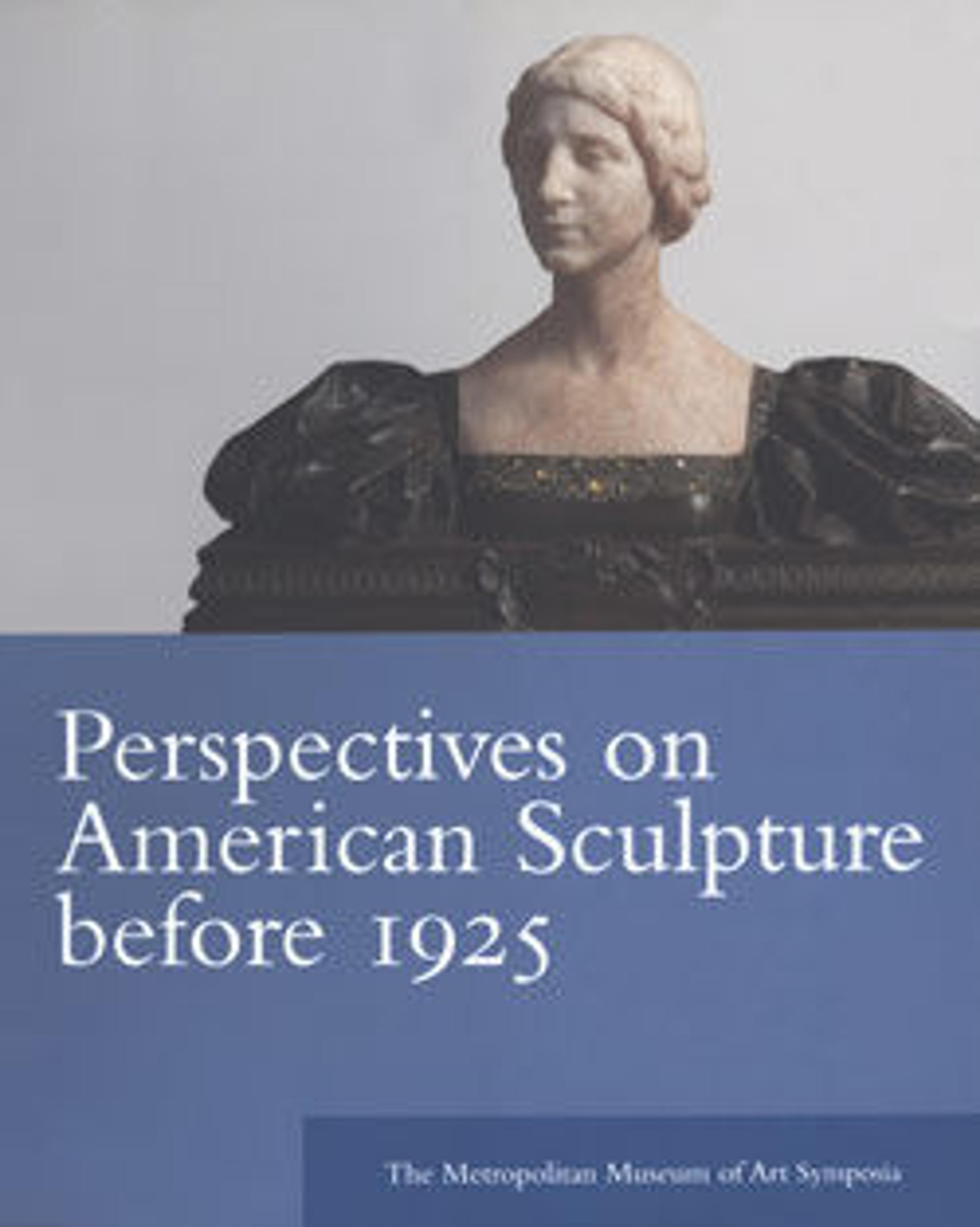 The eight essays collected in this volume were originally papers presented at a symposium held at the Metropolitan Museum on October 26, 2001. The symposium was organized to celebrate the publication of American Sculpture in The Metropolitan Museum of Art, a two-volume catalogue of the Museum's holdings in American sculpture by artists born before 1885. The symposium participants included art historians, museum professionals, and independent scholars, who together comprised a cross section of current thematic interests and scholarly approaches to American sculpture. Although their essays are topically diverse, each takes as a starting point a sculpture or group of sculptures in the Metropolitan's collection. The first broadly surveys Neoclassical relief sculpture, while the other essays focus on works by individual artists, among them Harriet Hosner, Augustus Saint-Gaudens, Hermon Atkins MacNeil, and Malvina Hoffman. The Metropolitan Museum of Art has long been a focal point for the study of American sculpture. In the Museum's earliest years, its core collection was formed under the stewardship of prominent sculptors John Quincy Adams Ward and Daniel Chester French, who served as trustees and oversaw the acquisition of notable Neoclassical marbles and Beaux-Arts bronzes. In the past three decades, a consistently judicious program of exhibitions, publications, and acquisitions has refined and strengthened an already comprehensive collection. This volume—the fourth in The Metropolitan Museum of Art Symposia series—is designed to encourage further inquiry and interest in American sculpture before 1925, this book proudly participates in the Museum's core mission to study, exhibit, and stimulate appreciation for and advanced knowledge of the diverse works of art in its unsurpassed collections.Download PDFFree to download
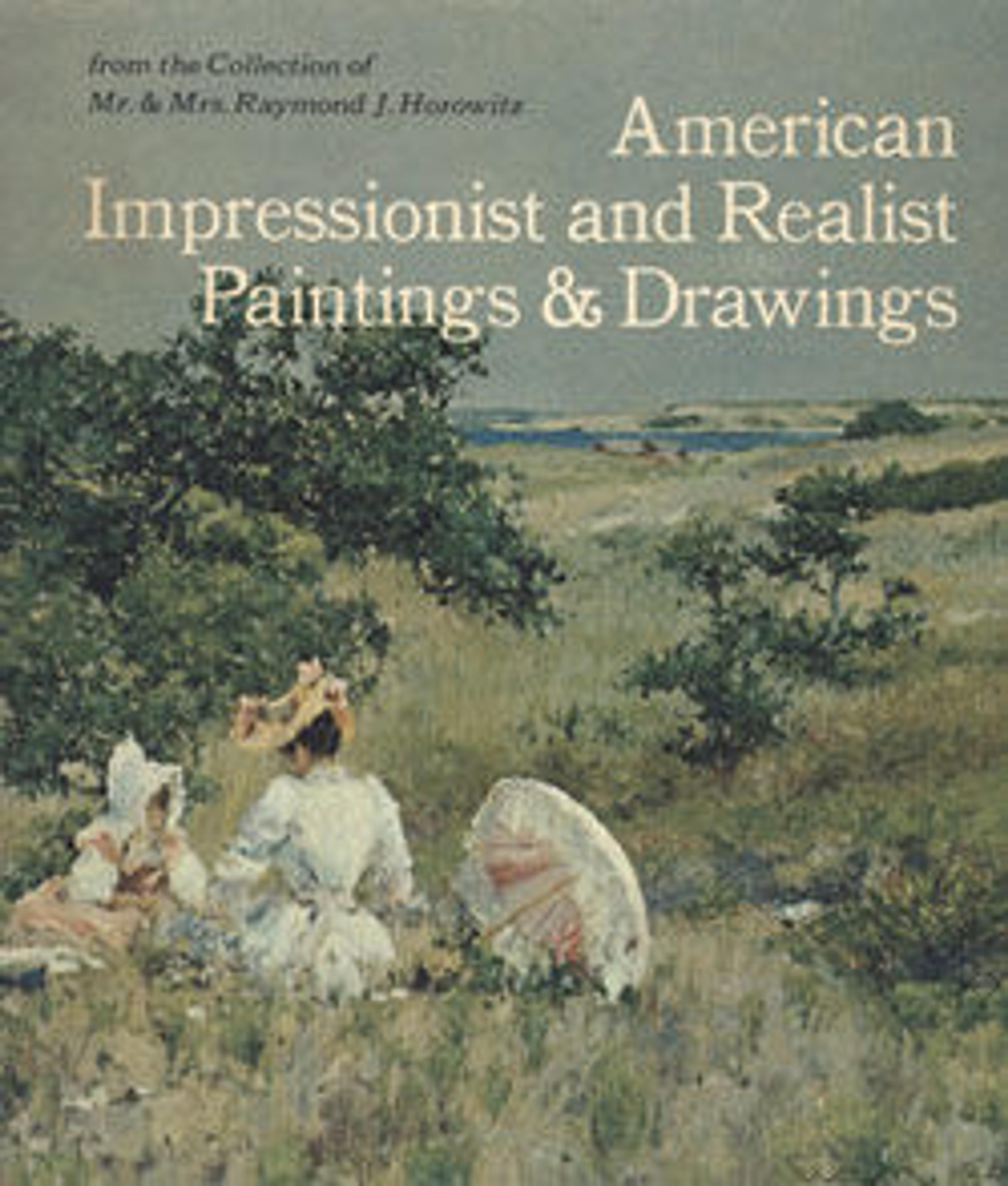 In recent years American painting has enjoyed one of the most lively, interesting, and deserved revivals in the art world. Museums all over the country have rediscovered, dusted off, and added to their American collections, installed them handsomely, and presented them in numerous worthwhile exhibitions, thereby helping to reopen the eyes of Americans to an immensely appealing and important part of their artistic heritage. Although art museums have good reason to be pleased with this activity, it should be remembered that private collectors have often been the pioneer reviving force in American art. They, through their enthusiasm and acumen, have shown the way for the museums. Currently nineteenth-century painting is probably the most restudied and sought-after American art, and the work produced by the last generation of that century and first two decades of the twentieth—impressionist and realist pictures—has begun to receive particular attention. Margaret and Raymond Horowitz, as a result of their perceptive collecting, have been primary leaders of the large and ever-growing group that appreciates the lyric beauty of this work. The Horowitzes have collected examples in painting and drawing of the highest quality, which, brought together in this exhibition, isolate some of the most noticeable characteristics of the art of the period—quietude, simplicity, delicacy, and intimacy. The consistent quality of the Horowitz collection is a remarkable accomplishment and a tribute to the collectors' knowledge and taste. The Metropolitan Museum is grateful to Mr. and Mrs. Horowitz for sharing with the public what they have achieved as collectors of American art.Download PDFFree to download
 The American Wing of the Metropolitan Museum of Art is devoted to American art of the colonial, revolutionary, and early republican periods. This handbook includes floor plans of the American Wing galleries as they appeared in 1938 and presents academic essays alongside a catalogue of the collection which describes the dominant ornamentation, materials, and styles of early America's decorative arts.Download PDFFree to download
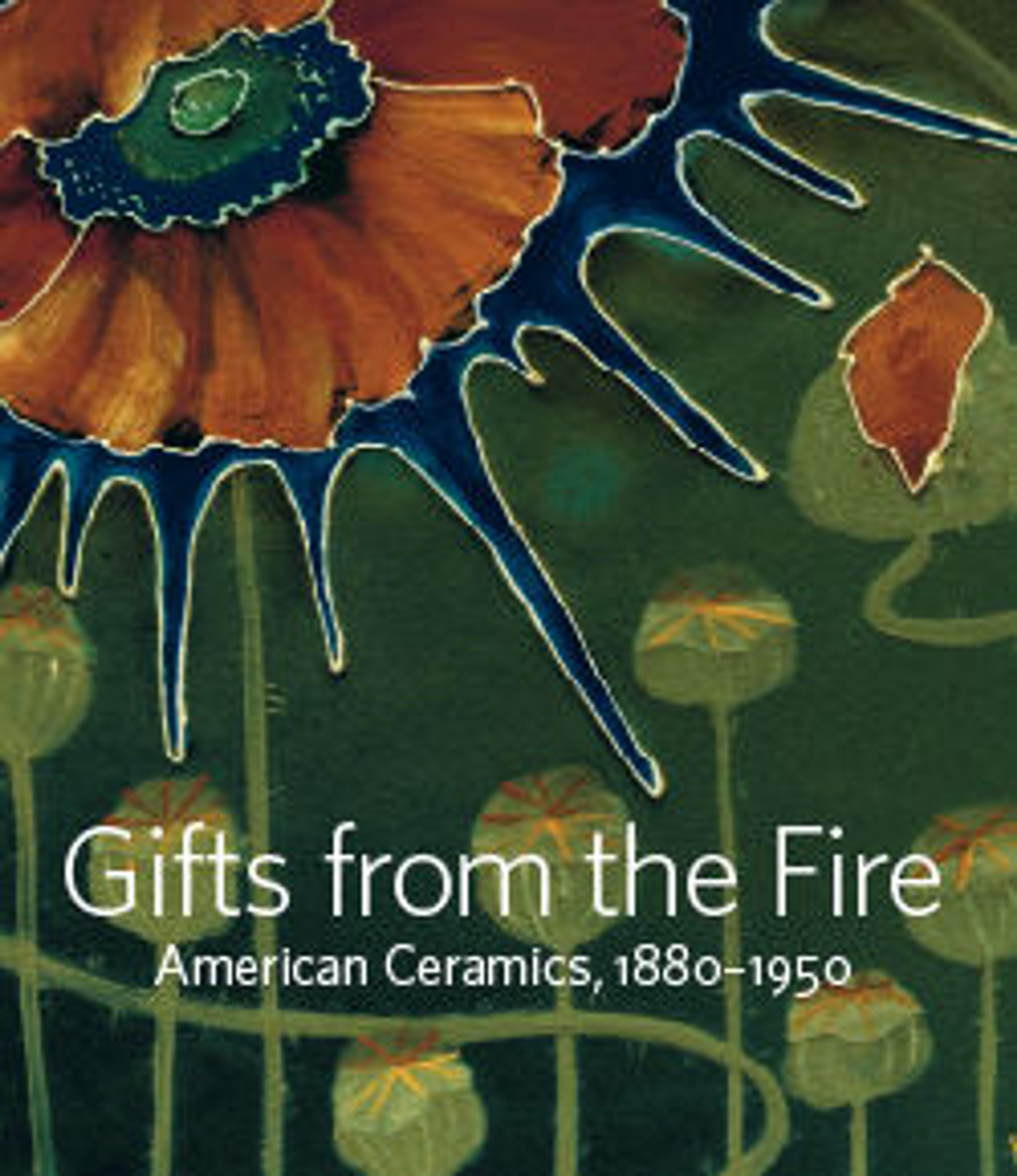 From the 1880s to the 1950s, pioneering American artists drew upon the rich traditions and recent innovations of European and Asian ceramics to develop new designs, decorations, and techniques. The extraordinary range and inventiveness of these American interpretations of international trends—from the Arts and Crafts and Art Deco movements to the modernism of Matisse and the Wiener Werkstätte to abstracted, minimalist styles—are exemplified in this book by more than 180 works from the outstanding collection of Martin Eidelberg. Splendid new photography and engaging essays by two of the foremost experts on American art pottery trace the period’s decorative developments, from sculptural and painted ornament to adornment with deeply colored glazes and textures. Featured makers include the renowned Rookwood, Grueby, and Van Briggle Potteries, as well as leading artists such as Maija Grotell, George E. Ohr, Frederick Hurten Rhead, Louis C. Tiffany, Rockwell Kent, Adelaide Alsop Robineau, and Leza McVey. A vivid and accessible overview of American ceramics and ceramists of the late nineteenth and early twentieth centuries, Gifts from the Fire reveals how artists working in the United States drew upon diverse, global influences to produce works of astonishing variety and ingenuity.
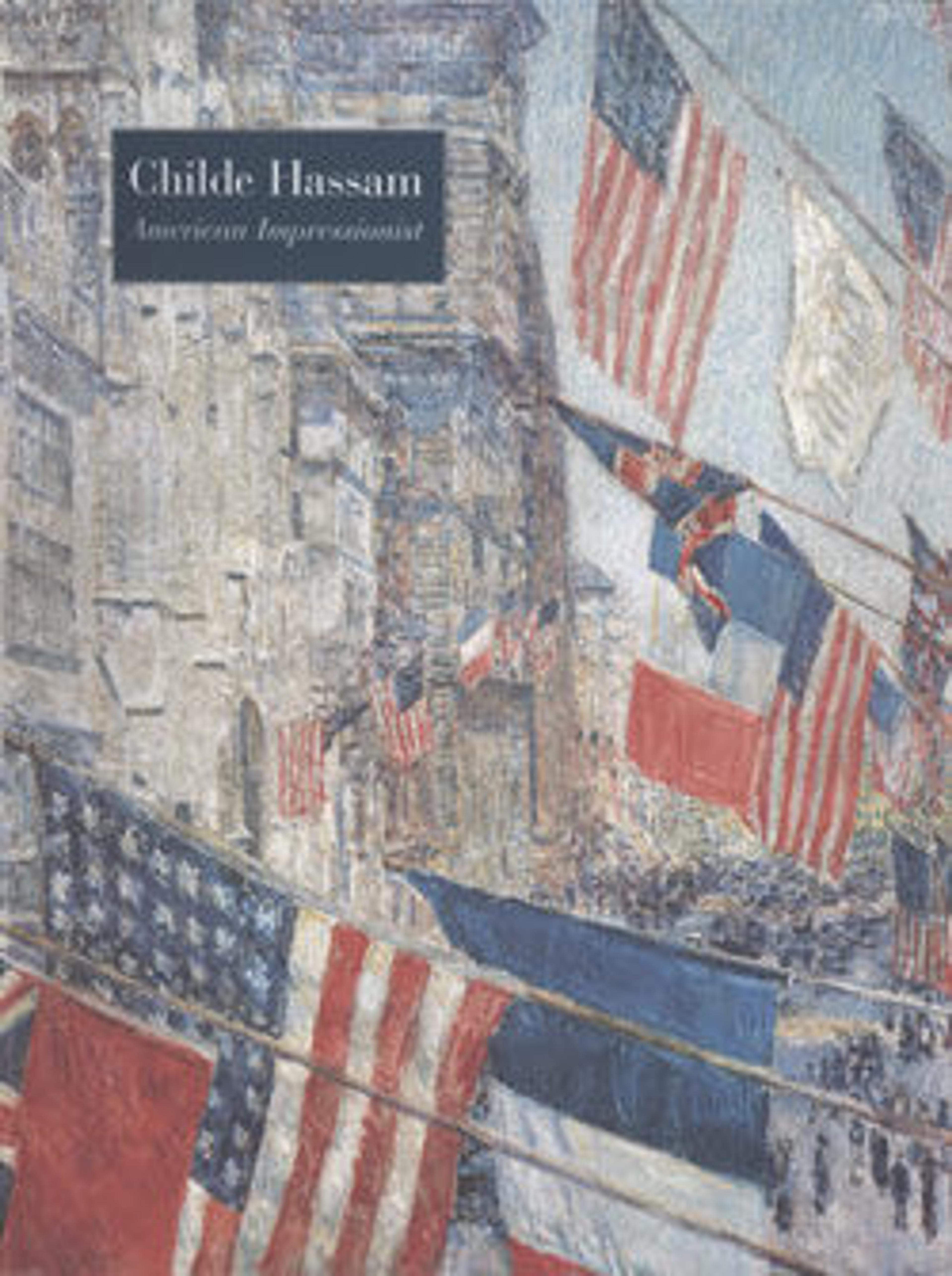 "I believe the man who will go down to posterity is the man who paints his own time and the scenes of everyday life around him," declared Childe Hassam in 1892. It was as a pioneer of American Impressionism and perhaps its most prolific and successful practitioner that Hassam (1859–1935) realized this credo. In so doing, he provided an engaging account of our national life during a dynamic period. At the same time he helped to create a wave of enthusiasm for American Impressionism that he rode to fame and fortune. Hassam's earliest work announce his cheerful euphemism, pride in American traditions, and what would become his lifelong devotion to both pastoral scenes and urban views. As a student in Paris, he was exceptional among his compatriots in adopting the French Impressionists' modern subjects and lively technique. Upon settling in New York, Hassam became the city's principal American Impressionist chronicler. He made long visits to picturesque New England villages and later spent summers working in elegant East Hampton, New York, sojourns that yielded rich material for his brush. Among Hassam's favorite themes are New York shown at all seasons and times of day, often veiled in snow or evening mist; beguiling women in interiors or at leisure in sun-dappled gardens; and dazzling coastal views. Today he is best known for his exuberant portrayals of Celia Thaxter's old-fashioned garden on Appledore Island, Maine, and his depictions of the flags, banners, and bunting displayed on New York's tall buildings in patriotic response to World War I. This lavishly illustrated publication accompanies a major exhibition at the Metropolitan Museum, the first retrospective presentation of Hassam's work in a museum since 1972. The insights of H. Barbara Weinberg, the Metropolitan's Alice Pratt Brown Curator of American Paintings and Sculpture, and other experts shed new light on the artist's achievements in texts that will engage scholarly and popular audiences alike. Reconsidered are his formative period in Boston and his student years in Paris. His rural and urban scenes, analyzed in terms of their Impressionist brushwork and palette, are also measures against his determination to portray modern life. The New England views, which offer a composite portrait of the region that preserved American traditions in the face of daunting change, are examined for the first time in relation to the attributes of the locales Hassam visited. And his genteel portrayals of New York are shown to have become increasingly euphemistic as the city's population grew more fluid and heterogeneous after 1900. Hassam's watercolors, etchings, and lithographs have also merited fresh scrutiny. Unique to this volume are an account of Hassam's lifelong campaign to market his art, a study of the frames he selected and designed for his paintings, and an unprecedented lifetime exhibition record. Included in addition are a checklist of works in the exhibition and a chronology of Hassam's life. All works in the exhibition as well as rich comparative materials are reproduced.Download PDFFree to download
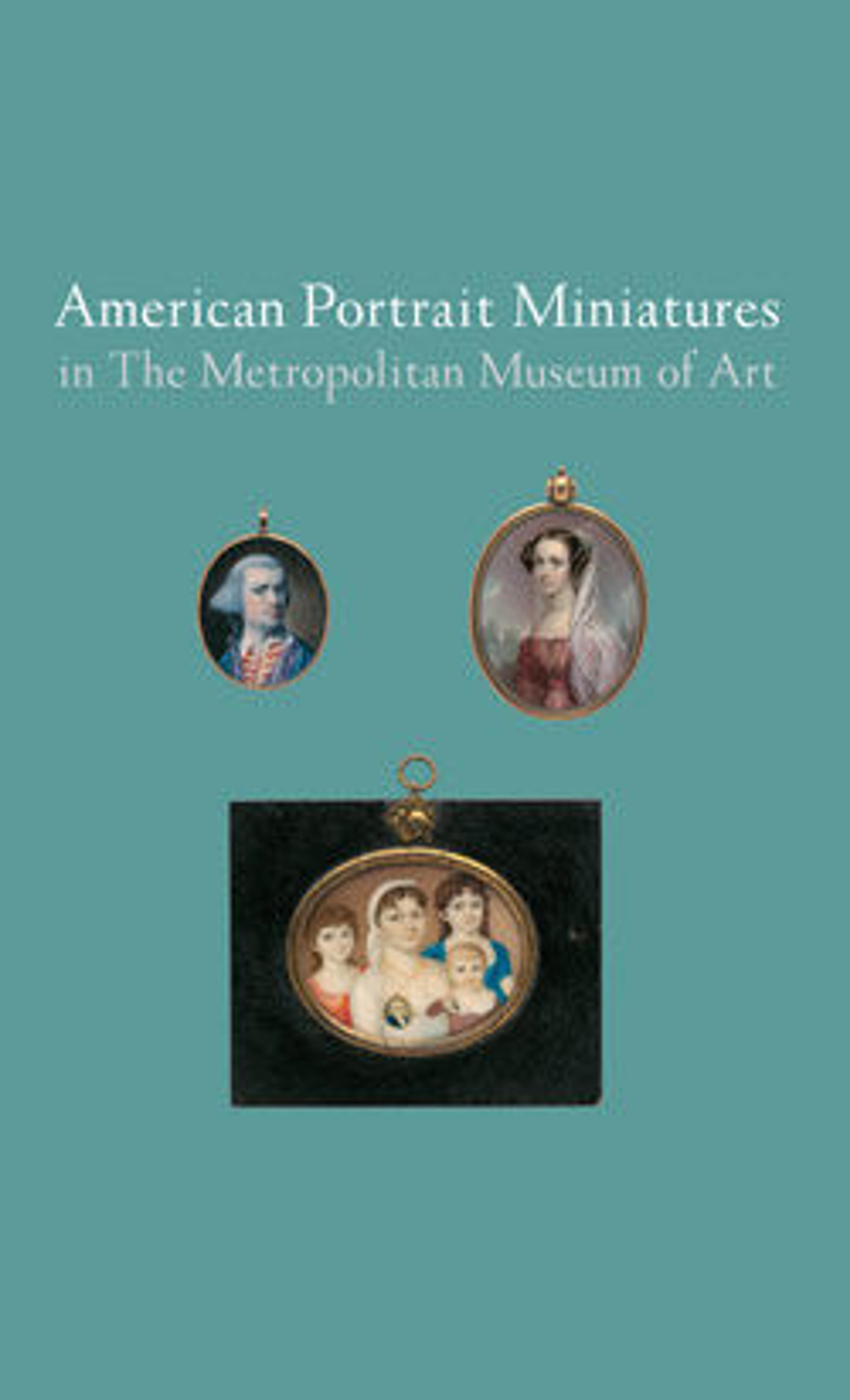 This volume is the first complete catalogue of The Metropolitan Museum of Art's collection of American portrait miniatures, tiny, vivid miracles of the painter's art. The Museum's holdings are the world's most comprehensive. They span two hundred years, from the mid-eighteenth through the mid-twentieth century, and number nearly six hundred portraits by more than 150 artists. Alongside works by such masters as John Singleton Copley, Charles Willson Peale, and Sarah Goodridge are gems by lesser-known practitioners. Readers will also discover miniature by artists more famous in other fields—such as Robert Fulton of steamboat fame, the inventor Samuel F. B. Morse, and George Catlin, painter of Native Americans. Women are very well represented, with pieces ranging from those by Mary Roberts, the first known female miniaturist in America, to works by twentieth-century painters. The sitters include presidents and statesmen but also many less public figures, as well as those who look out at us from earlier centuries but whose identities remain unknown. Originally made to be worn or carried, portrait miniatures—at times less than an inch high—are inextricably tied to their function as mementos, love tokens, and reliquaries. They portray husbands, wives, lovers, and children, the living and the dead, and commemorate births, deaths, and marriages or seal illicit love affairs. American Portrait Miniatures also provides an in depth survey of the mounts that are integral to the precious objects they house. As Colonial artists began painting portrait miniatures in the early eighteenth century, the demand for this casework was met by both overseas and American master silversmiths and jewelers, as evident in the work here displayed. To the connoisseur as to the newcomer to the field, American Portrait Miniatures in The Metropolitan Museum of Art offers a singularly rich panorama of a subject intimately woven into the fabric of American life.Download PDFFree to download