MetPublications
Showing 1–10 results of 58
Sort by:
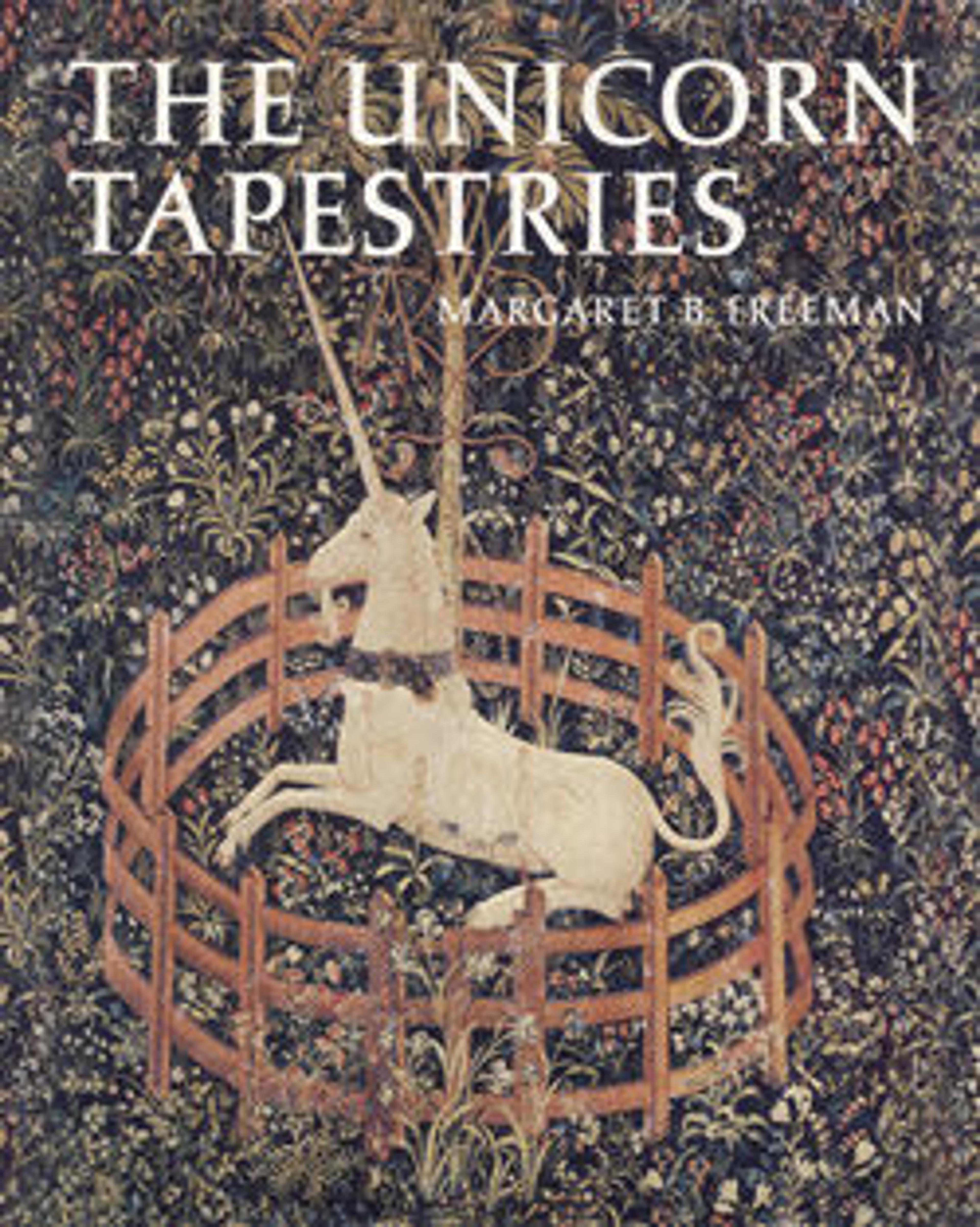 On permanent exhibition at The Cloisters, in New York, seven late Gothic tapestries portray the Hunt of the Unicorn. Like the unicorn himself, they are one of the marvels of the world, for in no other work of art anywhere is the pursuit and capture of this magical creature presented in such astonishing detail, with such command of pictorial verisimilitude and symbolic intention. In a duality not rare in the late Middle Ages, the imagery is both secular and religious. The references to love, matrimonial fidelity, and desire for progeny are understandable in an ensemble that may have celebrated a marriage. But the unicorn, at the same time, is Christ, and the compositions reflect the Incarnation, the Passion, and the Resurrection. Gabriel, the angel of the Annunciation, is one of the hunters: the unicorn loses his fierceness in the lap of the Virgin Mary; a thorny crown encircles his horn and neck when he is slain; and then the glorious creature is miraculously alive again and chained to a pomegranate tree, simultaneously an image of the risen Christ and of the lover-bridegroom secured by his adored lady. What patron conceived the extraordinary plan for these hangings, whose earliest record places them in the Paris grande chambre of Duke François VI de La Rochefoucauld in 1680? What artist or artists elaborated the designs to incorporate the many identifiable birds and animals, flowering plants and trees, whose visual charm and implicit meanings make these woven "murals" endlessly fascinating? What workshop, around 1500, had the craftsmen needed to produce such superb hangings? The author, who was a curator at The Cloisters, answers these questions as completely as they may now be answered. In a pleasantly informative style, she conveys all that is known or can be reasonably believed about the commissioning and the manufacture, all that can safely be conjectured about the original owners. The principal indications of the latter are the tapestries' mysterious AE and FR monograms and the small coat of arms that survives when, seemingly, more conspicuous emblems of royalty or nobility long ago disappeared. As for the unknown designers, they are at least partially identified through the author's study of the poses, facial expressions, costumes, and coiffures in the hangings. Illustrating close parallels in Parisian prints and miniature painting of the time, Miss Freeman persuades one that the designers were French or resident in France. The weaving, on the other hand, she narrows to Brussels on the basis of its technical features and high quality. Comprehensive color photography of the tapestries was done especially for this publication, and 44 of the color images are of details essential to the author's discussion, ranging from dramatic figure compositions to studies of the rarer plants. This story of the Hunt of the Unicorn is certain to interest anyone who has visited the tapestries and been struck by their unique beauty. Equally, it should prompt others—unicorn-lovers generally and devotees of medieval art in particular—to look forward to this experience.Download PDFFree to download
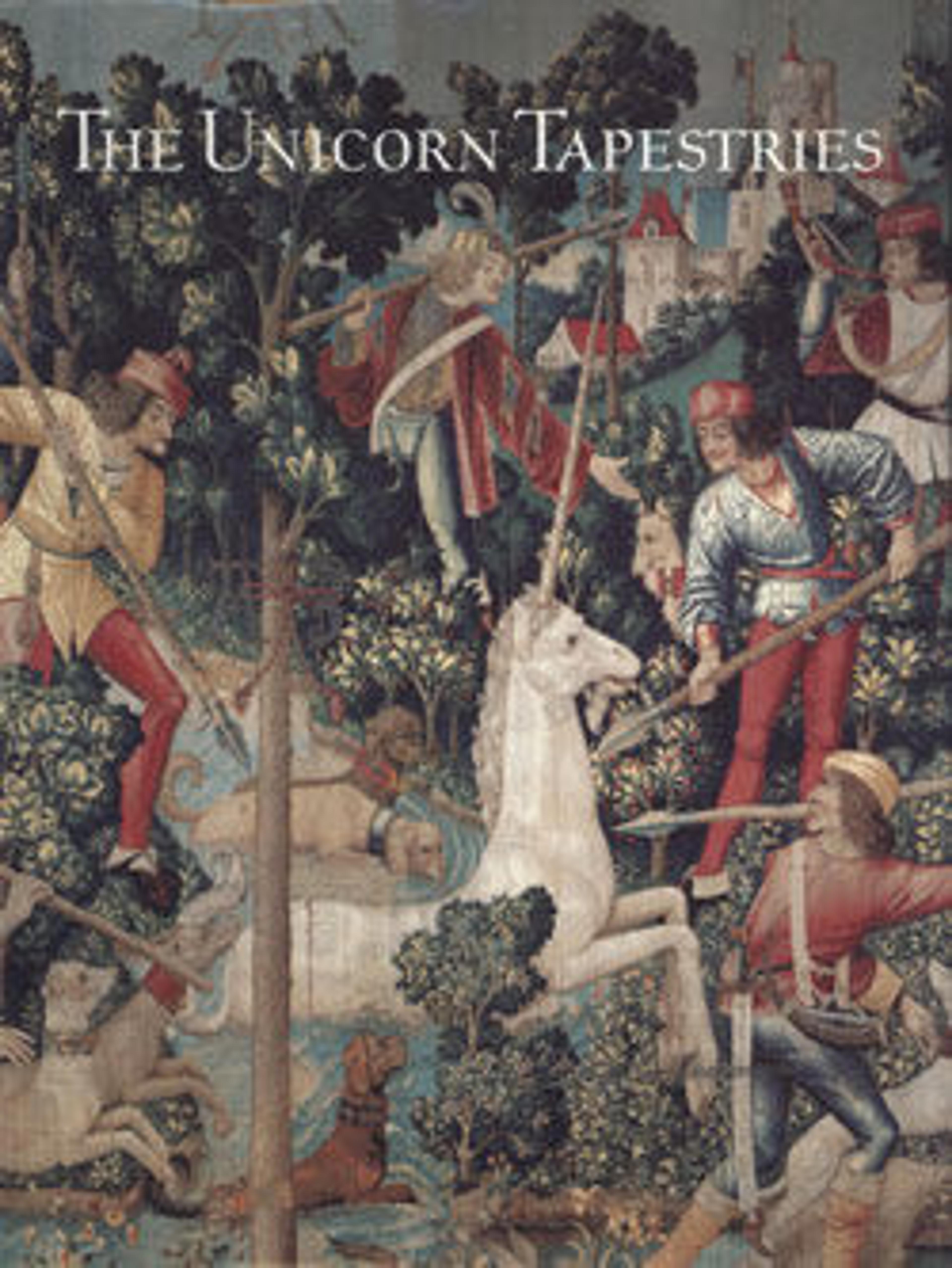 Among the most popular attractions at The Cloisters, the medieval branch of The Metropolitan Museum of Art, New York, is a set of tapestries depicting the hunt of the fabled unicorn. This is the first book in more than two decades on these extraordinarily beautiful works of art. Each of the seven exquisite tapestries is reproduced in large color-plates and with a wealth of color details. Created in the Netherlands in 1495–1505, they contain supremely memorable images—from the vulnerable unicorn and the individualized faces of the hunters to the naturalistically depicted flora and fauna. For more than a century these intriguing tapestries—like the Lady with the Unicorn series in the Musée de Cluny in Paris—have been examined and discussed at length in popular and scholarly literature. Many interpretations of their origins and subject have been proposed, yet the truth remains a mystery. For whom were they made? What symbolic meaning do they have? What stories do they tell? Here, Adolfo Cavallo, one of the world's leading authorities on medieval tapestries, addresses these issues and draws on ancient and medieval sources to explain the history of the unicorn itself and its significance as both a secular and a Christian symbol. The author also looks at the construction of the tapestries and the historical and cultural context in which they were woven. Two appendixes focus on the plants and animals in the millefleurs backgrounds for which the unicorn tapestries are also famous.
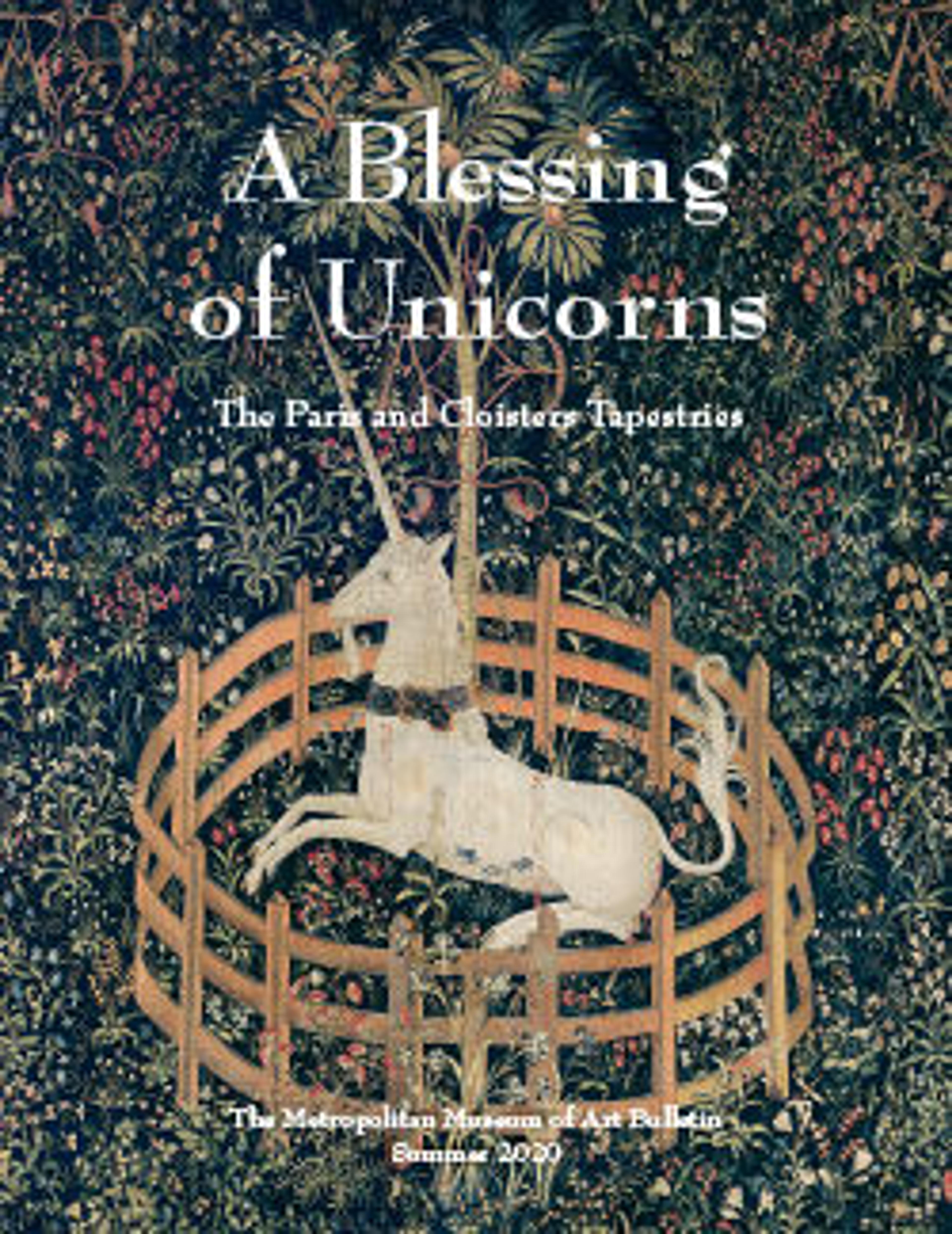 This Bulletin examines the fascinating stories behind the only known sets of unicorn tapestries in the world—one at The Met Cloisters and another at the Musée de Cluny, Paris. The thirteen tapestries that compose the two sets—six at the Cluny and seven at The Met—remain shrouded in mystery, with their origins and original owners still unknown. Considering the iconography of these two collections together and drawing from primary sources, this Bulletin aims to reach a better understanding of these masterworks and their mythical subject that has captured the public imagination for centuries.Download PDFFree to download
 Download PDFFree to download
 This Bulletin honors the life of James J. Rorimer, Director of The Metropolitan Museum of Art from 1955 until his passing in 1966. Rorimer helped plan the building of the Cloisters before his 1955 directorial appointment, and he oversaw many acquisitions that are now staples in The Met's medieval collections including the Merode Altarpiece and the Unicorn Tapestries. This publication includes quotes by Rorimer as well as remembrances by staff at The Met and other important cultural institutions.Download PDFFree to download
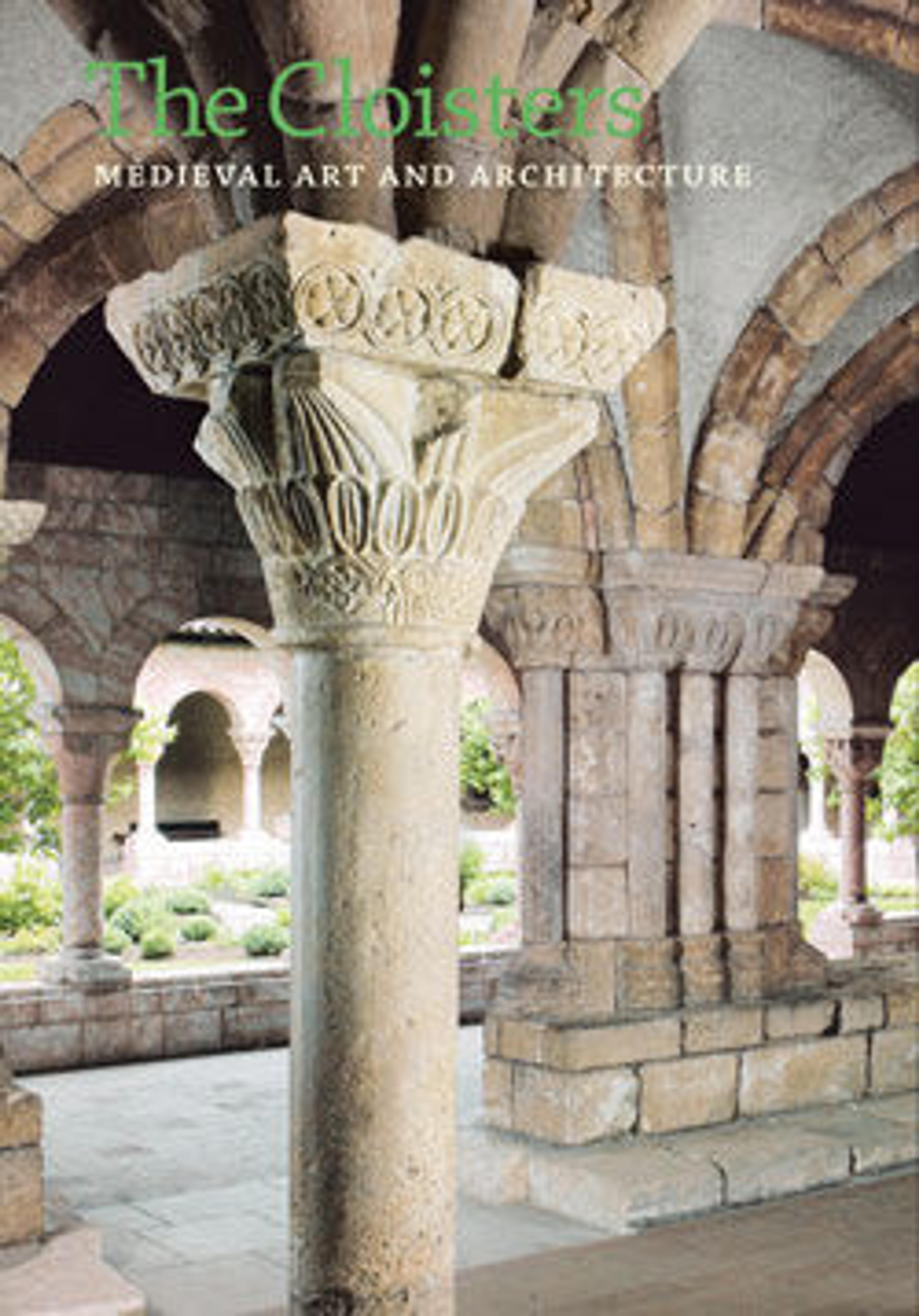 Home to an extraordinary collection of treasured masterworks, including the famed Unicorn Tapestries, The Cloisters is devoted to the art and architecture of medieval Europe. This splendid guide, published to celebrate The Cloisters' seventy-fifth anniversary, richly illustrates and describes the most important highlights of its collection, from paintings, illuminated manuscripts, and exquisitely carved sculptures to monumental architecture evocative of the grand religious spaces and domestic interiors of the Middle Ages. The Cloisters remains a testament to design innovation—a New York City landmark with sweeping views of the Hudson River—featuring original elements of Romanesque and Gothic architecture dating from the twelfth through the fifteenth century. These meditative spaces, including three beautiful gardens cultivated with species known from tapestries, medieval herbals, and other historic sources, combine artistic masterpieces with fragrant plantings and open vistas, offering visitors an oasis of serenity and inspiration—an experience that this book encapsulates and enhances.
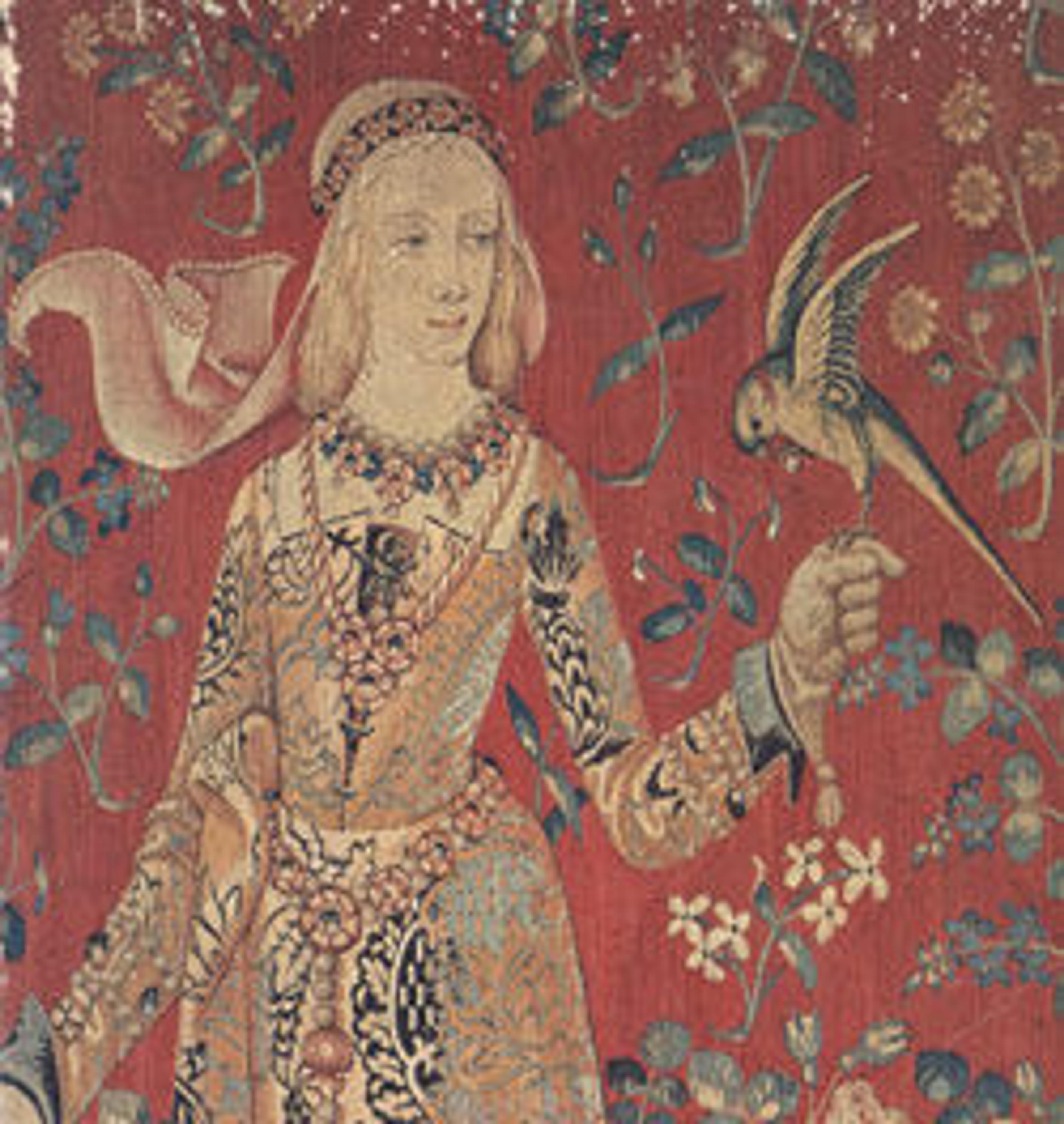 The present exhibition is one of a series of five worked out in the partnership [between the Metropolitan Museum and the Réunion des Musées Nationaux of France]. The others are: Nineteenth-Century French Drawings from The Metropolitan Museum of Art, which closed at the Louvre last month and is now on view here; Italian Renaissance Drawings from the Louvre, to be shown at the Metropolitan in October; Impressionism, which will include some forty-five of the greatest paintings in the style and will be seen at the Louvre in September and here in December; and finally, French Painting from David to Delacroix, which is planned to open in Paris in the winter of 1974, followed by showings at the Detroit Institute of Art in the spring of 1975 and the Metropolitan in the summer. Following its appearance at the Grand Palais in Paris, Masterpieces of Tapestry is presented in New York in association with and under the patronage of the National Endowment for the Humanities, and the National Endowment for the Arts, and under the sponsorship of Mr. and Mrs. Ben Heller of New York City. Without the extraordinary aid of the two Endowments and the enlightened generosity of these two art-loving private patrons the exhibition simply would not have been possible here. As one contemplates such treasures as the enormous tapestry from the Apocalypse series at Angers, the incomparable six pieces of the Lady with the Unicorn from the Cluny Museum (shown for the first—and probably last—time with The Cloisters' Hunt of the Unicorn set), the four wonderful pieces lent us by the Hermitage in Leningrad, the pieces from the Cluny Museum of the David and Bathsheba set, and the famed Winged Stags from the Cathedral of Rouen, it may be worthwhile to note what tapestries themselves are in the broad perspective of history. As early as art is recorded we are aware of man's urge to transform interior walls from simple, mute surfaces into panoramas of triumph, acts of faith, or modes of decorative splendor. From the walls of Lascaux and Altamira to Thera, to the painted stoas of the Acropolis, to the Clubhous of the Cnidians at Delphi, where Polygnotos' scenes of the underworld could once be seen, to the palace of the Macedonian kings at Pella, to Pompeii and Herculaneum and Boscoreale, to Bury St. Edmunds and palaces and castles of the Middle Ages—and indeed even to our own day—man has destroyed the bleak immutability of walls with special artifices, tapestries being not the least of these in more recent times. Because of the tapestry's imperviousness to cold and damp, it was in a sense northern Europe's answer to the fresco of southern lands.Download PDFFree to download
 Download PDFFree to download
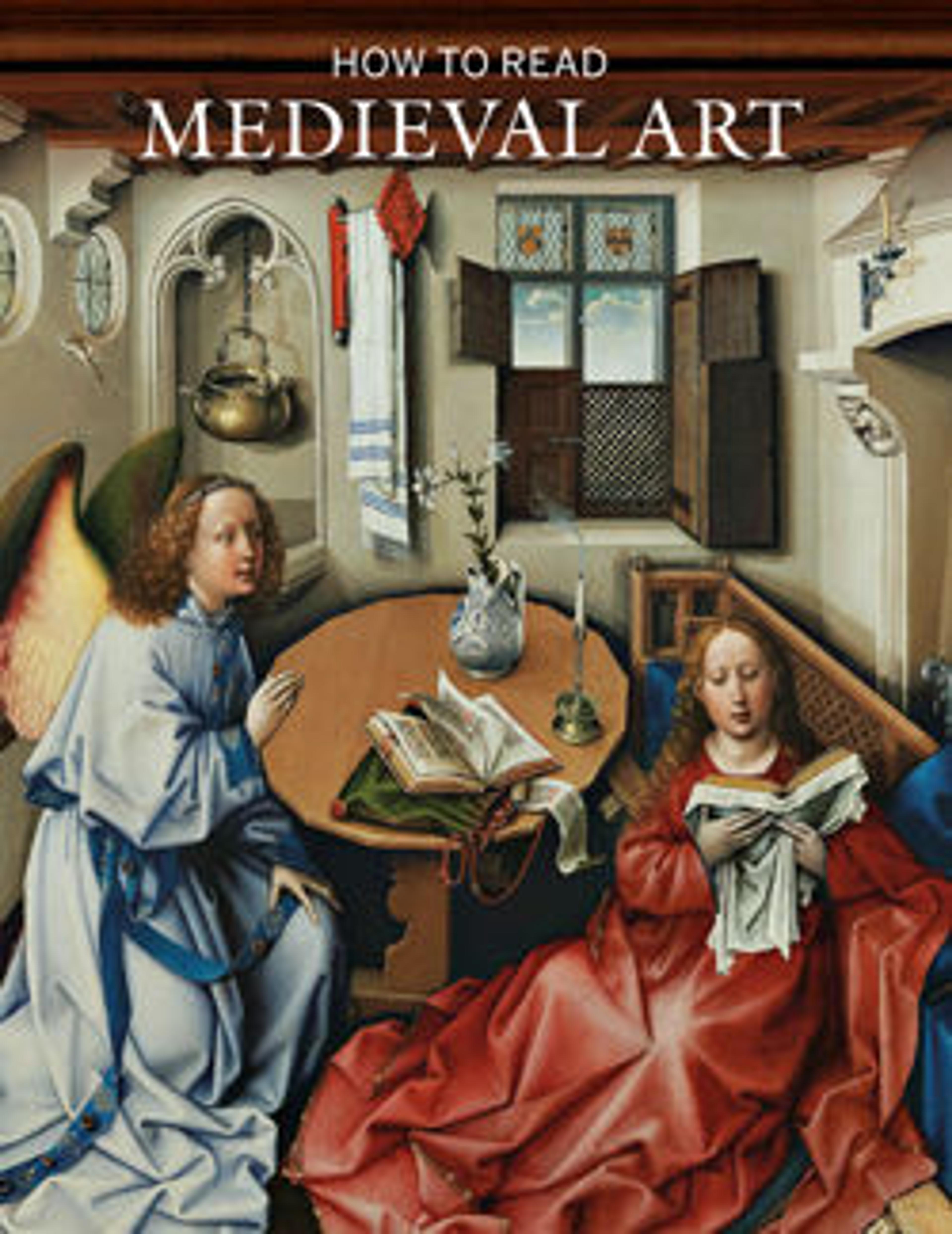 The intensely expressive art of the Middle Ages was created to awe, educate and connect the viewer to heaven. Its power reverberates to this day, even among the secular. But experiencing the full meaning and purpose of medieval art requires an understanding of its narrative content. This volume introduces the subjects and stories most frequently depicted in medieval art, many of them drawn from the Bible and other religious literature. Included among the thirty-eight representative works are brilliant altarpieces, stained-glass windows, intricate tapestries, carved wood sculptures, delicate ivories, and captivating manuscript illuminations, all drawn from the holdings of the Metropolitan Museum, one of the world's most comprehensive collections of medieval art. Iconic masterworks such as the Merode Altarpiece, the Unicorn Tapestries, and the Belles Heures of the duc de Berry are featured along with less familiar work. Descriptions of the individual pieces highlight the context in which they were made, conveying their visual and technical nuances as well as their broader symbolic meaning. With its accessible informative discussions and superb full-color illustrations, How to Read Medieval Art explores the iconographic themes of the period, making them clearly recognizable and opening vistas onto history and literature, faith and devotion.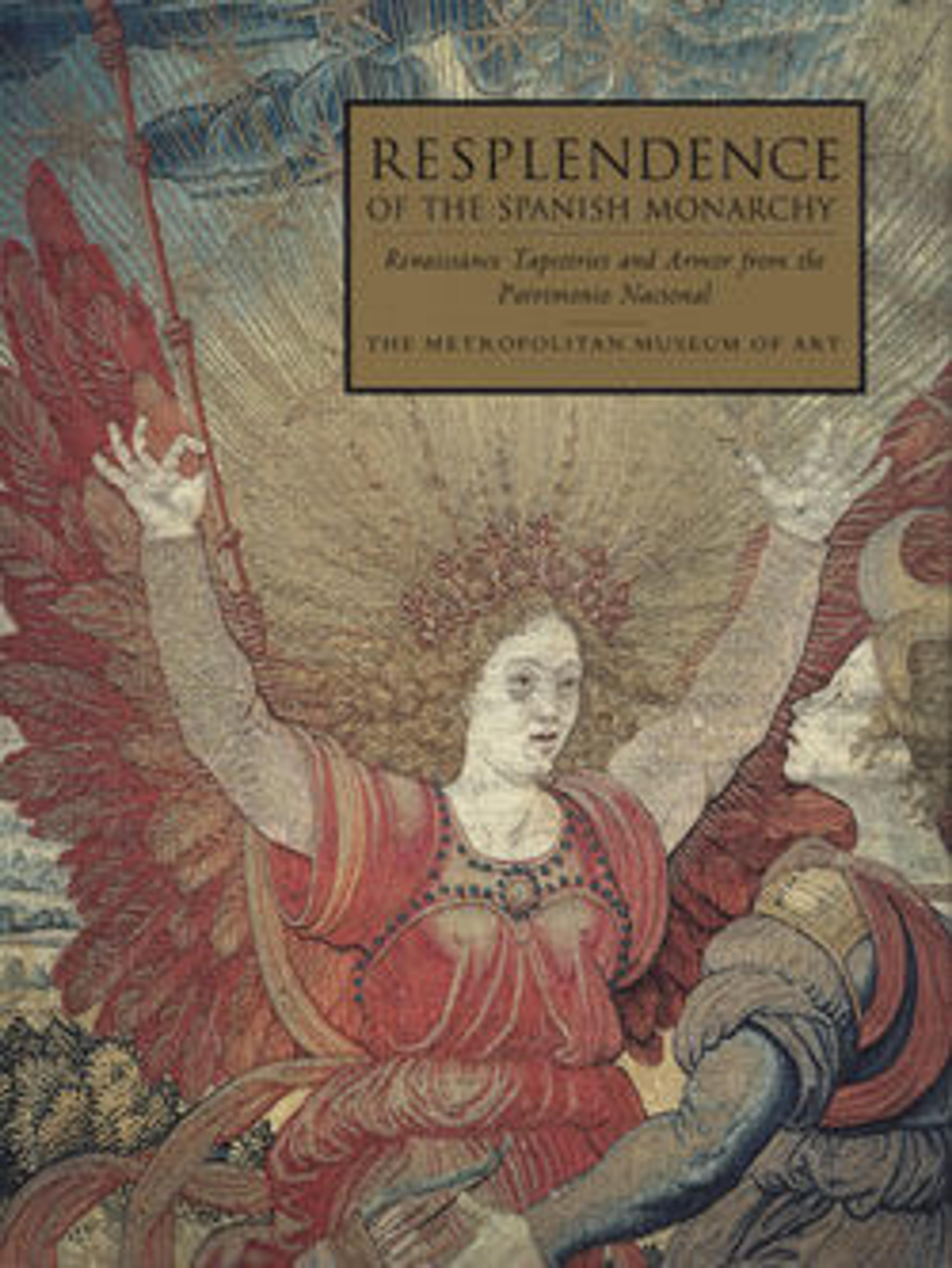
Resplendence of the Spanish Monarchy: Renaissance Tapestries and Armor from the Patrimonio Nacional
1991With the conquest of Granada in 1492, Ferdinand of Aragón and Isabelle of Castile became the first rulers of all Spain. The discovery of the New World in the same year put them in command of vast, previously untapped resources. When their Hapsburg grandson came to the throne in 1516 as Charles I of Spain—later to govern the Holy Roman Empire as Charles V—Spanish sovereignty expanded still further, for Charles brought with his as his paternal inheritance the duchy of Burgundy, including the Netherlands where he was born. A formidable power in Europe, endowed with a flourishing empire overseas, Spain in the sixteenth century was thus ideally placed to enjoy a Golden Age. Both Charles I and his son Philip II were monarchs of their time, acting as generous patrons of the arts. They were in a position to call on the best that Europe could supply, and with possessions in Italy as well as Flanders, they had ready access to the two mainsprings of the Renaissance. The collections they formed offer a uniquely privileged view of Renaissance taste and artistry. Although very different in medium, tapestries and armor exemplify the royal collections, designed not only for personal delectation but also as impressive displays of regal magnificence. Wool and steel were enhanced with precious metals, adding a luster that still dazzles the eye. Images harnessed from myth, religion, allegory, history past and present went into the creation of a world of art that is now timeless and accessible to all. Today the Patrimonio Nacional is the guardian of this priceless heritage. Visitors to Spain can admire the tapestries hung in the Royal Palace in Madrid, as well as in other reales sitios throughout the country, and the arms and armor housed in the Royal armory of Madrid. Here, presented in English for the first time, is a selection of these treasures: tapestries that eloquently reflect the range of the collection, and pieces of armor outstanding both for their associations and for their aesthetic interest. New color photography was undertaken in order to do justice to the originals. In a masterly introductory essay, Antonio Domínguez Ortiz, member of the Spanish Royal Academy of History, surveys the historical context. The tapestries are described and discussed by Concha Herrero Carretero, curator of tapestries at the Patrimonio Nacional, and the armor by José A. Godoy, curator of arms and armor at the Musée d'Art et d'Histoire, Geneva. The result is a richly informative and visually splendid work that speaks to expert and art lover alike.Download PDFFree to download