![]() |
![]() |
|
![]() ![]() ![]() ![]() ![]() |
||
African Art
American Art
Asian Art
European Art
Islamic ArtThe list that follows is meant as a complement to the Heilbrunn Timeline of Art History, not as a comprehensive historical reference. It presents a simplified picture of dynastic succession in a small number of large European principalities. The names of numerous princes who ruled smaller states are not to be found here, nor are the names of many pretenders, regents, and fully legitimate monarchs whose reigns were short or ambitions otherwise stifled. The abridged list includes above all those kings and queens whose rule affected the arts of Europe in important ways and whose names are most commonly raised in art historical discussion.
Central Europe |
||
| Holy Roman Empire (see below for a list of emperors) | 962–1806 | |
| Wettin Electors of Saxony | 1423–1806 | |
| Wittelsbach Electors of Bavaria | 1623–1806 | |
| Hohenzollern Electors of Brandenburg | 1415–1701 | |
| Poland | ||
| Elected kings | 1572–1795 | |
| Zygmunt III Wasa (Sigismund III Vasa) | 1587–1632 | |
| Vladislav IV Wasa (Wladyslaw IV Vasa) | 1632–48 | |
| Jan II Kasimierz Wasa (John II Casimir Vasa) | 1648–68 | |
| Michael Wisniowiecki | 1669–73 | |
| Jan III Sobieski (John III Sobieski) | 1674–96 | |
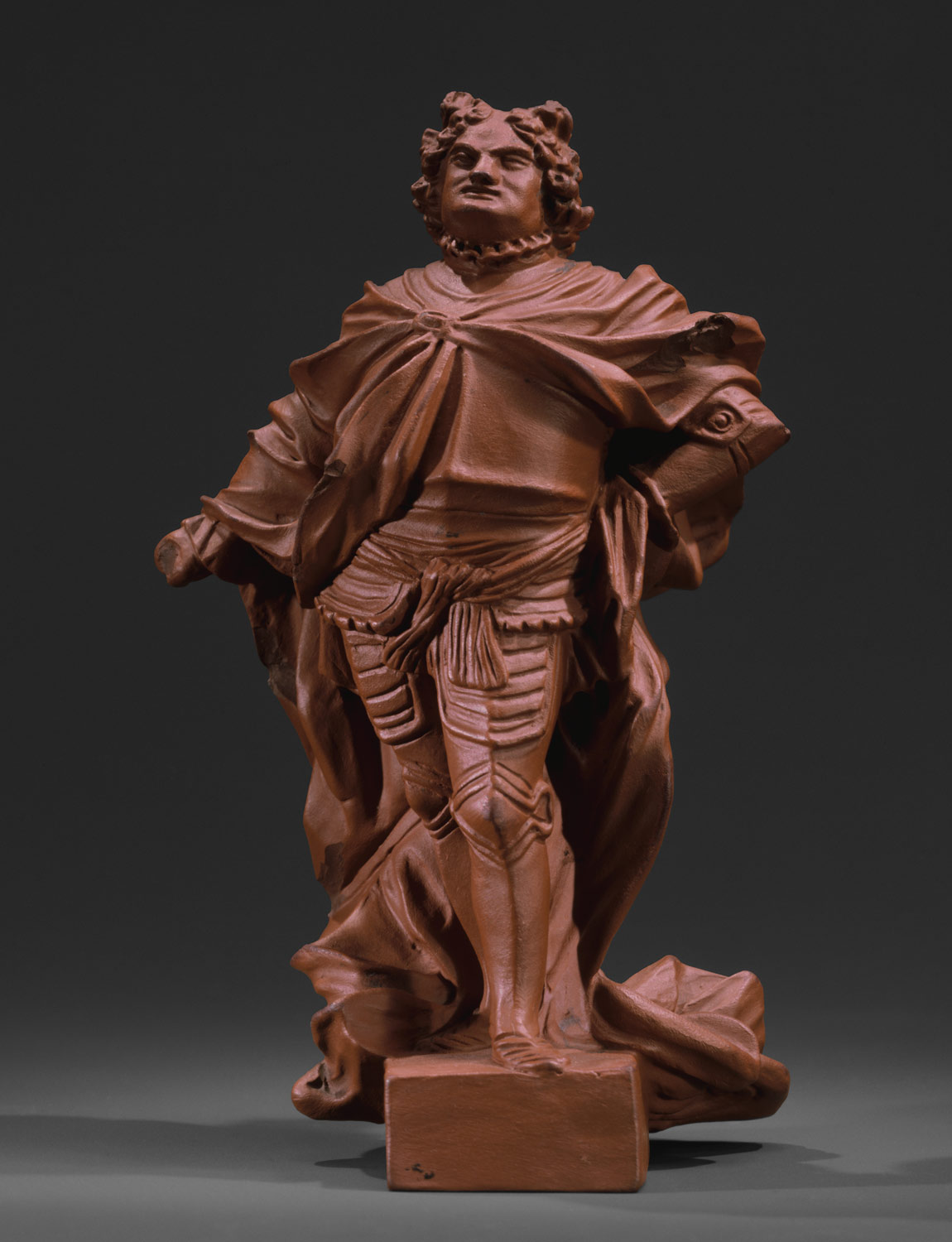
| Augustus II, the Strong, 1697–1704(1) | 1697–1704, 1709–33 |
1
|
| Augustus III | 1733–63 | |
| Stanislaw II Augustus Poniatowski | 1764–95 | |
| Partitions of Poland | 1772, 1793, 1795 | |
| Divided under Habsburg, Prussian, and Russian rule | 1795–1867 | |
| Kingdom of Prussia | 1701–1867 | |
| Hohenzollerns | 1701–1797 | |
| Friedrich I (Frederick I) | 1701–13 | |
| Friedrich Wilhelm I (Frederick William I) | 1713–40 | |
| Friedrich II, der Grosse (Frederick II, the Great) | 1740–86 | |
| Friedrich Wilhelm II (Frederick William II) | 1786–97 | |
| Romania and Moldova | ||
| Ottoman rule | ||
| Semi–autonomous Ottoman dependencies | 1683–1861 | |
England, Ireland, Scotland, Wales |
||
| Anglo-Saxon Kingdom of Wessex (centered in southern England) | 519–871 | |
| Cerdic | 519–534 | |
| Cynric | 534–560 | |
| Ceawlin | 560–592 | |
| Ceol | 592–597 | |
| Ceolwulf | 597–611 | |
| Cynegils | 611–642 | |
| Cenwalh | 642–672 | |
| Seaxburh | 672–674 | |
| Aescwine | 674–676 | |
| Centwine | 676–684 | |
| Ceadwalla | 685–688 | |
| Ine | 688–726 | |
| Aethelheard | 726–740 | |
| Cuthred | 740–756 | |
| Cynewulf | 757–786 | |
| Berhtric | 786–802 | |
| Egbert | 802–839 | |
| Aethelwulf | 839–858 | |
| Aethelbald | 858–860 | |
| Aethelberht | 860–866 | |
| Aethelred | 866–871 | |
| The kings of Wessex, supreme throughout England, become the first royal house of England–see England. | ||
| Anglo-Saxon Kingdom of Kent (centered in southeastern England) | 455–827 | |
| Hengest | 455–488 | |
| Aesc | 488–512 | |
| Octa | 512–522 | |
| Eormenric | 522–560 | |
| Aethelbert I | 560–616 | |
| Eadbald | 616–640 | |
| Earconbert | 640–644 | |
| Egbert I | 664–673 | |
| Hlothere | 673–685 | |
| Oswine | 688–690 | |
| Wihtred | 690–725 | |
| Aethelbert II | 725–762 | |
| Sigered | 762–764 | |
| Egbert II | 765–784 | |
| Eadberht II | 796–798 | |
| Cuthred | 798–807 | |
| Baldred | 823–825 | |
| The kings of Wessex, who have controlled Kent periodically during the eighth and ninth centuries, secure it for good as of 827. | ||
| Anglo-Saxon Kingdom of Northumbria (centered in northern England, bordering Scotland) | 592–841 | |
| Aethelfrith | 592–616 | |
| Edwin | 616–633 | |
| St. Oswald | 634–642 | |
| Oswiu | 642–670 | |
| Ecgfrith | 670–685 | |
| Aldfrith | 686–705 | |
| Osred I | 706–716 | |
| Cenred | 716–718 | |
| Osric | 718–729 | |
| Ceolwulf | 729–737 | |
| Eadberht | 737–758 | |
| Aethelwald | 759–765 | |
| Alhred | 765–774 | |
| Aethelred I | 774–779, 790–796 | |
| Aelfwald I | 779–788 | |
| Eardwulf | 796–808 | |
| Eanred | 809–841 | |
| The kings of Wessex control Northumbria after 827, following a period of disorder and decline after Eadberht's demise. | ||
| Anglo-Saxon Kingdom of Mercia (centered in central and western England, bordering Wales) | 626–919 | |
| Penda | 626–655 | |
| Wulfhere | 658–675 | |
| Aethelred I | 675–704 | |
| Cenred | 704–709 | |
| Ceolred | 709–716 | |
| Aethelbald | 716–757 | |
| Offa | 757–796 | |
| Cenwulf | 796–821 | |
| Ceolwulf | 821–823 | |
| Beornwulf | 823–825 | |
| Ludeca | 825–827 | |
| Wiglaf | 827–840 | |
| Berhtwulf | 840–852 | |
| Burgred | 852–874 | |
| Ceolwulf I | 874–879 | |
| Aethelred II | 879–911 | |
| Aethelflaed | 911–918 | |
| Aelfwyn | 918–919 | |
| Mercia is annexed by the kings of Wessex. | ||
| England | ||
| Anglo-Saxons | 802–1016 | |
| Alfred, the Great | 871–99 | |
| Edward, the Elder | 899–924 | |
| Aethelstan | 924–39 | |
| Edgar | 959–75 | |
| Aethelred II, the Unready | 978–1016 | |
| Danes | 1016–1042 | |
| Canute (Knut), the Great | 1016–35 | |
| Harold I, called Harold Harefoot | 1035–40 | |
| Hardecanute | 1040–42 | |
| Anglo-Saxons | 1042–1066 | |
| Edward, the Confessor | 1042–66 | |
| Harold II | 1066 | |
| Normans | 1066–1154 | |
| William I, the Conqueror | 1066–87 | |
| William II, called William Rufus | 1087–1100 | |
| Henry I | 1100–35 | |
| Stephen | 1135–54 | |
| Plantagenets | 1154–1399 | |
| Henry II | 1154–89 | |
| Richard I, the Lion–Hearted | 1189–99 | |
| John I | 1199–1216 | |
| Henry III | 1216–72 | |
| Edward I | 1272–1307 | |
| Edward II | 1307–27 | |
| Edward III | 1327–77 | |
| Richard II | 1377–99 | |
| Lancastrians | 1399–1471 | |
| Henry IV | 1399–1413 | |
| Henry V | 1413–22 | |
| Henry VI | 1422–61, 1470–71 | |
| Yorkists | 1461–1485 | |
| Edward IV | 1461–83 | |
| Edward V | 1483 | |
| Richard III | 1483–85 | |
| Tudors | 1485–1603 | |
| Henry VII | 1485–1509 | |
| Henry VIII | 1509–47 | |
| Edward VI | 1547–53 | |
| Mary I, called Mary Tudor or Bloody Mary | 1553–58 | |
| Elizabeth I | 1558–1603 | |
| Stuarts | 1603–1714 | |
| James I | 1603–25 | |
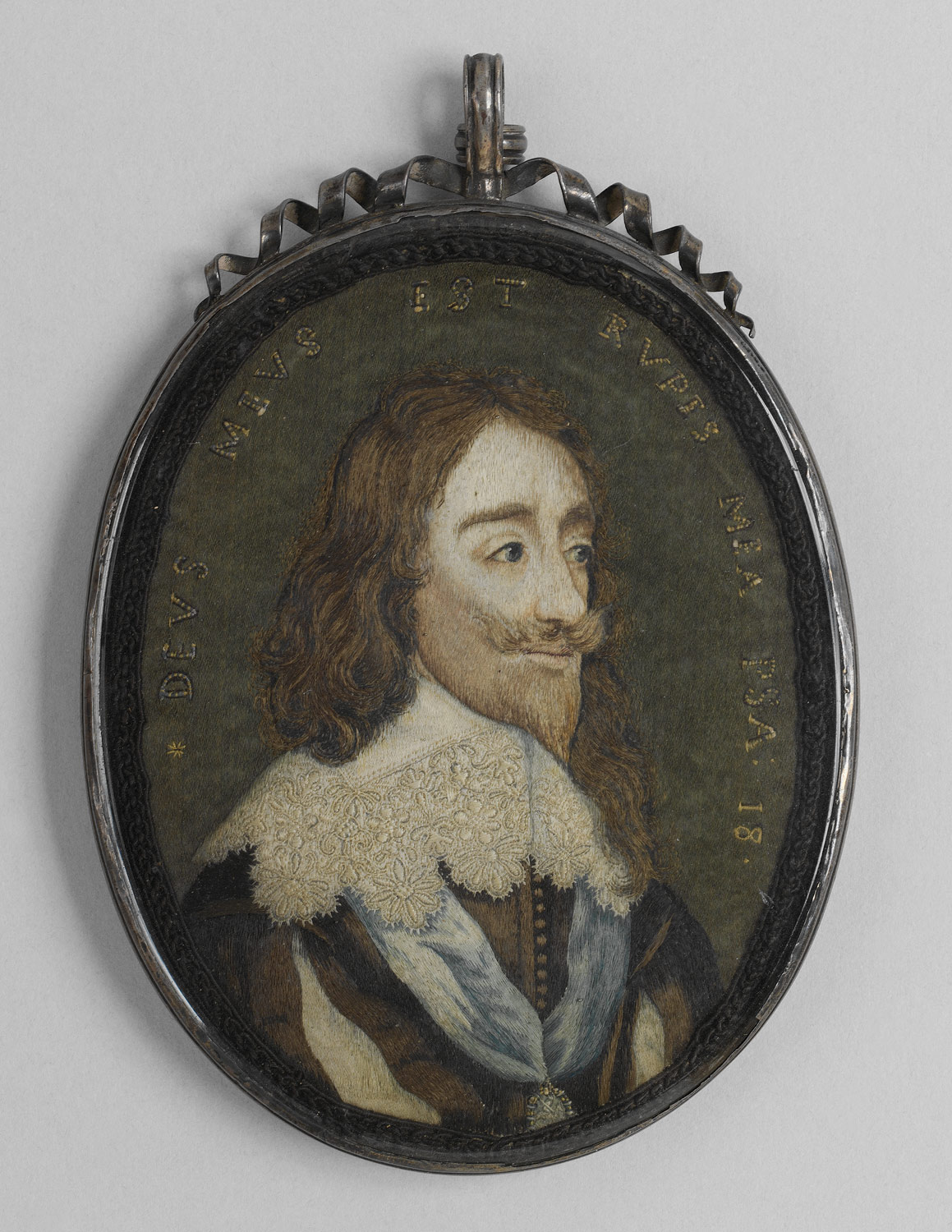
| Charles I | 1625–49 | |
| Charles II | 1660–85 | |
| James II | 1685–88 | |
| William III and Mary II | 1689–94 | |
| William III | 1694–1702 | |
| Anne | 1702–14 | |
| Hanoverians | 1714–1901 | |
| George I | 1714–27 | |
| George II | 1727–60 | |
| George III | 1760–1820 | |
| George IV | 1820–30 | |
| William IV, the Sailor–King or Silly Billy | 1830–37 | |
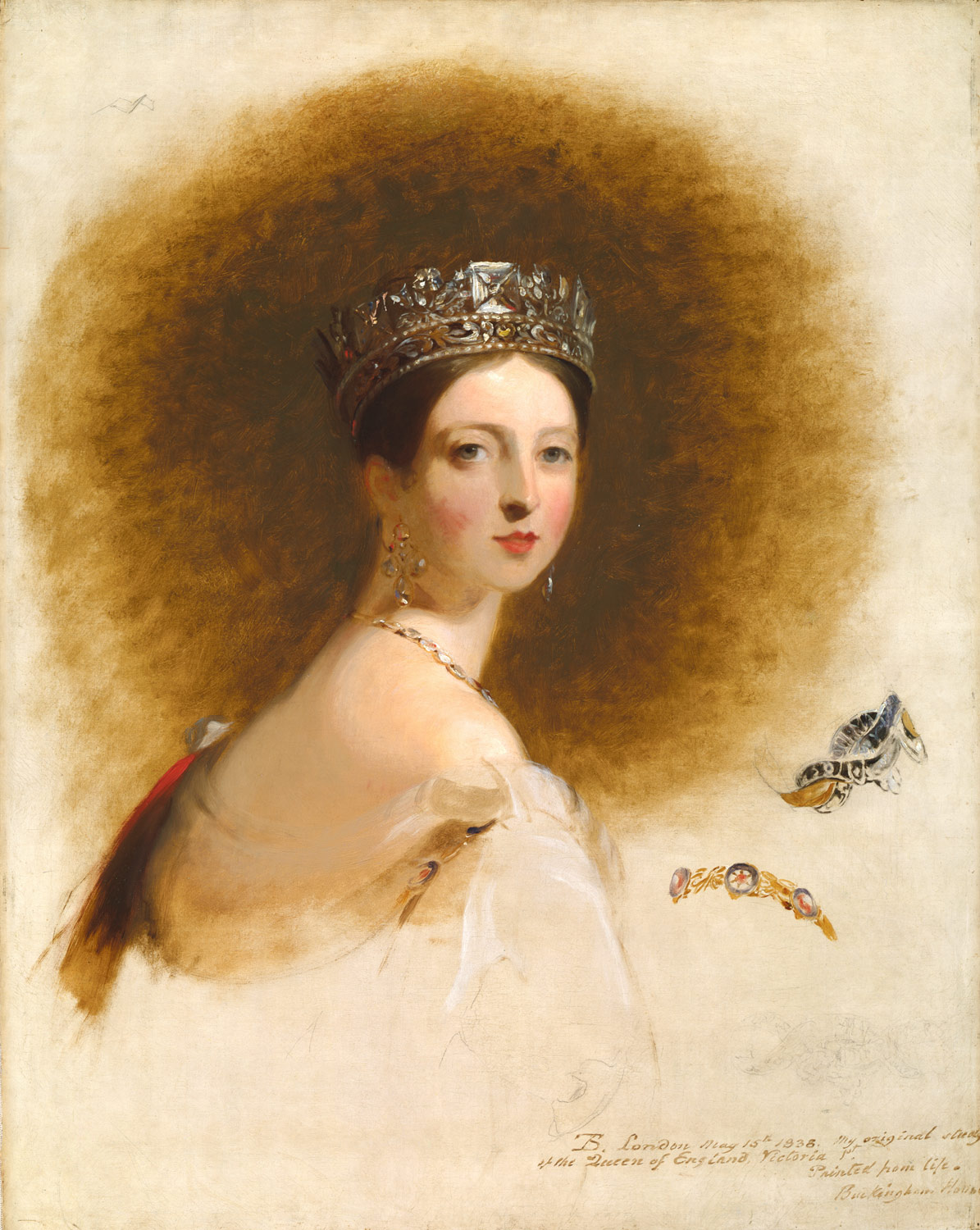
| Victoria(2) | 1837–1901 |
2
|
| Saxe–Coburgs | 1901–1910 | |
| Edward VII | 1901–10 | |
| Windsors | 1910–present | |
| George V | 1910–36 | |
| Edward VIII | 1936 | |
| George VI | 1936–52 | |
| Elizabeth II | 1952–present | |
France |
||
| Kingdom of the Franks | 460–814 | |
| Childeric I | 460–482 | |
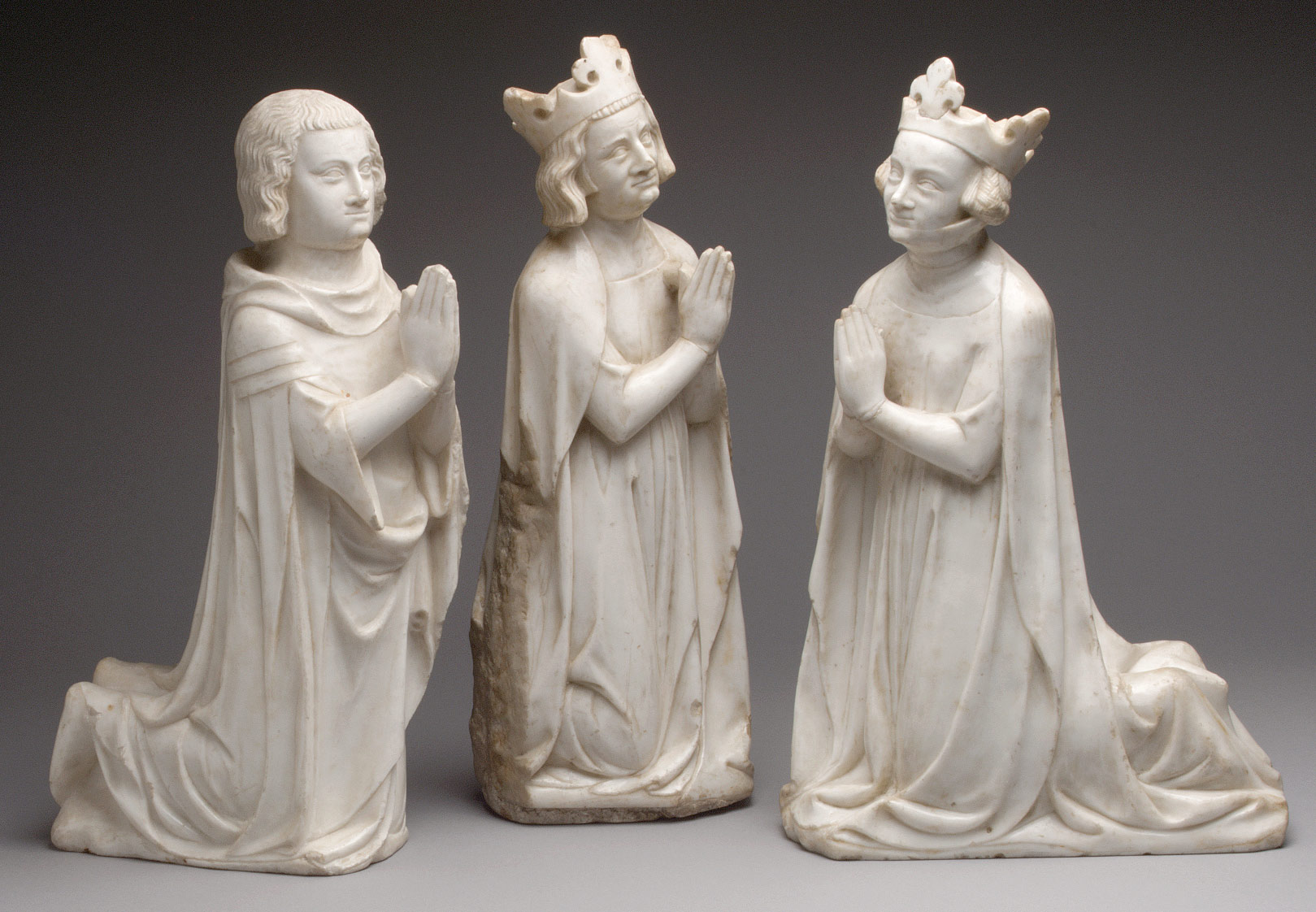
| Chlodovech (Clovis) I(3) | 482–511 |
3 ![]()
|
| Chlothar I(3) | 511–561 | |
| Charibert I | 561–584 | |
| Chlothar II | 584–629 | |
| Dagobert I | 629–639 | |
| St. Sigebert | 639–656 | |
| Childebert(4) | 656–661 |
4 ![]()
|
| Childeric II | 662–675 | |
| Theuderic III | 676–690 | |
| Chlodovech (Clovis) III | 690–694 | |
| Childebert III | 694–711 | |
| Theuderic IV | 721–737 | |
| Childeric III | 743–751 | |
| Pippin | 754–768 | |
| Charles (Charlemagne) | 768–814 | |
| The Kingdom of the Franks ends when Charlemagne raises it to imperial stature in 800–thereafter, see the rulers of the Holy Roman Empire. | ||
| Duchy of Aquitaine (centered in western France) | 898–1204 | |
| William I, the Pious | 898–918 | |
| William II, the Younger | 918–926 | |
| Ebalus the Bastard | 927–934 | |
| William III, the Towhead | 934–963 | |
| William IV, Fierabras (the Strong–Armed) | 963–993 | |
| William V, the Great | 993–1030 | |
| William VI, the Fat | 1030–38 | |
| Eudes (Odo) | 1038–39 | |
| William VII, the Brave | 1039–58 | |
| William VIII | 1058–86 | |
| William IX, the Troubadour | 1086–1126 | |
| William X, the Toulousan | 1126–37 | |
| Eleanor | 1137–1204 | |
| The duchy is united with England upon Eleanor's marriage to Henry II of England. | ||
| Duchy of Brittany (centered in western France) | 937–1514 | |
| House of Nantes | 937–990 | |
| Alan I, Wrybeard | 937–952 | |
| Drogo | 952–958 | |
| Hoël | 960–981 | |
| Guérech | 981–988 | |
| Alan II | 988–990 | |
| House of Rennes | 990–1066 | |
| Conan I, the Crooked | 990–992 | |
| Geoffrey I | 992–1008 | |
| Alan III | 1008–40 | |
| Conan II | 1040–66 | |
| House of Cornouaille | 1066–1166 | |
| Hoël | 1066–84 | |
| Alan IV, Fergant (the Iron–Gloved) | 1084–1112 | |
| Conan III, the Fat | 1112–48 | |
| Eudo of Porho‘t | 1148–56 | |
| Conan IV, the Younger | 1156–66 | |
| House of Plantagenet | ||
| Geoffrey II | 1166–86 | |
| House of Dreux | 1187–1364 | |
| Arthur I (husband of Alix, daughter of Geoffrey II) | 1187–1221 | |
| John I, the Red | 1221–86 | |
| John II | 1286–1305 | |
| Arthur II | 1305–12 | |
| John III, the Good | 1312–41 | |
| Charles of Blois | 1341–64 | |
| House of Montfort | 1364–1514 | |
| John IV, the Conqueror | 1364–99 | |
| John V | 1399–1442 | |
| Francis I | 1442–50 | |
| Peter II | 1450–57 | |
| Francis II | 1458–88 | |
| Anne | 1488–1514 | |
| The duchy is united with France upon Anne's marriage to Louis XII of France. | ||
| Duchy of Burgundy (centered in eastern France) | 1162–1477 | |
| Hugh III | 1162–93 | |
| Odo (Eudes) III | 1193–1218 | |
| Hugh IV | 1218–72 | |
| Robert II | 1272–1309 | |
| Odo (Eudes) IV | 1315–50 | |
| Philip de Rouvres | 1350–61 | |
| Philip the Bold | 1363–1404 | |
| John the Fearless | 1404–19 | |
| Philip the Good | 1419–67 | |
| Charles the Bold | 1467–77 | |
| The dynasty ends with a female heir, and the duchy reverts to the French crown. | ||
County of Provence (centered in southeastern France) |
1112–1481 |
|
| House of Barcelona | 1112–1245 | |
| Raymond Berengar I | 1112–31 | |
| Berengar Raymond I | 1131–44 | |
| Raymond Berengar II | 1144–66 | |
| Alfonso I | 1166–73 | |
| Raymond Berengar IV | 1173–81 | |
| Sancho | 1181–85 | |
| Alfonso II | 1185–1209 | |
| Raymond Berengar V | 1209–45 | |
| Capetian House of Anjou | 1246–1382 | |
| Charles I | 1246–85 | |
| Charles II, the Lame | 1285–1309 | |
| Robert the Wise | 1309–43 | |
| Joan | 1343–82 | |
| Valois House of Anjou | 1382–1481 | |
| Louis I | 1382–84 | |
| Louis II | 1384–1417 | |
| Louis III | 1417–34 | |
| René the Good | 1434–80 | |
| Charles III, of Maine | 1480–81 | |
| Provence becomes French territory according to the terms of Charles III's will. | ||
County of Toulouse (centered in southwestern France) |
8441271 |
|
| Fredelon | 844–852 | |
| Raymond I | 852–863 | |
| Bernard I | 864–872 | |
| Bernard II, Hairfoot, of Auvergne | 872–885 | |
| Eudes (Odo) | 885–918 | |
| Raymond II | 918–923 | |
| Raymond Pons | 923–942 | |
| Raymond III, of Rouergue | 942–961 | |
| Raymond IV | 961–978 | |
| William III, Taillefer | 978–1037 | |
| Pons | 1037–60 | |
| William IV | 1060–93 | |
| Raymond V, of St. Gilles | 1093–1105 | |
| Bertram | 1105–12 | |
| Alfonso Jordan | 1112–48 | |
| Raymond VI | 1148–94 | |
| Raymond VII | 1194–1222 | |
| Raymond VIII | 1222–49 | |
| Alfonso of Poitiers | 1249–71 | |
| The county is united with France upon the death of Joan, daughter of Raymond VIII and wife of Alfonso of Poitiers, son of Louis VIII of France. | ||
| France | ||
| Capetians | 987–1328 | |
| Hugues Capet (Hugh Capet) | 987–96 | |
| Robert II, le Pieux (the Pious) | 996–1031 | |
| Henri I (Henry I) | 1031–60 | |
| Philippe I (Philip I) | 1059–1108 | |
| Louis VI, le Gros (the Fat) | 1108–37 | |
| Louis VII, le Jeune (the Young) | 1137–80 | |
| Philippe Auguste (Philippe II) | 1179–1223 | |
| Louis VIII, le Lion | 1223–26 | |
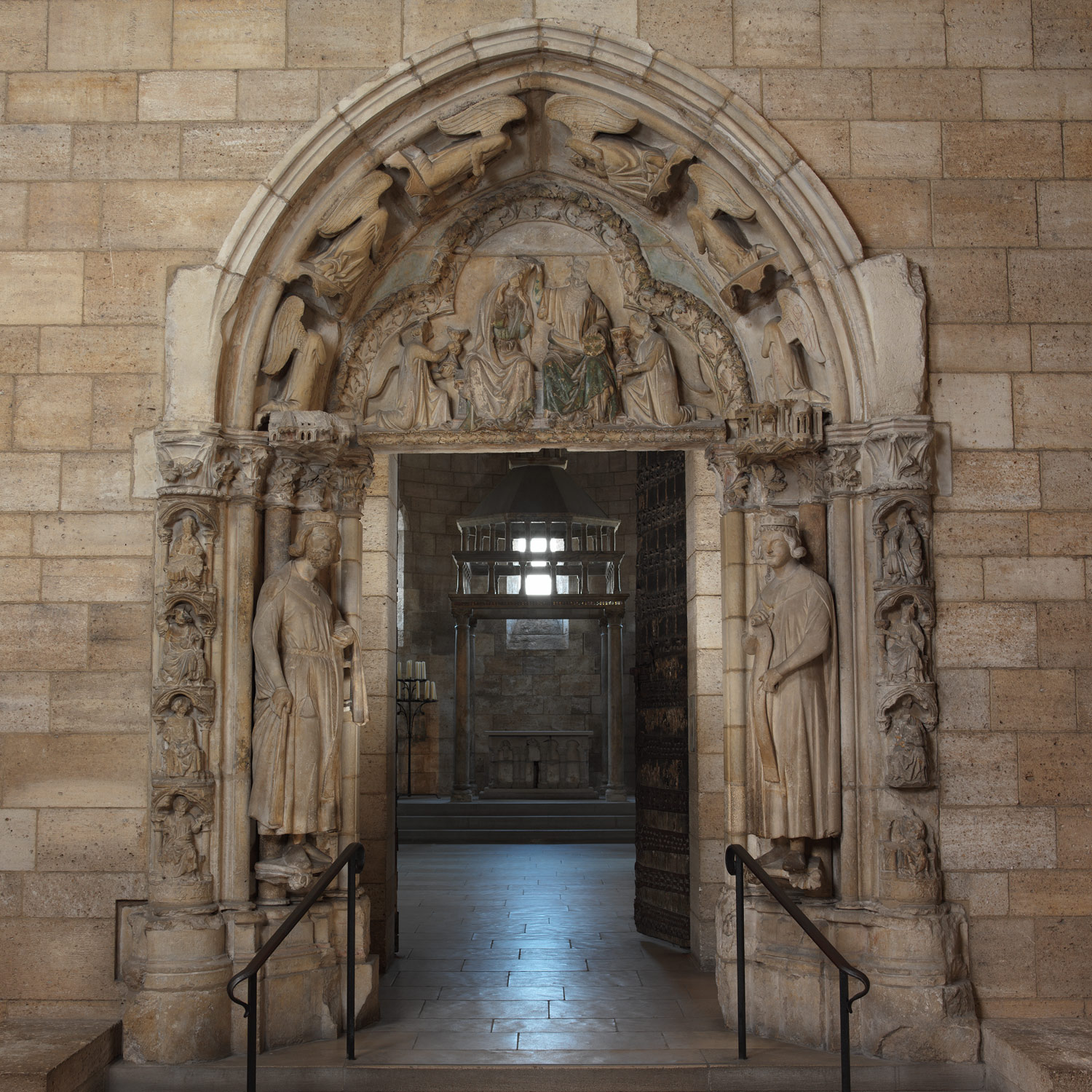
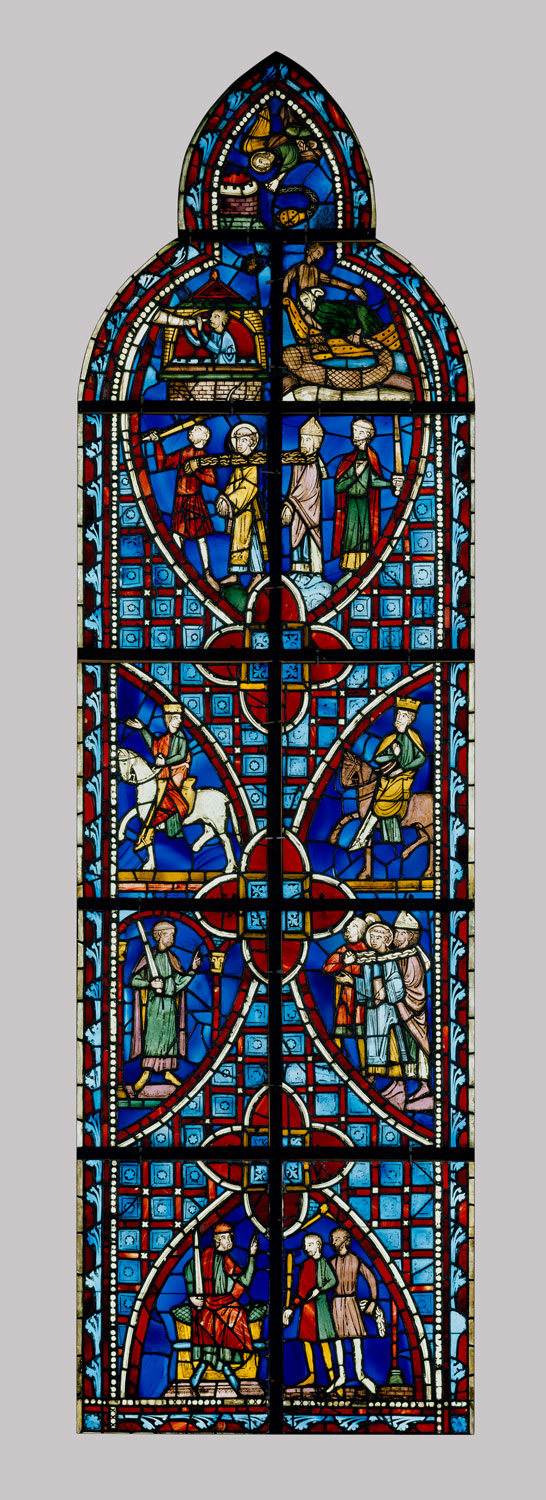
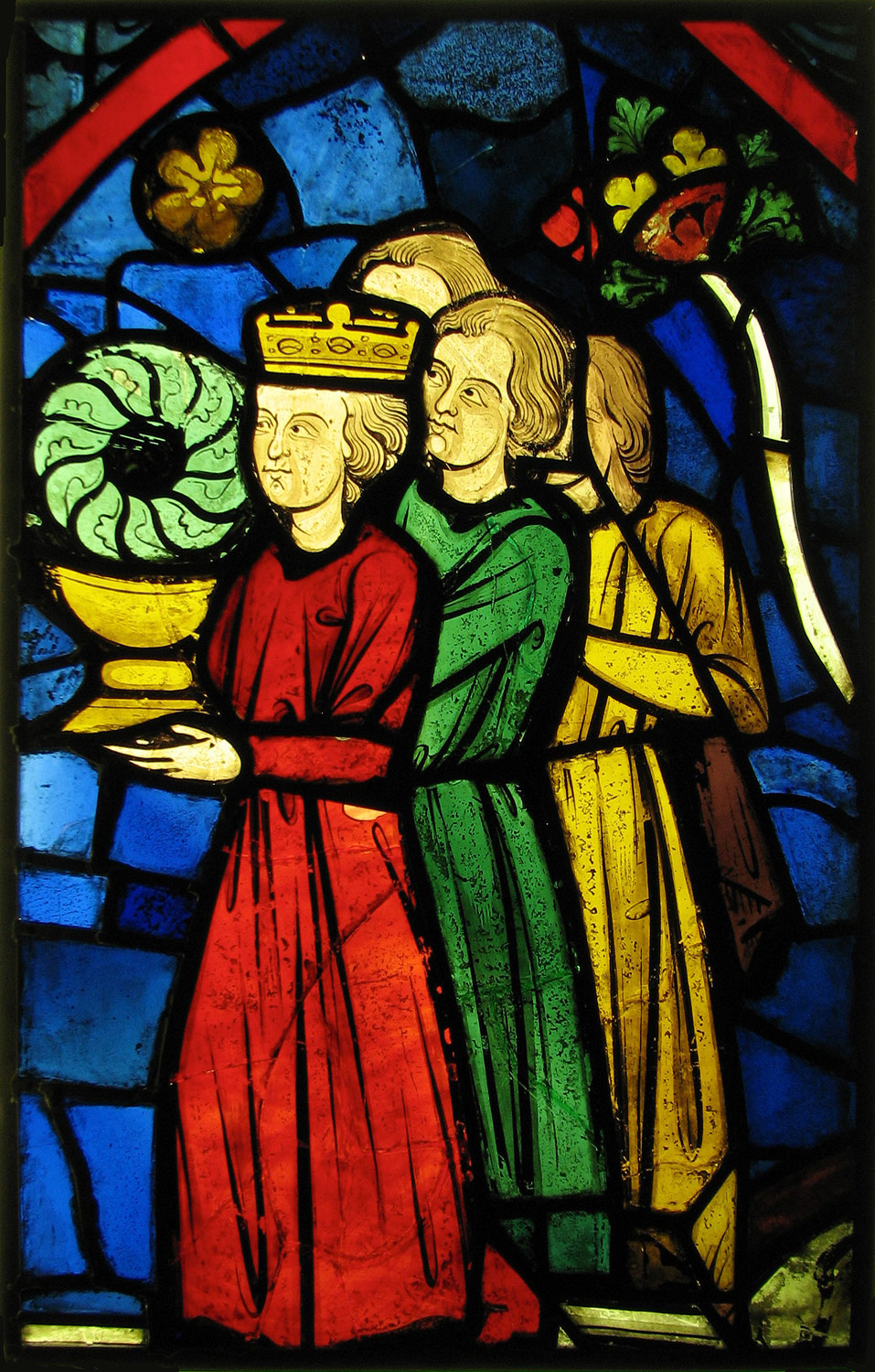
| Louis IX (St. Louis)(5) | 1226–70 |
5
|
| Philippe III, le Hardi (Philip III, the Bold) | 1270–85 | |
| Philippe IV, le Bel (Philip IV, the Fair) | 1285–1314 | |
| Louis X, le Hutin (the Stubborn) | 1314–16 | |
| Philippe V, le Long (Philip V, the Tall) | 1316–22 | |
| Charles IV, le Bel (the Fair) | 1322–28 | |
| Valois | 1328–1589 | |
| Philippe VI (Philip VI), | 1328–50 | |
| Jean II, le Bon (John II, the Good), | 1350–64 | |
| Charles V, le Sage (the Wise)(13) | 1364–80 | |
| Charles VI, le Bien–Aimé (the Well–Beloved) | 1380–1422 | |
| Charles VII | 1422–61 | |
| Louis XI | 1461–83 | |
| Charles VIII | 1483–98 | |
| Louis XII | 1498–1515 | |
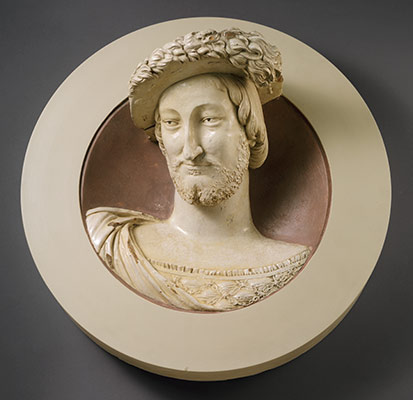
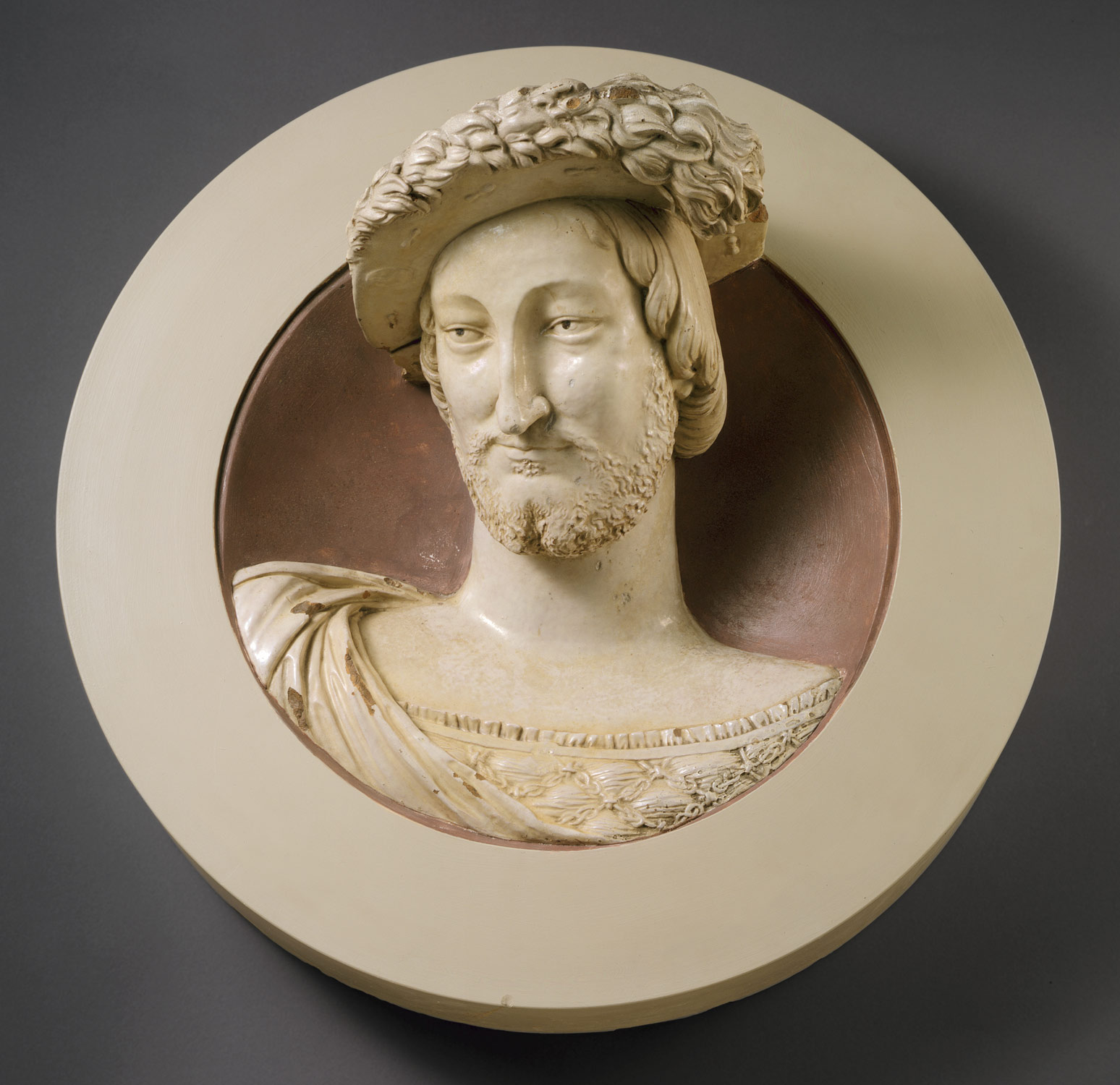
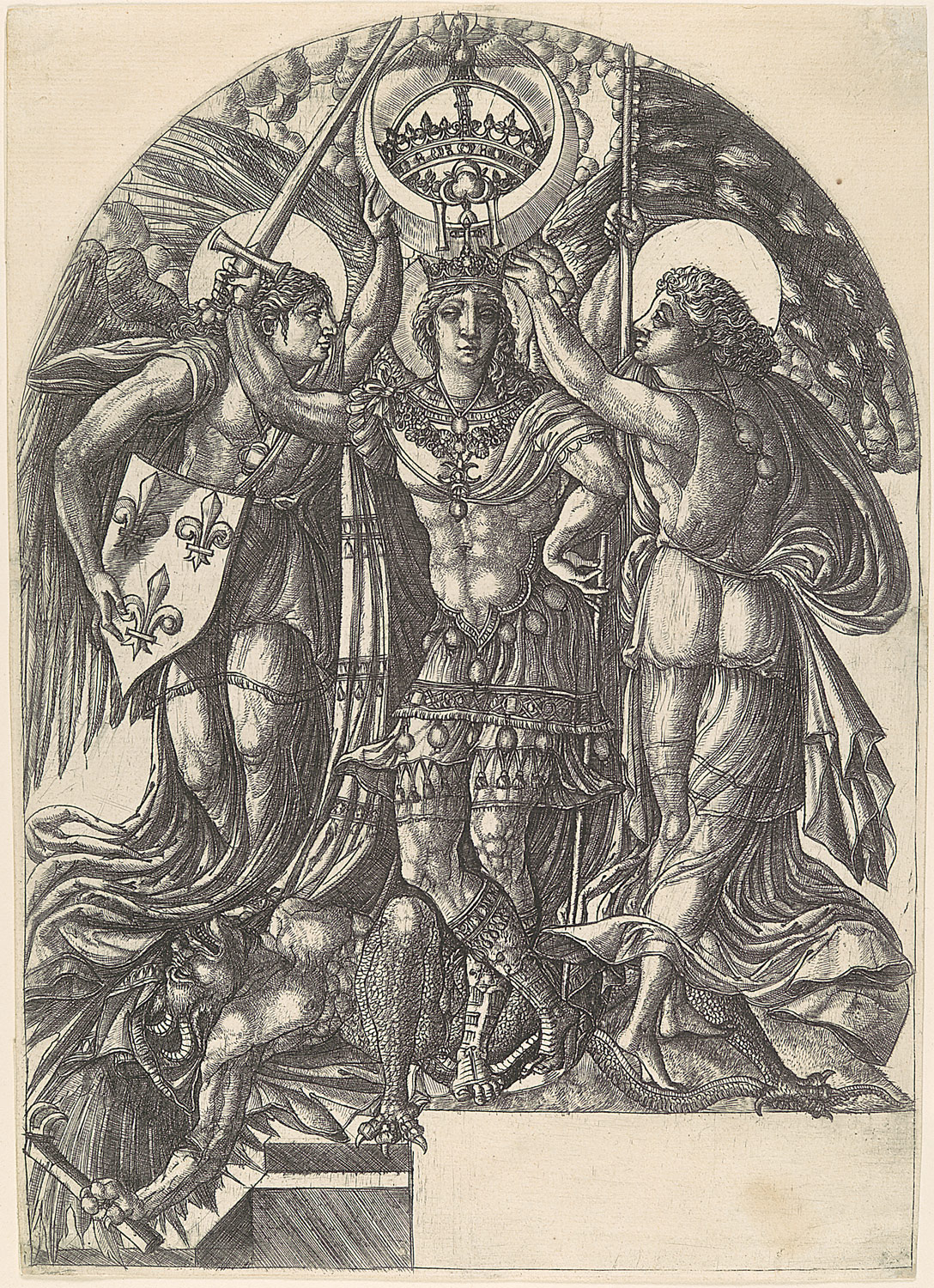
| François I (Francis I)(6) | 1515–47 |
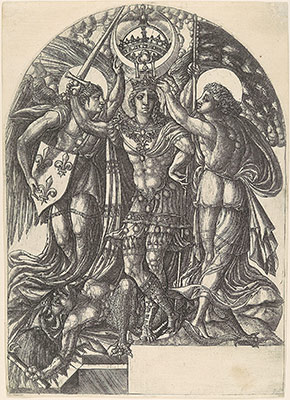
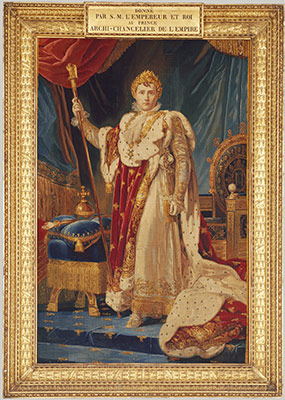
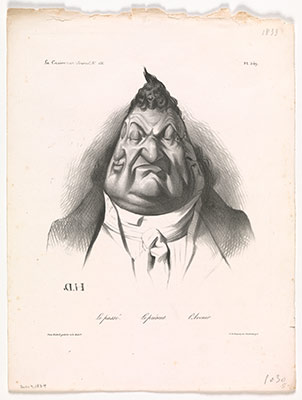
6 ![]() 7 ![]() 8 9 ![]() 10 ![]() 11 ![]() |
| Henri II (Henry II)(7) | 1547–59 | |
| François II (Francis II) | 1559–60 | |
| Charles IX | 1560–74 | |
| Henri III (Henry III) | 1574–89 | |
| Bourbons | 1589–1792 | |
| Henri IV (Henry IV, called Henry of Navarre), | 1589–1610 | |
| Louis XIII | 1610–43 | |
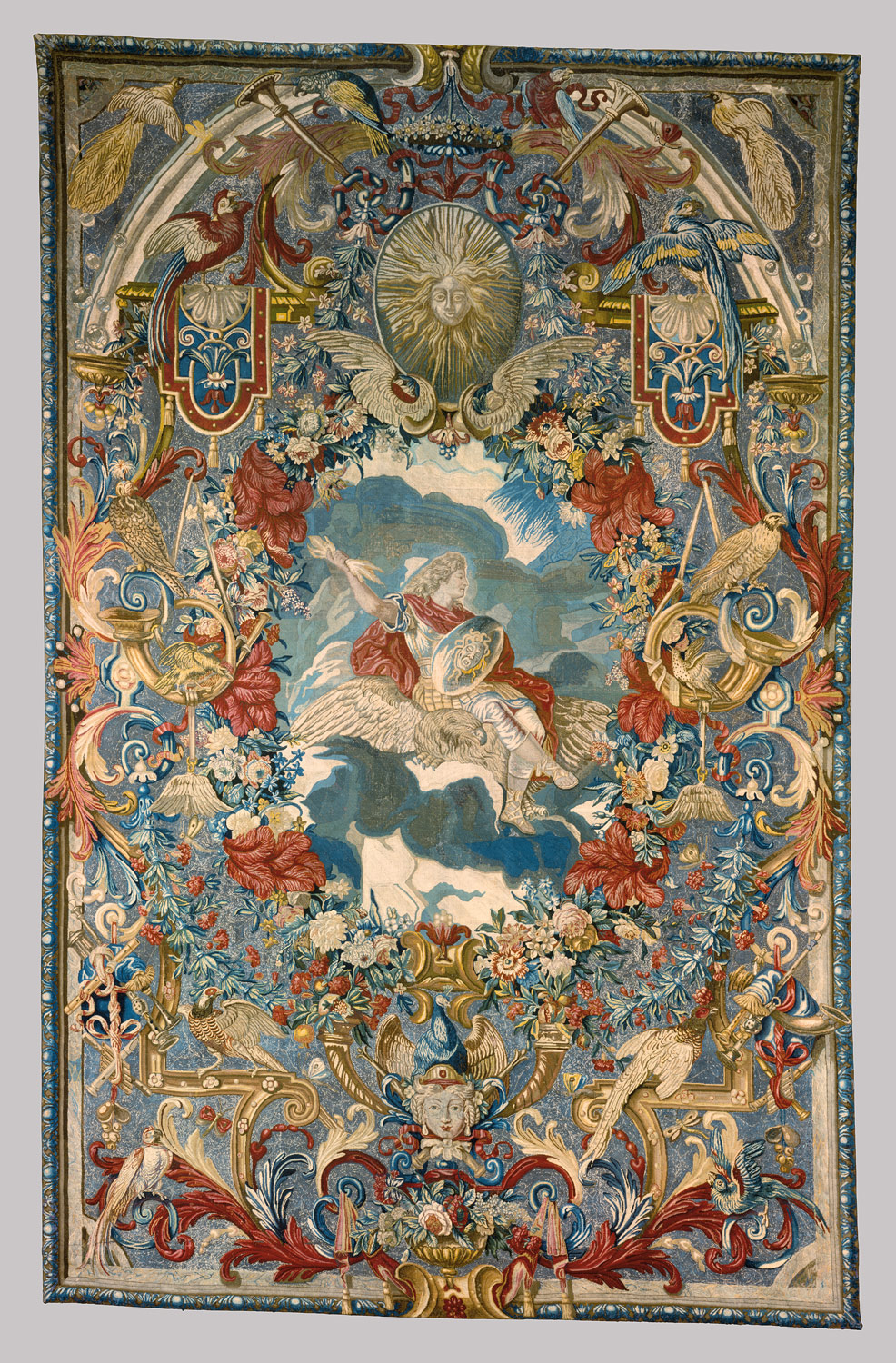
| Louis XIV, le Roi Soleil (the Sun King)(8) | 1643–1715 | |
| Louis XV, le Bien–Aimé (the Well–Beloved) | 1715–74 | |
| Louis XVI | 1774–92 | |
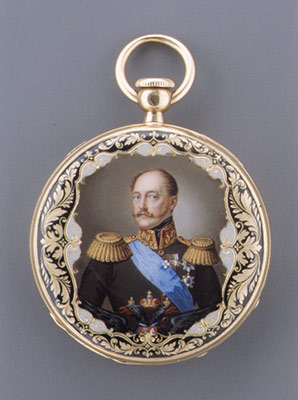
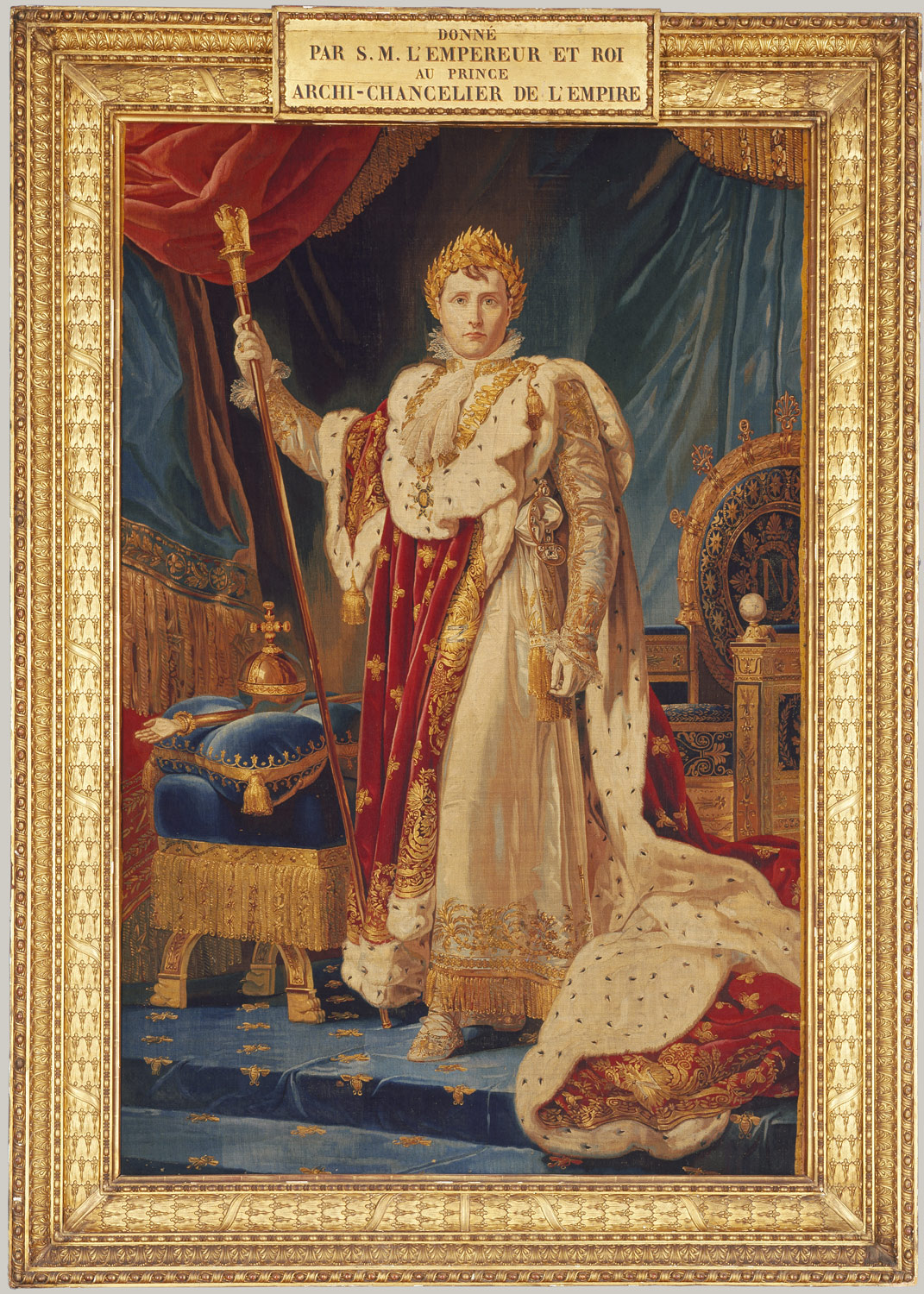
| First Empire | 1804–1814 | |
| Napoleon I(9) | 1804–14 | |
| Bourbons | 1814–1830 | |
| Louis XVIII | 1814–24 | |
| Charles X | 1824–30 | |
| Orléans | 1830–1848 | |
| Louis–Philippe, le Roi–Citoyen (the Citizen King)(10) | 1830–48 | |
| Second Empire | 1852–1870 | |
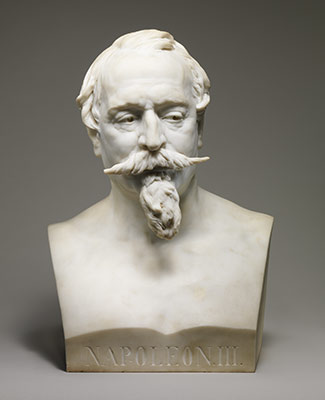
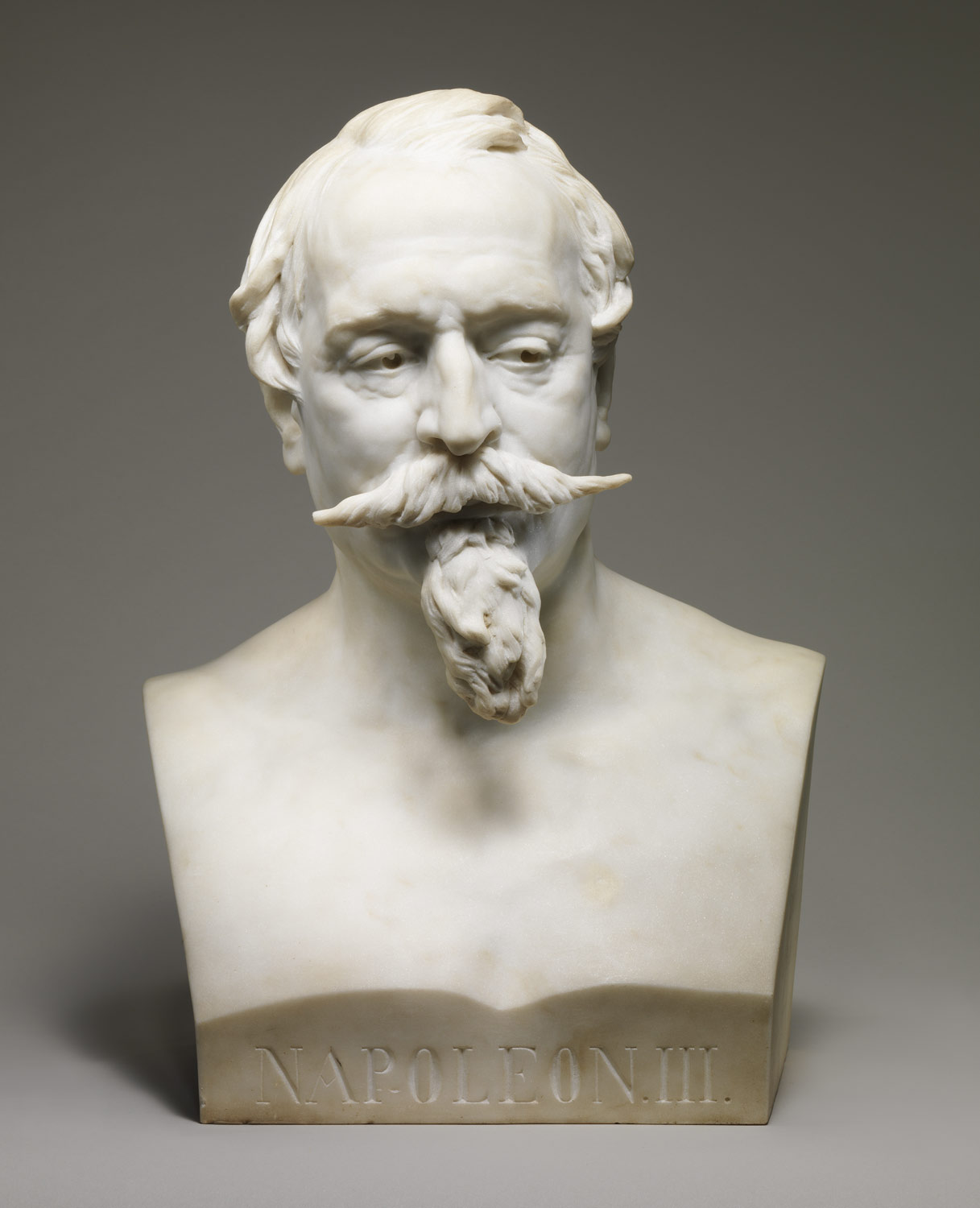
| Napoleon III, called Louis–Napoléon(11) | 1852–70 | |
Holy Roman Empire |
||
| Carolingians | 800–911 | |
| Charlemagne (Charles I, the Great) | 800–814 | |
| Louis I, le Pieux (the Pious) | 814–40 | |
| Lothair I (in the Western part of the empire) | 840–55 | |
| Ludwig II, der Deutsche (Louis II, the German) (in the Eastern part of the empire) | 843–76 | |
| Ludwig II (Louis II) | 855–75 | |
| Charles II, le Chauve (the Bald) | 875–77 | |
| Charles III, le Gros (the Fat) | 881–87 | |
| Arnulf | 887–99 | |
| Ludwig III, das Kind (Louis III, the Child) | 899–911 | |
| Saxons | 911–1024 | |
| Konrad I (Conrad I) | 911–18 | |
| Heinrich I, der Vogelfänger (Henry I, the Fowler) | 919–36 | |
| Otto I, the Great(12) | 936–73 | |
| Otto II | 973–83 | |
| Otto III | 983–1002 | |
| Heinrich II, der Heilige (Henry II, the Saint) | 1002–24 | |
| Salians | 1024–1137 | |
| Konrad II (Conrad II) | 1024–39 | |
| Heinrich III (Henry III) | 1039–56 | |
| Heinrich IV (Henry IV) | 1056–1106 | |
| Heinrich V (Henry V) | 1106–25 | |
| Lothair II | 1125–37 | |
| Hohenstaufens | 1138–1254 | |
| Konrad III (Conrad III) | 1138–52 | |
| Friedrich I (Frederick I), Barbarossa | 1152–90 | |
| Heinrich VI (Henry VI) | 1190–97 | |
| Otto IV of Brunswick | 1198–1215 | |
| Philipp (Philip) of Swabia | 1198–1208 | |
| Friedrich II (Frederick II) | 1212–50 | |
| Konrad IV (Conrad IV) | 1251–54 | |
| Habsburgs | ||
| Luxemburgs, and others | 1273–1437 | |
| Rudolf I (Habsburg) | 1273–91 | |
| Adolf of Nassau | 1292–98 | |
| Albrecht I (Albert I) (Habsburg) | 1298–1308 | |
| Heinrich I (Henry VII) of Luxembourg | 1308–13 | |
| Ludwig IV der Bayer (Louis IV of Bavaria) | 1314–47 | |
| Charles IV of Luxembourg | 1347–78 | |
| Wenceslas of Bohemia | 1378–1400 | |
| Ruprecht Klem (Rupert) of the Palatinate | 1400–1410 | |
| Sigismund of Luxembourg | 1410–37 | |
| Albrecht II (Albert II) | 1438–39 | |
| Friedrich III (Frederick III) | 1440–93 | |
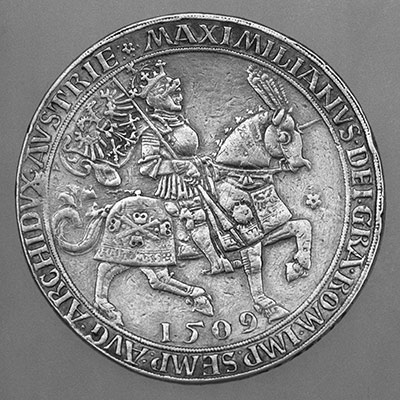
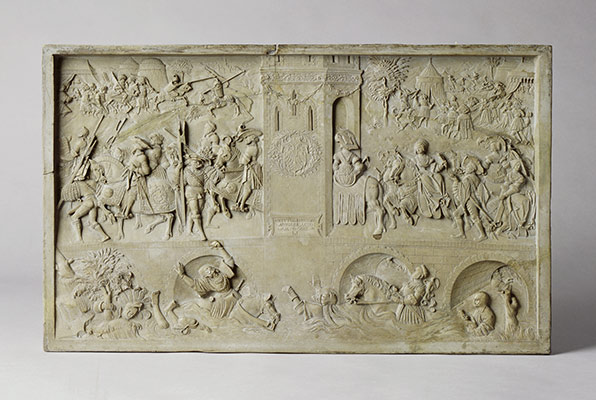
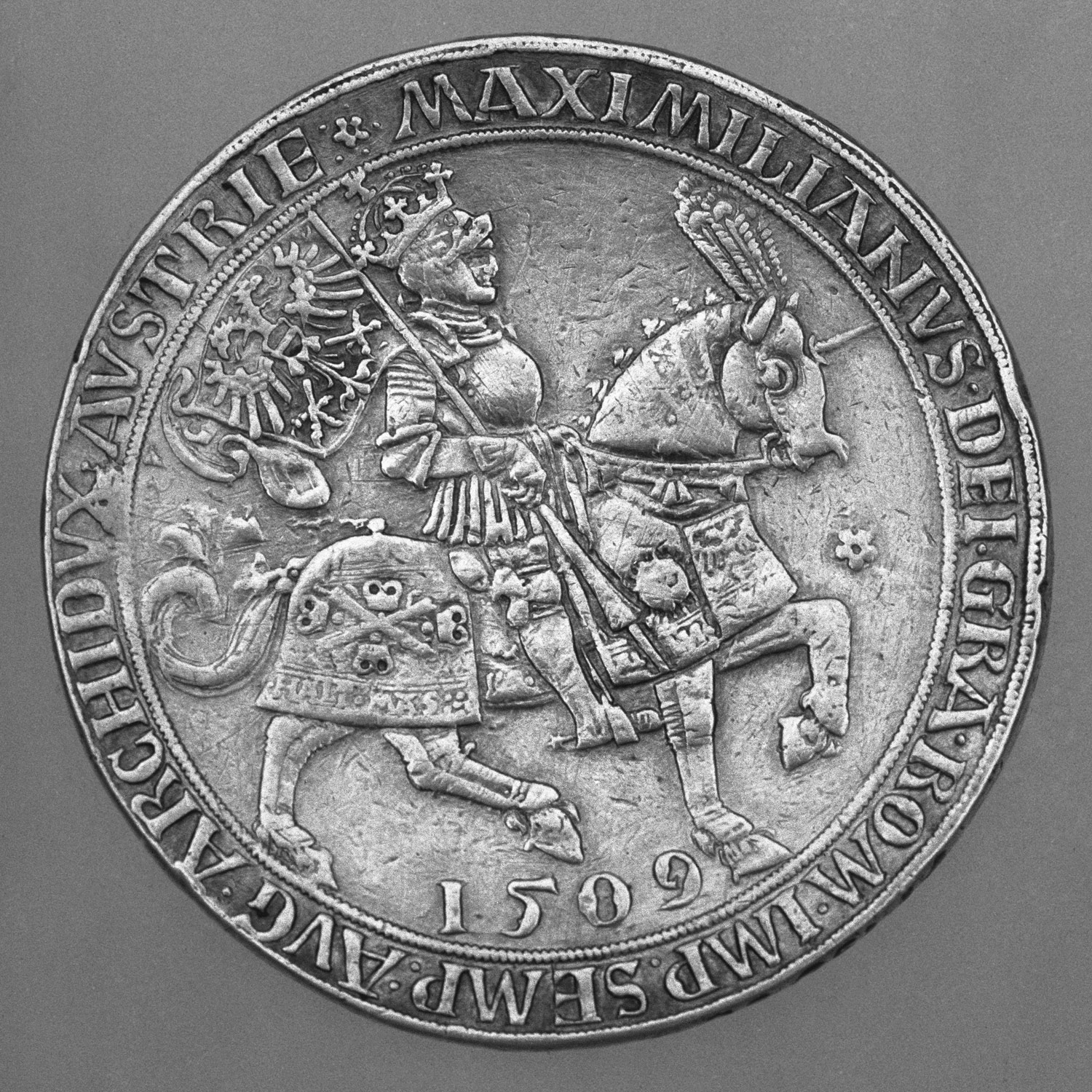
| Maximilian I | 1493–19 | |
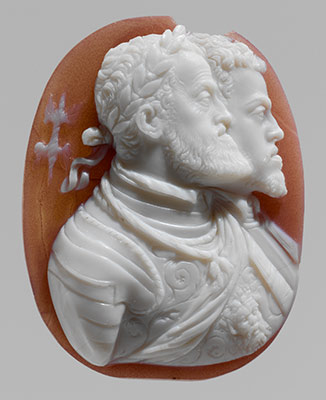
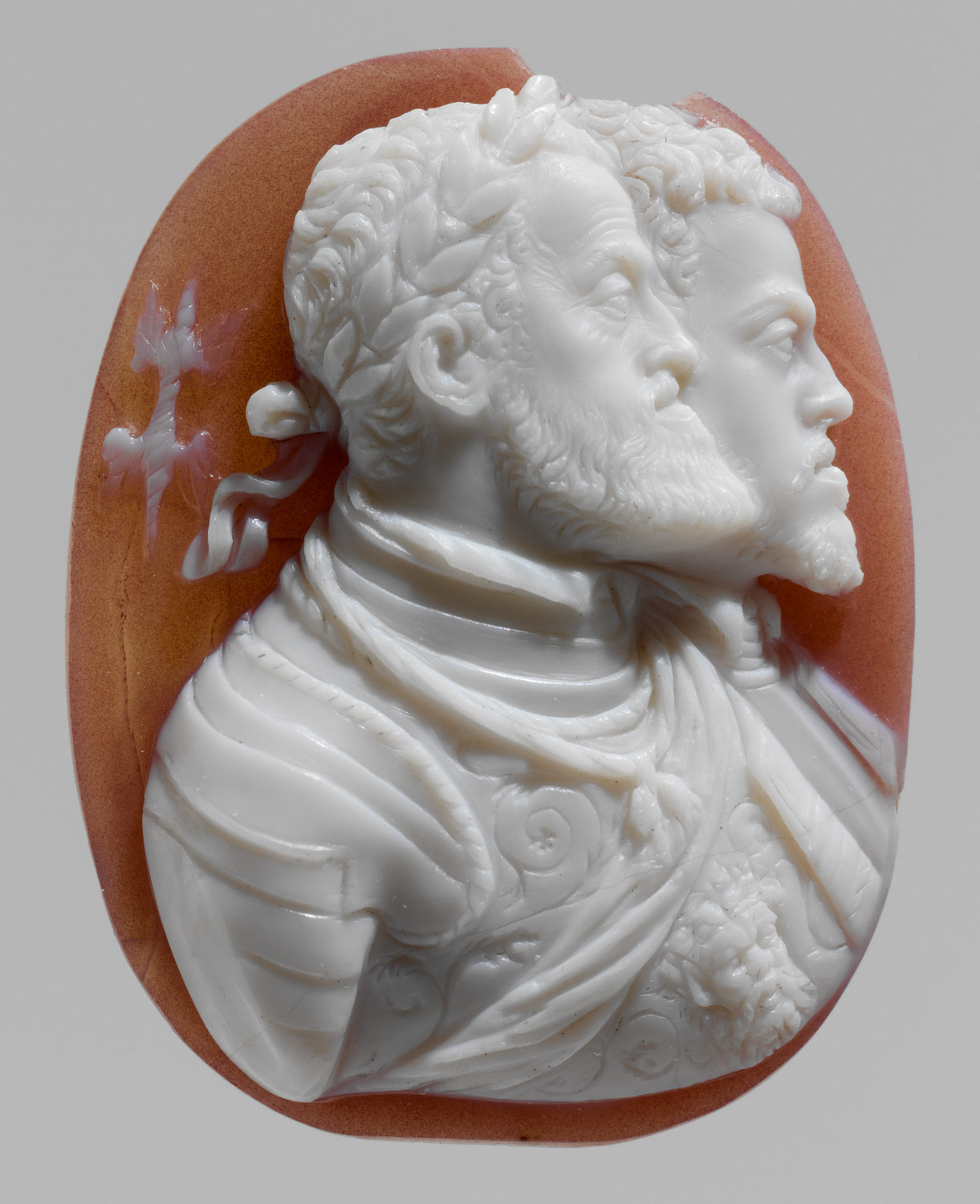
| Charles V(13) | 1519–56 | |
| Ferdinand I | 1556–64 | |
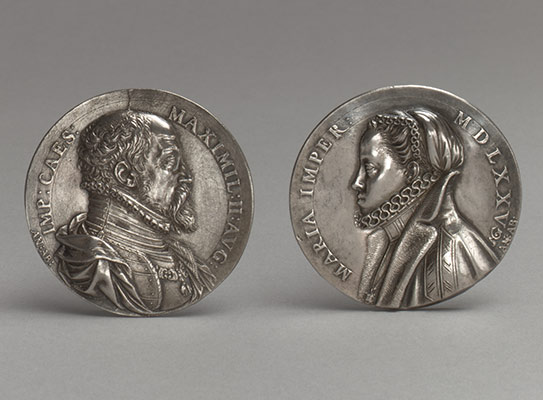
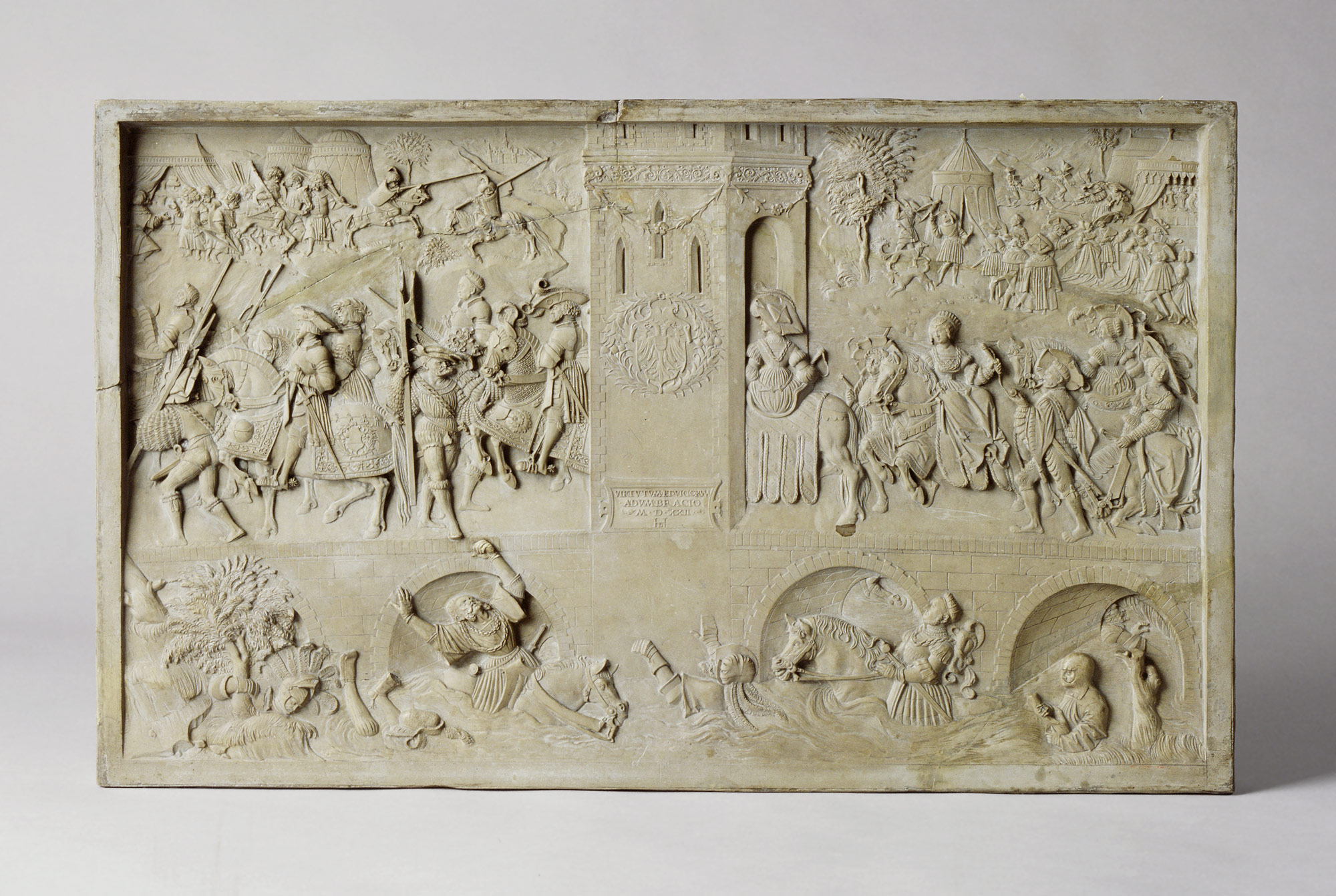
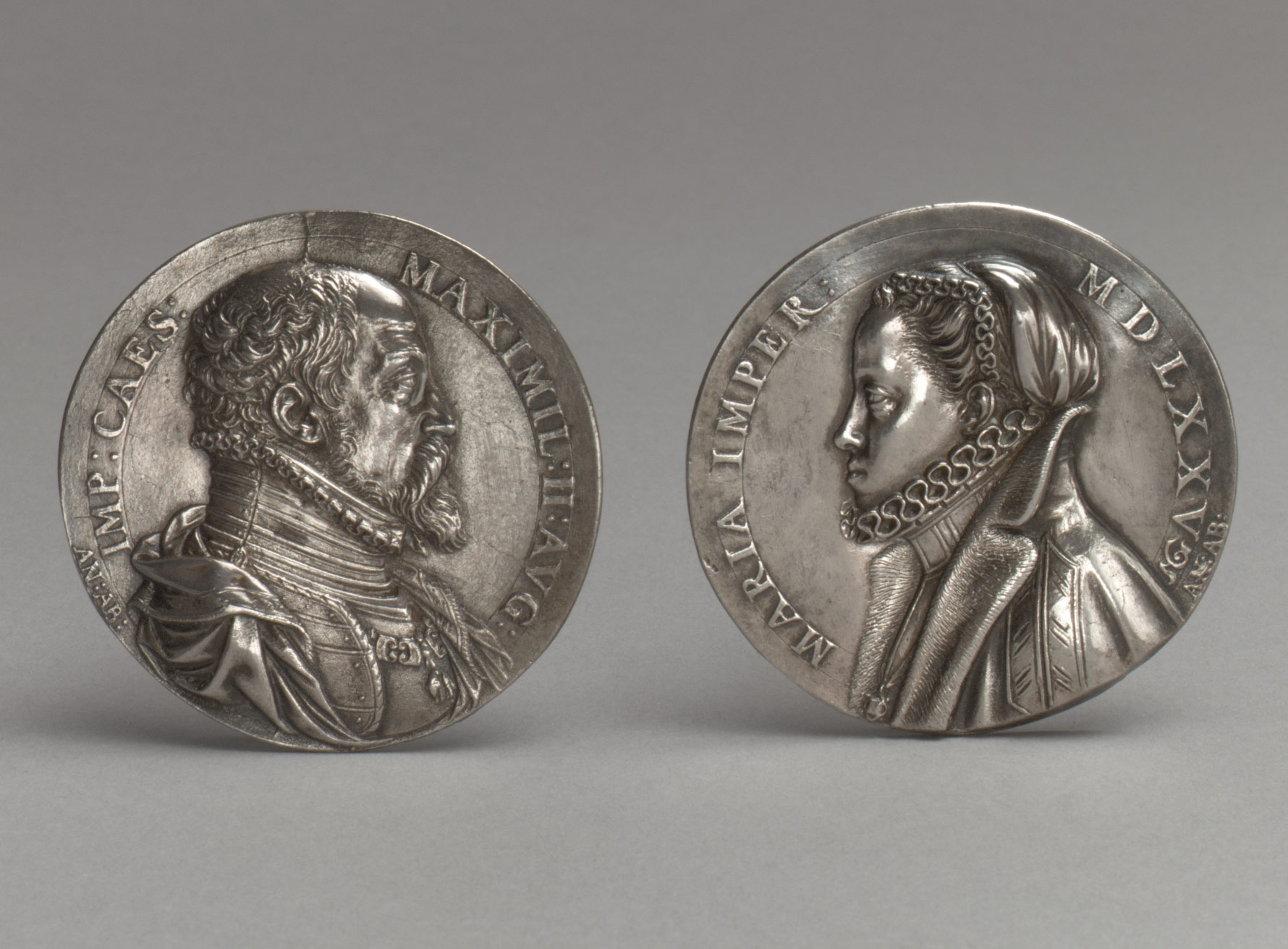
| Maximilian II(14) | 1564–76 | |
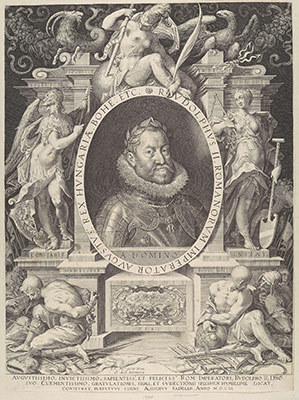
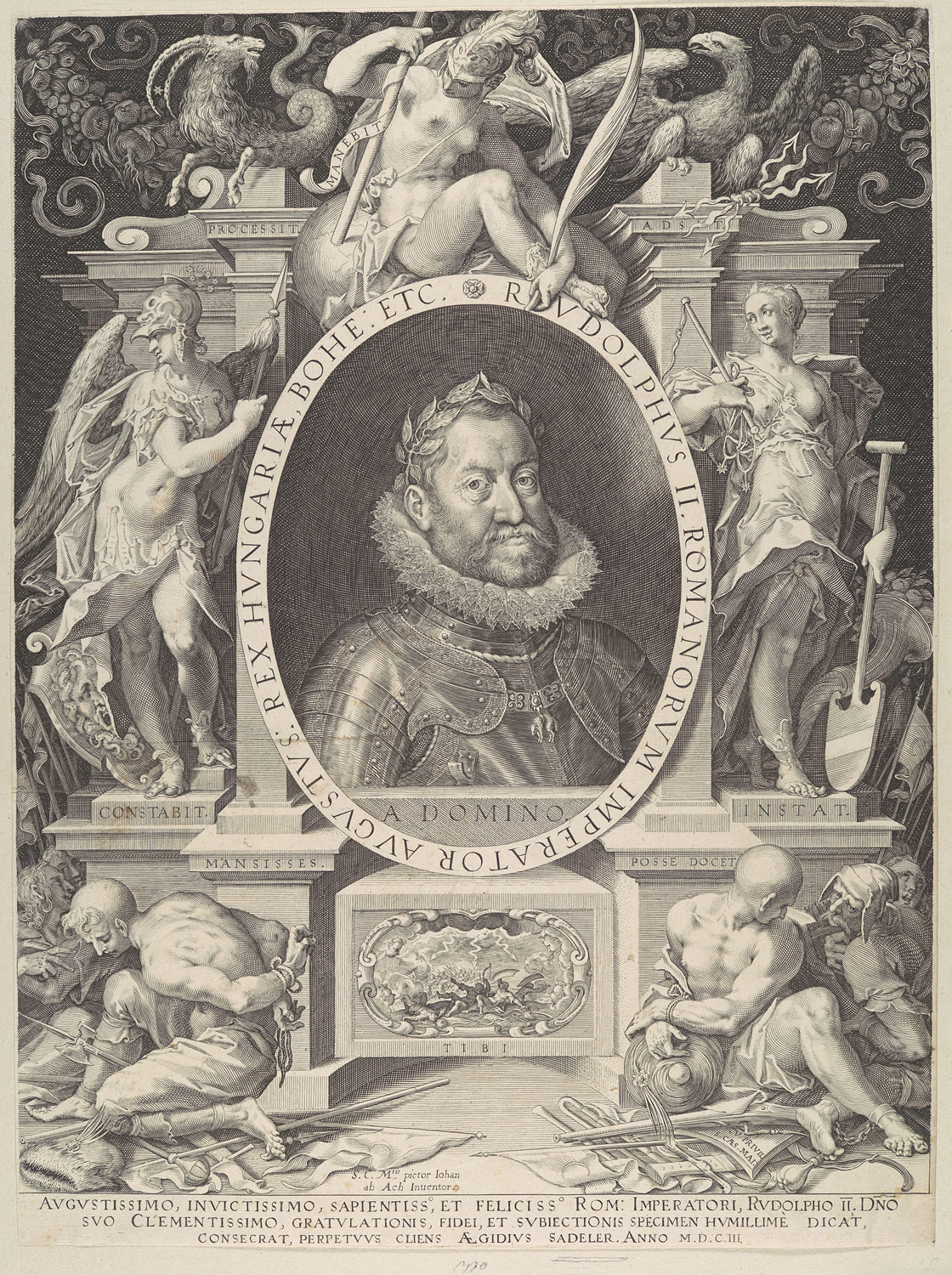
| Rudolph II(15) | 1576–1612 | |
| Matthias | 1612–19 | |
| Ferdinand II | 1619–37 | |
| Ferdinand III | 637–57 | |
| Leopold I | 1658–1705 | |
| Joseph I | 1705–11 | |
| Charles VI | 1711–40 | |
| Maria Theresa | 1740–80 | |
| Joseph II | 1765–90 | |
| Leopold II | 1790–92 | |
| Franz II (Francis II) | 1792–1806 | |
Papacy (from John VIII, first pope to use the title officially) |
||
| John VIII | 872–882 | |
| Marinus I | 882–884 | |
| St. Hadrian III | 884–885 | |
| Stephen VI | 885–891 | |
| Formosus | 891–896 | |
| Boniface VI | 896 | |
| Stephen VII | 896–897 | |
| John IX | 898–900 | |
| Benedict IV | 900–903 | |
| Sergius III | 904–911 | |
| Anastasius III | 911–913 | |
| John X | 914–928 | |
| Stephen VIII | 929–931 | |
| John XI | 931–935 | |
| Leo VII | 936–939 | |
| Stephen IX | 939–942 | |
| Marinus II | 942–946 | |
| Agapitus II | 946–955 | |
| John XII | 955–964 | |
| Leo VIII | 963–965 | |
| John XIII | 965–972 | |
| Benedict VI | 973–974 | |
| Benedict VII | 974–983 | |
| John XIV | 983–984 | |
| Boniface VII | 984–985 | |
| John XV | 985–996 | |
| Gregory V | 996–999 | |
| Sylvester II | 999–1003 | |
| John XVII | 1003 | |
| John XVIII | 1004–9 | |
| Sergius IV | 1009–12 | |
| Benedict VIII | 1012–24 | |
| John XIX | 1024–32 | |
| Benedict IX | 1032–44 | |
| Sylvester III | 1045 | |
| Gregory VI | 1045–46 | |
| Clement II | 1046–47 | |
| Damasus II | 1048–49 | |
| St. Leo IX | 1049–54 | |
| Victor II | 1055–57 | |
| Stephen X | 1057–58 | |
| Nicholas II | 1059–61 | |
| Alexander II | 1061–73 | |
| St. Gregory VII | 1073–85 | |
| Bd. Victor III | 1086–87 | |
| Bd. Urban II | 1088–99 | |
| Paschal I | 1099–1118 | |
| Gelasius II | 1118–19 | |
| Calixtus II | 1119–24 | |
| Honorius II | 1124–30 | |
| Innocent II | 1130–43 | |
| Celestine II | 1143–44 | |
| Lucius II | 1144–45 | |
| Bd. Eugenius III | 1145–53 | |
| Anastasius IV | 1153–54 | |
| Hadrian IV | 1154–59 | |
| Alexander III | 1159–81 | |
| Lucius III | 1181–85 | |
| Urban III | 1185–87 | |
| Gregory VIII | 1187 | |
| Clement III | 1187–91 | |
| Celestine III | 1191–98 | |
| Innocent III | 1198–1216 | |
| Honorius III | 1216–27 | |
| Gregory IX | 1227–41 | |
| Celestine IV | 1241 | |
| Innocent IV | 1243–54 | |
| Alexander IV | 1254–61 | |
| Urban IV | 1261–64 | |
| Clement IV | 1265–68 | |
| Gregory X | 1271–76 | |
| Innocent V | 1276 | |
| Hadrian V | 1276 | |
| John XXI | 1276–77 | |
| Nicholas III | 1277–80 | |
| Martin IV | 1281–85 | |
| Honorius IV | 1285–87 | |
| Nicholas IV | 1288–92 | |
| St. Celestine V | 1294 | |
| Boniface VIII | 1294–1303 | |
| Bd. Benedict XI | 1303–4 | |
| Clement V | 1305–14 | |
| John XXII (ruled from Avignon) | 1316–34 | |
| Benedict XII (ruled from Avignon) | 1334–42 | |
| Clement VI (ruled from Avignon) | 1342–52 | |
| Innocent VI (ruled from Avignon) | 1352–62 | |
| Urban V (ruled from Avignon) | 1362–70 | |
| Gregory XI, Pierre–Roger de Beaufort | 1370–78 | |
| Urban VI, Bartolomeo Prignano | 1378–89 | |
| Boniface IX, Pietro Tomacelli | 1389–1404 | |
| Innocent VII, Cosimo de' Migliorati | 1404–6 | |
| Gregory XII, Angelo Correr | 1406–15 | |
| Martin V, Oddo Colonna | 1417–31 | |
| Eugenius IV, Gabriele Condulmero | 1431–47 | |
| Nicholas V, Tommaso Parentucelli | 1447–55 | |
| Calixtus III, Alfonso de Borgia | 1455–58 | |
| Pius II, Enea Silvio Piccolomini | 1458–64 | |
| Paul II, Pietro Barbo | 1464–71 | |
| Sixtus IV, Francesco della Rovere | 1471–84 | |
| Innocent VIII, Giovanni Battista Cibò | 1484–92 | |
| Alexander VI, Rodrigo Borgia | 1492–1503 | |
| Pius III, Francesco Todeschini Piccolomini | 1503 | |
| Julius II, Giuliano della Rovere | 1503–13 | |
| Leo X, Giovanni de' Medici | 1513–21 | |
| Adrian VI, Adrian Florensz Boeyens | 1522–23 | |
| Clement VII, Giulio de' Medici | 1523–34 | |
| Paul III, Alessandro Farnese | 1534–49 | |
| Julius III, Giovanni Maria Ciocchi del Monte | 1550–55 | |
| Marcellus II, Marcello Cervini | 1555 | |
| Paul IV, Gian Pietro Carafa | 1555–59 | |
| Pius IV, Giovanni Angelo de' Medici | 1559–65 | |
| St. Pius V, Antonio Ghislieri | 1566–72 | |
| Gregory XIII, Ugo Buoncompagni | 1572–85 | |
| Sixtus V, Felice Peretti | 1585–90 | |
| Urban VII, Giambattista Castagna | 1590 | |
| Gregory XIV, Niccolò Sfondrato | 1590–91 | |
| Innocent IX, Giovanni Antonio Facchinetti | 1591 | |
| Clement VIII, Ippolito Aldobrandini | 1592–1605 | |
| Leo XI, Alessandro de' Medici | 1605 | |
| Paul V, Camillo Borghese | 1605–21 | |
| Gregory XV, Alessandro Ludovisi | 1621–23 | |
| Urban VIII, Maffeo Barberini | 1623–44 | |
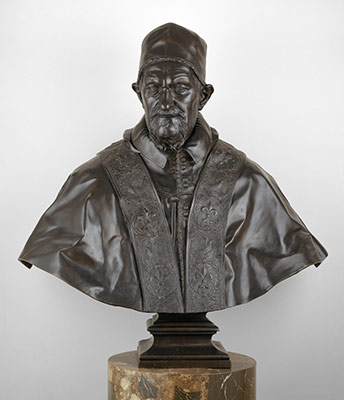
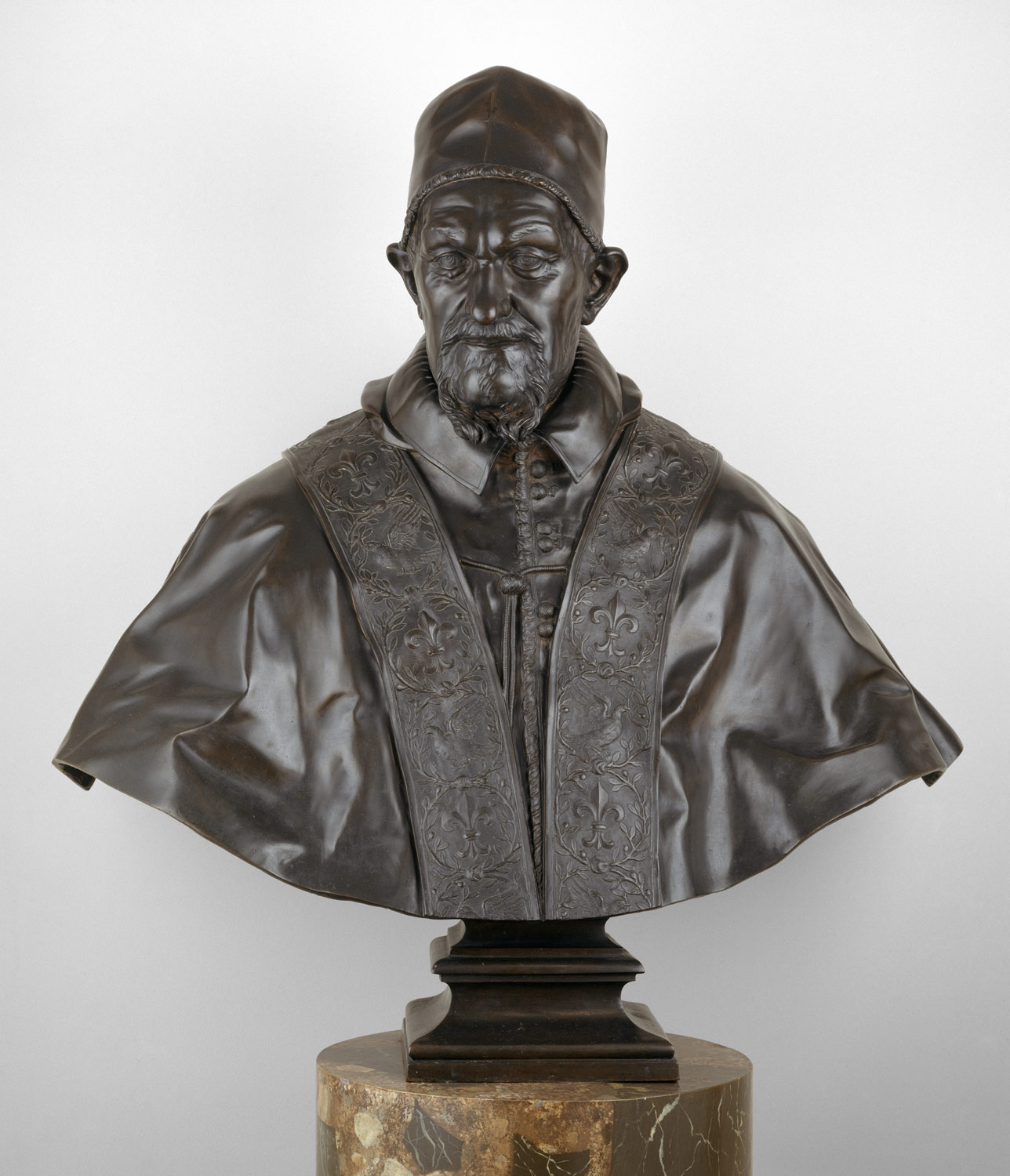
| Innocent X, Giovanni Battista Pamphilj(16) | 1644–55 | |
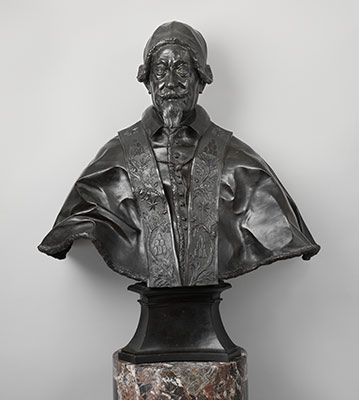
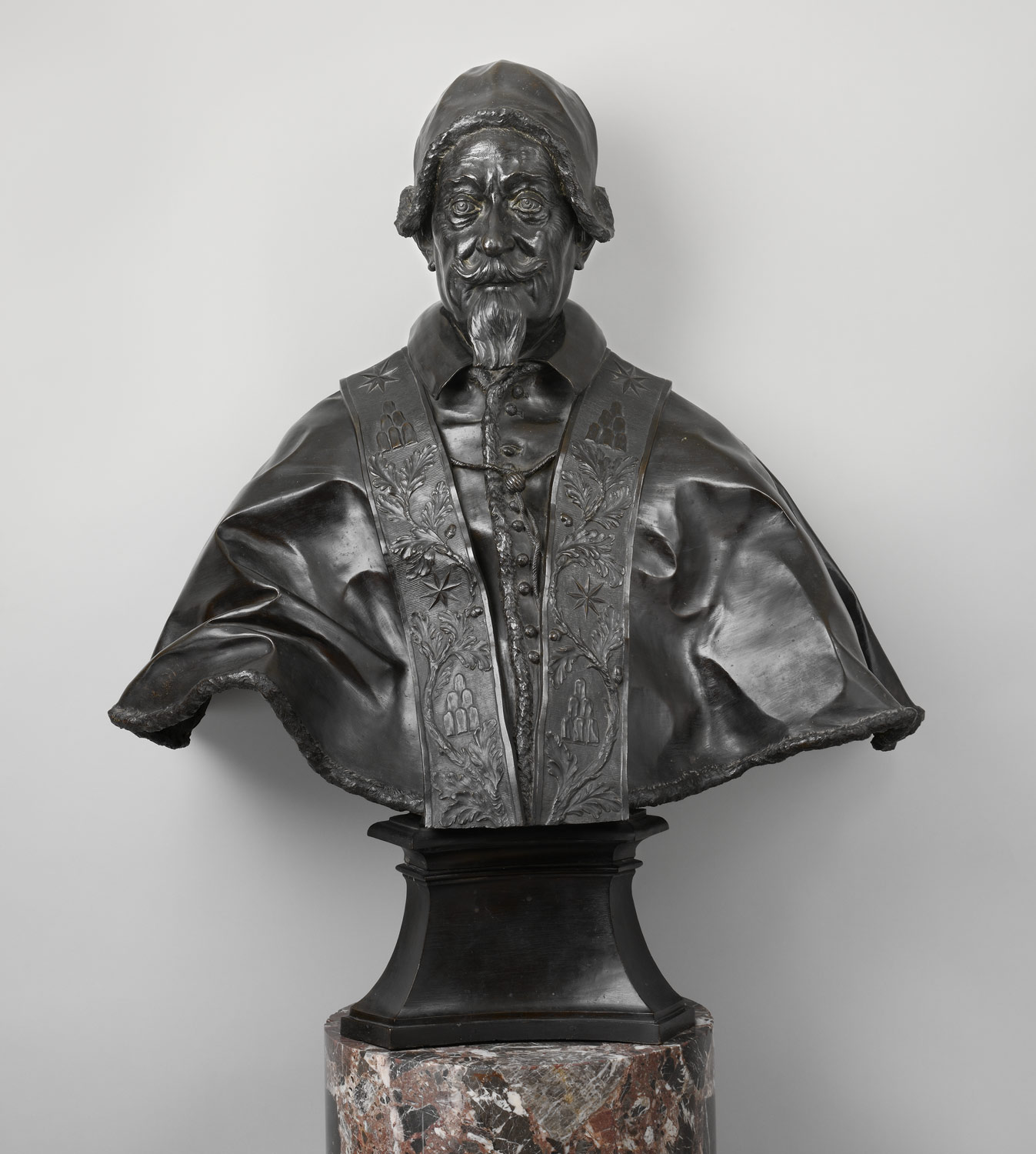
| Alexander VII, Fabio Chigi(17) | 1655–67 | |
| Clement IX, Giulio Rospigliosi | 1667–69 | |
| Clement X, Emilio Altieri | 1670–76 | |
| Innocent XI, Benedetto Odescalchi | 1676–89 | |
| Alexander VIII, Pietro Ottoboni | 1689–91 | |
| Innocent XII, Antonio Pignatelli | 1691–1700 | |
| Clement XI, Giovanni Francesco Albani | 1700–1721 | |
| Innocent XIII, Michelangelo Conti | 1721–24 | |
| Benedict XIII, Pierfrancesco Orsini | 1724–30 | |
| Clement XII, Lorenzo Corsini | 1730–40 | |
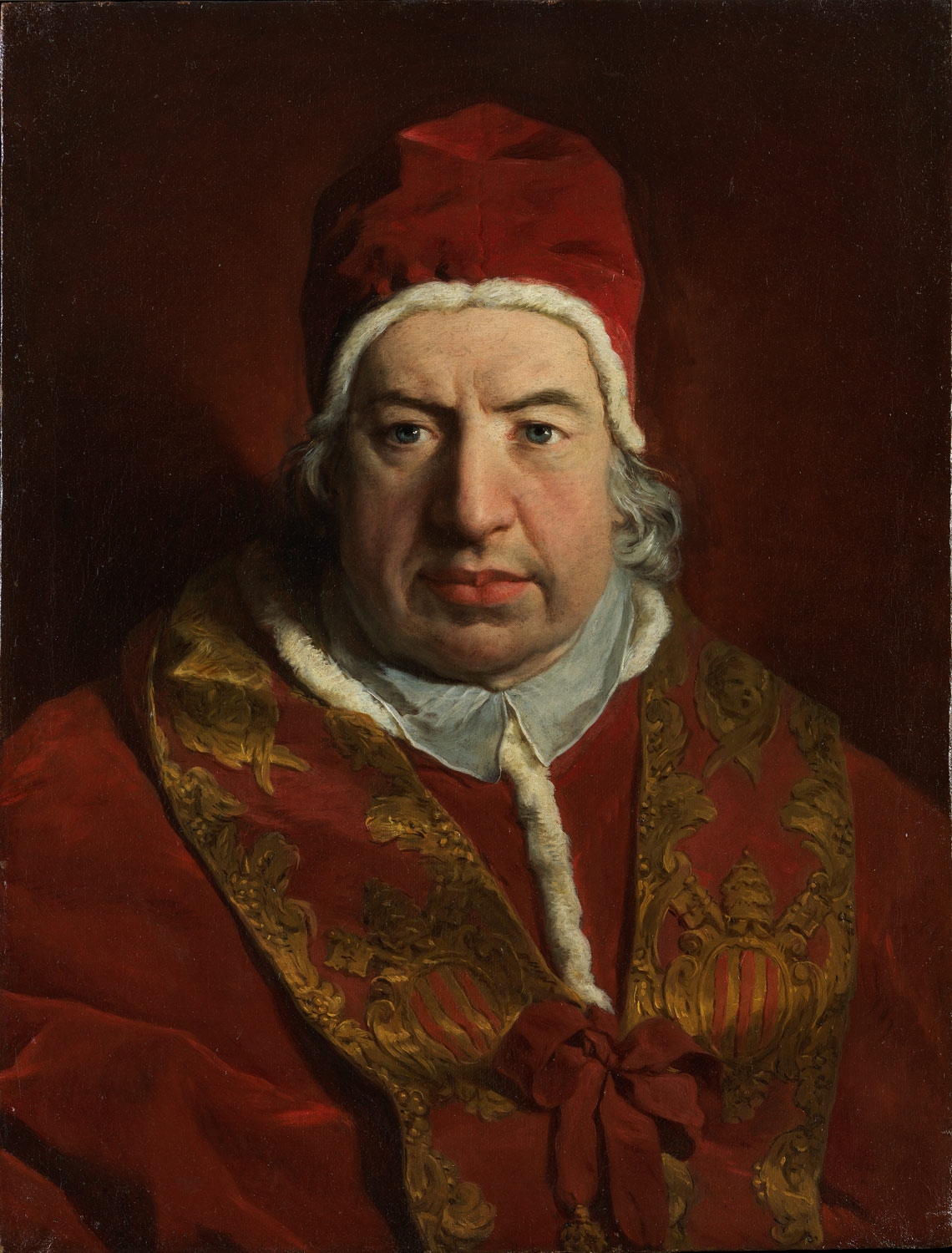
| Benedict XIV, Prospero Lambertini | 1740–58 | |
| Clement XIII, Carlo Rezzonico | 1758–69 | |
| Clement XIV, Giovanni Ganganelli | 1769–74 | |
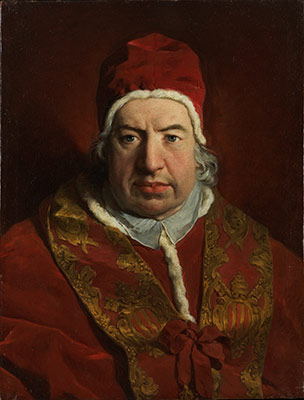
| Pius VI, Giovanni Angelo Braschi | 1775–99 | |
| Pius VII, Barnaba Gregorio Chiaramonti | 1800–1823 | |
| Leo XII, Annibale della Genga | 1823–29 | |
| Pius VIII, Francesco Saverio Castiglioni | 1829–30 | |
| Gregory XVI, Bartolomeo Cappellari | 1831–46 | |
| Pius IX, Giovanni Mastai–Ferretti | 1846–78 | |
| Leo XIII, Gioacchino Pecci | 1878–1903 | |
| St. Pius X, Giuseppe Sarto | 1903–14 | |
| Benedict XV, Giacomo della Chiesa | 1914–22 | |
| Pius XI, Achille Ratti | 1922–39 | |
| Pius XII, Eugenio Pacelli | 1939–58 | |
| John XXIII, Angelo Roncalli | 1958–63 | |
| Paul VI, Giovanni Battista Montini | 1963–78 | |
| John Paul I, Albino Luciani | 1978 | |
| John Paul II, Karol Wojtyla | 1978–2005 | |
| Benedict XVI, Joseph Ratzinger | 2005–present | |
Iberian Peninsula |
||
| Visigothic Kingdom | 391–720 | |
| Alaric I | 391–410 | |
| Athaulf | 410–415 | |
| Wallia | 415–418 | |
| Theodoric | 418–451 | |
| Thorismund | 451–453 | |
| Euric | 466–484 | |
| Alaric II | 484–507 | |
| Gesalic | 507–511 | |
| Amalaric | 511–531 | |
| Theudis | 531–548 | |
| Achila I | 548–555 | |
| Athanagild | 555–567 | |
| Liuva I | 567–572 | |
| Leovigild | 568–586 (sole king after 572) | |
| Reccared I | 586–601 | |
| Sisebut | 612–621 | |
| Svinthala | 621–631 | |
| Sisenand | 631–636 | |
| Chindaswinth | 642–653 | |
| Recceswinth | 653–672 | |
| Wamba | 672–680 | |
| Erwig | 680–687 | |
| Egica | 687–702 | |
| Wittiza | 702–710 | |
| Roderic | 710–711 | |
| Achila II | 711–714 | |
| Ardo | 714–720 | |
| Muslim conquest brings kingdom to an end. | ||
| Kingdom of Aragon (northeastern Spain) | 1035–1516 | |
| Ramiro I | 1035–63 | |
| Sancho I Ramírez | 1063–94 | |
| Pedro I (Peter I) | 1094–1104 | |
| Alfonso I, el Batallador (the Battler) | 1104–34 | |
| Ramiro II, el Monje (the Monk) | 1134–37 | |
| Petronila | 1137–74 | |
| Alfonso II, el Casto (the Chaste) | 1164–96 | |
| Pedro II (Peter II) | 1196–1213 | |
| Jaime I, el Conquistador (James I, the Conqueror) | 1214–76 | |
| Pedro III, el Grande (Peter III, the Great) | 1276–85 | |
| Alfonso III, el Liberal (the Generous) | 1285–91 | |
| Jaime II (James II) | 1291–1327 | |
| Alfonso IV, el Benigno (the Benign) | 1327–36 | |
| Pedro IV, el Ceremonioso (Peter IV, the Ceremonious) | 1336–87 | |
| Juan I (John I) | 1387–95 | |
| Martin I | 1395–1410 | |
| Interregnum | 1410–12 | |
| Fernando I (Ferdinand I) | 1410–16 | |
| Alfonso V, el Magnánimo (the Magnanimous) | 1416–58 | |
| Juan II (John II) | 1458–79 | |
| Fernando II, el Católico (Ferdinand II, the Catholic) | 1479–1516 | |
| See Spain. | ||
Kingdom of Castile (central Spain) |
1029–1555 | |
| Sancho I, el Mayor (the Great) | 1029–35 | |
| Fernando I, el Magno (Ferdinand I, the Great) | 1035–65 | |
| Sancho II | 1065–72 | |
| Alfonso VI, el Bravo (the Valiant) | 1072–1109 | |
| Urraca | 1109–26 | |
| Alfonso VII | 1126–57 | |
| Sancho III | 1157–58 | |
| Alfonso VIII | 1158–1214 | |
| Enrique I (Henry I) | 1214–17 | |
| Fernando III, el Santo (Ferdinand III, the Saint) | 1217–52 | |
| Alfonso X, el Sabio (the Learned) | 1252–84 | |
| Sancho IV | 1284–95 | |
| Fernando IV, el Emplazado (Ferdinand IV, the Summoned) | 1295–1312 | |
| Alfonso XI | 1312–50 | |
| Pedro, el Cruel (Peter, the Cruel) | 1350–69 | |
| Enrique II (Henry II) | 1369–79 | |
| Juan I (John I) | 1379–90 | |
| Enrique III, el Doliente (Henry III, the Sufferer) | 1390–1406 | |
| Juan II (John II) | 1406–54 | |
| Enrique IV (Henry IV) | 1454–74 | |
| Isabel I, la Católica (Isabella I, the Catholic) | 1474–1504 | |
| Juana I, la Loca (Joan/Joanna I, the Mad) | 1504–55 | |
| See Spain. | ||
Spain |
||
| Habsburgs | ||
| Carlos I (= Charles V of the Holy Roman Empire) | 1516–56 | |
| Felipe II (Philip II) | 1556–98 | |
| Felipe III (Philip III) | 1598–1621 | |
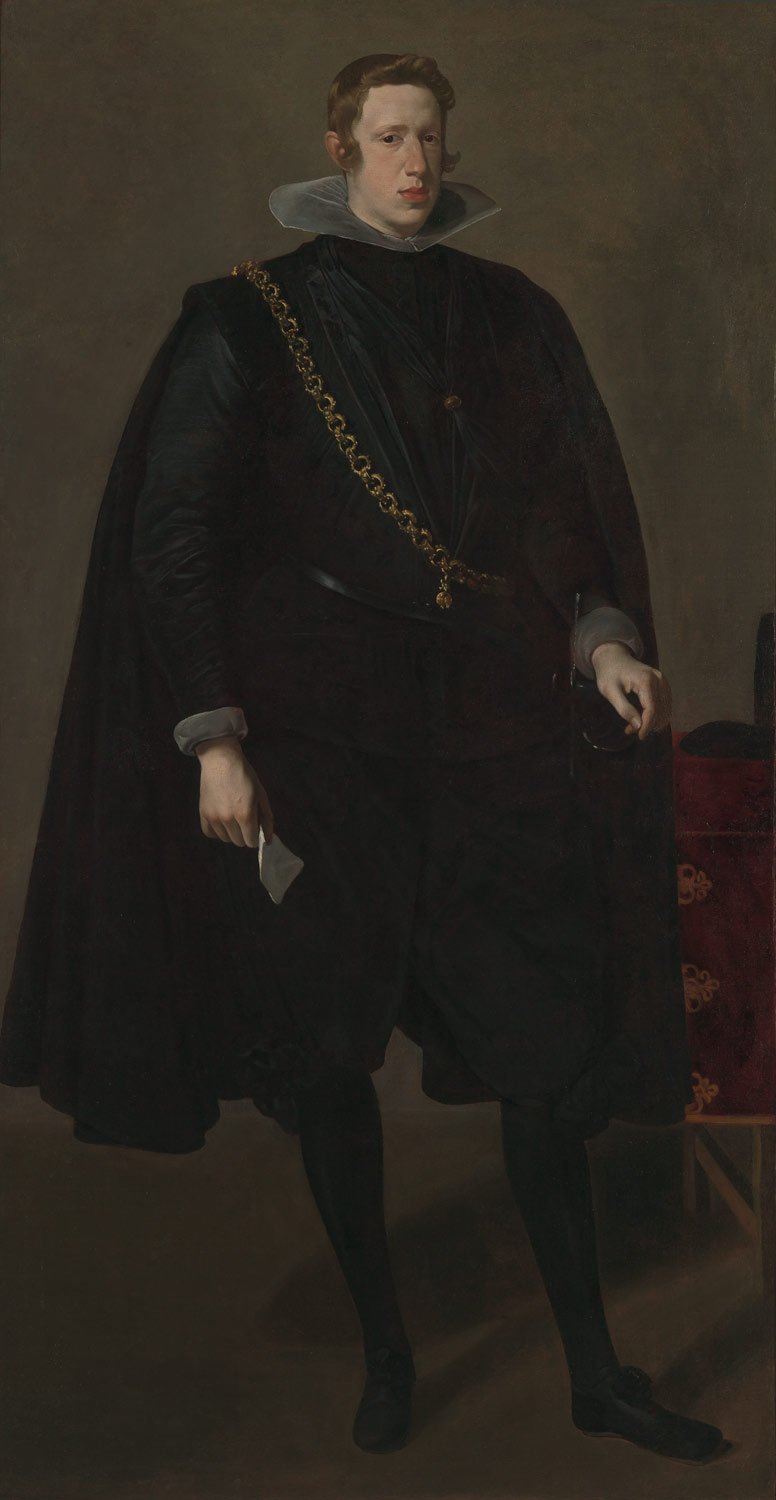
| Felipe IV (Philip IV)(18) | 1621–65 | |
| Carlos II (Charles II) | 1665–1700 | |
| Bourbons (Borbóns) | 1700–1808 | |
| Felipe V (Philip V) | 1700–1724 (abdicated) | |
| Luis I (Louis I) | 1724 | |
| Felipe V (Philip V) | 1724–46 (reinstated) | |
| Fernando VI (Ferdinand VI) | 1746–59 | |
| Carlos III (Charles III) | 1759–88 | |
| Carlos IV (Charles IV) | 1788–1808 | |
| Napoleonic Rule | 1808–1814 | |
| Joseph Bonaparte | 1808–14 | |
| Bourbons (Borbóns) | 1808–present | |
| Fernando VII (Ferdinand VII) | 1808, 1814–33 | |
| Isabel II (Isabella II) | 1833–68 | |
| Amadeo I, of Savoy | 1870–73 | |
| Alfonso XII | 1874–85 | |
| Alfonso XIII | 1886–1931 | |
| Juan Carlos | 1975–present | |
Italian Peninsula |
||
| Langobardic Kingdom (centered in northern Italy) | 569–774 | |
| Alboin | 569–572 | |
| Cleph | 572–574 | |
| Authari (first husband of Theodelinda) | 584–590 | |
| Agilulf (second husband of Theodelinda) | 590–615 | |
| Adalwald | 616–626 | |
| Ariwald | 626–636 | |
| Rothari | 636–652 | |
| Aripert I | 653–661 | |
| Grimwald | 662–671 | |
| Perctarit | 671–688 | |
| Cunipert | 688–700 | |
| Aripert II | 701–712 | |
| Liutprand | 712–744 | |
| Ratchis | 744–749, 756–757 | |
| Aistulf | 749–756 | |
| Desiderius | 757–774 | |
| Invasion of the Franks brings kingdom to an end. | ||
| Doges of Venice | ||
| Orso Ipato | 726–737 | |
| Teodato Ipato | 742–755 | |
| Domenico Monegario | 756–764 | |
| Maurizio Galbaio | 764–787 | |
| Giovanni Galbaio | 787–803 | |
| Obelerio degli Antenori | 803–810 | |
| Agnello Particiaco | 810–827 | |
| Giustiniano Particiaco | 827–829 | |
| Giovanni Particiaco I | 829–836 | |
| Pietro Tradonico | 836–864 | |
| Orso Particiaco I | 864–881 | |
| Giovanni Particiaco II | 881–887 | |
| Pietro Candiano I | 887 | |
| Pietro Tribuno | 888–911 | |
| Orso Particiaco II | 911–932 | |
| Pietro Candiano II | 932–939 | |
| Pietro Particiaco | 939–942 | |
| Pietro Candiano III | 942–959 | |
| Pietro Candiano IV | 959–976 | |
| Pietro Orseolo I | 976–978 | |
| Tribuno Memmo | 979–991 | |
| Pietro Orseolo II | 991–1009 | |
| Otto Orseolo | 1009–26 | |
| Pietro Centranico | 1026–30 | |
| Domenico Flabinico | 1031–41 | |
| Domenico Contarini I | 1041–71 | |
| Domenico Silvo | 1071–84 | |
| Vitale Falier | 1084–95 | |
| Vitale Michiel I | 1095–1110 | |
| Ordelafo Falier | 1101–18 | |
| Domenico Michiel | 1118–30 | |
| Pietro Polani | 1130–48 | |
| Domenico Morosini | 1148–55 | |
| Vitale Michiel II | 1155–72 | |
| Sebastiano Ziani | 1172–78 | |
| Orio Mastropiero | 1178–92 | |
| Enrico Dandolo | 1192–1205 | |
| Pietro Ziani | 1205–29 | |
| Jacopo Tiepolo | 1229–49 | |
| Marin Morosini | 1249–53 | |
| Renier Zeno | 1253–68 | |
| Lorenzo Tiepolo | 1268–75 | |
| Jacopo Contarini | 1275–80 | |
| Giovanni Dandolo | 1280–89 | |
| Pietro Gradenigo | 1289–1311 | |
| Giovanni Soranzo | 1312–28 | |
| Francesco Dandolo | 1329–39 | |
| Bartolomeo Gradenigo | 1339–42 | |
| Andrea Dandolo | 1343–54 | |
| Marino Falier | 1354–55 | |
| Giovanni Gradenigo | 1355–56 | |
| Giovanni Dolfin | 1356–61 | |
| Lorenzo Celsi | 1361–65 | |
| Marco Cornaro | 1365–68 | |
| Andrea Contarini | 1368–82 | |
| Antonio Venier | 1382–1400 | |
| Michele Steno | 1400–13 | |
| Tommaso Mocenigo | 1414–23 | |
| Francesco Foscari | 1423–57 | |
| Pasquale Malipiero | 1457–62 | |
| Cristoforo Moro | 1462–71 | |
| Niccolò Tron | 1471–73 | |
| Niccolò Marcello | 1473–74 | |
| Pietro Mocenigo | 1474–76 | |
| Andrea Vendramin | 1476–78 | |
| Giovanni Mocenigo | 1478–85 | |
| Marco Barbarigo | 1485–86 | |
| Agostino Barbarigo | 1486–1501 | |
| Leonardo Loredan | 1501–21 | |
| Antonio Grimani | 1521–23 | |
| Andrea Gritti | 1523–38 | |
| Pietro Lando | 1539–45 | |
| Francesco Donato | 1545–53 | |
| Marcantonio Trevisan | 1553–54 | |
| Francesco Venier | 1554–56 | |
| Lorenzo Priuli | 1556–59 | |
| Girolamo Priuli | 1559–67 | |
| Pietro Loredan | 1567–70 | |
| Alvise Mocenigo I | 1570–77 | |
| Niccolò da Ponte | 1578–85 | |
| Pasquale Cigogna | 1585–95 | |
| Marino Grimani | 1595–1605 | |
| Leonardo Donato | 1605–12 | |
| Marcantonio Memmo | 1612–15 | |
| Giovanni Bembo | 1615–18 | |
| Antonio Priuli | 1618–23 | |
| Francesco Contarini | 1623–24 | |
| Giovanni Cornaro I | 1625–29 | |
| Niccolò Contarini | 1630–31 | |
| Francesco Erizzo | 1631–46 | |
| Francesco Molin | 1646–55 | |
| Carlo Contarini | 1655–56 | |
| Bertuccio Valier | 1656–58 | |
| Giovanni Pesaro | 1658–59 | |
| Domenico Contarini II | 1659–75 | |
| Niccolò Sagredo | 1675–76 | |
| Marcantonio Giustiniani | 1684–88 | |
| Francesco Morosini | 1688–94 | |
| Silvestro Valier | 1694–1700 | |
| Alvise Mocenigo II | 1700–1709 | |
| Giovanni Cornaro II | 1709–22 | |
| Alvise Mocenigo III | 1722–32 | |
| Carlo Ruzzini | 1732–35 | |
| Alvise Pisani | 1733–41 | |
| Pietro Grimani | 1741–52 | |
| Francesco Loredan | 1752–62 | |
| Marco Foscarini | 1762–63 | |
| Alvise Mocenigo IV | 1763–78 | |
| Paolo Renier | 1779–89 | |
| Ludovico Monin | 1789–97 | |
| The Venetian Republic and the office of Doge comes to an end with the French invasion of 1797. | ||
Low Countries |
||
| Duchy of Brabant | 1106–1430 | |
| House of Louvain | 1106–1355 | |
| Godfrey I, the Bearded | 1106–28 | |
| Walram II, of Limbourg | 1128–39 | |
| Godfrey II | 1139–42 | |
| Godfrey III | 1142–90 | |
| Henry I | 1190–1235 | |
| Henry II | 1235–48 | |
| Henry III | 1248–61 | |
| Henry IV | 1261–67 | |
| John I, the Victorious | 1267–94 | |
| John II | 1294–1312 | |
| John III | 1312–55 | |
| House of Luxemburg | 1355–1406 | |
| Wenceslas | 1355–83 | |
| Johanna (daughter of John III and wife of Wenceslas) | 1383–1406 | |
| House of Burgundy | 1406–1430 | |
| Anthony | 1406–15 | |
| John IV | 1415–27 | |
| Philip of St. Pol | 1427–30 | |
| The duchy is united with Burgundy as of Philip's reign. | ||
Russia |
||
| Muscovite Princes | 1462–1598 | |
| Ivan III, the Great | 1462–1505 | |
| Vasily III (Basil III) | 1505–33 | |
| Ivan IV, the Terrible | 1533–84 | |
| Fyodor I Ivanovich (Theodore I Ivanovich) | 1584–98 | |
| Romanoff Czars | 1613–1917 | |
| Michael (Mikhail) Romanoff | 1613–45 | |
| Alexis (Alexei) I | 1645–76 | |
| Peter (Pyotr) I, the Great | 1682–1725 | |
| Catherine (Yekaterina) I | 1725–27 | |
| Peter (Pyotr) II | 1727–30 | |
| Anna Ivanovna | 1730–40 | |
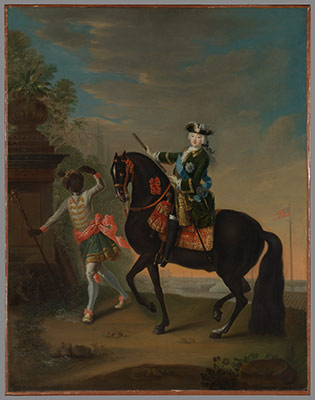
| Elizabeth (Yelisaveta) Petrovna | 1741–62 | |
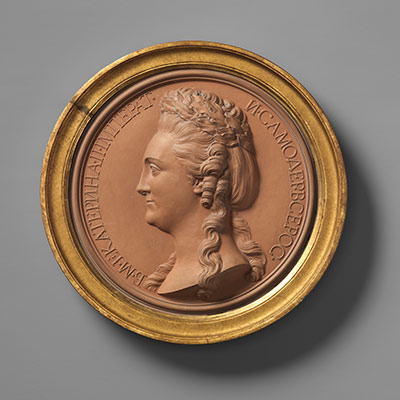
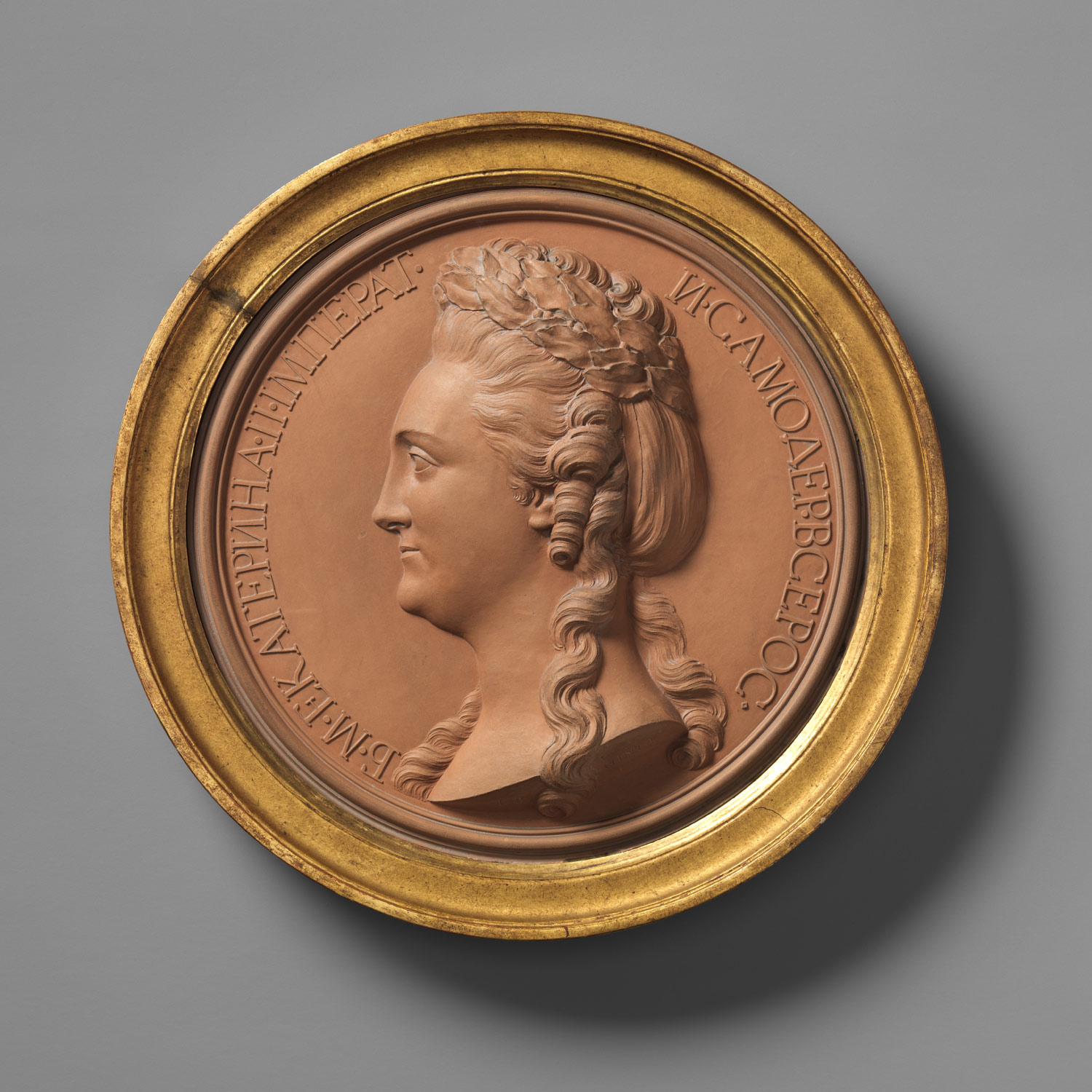
| Catherine (Yekaterina) II, the Great(19) | 1762–96 | |
| Paul (Pavel) | 1796–1801 | |
| Alexander (Aleksandr) I | 1801–25 | |
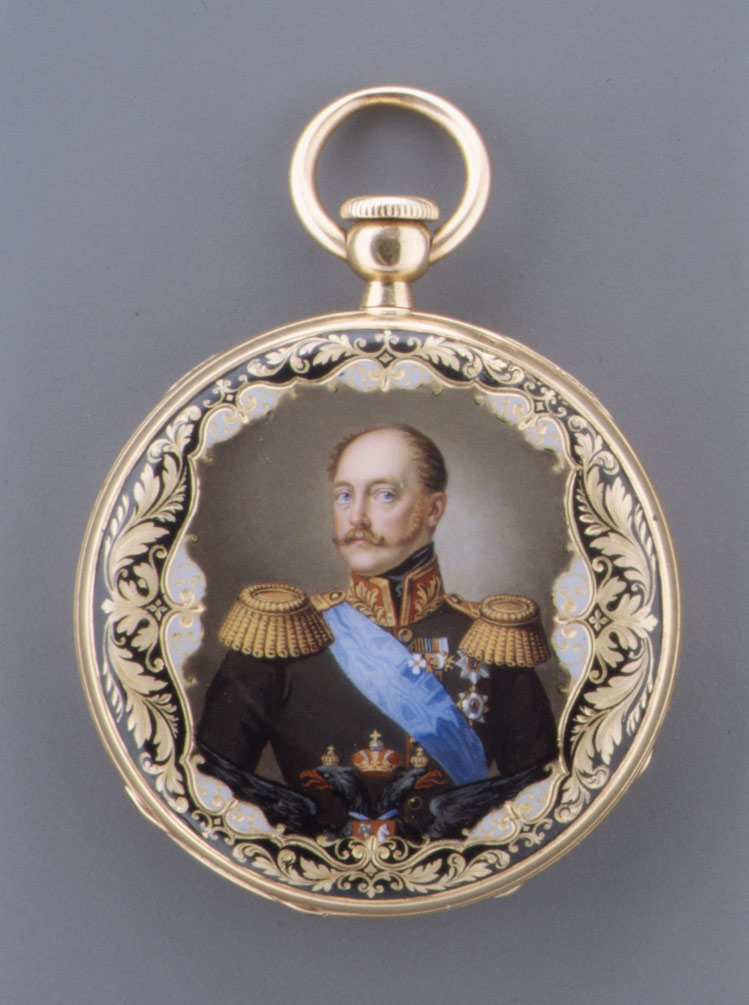
| Nicholas (Nikolai) I(20) | 1825–55 | |
| Alexander (Aleksandr) II | 1855–81 | |
| Alexander (Aleksandr) III | 1881–94 | |
| Nicholas (Nikolai) II | 1894–1917 | |
Scandinavia |
||
| Kingdom of Denmark (centered in the Danish peninsula) | 940–1396 | |
| House of Jutland | 940–1046 | |
| Harald I Bluetooth | 940–986 | |
| Svend I Forkbeard | 986–1014 | |
| Harald II | 1014–18 | |
| Knud I, the Great | 1019–35 | |
| Hardeknud | 1035–42 | |
| Magnus the Good | 1042–46 | |
| House of Svend Estridsen | 1046–1375 | |
| Svend II Estridsen | 1046–74 | |
| Harald III | 1074–80 | |
| St. Knud | 1080–86 | |
| Oluf I | 1086–95 | |
| Erik I, the Evergood | 1095–1103 | |
| Niels | 1104–34 | |
| Erik II, the Memorable | 1134–37 | |
| Erik III, the Lamb | 1137–46 | |
| Knud III | 1146–57 | |
| Valdemar I, the Great | 1157–82 | |
| Knud IV | 1182–1202 | |
| Valdemar II, the Victorious | 1202–41 | |
| Erik IV Ploughpenny | 1241–50 | |
| Christopher I | 1252–59 | |
| Erik V | 1259–86 | |
| Erik VI | 1286–1319 | |
| Christopher II | 1320–26, 1330–32 | |
| Valdemar III | 1326–30 | |
| Valdemar IV | 1340–75 | |
| House of Norway | 1376–1396 | |
| Oluf II | 1376–87 | |
| Margaret I | 1387–96 | |
| Kalmar Union (Denmark, Finland, Norway, Sweden) | 1397–1523 | |
| House of Pomerania | ||
| Erik VII | 1396–1439 | |
| House of the Palatinate | ||
| Christopher III of Bavaria | 1440–48 | |
| House of Oldenburg | 1448–1523 | |
| Christian I | 1448–81 | |
| John | 1483–1513 | |
| Christian II | 1513–23 | |
| Kingdom of Denmark and Norway | 1521–1914 | |
| House of Oldenburg | ||
| Frederick I | 1523–33 | |
| Christian III | 1533–59 | |
| Frederick II | 1559–88 | |
| Christian IV | 1588–1648 | |
| Frederick III | 1648–70 | |
| Christian V | 1670–99 | |
| Frederick IV | 1699–1730 | |
| Christian VI | 1730–46 | |
| Frederick V | 1746–66 | |
| Christian VII | 1766–1808 | |
| Regency of Johann Friedrich Struense | 1770–72 | |
| Kingdom of Sweden (centered in Baltic Scandinavia) | 980–1388 | |
| House of Yngling | 980–1060 | |
| Erik the Victorious | 980–995 | |
| Olof Sköttkonung | 995–1022 | |
| Anund | 1022–50 | |
| Emund the Old | 1050–60 | |
| House of Stenkil | 1060–1130 | |
| Stenkil Ragnvaldsson | 1060–66 | |
| Haaken the Red | ca. 1066–79 | |
| Blot–Sven | 1080–83 | |
| Inge I | 1083–1110 | |
| Philip | 1110–18 | |
| Inge II | 1118–30 | |
| Houses of Sverker and Erik | 1130–1234 | |
| Sverker I, the Elder | 1130–56 | |
| St. Erik Jedvardsson | 1156–60 | |
| Charles Sverkersson | 1161–67 | |
| Kol Jonsson | 1167–73 | |
| Knut Eriksson | 1173–96 | |
| Sverker II | 1196–1208 | |
| Erik Knutsson | 1208–16 | |
| John I | 1216–22 | |
| Erik Eriksson | 1222–29, 1234–50 | |
| Knut the Tall | 1229–34 | |
| House of Folkung | 1250–1388 | |
| Valdemar | 1250–75 | |
| Magnus I | 1275–90 | |
| Birger | 1290–1318 | |
| Magnus II | 1319–64 | |
| Albert | 1364–88 | |
| The Swedes invite Margaret of Denmark to reign over them, and the two kingdoms are joined in the Kalmar Union from 1397 to 1523. | ||
| House of Vasa | 1523–1654 | |
| Gustav I | 1523–60 | |
| Erik XIV | 1560–68 | |
| John III | 1568–92 | |
| Sigismund III | 1592–99 | |
| Karl IX (Charles IX) | 1599–1611 | |
| Gustav II Adolf (Gustavus Adolphus) | 1611–32 | |
| Christina | 1632–54 | |
| regency of Axel Oxenstierna | 1632–44 | |
| House of Palatinate–Zweibrücken | 1654–1720 | |
| Karl X Gustav (Charles X Gustav) | 1654–60 | |
| Karl XI | 1660–97 | |
| Karl XII | 1697–1718 | |
| Ulrika Eleonora | 1718–20 | |
| House of Hesse | ||
| Frederik I (Frederick I) | 1720–51 | |
| House of Holstein–Gottorp | 1751–1818 | |
| Adolf Frederik (Adolphus Frederick) | 1751–71 | |
| Gustav III | 1771–92 | |
| Gustav IV Adolf | 1792–1809 | |
| Karl XIII (Charles III) | 1809–18 | |
|
What is the Timeline? | Selected Readings | Useful Links | Credits | Image Copyrights and Credits | Tell Us How You Use the Timeline | Send an E-Card | Site Survey |
|
|
|
|
|