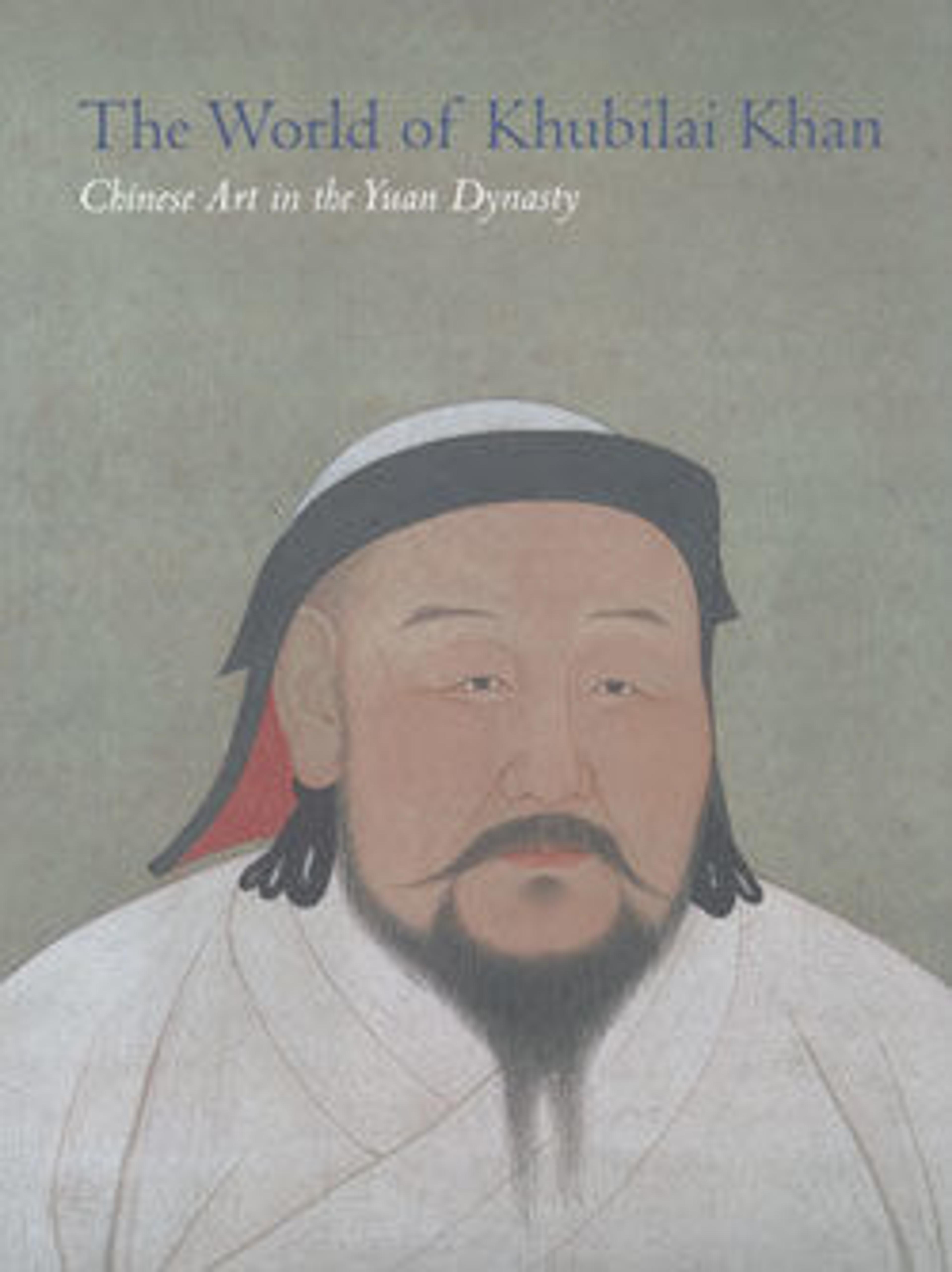
The World of Khubilai Khan: Chinese Art in the Yuan Dynasty
360 pages
407 illustrations
This title is out of print.
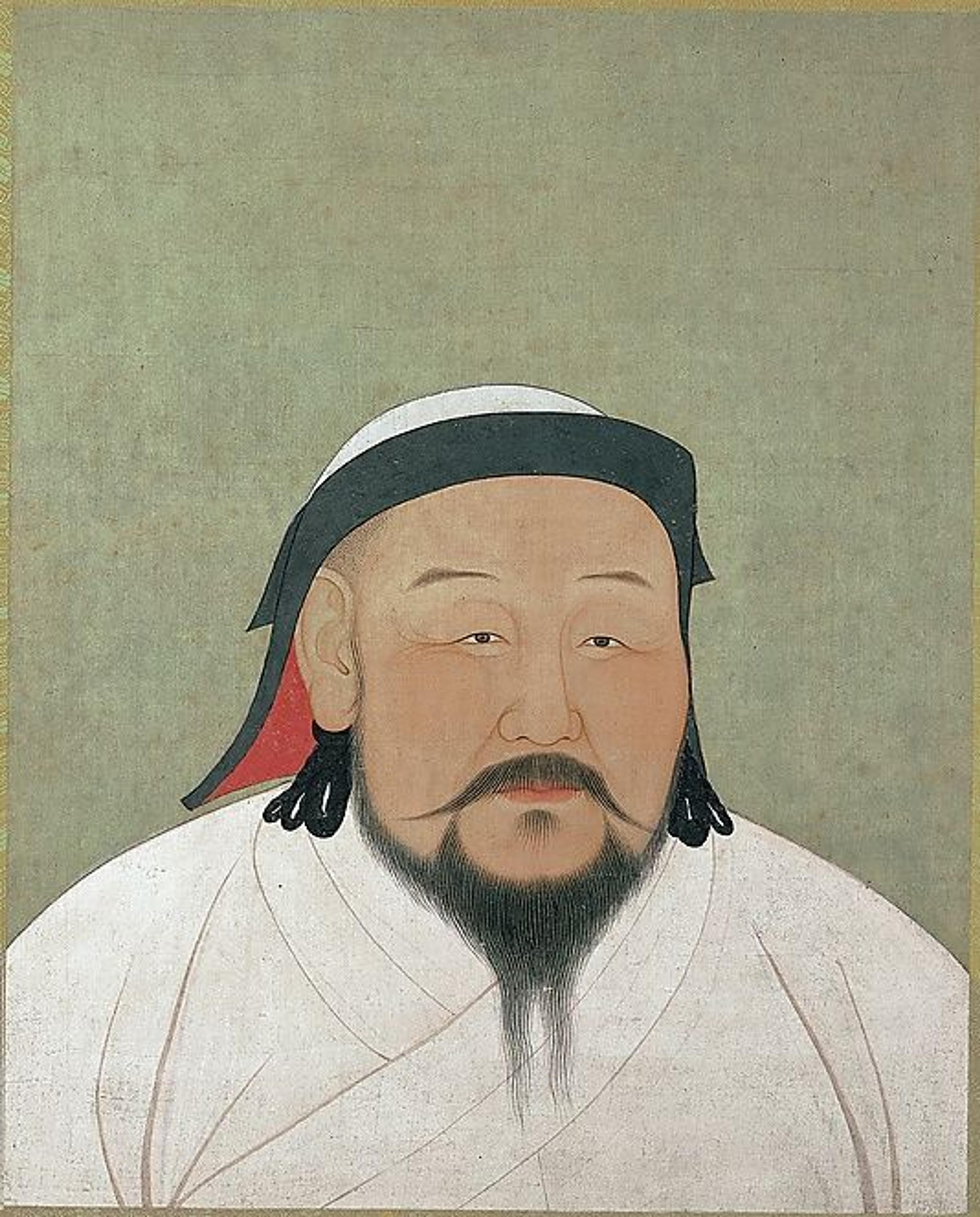
In 1215, the year Khubilai Khan (1215–1294) was born, the Mongols made their first major incursion into North China, initiating a period of innovation in the arts that had its greatest flowering in the Yuan dynasty, founded by Khubilai in 1271 and lasting until 1568. The creativity unleashed during this period of approximately 150 years was instigated by the confluence of the many cultures and ethnic groups that were brought together in a unified empire in China, which for centuries past had been politically divided. Skilled craftsmen from all over Central and Western Asia were relocated to workshops in North China, where they worked alongside Chinese artists, exchanging ideas and styles. This interaction eventually resulted in the creation of new art forms that would provide models for the arts of China in all subsequent periods until the twentieth century.
The World of Khubilai Khan: Chinese Art in the Yuan Dynasty, which accompanies a groundbreaking exhibition at The Metropolitan Museum of Art, is an in-depth discussion of the art and culture produced during this time, tracing the origins of the new art forms and exploring daily life in Yuan China, in particular at the imperial court and in the capital cities of Xanadu (present-day Shangdu) and Dadu (Beijing), and the impact on the arts of Buddhism, Daoism, Christianity, Manichacism, Hinduism, and Islam. The works of art and the archaeological finds on which the ten essays included in this volume are based are drawn principally from museums in China, with additional loans from museums in Taiwan, Japan, Russia, Europe, the United Kingdom, Canada, and the United States. The exhibition and catalogue, conceived and organized by James C. Y. Watt, Brooke Russell Astor Chairman of the Department of Asian Art at the Metropolitan Museum, illuminate our understanding of both the arts and the material culture of this period, telling the story of the emergence of a new Chinese art in a way that it has never before been told.
Met Art in Publication
In the style of Qiu Ying
16th century
China
late 13th century
China
ca. 1319
Unidentified artist
ca. 1332
Mahavihara Master
early 12th century
China
ca. 1330–32
Zhang Yucai
late 13th–early 14th century
Fang Congyi
ca. 1360–70
Qian Xuan
ca. 1295
Ma Yuan
early 13th century
Zhao Mengfu
Zhao Yong
Zhao Lin
dated 1296 and 1359
Zhao Mengfu
ca. 1310
Guo Xi
ca. 1080
Xianyu Shu
dated 1301
Yelü Chucai
dated 1240
Wang Zhenpeng
dated 1308
Tang Di
1323
Ke Jiusi
dated 1343
Bian Lu
mid-14th century
Unidentified artist
before 1353
Showing 20 of 37
You May Also Like
Related Content
- Timeline of Art History | Essay
Yuan Dynasty (1271–1368)
- Timeline of Art History | Essay
Landscape Painting in Chinese Art
- Timeline of Art History | Essay
Painting Formats in East Asian Art
- Timeline of Art History | Essay
Hinduism and Hindu Art
- Timeline of Art History | Essay
Chinese Calligraphy
- Timeline of Art History | Essay
Chinese Painting
- Timeline of Art History | Essay
Southern Song Dynasty (1127–1279)
- Timeline of Art History | Essay
Daoism and Daoist Art
- Timeline of Art History | Essay
Buddhism and Buddhist Art
- Timeline of Art History | Essay
Northern Song Dynasty (960–1127)
- Timeline of Art History | Essay
Kings of Brightness in Japanese Esoteric Buddhist Art