The Timeline of Art History   The Metropolitan Museum of Art
World MapsTimelines / RegionsThematic EssaysWorks of ArtIndex  


List of Rulers: Europe


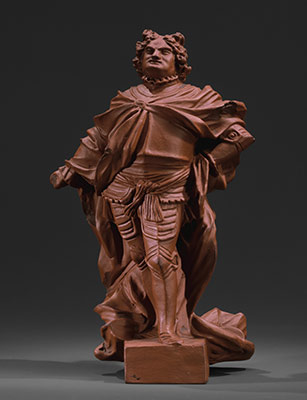
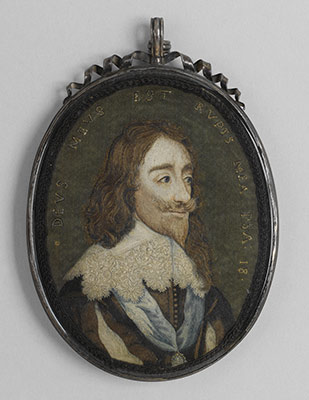
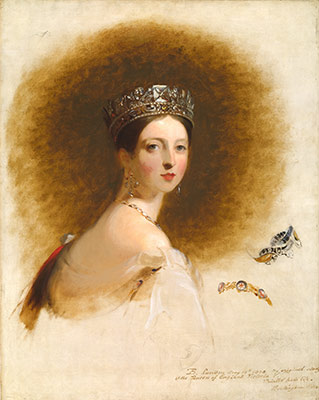
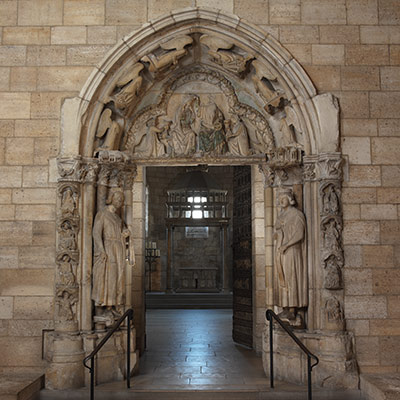
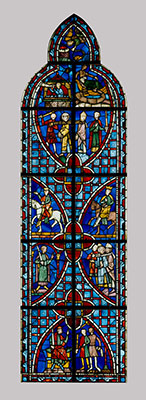
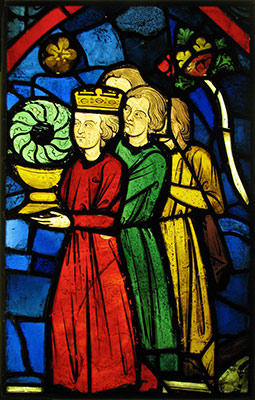
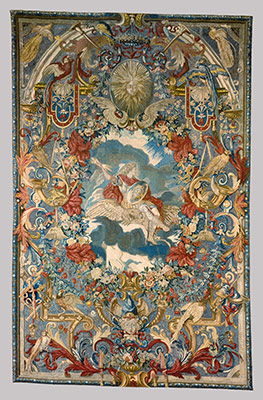
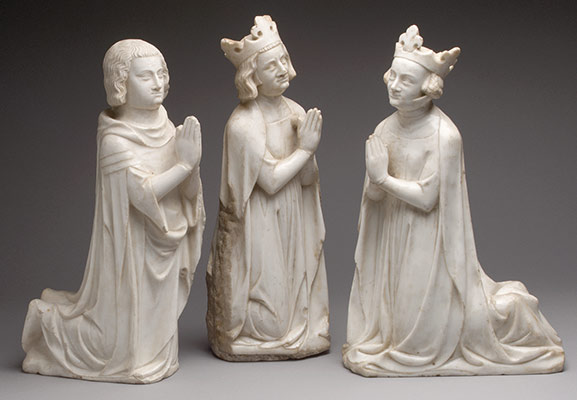
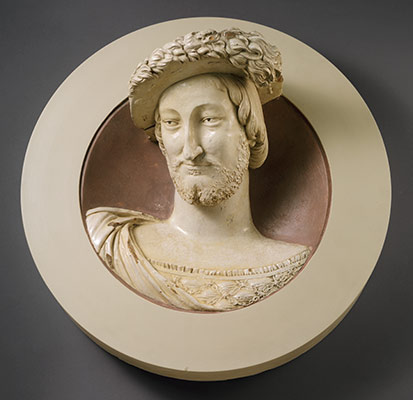
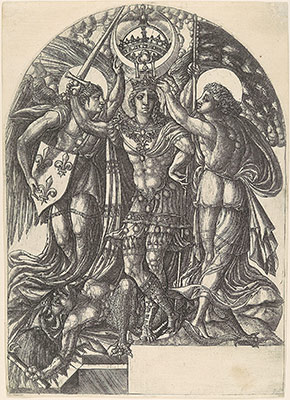
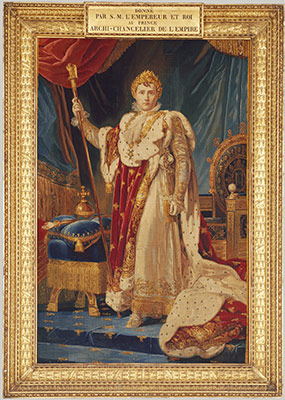
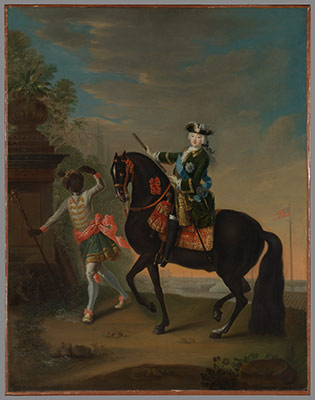
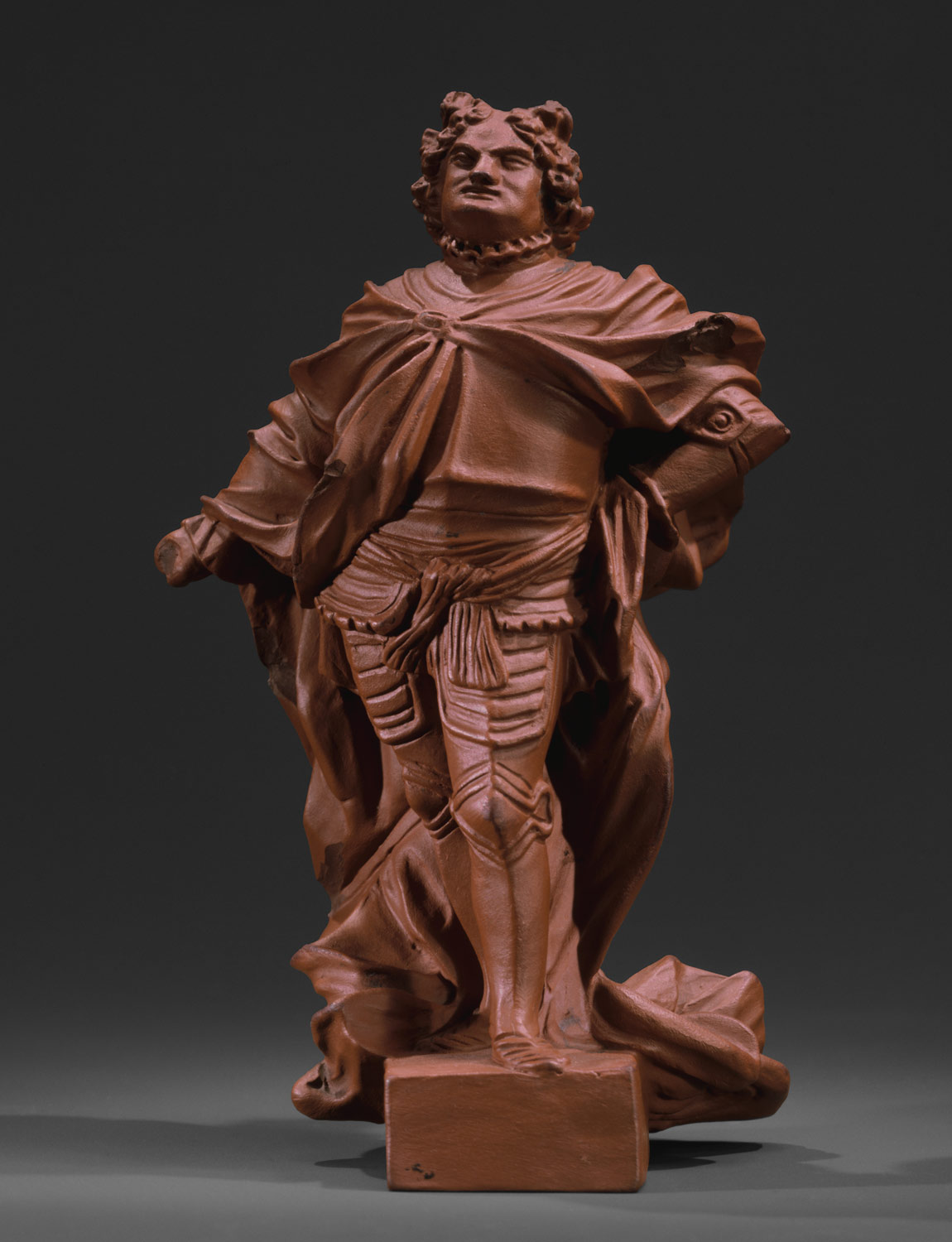
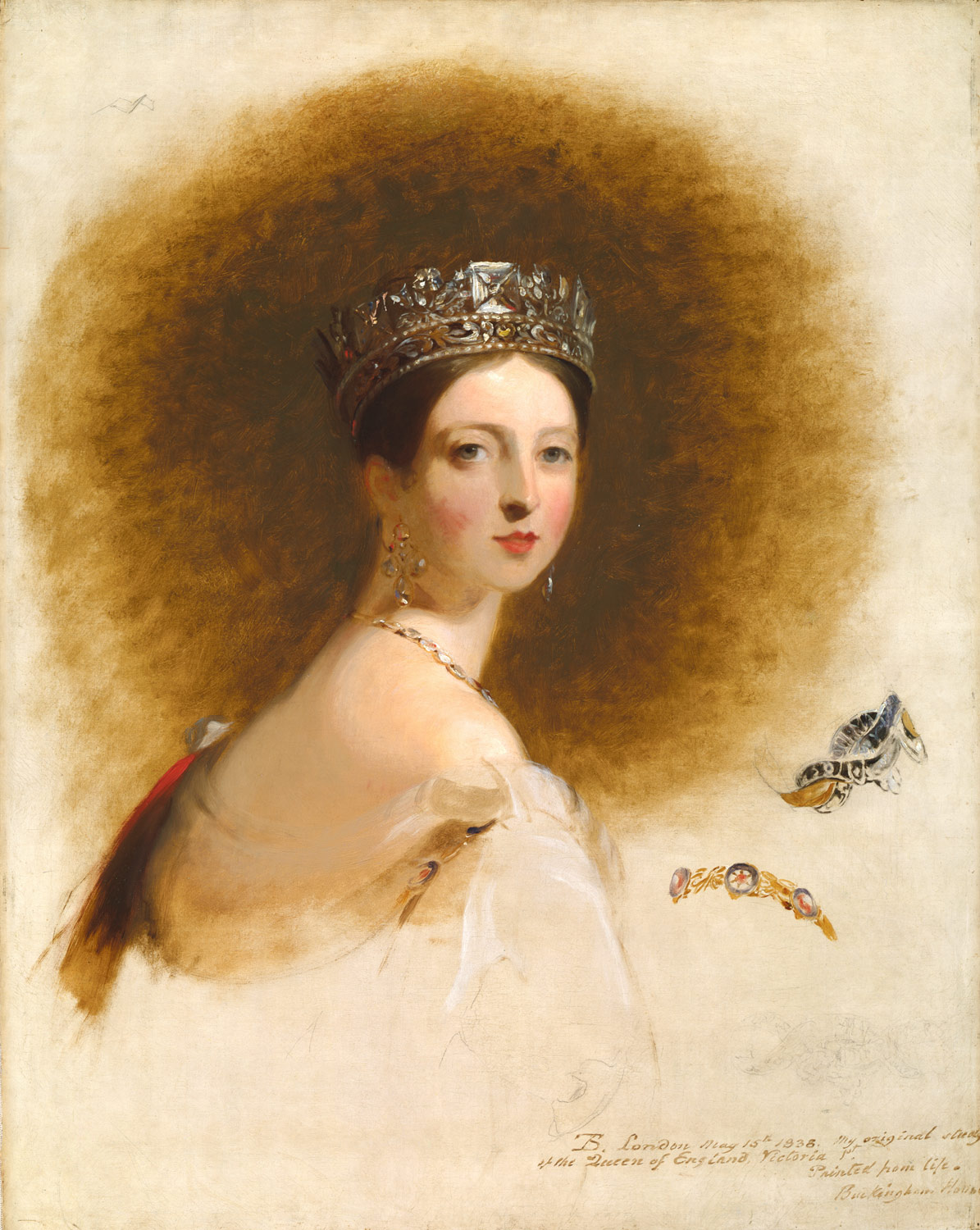
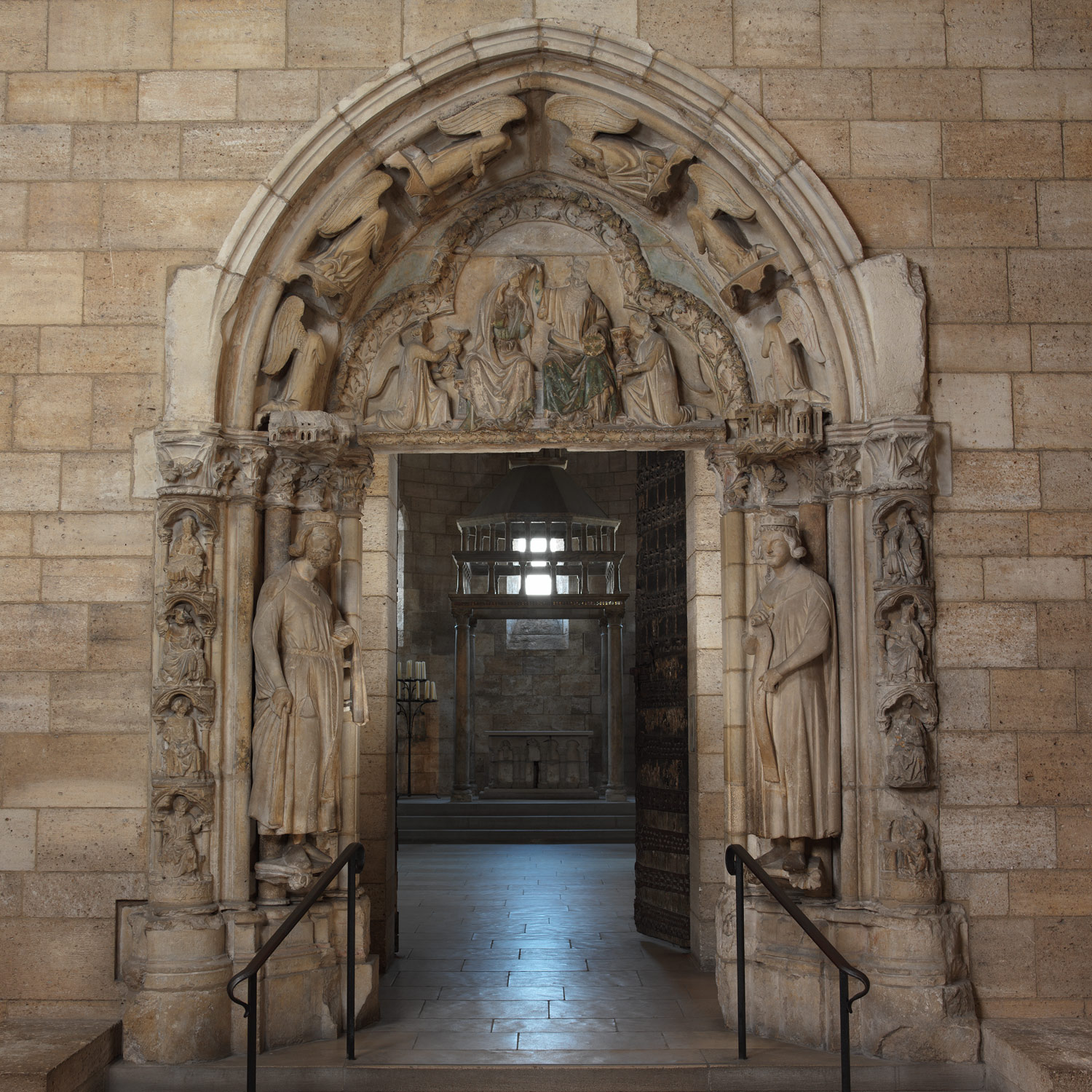
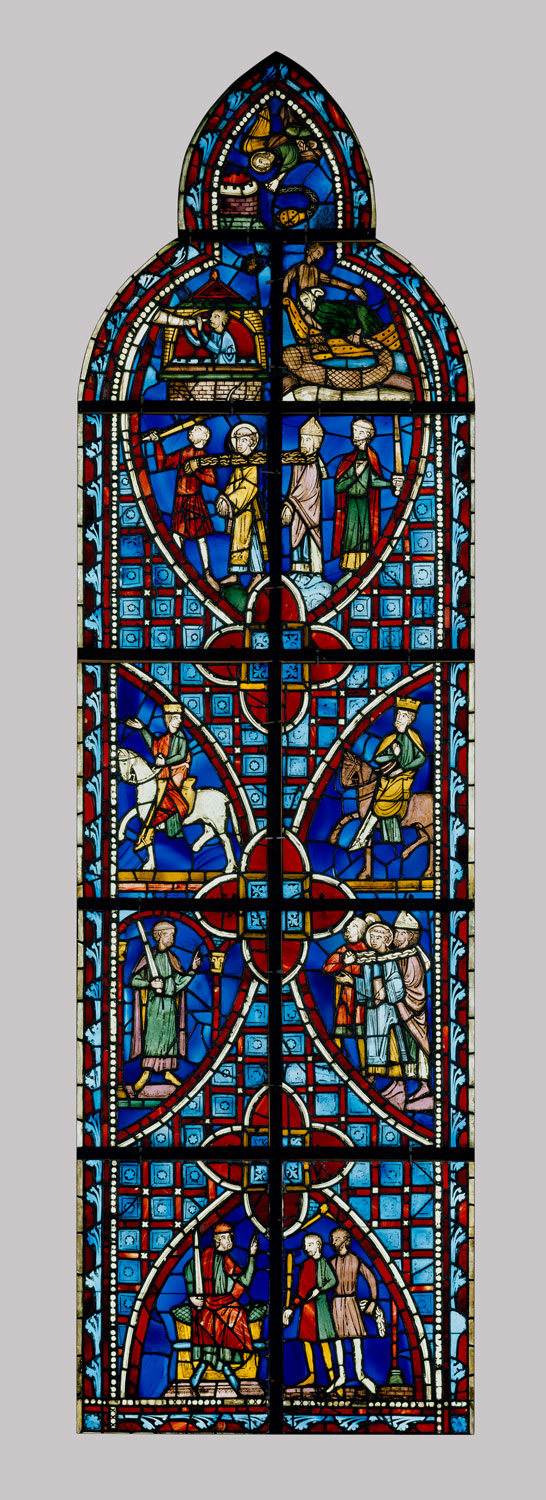
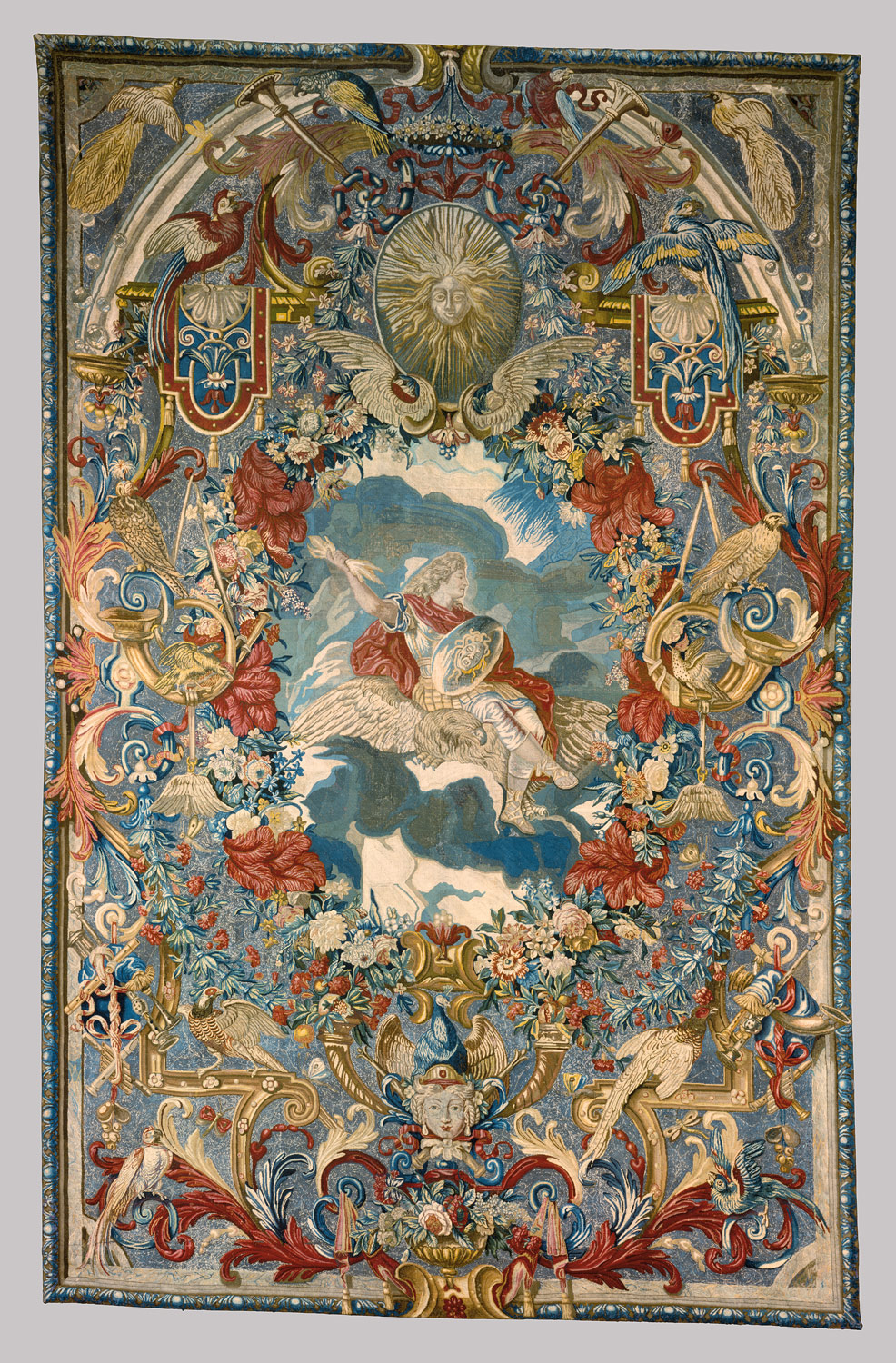
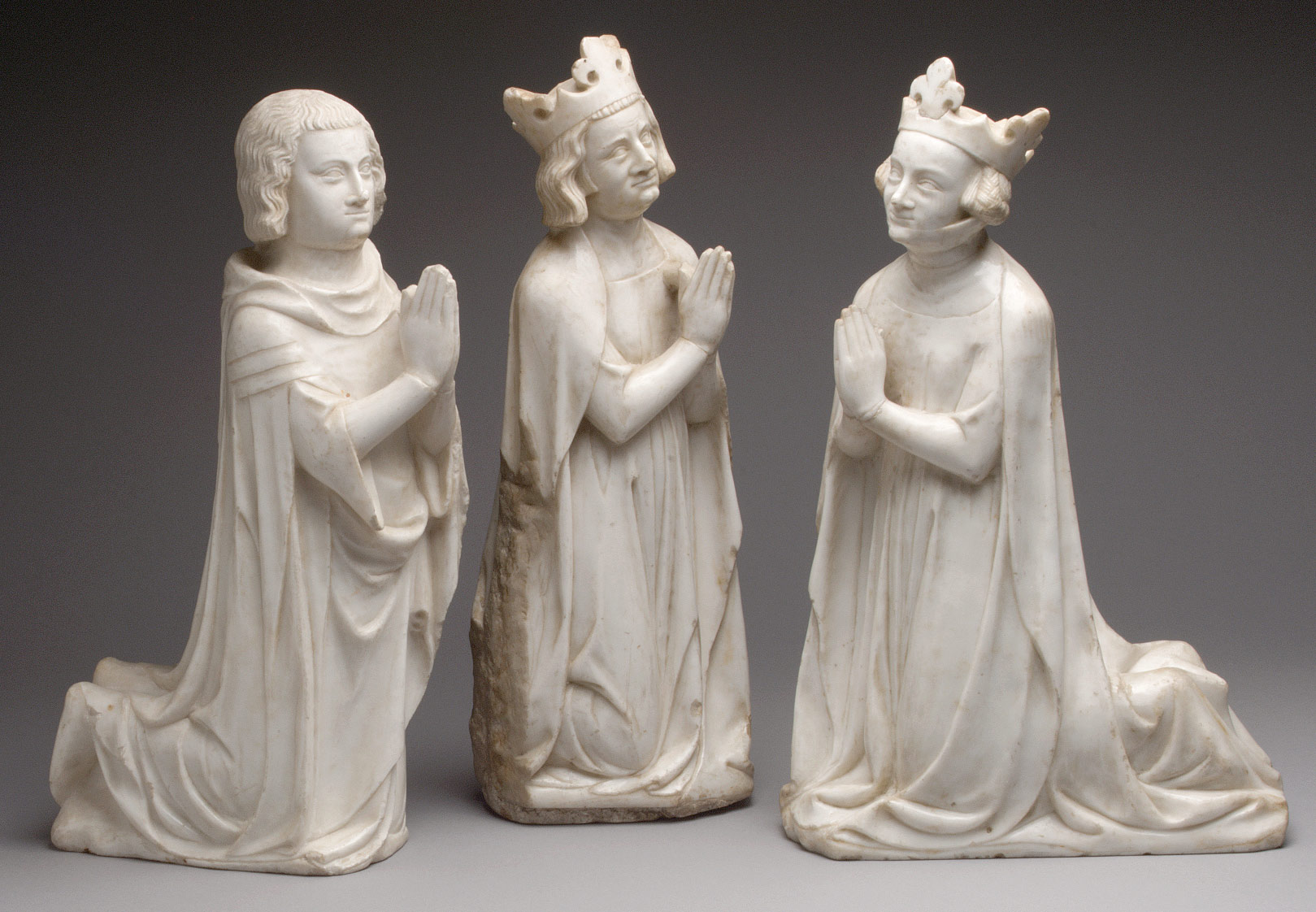
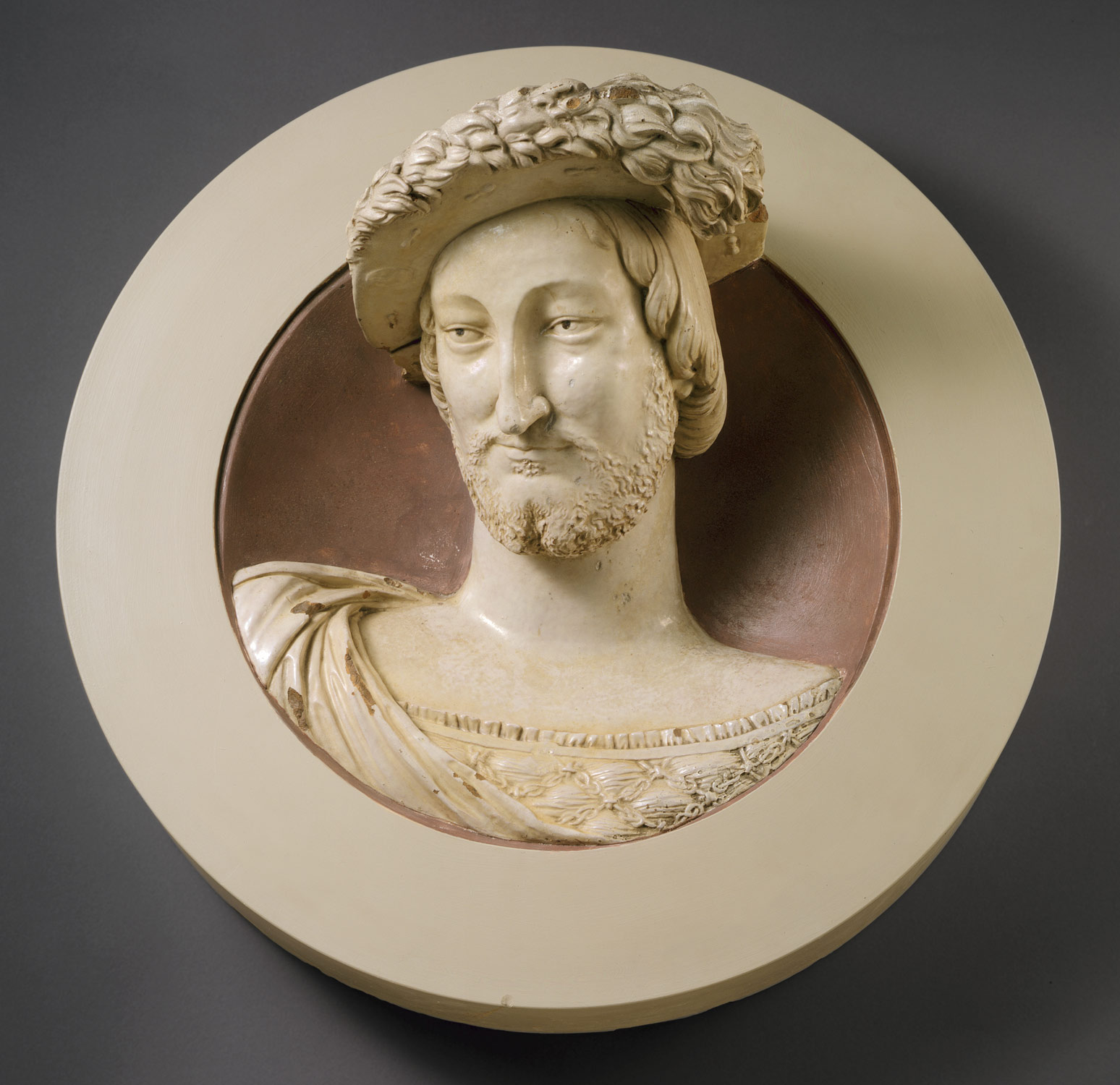
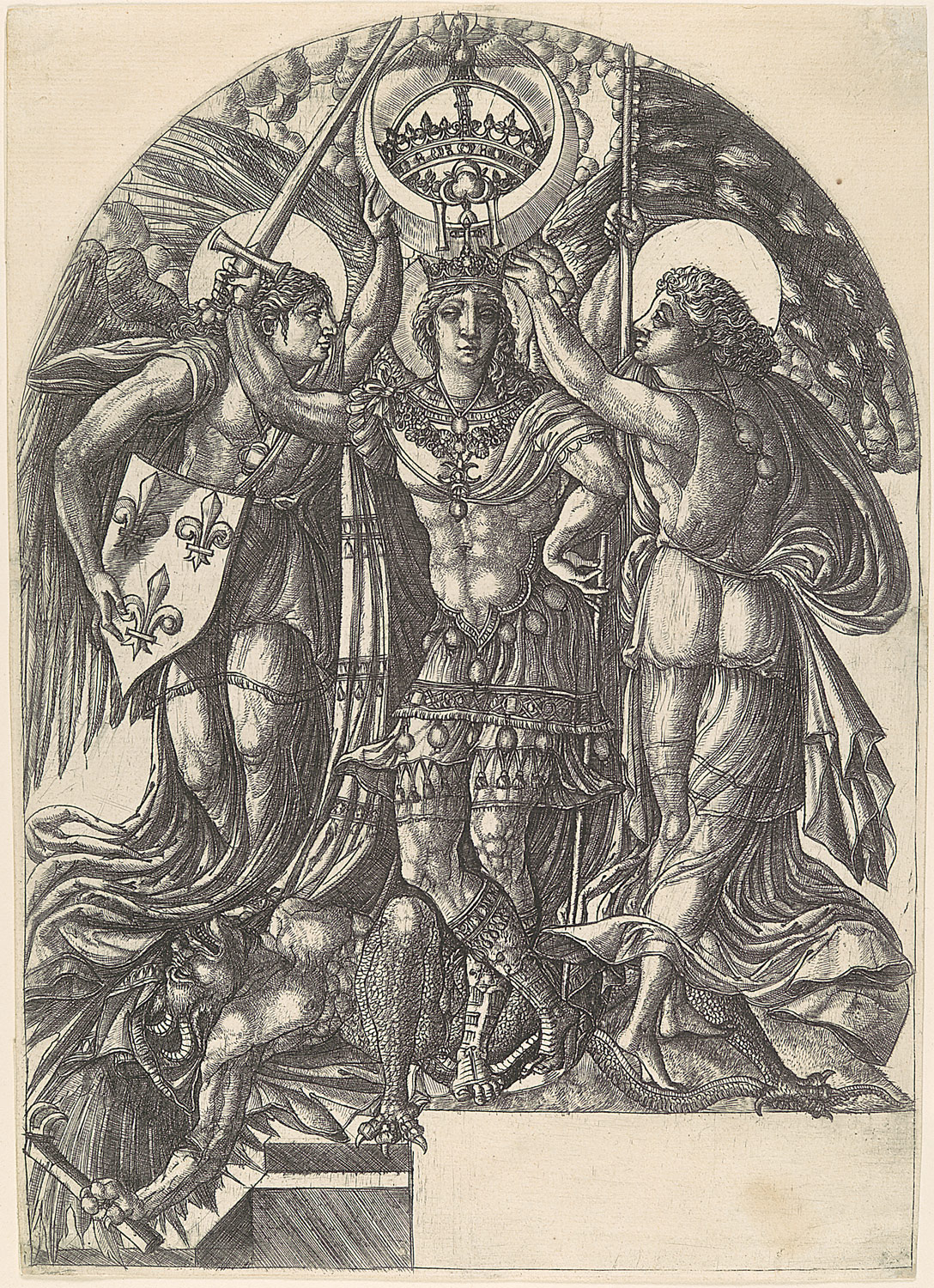
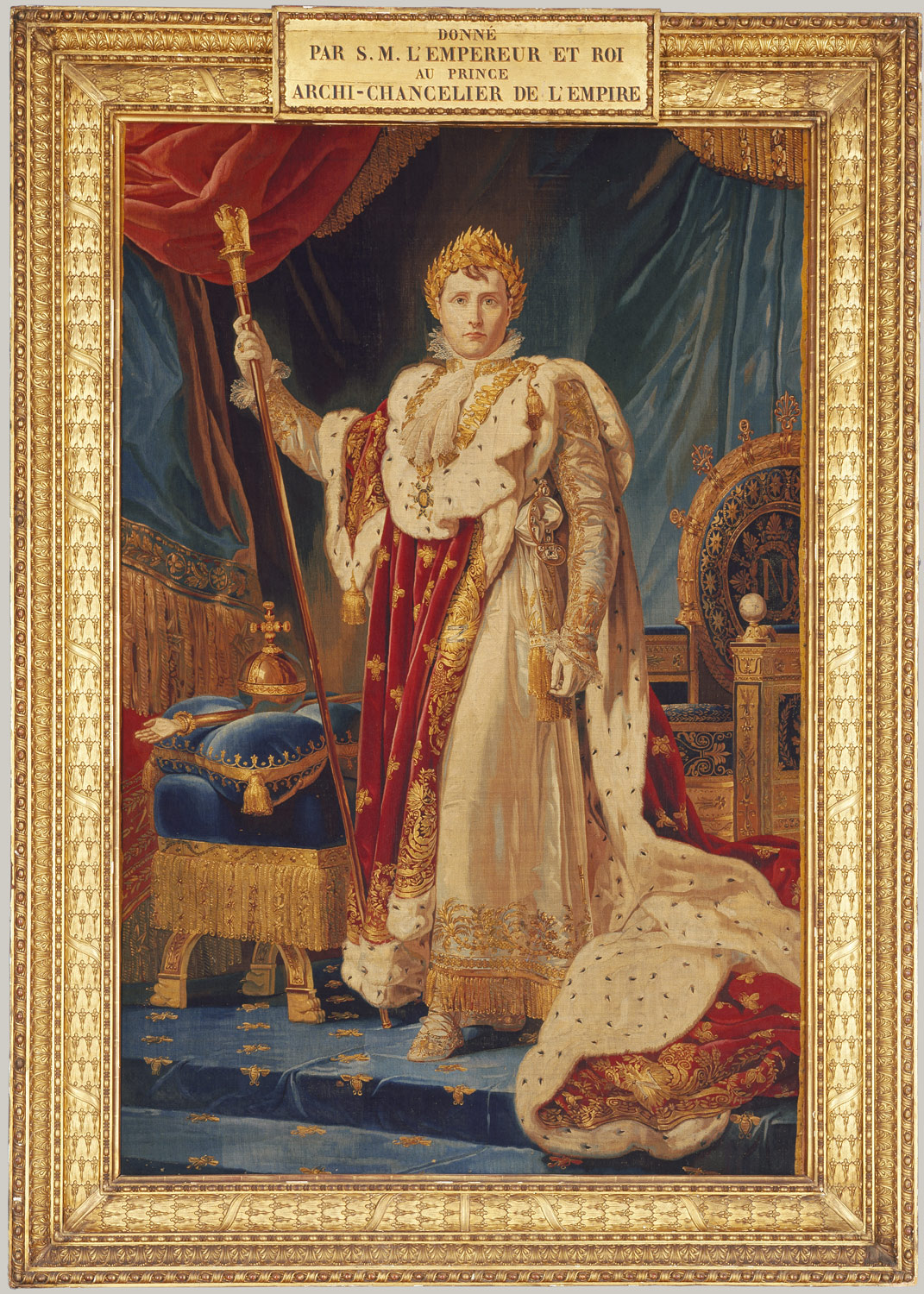
Figure of Augustus the Strong [German] Thomas Sully: Queen Victoria Doorway from Moutiers-Saint-Jean [French] Scenes from the Passion of Saint Vincent of Saragossa and the History of His Relic [French] Stained-Glass Panel [French] Girolamo della Robbia: Bust of Frances I Jean Duvet: Henri II Between France and Fame Air: Louis XIV as Jupiter, from a set of eight wall hangings depicting the Elements and the Seasons [French] Tapestry: Portrait of Napoleon [French]
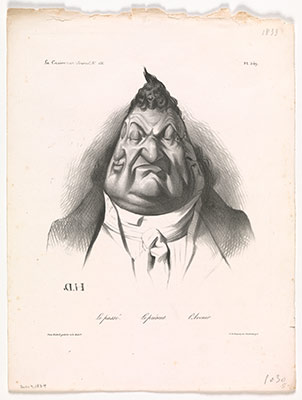
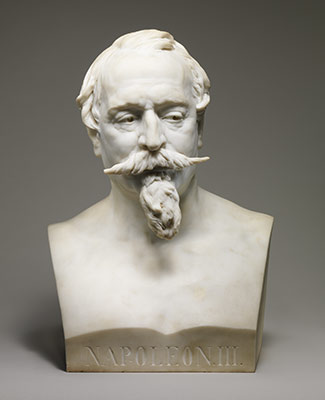
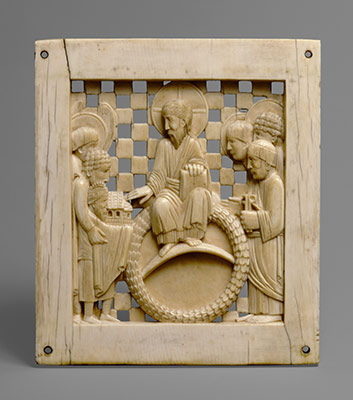
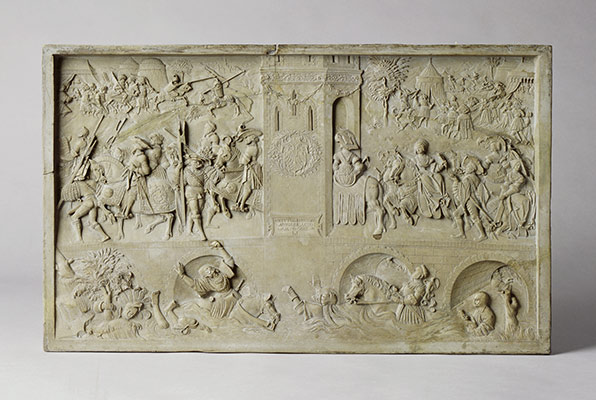
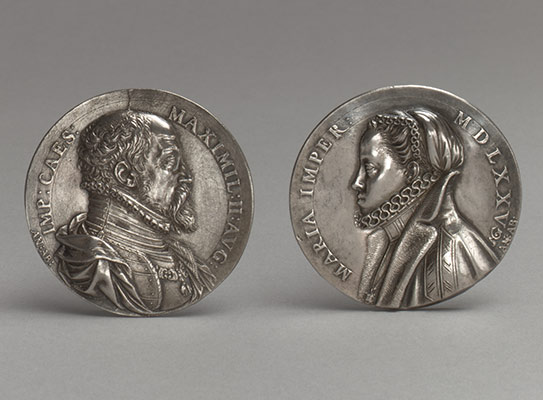
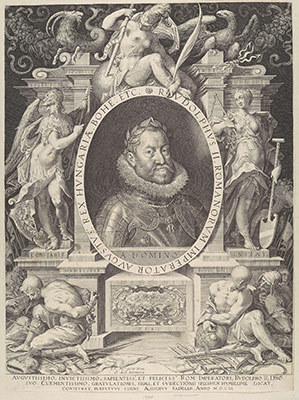
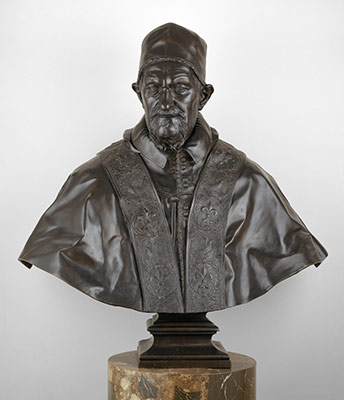
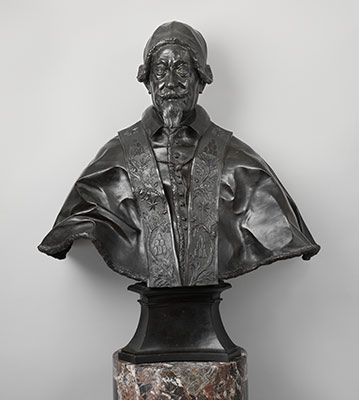
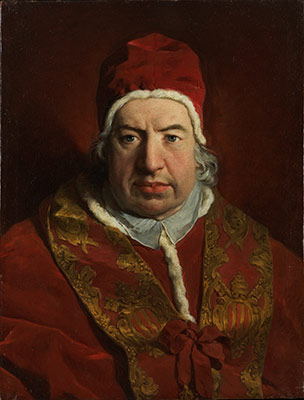
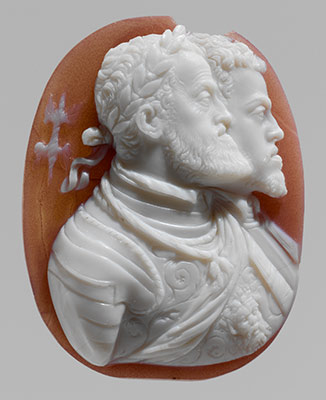
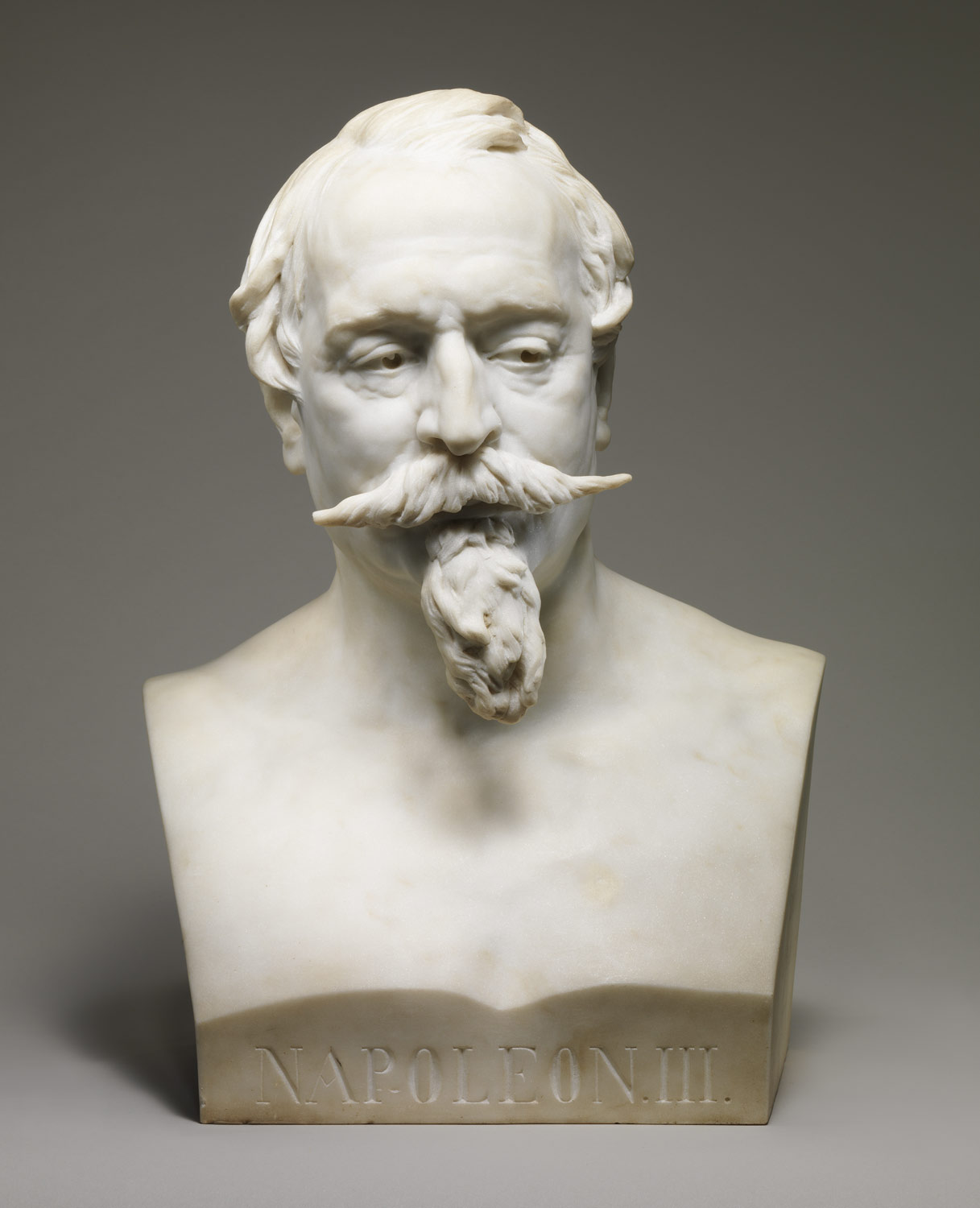
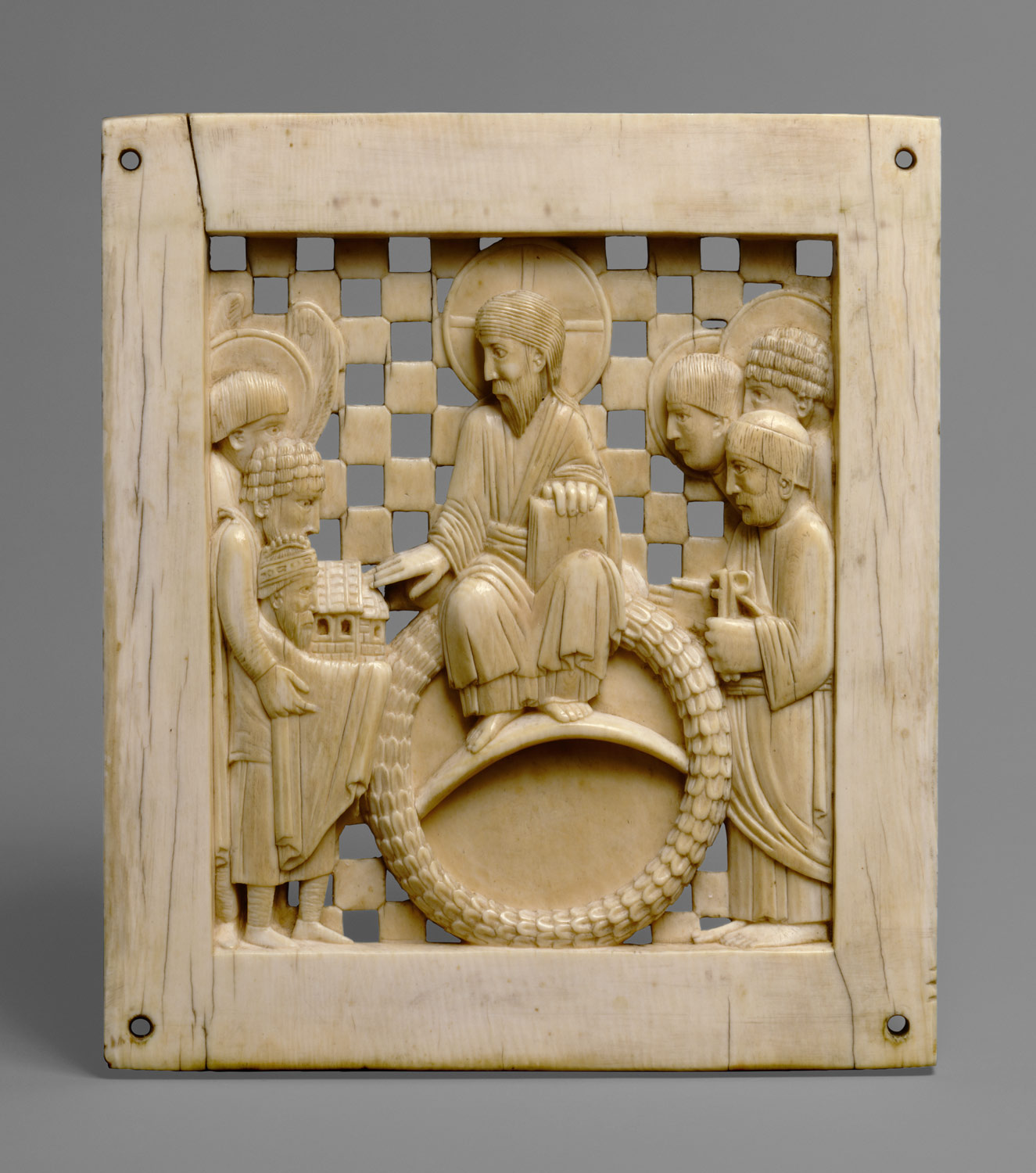
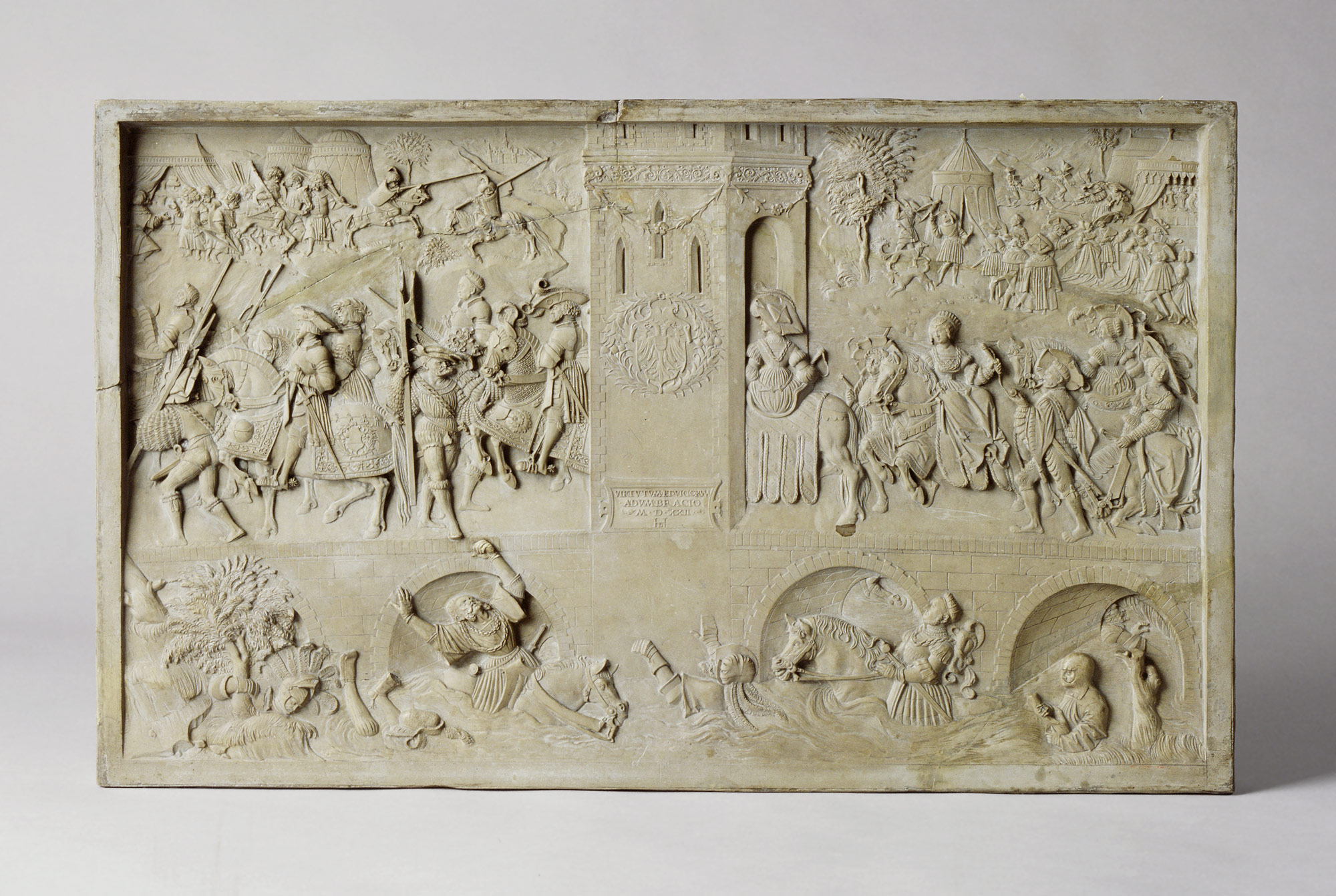
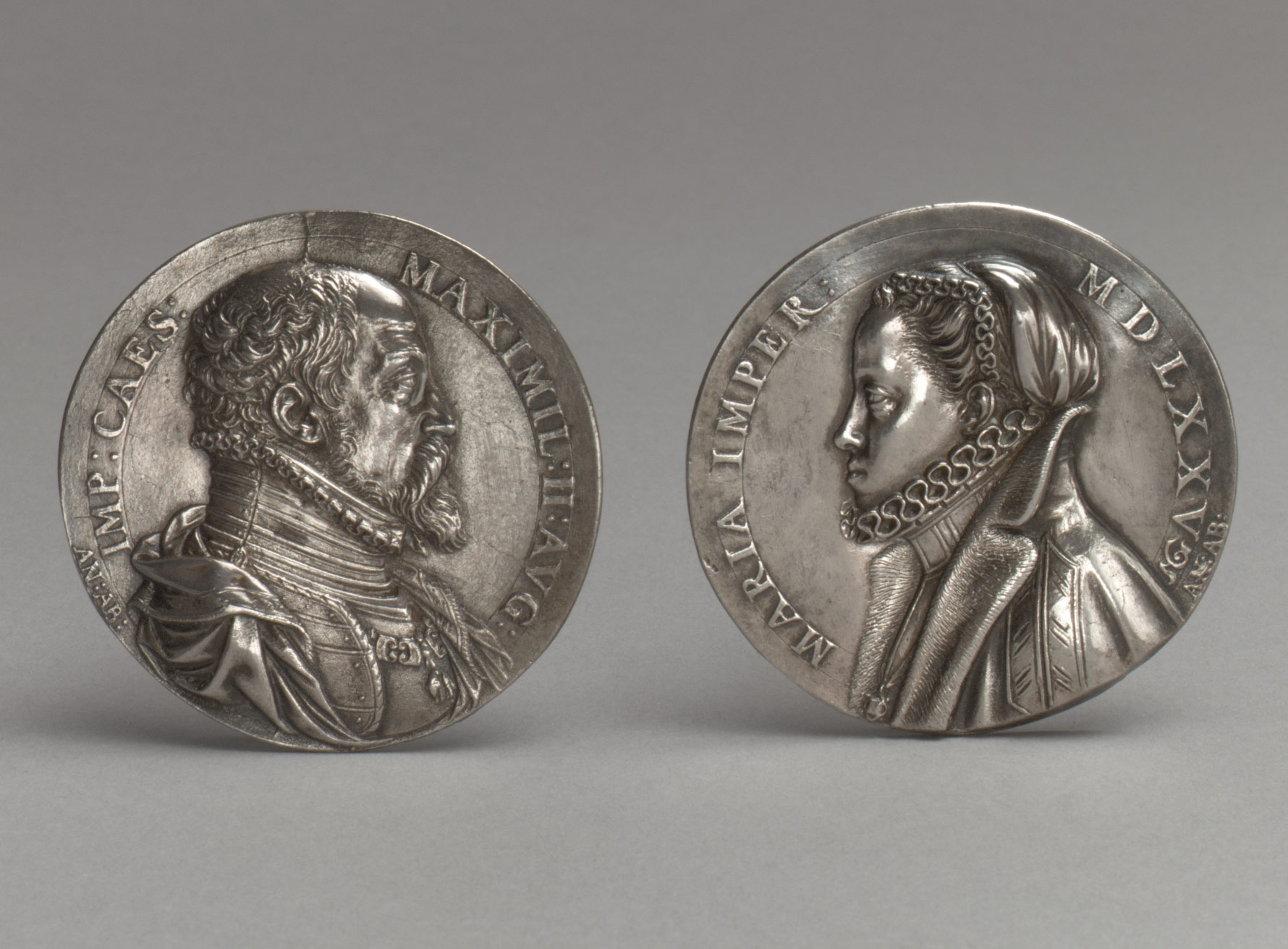
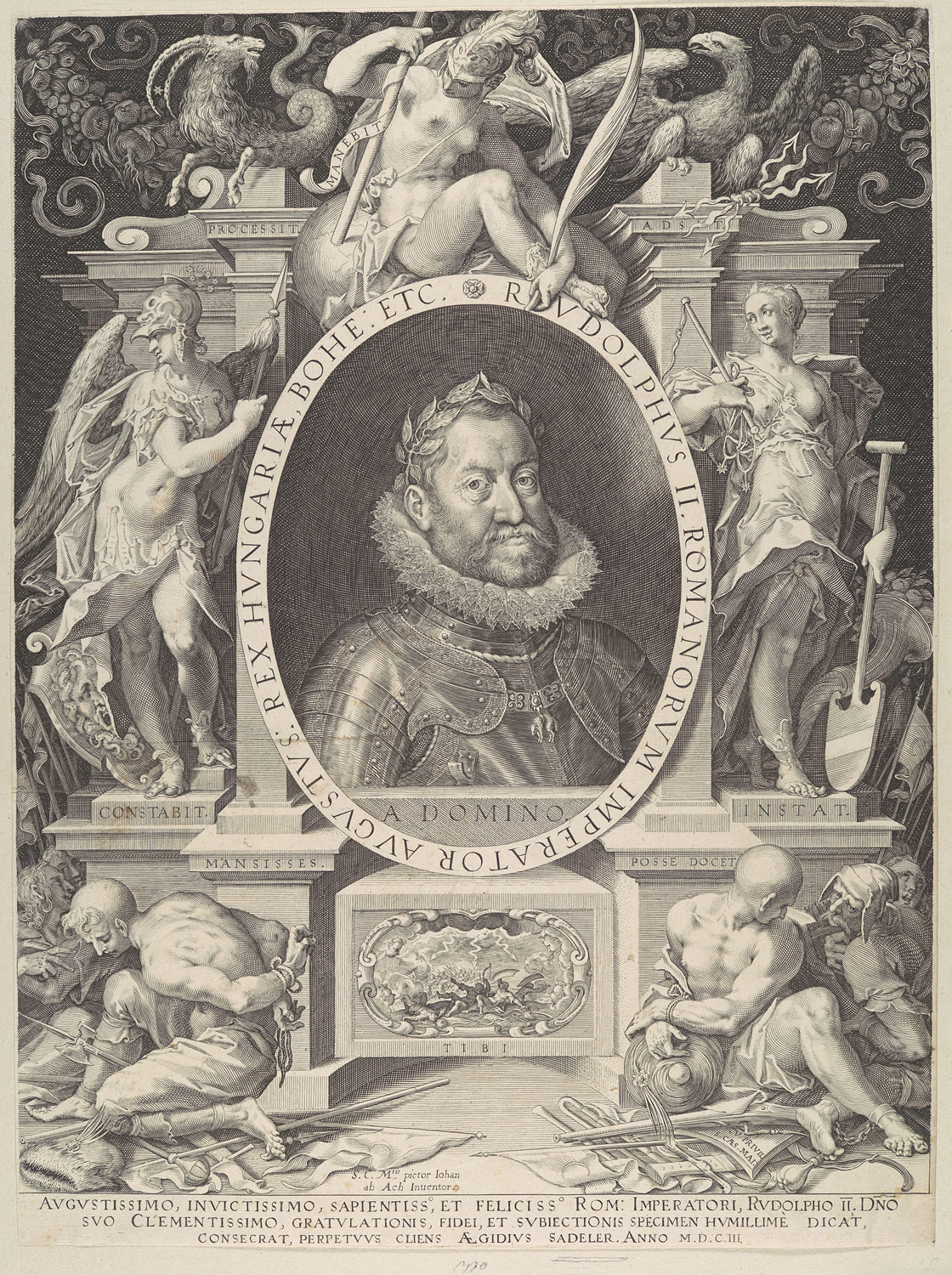
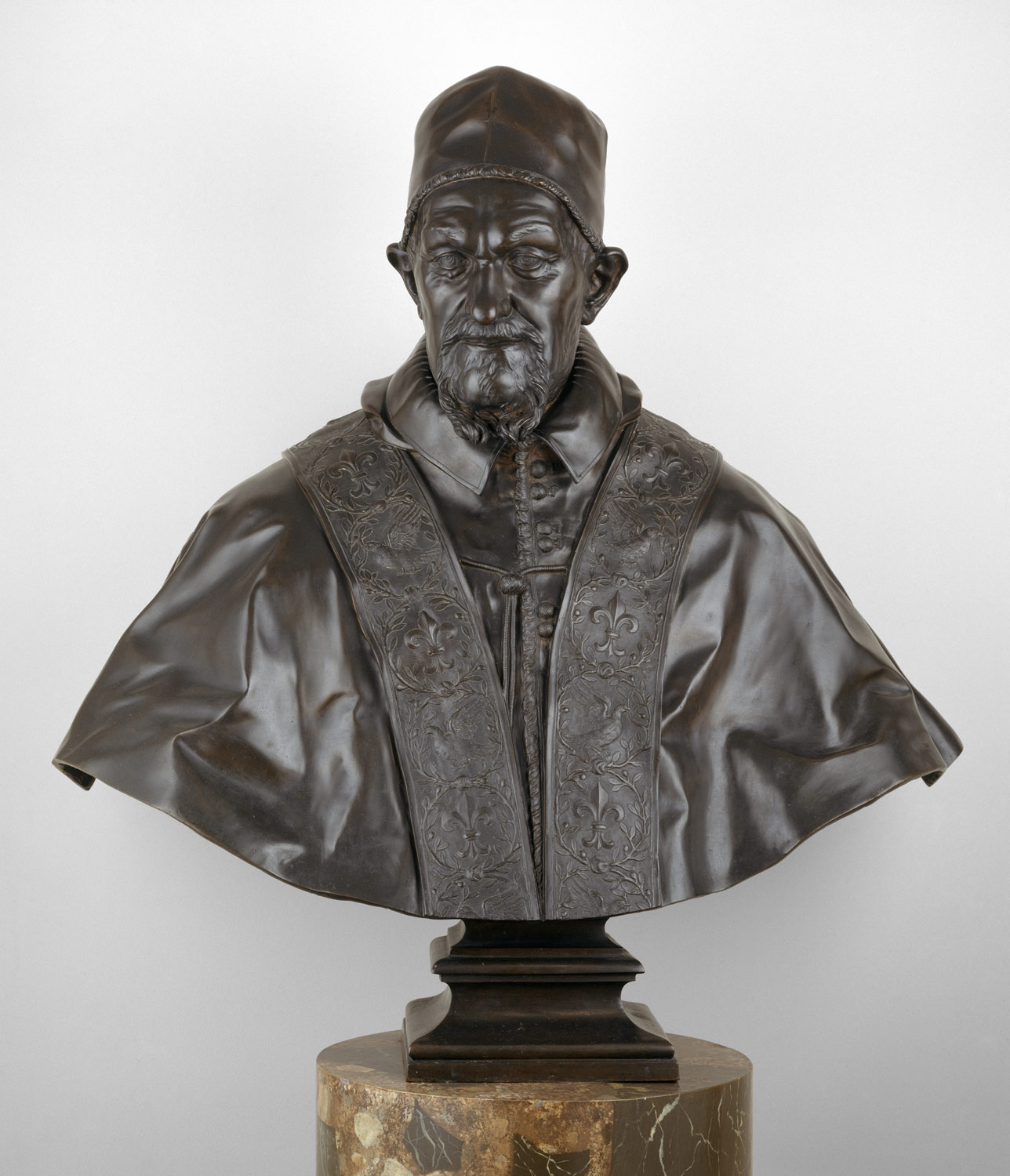
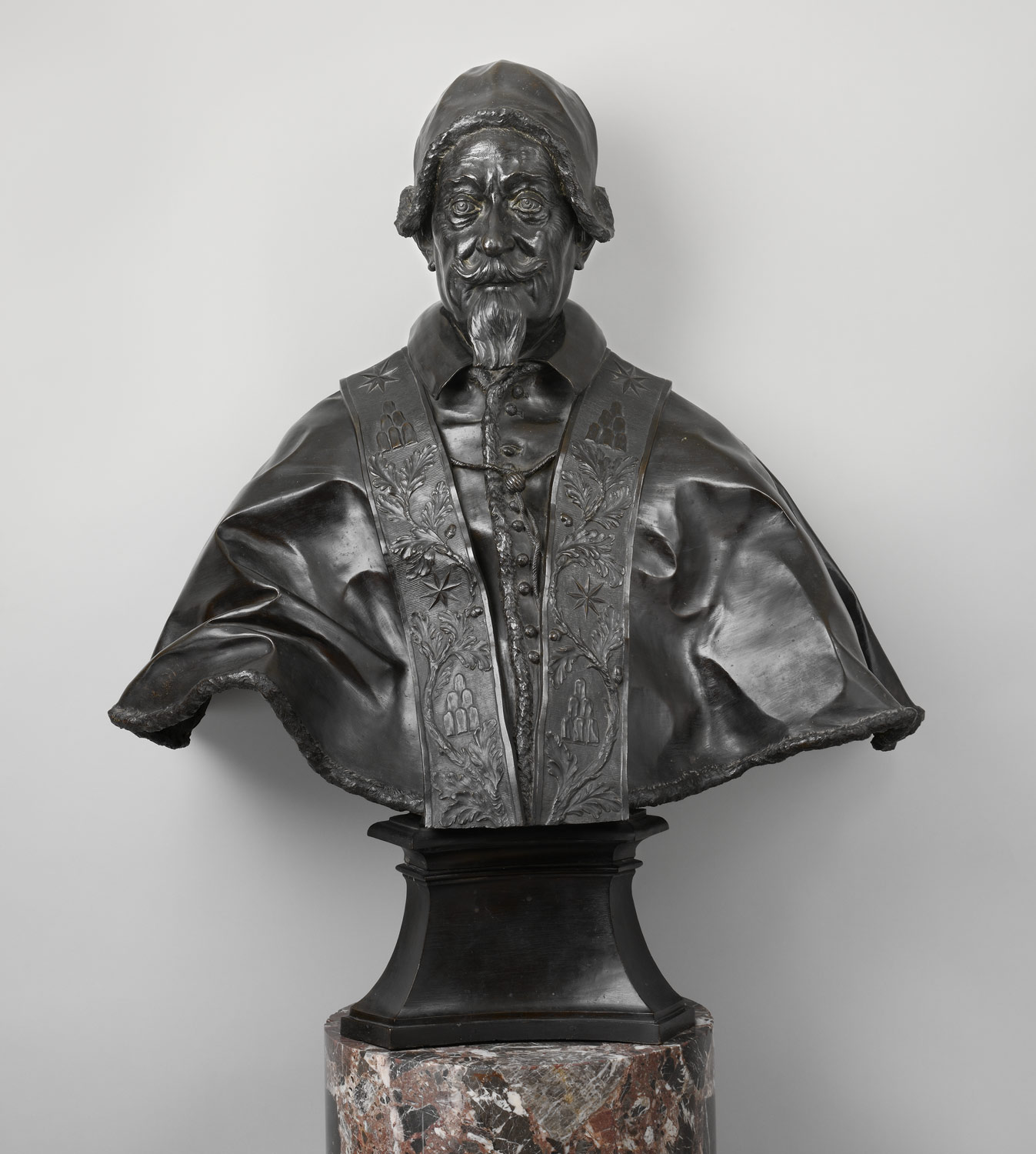
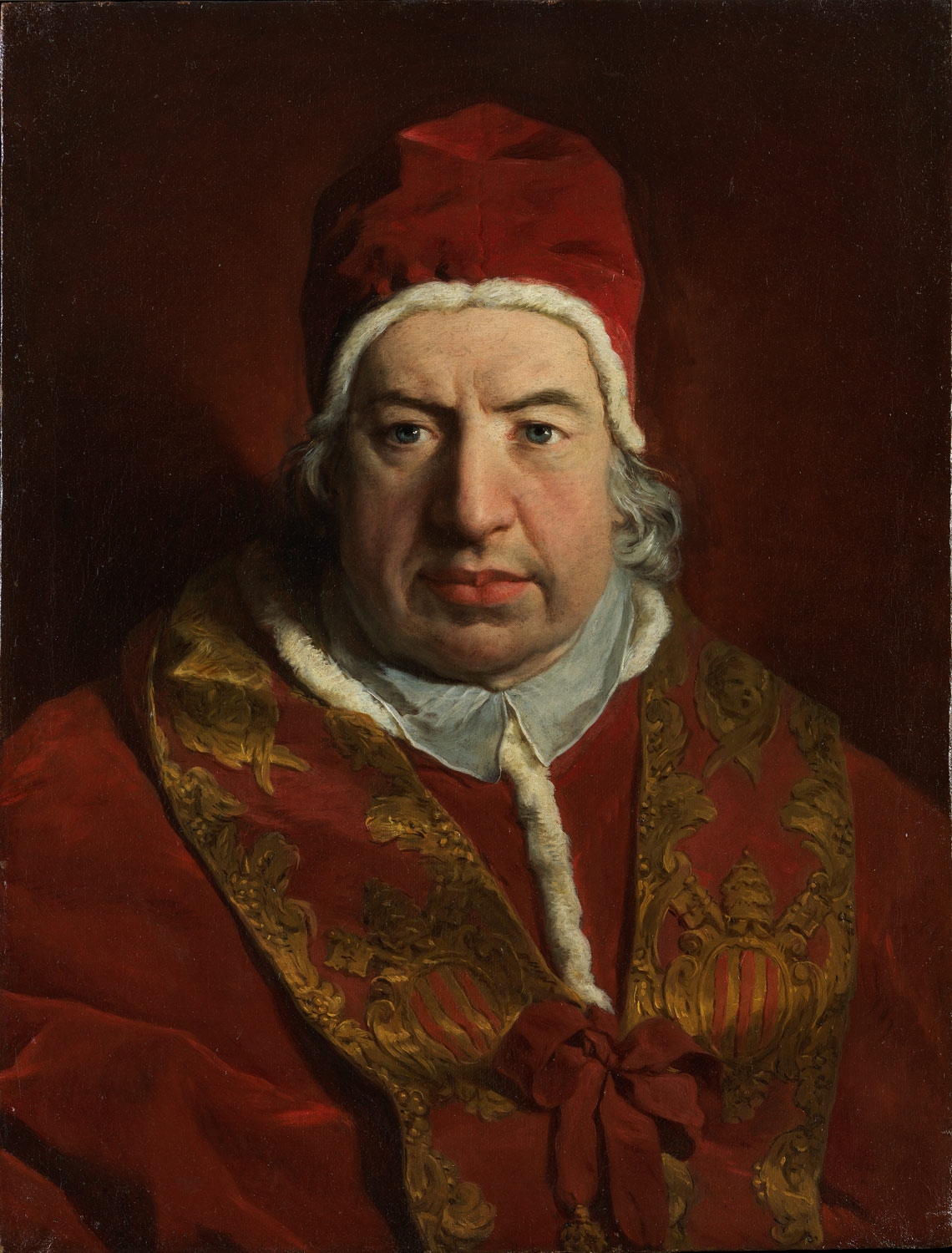
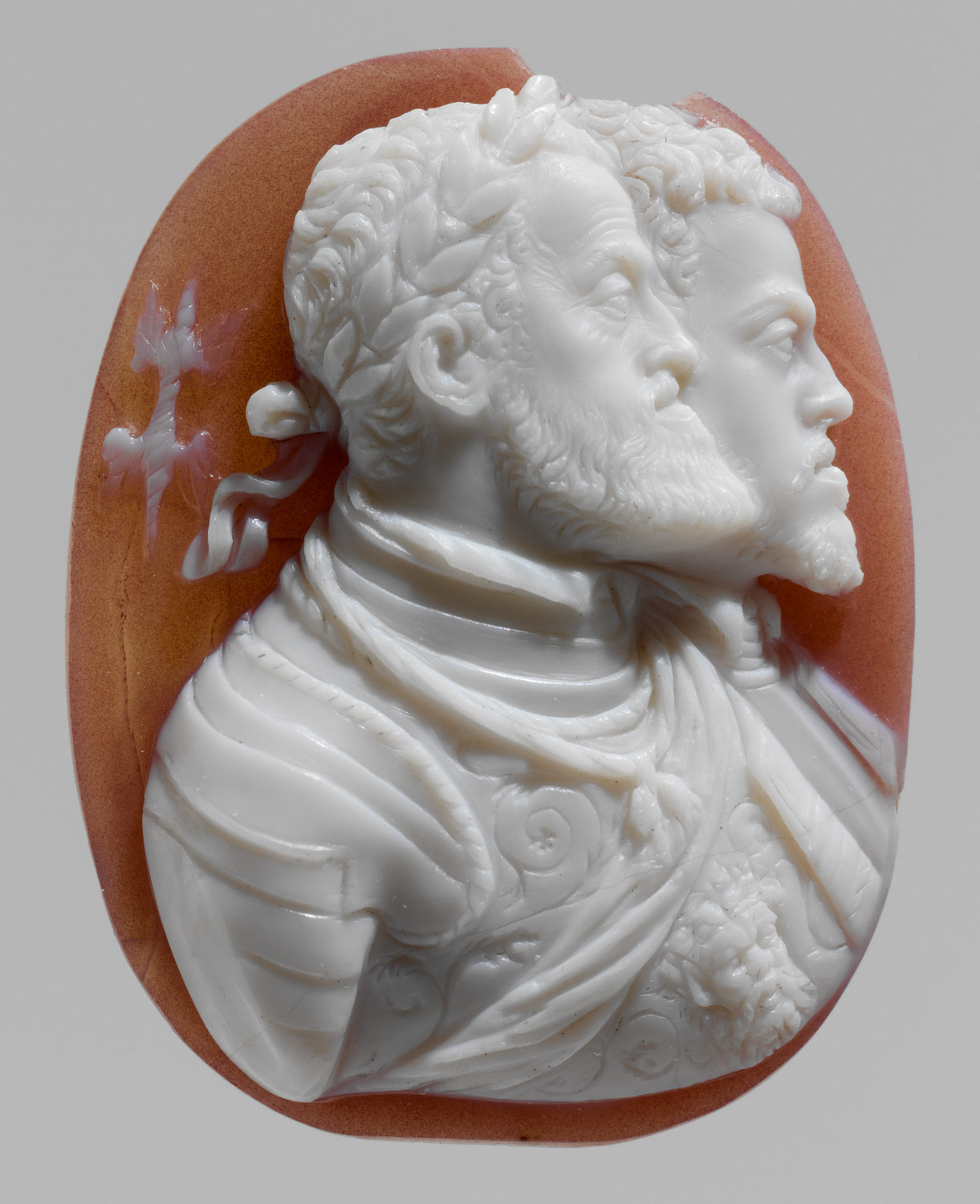
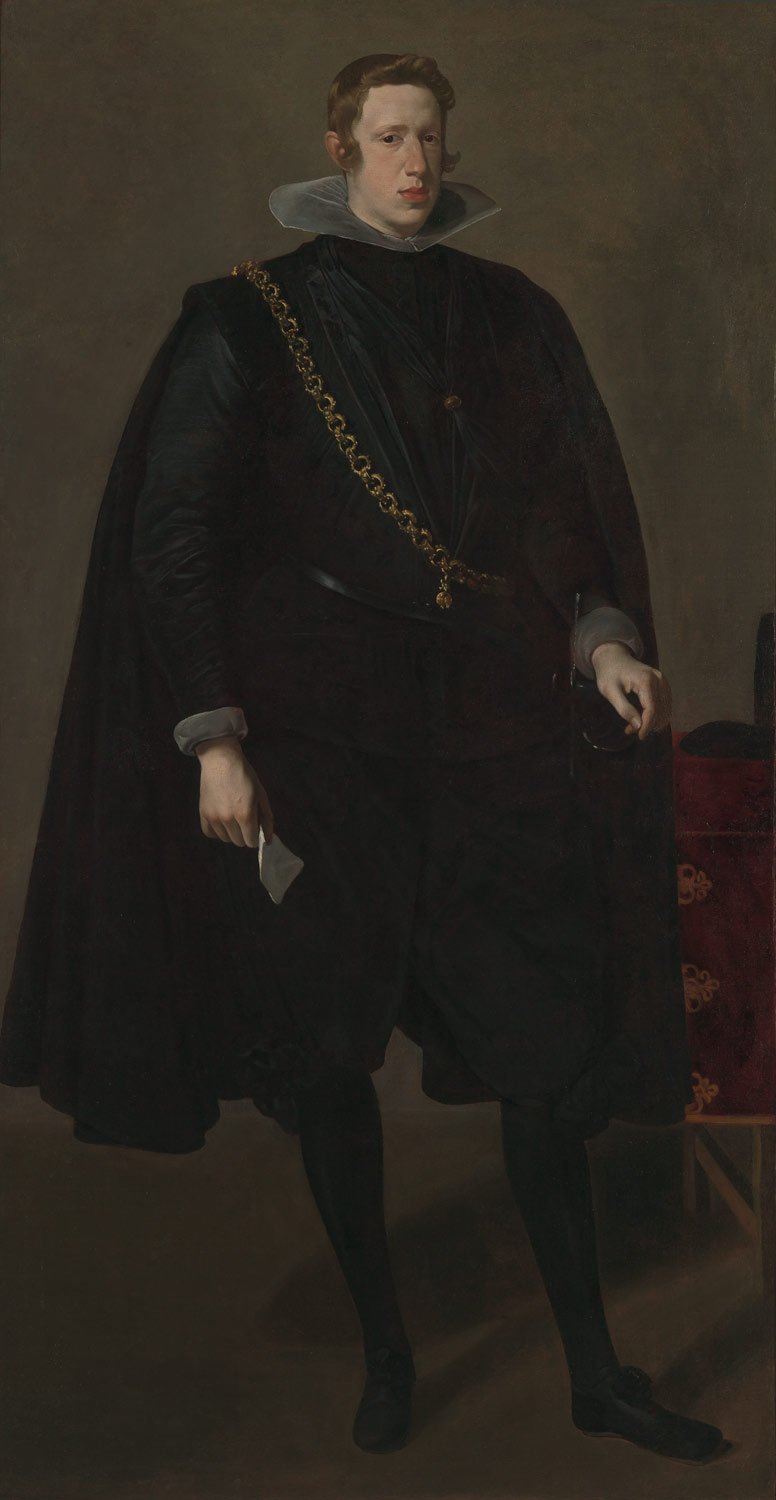
Honoré-Victorin Daumier: Le Passé–Le Présent–L'Avenir (Past, Present, Future) Jean-Baptiste Carpeaux: Bust of Napoleon III Plaque with Otto I presenting the Cathedral of Magdeburg [Ottonian] Relief Allegory of Virtues and Vices at the Court of Emperor Charles V [German] Portrait Medals: Empress Maria and Emperor Maximillian II [Italian] Aegidius Sadeler: Portrait of Rudolph II After Alessandro Algardi: Pope Innocent X, Giovanni Battista Pamphilj Melchiore Caffa: Pope Alexander VII, Fabio Chigi Workshop of Diego Rodríguez de Silva y Velázquez: Philip IV, King of Spain
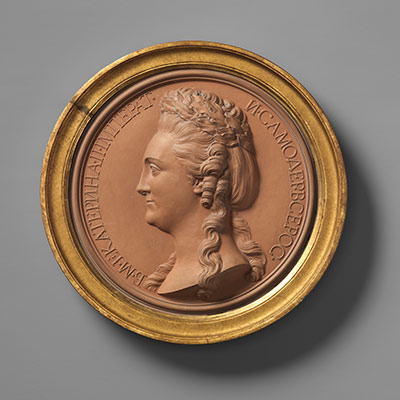
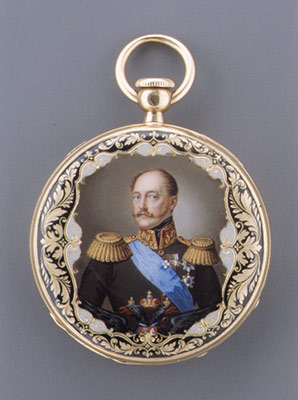
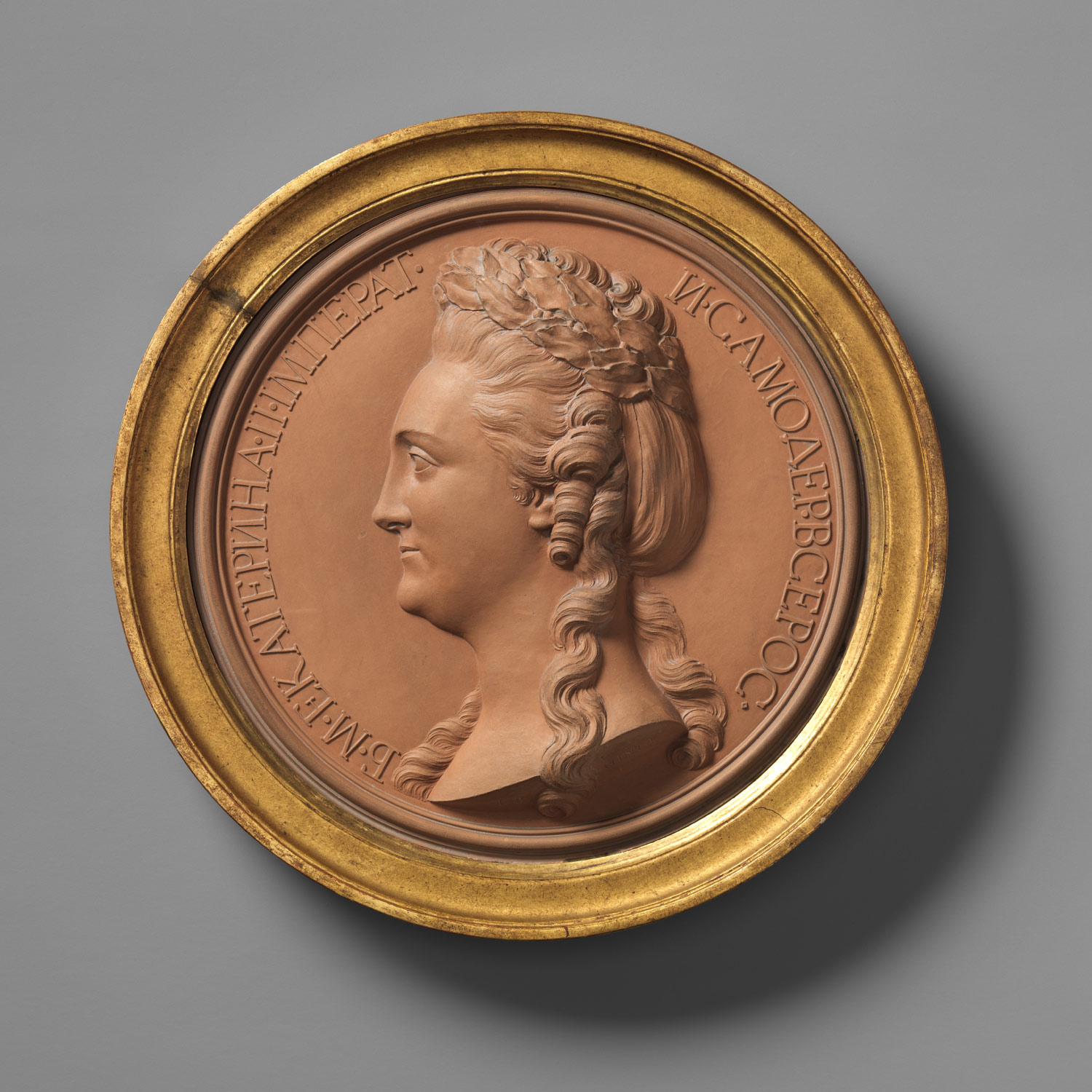
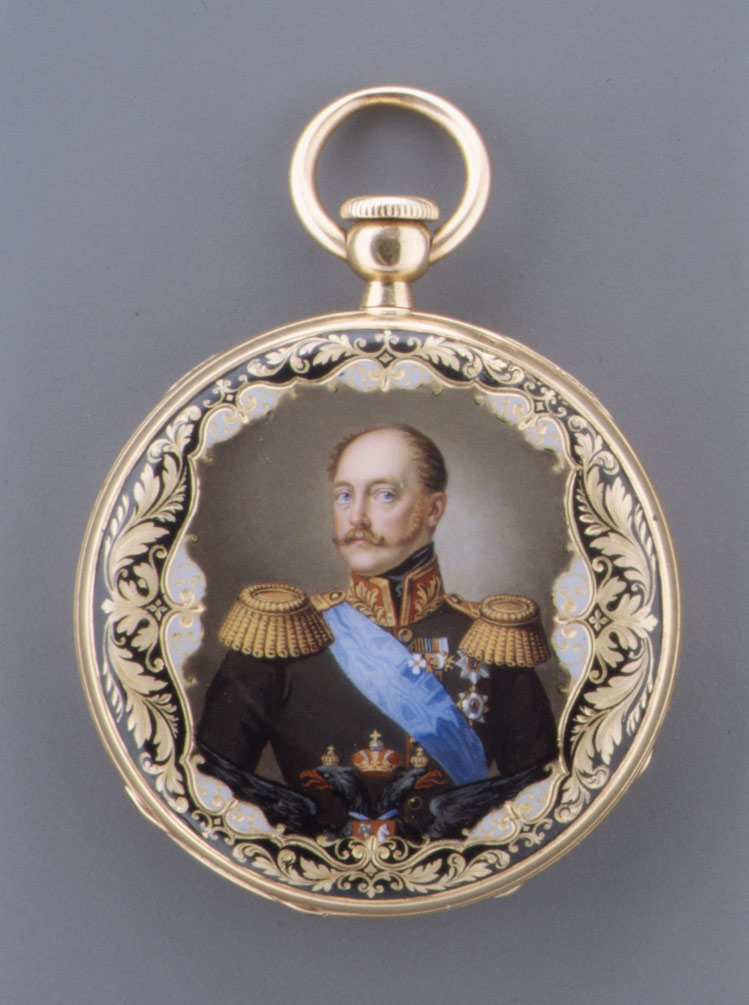
Jean-Baptiste Nini: Catherine II, Empress of Russia Watch [Swiss]


A Note on the Abridged List of Rulers

The list that follows is meant as a complement to the Timeline of Art History, not as a comprehensive historical reference. It presents a simplified picture of dynastic succession in a small number of large European principalities. The names of numerous princes who ruled smaller states are not to be found here, nor are the names of many pretenders, regents, and fully legitimate monarchs whose reigns were short or ambitions otherwise stifled. The abridged list includes above all those kings and queens whose rule affected the arts of Europe in important ways and whose names are most commonly raised in art historical discussion.

Central Europe (Austria, Czech Republic, Germany, Hungary, Lichtenstein, Moldova, Poland, Slovakia, Romania and Switzerland)
England, Ireland, Scotland, Wales
France
Holy Roman Empire
Papacy
Iberian Peninsula (Spain and Portugal)
Italian Peninsula
Low Countries (Belgium, The Netherlands)
Russia
Scandinavia (Denmark, Finland, Norway, Sweden)


Central Europe
     
Holy Roman Empire (see below for a list of emperors) 962–1806
     

Wettin Electors of Saxony 1423–1806

Wittelsbach Electors of Bavaria 1623–1806

Hohenzollern Electors of Brandenburg 1415–1701
     
     
Poland
     
Elected kings   1572–1795
  Zygmunt III Wasa (Sigismund III Vasa) 1587–1632
  Vladislav IV Wasa (Wladyslaw IV Vasa) 1632–48
  Jan II Kasimierz Wasa (John II Casimir Vasa) 1648–68
  Michael Wisniowiecki 1669–73
  Jan III Sobieski (John III Sobieski) 1674–96
  Augustus II, the Strong, 1697–1704 1697–1704, 1709–33
  Augustus III 1733–63
  Stanislaw II Augustus Poniatowski 1764–95

Partitions of Poland   1772, 1793, 1795

Divided under Habsburg, Prussian, and Russian rule 1795–1867
     
     
1701–1867Kingdom of Prussia
     
Hohenzollerns   1701–1797
  Friedrich I (Frederick I) 1701–13
  Friedrich Wilhelm I (Frederick William I) 1713–40
  Friedrich II, der Grosse (Frederick II, the Great) 1740–86
  Friedrich Wilhelm II (Frederick William II) 1786–97
     
     
Romania and Moldova
     
Ottoman rule    
Semi-autonomous Ottoman dependencies 1683–1861
     
     
England, Ireland, Scotland, Wales
     
519–871Anglo-Saxon Kingdom of Wessex (centered in southern England)
     
  Cerdic 519–534
  Cynric 534–560
  Ceawlin 560–592
  Ceol 592–597
  Ceolwulf 597–611
  Cynegils 611–642
  Cenwalh 642–672
  Seaxburh 672–674
  Aescwine 674–676
  Centwine 676–684
  Ceadwalla 685–688
  Ine 688–726
  Aethelheard 726–740
  Cuthred 740–756
  Cynewulf 757–786
  Berhtric 786–802
  Egbert 802–839
  Aethelwulf 839–858
  Aethelbald 858–860
  Aethelberht 860–866
  Aethelred 866–871
  The kings of Wessex, supreme throughout England, become the first royal house of England—see England.
     
     
455–827Anglo-Saxon Kingdom of Kent (centered in southeastern England)
     
  Hengest 455–488
  Aesc 488–512
  Octa 512–522
  Eormenric 522–560
  Aethelbert I 560–616
  Eadbald 616–640
  Earconbert 640–644
  Egbert I 664–673
  Hlothere 673–685
  Oswine 688–690
  Wihtred 690–725
  Aethelbert II 725–762
  Sigered 762–764
  Egbert II 765–784
  Eadberht II 796–798
  Cuthred 798–807
  Baldred 823–825
  The kings of Wessex, who have controlled Kent periodically during the eighth and ninth centuries, secure it for good as of 827.
     
     
592–841Anglo-Saxon Kingdom of Northumbria (centered in northern England, bordering Scotland)
     
  Aethelfrith 592–616
  Edwin 616–633
  St. Oswald 634–642
  Oswiu 642–670
  Ecgfrith 670–685
  Aldfrith 686–705
  Osred I 706–716
  Cenred 716–718
  Osric 718–729
  Ceolwulf 729–737
  Eadberht 737–758
  Aethelwald 759–765
  Alhred 765–774
  Aethelred I 774–779,790–796
  Aelfwald I 779–788
  Eardwulf 796–808
  Eanred 809–841
  The kings of Wessex control Northumbria after 827, following a period of disorder and decline after Eadberht's demise.
     
     
626–919Anglo-Saxon Kingdom of Mercia (centered in central and western England,
bordering Wales)
     
  Penda 626–655
  Wulfhere 658–675
  AethelredI 675–704
  Cenred 704–709
  Ceolred 709–716
  Aethelbald 716–757
  Offa 757–796
  Cenwulf 796–821
  Ceolwulf 821–823
  Beornwulf 823–825
  Ludeca 825–827
  Wiglaf 827–840
  Berhtwulf 840–852
  Burgred 852–874
  Ceolwulf I 874–879
  Aethelred II 879–911
  Aethelflaed 911–918
  Aelfwyn 918–919
  Mercia is annexed by the kings of Wessex.
     
     
England
     
Anglo—Saxons   802–1016
  Alfred, the Great 871–899
  Edward, the Elder 899–924
  Aethelstan 924–939
  Edgar 959–975
  Aethelred II, the Unready 978–1016

Danes   1016–1042
  Canute (Knut), the Great 1016–35
  Harold I, called Harold Harefoot 1035–40
  Hardecanute 1040–42

Anglo–Saxons   1042–1066
  Edward, the Confessor 1042–66
  Harold II 1066

Normans   1066–1154
  William I, the Conqueror 1066–87
  William II, called William Rufus 1087–1100
  Henry I 1100–35
  Stephen 1135–54

Plantagenets   1154-1399
  Henry II 1154–89
  Richard I, the Lion-Hearted 1189–99
  John I 1199–1216
  Henry III 1216–72
  Edward I 1272–1307
  Edward II 1307–27
  Edward III 1327–77
  Richard II 1377–99

Lancastrians   1399-1471
  Henry IV 1399–1413
  Henry V 1413–22
  Henry VI 1422–61, 1470–71

Yorkists   1461–1485
  Edward IV 1461–83
  Edward V 1483
  Richard III 1483–85

Tudors   1485–1603
  Henry VII 1485–1509
  Henry VIII 1509–47
  Edward VI 1547–53
  Mary I, called Mary Tudor or Bloody Mary 1553–58
  Elizabeth I 1558–1603

Stuarts   1603–1714
  James I 1603–25
  Charles I 1625–49
  Charles II 1660–85
  James II 1685–88
  William III and Mary II 1689–94
  William III 1694–1702
  Anne 1702–14

Hanoverians   1714–1901
  George I 1714–27
  George II 1727–60
  George III 1760–1820
  George IV 1820–30
  William IV, the Sailor-King or Silly Billy 1830–37
  Victoria 1837–1901

Saxe—Coburgs   1901–1910
  Edward VII 1901–10

Windsors   1910–present
  George V 1910–36
  Edward VIII 1936
  George VI 1936–52
  Elizabeth II 1952–present
     
France
     
460–814Kingdom of the Franks
     
  Childeric I 460–482
  Chlodovech (Clovis) I 482–511
  Chlothar I 511–561
  Charibert I 561–584
  Chlothar II 584–629
  Dagobert I 629–639
  St. Sigebert 639–656
  Childebert 656–661
  Childeric II 662–675
  Theuderic III 676–690
  Chlodovech (Clovis) III 690–694
  Childebert III 694–711
  Theuderic IV 721–737
  Childeric III 743–751
  Pippin 754–768
  Charles (Charlemagne) 768–814
  The Kingdom of the Franks ends when Charlemagne raises it to imperial stature in 800—thereafter, see the rulers of the Holy Roman Empire.
     
     
898–1204Duchy of Aquitaine (centered in western France)
     
  William I, the Pious 898–918
  William II, the Younger 918–926
  Ebalus the Bastard 927–934
  William III, the Towhead 934–963
  William IV, Fierabras (the Strong-Armed) 963–993
  William V, the Great 993–1030
  William VI, the Fat 1030–38
  Eudes (Odo) 1038–39
  William VII, the Brave 1039–58
  William VIII 1058–86
  William IX, the Troubadour 1086–1126
  William X, the Toulousan 1126–37
  Eleanor 1137–1204
  The duchy is united with England upon Eleanor's marriage to Henry II of England.
     
     
937–1514Duchy of Brittany (centered in western France)
     
House of Nantes   937–990
  Alan I, Wrybeard 937–952
  Drogo 952–958
  Hoël 960–981
  Guérech 981–988
  Alan II 988–990

House of Rennes   990–1066
  Conan I, the Crooked 990–992
  Geoffrey I 992–1008
  Alan III 1008–40
  Conan II 1040–66

House of Cornouaille   1066–1166
  Hoël 1066–84
  Alan IV, Fergant (the Iron-Gloved) 1084–1112
  Conan III, the Fat 1112–48
  Eudo of Porho‘t 1148–56
  Conan IV, the Younger 1156–66

House of Plantagenet Geoffrey II 1166–86

House of Dreux   1187–1364
  Arthur I (husband of Alix, daughter of Geoffrey II) 1187–1221
  John I, the Red 1221–86
  John II 1286–1305
  Arthur II 1305–12
  John III, the Good 1312–41
  Charles of Blois 1341–64

House of Montfort   1364–1514
  John IV, the Conqueror 1364–99
  John V 1399–1442
  Francis I 1442–50
  Peter II 1450–57
  Francis II 1458–88
  Anne 1488–1514
  The duchy is united with France upon Anne's marriage to Louis XII of France.


1162–1477Duchy of Burgundy (centered in eastern France)
     
  Hugh III 1162–93
  Odo (Eudes) III 1193–1218
  Hugh IV 1218–72
  Robert II 1272–1309
  Odo (Eudes) IV 1315–50
  Philip de Rouvres 1350–61
  Philip the Bold 1363–1404
  John the Fearless 1404–19
  Philip the Good 1419–67
  Charles the Bold 1467–77
  The dynasty ends with a female heir, and the duchy reverts to the French crown.


1112–1481County of Provence (centered in southeastern France)
     
House of Barcelona   1112–1245
  Raymond Berengar I 1112–31
  Berengar Raymond I 1131–44
  Raymond Berengar II 1144–66
  Alfonso I 1166–73
  Raymond Berengar IV 1173–81
  Sancho 1181–85
  Alfonso II 1185–1209
  Raymond Berengar V 1209–45

Capetian House of Anjou   1246–1382
  Charles I 1246–85
  Charles II, the Lame 1285–1309
  Robert the Wise 1309–43
  Joan 1343–82

Valois House of Anjou   1382–1481
  Louis I 1382–84
  Louis II 1384–1417
  Louis III 1417–34
  René the Good 1434–80
  Charles III, of Maine 1480–81
  Provence becomes French territory according to the terms of Charles III's will.
     
     
844–1271County of Toulouse (centered in southwestern France)
     
  Fredelon 844–852
  Raymond I 852–863
  Bernard I 864–872
  Bernard II, Hairfoot, of Auvergne 872–885
  Eudes (Odo) 885–918
  Raymond II 918–923
  Raymond Pons 923–942
  Raymond III, of Rouergue 942–961
  Raymond IV 961–978
  William III, Taillefer 978–1037
  Pons 1037–60
  William IV 1060–93
  Raymond V, of St. Gilles 1093–1105
  Bertram 1105–12
  Alfonso Jordan 1112–48
  Raymond VI 1148–94
  Raymond VII 1194–1222
  Raymond VIII 1222–49
  Alfonso of Poitiers 1249–71
  The county is united with France upon the death of Joan, daughter of Raymond VIII and wife of Alfonso of Poitiers, son of Louis VIII of France.
     
     
France
     
Capetians   987–1328
  Hugues Capet (Hugh Capet) 987–96
  Robert II, le Pieux (the Pious) 996–1031
  Henri I (Henry I) 1031–60
  Philippe I (Philip I) 1059–1108
  Louis VI, le Gros (the Fat) 1108–37
  Louis VII, le Jeune (the Young) 1137–80
  Philippe Auguste (Philippe II) 1179–1223
  Louis VIII, le Lion 1223–26
  Louis IX (St. Louis) 1226–70
  Philippe III, le Hardi (Philip III, the Bold) 1270–85
  Philippe IV, le Bel (Philip IV, the Fair) 1285–1314
  Louis X, le Hutin (the Stubborn) 1314–16
  Philippe V, le Long (Philip V, the Tall) 1316–22
  Charles IV, le Bel (the Fair) 1322–28

Valois   1328–1589
  Philippe VI (Philip VI), 1328–50
  Jean II, le Bon (John II, the Good), 1350–64
  Charles V, le Sage (the Wise) 1364–80
  Charles VI, le Bien-Aimé (the Well-Beloved) 1380–1422
  Charles VII 1422–61
  Louis XI 1461–83
  Charles VIII 1483–98
  Louis XII 1498–1515
  François I (Francis I) 1515–47
  Henri II (Henry II) 1547–59
  François II (Francis II) 1559–60
  Charles IX 1560–74
  Henri III (Henry III) 1574–89

Bourbons   1589–1792
  Henri IV (Henry IV, called Henry of Navarre), 1589–1610
  Louis XIII 1610–43
  Louis XIV, le Roi Soleil (the Sun King) 1643–1715
  Louis XV, le Bien-Aimé (the Well-Beloved) 1715–74
  Louis XVI 1774–92

First Empire   1804–1814
  Napoleon I 1804–14

Bourbons   1814–1830
  Louis XVIII 1814–24
  Charles X 1824–30

Orléans   1830–1848
  Louis—Philippe, le Roi-Citoyen (the Citizen King) 1830–48

Second Empire   1852–1870
  Napoleon III, called Louis-Napoléon 1852–70
     
     
Holy Roman Empire
     
Carolingians   800–911
  Charlemagne (Charles I, the Great) 800–814
  Louis I, le Pieux (the Pious) 814–40
  Lothair I (in the Western part of the empire) 840–55
  Ludwig II, der Deutsche (Louis II, the German) (in the Eastern part of the empire) 843–76
  Ludwig II (Louis II) 855–75
  Charles II, le Chauve (the Bald) 875–77
  Charles III, le Gros (the Fat) 881–87
  Arnulf 887–99
  Ludwig III, das Kind (Louis III, the Child) 899–911

Saxons   911–1024
  Konrad I (Conrad I) 911–18
  Heinrich I, der Vogelfänger (Henry I, the Fowler) 919–36
  Otto I, the Great 936–73
  Otto II 973–83
  Otto III 983–1002
  Heinrich II, der Heilige (Henry II, the Saint) 1002–24

Salians   1024–1137
  Konrad II (Conrad II) 1024–39
  Heinrich III (Henry III) 1039–56
  Heinrich IV (Henry IV) 1056–1106
  Heinrich V (Henry V) 1106–25
  Lothair II 1125–37

Hohenstaufens   1138–1254
  Konrad III (Conrad III) 1138–52
  Friedrich I (Frederick I), Barbarossa 1152–90
  Heinrich VI (Henry VI) 1190–97
  Otto IV of Brunswick 1198–1215
  Philipp (Philip) of Swabia 1198–1208
  Friedrich II (Frederick II) 1212–50
  Konrad IV (Conrad IV) 1251–54

Habsburgs Luxemburgs, and others 1273–1437
  Rudolf I (Habsburg) 1273–91
  Adolf of Nassau 1292–98
  Albrecht I (Albert I) (Habsburg) 1298–1308
  Heinrich I (Henry VII) of Luxembourg 1308–13
  Ludwig IV der Bayer (Louis IV of Bavaria 1314–47
  Charles IV of Luxembourg) 1347–78
  Wenceslas of Bohemia 1378–1400
  Ruprecht Klem (Rupert) of the Palatinate 1400–10
  Sigismund of Luxembourg 1410–37
  Albrecht II (Albert II) 1438–39
  Friedrich III (Frederick III) 1440–93
  Maximilian I 1493–19
  Charles V 1519–56
  Ferdinand I 1556–64
  Maximillian II 1564–76
  Rudolph II 1576–1612
  Matthias 1612–19
  Ferdinand II 1619–37
  Ferdinand III 1637–57
  Leopold I 1658–1705
  Joseph I 1705–11
  Charles VI 1711–40
  Maria Theresa 1740–80
  Joseph II 1765–90
  Leopold II 1790–92
  Franz II (Francis II) 1792–1806
     
Papacy (from John VIII, first pope to use the title officially)
     
  John VIII 872–882
  Marinus I 882–884
  St. Hadrian III 884–885
  Stephen VI 885–891
  Formosus 891–896
  Boniface VI 896
  Stephen VII 896–897
  John IX 898–900
  Benedict IV 900–903
  Sergius III 904–911
  Anastasius III 911–913
  John X 914–928
  Stephen VIII 929–931
  John XI 931–935
  Leo VII 936–939
  Stephen IX 939–942
  Marinus II 942–946
  Agapitus II 946–955
  John XII 955–964
  Leo VIII 963–965
  John XIII 965–972
  Benedict VI 973–974
  Benedict VII 974–983
  John XIV 983–984
  Boniface VII 984–985
  John XV 985–996
  Gregory V 996–999
  Sylvester II 999–1003
  John XVII 1003
  John XVIII 1004–09
  Sergius IV 1009–12
  Benedict VIII 1012–24
  John XIX 1024–32