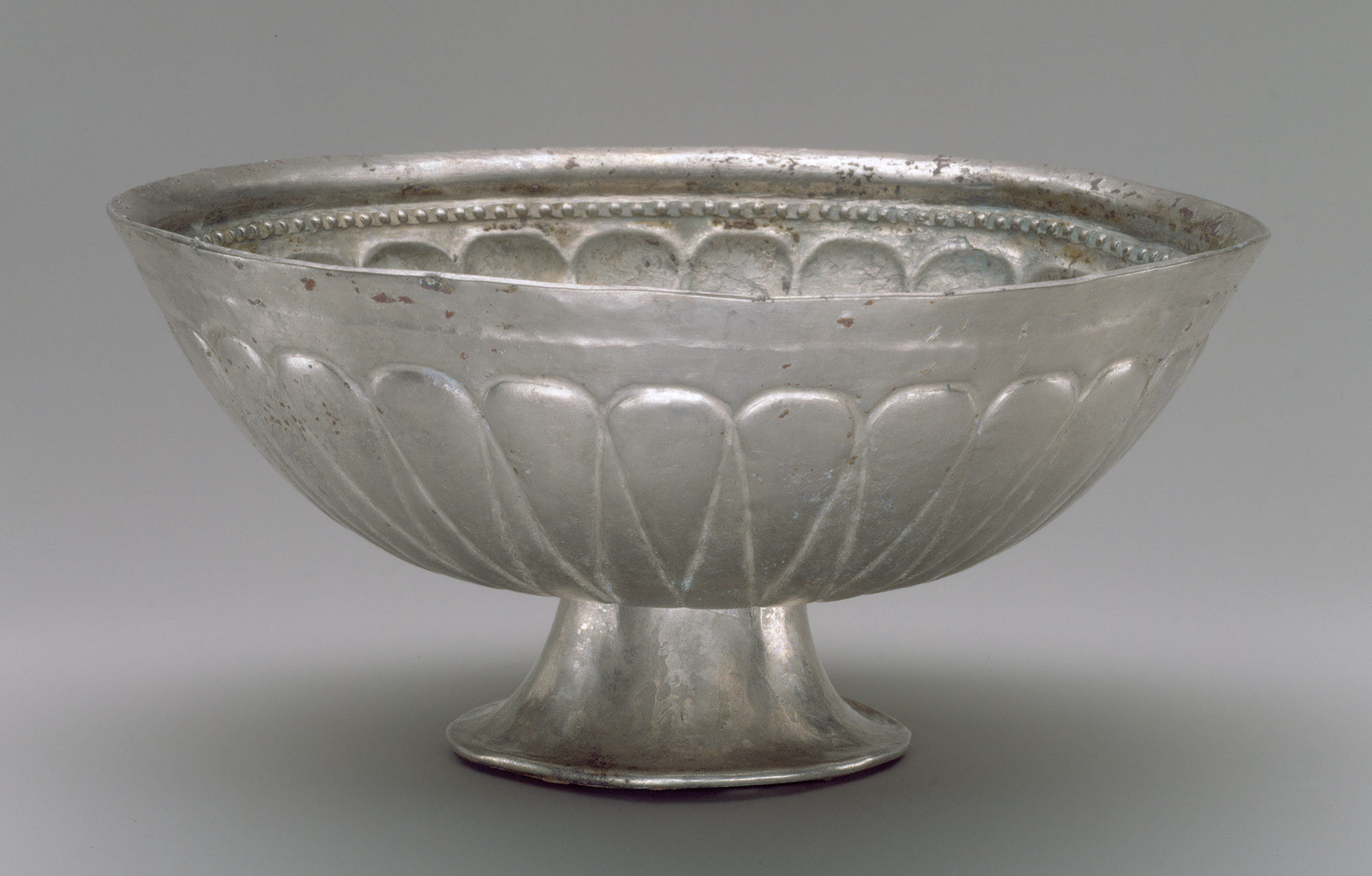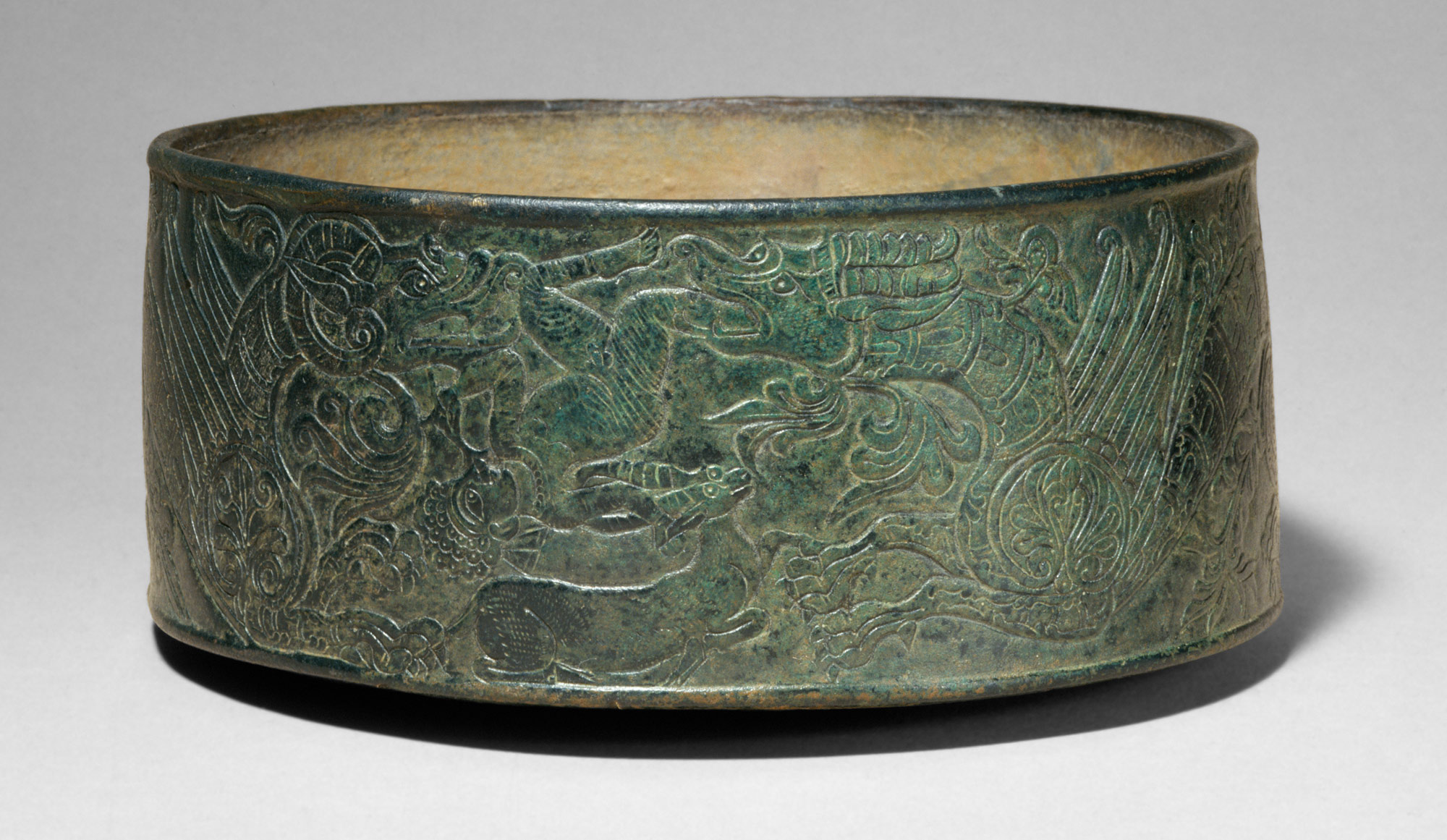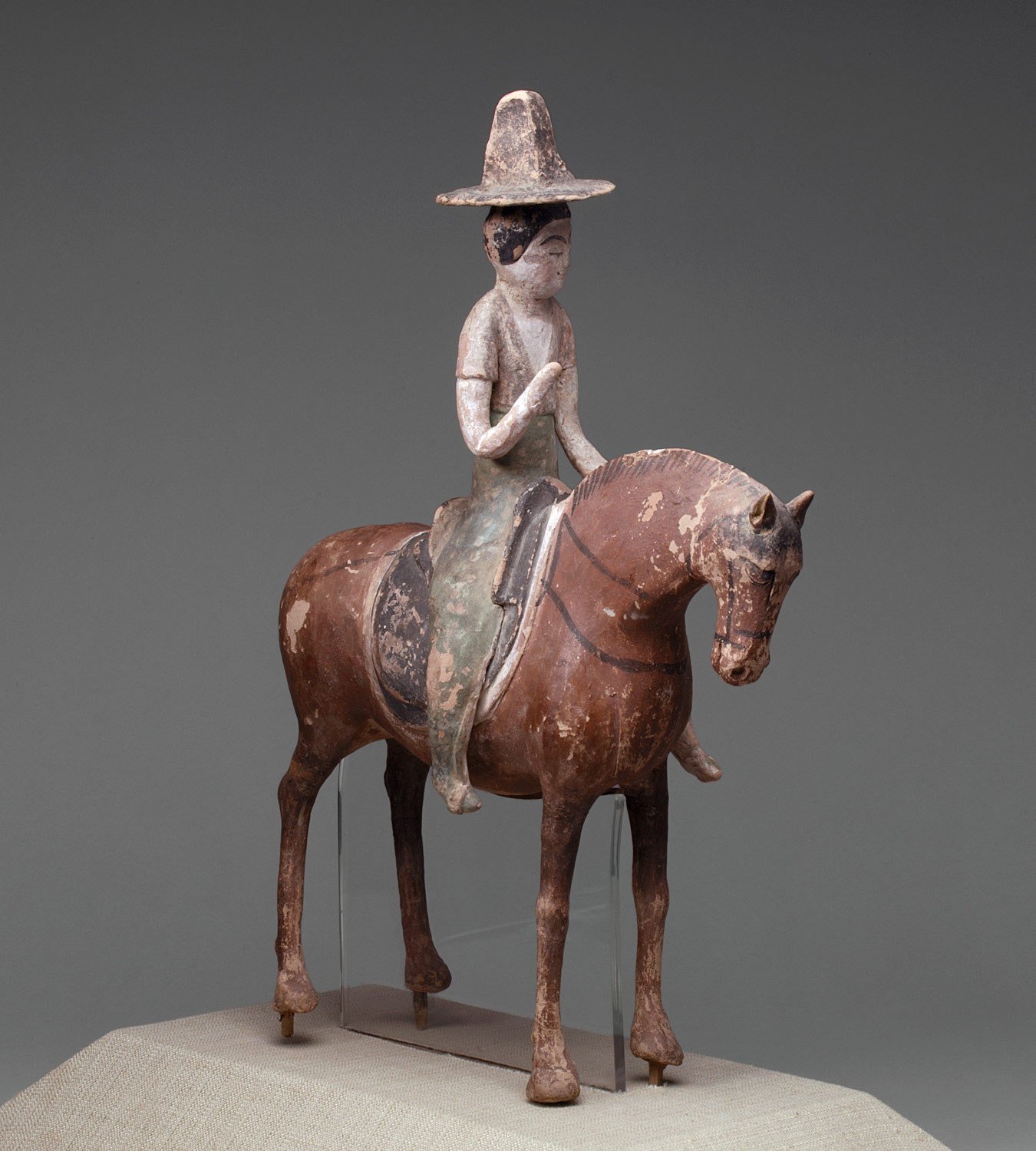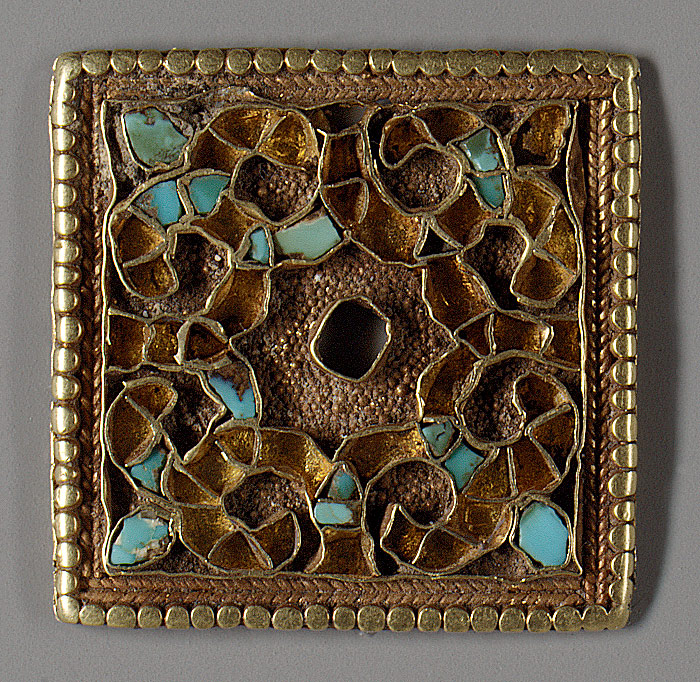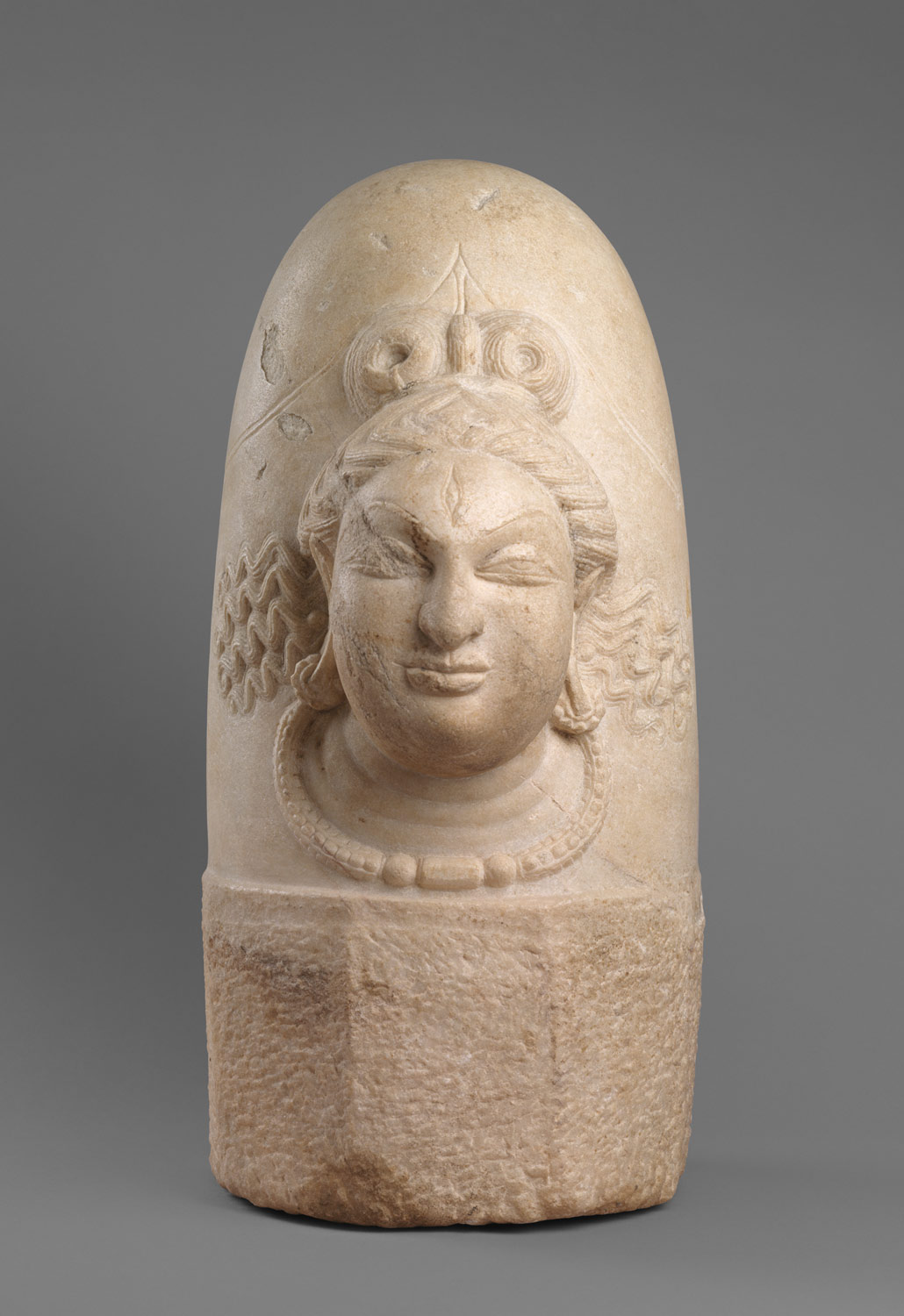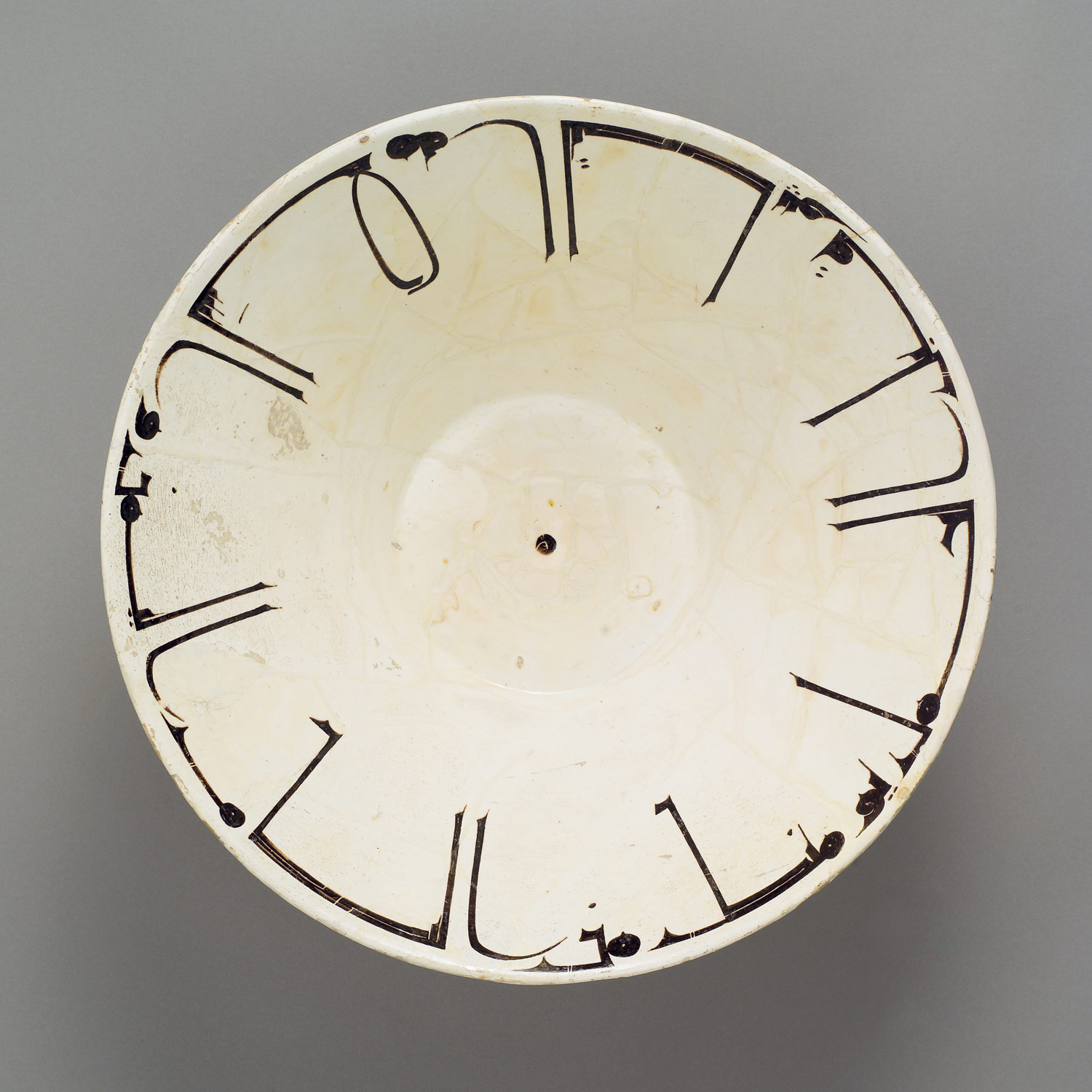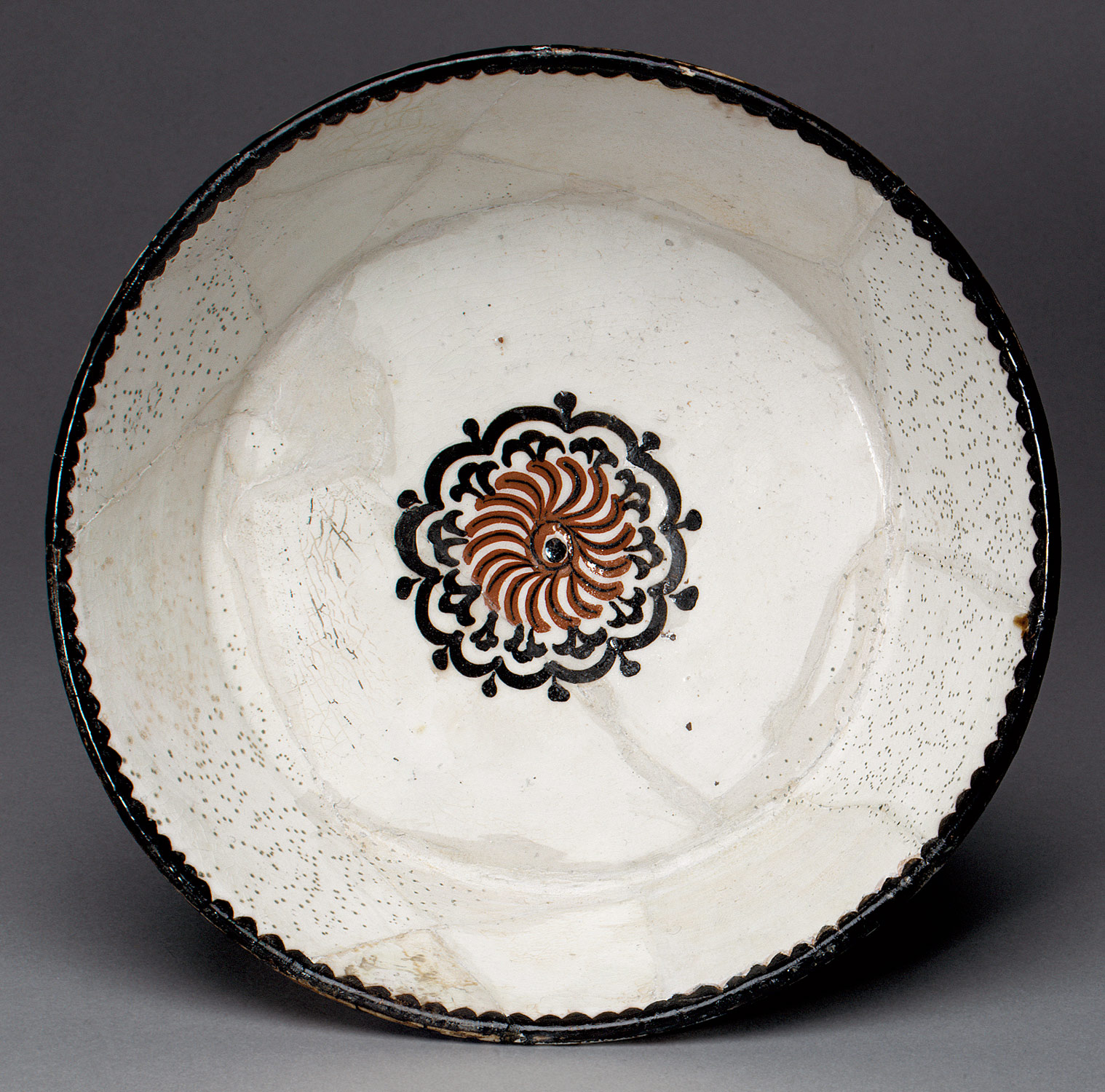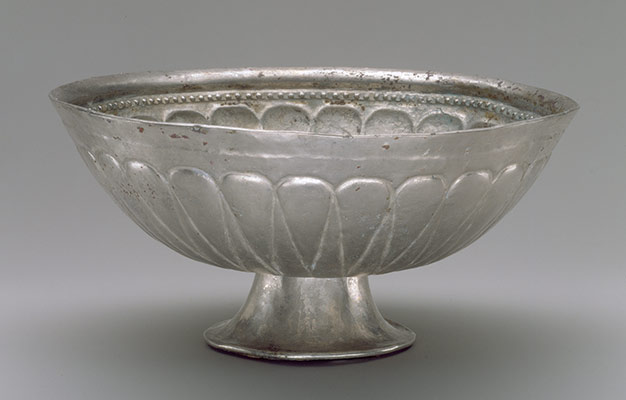
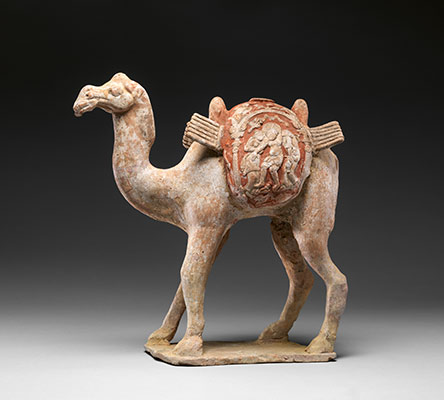
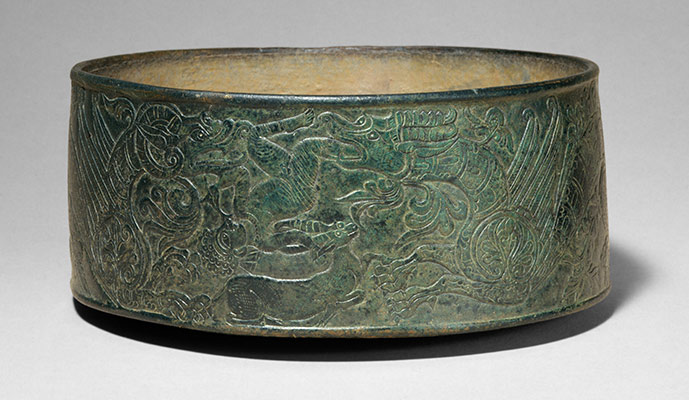
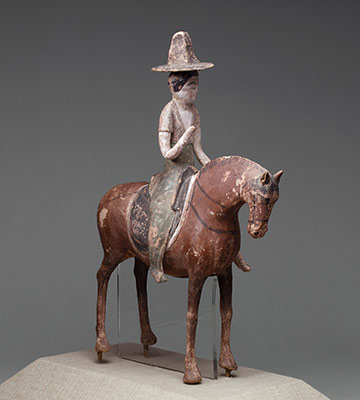
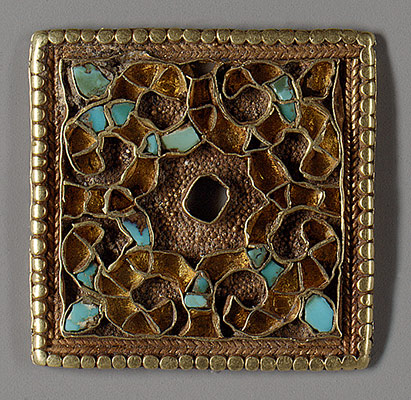
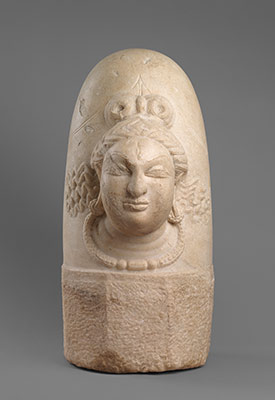
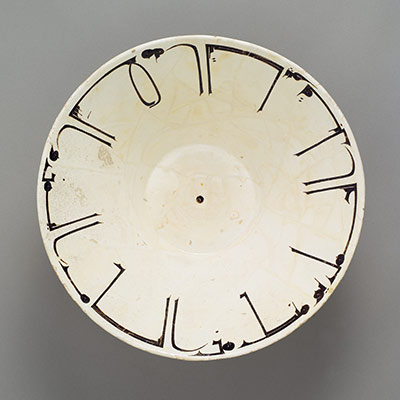
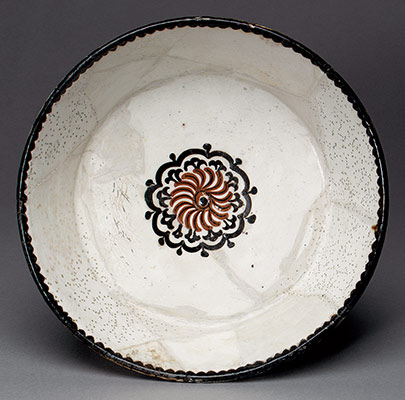
The pattern of lifeways established by the first millennium B.C. continues in North and Central Asia. Far to the north, tribes continue to live a hunting and gathering existence. On the northern steppe, with settled sites interspersed, nomadic groups herd their animals and form military alliances. These alliances often harass or conquer the settled populations to the south, east, and west, both before and after the Arab conquest of Central Asia. It is only at these times that the historical sources tell us much about them, although the nomadic populations are now literate and leave their own written records as well. The Hephthalites live on the western steppe; the Juan-juan and, later, Turkish tribes settle to the east. In the oasis areas further south, independent kingdoms rule in some areas while others are incorporated into the large empires at the borders: the Sasanian, Tang, and Umayyad and subsequent Muslim dynasties. Trade continues to play an important role in the wealth of Central Asian cities, where a rich mixture of cultures and languages thrive. The many religions of Central Asia, including Buddhism, Christianity, Judaism, Zoroastrianism, and Manichaeism, are eventually mostly supplanted by Islam. In the steppe and forest zones, traditional religions such as shamanism continue, and some groups practice Buddhism.
Central and North Asia, 500–1000 A.D.
-
 1998.223
 -
 2000.8
 -
 1987.218.6
 -
 51.93ab
 -
 2000.442a-e
 -
 1980.415
 -
 65.106.2
 -
 61.144
Timeline
500 A.D.
625 A.D.
WEST: AFGHANISTAN, TAJIKISTAN
WEST: TURKMENISTAN, UZBEKISTAN
WEST: KYRGYZSTAN, KAZAKHSTAN
EAST: CHINA (XINJIANG PROVINCE), MONGOLIA
625 A.D.
750 A.D.
WEST: AFGHANISTAN, TAJIKISTAN
WEST: TURKMENISTAN, UZBEKISTAN
WEST: KYRGYZSTAN, KAZAKHSTAN
EAST: CHINA (XINJIANG PROVINCE), MONGOLIA
750 A.D.
875 A.D.
WEST: AFGHANISTAN, TAJIKISTAN
WEST: TURKMENISTAN, UZBEKISTAN
WEST: KYRGYZSTAN, KAZAKHSTAN
EAST: CHINA (XINJIANG PROVINCE), MONGOLIA
875 A.D.
1000 A.D.
WEST: AFGHANISTAN, TAJIKISTAN
WEST: TURKMENISTAN, UZBEKISTAN
WEST: KYRGYZSTAN, KAZAKHSTAN
EAST: CHINA (XINJIANG PROVINCE), MONGOLIA
Overview
Key Events
-
629–645
The famous Chinese pilgrim Xuanzang journeys across Central Asia on his way to India. His travel account, Records of the Western Regions, remains an important document for the study of Central and South Asian history. It includes references to many early Buddhist kingdoms such as Kucha on the northern part of the Silk Road.
-
651
The Arabs capture the city of Merv (near modern Mary in Turkmenistan), beginning the process of Islamization of Central Asia. Traditional art styles continue in some Central Asian cities for about a century, although gradually the Islamic artistic language has a significant impact on most of the arts. The requirements of worship and study of Islam give rise to changes in architectural styles as well.
-
mid-7th–early 8th century
The powerful Tang dynasty (618–906) reasserts Chinese control over much of the Tarim Basin region, helping to spur international trade along the fabled Silk Road.
-
ca. 750–850
Tibet, a dominant power in Central Asia for the past century, expands into the Tarim Basin and portions of northwest China. Chinese historical records note the vast wealth and extravagant tastes of the Tibetan rulers.
-
751
The Arabs win a significant military victory over the Tang Chinese near Talas (close to modern Zhambyl in Kazakhstan), limiting China’s western expansion to Xinjiang. An outcome of this battle is the capture and importation into Central Asia of Chinese craftspeople with knowledge of papermaking. Paper gradually replaces the Western writing materials papyrus and parchment for most uses.
-
mid-8th century
The city of Panjikent, in what is today Tajikistan, is abandoned after the Arab conquest. From the fifth or early sixth century, this oasis town—typical of many in Central Asia and part of the Sogdian kingdom—contains the residences of a large merchant class as well as craftspeople and agriculturalists. The rich arts of Central Asia, including wall paintings, stuccowork, carved wood, metalwork, and textiles, reflect the many traditions that are combined and often syncretized here. Based on an artistic vocabulary formed in Iran, the layered styles, stories, and iconographic details, especially from Buddhist and Hindu India and classical traditions, create distinctive and highly eclectic arts.
-
ca. 762–900
With the shift of the seat of power to Baghdad under the Abbasid caliphate, Central Asia is in closer contact with the center of Islamic civilization. From this point onward, artistic impulses emanating from Baghdad and Samarra are felt in remote provinces, and congregational mosques in the Abbasid style are built across Central Asia. The remains of the mosque at Balkh (in present-day Afghanistan) provide important information on architectural plan and decoration.
-
ca. 800–1000
As the Abbasid caliphate begins to weaken and lose control of the eastern Islamic provinces, several Iranian dynasties gain power. The Samanids (ca. 819–1000) establish autonomous control in this region and rule quite independently from Bukhara and Nishapur, their provincial capitals in Central Asia and Iran. The age of the Samanids marks a renaissance of Iranian culture in which their courts are associated with the rise of Persian literature. Various pre-Islamic traditions are revived and integrated into the Islamic artistic language. In this way, a symbiosis emerges from the two trends of pan-Islamic Arabic and Iranian traditions. This cultural blend continues for several centuries until the social, ethnic, and political structure of the region is modified by the input of Turkic populations.
-
ca. 850–1218
The Uighurs, forced from their homeland to the northeast, establish a new kingdom in the Tarim Basin, constructing numerous cities and temple sites, including a summer capital at Beshbaliq (also known by the Chinese name Beiting) and the extensive Buddhist cave site of Bezeklik.
-
ca. late 9th century–1001
The Hindu Shahi family controls the Kabul Valley region in Afghanistan. They are believed to be the descendants of earlier family members who ruled the region after the decline of the Kushans in the third century. The latter may have been responsible for the construction of the monumental Buddhas and other images at Bamiyan in the seventh and eighth centuries.
-
ca. 900–943
The Samanid mausoleum in Bukhara, an unusual funerary monument built and decorated with baked brick, is constructed during this period.
-
977–1186
The Ghaznavids, a dynasty of Turkic origin from the steppes of Central Asia, rule in present-day Afghanistan and Pakistan. The most important ruler of the dynasty is Mahmud (r. 998–1030), whose illustrious reign as a prince-patron of Perso-Islamic culture becomes a model for later Islamic powers, many of which will also be led by Turkic or Mongol elite military castes. The works of this period express the artistic wealth of the Ghaznavids and the significance of their capital, Ghazni, as a profoundly Islamic cultural center where different aesthetic traditions from the region come together.
Citation
“Central and North Asia, 500–1000 A.D.” In Heilbrunn Timeline of Art History. New York: The Metropolitan Museum of Art, 2000–. http://www.metmuseum.org/toah/ht/?period=06®ion=nc (October 2001)