

A period of great change for the South Asian subcontinent. In the north, the declining Delhi Sultanate gives way to the Mughals, who establish the largest empire ever seen on the subcontinent. The arts flourish under Mughal patronage as a unique “Mughal style” emerges in painting and architecture, a synthesis of Indian and imported Persian influences. The south will see the rise and fall of the last great Hindu empire at Vijayanagar. The arrival of the Portuguese marks the beginning of European influence in the subcontinent, which will culminate in British rule in subsequent centuries.
South Asia, 1400–1600 A.D.
-
 64.102
 -
 20.120.247
 -
 1992.359
 -
 1981.320
 -
 1985.34
 -
 1972.260
 -
 23.264.1
 -
 16.133.2a-j
 -
 17.190.858
 -
 1996.3ab
Timeline
1400 A.D.
1450 A.D.
Sultanate Period (Delhi), ruled by Tughluqs 1320–1412, Sayyids 1414–1451, Lodis 1451–1526, Suris 1540–1555
Independent Rajput kingdoms, present-day Rajasthan and Punjab Hills, 14th–19th century
Ganga dynasty, present-day Odisha, 11th–15th century
Surya dynasty, present-day Odisha, 15th–late 16th century
CENTRAL / DECCAN
Bahmanid sultanate, northern Deccan, 1347–1528
Vijayanagar dynasty, 1336–1565
SRI LANKA
King Parakramabahu VI (r. 1412–67) is the last Sinhala king to rule over a united island
1450 A.D.
1500 A.D.
Sultanate Period (Delhi), ruled by Tughluqs 1320–1412, Sayyids 1414–1451, Lodis 1451–1526, Suris 1540–1555
Independent Rajput kingdoms, present-day Rajasthan and Punjab Hills, 14th–19th century
Surya dynasty, present-day Odisha, 15th–late 16th century
CENTRAL / DECCAN
Bahmanid sultanate, northern Deccan, 1347–1528
Deccani sultanates, ca. 1490–17th century
Vijayanagar dynasty, 1336–1565
SRI LANKA
King Parakramabahu VI (r. 1412–67) is the last Sinhala king to rule over a united island
Island politically divided between Tamils at Jaffna, Sinhalese kingdoms centered at Kandy and Kotte, and, after 1505, coastal areas controlled by the Portuguese
1500 A.D.
1550 A.D.
Mughal dynasty, 1526–1858
Sultanate Period (Delhi), ruled by Tughluqs 1320–1412, Sayyids 1414–1451, Lodis 1451–1526, Suris 1540–1555
Independent Rajput kingdoms, present-day Rajasthan and Punjab Hills, 14th–19th century
Surya dynasty, present-day Odisha, 15th–late 16th century
CENTRAL / DECCAN
Bahmanid sultanate, northern Deccan, 1347–1528
Deccani sultanates, ca. 1490–17th century
Vijayanagar dynasty, 1336–1565
Nayaka dynasties
SRI LANKA
Island politically divided between Tamils at Jaffna, Sinhalese kingdoms centered at Kandy and Kotte, and, after 1505, coastal areas controlled by the Portuguese
1550 A.D.
1600 A.D.
Mughal dynasty, 1526–1858
Sultanate Period (Delhi), ruled by Tughluqs 1320–1412, Sayyids 1414–1451, Lodis 1451–1526, Suris 1540–1555
Independent Rajput kingdoms, present-day Rajasthan and Punjab Hills, 14th–19th century
Surya dynasty, present-day Odisha, 15th–late 16th century
CENTRAL / DECCAN
Deccani sultanates, ca. 1490–17th century
Vijayanagar dynasty, 1336–1565
Nayaka dynasties
SRI LANKA
Island politically divided between Tamils at Jaffna, Sinhalese kingdoms centered at Kandy and Kotte, and, after 1505, coastal areas controlled by the Portuguese
Overview
Key Events
-
1398
Delhi is sacked by Mongols led by Timur, but Tughluq sultans return to power upon their withdrawal. The Sayyid sultans rule from 1414, succeeded by the Lodis in 1451. Delhi-based sultanates never reestablish a strong political hold over the subcontinent.
-
15th century
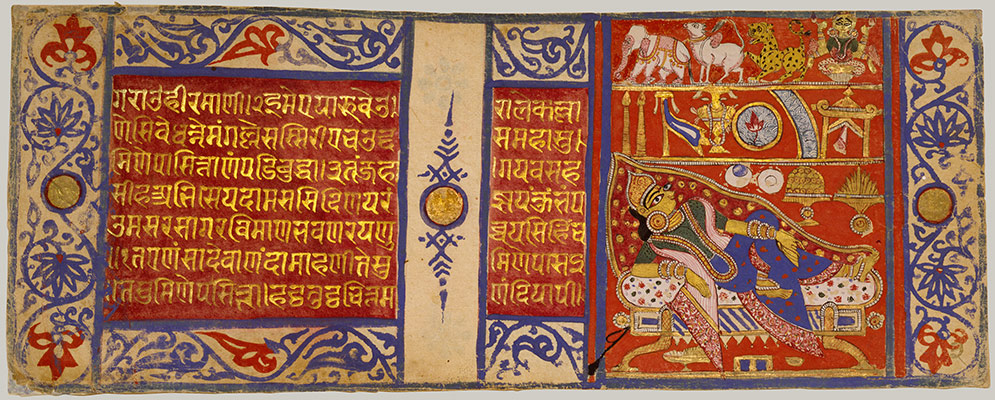
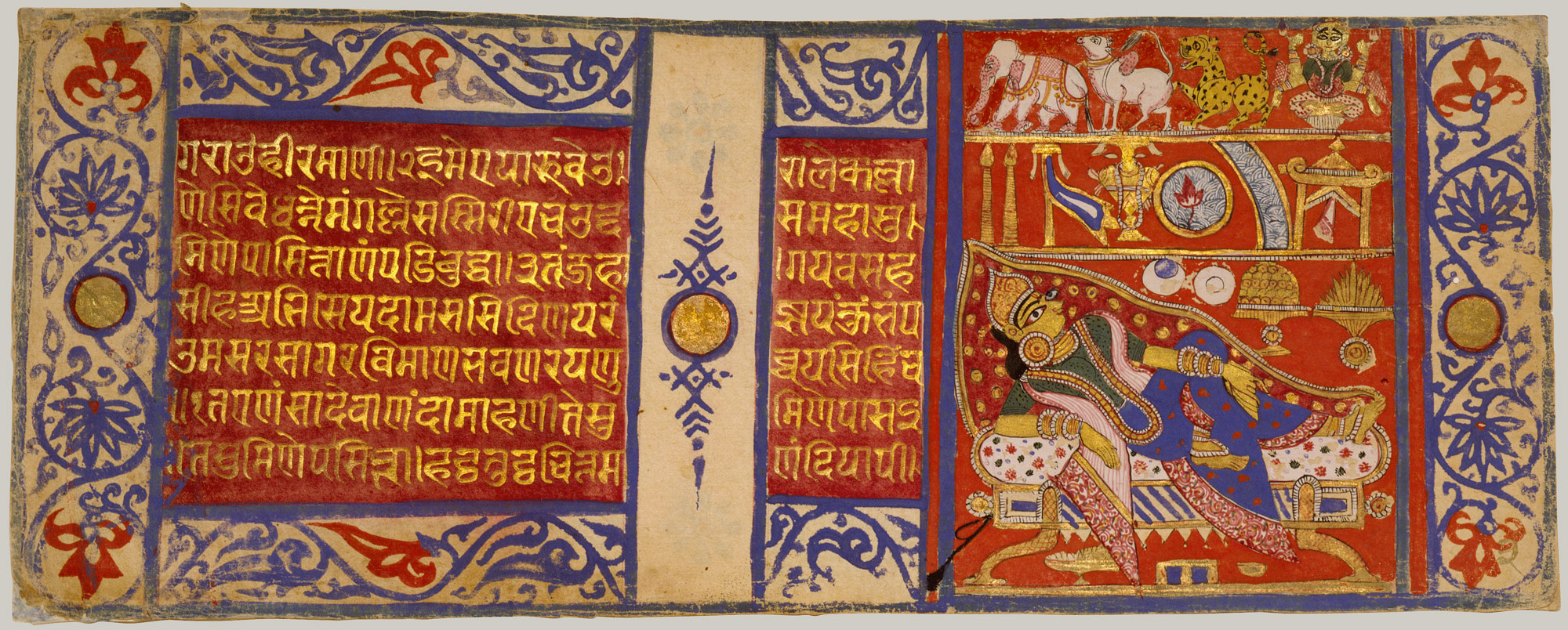
Jain manuscript painting traditions develop, as individual Jains commission texts for inclusion in temple libraries, primarily in western and northern regions. Stylistically quite distinct from Buddhist antecedents, the Jain style foreshadows later Rajput painting traditions in Rajasthan.
-
15th century
Sri Lanka is politically divided into three main regions. In the north there is the Tamil kingdom at Jaffna, and Sinhala kingdoms centered in Kotte and Kandy. King Parakramabahu VI (r. 1412–67) manages to unite the island with a kingdom centered at the port city of Kotte for a brief period, but at the close of the century, the island is again divided between Kotte, Kandy, and Jaffna.
-
1459
Rao Jodha, the maharaja of Marwar, founds Jodhpur. He builds a large hill fort and sets the pattern for Rajput states.
-
1490
The governors of the four provinces of the Bahmanid sultanate in the Deccan break away, resulting in the formation of five smaller Deccani sultanates: Ahmadnagar, Berar, Bidar, Bijapur, and Golconda. The rulers of Bijapur, in particular, are great patrons of the arts.
-
1498
The Portuguese arrive on the western coast of India and establish trading posts.
-
1505
The Portuguese set up a trading post on Sri Lanka at Colombo. Roman Catholic missionaries become active in the coastal areas of the island. Portuguese control gradually spreads over the coastal areas, but the Tamil kingdom at Jaffna and the kingdom of Kandy in the central part of the island remain independent. Kandy becomes a Buddhist center as many monks flee persecution from areas under Portuguese influence.
-
1510
With their conquest of Goa, the Portuguese begin a century of control over the East Indies spice trade.
-
1526
Ibrahim II (of the Afghan Lodi sultanate based in Delhi) is defeated by Babur (Timur’s successor) in the Battle of Panipat, inaugurating the rule of the Mughal dynasty. From 1540 to 1555, Mughal control is lost to Afghan forces under Shir Shah Sur. After retreating to Persia, Humayun and his son Akbar reconquer the northern plains of South Asia and reestablish Mughal political dominance. At its height, the Mughal empire controls all of the northern subcontinent, from Bengal to Kabul to the Deccan.
While exiled in Persia during Shir Shah’s interregnum, Humayun acquires the services of Safavid painters Mir Sayyid ‘Ali and ‘Abd al-Samad.
-
1530s
Nayaka governors break away from the Vijayanagar kingdom and form the Nayaka dynasties. The Nayakas become great patrons of Hindu temple construction.
-
1556
Akbar succeeds to the throne after the death of Humayun. He establishes an effective and comprehensive administrative system for the Mughal empire, and adopts a policy of tolerance toward local religious beliefs. His atelier of artists is influenced by local as well as imported traditions, experimenting with Persian painting styles, in dialogue with Jain, Hindu, and Sultanate styles, to create a unique “Mughal style.”
-
1565
The Vijayanagar kingdom is captured and sacked by the armies of the Bahmanid sultanates, after a slow decline from the height of its power in the fifteenth century.
-
1567
The Mewar capital at Chitor is destroyed, leading to the construction of a second capital in the city of Udaipur (in present-day Rajasthan) under Udai Singh (r. 1537–72). Rajput rulers are great patrons of the arts, including painting, which develops from indigenous precursors. Mughal painting styles are often influential, but many Rajput courts, like Mewar, retain indigenous styles.
-
ca. 1574
Tulsidas begins the Ramcharitmanas, a Hindi vernacular version of the epic tale of the god-king Ram, whose wife Sita is kidnapped by the demon Ravana. The famous Sanskrit version of the epic was written in the closing centuries before the Common Era.
-
1577
Amritsar (in present-day Indian Punjab) is founded by Ram Das (1534–1581), fourth guru of the Sikhs.
-
1582
The Mughal emperor Akbar (r. 1556–1605) defines his syncretistic religious doctrine, Din-i Ilahi, or Divine Faith, and throughout his reign sponsors the extensive translation of Hindu texts, such as the Harivamsa (literally “Genealogy of Vishnu”). This sets the tone for the flowering of a syncretistic Mughal style in architecture and the arts, which occurs initially at the capital city of Fatehpur Sikri, near Agra, founded in 1571 but abandoned as a capital in 1585.
-
16th century
The last Surya ruler (died 1540) of present-day Odisha becomes a disciple of Chaitanya (1485–1533), the Bengali mystic and devotee of Krishna. Chaitanya is associated with the Chaitanya or Gaudiya sampradaya (lineage), a highly influential Vaishnava sect. Later in the century, the Afghan rulers of Bengal incorporate Odisha; the Mughal empire takes control of Bengal in 1576 and Odisha in 1590–92.
-
late 16th century
Schools of miniature painting develop in the Deccan, first in Ahmadnagar, then in Bijapur and Golconda.
-
15th–17th century
Devotional (bhakti) traditions emerge across the north, acting as a major impetus in the production of religious painting, manuscripts, and sculpture. Major poet-saints include Surdas, dedicated to Krishna, an avatar (incarnation) of Vishnu; Guru Nanak, the founder of the Sikh community; Kabir and Ravidas, lower-caste saints; and Mirabai, the female devotee of Krishna from Rajasthan. Devotional poets advocate a personal and ecstatic interaction with God, often challenging Brahmanic and caste ideologies in their sometimes radical and egalitarian vision of the ultimate. Two primary visions of God predominate: saguna (according to which God can be experienced through the senses and in the immanent world) and nirguna (according to which God is unknowable through conventional sensory means).
Citation
“South Asia, 1400–1600 A.D.” In Heilbrunn Timeline of Art History. New York: The Metropolitan Museum of Art, 2000–. http://www.metmuseum.org/toah/ht/?period=08®ion=ssa (October 2002)
Related
Map

Encompasses present-day Bangladesh, India, Pakistan, and Sri Lanka
Primary Chronology
Secondary Chronology
Lists of Rulers
See also
CLOSE



CLOSE
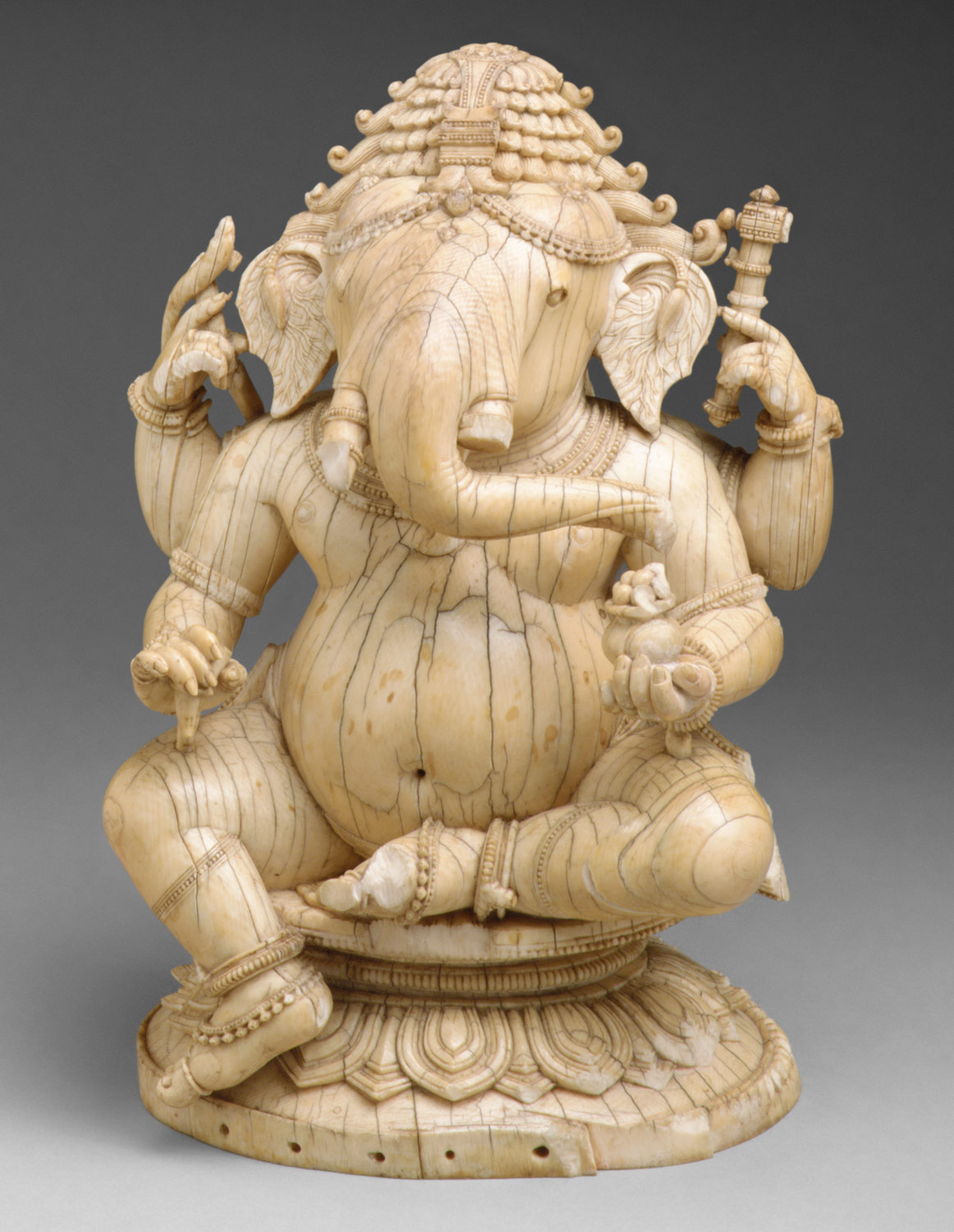
Seated Ganesha
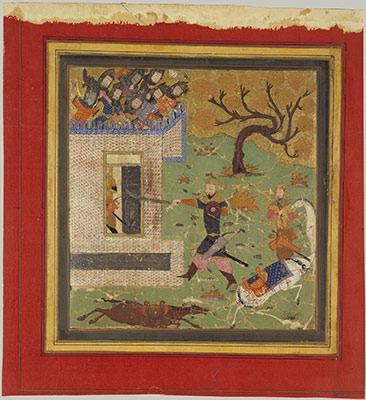
"Bizhan Forces Farud to Retreat into his Fort", Folio from a Shahnama (Book of Kings)
Devananda's Fourteen Auspicious Dreams Foretelling the Birth of Mahavira: Folio from a Kalpasutra Manuscript
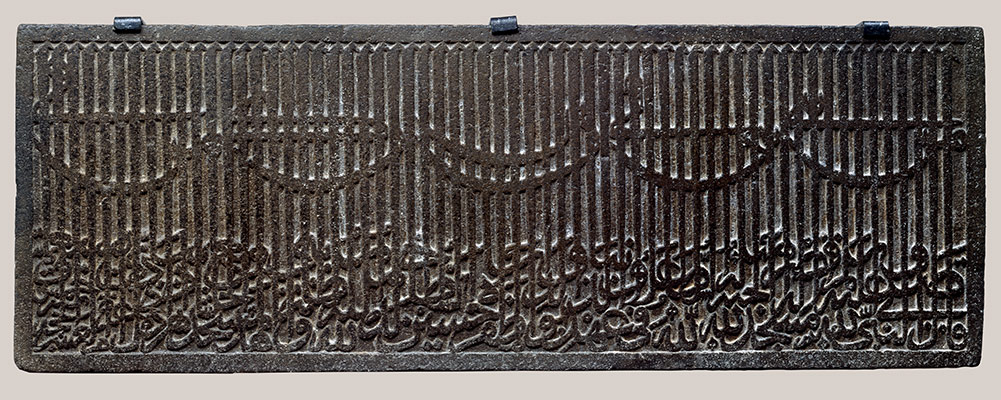
Dedicatory inscription from a mosque
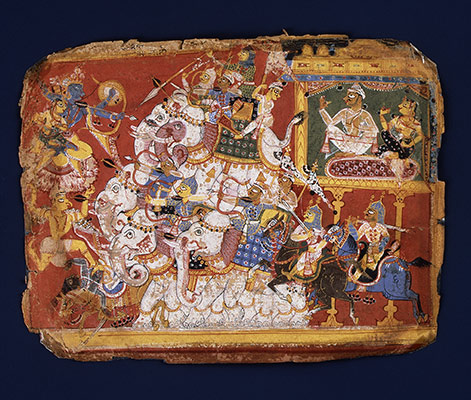
Krishna Battles the Armies of the Demon Naraka: Page from a Bhagavata Purana Manuscript
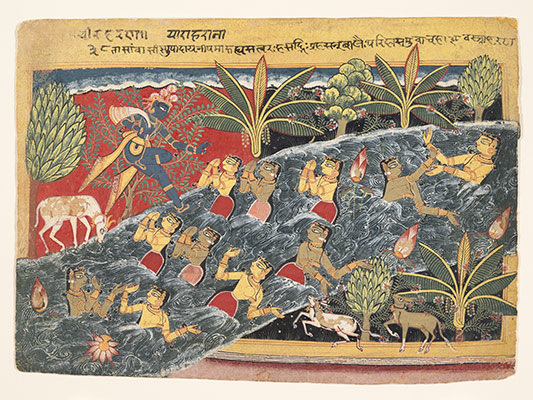
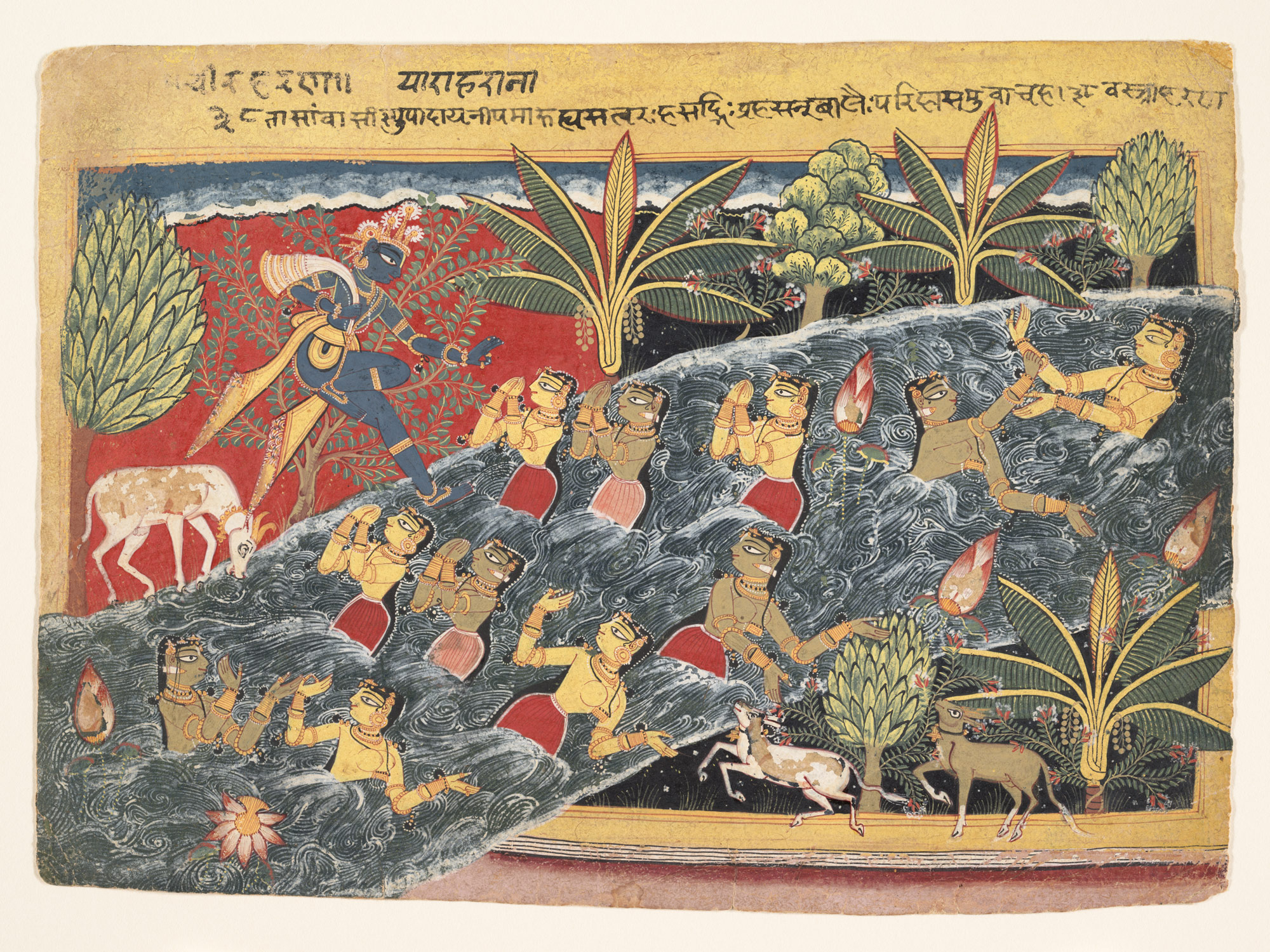
The Gopis Plead with Krishna to Return Their Clothing: Folio from "Isarda" Bhagavata Purana
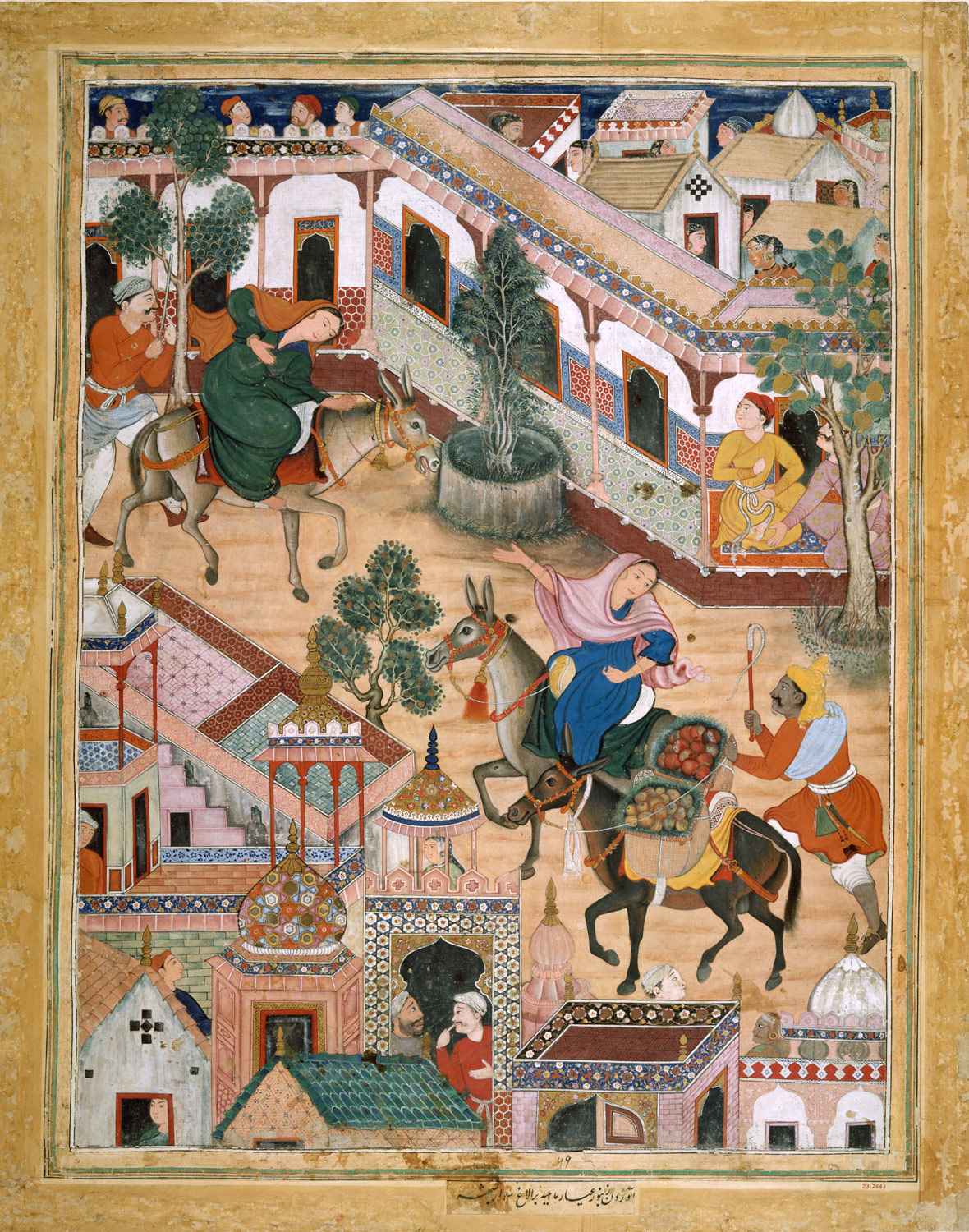
"The Spy Zambur Brings Mahiya to the City of Tawariq", Folio from a Hamzanama (Book of Hamza)
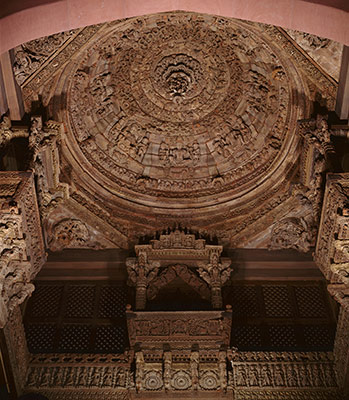
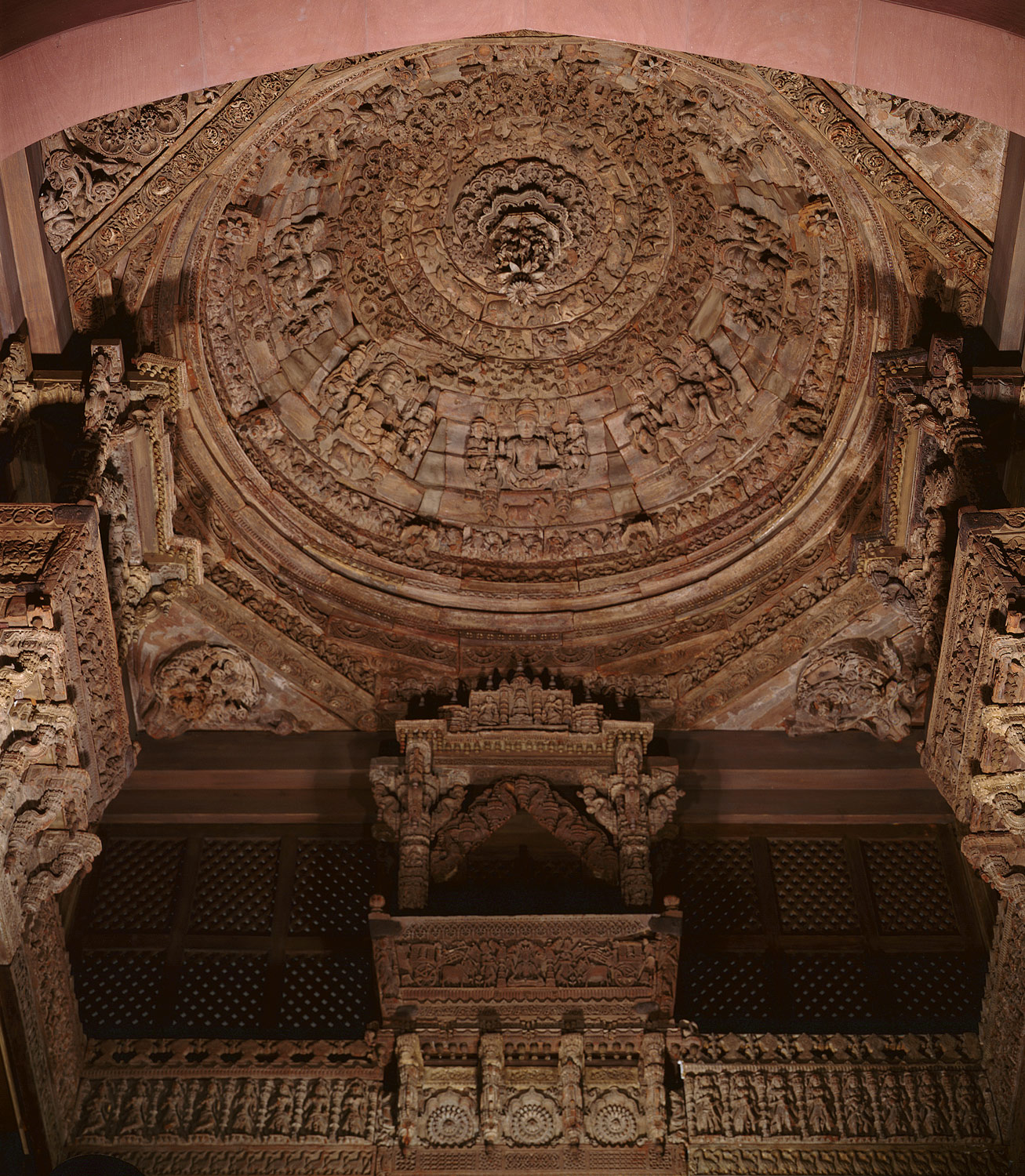
Ten Elements for East Window of an Architectural Ensemble from a Jain Meeting Hall
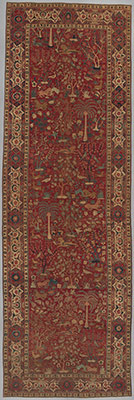
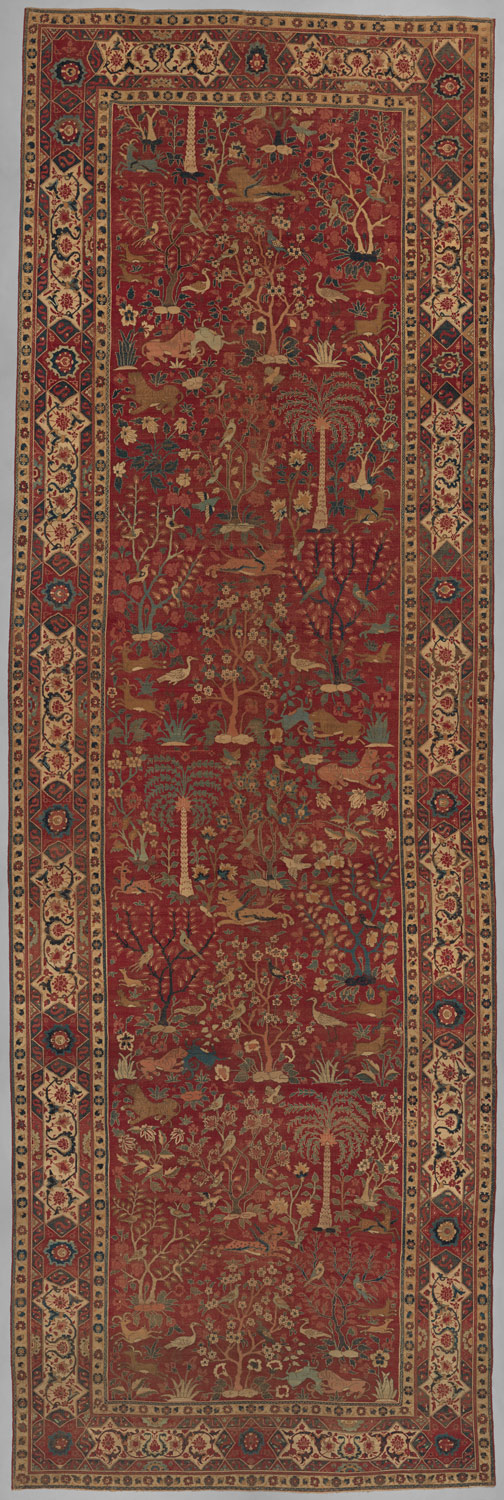
Carpet with palm trees, ibexes, and birds
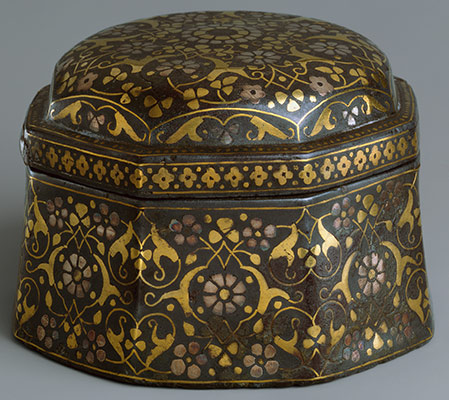
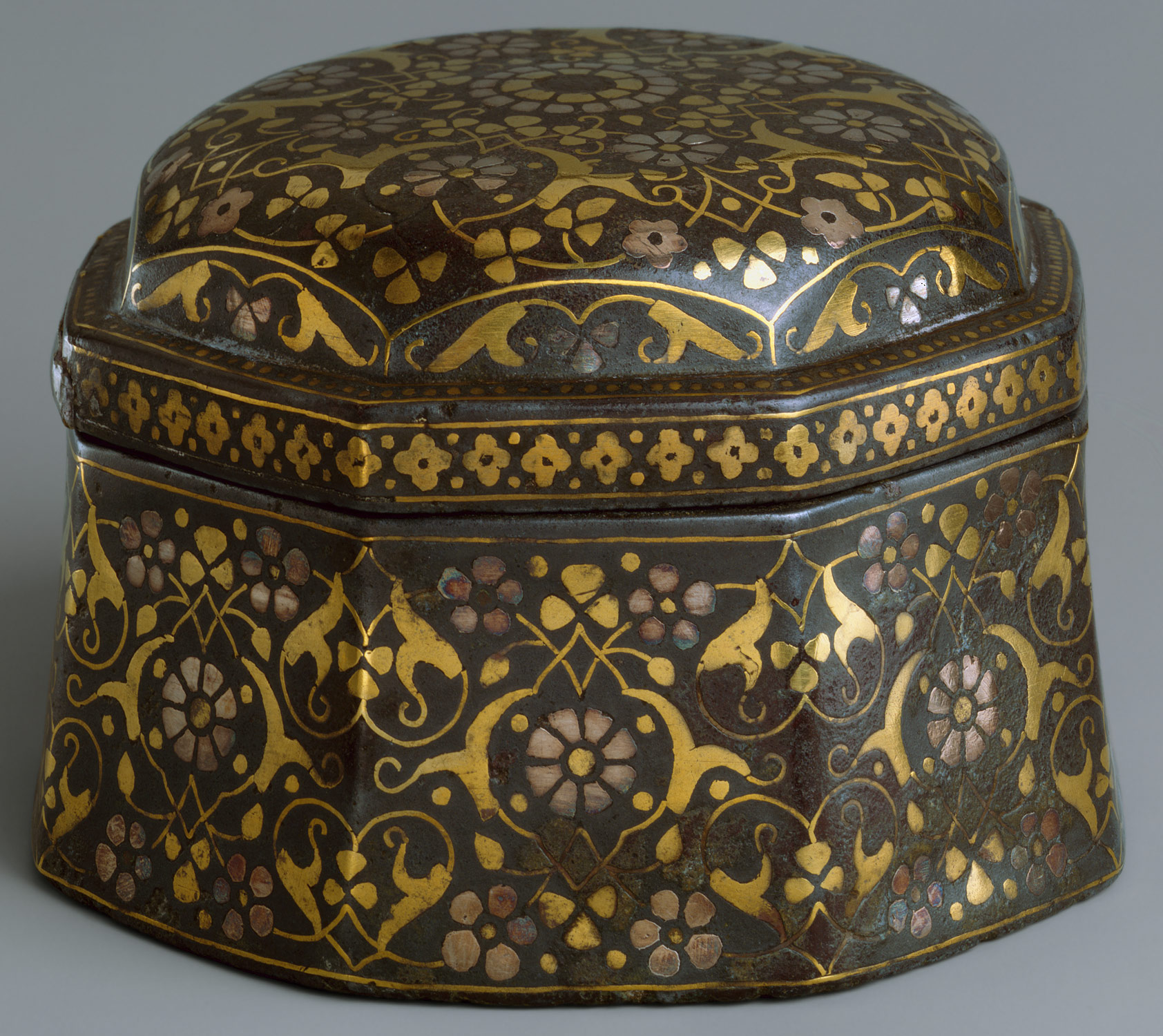
Bidri Box for Holding Pan
Heilbrunn Timeline of Art History