Seated male figure for a komien (trance diviner)
Composed of a series of interconnected geometric forms, this idealized male figure was intended to entice an unruly asye usu, or nature spirit. Kept in a diviner’s shrine room as one half of a male-female pairing, it would have served as the spirit’s seat during consultations to determine the underlying cause of a client’s concerns, including mental and physical maladies. The aesthetic quality of such instruments attests to their efficacy and to the professional standing of the diviner. This example’s refinement is evident in its intricate coiffure, composed of rows of plaits that extend into a pristine, combed bundle and terminate in a single thicker braid. Its delicate facial features are set off by radiating cicatrization marks extending from the mouth and temples. The prominent beard, further emphasized by the shell-shaped hands that frame it, underscores the wisdom and authority of the asye usu that engaged with this sculpture. Remnants of offerings to attract and appease that spirit are visible in the crook of the left arm.
Artwork Details
- Title: Seated male figure for a komien (trance diviner)
- Artist: Baule artist
- Date: Late 19th–early 20th century
- Geography: Côte d’Ivoire
- Culture: Baule peoples
- Medium: Wood, metal, pigment, plant fiber, applied organic materials
- Dimensions: H. 16 5/8 × W. 3 7/8 × D. 4 9/16 in. (42.2 × 9.8 × 11.6 cm)
Overall with mount: H. 18 7/8 × W. 4 5/8 × D. 6 1/16 in. (47.9 × 11.7 × 15.4 cm) - Classification: Wood-Sculpture
- Credit Line: Gift of Carol B. Kenney, in memory of Jerome P. Kenney, 2025
- Object Number: 2025.807.10
- Curatorial Department: The Michael C. Rockefeller Wing
More Artwork
A slider containing 5 items.
Press the down key to skip to the last item.
Press the down key to skip to the last item.
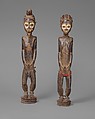
Baule artist
19th–mid-20th century
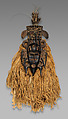
Senufo artist
19th–mid-20th century
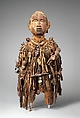
Kongo artist and nganga (ritual specialist)
19th–first half of 20th century
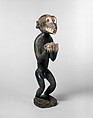
Baule artist
19th–mid-20th century
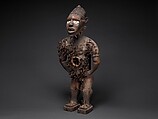
Yombe-Kongo artist and nganga (ritual specialist)
ca. 1880–1900
Research Resources
The Met provides unparalleled resources for research and welcomes an international community of students and scholars. The Met's Open Access API is where creators and researchers can connect to the The Met collection. Open Access data and public domain images are available for unrestricted commercial and noncommercial use without permission or fee.
To request images under copyright and other restrictions, please use this Image Request form.
Feedback
We continue to research and examine historical and cultural context for objects in The Met collection. If you have comments or questions about this object record, please contact us using the form below. The Museum looks forward to receiving your comments.