Search for Art
1-42 of 56 results for 370
Sort by:
Show only
Images
Date
Artist / culture
Object type / material
Match
selected filters.
Geographic location
Match
selected filters.
Department
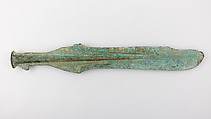
Japanese
probably 1st–2nd century CE
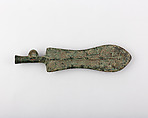
possibly Japanese
unknown
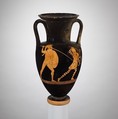
Attributed to the Dwarf Painter
ca. 440–430 BCE
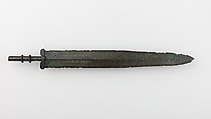
Chinese
5th–4th century BCE
Chinese, Yan kingdom
3rd century BCE
Chinese
4th–3rd century BCE
probably Central European
13th century BCE

Japanese
probably 1st–2nd century CE
Irish
1500–1400 BCE
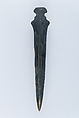
Irish
1500–1200 BCE
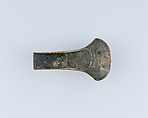
Irish
ca. 1500–1200 BCE
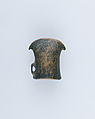
Irish
ca. 800–500 BCE
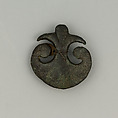
Roman-Germanic
2nd–3rd century
possibly Roman or Celtic
possibly 2nd–1st century BCE
possibly Roman or Celtic
possibly 2nd–1st century BCE
Greek or Italic
4th–1st century BCE
Germanic
2nd–3rd century
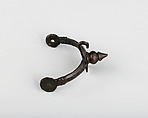
Gallo-Roman
2nd–3rd century
Celtic
2nd–1st century BCE
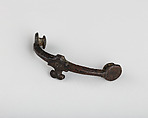
Gallo-Roman
2nd–4th century
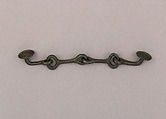
Italic
11th–7th century BCE
European
ca. 650–475 BCE
Thracian or Anatolian
3rd century BCE
Thracian or East Celtic
2nd–1st century BCE
Villanovan or Etruscan
8th–7th century BCE
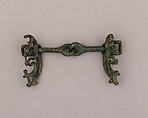
Villanovan, possibly Bologna
8th century BCE
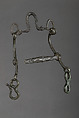
Thracian or Celtic
1st century BCE–1st century CE
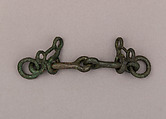
Villanovan or Estruscan
8th–7th century BCE

Italian, Lombardy
4th–5th century
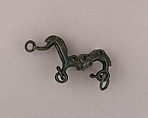
Villanovan
8th–7th century BCE
Thracian or Celtic
2nd–1st century BCE
Roman or Thracian
1st–2nd century
Iberian
5th–1st century BCE
Irish
ca. 1700–1400 BCE
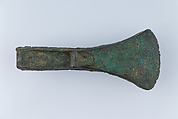
Irish
ca. 1400–1200 BCE
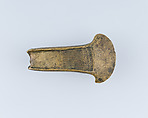
Irish
ca. 1500–1400 BCE
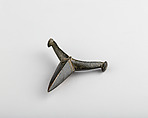
Celtic
2nd–1st century BCE
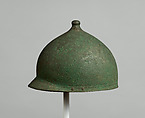
Etruscan
late 4th–early 3rd century BCE; cheekpieces, modern
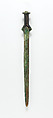
probably Central European
13th century BCE
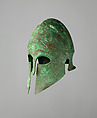
Greek
early 5th century BCE
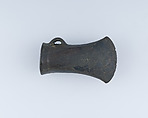
British
ca. 900 BCE
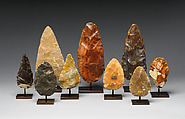
Acheulean
700,000–200,000 BCE
Content Notice
The Metropolitan Museum of Art presents over 5,000 years of art from around the world, and our online collection reflects ongoing work conducted over the course of our more than 150-year history. You may encounter objects or images that may be inappropriate for some viewers or information that may be outdated.