Search the collection

Filter By

Object Type / Material
Geographic Location
Department
Date
Show Only:
  • As part of the Met's Open Access policy, you can freely copy, modify and distribute this image, even for commercial purposes.
    APIPublic domain data for this object can also be accessed using the Met's Open Access API
  • Objects with changed or unknown ownership in continental Europe between 1933-1945. Learn more
Showing 5,769 results for Antonio Abondio
Sort by:
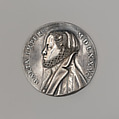
Empress Maria (1520–1603), Antonio Abondio  Italian, Silver, Italian
Antonio Abondio
1575
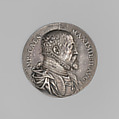
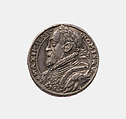
Maximillian II, Holy Roman Emperor (1527–1576), Antonio Abondio  Italian, Silver, Italian
Antonio Abondio
1575
Hieronymus Scotti, Magician and Alchemist, Antonio Abondio  Italian, Lead, cast, Italian
Antonio Abondio
1580
Portrait of a lady, Antonio Abondio  Italian, Wax, Italian
Antonio Abondio
possibly 16th century
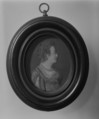
Portrait of a lady, Antonio Abondio  Italian, Wax, Italian
Antonio Abondio
possibly 16th century
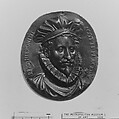
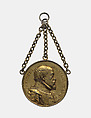
Medal:  Bust of Sebastian Zäh, Antonio Abondio  Italian, Bronze (Copper alloy, with remains of<br/>gilding; the reverse partly silvered)
Antonio Abondio
model 1572 (cast 16th century)
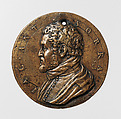
Medal:  Bust of Marco Sicco, Antonio Abondio  Italian, Bronze (copper alloy with dark brown patina over warm brown patina.)
Antonio Abondio
model ca. 1560 (probably cast 17th century)
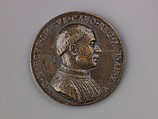
Portrait medal of Jacopo Antonio Sorra (obverse); A Nude Male Figure Shooting Arrows (reverse), Antonio Abondio  Italian, Bronze (Copper alloy with a worn, dark<br/>brown patina over a light brown patina)
Antonio Abondio
1561 (possibly contemporary cast)
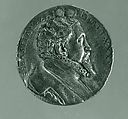
Maximilian II of Hapsburg 1527-76, Emperor 1564-76
, Antonio Abondio  Italian, Silver, old fire-gilding, Austrian or Czech
Antonio Abondio
ca. 1571
Maximilian II, Antonio Abondio  Italian, Silver, Austrian or Czech
Antonio Abondio
1570
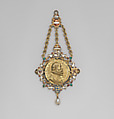
Presentation medal (Gnadenpfennig) of Maximilian, Archduke of Austria (1558–1620), Alessandro Abondio  Italian, Gold, partly enameled; pearl, Austrian, probably Vienna
Alessandro Abondio
ca. 1612
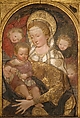
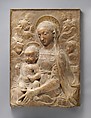
Madonna and Child with Angels, Antonio Rossellino  Italian, Marble with gilt details on halo and dress, Italian, Florence
Antonio Rossellino
ca. 1455–60
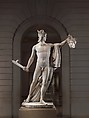
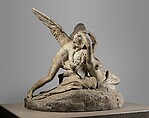
Perseus with the Head of Medusa, Antonio Canova  Italian, Marble, Italian, Rome
Antonio Canova
Count Jan and Countess Valeria Tarnowski
1804–6
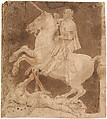
Study for the Equestrian Monument to Francesco Sforza, Antonio Pollaiuolo  Italian, Pen and brown ink, light and dark brown wash; outlines of the horse and rider pricked for transfer.
Antonio Pollaiuolo
early to mid 1480s
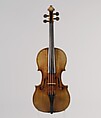
"Gould" Violin, Antonio Stradivari  Italian, Maple, spruce, ebony, Italian (Cremona)
Antonio Stradivari
1693
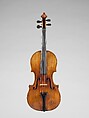
"Antonius" Violin, Antonio Stradivari  Italian, Maple, spruce, ebony, Italian (Cremona)
Antonio Stradivari
1711
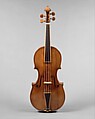
"Francesca" Violin, Antonio Stradivari  Italian, Maple, spruce, ebony, mother of pearl, Italian (Cremona)
Antonio Stradivari
1694
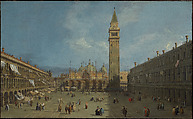
Piazza San Marco, Canaletto (Giovanni Antonio Canal)  Italian, Oil on canvas
Canaletto (Giovanni Antonio Canal)
late 1720s
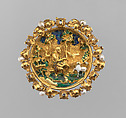
Saint John the Baptist, Antonio Pollaiuolo  Italian, Partly enameled gold set with diamonds and pearls, Italian, Florence
Antonio Pollaiuolo
probably ca. 1460–80
Tomb of Antonio Canova, Antonio Fabris  Italian, Bronze, Italian, Venice
Antonio Fabris
1827
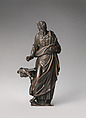
Saint John, Antonio Susini  Italian, Bronze, Italian, Florence
Antonio Susini
Giambologna
1596
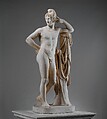
Meleager, Antonio Gai  Italian, Marble, Italian, Venice
Antonio Gai
1735
Saint Jerome in the Wilderness, Antonio Rossellino  Italian, Marble, Italian, Florence
Antonio Rossellino
ca. 1470
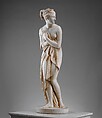
Venus Italica, Antonio Canova  Italian, Carrara marble, Italian, Rome
Antonio Canova
probably ca. 1822–23, variant of marble first executed 1810
Paris, Antonio Canova  Italian, Marble, Italian, Rome
Antonio Canova
ca. 1822–23, original marble version completed November 1812
Cupid and Psyche, Antonio Canova  Italian, Plaster, Italian, Rome
Antonio Canova
1794
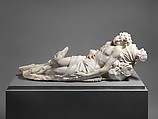
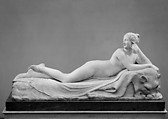
Reclining Naiad, Antonio Canova , and his studio Italian, Carrara marble, Italian, Rome
Antonio Canova
John Bligh, 4th Earl of Darnley
1819–24
Madonna and Child with Angels, Antonio Rossellino  Italian, Painted and gilt stucco; wood frame (not original to relief), Italian, Florence
Antonio Rossellino
third quarter 15th century
The crucified Christ, Antonio Susini  Italian, Bronze, Italian, Florence
Antonio Susini
Giambologna
Model: early 17th century; cast: 18th or 19th century
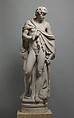
Adonis, Antonio Corradini  Italian, Carrara marble, Italian, Venice
Antonio Corradini
ca. 1723–25
Vase, Antonio Prieto  American, born Spain, Stoneware, American
Antonio Prieto
ca. 1950–55
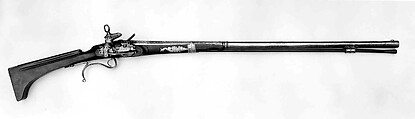
Miquelet Gun Made for Charles IV of Spain (reigned 1788–1808), Antonio Guisasola  Spanish, Steel, gold, silver, wood (walnut), Spanish, Eibar
Antonio Guisasola
Juan Navaro
dated 1796
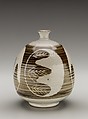
Cruet and Stopper, Antonio Salviati  Italian, Transparent topaz-tinted and dark amethyst nonlead glass. Blown, pattern molded, trailed, applied and impressed parts.
Antonio Salviati
late 19th century
Footed vessel (saltcellar?), Antonio Salviati  Italian, Topaz-tinted nonlead glass. Blown, pattern molded, applied and impressed parts, gilt.
Antonio Salviati
late 19th century
Vase, Antonio Salviati  Italian, Transparent topaz-tinted and opaque brownish white nonlead glass. Blown, pattern molded, "vetro a fili", trailed.
Antonio Salviati
probably late 19th century
Capriccio with St. Paul's and Old London Bridge, Antonio Joli  Italian, Oil on canvas
Antonio Joli
ca. 1745
Footed vase, Antonio Salviati  Italian, Colorless, opaque turquoise blue, copper flecked (goldstone or aventurine), and opalescent white nonlead glass. Blown, mold blown, trailed, "vetro a retorti", gilt.
Antonio Salviati
late 19th–early 20th century
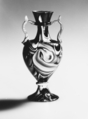
Bottle, Antonio Salviati  Italian, Colorless (slightly gray) and opaque white nonlead glass; pewter mount. Blown, "vetro a fili", trailed.
Antonio Salviati
late 19th century
Covered sweetmeat dish, Antonio Salviati  Italian, Topaz-tinted and opaque brownish white nonlead glass. Blown, pattern molded, "vetro a fili".
Antonio Salviati
probably late 19th century
Vase, Antonio Salviati  Italian, Opalescent bluish white and marbled multicolored brownish nonlead glass (strong brownish marbling on the exterior, faint bluish marbling on the interior). Blown, trailed.
Antonio Salviati
late 19th century