Search for Art

Search Tips
1-42 of 179 results for British, possibly South Staffordshire, possibly Birmingham
Sort by:
Show only
Images
Date
For BCE dates, enter a negative number. E.g. For 2000 BCE, enter -2000.
Artist / culture
Object type / material
Match
 
Show results matching
selected filters.
Geographic location
Match
 
Show results matching
selected filters.
Department
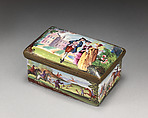
Snuffbox with gallant and two ladies on lid, stag hunt on sides, Enameled copper, British, possibly South Staffordshire, possibly Birmingham
British, possibly South Staffordshire, possibly Birmingham
ca. 1755–60
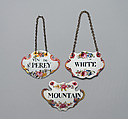
Three bottle tickets, Enamel on copper, British, possibly South Staffordshire, possibly Birmingham
British, possibly South Staffordshire, possibly Birmingham
second half of the 18th century
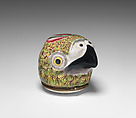
Bonbonnière in the form of a parrot's head, Enamel on copper, British, possibly South Staffordshire, possibly Birmingham
British, possibly South Staffordshire, possibly Birmingham
ca. 1770–80
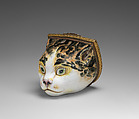
Bonbonnière in the form of a cat's head, Enamel on copper, British, possibly South Staffordshire, possibly Birmingham
British, possibly South Staffordshire, possibly Birmingham
ca. 1770–80
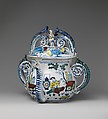
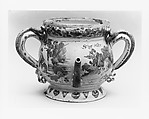
Posset pot with cover, Delftware (tin-glazed earthenware), British, Bristol
British, Bristol
ca. 1680–1710
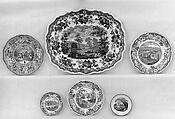
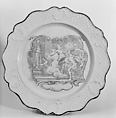
Plate, J. & G. Meakin, Staffordshire printed ware, British, Staffordshire
Factory J. & G. Meakin
19th century
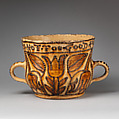
Posset pot, Lead-glazed earthenware, British, Staffordshire
British, Staffordshire
1710
Covered Bowl, Tin-glazed earthenware, Mexican
Mexican
ca. 1820
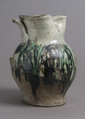
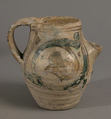
Jug, Earthenware, tin-glaze, Italian
Italian
15th century
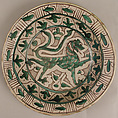
Dish, Earthenware, tin-glaze (Majolica), Italian
Italian
early 15th century
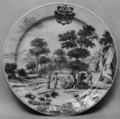
Plate, Dammas Hofdijck, Tin-glazed earthenware, Dutch, Delft
Dammas Hofdijck
Probably by Star Factory
early 18th century
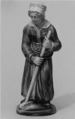
The Hay-Maker, Lead-glazed earthenware, French, Avon
French, Avon
early 17th century
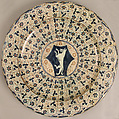
Dish, Tin-glazed earthenware, Spanish
Spanish
15th century
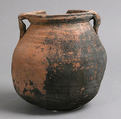
Pot, Earthenware, Coptic
Coptic
4th–7th century
Posset pot, Lambeth Factories, Tin-enameled earthenware, British
Lambeth Factories
ca. 1687
Jug, Earthenware, American
American
ca. 1800–1830
Chamber Pot, Tin-glazed earthenware, Mexican
Mexican
ca. 1865
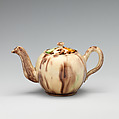
Teapot with cover, Whieldon type, Lead-glazed earthenware, probably British, Staffordshire
Style of Whieldon type
mid-18th century
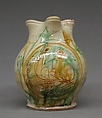
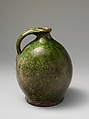
Jug, Lead-glazed earthenware, Italian
Italian
16th century
Knob, Ceramic, glaze, Iran
Iran
ca. 9th century BCE
Cream jug, Salt-glazed stoneware, British, Staffordshire
British, Staffordshire
ca. 1750
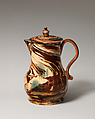
Milk pot with cover, Lead-glazed earthenware, British, Staffordshire
British, Staffordshire
ca. 1750
Hot milk pot, American Pottery Manufacturing Company  American, White glazed pottery with blue spatter, American
Manufacturer American Pottery Manufacturing Company
1833–50
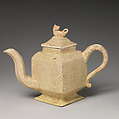
Teapot, Agateware (glazed earthenware), British, Staffordshire
British, Staffordshire
ca. 1750
Bowl, Tin-glazed earthenware, Mexican
Mexican
ca. 1840
Pitcher, Earthenware, tin-glaze (Majolica), Italian
Italian
14th century
Plate, Salt-glazed stoneware, British, Staffordshire
British, Staffordshire
ca. 1760
Ceramic Fragment, Earthenware; glazed
8th–9th century
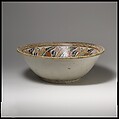
Bowl, Earthenware, Coptic
Coptic
4th–7th century
Lid, Earthenware, Coptic
Coptic
4th–7th century
Doorknob, Mottled brown earthenware, American
American
ca. 1850
Dish, Earthenware; underglaze painted
14th century
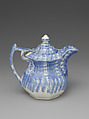
Teapot, Salt-glazed stoneware, British, Staffordshire
British, Staffordshire
ca. 1750
Fragment (part of a set), Faience (tin-glazed earthenware), French, Nevers
French, Nevers
1670–80
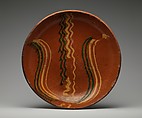
Plate, Daniel Dry , active ca. 1820-80  American, Earthenware; Redware, American
Possibly Daniel Dry , active ca. 1820-80
1820–80
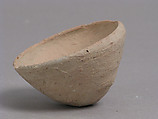
Footless Cup or Lid, Earthenware, Coptic
Coptic
4th–7th century
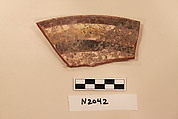
Ceramic Fragment, Earthenware; white slipped, slip-painted under a colorless glaze
8th–12th century
Pot, Earthenware, slip decoration, Coptic
Coptic
4th–7th century
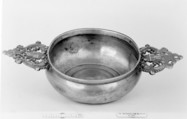
Porringer, Pewter, possibly Dutch
possibly Dutch
17th century

Content Notice

The Metropolitan Museum of Art presents over 5,000 years of art from around the world, and our online collection reflects ongoing work conducted over the course of our more than 150-year history. You may encounter objects or images that may be inappropriate for some viewers or information that may be outdated.
How are these search results?