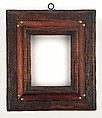
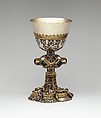
Search the collection

Filter By

Object Type / Material
Geographic Location
Department
Date
Show Only:
  • As part of the Met's Open Access policy, you can freely copy, modify and distribute this image, even for commercial purposes.
    APIPublic domain data for this object can also be accessed using the Met's Open Access API
  • Objects with changed or unknown ownership in continental Europe between 1933-1945. Learn more
Showing 7,810 results for Central European
Sort by:
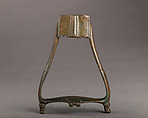
Stirrup, copper alloy, Central European
Central European
early 15th century
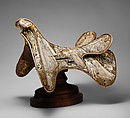
Saddle, Bovine bone (body of saddle), deer antler and bone (decorative elements), limewood, rawhide, birchbark, and metal paint, Central European
Central European
ca. 1400–1420
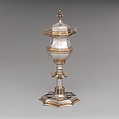
Altar Cruet, Silver and silver gilt, Central European
Central European
mid-14th century
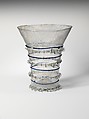
Beaker with Cobalt Trailing, Clear glass, cobalt trails, Central European
Central European
1275–1325
Chalice, Silver, partly gilded, glass, semiprecious stones(?), with filigree and other enameling, Central European
Central European
mid-15th century
Sword, Bronze, probably Central European
probably Central European
13th century BCE
Sword of the Achtkantschwert Type, Bronze, probably Central European
probably Central European
13th century BCE
A building with two floors and a red roof, Anonymous, Central European, 19th century  Central European, Watercolor
Anonymous, Central European, 19th century
19th century
Elevation for a Wall Decoration Scheme for a Church Interior with Scenes dedicated to the Legend of the Holy Cross, Anonymous, Central European, 18th century  Central European, Pen and brown ink, partially over graphite
Anonymous, Central European, 18th century
ca. 1710–30
Elevation and Floorplan of a Neoclassical Confessional, Anonymous, Central European, 18th century  Central European, Pen and black ink, brush and gray wash
Anonymous, Central European, 18th century
ca. 1760–80
Presentation Drawing of a late Baroque Altar inside a Church, Anonymous, Central European, 18th century  Central European, Pen and black and brown ink, brush and gray wash, watercolor, and metallic pigment
Anonymous, Central European, 18th century
ca. 1720–30
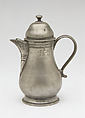
Coffeepot, Pewter, Central European
Central European
ca. 1782
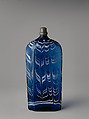
Bottle, Glass; mold-blown, applied, combed, and marbered decoration; pewter, Central European
Central European
18th century
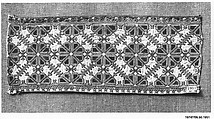
Fragment, Linen and silk, Central European
Central European
19th century
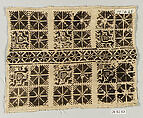
Fragment, Linen, Central European
Central European
18th century
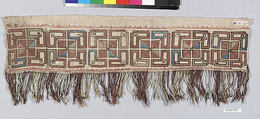
Sleeve band (?), Cotton, Central European
Central European
18th century
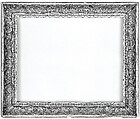
Régence-style frame, Pine back frame with pearwood upper moldings., Central European
Central European
ca. 1720
Folding Comb, Boxwood, Central European
Central European
ca. 1500
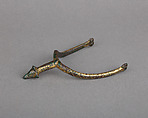
Prick Spur (Right), Copper alloy, gold, Central European
Central European
12th century
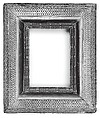
Reverse ripple cassetta frame, Pine back frame with applied ebonized pearwood upper moldings., Central European
Central European
mid-17th century
Ripple frame, Pine back frame with ebonized pearwood upper moldings., Central European
Central European
mid-to-late 17th century
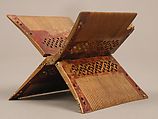
Crossbow, Wood (European hornbeam), horn, animal sinew, animal glue, birch bark, staghorn, iron alloy, hemp, leather, Central European, possibly Austria
Central European, possibly Austria
ca. 1425–75
Six Crossbow Bolts, Steel, wood (oak), staghorn, pigment, Central European, possibly German
Central European, possibly German
early 16th century; 14.25.1576g, probably 17th or 18th century
Pedestal, Wrought Iron, North or Central European
North or Central European
15th century
Anonymous, Central European, 18th century
ca. 1720–50
Chasuble back, Stamped wool velvet, Central European, probably
Central European, probably
ca. 1625
Central European
probably 15th century
Central European, possibly Germany
probably 17th or 18th century
Bird pendant, Central Region artist(s), Jadeite, Central Region
Central Region artist(s)
300–700 CE
Chasuble, Silk and metal thread on silk, Italian or Central European
Italian or Central European
18th century (needlework), cut and applied onto current support at a later date
Strip, German or Central European
German or Central European
17th century
Fragment, Needle lace, German or Central European
German or Central European
18th century (?)
Band, Cutwork, German or Central European
German or Central European
17th–18th century
Pricker (Cocking Pin), Steel, ivory (probably hippopotamus), copper alloy, Central European, probably German
Central European, probably German
late 16th–19th century
Pellet and Bolt Crossbow Combined with a Wheel-Lock Gun, Jacob Floris , published in Antwerp in 1564. Central European, Steel, wood (cherry), staghorn, hemp, felt, Central European; possibly Southern German or Austrian
Jacob Floris
ca. 1570–1600
Quiver with Eleven Crossbow Bolts, Wood (oak, probably birch), tanned hide (possibly badger), paper, leather, steel, iron alloy, Western or Central European; quiver, possibly German
Western or Central European; quiver, possibly German
quiver, probably early 16th century; bolts, 14th–16th century
Central European, probably
ca. 1625
Crossbow Bolt for War or Hunting, Steel, wood (coniferous, probably pine), Central European; German or Austrian
Central European; German or Austrian
probably late 15th or early 16th century
Crossbow, Steel, wood, staghorn, hemp, Central European, possibly southern Germany
Central European, possibly southern Germany
late 15th or early 16th century, and later; date 1584 engraved probably during the 19th century
Cranequin from the Armory of Emperor Maximilan I (reigned 1493/1508–19), Steel, wood (fruitwood, possibly pear), copper alloy, Western or Central European, the Netherlands or Austria
Western or Central European, the Netherlands or Austria
ca. 1505–19