Search the collection

Filter By

Object Type / Material
Geographic Location
Department
Date
Show Only:
  • As part of the Met's Open Access policy, you can freely copy, modify and distribute this image, even for commercial purposes.
    APIPublic domain data for this object can also be accessed using the Met's Open Access API
  • Objects with changed or unknown ownership in continental Europe between 1933-1945. Learn more
Showing 4,608 results for François Langlois
Sort by:
Young Lady's Reply to the Captain's Letter, Abraham Bosse  French, Etching; second state of two
Abraham Bosse
François Langlois
ca. 1636
Captain's Love Letter, Abraham Bosse  French, Etching; second state of two
Abraham Bosse
François Langlois
ca. 1636
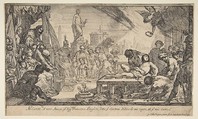
Death of St. Peter and St. Paul (Saint Pierre et Saint Paul dans le tombeau), Claude Vignon  French, Etching
Claude Vignon
François Langlois
17th century
Seven vases, the vase in the middle formed by three infants, each holding an ewer, plate 3 from "Collection of Various Vases" (Raccolta di Vasi Diversi), Stefano della Bella  Italian, Etching
Stefano della Bella
François Langlois
ca. 1650–56
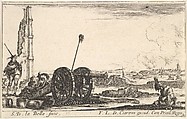
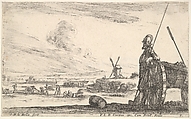
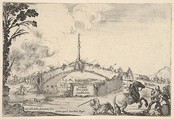
Plate 2: A cannon to the left, a town in the background, from "Various Military Caprices" (Varii capricci militari), Stefano della Bella  Italian, Etching
Stefano della Bella
François Langlois
ca. 1641
Plate 5: A Pikeman standing at right next to a canon, other military figures in the background, from "Various Military Caprices" (Varii capricci militari), Stefano della Bella  Italian, Etching
Stefano della Bella
François Langlois
ca. 1641
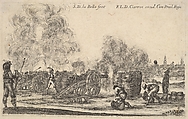
Plate 6: A battery of cannons firing on a town, from "Various Military Caprices" (Varii capricci militari), Stefano della Bella  Italian, Etching
Stefano della Bella
François Langlois
ca. 1641
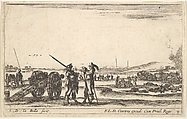
Plate 3: An officer giving orders to a soldier in centre foreground, cannon at left, from "Various Military Caprices" (Varii capricci militari), Stefano della Bella  Italian, Etching
Stefano della Bella
François Langlois
ca. 1641
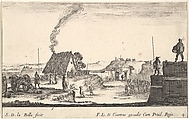
Plate 4: A military encampment with a soldier standing on a parapet to the right beating a drum, from "Various Military Caprices" (Varii capricci militari), Stefano della Bella  Italian, Etching
Stefano della Bella
François Langlois
ca. 1641
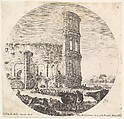
Plate 12: a shepherd sleeping on the ground, the Baths of Diocletian in the background, from "Roman landscapes and ruins" (Paysages et ruines de Rome), Stefano della Bella  Italian, Etching
Stefano della Bella
François Langlois
ca. 1643–48
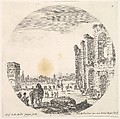
Plate 9: the Arch of Constantine to left, part of the Colosseum to right, from "Roman landscapes and ruins" (Paysages et ruines de Rome), Stefano della Bella  Italian, Etching
Stefano della Bella
François Langlois
ca. 1643–48
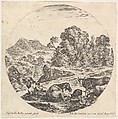
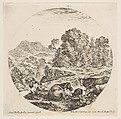
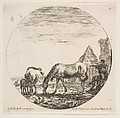
Plate 10: a horse lying down, a cow and two goats, two seated shepherds, a waterfall and a mountain in the background, from "Roman landscapes and ruins" (Paysages et ruines de Rome), Stefano della Bella  Italian, Etching
Stefano della Bella
François Langlois
ca. 1643–48
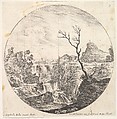
Plate 7: a triple waterfall, a dead tree to right, a mountain and a herd of cows to right in the background, from "Roman landscapes and ruins" (Paysages et ruines de Rome), Stefano della Bella  Italian, Etching
Stefano della Bella
François Langlois
ca. 1643–48
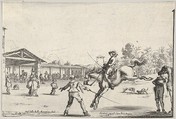
A riding school, a horseman with sword jumping directed by another man with a sword in center, a man standing next to his horse to right, various horsemen, the school, and two dogs in the background, from "Varie Figure", Stefano della Bella  Italian, Etching; first state of four
Stefano della Bella
François Langlois
ca. 1645
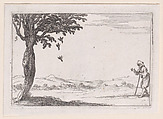
Le Corbeau et ses Petits (The Raven and his Young), plate 5 from "Lux Claustri ou La Lumière du Cloitre" (The Light of the Cloisters), Jacques Callot  French, Etching; second state of two (Lieure)
Jacques Callot
François Langlois
1621–35
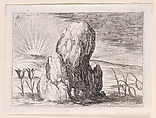
Les Tulipes et le Soleil (The Tulips and the Sun), plate 6 from "Lux Claustri ou La Lumière du Cloitre" (The Light of the Cloisters), Jacques Callot  French, Etching; second state of two (Lieure)
Jacques Callot
François Langlois
1621–35
Narcisse se Mirant dans l'Eau (Narcissus Looking at Himself in the Water), plate 22 from "Lux Claustri ou La Lumière du Cloitre" (The Light of the Cloisters), Jacques Callot  French, Etching and letterpress; second state of two (Lieure)
Jacques Callot
François Langlois
1621–35
Le Chat Guettant L'Oiseau en Cage (The Cat Watching the Bird in the Cage), plate 10 from "Lux Claustri ou La Lumière du Cloitre" (The Light of the Cloisters), Jacques Callot  French, Etching and letterpress; second state of two (Lieure)
Jacques Callot
François Langlois
1621–35
Le Serpent (The Serpent), plate 9 from "Lux Claustri ou La Lumière du Cloitre" (The Light of the Cloisters), Jacques Callot  French, Etching and letterpress; second state of two (Lieure)
Jacques Callot
François Langlois
1621–35
Le Corbeau et ses Petits (The Raven and its Young), plate 5 from "Lux Claustri ou La Lumière du Cloitre" (The Light of the Cloisters), Jacques Callot  French, Etching and letterpress; second state of two (Lieure)
Jacques Callot
François Langlois
1621–35
Les Tulipes et le Soleil (The Tulips and the Sun), plate 6 from "Lux Claustri ou La Lumière du Cloitre" (The Light of the Cloisters), Jacques Callot  French, Etching and letterpress; second state of two (Lieure)
Jacques Callot
François Langlois
1621–35
Une Sirène entre Deux Vaisseaux (A Siren between Two Ships), plate 17 from "Lux Claustri ou La Lumière du Cloitre" (The Light of the Cloisters), Jacques Callot  French, Etching; second state of two (Lieure)
Jacques Callot
François Langlois
1621–35
Le Corbeau et Le Limaçon (The Raven and the Snail), plate 8 from "Lux Claustri ou La Lumière du Cloitre" (The Light of the Cloisters), Jacques Callot  French, Etching; second state of two (Lieure)
Jacques Callot
François Langlois
1621–35
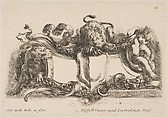
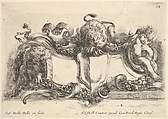
Plate 18: A cartouche containing an empty crest, two lionesses, one to left and one in center, an infant to right, from "Collection of various caprices and new inventions of cards and ornaments" (Raccolta di varii cappriccii et nove inventioni di cartelle et ornamenti), Stefano della Bella  Italian, Etching
Stefano della Bella
François Langlois
1646
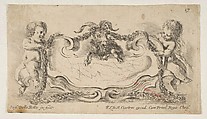
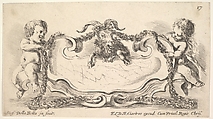
Plate 17: A cartouche with a marble center, an infant on either side holding a garland over the horns of a ram in center, from "Collection of various caprices and new inventions of cards and ornaments" (Raccolta di varii cappriccii et nove inventioni di cartelle et ornamenti), Stefano della Bella  Italian, Etching
Stefano della Bella
François Langlois
1646
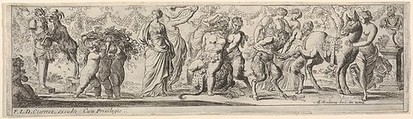
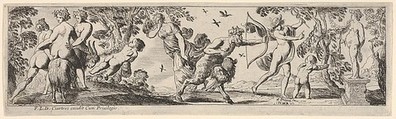
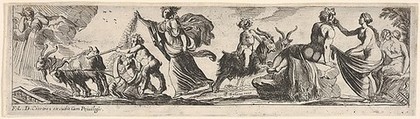
Procession of satyrs and draped figures leading two goats and cow to sacrifice, at right the figure of Pan stands on a rocky pedestal, from a series of twelve frieze-like designs showing bacchanals, sacrifices, and dances, Pierre Brebiette  French, Etching
Pierre Brebiette
François Langlois
ca. 1617–25
Eight vases, the largest one in the middle with three sculptures in the round of two nymphs and a triton, plate 2 from "Collection of Various Vases" (Raccolta di Vasi Diversi), Stefano della Bella  Italian, Etching
Stefano della Bella
François Langlois
ca. 1650–56
Six vases, and two sketches of vases on the extremities, plate 5 from "Collection of Various Vases" (Raccolta di Vasi Diversi), Stefano della Bella  Italian, Etching
Stefano della Bella
François Langlois
ca. 1650–56
Eight vases, the largest one in center with sculptures of a nymph and a faun, plate 4 from "Collection of Various Vases" (Raccolta di Vasi Diversi), Stefano della Bella  Italian, Etching
Stefano della Bella
François Langlois
ca. 1650–56
Eight vases, a clepsydra in center decorated with two skulls with laurel wreaths, plate 6 from "Collection of Various Vases" (Raccolta di Vasi Diversi), Stefano della Bella  Italian, Etching
Stefano della Bella
François Langlois
ca. 1650–56
Plate 5: a woman carrying a child on a horse to left, a camel following her, a herd of goats, sheep, and a shepherd in front of her to right, from "Roman landscapes and ruins" (Paysages et ruines de Rome), Stefano della Bella  Italian, Etching
Stefano della Bella
François Langlois
ca. 1643–48
Plate 1: various fragments of ancient monuments, from "Roman landscapes and ruins" (Paysages et ruines de Rome), Stefano della Bella  Italian, Etching
Stefano della Bella
François Langlois
ca. 1643–48
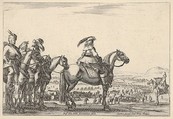
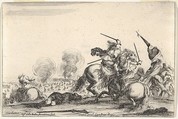
March of an army on a plain, the commander in chief in front, his aides behind him, a trumpeter on horseback at right, a plain with various figures and horses in the background, from "Varie Figure", Stefano della Bella  Italian, Etching; first state of four
Stefano della Bella
François Langlois
ca. 1645
Le Paysan Frappant son Ane (The Peasant Striking his Donkey), plate 25 from "Lux Claustri ou La Lumière du Cloitre" (The Light of the Cloisters), Jacques Callot  French, Etching and letterpress; second state of two (Lieure)
Jacques Callot
François Langlois
1621–35
Frontispiece, from "Lux Claustri ou La Lumière du Cloitre" (The Light of the Cloisters), Jacques Callot  French, Etching; second state of two (Lieure)
Jacques Callot
François Langlois
1621–35
L'Oeil Vigilant (The Watchful Eye), plate 2 from "Lux Claustri ou La Lumière du Cloitre" (The Light of the Cloisters), Jacques Callot  French, Etching; second state of two (Lieure)
Jacques Callot
François Langlois
1621–35
Le Chandelier (The Candlabra), plate 3 from "Lux Claustri ou La Lumière du Cloitre" (The Light of the Cloisters), Jacques Callot  French, Etching; second state of two (Lieure)
Jacques Callot
François Langlois
1621–35
Plate 5: a woman carrying a child on a horse to left, a camel following her, a herd of goats, sheep, and a shepherd in front of her to right, from "Roman landscapes and ruins" (Paysages et ruines de Rome), Stefano della Bella  Italian, Etching
Stefano della Bella
François Langlois
ca. 1643–48
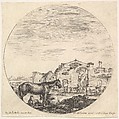
La Religieuse Tenant La Sainte Croix (The Nun Holds the Cross), plate 21 from "Lux Claustri ou La Lumière du Cloitre" (The Light of the Cloisters), Jacques Callot  French, Etching and letterpress; second state of two (Lieure)
Jacques Callot
François Langlois
1621–35
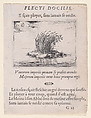
Le Soleil Levant (The Rising Sun), plate 19 from "Lux Claustri ou La Lumière du Cloitre" (The Light of the Cloisters), Jacques Callot  French, Etching and letterpress; second state of two (Lieure)
Jacques Callot
François Langlois
1621–35