Search the collection

Filter By

Object Type / Material
Geographic Location
Department
Date
Show Only:
  • As part of the Met's Open Access policy, you can freely copy, modify and distribute this image, even for commercial purposes.
    APIPublic domain data for this object can also be accessed using the Met's Open Access API
  • Objects with changed or unknown ownership in continental Europe between 1933-1945. Learn more
More than 10,000 results for G. W. Smith
Sort by:
Multiple artists/makers
1853
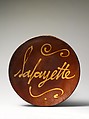
Plate, Asa Edward Smith  American, Earthenware; Redware with slip decoration, American
Asa Edward Smith
Smith Pottery
ca. 1825
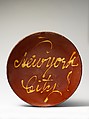
Plate, Asa Edward Smith  American, Earthenware; Redware with slip decoration, American
Asa Edward Smith
Smith Pottery
ca. 1825–50
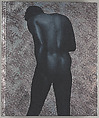
[Waterfront Scene with Collaged Elements: Reclining Woman, Self-Portrait], David Smith  American, Gelatin silver print
David Smith
1932–35
Ming Smith, Ming Smith  American
Multiple artists/makers
2020
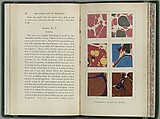
The Whole Art of Marbling as Applied to Paper, Book Edges, etc., Charles W. Woolnough  British, Illustrated book, London: G. Bell, 1881
Charles W. Woolnough
1881
Tea Canister, Joseph Smith , active 1760s American, Earthenware; Redware, American
Joseph Smith
1769
Teapot, Eben Smith, Pewter
Eben Smith
1800–1850
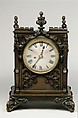
Mantel Clock, H. Smith, Bronze
H. Smith
ca. 1845
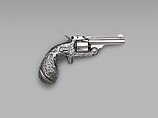
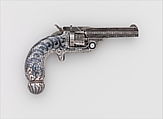
Smith and Wesson .32 Caliber Single-Action Revolver, serial no. 94421, Smith & Wesson  American, Steel, silver, niello, nickel, American, Springfield, Massachusetts and New York
Smith & Wesson
Tiffany & Co.
1892–93
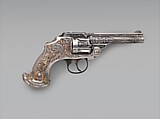
Smith and Wesson .38 Caliber Safety Third Model Double-Action Revolver, serial no. 83097, with Case, Smith & Wesson  American, Steel, silver, enamel, nickel, wood, leather, copper alloy, gold, American, Springfield, Massachusetts and New York
Smith & Wesson
Tiffany & Co.
1892–93
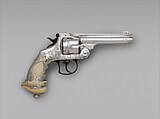
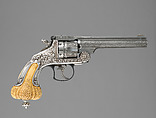
Smith and Wesson .44 Double-Action Revolver for George Jay Gould (1864–1923), serial no. 23402, with Case and Cleaning Brush, Smith & Wesson  American, Steel, silver, ivory, wood, paper, textile, leather, gold, copper alloy, iron, silver substitute, fiber, American, Springfield, Massachusetts and New York
Smith & Wesson
Tiffany & Co.
1888–89
Smith and Wesson .32 Caliber Single-Action Revolver, serial no. 17156, Smith & Wesson  American, Steel, silver, copper-platinum-iron alloy, nickel, American, Springfield, Massachusetts and New York
Smith & Wesson
Tiffany & Co.
1881–1902
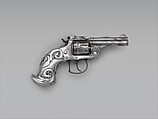
Smith and Wesson .38 Caliber Double-Action Revolver, serial no. 70002, Smith & Wesson  American, Steel, nickel, silver, American, Springfield, Massachusetts and New York
Smith & Wesson
Tiffany & Co.
1882–83
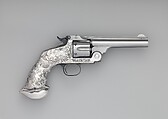
Smith and Wesson .44 New Model No. 3 Single-Action Revolver, serial no. 25120, Smith & Wesson  American, Steel, silver, nickel, American, Springfield, Massachusetts and New York
Smith & Wesson
Tiffany & Co.
ca. 1888
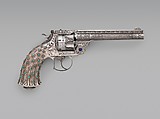
Smith and Wesson New Model No. 3, .44 Caliber Double-Action Navy Revolver, serial no. 23060, Smith & Wesson  American, Steel, silver, turquoise, lapis lazuli, American, Springfield, Massachusetts and New York
Smith & Wesson
Tiffany & Co.
ca. 1891–92
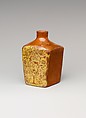
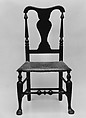
Side chair, Michael Smith  American, Maple, ash, American
Michael Smith
1775–1800
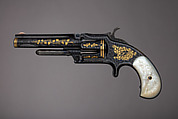
Smith & Wesson Model 1 ½ Second Issue Revolver (serial no. 30451) with Case, Smith & Wesson  American, Steel, silver, gold, mother of pearl, brass, wood, velvet, American
Smith & Wesson
Gustave Young
1869
Smith & Wesson .44 Double-Action Frontier Model Revolver decorated by Tiffany & Co. (serial no. 8401), with Case and Cleaning Rod, Smith & Wesson  American, Steel, silver, ivory, textile (chamois), wood (California laurel), American, Springfield, Massachusetts and New York
Smith & Wesson
Tiffany & Co.
ca. 1893
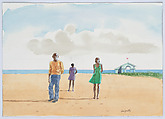
Tanktotem II, David Smith  American, Steel and bronze
David Smith
1952–53
Parting, Hughie Lee-Smith  American, Watercolor and graphite on paper
Hughie Lee-Smith
1994
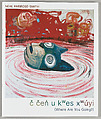
Neal Ambrose Smith :  C cen u kwes xwuyi (where are you going?), Neal Ambrose-Smith  American
Neal Ambrose-Smith
Missoula Art Museum
2021
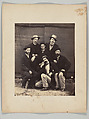
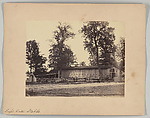
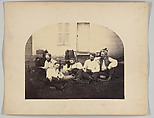
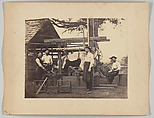
Chief Quartermaster with Assistants, Camp Nelson, Kentucky, G. W. Foster  American, Albumen silver print from glass negative
G. W. Foster
F. Glessner
1863–64
Clerks of 2nd Quartermaster, Camp Nelson, Kentucky, G. W. Foster  American, Albumen silver print from glass negative
G. W. Foster
F. Glessner
1863–64
Chief Quartermaster Office, Camp Nelson, Kentucky, G. W. Foster  American, Albumen silver print from glass negative
G. W. Foster
F. Glessner
1863–64
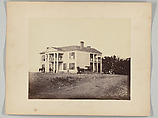
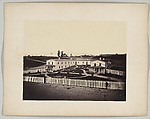
White House, Camp Nelson, Kentucky, G. W. Foster  American, Albumen silver print from glass negative
G. W. Foster
F. Glessner
1863–64
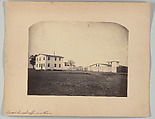
Provost Marshall’s Office and Prison, Camp Nelson, Kentucky, G. W. Foster  American, Albumen silver print from glass negative
G. W. Foster
F. Glessner
1863–64
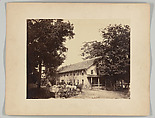
Mess House, Camp Nelson, Kentucky, G. W. Foster  American, Albumen silver print from glass negative
G. W. Foster
F. Glessner
1863–64
Capt. Hall’s Stables, Camp Nelson, Kentucky, G. W. Foster  American, Albumen silver print from glass negative
G. W. Foster
F. Glessner
1863–64
Soldier’s Home, Camp Nelson, Kentucky, G. W. Foster  American, Albumen silver print from glass negative
G. W. Foster
F. Glessner
1863–64
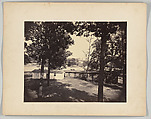
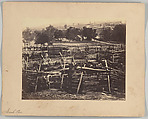
Mule Pen, Camp Nelson, Kentucky, G. W. Foster  American, Albumen silver print from glass negative
G. W. Foster
F. Glessner
1863–64
Mule Stock, Camp Nelson, Kentucky, G. W. Foster  American, Albumen silver print from glass negative
G. W. Foster
F. Glessner
1863–64
[Self-Portrait[?] with Lens Board, Camp Nelson, Kentucky], G. W. Foster  American, Albumen silver print from glass negative
G. W. Foster
F. Glessner
1863–64
[Optometrist and his Wares], G. W. Tromater  American, Gelatin silver print
G. W. Tromater
ca. 1895
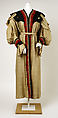
Coat, G. Wildes Smith of Boston  American, silk, American
G. Wildes Smith of Boston
1901–4
Sugar Bowl, R. G.  American, Silver, American
R. G.
1795–1810
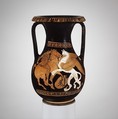
Terracotta pelike (jar), Group G, Terracotta, Greek, Attic
Group G
3rd quarter of the 4th century BCE
Cup and Saucer, F. G.  American, Porcelain, American
F. G.
ca. 1910–15
New York Harbor with Brooklyn Bridge, G. Baker  American, Oil on canvas, American
G. Baker
after 1869
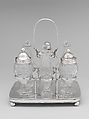
Cruet stand, Lewis and Smith  American, Silver, American
Lewis and Smith
ca. 1805–11