Search the collection

Filter By

Object Type / Material
Geographic Location
Department
Date
Show Only:
  • As part of the Met's Open Access policy, you can freely copy, modify and distribute this image, even for commercial purposes.
    APIPublic domain data for this object can also be accessed using the Met's Open Access API
  • Objects with changed or unknown ownership in continental Europe between 1933-1945. Learn more
Showing 400 results for Koma Kōryū
Sort by:
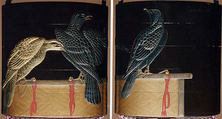
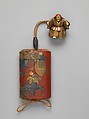
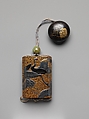
Inrō with Hawks on Perches, Koma Kōryū  Japanese, Black lacquer ground with gold and silver togidashi, takamaki-e and hiramaki-e, red lacquer, and applied gold and silver foil<br/>Netsuke: gourd; guri lacquer, silver ring and stopper in chrysanthemum shape<br/>Ojime: butterfly and flower; cloisonné bead, Japan
Koma Kōryū
19th century
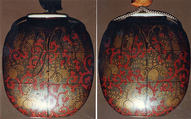
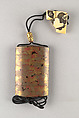
Case (Inrō) in Shape of Tea Caddy in Its Brocade Cover, Koma Kōryū  Japanese, Lacquer, silver ground, gold, black and red togidashi, ivory lid; Interior: nashiji and fundame, Japan
Koma Kōryū
19th century
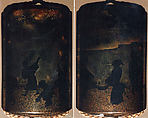
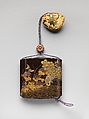
Case (Inrō) with Design of People Catching Fireflies, Koma Kōryū  Japanese, Roiro (waxen) lacquer with decoration in togidashi sprinkled and polished lacquer and nashiji (pear-skin) lacquer; Interior: nashiji and fundame; Ojime: metal (zogan) inlay with spider; Netsuke: carved wood with stone inlay of snail on broken roof tile, Japan
Koma Kōryū
19th century
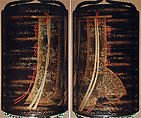
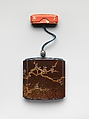
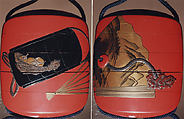
Case (Inrō) with Design of Curtains of State and a Woman's Fan, Koma Kōryū  Japanese, Roiro (waxen) lacquer with decoration in togisashi sprinkled and polished lacquer; Ojime: gold lacquer bead; Netsuke: ivory "Dream of a Clam", Japan
Koma Kōryū
late 18th–19th century
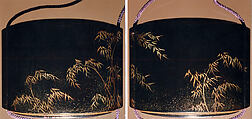
Saya Inrō with Bamboo Grove (exterior) and Rooster with Hen (interior), Koma Sadahide  Japanese, Sheath shape; lacquered wood with gold and silver togidashimaki-e on black lacquer ground Netsuke: sage lashing his back with a fly whisk; wood with coral and ivory inlay Ojime: bronze bead with metal inlay of flowers, Japan
Koma Sadahide
second half of the 18th century
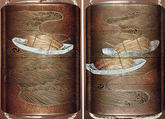
Case (Inrō) with Design of Sheaves of Rice in Boats, Koma School  Japanese, Gold maki-e with mother-of-pearl inlay and black lacquer <br/>Ojime: ivory <br/>Netsuke: carved bone with moon and goose, Japan
Koma School
19th century
Inrō with Peacocks and Flowers, Koma Yasutada  Japanese, Black lacquer and nashiji ground with gold and silver iroe togidashi and hiramaki-e<br/>Netsuke: Kintarō with forest animals on peach stone; ivory, mother-of-pearl, tortoise shell <br/>Ojime: melon; red bronze with iron and gilding, Japan
Koma Yasutada
19th century
Case (Inrō) with Design of Clamshells and Fireflies, Koma Yasutada  Japanese, Case: powdered gold and silver (maki-e) and gold foil on red lacquer with mother-of-pearl inlay; Fastener (ojime): silver with design of bird and flowers in gold; Toggle (netsuke): carved ivory and colored lacquer with design of Daikoku in ivory and carnelian inlays, Japan
Koma Yasutada
late 18th century
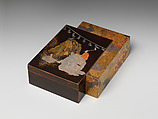
Incense Box with Scene from Noh Play Kokaji

, Koma School  Japanese, Black lacquer with gold, silver, and red hiramaki-e and togidashimaki-e, Japan
Koma School
second half of the 19th century
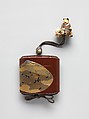
Inrō with Bird on a Blossoming Plum Tree, Koma Yasutada  Japanese, Black lacquer and nashiji ground with gold and silver iroe togidashi maki-e<br/>Netsuke: box with plovers; red lacquer ground with gold and brown hiramaki-e<br/>Ojime: bead with flowers; shibuichi and enamel, Japan
Koma Yasutada
19th century
Case (Inrō ) with Design of a Gourd Vine, Koma Yasutada  Japanese, Case: gold, colored lacquer, gold leaf, and gold foil on red lacquer; Fastener (ojime): metal with design of flowers and insects; Toggle (netsuke): ivory and lacquer carved in the shape of a Noh dancer, Japan
Koma Yasutada
18th century
Inrō with Inrō and Fan, Koma Kyūhaku V  Japanese, Four cases; lacquered wood with gold, black, red lacquer takamaki-e, hiramaki-e, tgidashimaki-e on red lacquer ground; Netsuke: carved ivory; beans; Ojime: metal bead with insects, Japan
Koma Kyūhaku V
late 18th century
Inrō with Cranes and Pines, Koma Kyūhaku V  Japanese, Gold togidashi lacquer ground with gold and silver takamaki-e and hiramaki-e, and black and red lacquer<br/>Netsuke: hat and mask; lacquer on wood <br/>Ojime: jade bead, Japan
Koma Kyūhaku V
18th century
Inrō with Autumn Ivy

, Koma Kyūhaku VI  Japanese, Four cases; lacquered wood with gold, silver, and color (iroko) togidashimaki-e on black lacquer ground<br/>Netsuke: ivory; folded letter decorated with paulownia and Genji incense symbols <br/>Ojime: oblong bead; gilt bronze with openwork design of autumn flowers, Japan
Koma Kyūhaku VI
early 19th century
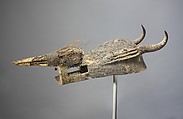
Kòmò Helmet Mask (Kòmòkun), Bamana numu (blacksmith), Wood, bird skull, porcupine quills, horns, nails, cotton, sacrificial material, Bamana Peoples, Kòmò or Kòma Power Association
Bamana numu (blacksmith)
19th–mid-20th century
Kòmò Helmet Mask (Kòmòkun), Bamana numu (blacksmith), Wood, encrustation, quills, feathers, horns, bird skull, Bamana Peoples, Kòmò or Kòma Power Association
Bamana numu (blacksmith)
19th–mid-20th century
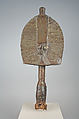
Reliquary, Kota artist, Wood, cane, pigment, raffia palm, leaves, copper alloy, resin, primate skull, spire shell, Kota peoples
Kota artist
19th–first half of 20th century
Chair, Ray Komai  American, Plywood, cherry wood, steel, rubber
Ray Komai
JG Furniture Co., Inc, New York, NY
1949
Miniature Mask, Loma artist, Wood, metal, Loma peoples (?)
Loma artist
late 19th–mid-20th century
Reliquary figure, Mbete-Kota artist, Wood, pigment, metal, cowrie shells, Kota peoples, Mbete group
Mbete-Kota artist
19th century
Boho na bwete (face of the ancestor), Mahongwe-Kota artist, Wood, copper alloy sheet, copper alloy sheet-wire filaments, copper-alloy wire, iron and copper-alloy nails, Kota peoples, Mahongwe group
Mahongwe-Kota artist
1879–early 20th century
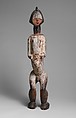
Pouch for miniature masks, Loma artist(s), Leather, pigment, Loma or Toma peoples
Loma artist(s)
19th–first half 20th century
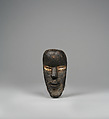
Miniature Mask, Loma artist(s), Wood, metal, cowrie shells, applied organic materials, Loma or Toma peoples
Loma artist(s)
19th–first half 20th century
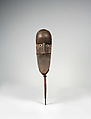
Miniature Mask, Loma artist(s), Wood, cloth, metal, cowries, applied organic materials, Loma or Toma peoples
Loma artist(s)
19th–first half 20th century
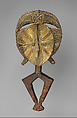
Mbulu ngulu (image of the dead), Obamba(?)–Kota artist, Wood, copper alloy, iron, Kota peoples
Obamba(?)–Kota artist
Late 19th–early 20th century
Seiroku Noma
1954
Seiroku Noma
1942
Boli (power figure), Bamana Initiate, Komo association, Wood, cloth, beads, applied organic materials, Bamana peoples
Bamana Initiate, Komo association
early 20th century
Boli (power object), Bamana Initiate, Komo association, Wood, applied organic materials, Bamana
Bamana Initiate, Komo association
Early 20th century
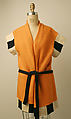
Beachwear, Albertina-Roma  Italian, wool, leather, plastic (vinyl), Italian
Albertina-Roma
Albertina Giubbolini
1971
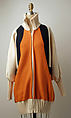
Beachwear, Albertina-Roma  Italian, wool, plastic (vinyl), Italian
Albertina-Roma
Albertina Giubbolini
1971
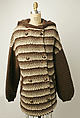
Ensemble, Albertina-Roma  Italian, wool, leather, Italian
Albertina-Roma
Albertina Giubbolini
1978
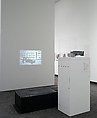
Barber Shop (1936), Kota Ezawa  German, Chromogenic transparency
Kota Ezawa
2004
The History of Photography Remix, Kota Ezawa  German, 35mm chromogenic slide projection
Kota Ezawa
2004–6
Blindman's Buff, Komar & Melamid  American, Oil on canvas
Multiple artists/makers
1982–83
The Chinese Poet Pan Lang on a Donkey, Kano Kōya  Japanese, Hanging scroll; ink on paper, Japan
Kano Kōya
17th century
"Departing Summer" (Yuku natsu), Horii Kōha  Japanese, Two-panel screen; ink and color on silk, Japan
Horii Kōha
1932
Mvudi (mask), Aduma or Mbete-Kota artist, Wood, pigment, kaolin, Aduma peoples
Aduma or Mbete-Kota artist
19th–first half of 20th century
Finial (Yaba) for a Ceremonial House, Wood, paint, Kwoma
Kwoma
early to mid-20th century
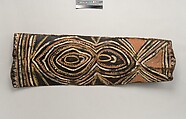
Painting from a Ceremonial House Ceiling, Yagari, Seseriman village, Sago palm petiole, paint, Kwoma
Yagari, Seseriman village
Artists of Mariwai Village
1973