Search the collection

Filter By

Object Type / Material
Geographic Location
Department
Date
Show Only:
  • As part of the Met's Open Access policy, you can freely copy, modify and distribute this image, even for commercial purposes.
    APIPublic domain data for this object can also be accessed using the Met's Open Access API
  • Objects with changed or unknown ownership in continental Europe between 1933-1945. Learn more
Showing 911 results for Koma School
Sort by:
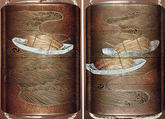
Case (Inrō) with Design of Sheaves of Rice in Boats, Koma School  Japanese, Gold maki-e with mother-of-pearl inlay and black lacquer <br/>Ojime: ivory <br/>Netsuke: carved bone with moon and goose, Japan
Koma School
19th century
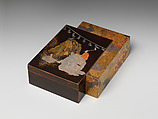
Incense Box with Scene from Noh Play Kokaji

, Koma School  Japanese, Black lacquer with gold, silver, and red hiramaki-e and togidashimaki-e, Japan
Koma School
second half of the 19th century
Sword Guard (Tsuba), Hirata School  Japanese, Copper-gold alloy (shakudō), gold, enameled cloisonné (shippō), copper, Japanese
Hirata School
ca. 1615–1868
Sword Guard (Tsuba), Kyōsukashi School  Japanese, Iron, copper, Japanese
Kyōsukashi School
late 16th century
Hevajra Mandala, Sakya School, Ink and distemper on cloth, Tibet
Sakya School
16th century
Amusements at Higashiyama in Kyoto, Kano School  Japanese, Pair of six-panel folding screens; ink, color, gold, mica, and gold leaf on paper, Japan
Kano School
ca. 1620s
Case (Inrō) with Design of Clamshells and Fireflies, Koma Yasutada  Japanese, Case: powdered gold and silver (maki-e) and gold foil on red lacquer with mother-of-pearl inlay; Fastener (ojime): silver with design of bird and flowers in gold; Toggle (netsuke): carved ivory and colored lacquer with design of Daikoku in ivory and carnelian inlays, Japan
Koma Yasutada
late 18th century
Case (Inrō ) with Design of a Gourd Vine, Koma Yasutada  Japanese, Case: gold, colored lacquer, gold leaf, and gold foil on red lacquer; Fastener (ojime): metal with design of flowers and insects; Toggle (netsuke): ivory and lacquer carved in the shape of a Noh dancer, Japan
Koma Yasutada
18th century
Case (Inrō) with Design of Curtains of State and a Woman's Fan, Koma Kōryū  Japanese, Roiro (waxen) lacquer with decoration in togisashi sprinkled and polished lacquer; Ojime: gold lacquer bead; Netsuke: ivory "Dream of a Clam", Japan
Koma Kōryū
late 18th–19th century
Case (Inrō) with Design of People Catching Fireflies, Koma Kōryū  Japanese, Roiro (waxen) lacquer with decoration in togidashi sprinkled and polished lacquer and nashiji (pear-skin) lacquer; Interior: nashiji and fundame; Ojime: metal (zogan) inlay with spider; Netsuke: carved wood with stone inlay of snail on broken roof tile, Japan
Koma Kōryū
19th century
Inrō with Hawks on Perches, Koma Kōryū  Japanese, Black lacquer ground with gold and silver togidashi, takamaki-e and hiramaki-e, red lacquer, and applied gold and silver foil<br/>Netsuke: gourd; guri lacquer, silver ring and stopper in chrysanthemum shape<br/>Ojime: butterfly and flower; cloisonné bead, Japan
Koma Kōryū
19th century
Case (Inrō) in Shape of Tea Caddy in Its Brocade Cover, Koma Kōryū  Japanese, Lacquer, silver ground, gold, black and red togidashi, ivory lid; Interior: nashiji and fundame, Japan
Koma Kōryū
19th century
Inrō with Peacocks and Flowers, Koma Yasutada  Japanese, Black lacquer and nashiji ground with gold and silver iroe togidashi and hiramaki-e<br/>Netsuke: Kintarō with forest animals on peach stone; ivory, mother-of-pearl, tortoise shell <br/>Ojime: melon; red bronze with iron and gilding, Japan
Koma Yasutada
19th century
Inrō with Bird on a Blossoming Plum Tree, Koma Yasutada  Japanese, Black lacquer and nashiji ground with gold and silver iroe togidashi maki-e<br/>Netsuke: box with plovers; red lacquer ground with gold and brown hiramaki-e<br/>Ojime: bead with flowers; shibuichi and enamel, Japan
Koma Yasutada
19th century
Saya Inrō with Bamboo Grove (exterior) and Rooster with Hen (interior), Koma Sadahide  Japanese, Sheath shape; lacquered wood with gold and silver togidashimaki-e on black lacquer ground Netsuke: sage lashing his back with a fly whisk; wood with coral and ivory inlay Ojime: bronze bead with metal inlay of flowers, Japan
Koma Sadahide
second half of the 18th century
The Betrayal of Christ, School of Nottingham  British, Alabaster with paint and gilding, British
School of Nottingham
15th century
The Entombment, School of Nottingham  British, Alabaster, British
School of Nottingham
15th century
Inrō with Cranes and Pines, Koma Kyūhaku V  Japanese, Gold togidashi lacquer ground with gold and silver takamaki-e and hiramaki-e, and black and red lacquer<br/>Netsuke: hat and mask; lacquer on wood <br/>Ojime: jade bead, Japan
Koma Kyūhaku V
18th century
Inrō with Autumn Ivy

, Koma Kyūhaku VI  Japanese, Four cases; lacquered wood with gold, silver, and color (iroko) togidashimaki-e on black lacquer ground<br/>Netsuke: ivory; folded letter decorated with paulownia and Genji incense symbols <br/>Ojime: oblong bead; gilt bronze with openwork design of autumn flowers, Japan
Koma Kyūhaku VI
early 19th century
Inrō with Inrō and Fan, Koma Kyūhaku V  Japanese, Four cases; lacquered wood with gold, black, red lacquer takamaki-e, hiramaki-e, tgidashimaki-e on red lacquer ground; Netsuke: carved ivory; beans; Ojime: metal bead with insects, Japan
Koma Kyūhaku V
late 18th century
Sword Guard (Tsuba), Akasaka school  Japanese, Iron, copper, Japanese
Akasaka school
18th century
Sword Guard (<i>Tsuba</i>), Mino school  Japanese, Copper-gold alloy (probably <i>shakudō</i>), gold, Japanese
Mino school
late 17th–early 18th century
Sword Guard (Tsuba), Hagi school  Japanese, Iron, Japanese
Hagi school
16th century
Scenes from the Tales of Ise (Ise monogatari), Tosa School  Japanese, Set of album leaf paintings; ink and color on paper (shikishi), Japan
Tosa School
late 18th century
Memorial Picture, Folwell School  American, Silk with embroidered silk and metallic threads, paper, sequins, and painted, American
Folwell School
1803
Sword Guard (Tsuba), Katchūshi school  Japanese, Iron, copper, Japanese
Katchūshi school
15th century
The Daoist Immortal Liezi 

, Kano School  Japanese, Set of four sliding-door panels; ink, color, gold, and gold leaf on paper, Japan
Kano School
ca. 1606
Appreciation of Painting, from a set of the Four Accomplishments, Kano School  Japanese, Four of eight panels mounted on sliding-door panels; ink, color, gold, and gold leaf on paper, Japan
Kano School
ca. 1606
The Battle of Yashima, from The Tale of the Heike (Heike monogatari), Tosa School  Japanese, One of a pair of six-panel folding screens; ink, color, gold, and gold leaf on paper, Japan
Tosa School
17th century
Misty Landscape, Kano School  Japanese, Hanging scroll; ink on paper, Japan
Kano School
early 19th century
Case (Inrō) with Design of Cherry-Blossom Viewing, Kajikawa School, Lacquer decorated with togidashi sprinkled and polished lacquer; Ojime: stone bead with silver bird inlay; Netsuke: metal button engraved with figure of Fukurokuju, Japan
Kajikawa School
late 18th–19th century
Birds and Flowers of the Twelve Months with Chinese Calligraphy, Kano School  Japanese, Pair of six-panel folding screens; ink and color and gold leaf on paper, Japan
Kano School
16th century; sheets of poetry, one dated 1553
Pine Tree (obverse); Landscape (reverse), Kano School  Japanese, Two-panel folding screen; ink, color, and gold on paper (obverse); ink and color on paper (reverse side), Japan
Kano School
17th century
Scenes from Tales of Ise (Ise monogatari), Tosa School  Japanese, Set of album leaf paintings; ink and color on paper (shikishi), Japan
Tosa School
late 18th century
Case (Inrō) with Design of Imperial Cart and Flying Herons (obverse); Court Carriage and Flying Herons (reverse), Kajikawa School, Gold and silver maki-e with mother-of-pearl inlay and black lacquer; Ojime: agate bead; Netsuke: metal king of hell, Japan
Kajikawa School
19th century
Case (Inrō) with Design of Six Immortal Poets, Kajikawa School, Gold and silver maki-e with black and red lacquer relief and mother-of-pearl inlay; Ojime: bronze Bodhidharma; Netsuke: carved lacquer Chinese children and auspicious symbols, Japan
Kajikawa School
19th century
Scene from The Tale of Genji: Chapter 4, "Evening Face" (Yūgao), Tosa School  Japanese, Matted painting; ink and color on silk, Japan
Tosa School
17th century
Procession of the Emperor and His Suite, Kano School  Japanese, One of a set of two handscrolls; ink and color on paper, hand-tinted, Japan
Kano School
1626
Violin Bow, Amsterdam School  Dutch, Snakewood, ivory, horsehair, European
Amsterdam School
ca. 1740
Chair, Amsterdam School  Dutch, Oak with ebonized parts
Amsterdam School
ca. 1925