中文 (简体)
捐赠会员资格门票
我们正在努力尽快翻译此页面。感谢您的理解。

Search for Art

Search Tips
13 results for akshobhya
Sort by:
Show only
Images
Date
For BCE dates, enter a negative number. E.g. For 2000 BCE, enter -2000.
–
Artist / culture
Object type / material
Match
 
Show results matching
selected filters.
Geographic location
Match
 
Show results matching
selected filters.
Department
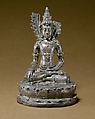
Seated Transcendent Buddha Akshobhya (?), Silver, Indonesia (Java)
Indonesia (Java)
second half of the 10th century
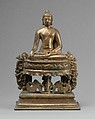
Lotus-Enthroned Buddha Akshobhya, the Transcendent Buddha

, Bronze, Bangladesh (probably Comilla District)
Bangladesh (probably Comilla District)
8th–early 9th century
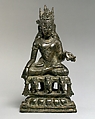
Akshobhya, the Transcendent Buddha of the East, Bronze with silver and copper overlays, Pakistan (Northwest Frontier Province, Swat Valley)
Pakistan (Northwest Frontier Province, Swat Valley)
9th century
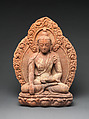
Akshobhya, the Buddha of the Eastern Pure Land, Terracotta, Nepal
Nepal
16th–17th century
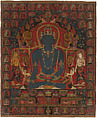
The Transcendent Buddha Akshobhya, Unidentified ; Newari working in Tibet, Distemper on cloth, Central Tibet
Unidentified
13th or early 14th century
Akshobhya, the Transcendent Buddha of the East, Copper with gold paint, Nepal (Kathmandu Valley)
Nepal (Kathmandu Valley)
12th century
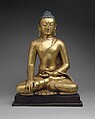
Buddha Shakyamuni or Akshobhya, the Buddha of the East, Gilt copper, Tibet
Tibet
11th–12th century
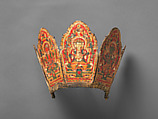
Ritual Crown with the Five Transcendent Buddhas, Opaque watercolor and gold on board, Tibet
Tibet
late 14th–early 15th century
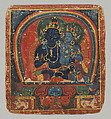
Initiation Card (Tsakalis): Akshobya, Opaque watercolor on paper, Tibet
Tibet
early 15th century
Vajrabhairava with His Consort Vajravetali 
, Distemper on cloth, Tibet
Tibet
18th century
Forehead Ornament for a Deity, Gold, diamonds, rubies, emeralds, sapphires, garnet, lapis lazuli, coral, shell, mother of pearl, pearl, amber, and turquoise, Newari, for the Nepalese or Tibetan market
Newari, for the Nepalese or Tibetan market
17th–19th century
Manjushri, the Bodhisattva of Transcendent Wisdom, Silk appliqué with damask, satin, brocade, and leather substrate with silver finish and embroidery with silk cord, China
China
17th–18th century
The Bodhisattva Five-Topknot Monju (Manjushri) (Gokei Monju Bosatsu zō), Unidentified artist, Hanging scroll; ink, color, gofun, gold pigment, and kirikane (cut gold leaf) on silk, Japan
Unidentified artist
probably 18th century

Content Notice

The Metropolitan Museum of Art presents over 5,000 years of art from around the world, and our online collection reflects ongoing work conducted over the course of our more than 150-year history. You may encounter objects or images that may be inappropriate for some viewers or information that may be outdated.