English
DonateMembershipTickets

Search for Art

Search Tips
1-42 of 621 results for indian textile dye
Sort by:
Show only
Images
Date
For BCE dates, enter a negative number. E.g. For 2000 BCE, enter -2000.
Artist / culture
Object type / material
Match
 
Show results matching
selected filters.
Geographic location
Match
 
Show results matching
selected filters.
Department
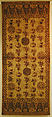
Length of cotton "chintz", Cotton, painted resist and mordant, dyed, Indian, Coromandel Coast, for export market
Indian, Coromandel Coast, for export market
first quarter 18th century
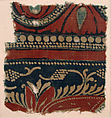
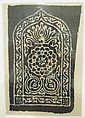
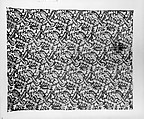
Textile Fragment, Cotton, plain weave; mordant and resist dyed
16th–17th century
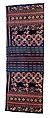
Fragment of a Panel, Cotton, Toraja people
Toraja people
late 19th–early 20th century
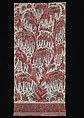
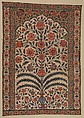
Palampore, Cotton; plain weave, mordant painted and dyed, resist dyed
late 18th century
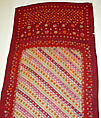
Length, Cotton, India
India
early 20th century
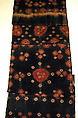
Panel, Silk, Sumatra
Sumatra
mid-19th–early 20th century
Ceremonial Textile (Mawa' or Maa'), Cotton, Toraja
Toraja
19th–early 20th century
Textile with a Forested Landscape, Cotton, painted resist and block-printed mordant, dyed, India (Gujarat), for the Indonesian market
India (Gujarat), for the Indonesian market
late 14th–early 15th century
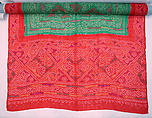
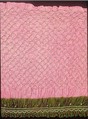
Sari, Silk
20th century
Bed hanging, blue-resist textile, Cotton, painted and block-printed resist, dyed, Indian textile for American market
Indian textile for American market
ca. 1725–75
Piece, Silk, Japan
Japan
19th century
Panel, Santo Bufalo  American, Cotton
Designer Santo Bufalo
Sarong (Kain Panjang), Cotton, Javanese
Javanese
late 19th–early 20th century
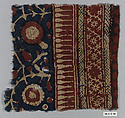
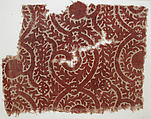
Textile Fragment, Cotton, plain weave; block-printed and/or painted, mordant and resist dyed
16th century
Chintz strip, Cotton, painted and dyed, Indian, for the European market
Indian, for the European market
ca. 1700
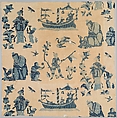
Piece, blue-resist textile, Cotton, painted and block-printed resist, dyed, Indian textile for American market
Indian textile for American market
ca. 1725–75
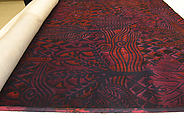
"Bas Relief" Textile, Jack Lenor Larsen  American, Cotton
Designer Jack Lenor Larsen
1969
Waterlillies 105, Jack Lenor Larsen  American, Cotton
Jack Lenor Larsen
Textile Fragment, Cotton; block-printed and resist dyed
probably 15th–16th century
Textile, Fay Halpern  American, Silk
Designer Fay Halpern
1971
Sarong (Kain Lepas), Cotton, Javanese
Javanese
mid-19th–early 20th century
Textile Fragment, Cotton, plain weave; block-printed, mordant dyed
14th–15th century
Panel, blue-resist textile, Cotton, painted and block-printed resist, dyed, Indian textile for American market
Indian textile for American market
ca. 1725–75
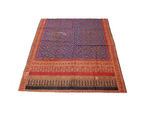
Skirt Cloth (Pha Nung), partial, Resist- and mordant-dyed plain-weave cotton, India (for Thai market)
India (for Thai market)
18th–early 19th century
Panel, Cotton; plain weave; mordant painted and dyed, resist dyed (kalamkari)
late 18th–early 19th century
Piece, Cotton, bast fiber, silk, Japan
Japan
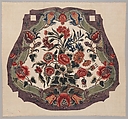
Chair seat cover, Cotton, painted resist and mordant, dyed, with overpainting, Indian, possibly western, for the European market
Indian, possibly western, for the European market
1725–50
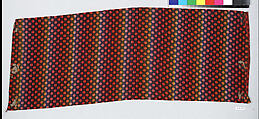
Piece, Cotton, Russian
Russian
late 19th century
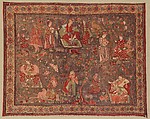
Kalamkari Rumal, Cotton; plain weave, mordant painted and dyed, resist dyed
ca. 1640–50
Woman's Skirt (Kain Lepas), Cotton, Probably Roti Island
Probably Roti Island
late 19th–early 20th century
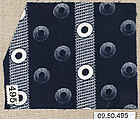
Piece (one of 13), Cotton, German
German
19th century
Piece, Cotton, German
German
19th century
Textile sample, Unknown Designer, Silk
Designer Unknown Designer
Manufacturer J. Claude Frères & Co.
ca. 1900
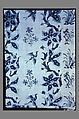
Panel, blue-resist textile, Cotton, painted and block-printed resist, dyed, Indian textile for American market
Indian textile for American market
ca. 1725–75
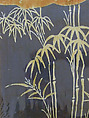
Textile, cotton, Indonesia
Indonesia
20th century
Shawl, cotton, American
American
ca. 1969
Ceremonial Textile (Sarita), Cotton, Toraja
Toraja
19th–early 20th century
Sarong (Kain Lepas), Cotton, Javanese
Javanese
mid-19th–early 20th century
Textile Fragment, Cotton; plain weave, stamp resist dyed
probably 15th–16th century

Content Notice

The Metropolitan Museum of Art presents over 5,000 years of art from around the world, and our online collection reflects ongoing work conducted over the course of our more than 150-year history. You may encounter objects or images that may be inappropriate for some viewers or information that may be outdated.
How are these search results?