Search the collection

Filter By

Object Type / Material
Geographic Location
Department
Date
Show Only:
  • As part of the Met's Open Access policy, you can freely copy, modify and distribute this image, even for commercial purposes.
    APIPublic domain data for this object can also be accessed using the Met's Open Access API
  • Objects with changed or unknown ownership in continental Europe between 1933-1945. Learn more
More than 10,000 results for possibly Italian
Sort by:
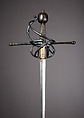
Rapier, Steel, wood, iron, possibly Italian
possibly Italian
ca. 1575–80
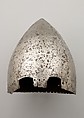
Bascinet, Steel, possibly Italian
possibly Italian
ca. 1325–50
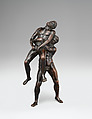
Hercules and Antaeus, Bronze, with red-brown natural patina, and remains of dark brown lacquer., possibly Italian
possibly Italian
probably 19th century
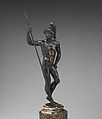
Torch-bearing arm, Bronze, traces of gilding, Possibly Italian
Possibly Italian
late 16th century?
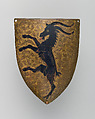
Messenger Badge and Shield, Iron, copper, bronze, gold, enamel, possibly Italian
possibly Italian
badge, 1400–1450; shield, ca. 1800
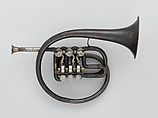
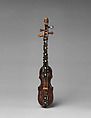
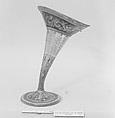
Soprano Helicon in B-flat, Brass, nickel-silver, possibly Italian
possibly Italian
mid-19th century
Dwarf as a Turkish Pasha, Capodimonte Porcelain Manufactory  Italian, Soft-paste porcelain, possibly Italian, Naples
Capodimonte Porcelain Manufactory
ca. 1745–50
Piece, Silk and linen, possibly Italian
possibly Italian
17th century
Piece, Silk, possibly Italian
possibly Italian
1625–35
Fragment, Silk, possibly Italian
possibly Italian
18th century
Altar frontal (?), Tape and needle lace, possibly Italian
possibly Italian
17th century
Needle case, Bronze, possibly Italian
possibly Italian
17th century
Piece, Silk and hemp, possibly Italian
possibly Italian
ca. 1710
Armor for a Youth, Steel, leather, textile, possibly Italian
possibly Italian
ca. 1570–80 and later
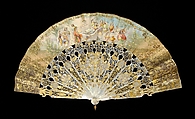
Fan, Mother-of-pearl, paper, metal, metallic, possibly Italian
possibly Italian
1860–69
Snuffbox, Gold, mother-of-pearl, enamel, possibly Italian
possibly Italian
late 17th–early 18th century
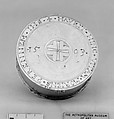
Pyx, Silver and silver gilt, possibly Italian
possibly Italian
16th century
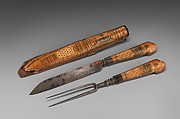
Knife, fork and scabbard, Straw on wood, and steel, possibly Italian
possibly Italian
18th–19th century
Ferdinand I (?), King of the Two Sicilies, 1751–1825, Wax, colored, possibly Italian
possibly Italian
late 18th century
Whet-steel, Steel, possibly Italian
possibly Italian
18th century
Table knife, Steel, gold, ivory, possibly Italian
possibly Italian
16th century
Box, Tortoiseshell, gold, possibly Italian
possibly Italian
19th century (?)
Piero I Medici (1464–69), Massimiliano Soldani  Italian, Bronze, possibly Italian
Massimiliano Soldani
17th–18th century
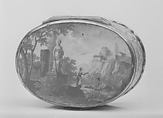
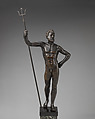
Neptune, Bronze, possibly Italian
possibly Italian
16th century
Youthful Hercules, Bronze with traces of gilding, possibly Italian
possibly Italian
possibly 16th century
Bearded military personage, Bronze, possibly Italian
possibly Italian
17th century
Box, Porcelain, copper gilt, possibly Italian
possibly Italian
third quarter 18th century
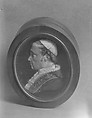
Piece of flatware (from a group of 64 sets), Porcelain, possibly Italian
possibly Italian
19th century
Equestrian statuette, possibly of Philip IV, King of Spain, Pietro Tacca  Italian, Bronze, on later wood base, Possibly Italian
Pietro Tacca
17th century, cast possibly 19th century
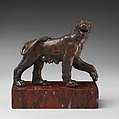
Female panther, Bronze, possibly Italian
possibly Italian
17th century
Renaissance-style statuette group of Victory of Virtue over Vice, Bronze, possibly Italian
possibly Italian
19th or early 20th century
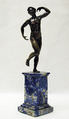
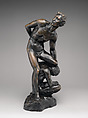
Standing Nude Male, Bronze, possibly Italian
possibly Italian
16th–17th century (?)
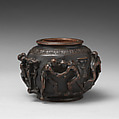
Vase with scenes of wrestling, Bronze, possibly Italian
possibly Italian
18th–19th century
Piece, Silk, possibly Italian
possibly Italian
16th century
Fragment, Silk and metal thread on silk, possibly Italian
possibly Italian
late 18th century
Piece, Silk and metal thread on silk, possibly Italian
possibly Italian
late 18th century (?)
Passementerie, Metal thread, possibly Italian
possibly Italian
17th century (?)
Galloon, possibly Italian
possibly Italian
17th century (?)
Band, Linen, possibly Italian
possibly Italian
18th century
Medal, Savelli Sperandio  Italian, Bronze, possibly Italian
Savelli Sperandio
1450–99