Search the collection

Filter By

Object Type / Material
Geographic Location
Department
Date
Show Only:
  • As part of the Met's Open Access policy, you can freely copy, modify and distribute this image, even for commercial purposes.
    APIPublic domain data for this object can also be accessed using the Met's Open Access API
  • Objects with changed or unknown ownership in continental Europe between 1933-1945. Learn more
More than 10,000 results for probably Northern German
Sort by:
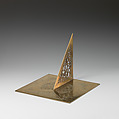
Stationary horizontal sundial, Brass, probably Northern German
probably Northern German
late 18th century
Book of the Gospels, Northern Highlands artist, Parchment (vellum), acacia wood, tempera, ink
Northern Highlands artist
late 14th–early 15th century
Mäsqälä qǝddase (liturgical cross), Northern Highlands artist, Bronze, Northern Highlands region
Northern Highlands artist
13th–14th century
Processional Cross, Northern Highlands artist, Brass, Northern Highlands region
Northern Highlands artist
14th–15th century
Mäsqälä qǝddase (liturgical cross), Northern Highlands artist, Copper, Central or Northern Highlands region
Northern Highlands artist
15th century
Cruet, Transparent amber and opaque white nonlead glass. Blown, trailed, combed., probably northern European (probably German)
probably northern European (probably German)
late 17th century
Inkwell, Transparent dark green glass. Blown, pattern molded., Northern European (probably German)
Northern European (probably German)
17th century
Crossbow of Count Ulrich V of Württemberg (1413–1480), Heinrich Heid von Winterthur  probably Swiss, Wood (European hornbeam), horn, animal sinew, staghorn, birch bark, iron alloy, copper alloy, pigment, German, probably Stuttgart
Heinrich Heid von Winterthur
dated 1460
Helm for the Joust of Peace (<i>Stechhelm</i>), Steel, copper alloy, German, probably Nuremberg
German, probably Nuremberg
ca. 1500
Pendant (one of a pair), Silver, niello, and gilt silver, probably Northern Italian
probably Northern Italian
second half 15th century
Pendant (one of a pair), Silver, niello, and gilt silver, probably Northern Italian
probably Northern Italian
second half 15th century
Pendant (one of a pair), Silver, niello, and gilt silver, probably Northern Italian
probably Northern Italian
second half 15th century
Kablé (buffalo helmet mask), Northern Tussian or Siemu blacksmith, Ceiba(?) wood, cane, fiber, Northern Tussian or Siemu
Northern Tussian or Siemu blacksmith
19th–first quarter 20th century
Yäʿğğ mäsqäl (hand cross), Northern Highlands artist, Wood, metal, Tigray region
Northern Highlands artist
18th century
Mäsqälä qǝddase (liturgical cross), Northern Highlands artist, Bronze, Tigrinya peoples
Northern Highlands artist
12th–13th century
Icon triptych of Ewosṭatewos and eight of his disciples, Northern Highlands artist, Wood, tempera, cord, Amhara
Northern Highlands artist
late 17th century
Portrait of a Man of the Moncheaux Family, Northern French Painter  French, Oil on wood
Northern French Painter
Wall painting of the Virgin and Child with donors, Northern Highlands artist, Pigment over gesso on canvas
Northern Highlands artist
ca. 1800
The force is with our people, Museum of Northern Arizona
Museum of Northern Arizona
Standing Cup with Neptune on a Seahorse, Green agate and silver gilt., probably German
probably German
second half 19th century
Silhouettes of husband and wife, with eight children, said to represent the Von Baer family, Glass, reverse-painted and gilt (verre églomisé); gilt wood frame, probably German
probably German
late 18th century
Kneeling Black woman, Brazilian rosewood; pedestal: lapis lazuli, marble and gilded metal, probably German
probably German
early 17th century
Double flasks, Glass, probably German
probably German
18th century
Dish with figures in a landscape, Tin-glazed earthenware with cobalt blue pigment (Delftware), probably German
probably German
late 17th century
Rapier, Steel, silver, iron, probably German
probably German
early 17th century
Smallsword, Silver, steel, gold, textile, probably German
probably German
ca. 1750–60
Hand-and-a-Half Sword, Steel, copper alloy, probably German
probably German
ca. 1400–1430
Julius Geuder von Heroldsberg (1531–1594), Johann Philipp von der Pütt  German, Silver, probably German
Johann Philipp von der Pütt
ca. 1591
Beaker, Colorless (slightly purplish gray) nonlead glass. Blown, pattern molded., Northern European (probably Germany)
Northern European (probably Germany)
17th century
Adoration of the Magi, German , Middle Rhine(?), active ca. 1470-90, Oil and gold on beech panel, German, Middle Rhine(?)
German
ca. 1470–90
Incense burner, Bronze, Northern Italian, probably Padua
Northern Italian, probably Padua
ca. 1530–40
Toilet set in original leather case, Fourteen identified German (Augsburg) goldsmiths and other German artisans; Japanese (Imari) porcelain maker, Gilt silver, hard-paste porcelain, cut glass, walnut, carved and partially gilt coniferous wood, blind-tooled and partially gilt leather, partially gilt steel and iron, textiles, moiré paper, hog's bristle, German, Augsburg
Fourteen identified German (Augsburg) goldsmiths and other German artisans; Japanese (Imari) porcelain maker
ca. 1743–45
Box, Oak, Northern German
Northern German
17th–18th century
Piece, Drawnwork, Northern German
Northern German
18th century
Rapier, Steel, silver, gold, brass, iron, Northern European, probably German
Northern European, probably German
blade dated 1620
Dish: The Destruction of the Hosts of Pharaoh, Master IC (probably Jean Court) or French, Limoges, Painted enamel on copper, partly gilt.
Master IC (probably Jean Court)
Jean Cour (or Court)
probably early 17th century
Italian Peasant Woman with Basket on her Head, Northern European Artist Working in Italy Northern European, Graphite on buff wove paper with blue fibers
Northern European
1820–40
Guitar, Hermann Hauser  German, Spruce, rosewood, mahogany, bone or ivory, ebony, German
Hermann Hauser
1937
Folding stool, Oak decorated with marquetry including walnut, bog oak, maple, green-stained poplar, and other woods, Northern German or Polish
Northern German or Polish
early 17th century
Aquamanile in the Form of Samson and
the Lion, Bronze; quaternary copper alloy (approx. 78% copper, approx. 10% zinc, approx. 6% tin, approx. 5% lead) with natural patina. Remnants of the iron armature are in the lion’s legs and the figure of Samson., Northern European (?), possibly German
Northern European (?), possibly German
ca. 1380–1400