Photograph Conservation
About Us
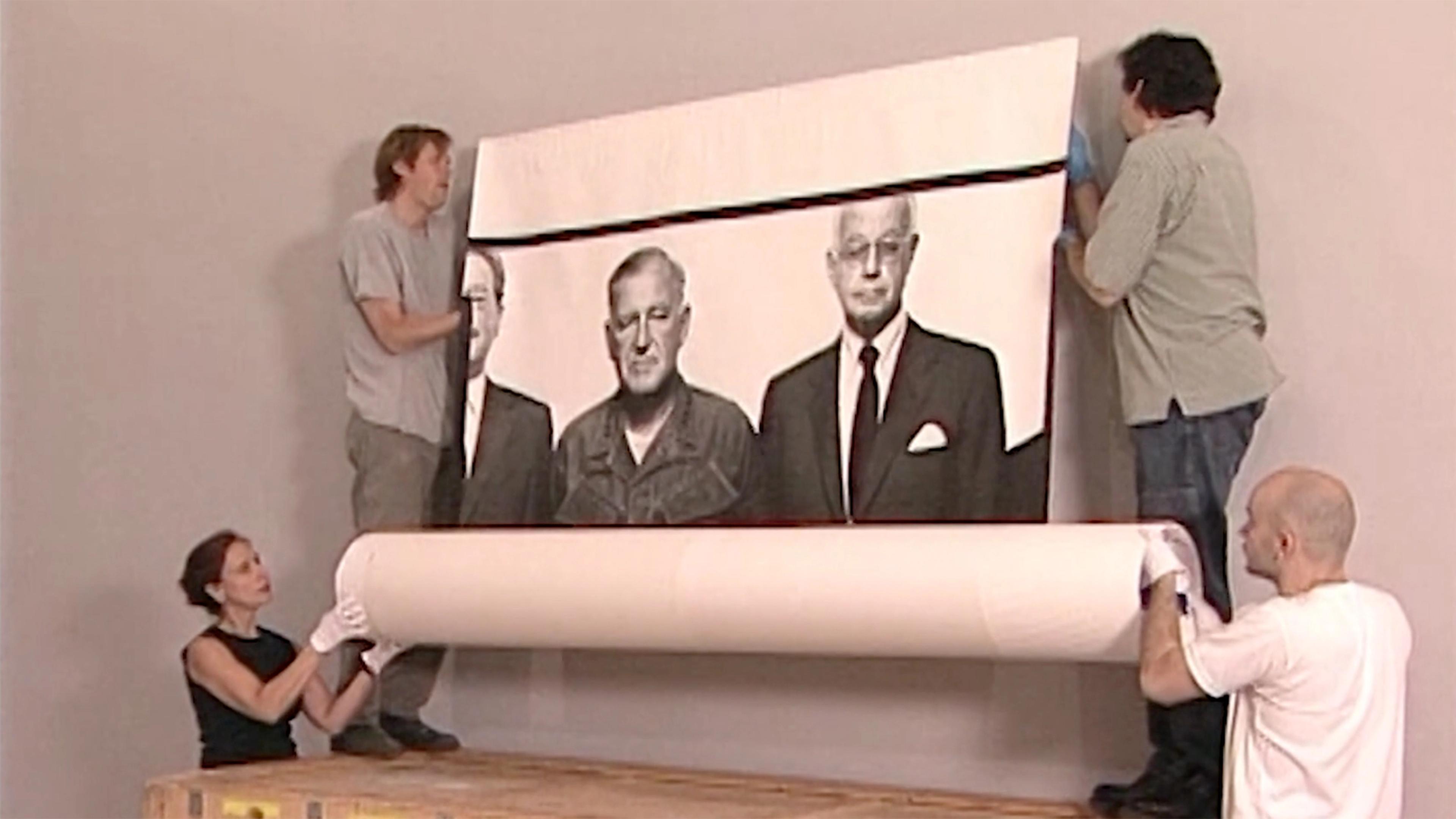
The Department of Photograph and Time-Based Media Conservation is dedicated to conserving and researching artworks in The Met collection that span from the earliest photographic experiments through the emergence of the digital era to the present day. The Department is part of the Sherman Fairchild Center for Works on Paper, Photograph, and Time-Based Media Conservation, which also includes our colleagues in Paper Conservation and Time-Based Media Conservation.
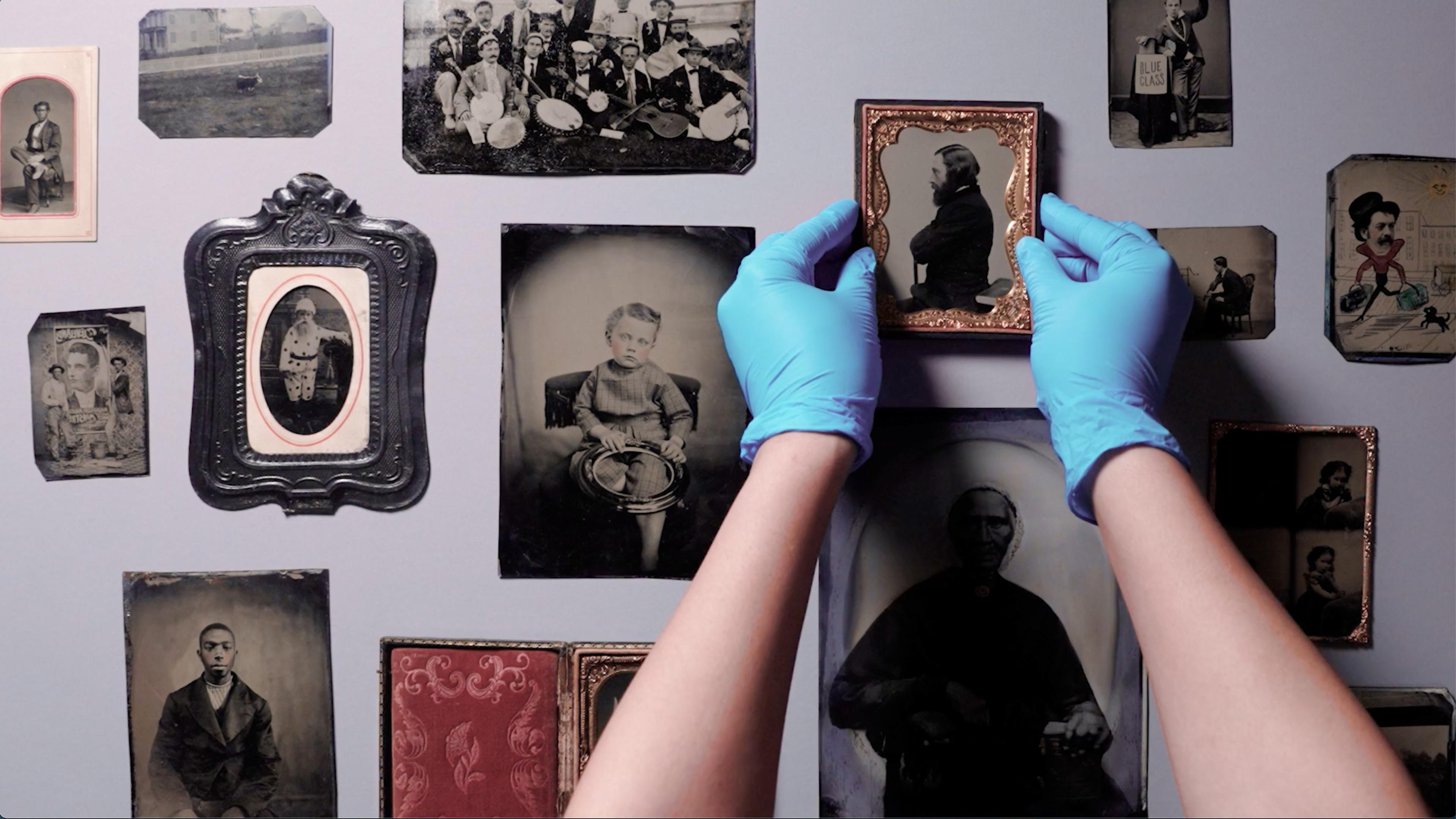
Photographs are created through a combination of optics, light, and chemistry. Despite their relatively brief history, they represent an enormous range of physical formats and aesthetic possibilities, captivating viewers with their seemingly magical ability to reflect the world around us. Photographs and digital images are now ubiquitous and interwoven into our daily experience. Analog photographs can be delicate objects, sensitive to their storage and exhibition environments, and vulnerable when handled. Digital images present different preservation challenges, requiring active backups and migration of digital files, so they remain accessible as technologies evolve. The Met’s photograph conservators ensure that photographic works of art in the Museum's expansive and diverse collections receive the finest preservation and conservation attention available.
Staff members regularly share their research through conferences and publications and are active in national and international professional organizations. Our quarterly newsletters detail our ongoing research, scholarship, and advocacy efforts.
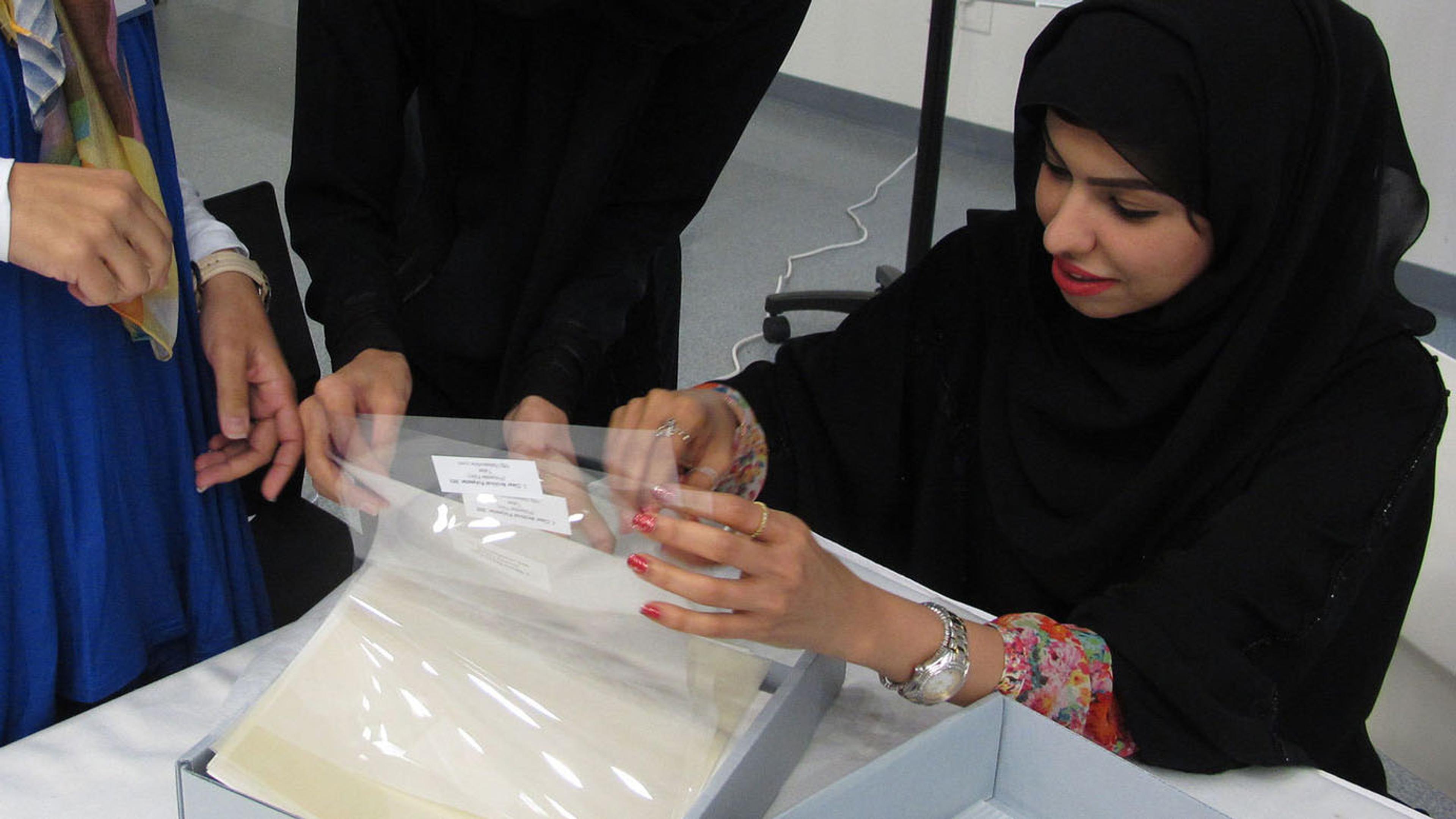
The Department is committed to strengthening and expanding the rare fields of photograph and time-based media conservation through education and mentorship. We regularly welcome pre-program and graduate interns to our lab through the Education Department’s program for paid internships. This provides an unparalleled opportunity to work side by side with conservators in a lab actively engaged in conservation, preventive conservation, and research.
The Research Scholar in Photograph Conservation is a two- to three-year senior fellowship to conduct a research project based on the Museum's resources and its collections of photographs, in addition to participating in regular activities in the photograph conservation lab related to preservation and exhibition. We will be accepting applications for the next round of this fellowship in fall 2027.
On occasion, the Department has accepted Junior Conservation Fellows for a one-year fellowship. Unlike Senior Fellows, these applicants are not required to submit a specific research proposal. These fellowships are open to applicants who have recently completed graduate-level education. Please reach out to photographconservation@metmuseum.org to inquire about our current internship opportunities.
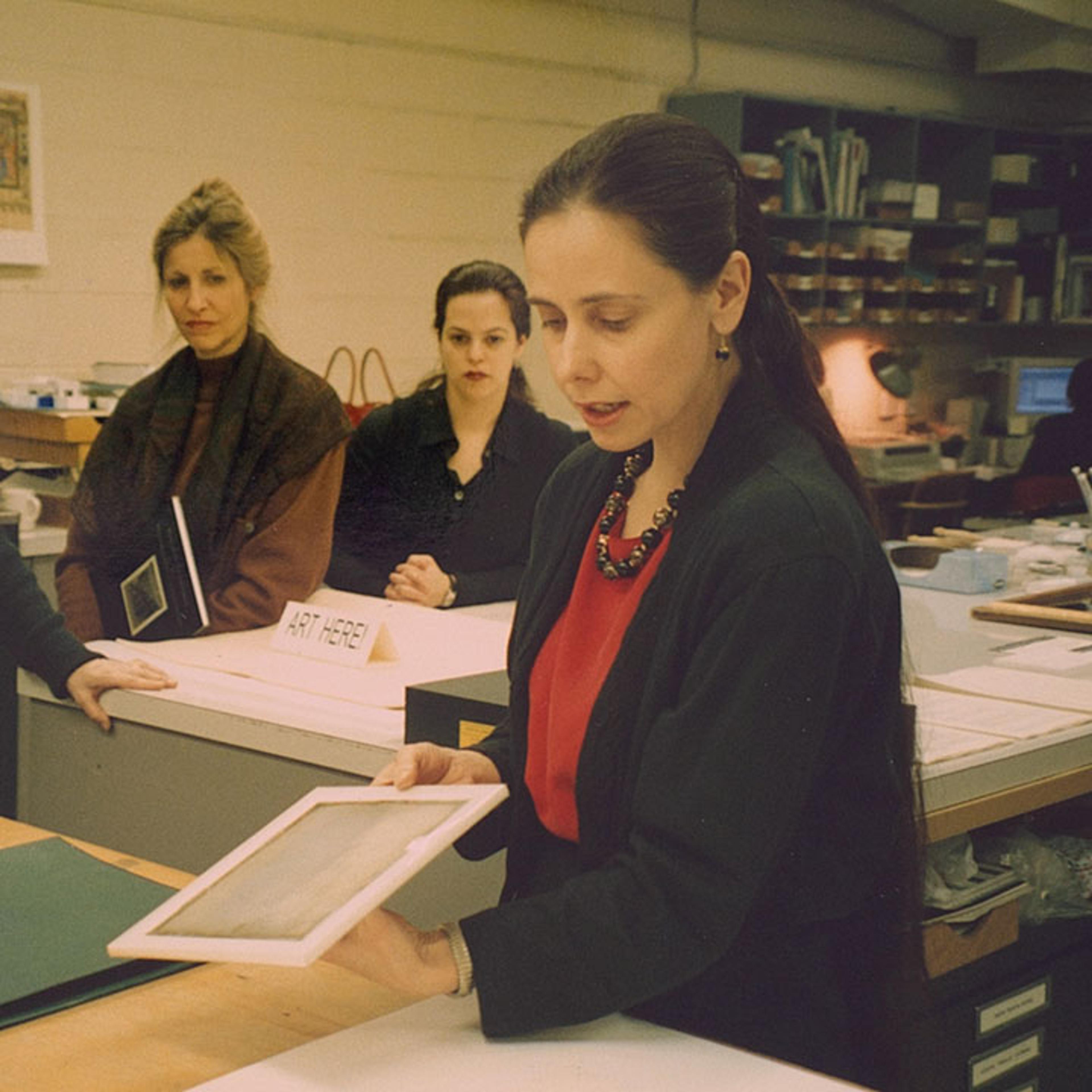
The Met employed its first Photograph Conservator, Nora Kennedy, in 1990 to care for, document, and research the Museum’s photographic collections, initially within the Department of Paper Conservation and later in the curatorial Department of Photographs. In recognition of the importance of this distinct area of expertise, and the conservation specialty’s international reputation for excellence, Photograph Conservation was established as an independent Museum Department in 2015. Over the years, the Department grew from a single part-time conservator to a team of three photograph conservators, a book conservator focused on albums and photographically illustrated books, an administrator, and an endowed Research Scholar, all working in a dedicated, state-of-the-art lab.
For a number of decades, photograph conservators led the Museum-wide effort to establish a time-based media art conservation program at The Met. A collection-wide assessment and survey was carried out in 2016–18 by outside consultant Glenn Wharton, assisted by a graduate from New York University’s Moving Image Archiving Preservation Program, and a student from the Institute of Fine Arts’ Conservation Center. In 2019, The Met hired its first conservator of time-based media, Jonathan Farbowitz.
In 2025, the Department celebrates its ten-year anniversary and The Met’s leadership has approved the renaming of the Department to formally encompass these two ground-breaking conservation specializations. Today, the Department of Photograph and Time-Based Media Conservation includes three photograph conservators, two time-based media conservators, one contemporary art conservator focusing on both mediums, an administrator, and two fellows - one in time-based media and a Research Scholar in Photograph Conservation.
The Department partners closely with many curatorial departments, including Photographs and Modern and Contemporary Art. We also collaborate regularly with colleagues in Scientific Research, Registrar, Digital, Imaging, Design, Archives, Thomas J. Library, Engineering, and Technology, as well as with other conservators across the Museum.
Our state-of-the-art conservation lab has the facilities and equipment essential to study, document, and conserve the Museum’s photographic and time-based media (TBM) collections, from daguerreotypes to photograph albums to born-digital video art. A separate lab dedicated to TBM art conservation is close by, hosted within the Imaging Department. Through visual examination and non-destructive materials analysis, often undertaken in collaboration with the Department of Scientific Research, Photograph Conservation brings to light information about artists' techniques and the history of the medium, and helps inform preventive conservation policies for exhibition, loan, and storage.
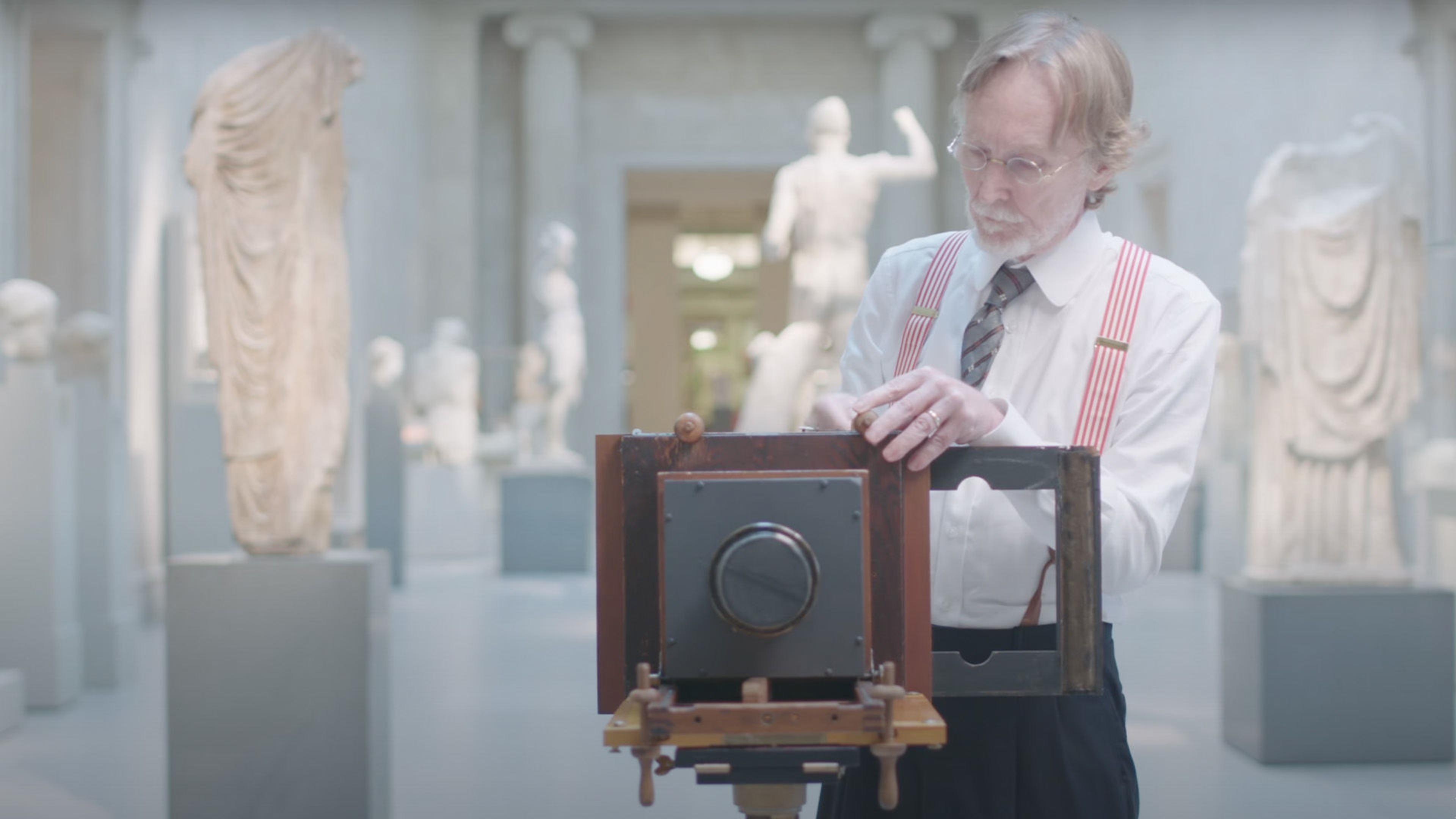
Our facilities include conservation treatment and examination spaces; a digital documentation set-up; a darkroom equipped to recreate historic processes, enabling conservators and students to gain a detailed technical understanding of older works in the collection; office spaces; a seminar room with a technical library; and an extensive Study Collection.
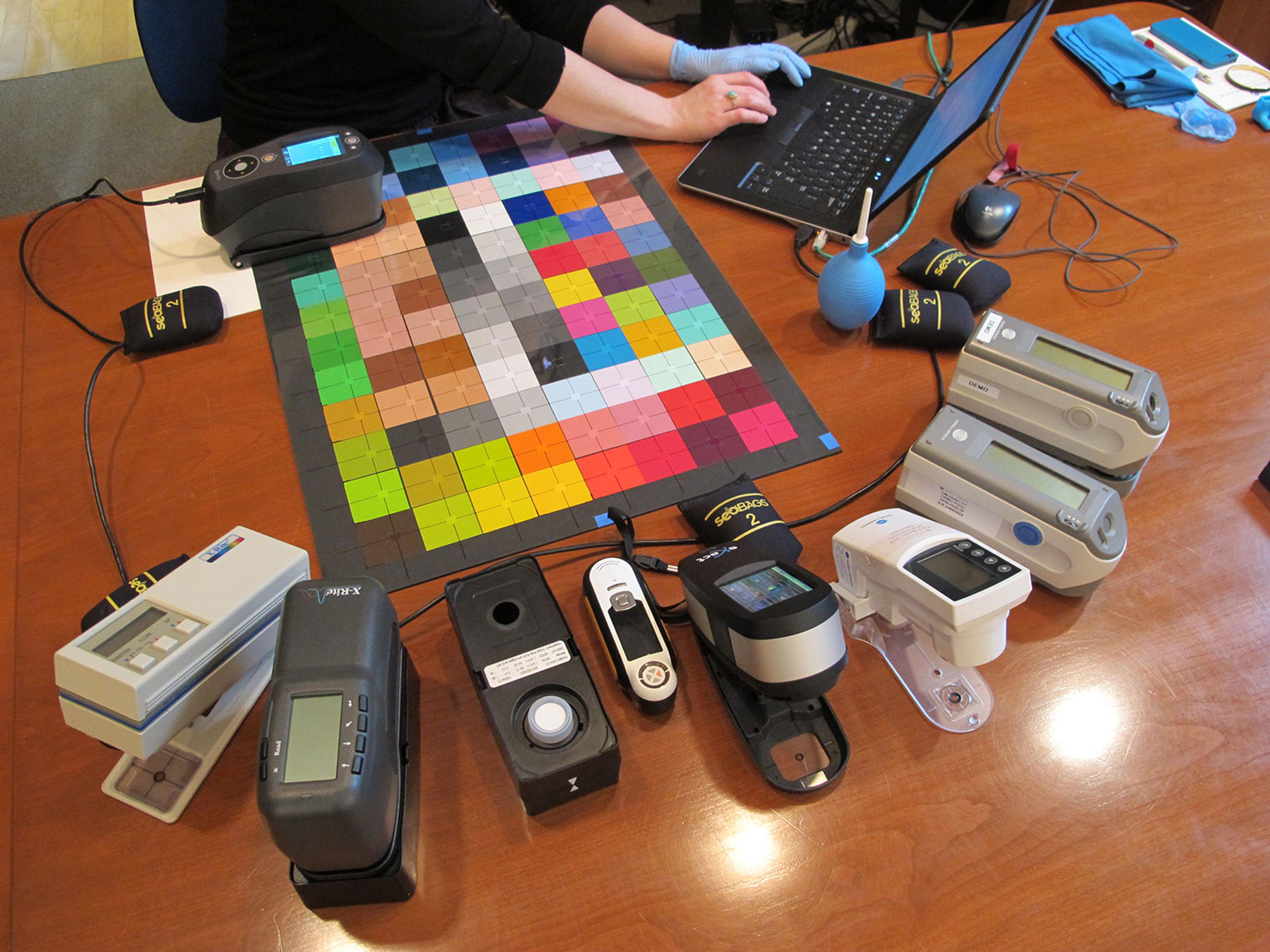
Our analytical equipment includes a spectrophotometer, microfading tester; gloss meter; digital micrometer; a standardized raking-light digital microscope or "texturescope"; a Zeiss Axiocam imaging microscope; two folding endurance testers; binocular microscopes; a multispectral imaging setup with full-spectrum visible, UV, and IR illumination; and Elsec, Onset, and Vaisala climate monitoring devices.
Additional methods of analysis such as X-Ray Fluorescence Spectroscopy (XRF), Infrared Spectroscopy (FT-IR/ATR-FTIR), and Raman Spectroscopy, among others, are carried out in collaboration with the Department of Scientific Research. Visit their equipment page for more information about scientific equipment available in the Museum.
Read Our Latest Newsletter September 2026, No. 43
Close Looking at the Collection: Clouds; Next Steps for Jenny Hsu; Welcoming Syrina Nuemah, Olivia Schoenfeld, and Miriam Pomerantz
Research

Opportunities
- Undergraduate Internships
- Junior Conservation Fellowship
- Graduate Internships
- Senior Conservation Fellowship
Articles, Audio, and Video
Featured