MetPublications
Showing 1–10 results of 235
Sort by:
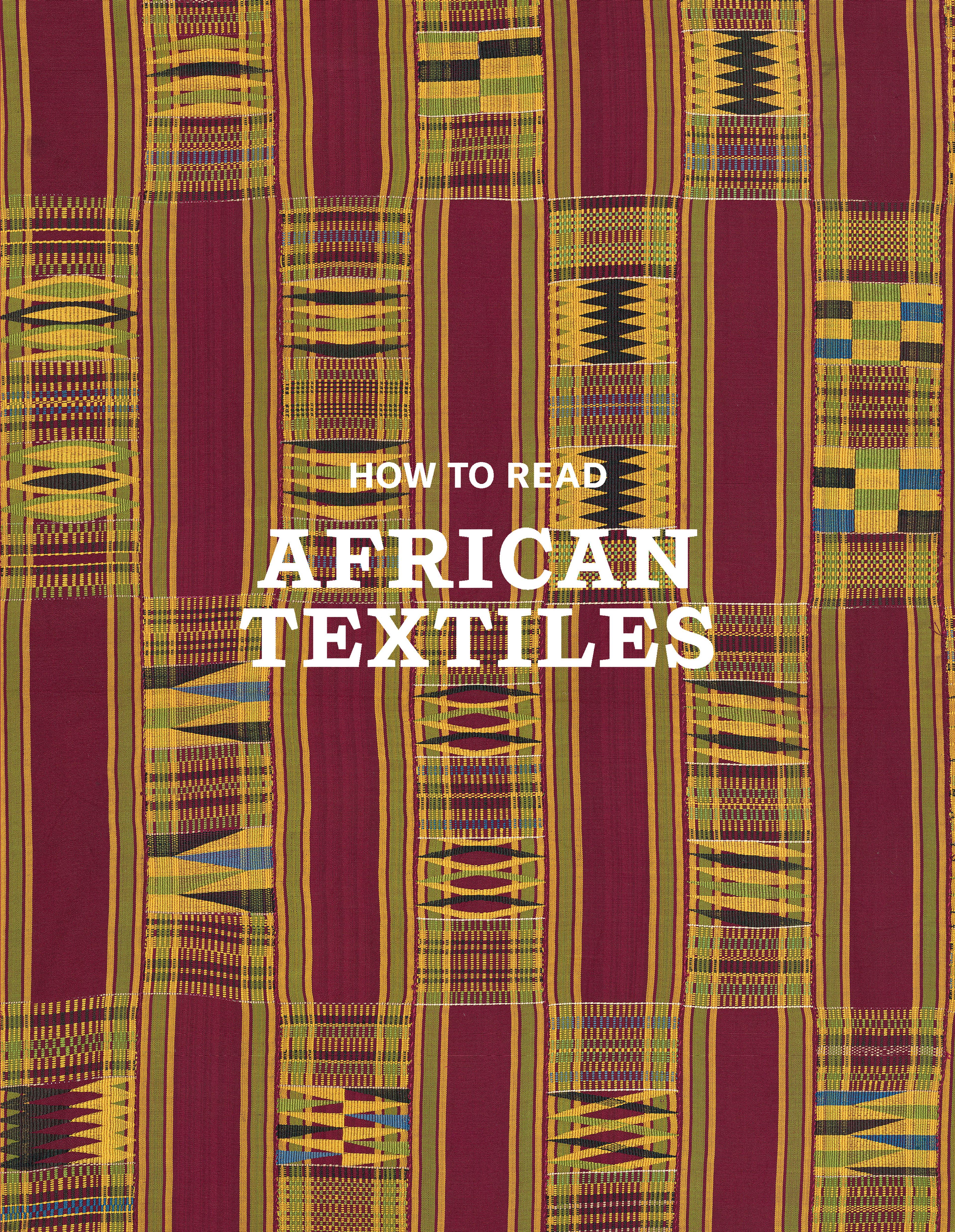 An illuminating examination of the rich and varied textiles of Africa from the nineteenth century to the present day
 An illuminating profile of one of today’s most innovative architects whose materials-based practice explores how space can provoke emotional response.
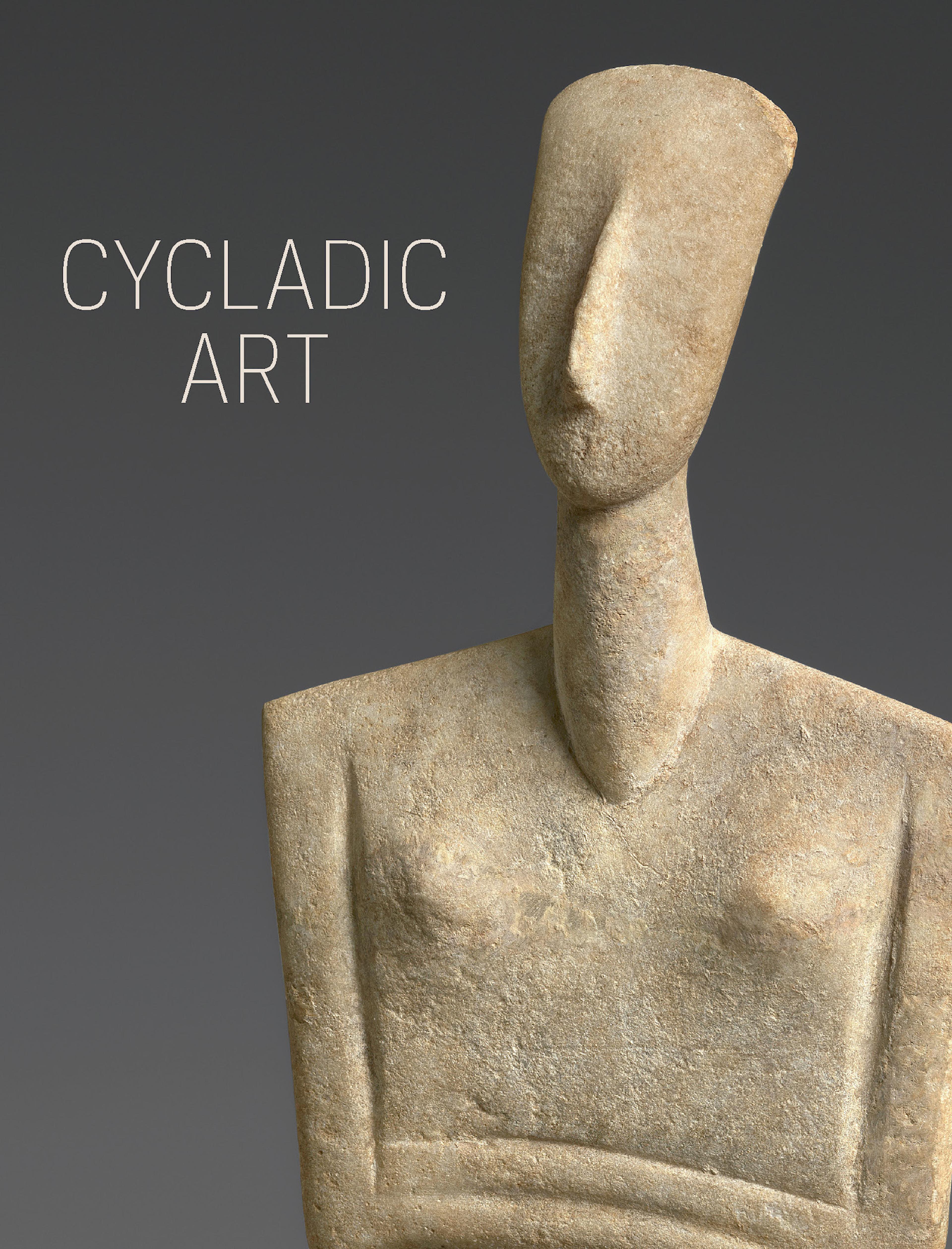 This book presents highlights of the ancient Cycladic antiquities spanning more than three thousand years (5300–2200 BCE) from the Leonard N. Stern Collection. The featured works, on display at The Met through a special collaboration with the Hellenic Republic, include mesmerizing figurative sculptures as well as marble and terracotta vessels and metalwork. Seán Hemingway, John A. and Carole O. Moran Curator in Charge of the Department of Greek and Roman Art at The Met, writes eloquently about the subtleties of Cycladic craftsmanship during the Neolithic and Bronze Ages. Beautiful photography of the collection attests to the power of the seminal tradition of stone carving in Cycladic civilization.
 Explores the meaning of portraiture across time and cultures—from funerary masks to realism to abstraction.
 Spanning three centuries of creativity, this volume in The Met’s How to Read series provides a peek into daily lives across Europe—from England, Spain, and France to Germany, Denmark, and Russia—through 40 exemplary objects. The featured furniture, tableware, utilitarian items, articles of personal adornment, devotional objects, and display pieces cover many aspects of European society and lifestyles, from the modest to the fabulously wealthy. The book considers the contributions of renowned masters, such as the Dutch cabinetmaker Jan van Mekeren and the Italian goldsmith Andrea Boucheron, as well as talented amateurs, among them the anonymous young Englishwoman who embroidered an enchanting chest with scenes from the Story of Esther. The works selected include both masterpieces and less familiar examples, some of them previously unpublished, and are discussed not only in light of their art-historical importance but also with regard to the social issues relevant to each, such as the impact of colonial slavery or the changing status of women artists.
 The visual arts of Oceania tell a wealth of dynamic stories about origins, ancestral power, performance, and initiation. This publication explores the deeply rooted connections between Austronesian-speaking peoples, whose ancestral homelands span Island Southeast Asia, Australia, Papua New Guinea, and the island archipelagoes of the northern and eastern Pacific. Unlike previous books, it foregrounds Indigenous perspectives, alongside multidisciplinary research in art history, ethnography, and archaeology, to provide an intimate look at Oceania, its art, and its culture. Stunning new photography highlights more than 130 magnificent objects, ranging from elaborately carved ancestral figures in ceremonial houses, towering slit drums, and dazzling turtle-shell masks to polished whale ivory breastplates. Underscoring the powerful interplay between the ocean and its islands, and the ongoing connection with spiritual and ancestral realms, Oceania: The Shape of Time presents an art-focused approach to life and culture while guiding readers through the artistic achievements of Islanders across millennia.
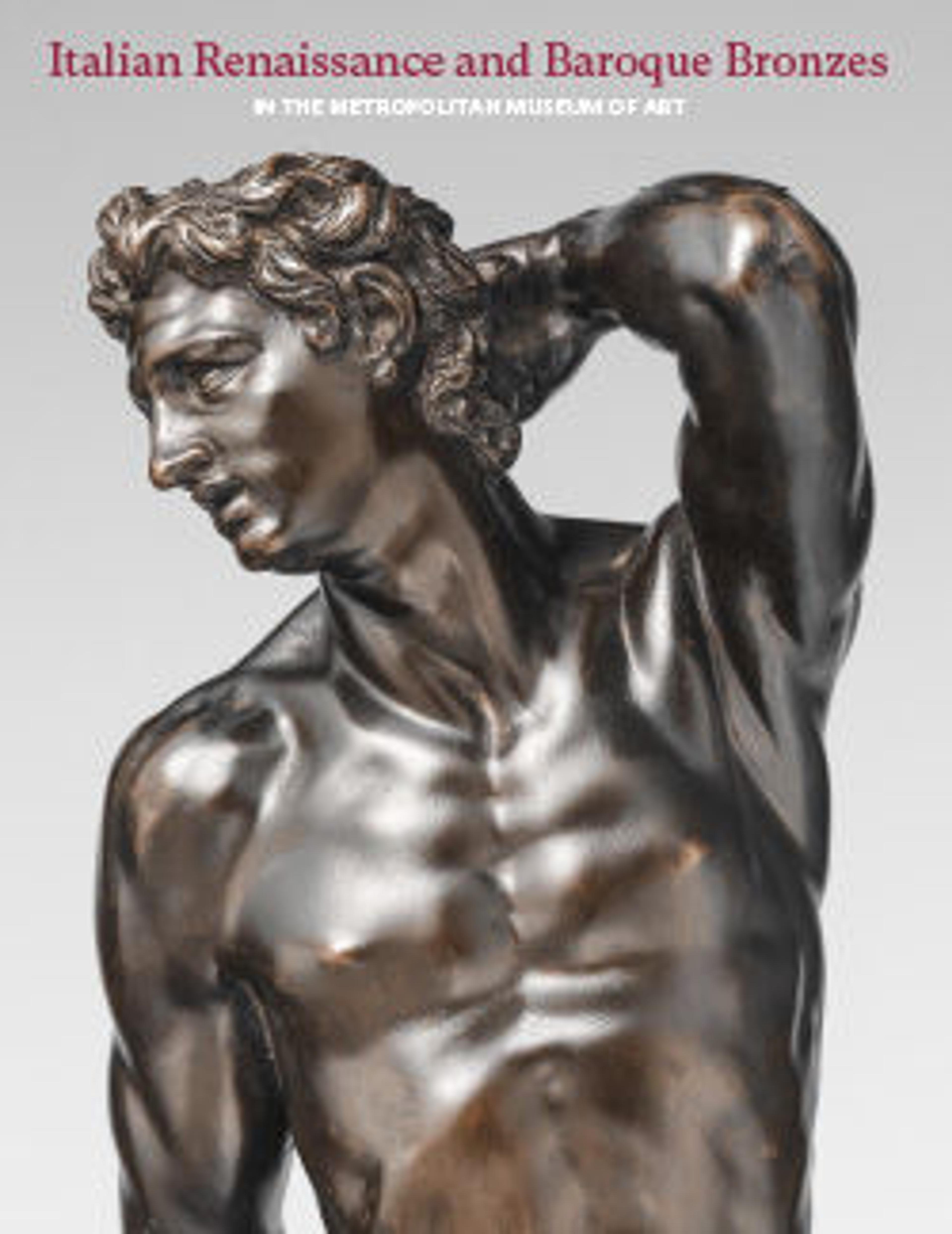 The revival of the bronze statuette popular in classical antiquity stands out as an enduring achievement of the Italian Renaissance. These small sculptures attest to early modern artists’ technical prowess, ingenuity, and desire to emulate—or even surpass—the ancients. From the studioli, or private studies, of humanist scholars in fifteenth-century Padua to the Fifth Avenue apartments of Gilded Age collectors, viewers have delighted in the mysteries of these objects: how they were made, what they depicted, who made them, and when. This catalogue is the first systematic study of The Metropolitan Museum of Art’s European Sculpture and Decorative Arts collection of Italian bronzes. The collection includes statuettes of single mythological or religious figures, complex figural groups, portrait busts, reliefs, utilitarian objects like lamps and inkwells, and more. Stunning new photography of celebrated masterpieces by leading artists such as Antico, Riccio, and Giambologna; enigmatic bronzes that continue to perplex; quotidian objects; later casts; replicas; and even forgeries show the importance of each work in this complex field. International scholars provide in-depth discussions of 200 objects included in this volume, revealing new attributions and dating for many bronzes. An Appendix presents some 100 more complete with provenance and references. An essay by Jeffrey Fraiman provides further insight into Italian bronze statuettes in America with a focus on the history of The Met’s collection, and Richard E. Stone, who pioneered the technical study of bronzes, contributes an indispensable text on how artists created these works and what their process conveys about the object’s maker. A personal reminiscence by James David Draper, who oversaw the Italian sculpture collection for decades, rounds out this landmark catalogue that synthesizes decades of research on these beloved and complex works of art.Download PDFFree to download
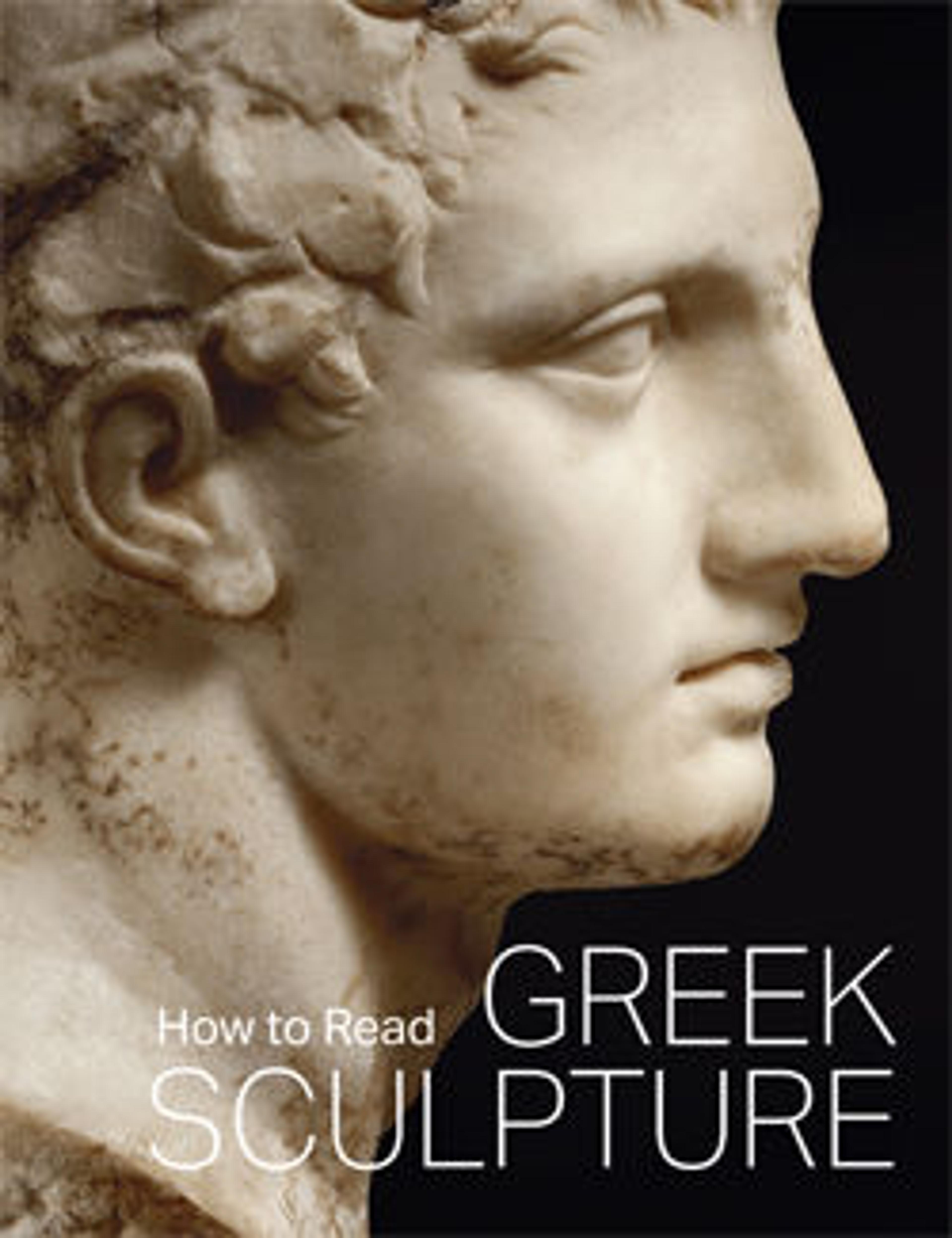 The sculptural tradition developed by the ancient Greeks is justifiably considered one of the most remarkable achievements of Western art. This richly illustrated volume introduces eight centuries of Greek sculpture, from the early rectilinear designs of the Geometric period (ca. 900–700 B.C.) through the groundbreaking creativity of the Archaic and Classical periods to the dramatic monumental achievements of the Hellenistic Age (323–31 B.C.). A generous selection of objects and materials—ranging from the sacred to the everyday, from bronze and marble to gold, ivory, and terracotta—allows for an especially appealing picture not only of Greek art but also of life in ancient Greece. Sculptures of deities such as Zeus, Athena, and Eros and architectural elements from temples are included, as are depictions of athletes and animals (both domesticated and wild), statuettes of dancers and actors, funerary reliefs, perfume vases, and jewelry. The informative text provides a comprehensive introduction and insightful discussions of forty objects selected from the collection of The Metropolitan Museum of Art. Full-page photographs of the featured works are supplemented by many illuminating details and comparative illustrations. The latest in The Met’s widely acclaimed How to Read series, this publication reveals how, more than two millennia ago, Greek artists brilliantly captured the fundamental aspects of the human condition.
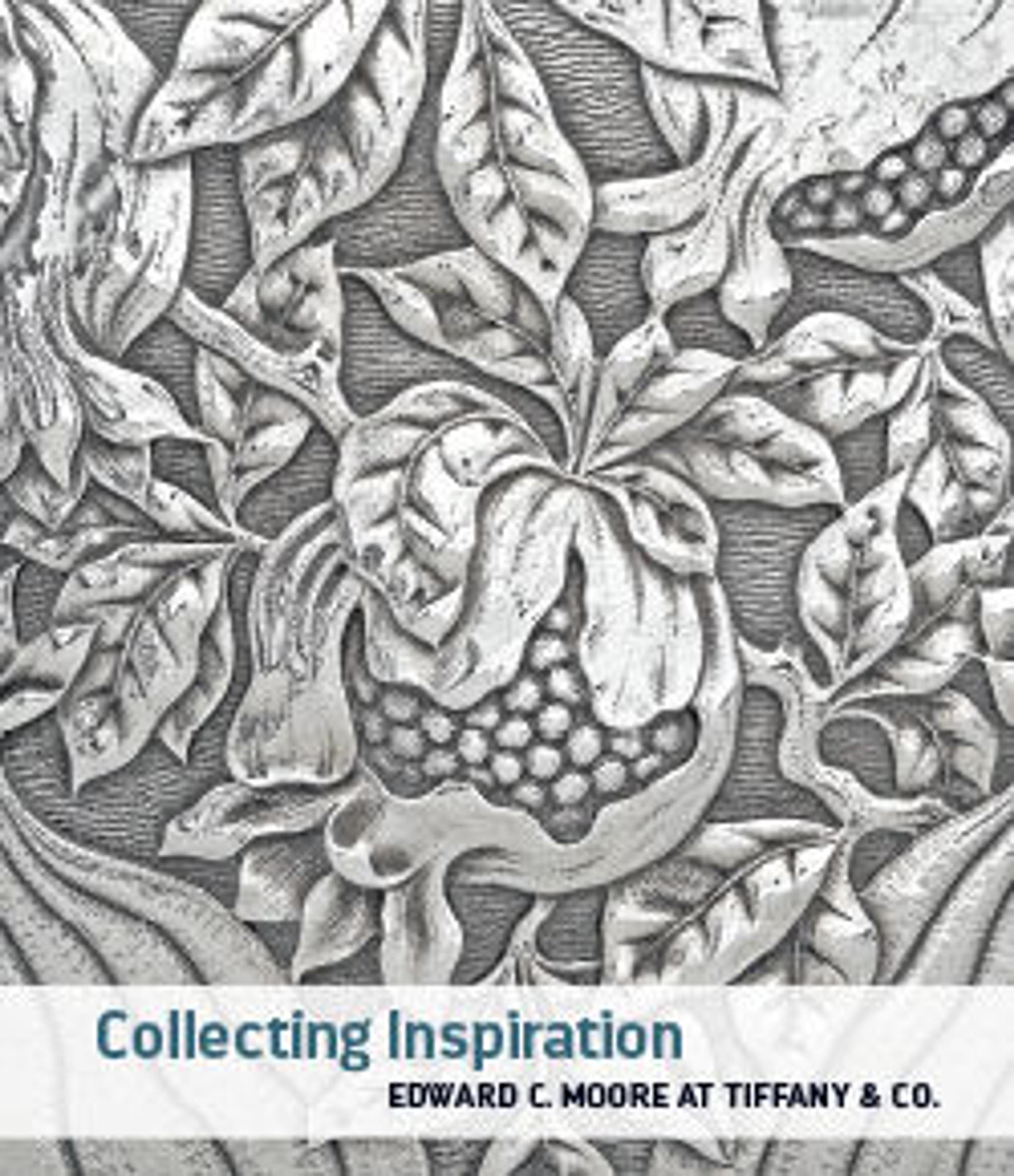 Edward C. Moore (1827–1891) was the creative leader who brought Tiffany & Co. to unparalleled originality and success during the late nineteenth century. A silversmith, designer, and prodigious collector, Moore sought out exceptional objects from around the world, which he then used as inspiration for Tiffany’s innovative silver designs. This informative, richly illustrated volume, the first study of Moore’s life, collection, and influence, presents more than 170 examples from his vast collection, ranging from Greek and Roman glass to Spanish vases, Islamic metalwork, and Japanese textiles. These are juxtaposed with sixty magnificent silver objects created by the designers and artisans at Tiffany who were inspired by Moore’s acquisitions. Included among them are the world-famous Bryant Vase drawing upon Greek examples, a love cup featuring ornate “Saracenic” decoration, and a chocolate pot incorporating novel techniques influenced by Japanese ceramics and lacquerware. The illuminating texts have been enriched by groundbreaking research into contemporary sources such as newspapers and periodicals, the Tiffany & Co. Archives, and a newly identified technical manual and supervisor’s diaries, all of which provide an intimate look at the firm’s design processes and Moore’s role in shaping them. A valuable contribution to the history of American decorative arts, Collecting Inspiration illuminates both the legendary Tiffany aesthetic and the legacy of a significant collector, designer, and entrepreneur of the Gilded Age.
 In honor of the institution’s 150th year, this publication celebrates the 203 collectors who committed more than 2,500 works of art to The Met for the sesquicentennial. These meaningful additions change the ways in which we think about the Museum’s holdings and deepen the stories The Met can tell about all the works in the collection. Highlights featured in this volume include an imposing stone head from an Egyptian sarcophagus; an opulent horse armor commissioned by King Philip IV of Spain; a Tibetan war mask; an early American daguerreotype; Sir Edward Burne-Jones’s enigmatic watercolor; an early twentieth-century Japanese bamboo shrine cabinet; poignant photographs made by Robert Frank for his iconic series The Americans; the Cuban American artist Carmen Herrera’s 1949 tondo Iberic; Steve Miller’s 1961 Gibson guitar; important works by Georg Baselitz; art from the Iranian Saqqakhana school; the vibrant bark painting of Aboriginal Australian artist Nonggirrnga Marawili; and recent creations by artists such as Cecily Brown, Peter Doig, Robert Gober, and Wangechi Mutu.