MetPublications
Showing 1–10 results of 362
Sort by:
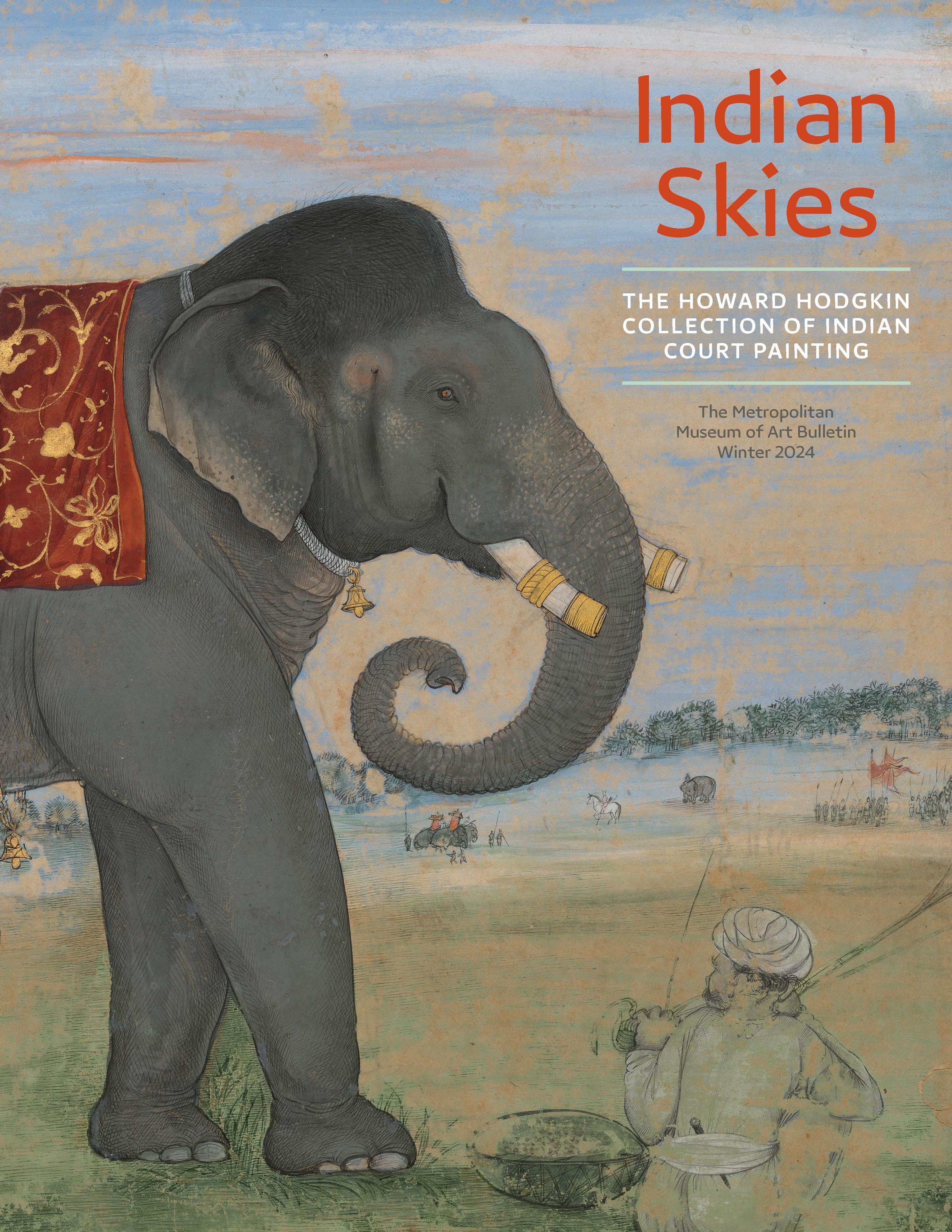 Court painting, both devotional and secular, has a long history in India and has inspired artists from diverse global traditions. This Bulletin features more than fifty stunning examples of Indian court painting by Mughal, Deccani, Rajasthani, and Pahari artists all from the former collection of British painter Howard Hodgkin (1932–2017). The works featured include stunning portraits, beautifully detailed text illustrations, studies of the natural world, and devotional subjects. Authors explore Hodgkins’s interest in these works and the relationship between his collecting and artistic practice while also providing detailed discussions of individual styles of the Indian courts and the vibrant exchange across their kingdoms from the sixteenth to the nineteenth century.Download PDFFree to download
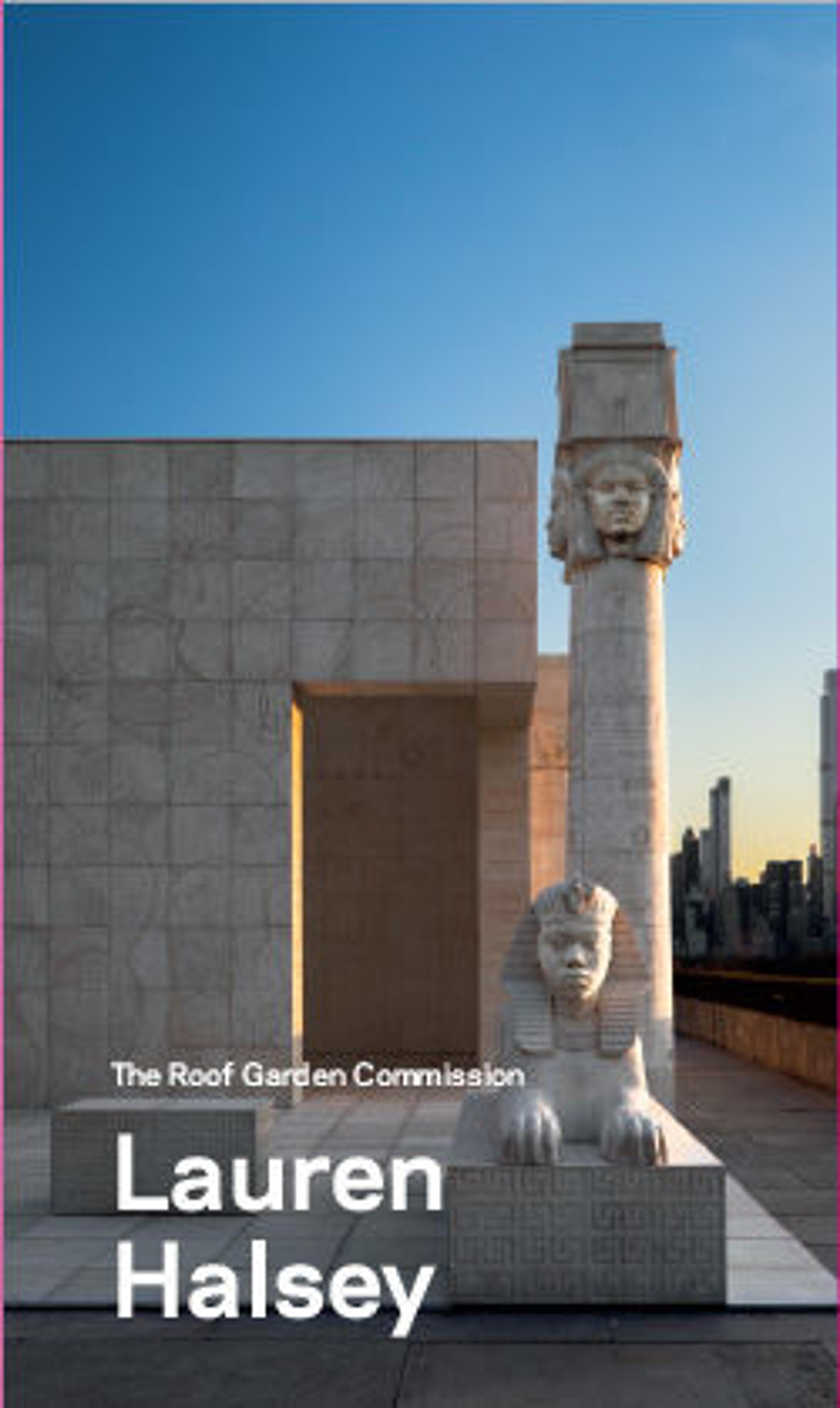 Lauren Halsey is known for her sculptures, mixed media works, and site-specific installations that remix (or, as Halsey says, “funkify”) history by combining signs, symbols, and architecture from the past, present, and future. In her new installation for The Met’s Roof Garden Commission series, she brings together ancient Egyptian–inspired iconography and sculpture with signage and texts drawn from the artist’s local community in South Central Los Angeles. Accompanied by new photography and unpublished sketches from Halsey’s studio, this compact volume contains an insightful essay by curator Abraham Thomas that examines Halsey’s artistic process and considers this installation in the context of her past work. In a revealing interview with poet Douglas Kearney, the artist discusses her diverse influences—which include ancient Egyptian relief carving, funk music, Afrofuturism, and the architecture of L.A.—and elaborates on the importance of community building and engagement in the spaces she creates.Download PDFFree to download
 This Bulletin highlights five millennia of extraordinary artistic production on the African continent. Twenty-one pairings unite masterpieces from the Museum’s collections of ancient Egyptian and West and Central African art to reveal unexpected parallels and contrasts across time and cultures. The title pays special homage to Senegalese scholar and humanist Cheikh Anta Diop, whose book The African Origin of Civilization: Myth or Reality (1974) challenged prevailing attitudes and advocated for recentering Africa as the source of humanity’s common ancestors and many widespread cultural practices. Building on Diop’s premise, this volume allows readers to delve into the rich histories and diverse artistic traditions from the cradle of human creativity.Download PDFFree to download
 This timely study of Winslow Homer highlights his imagery of the Atlantic world and reveals themes of racial, political, and natural conflict across his career.Download PDFFree to download
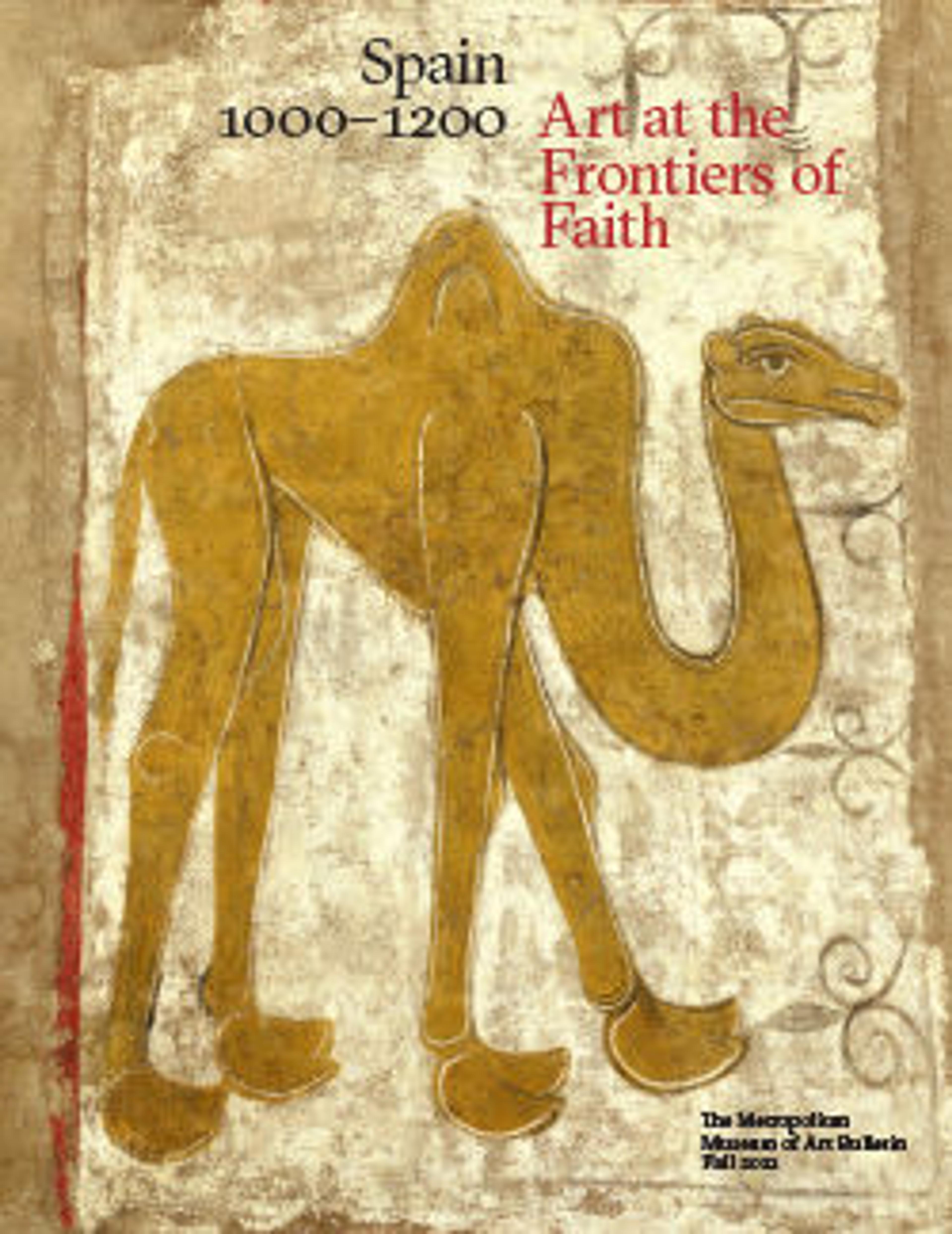 Spain, 1000–1200: Art at the Frontiers of Faith tells a nuanced story of the dynamic and interconnected medieval Iberian Peninsula while celebrating the artistic exchange among Christians, Muslims, and Jews in the region during the Middle Ages. This Bulletin emphasizes the variety and richness of the Museum’s holdings of medieval Iberian artworks which include mosaics, frescos, architectural decorations, manuscripts, textiles, ivories, and metalwork. Exploring how artists in medieval Spain drew from many sources of inspiration and navigated religious differences in their art, this text underscores the complexity of interfaith interaction during a pivotal era in Spanish history.Download PDFFree to download
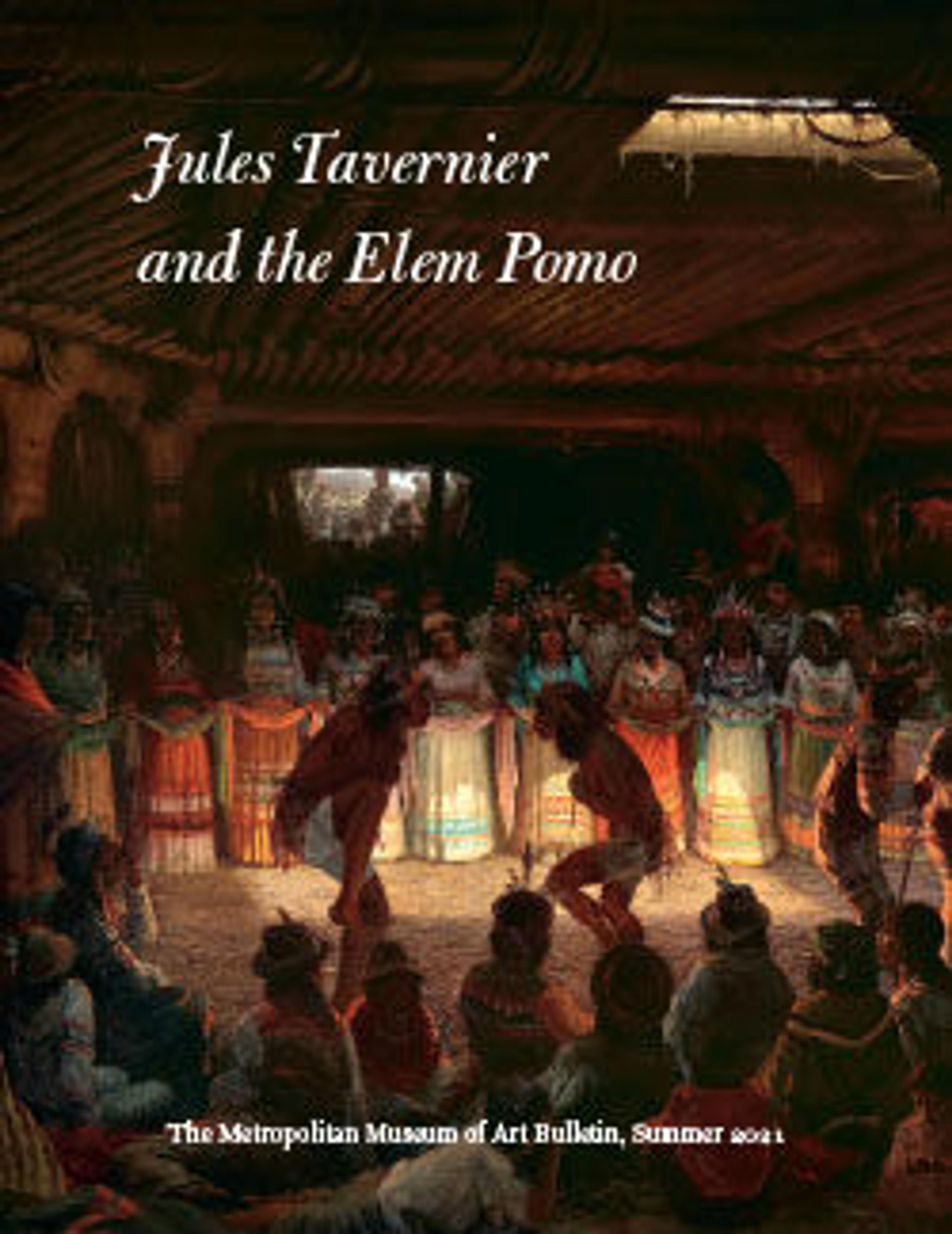 Investigating the career of the French-born American artist Jules Tavernier (1844–1889), this issue of the Bulletin recounts the artist’s travels through the American West and examines his portrayals of some of the Indigenous communities he encountered. The story focuses on Tavernier’s masterwork, Dance in a Subterranean Roundhouse at Clear Lake, California (1878), which depicts a ceremonial dance—known as mfom Xe, or “people dance”—performed by the Pomo community of Elem at Clear Lake, in Northern California. Robert Joseph Geary, an Elem Pomo cultural leader, eloquently describes his first reactions upon seeing Tavernier’s depiction of his ancestors and the significance of the mfom Xe ceremony. Elizabeth Kornhauser and Shannon Vittoria provide additional historical context for the painting and show how it recognizes the rich vitality of Elem Pomo culture while also exposing the threat posed to the community by White settlers. This Bulletin juxtaposes paintings, prints, watercolors, and photographs by Tavernier and other artists with examples of historic and contemporary Pomo basketry and regalia to celebrate the resiliency of the Pomo peoples and highlight their continued cultural presence.Download PDFFree to download
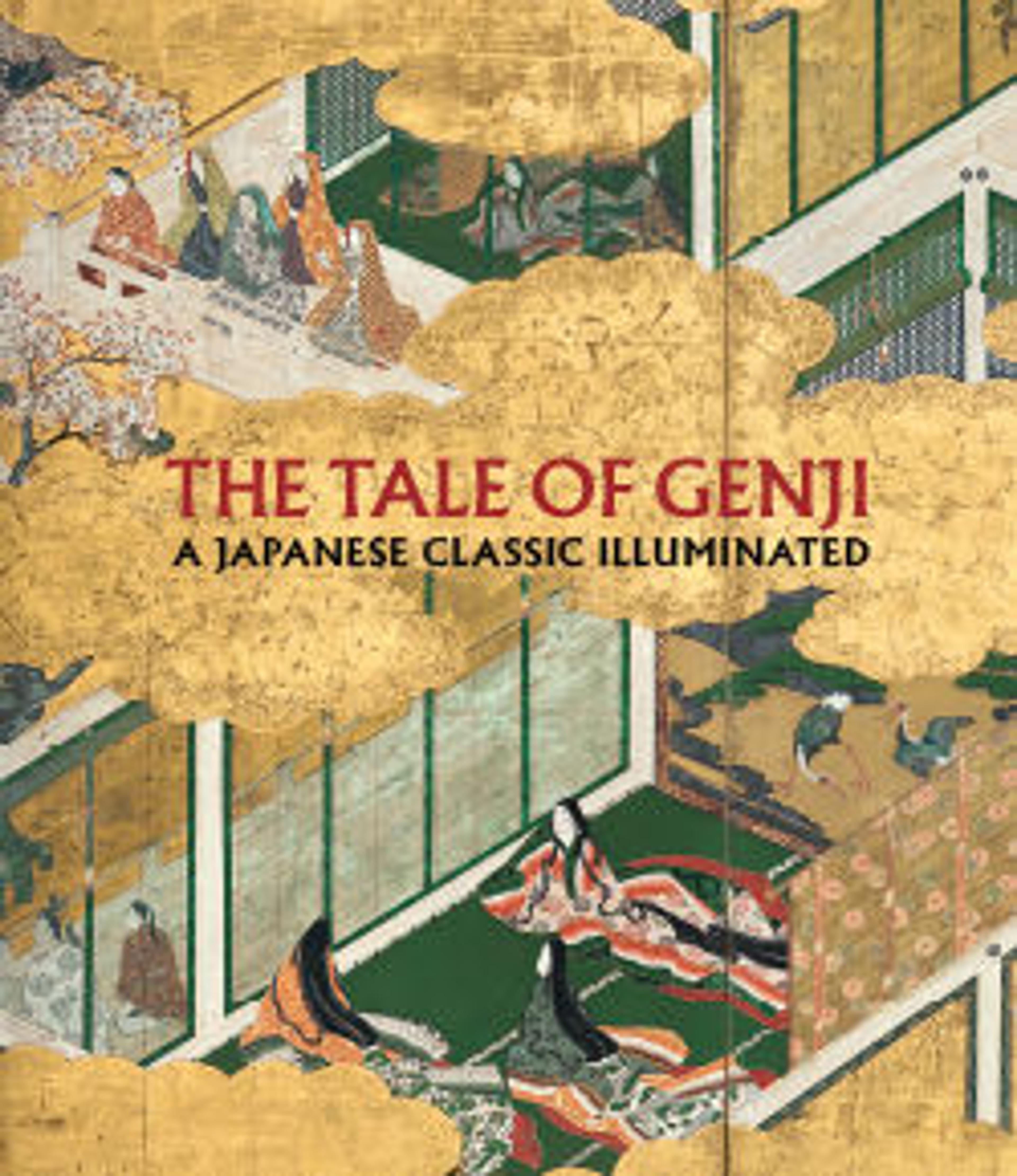 With its vivid descriptions of courtly society, gardens, and architecture in early eleventh-century Japan, The Tale of Genji—recognized as the world's first novel—has captivated audiences around the globe and inspired artistic traditions for one thousand years. Its female author, Murasaki Shikibu, was a diarist, a renowned poet, and, as a tutor to the young empress, the ultimate palace insider; her monumental work of fiction offers entry into an elaborate, mysterious world of court romance, political intrigue, elite customs, and religious life. This handsomely designed and illustrated book explores the outstanding art associated with Genji through in-depth essays and discussions of more than one hundred works. The Tale of Genji has influenced all forms of Japanese artistic expression, from intimately scaled albums to boldly designed hanging scrolls and screen paintings, lacquer boxes, incense burners, games, palanquins for transporting young brides to their new homes, and even contemporary manga. The authors, both art historians and Genji scholars, discuss the tale's transmission and reception over the centuries; illuminate its place within the history of Japanese literature and calligraphy; highlight its key episodes and characters; and explore its wide-ranging influence on Japanese culture, design, and aesthetics into the modern era.Download PDFFree to download
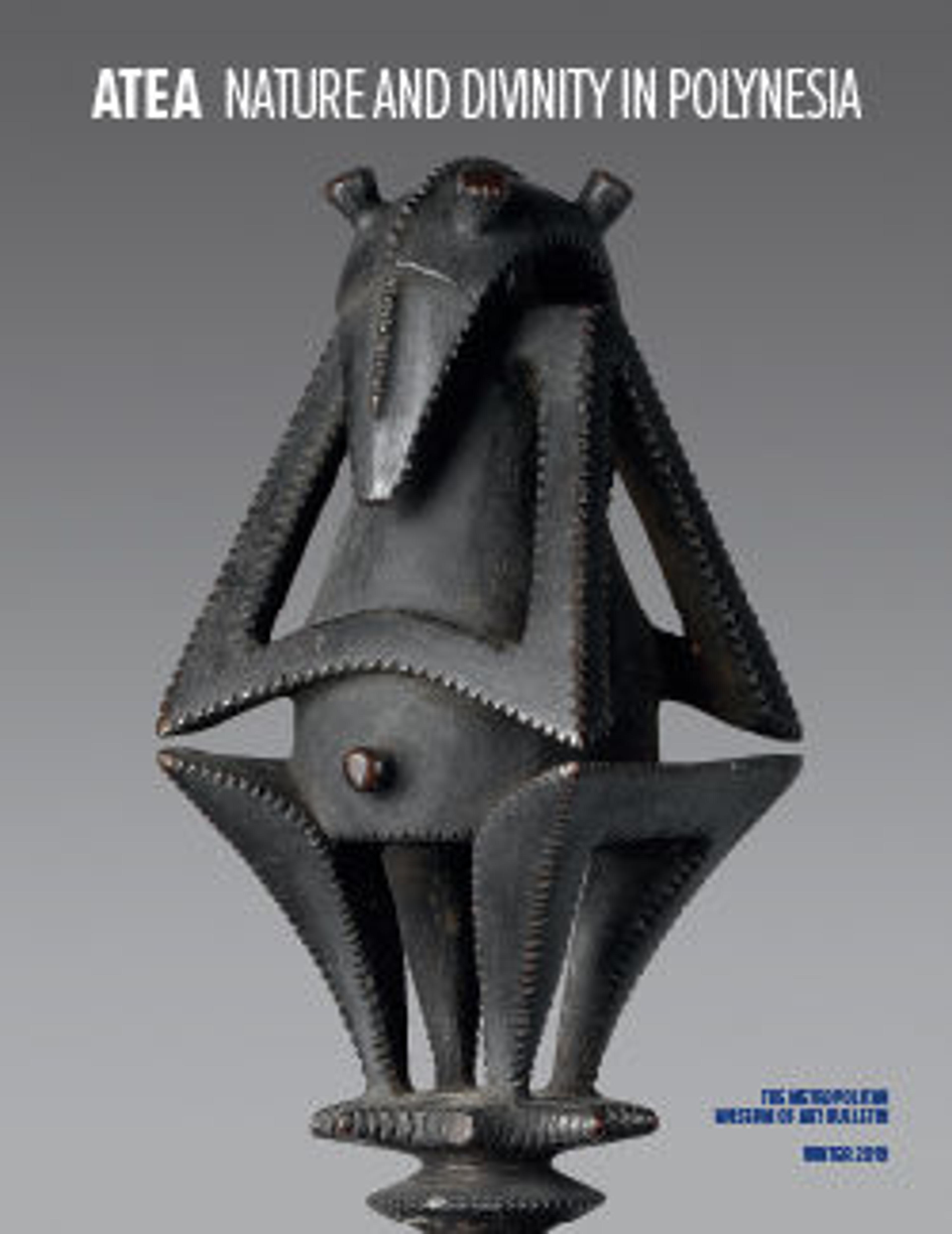 Atea: Nature and Divinity in Polynesia focuses on an array of artistic creations that illuminate how Polynesians traditionally understood their relationship with the divine as active, dynamic, and manifested in the plants, feathers, and fibers of the islands they inhabited. Featuring some thirty exceptional works of Polynesian art that date from the late eighteenth to the nineteenth century, Atea examines celebrated examples of figural sculpture in wood and whale ivory; superbly executed feather headdresses and cloaks; and visually compelling fiber works, such as painted barkcloths and a small-scale spirit house, or temple. The author’s compelling essay represents a new phase in scholarship that looks to recover the early ritual landscape of Polynesia by examining the material nature of the art itself.Download PDFFree to download
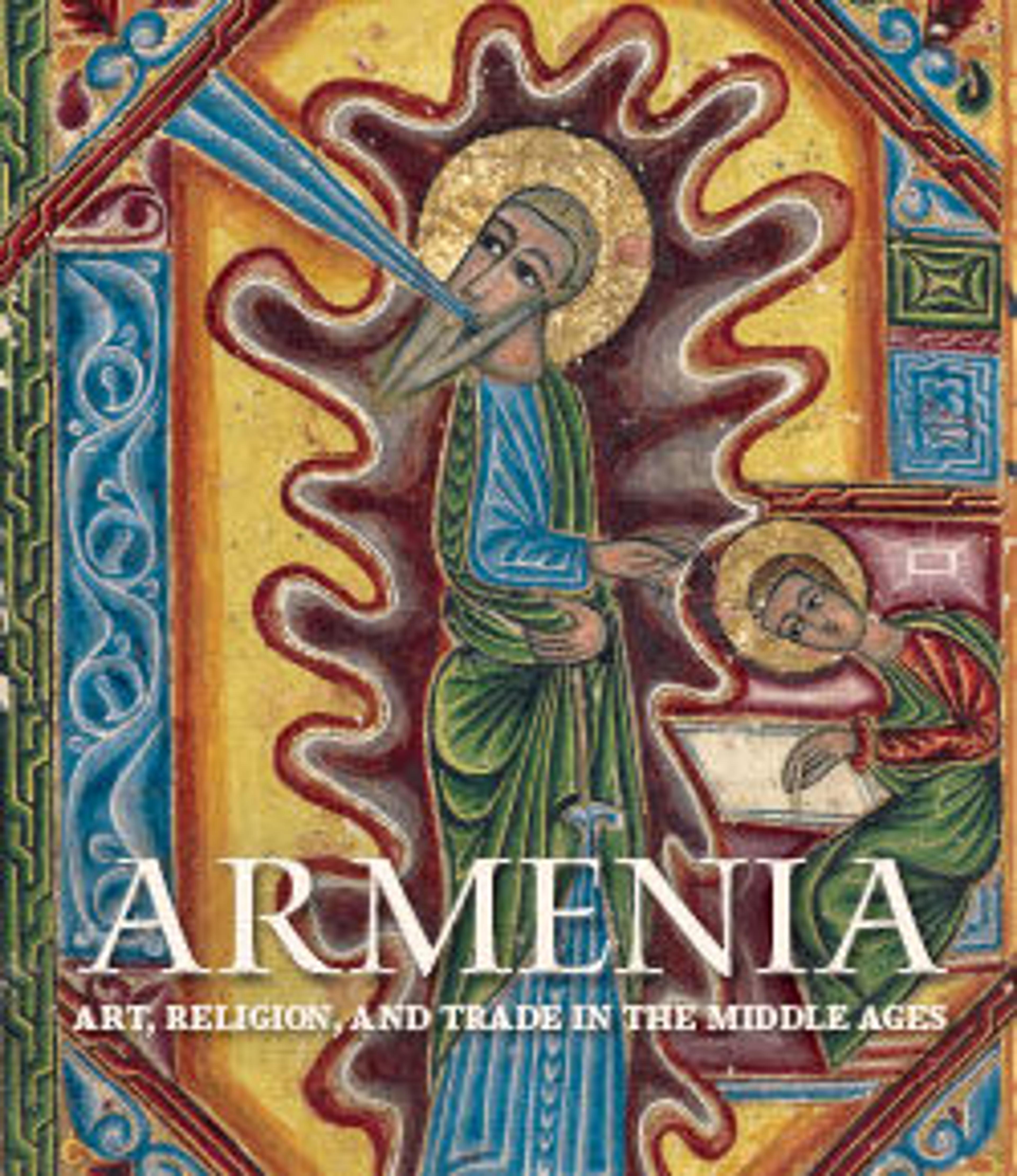 At the foot of Mount Ararat on the crossroads of the eastern and western worlds, medieval Armenians dominated international trading routes that reached from Europe to China and India to Russia. As the first people to convert officially to Christianity, they commissioned and produced some of the most extraordinary religious objects of the Middle Ages. These objects—from sumptuous illuminated manuscripts to handsome carvings, liturgical furnishings, gilded reliquaries, exquisite textiles, and printed books—show the strong persistence of their own cultural identity, as well as the multicultural influences of Armenia’s interactions with Romans, Byzantines, Persians, Muslims, Mongols, Ottomans, and Europeans. This unprecedented volume, written by a team of international scholars and members of the Armenian religious community, contextualizes and celebrates the compelling works of art that define Armenian medieval culture. It features breathtaking photographs of archaeological sites and stunning churches and monasteries that help fill out this unique history. With groundbreaking essays and exquisite illustrations, Armenia illuminates the singular achievements of a great medieval civilization.Download PDFFree to download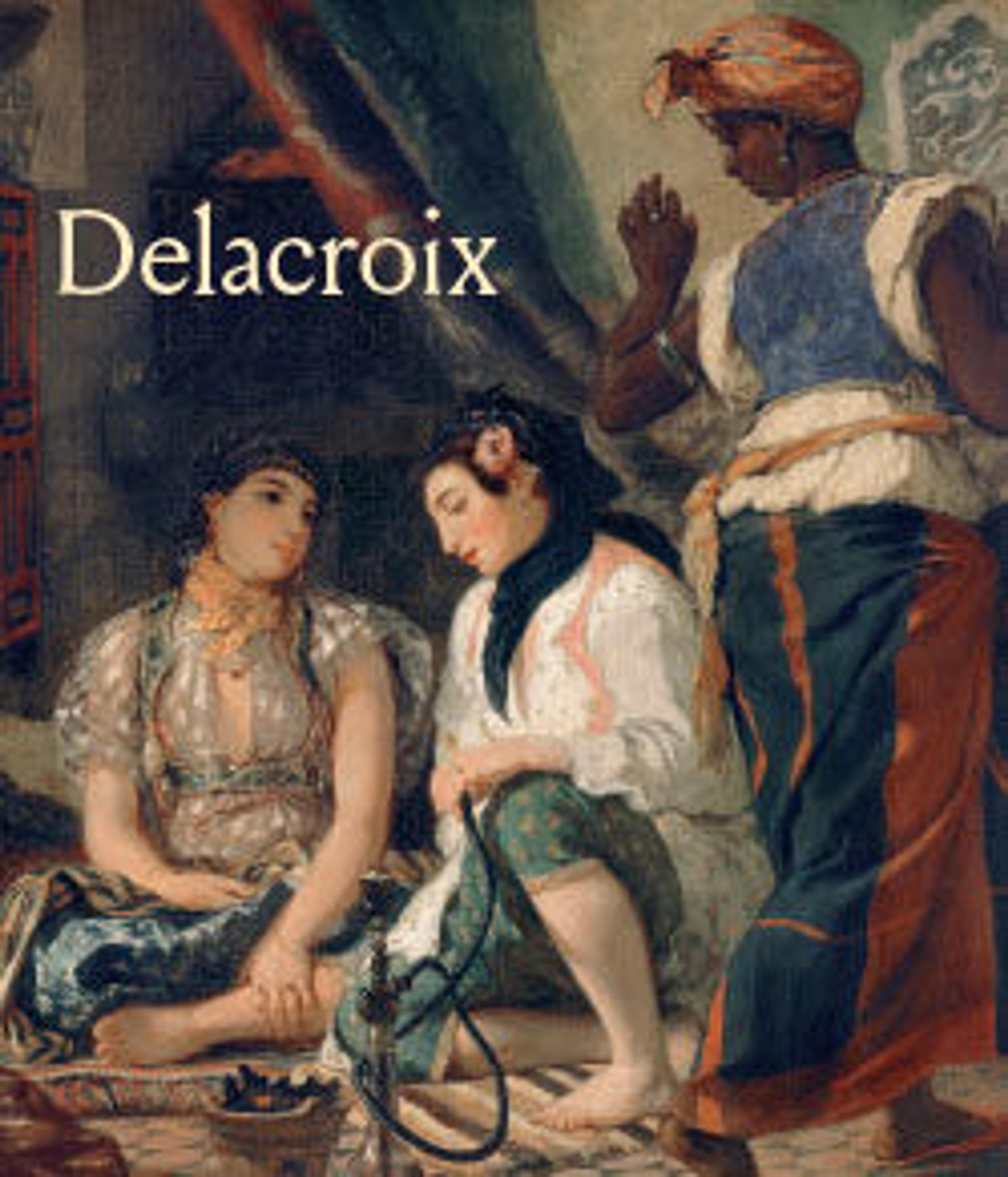
Delacroix
2018Eugène Delacroix (1798–1863) was one of the towering figures to emerge in France in the wake of Napoleon. No other artist of the nineteenth century balanced a reverence for the past with such a strong ambition and spirit of innovation. Distinguishing himself from many other talented young artists in Paris, he gained renown in the 1820s for his novel subject matter, theatrical sense of composition, vibrant palette, and vigorous painterly technique. His vast production—including some eight hundred paintings, prints in a variety of media, and thousands of drawings and pages of writing—won the admiration of countless writers and artists, including Charles Baudelaire, Paul Cézanne, and Pablo Picasso. This comprehensive monograph closely examines the full breadth of Delacroix’s career, including his engagement with the work of his predecessors, his fascination with the natural world, his interest in Lord Byron and the Greek War of Independence, and the profound influence of his voyage to North Africa in 1832. It brings to life his relationships with his contemporaries, ranging from the painters Pierre Narcisse Guérin and Antoine Jean Gros to Gustave Courbet, as well as his exploration of literary, historical, and biblical themes, his writing in personal journals, and his triumphant exhibition at the Exposition Universelle of 1855. Richly illustrated and encompassing the entire range and diversity of his art, from grand paintings to intimate drawings, Delacroix illuminates how this intrepid figure changed the course of European painting by heeding “a call for the liberty of art.”Download PDFFree to download