MetPublications
Showing 1–6 results of 6
Sort by:
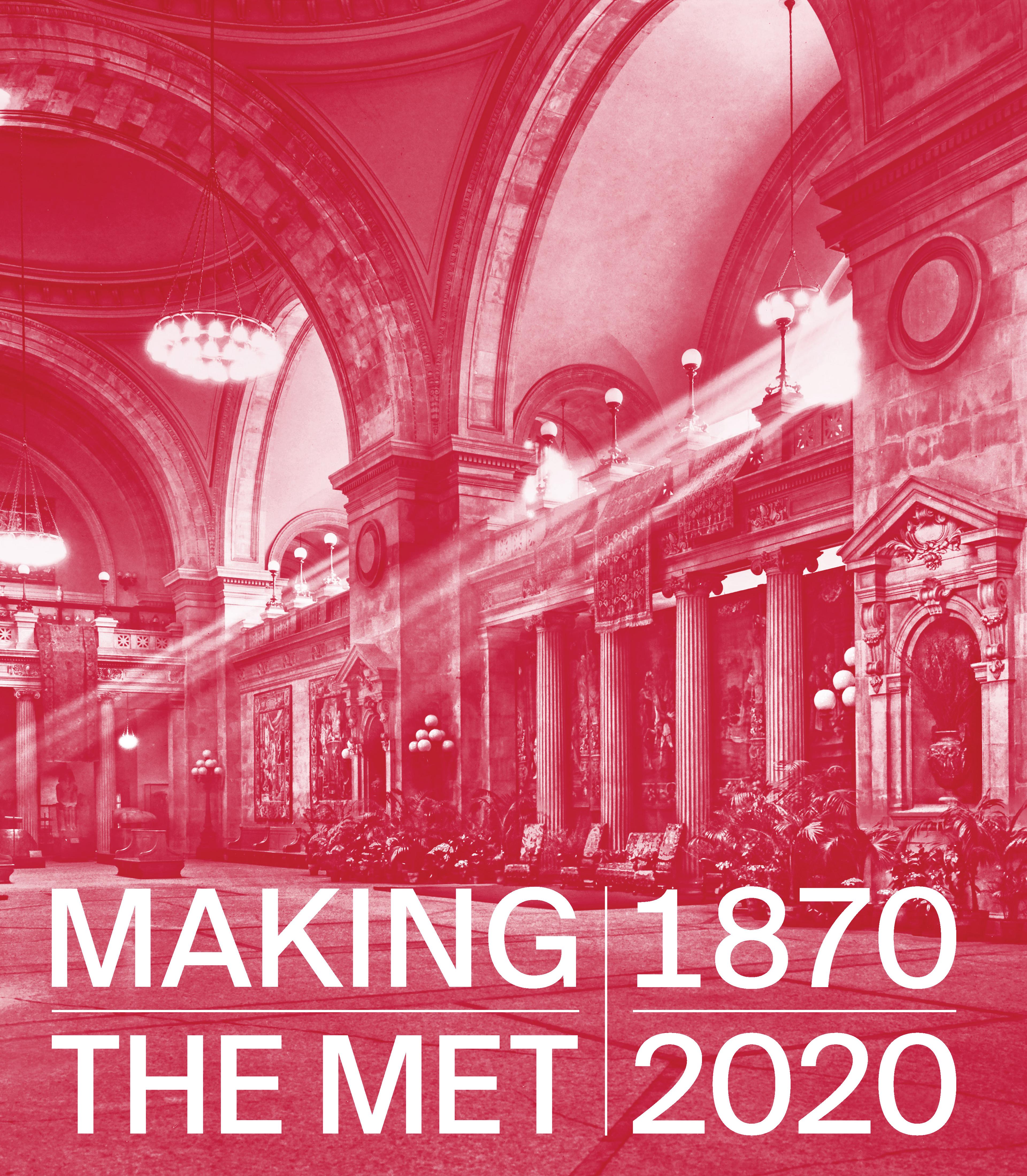 This history of The Metropolitan Museum of Art celebrates its evolution into one of the world’s greatest museums and its vision for the future
 The Metropolitan Museum of Art houses one of the world’s largest and most comprehensive collections of works of art from antiquities to modern and contemporary material. Their preservation is a responsibility shared by the many individuals employed at the Museum who have direct contact with the collection on a daily basis. The Care and Handing of Art Objects—first published in the 1940s and continually updated—offers a guide to the best practices in handling and preserving works of art while on display, in storage, and in transit. It explains many of the fundamental principles of conservation that underlie these methods. One of the goals of the publication is to make the complexities of caring for a collection readily accessible by offering basic guidelines for the preservation of the diverse materials and art objects found in The Met. Each chapter of Part I addresses a different medium ranging from paintings on canvas, works on paper, and photographs to furniture, upholstery, and arms and armor. The sections provides an overview of the particular environmental, handling, and housing factors needed to prevent damage and ensure preservation of each material. Written by experts in the respective specialty, the text summarizes the field's most critical preservation issues, many of which are amplified by photographs. Part II succinctly describes factors that affect the collection as a whole. Among these concerns the book features current environmental standards for temperature, relative humidity, light exposure, storage, and art in transit. The text also addresses integrated pest management and emergency preparedness and response. Charts on storage and display conditions as well as factors contributing to deterioration provide an easy reference for readers. A glossary of conservation terms, principles, and housing materials helps to guide for those unfamiliar with the field. The Care and Handing of Art Objects draws on the knowledge of conservators, scientists, and curators from many different departments, along with that technicians and engineers whose expertise crosses boundaries of culture, chronology, medium, and condition. It is an invaluable resource for students, collectors, small museums, museum study programs, art dealers, and members of the public who want to enhance their understanding of how works of art are safeguarded and the role environment, handling, and materials play in making this possible.Download PDFFree to download
 The Metropolitan Museum Journal is issued annually and publishes original research on works of art in the Museum’s collection. Highlights of volume 53 include an exquisite pair of 17th-century Chinese birthday gift portraits of an elderly couple, a hidden painting of a Rococo-inspired nude underneath Manet’s 1862 Mademoiselle V. . . . in the Costume of an Espada, and a new identification of the central figure in Daumier’s The Third-Class Carriage.Download PDFFree to download
- Download PDFFree to download
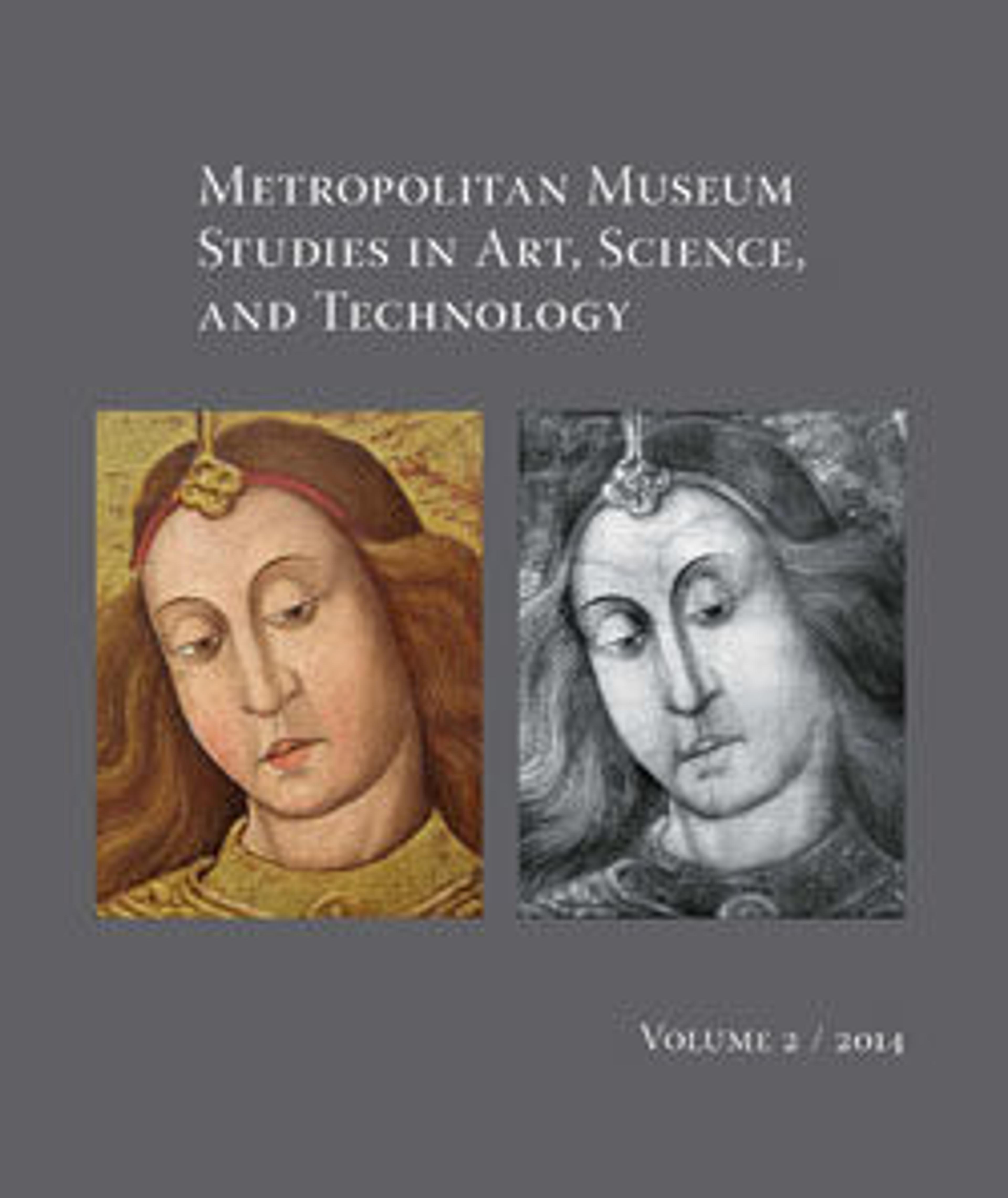 Metropolitan Museum Studies in Art, Science, and Technology focuses on the reciprocal relationship between physical nature and aesthetics in the visual arts. Essays by conservators and conservation scientists present new research on the materials and technologies used in the manufacture, dating, attribution, conservation, and exhibition of works of art. This volume features an in-depth study of changing methodologies in the examination and treatment of medieval polychrome wood sculpture and ways in which they reflect broader trends in collecting and displaying these works in American museums. Two other full-length articles establish the provenience of limestone and sandstone used in Chinese and Cambodian religious foundations, respectively, through the microscopic examination of prepared thin sections that reveal their mineral components. Another article describes the results of radiographic, compositional, and microscopic examinations that confirm the authenticity of a controversial group of cast copper figures from the mountains of southwestern Lebanon. In the fifth article, the authors investigate a Spanish medieval altarpiece by employing infrared spectrometry and UV fluorescence microscopy to reveal underdrawing and paint stratigraphy that illuminate the processes of its manufacture. Six research notes describe technical studies of Egyptian hard stone sculpture, silvered Limoges enamels, an eighteenth-century French side table decorated with Japanese export lacquer, a landscape by French Pictorialist photographers, and the Metropolitan Museum's famed Lion Helmet.Download PDFFree to download
 The interface of art, science, and conservation is an exciting place. That's what we at the Metropolitan Museum of Art discovered in June 2002 when we hosted a three-day symposium that brought these areas together. The first such conference ever held at the Met, the Art, Biology, and Conservation 2002 meeting provided an opportunity for close to 40 scientists and conservators to present their latest research on the interactions of microbes and art, and to offer approaches to counter the effects of biodeterioration. As I noted at the time, no work of art is immune to microbial attack. Microbes, being cosmopolitan, are a threat to art collections worldwide, as they are always present in the environment, lying dormant, and waiting for the right conditions to occur so they can flourish. Such conditions include subtle environment changes, such as a temporary increase in moisture level, as well as major events, such as a water leak; both can foster an infestation within just hours. Whether this leads to serious damage depends on many factors, including the material composition of the art, the amount of water present, the species of microbe on the art, and how long conditions are favorable for growth. Once such mishaps occur, the work of scientists and conservators becomes vital, as they strive to protect our often fragile cultural heritage. The papers in this volume detail the work of the select group of biologists and conservators that came together at ABC2002 to show how they are addressing these concerns. A wonderfully diverse group, they had in common a desire to preserve the historic and the beautiful, the skills to do so, and an excitement about the whole process. I think that excitement comes through in this volume as well.Download PDFFree to download