MetPublications
Showing 1–10 results of 28
Sort by:
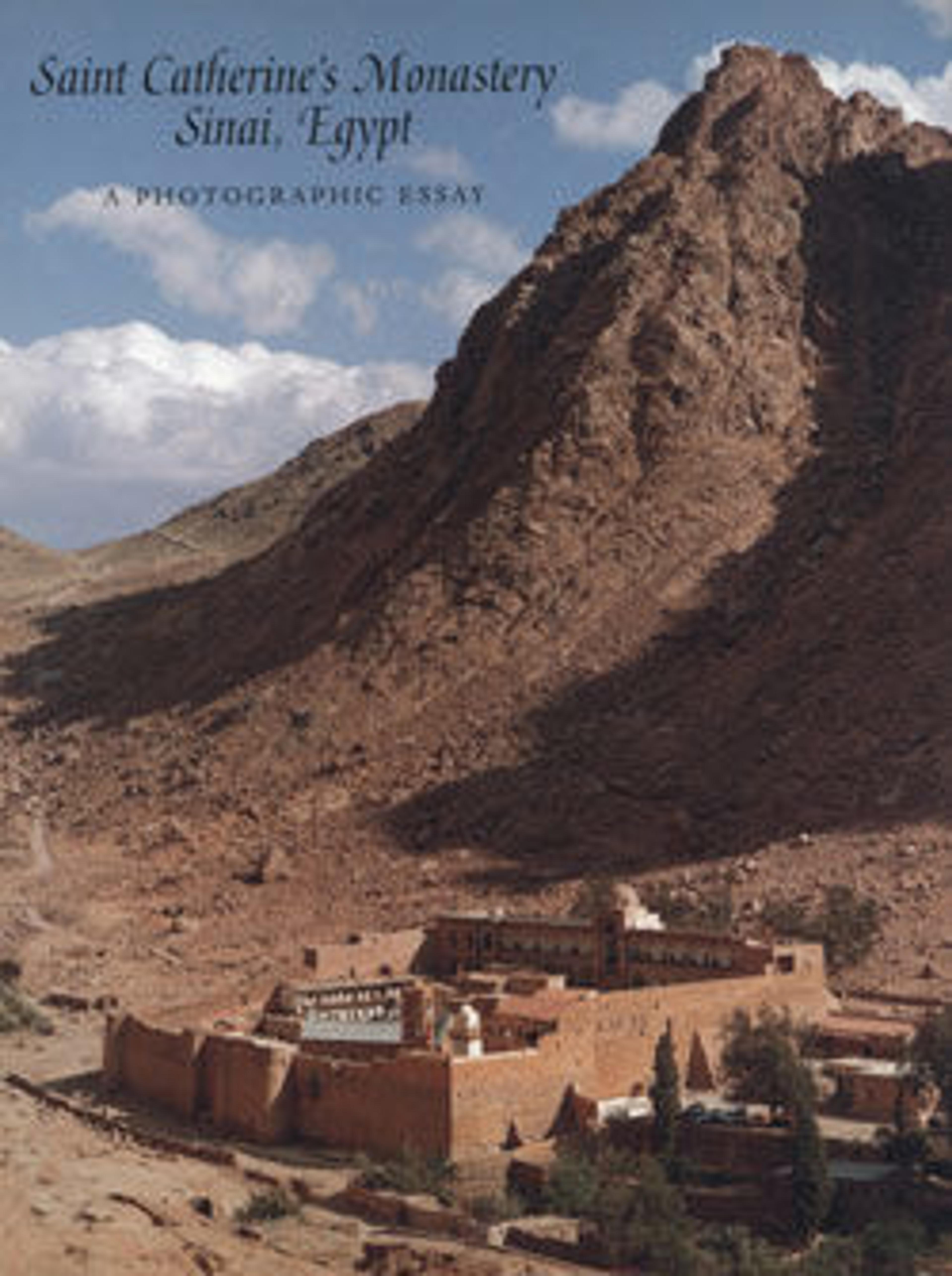 The Holy Monastery of Saint Catherine, situated among the mountains of the Sinai Peninsula in Egypt, is the oldest continuously active monastery in the world. Recorded as a Christian pilgrimage site as early as the fourth century, it is located where Moses is thought to have seen the Burning Bush and to have received the Ten Commandments. In the sixth century, the Byzantine emperor Justinian the Great (r. 527–67) ordered the building of an impressive church and fortifications for the Monastery to protect the surrounding imperial land. Later generations of pilgrims added gifts of icons, manuscripts, embroideries, altar furnishings, and other liturgical objects and works of art. The Holy Monastery still receives many pilgrims and visitors each year, attracted by its history, its sanctity, and its scenic beauty. In this handsome and informative book, the Monastery and its buildings are presented in many newly commissioned color photographs: included are views of the richly decorated sanctuary of the sixth-century church as well as images of the world's most outstanding collection of icons. The Introduction by His Eminence Archbishop Damianos of Sinai and the essay on the Holy Monastery by Helen C. Evans augment the powerful and dramatic photographs of the site, some of them from the Monastery's archives. Additional photographs and the descriptive captions that accompany the pictures were provided by members of the Monastery's monastic community.Download PDFFree to download
 Download PDFFree to download
 Download PDFFree to download
 The first of a special two-part edition of Recent Acquisitions, this Bulletin celebrates works acquired by the Museum in 2019 and 2020, many of which were gifts bestowed in honor of the Museum’s 150th anniversary year. Highlights of this volume include a sumptuous set of handscrolls depicting The Tale of Genji, a second-century Roman wellhead, a drawing of a landscape by French artist Claude Lorrain, and nearly one hundred Indian paintings. This publication also honors the many generous contributions from donors that make possible the continued growth of The Met's collection.Download PDFFree to download
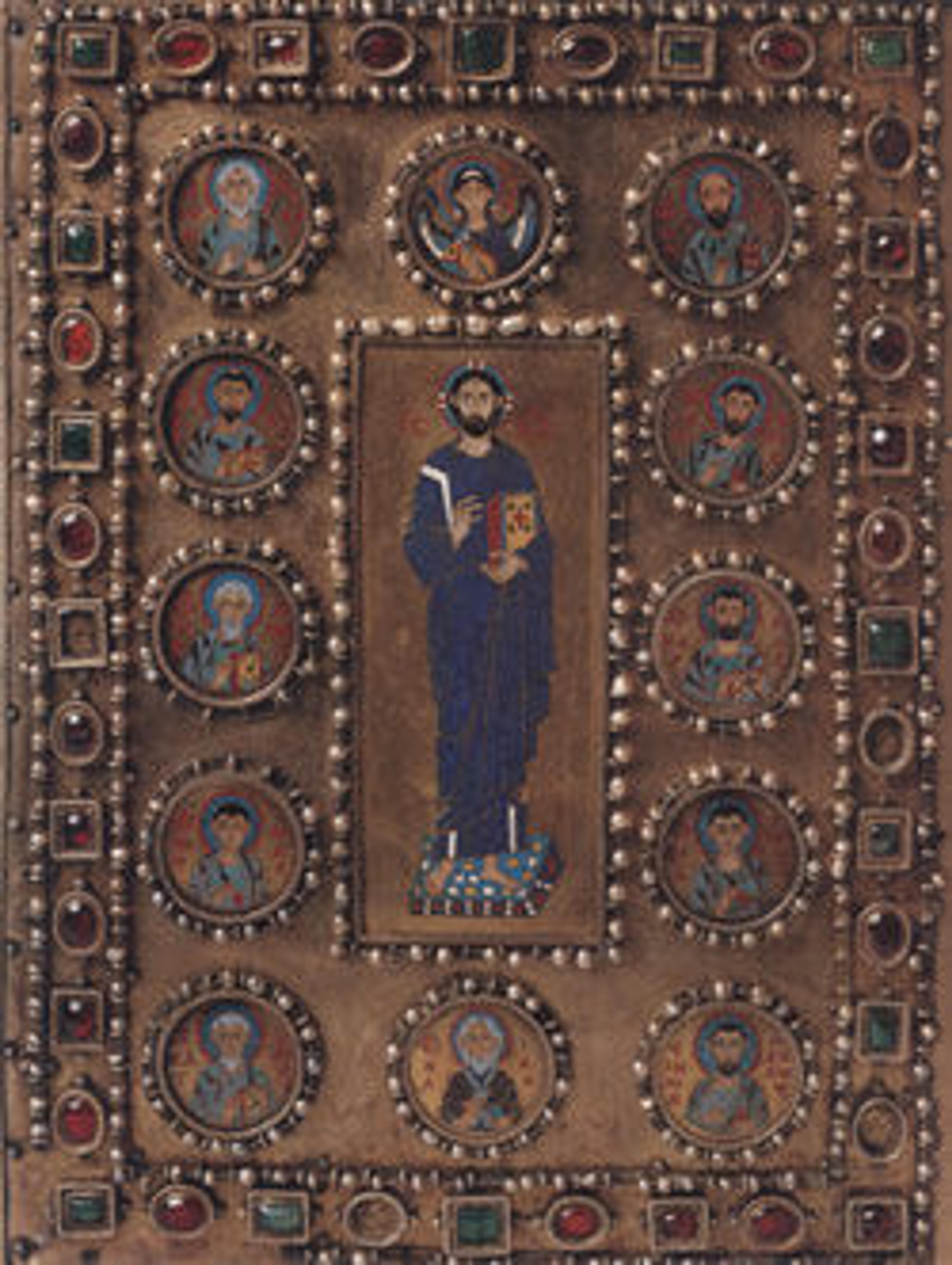 In A.D. 843, following the resolution of the Iconoclastic controversy, which had raged throughout the Byzantine Empire for more than a century, the use of icons—images—was triumphantly reinstated in the Orthodox Church. This momentous event inspired much of the art of the following four centuries, which comprises the second great era of Byzantine culture and provides the starting point of this volume. The Glory of Byzantium, and the exhibition that it accompanies, concludes with the demise of the empire's role as a world power, evidenced by the Latin occupation of Constantinople from 1204 to 1261. Conceived as the sequel to the landmark exhibition "Age of Spirituality," which was held at The Metropolitan Museum of Art in 1976 and focused on the first centuries of Byzantium, "The Glory of Byzantium" explores four interrelated themes: the religious and secular culture of the Second Golden Age of the Byzantine Empire; the empire's interaction with its Christian neighbors and rivals; its relations with the Islamic East; and its contact with the Latin West. Bringing together the contributions of fifty-nine scholars and art historians, most of them working in the United States, the text explores the complex currents of Byzantine civilization in its myriad facets. More than 350 works of art assembled for the exhibition from 119 institutions in 24 countries are discussed and illustrated in the catalogue. Together they present a significant selection of the most beautiful and meaningful works that survive from the empire's Second Golden Age and from the countries that constituted its extended sphere of influence. Liturgical objects—including icons, mosaics, chalices, patens, and reliquaries—and secular objects—silks, ivories, ceramics, jewelry, and manuscripts—reflect the dynamic nature of the art of this era both within and outside the empire. The first half of the volume treats the historical context, the religious sphere, and the secular courtly realm of the empire; the second half focuses on the interactions between Byzantium and other medieval cultures, including Islam and the Latin West. The 17 essays are accompanied by detailed discussions of the works of art and by full-color photographs, as well as by views of architectural sites and comparative illustrations. Many of these illustrations were made specifically for this volume by Bruce White, photographer, on site in Greece, Turkey, Egypt, Italy, Bulgaria, Hungary, Georgia, Ukraine, and the Russian Federation.Download PDFFree to download
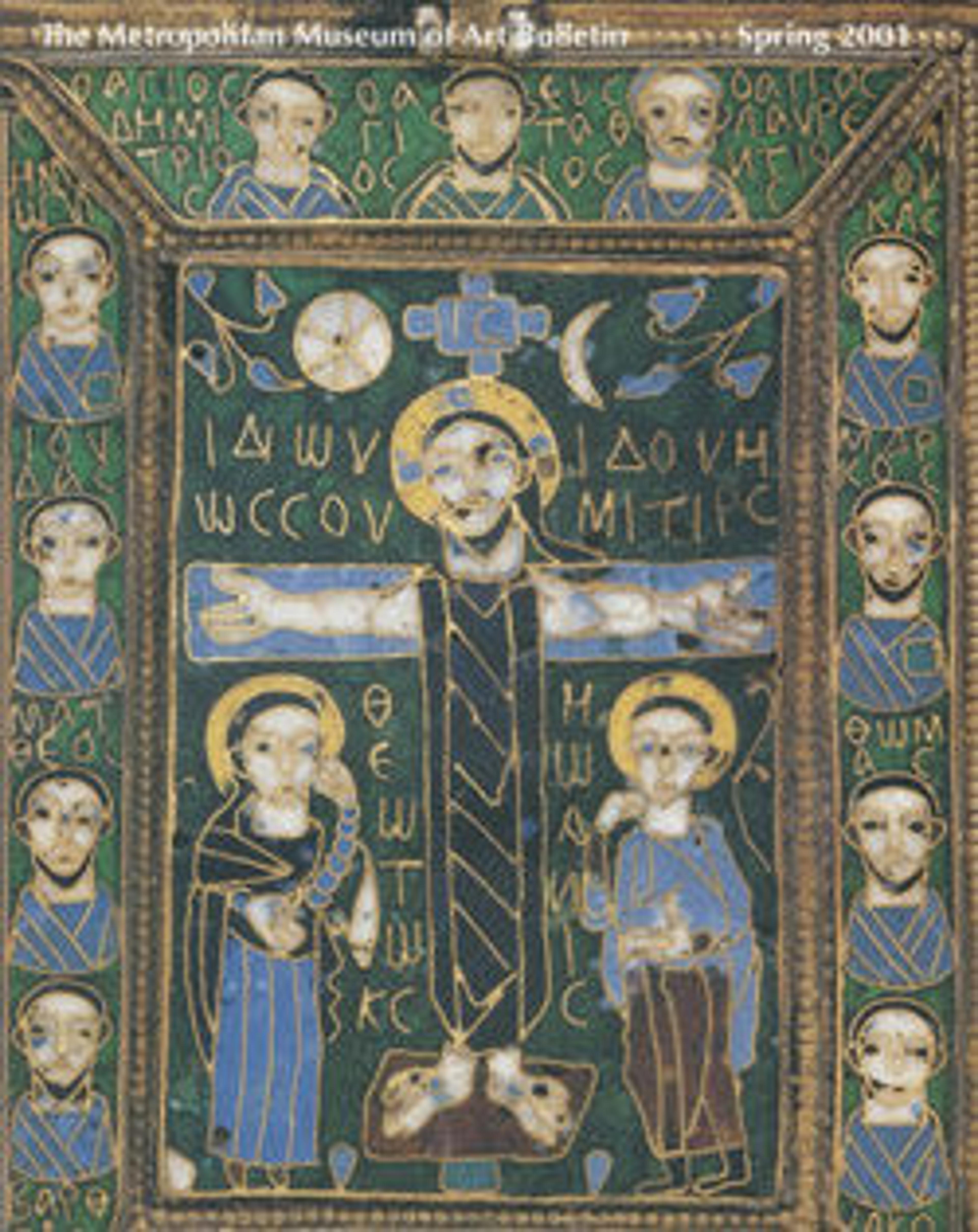 Download PDFFree to download
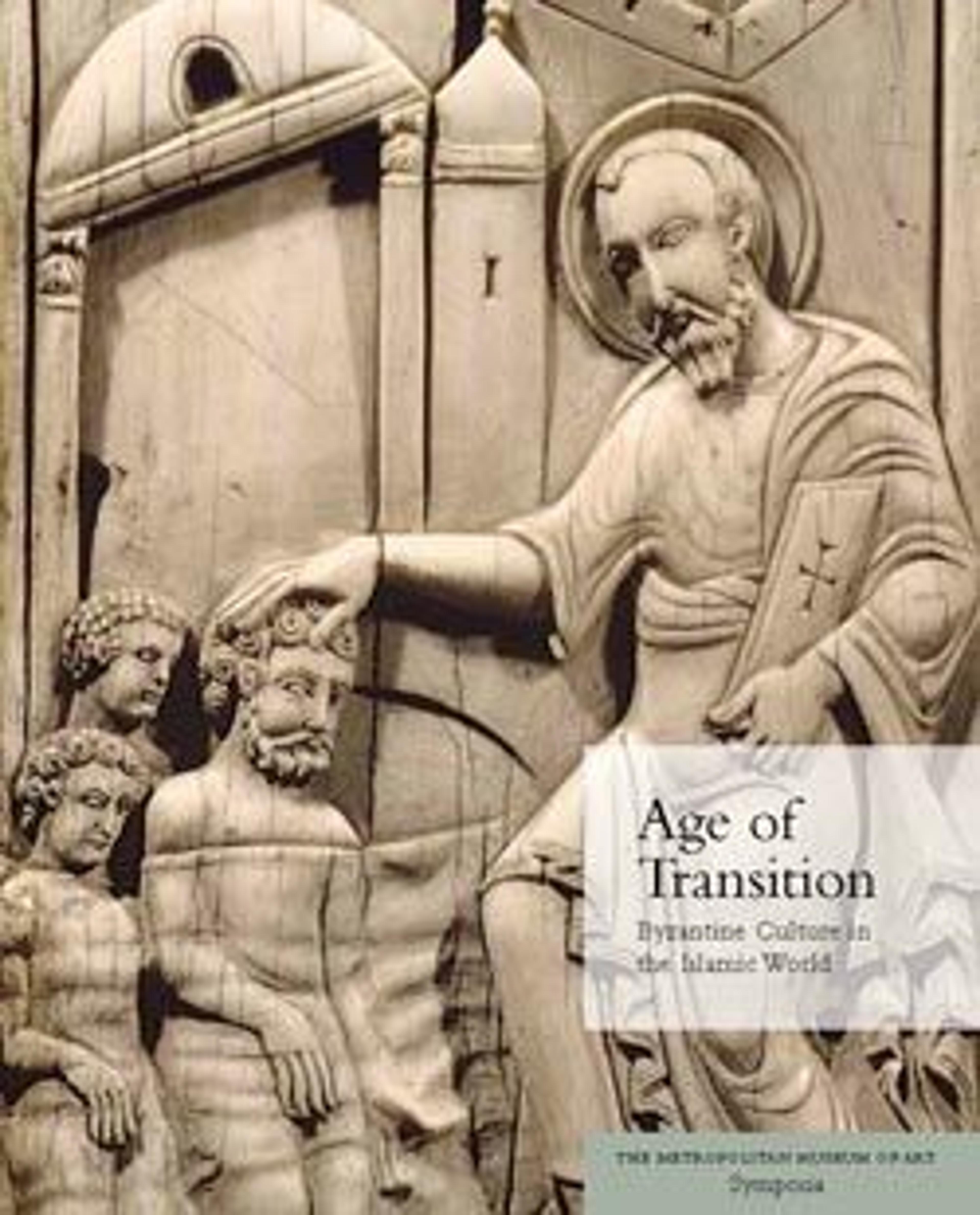 Building on the groundbreaking 2012 exhibition “Byzantium and Islam: Age of Transition,” which explored the transformations and continuities in the Byzantine Empire from the seventh to the ninth century, the present volume extends the exhibition catalogue’s innovative investigation of cultural interaction between Christian and Jewish communities and the world of Islam. Eleven essays by internationally distinguished scholars address such topics as the transmission of Christian imagery to the Mediterranean, icons preserved in The Holy Monastery of Saint Catherine at Sinai, interaction between Jewish communities and the Muslim world, the purposeful mutilation of figurative floor mosaics in places of worship, the evolution of classical and Byzantine motifs in a new cosmology for Muslim rulers, and interconnections in the realm of music. Each essay provides compelling evidence that the era of transition from Byzantine to Islamic rule in the eastern Mediterranean and North Africa resulted in unprecedented cultural cross-fertilization and significantly affected the development of the Mediterranean world for centuries to come.Download PDFFree to download
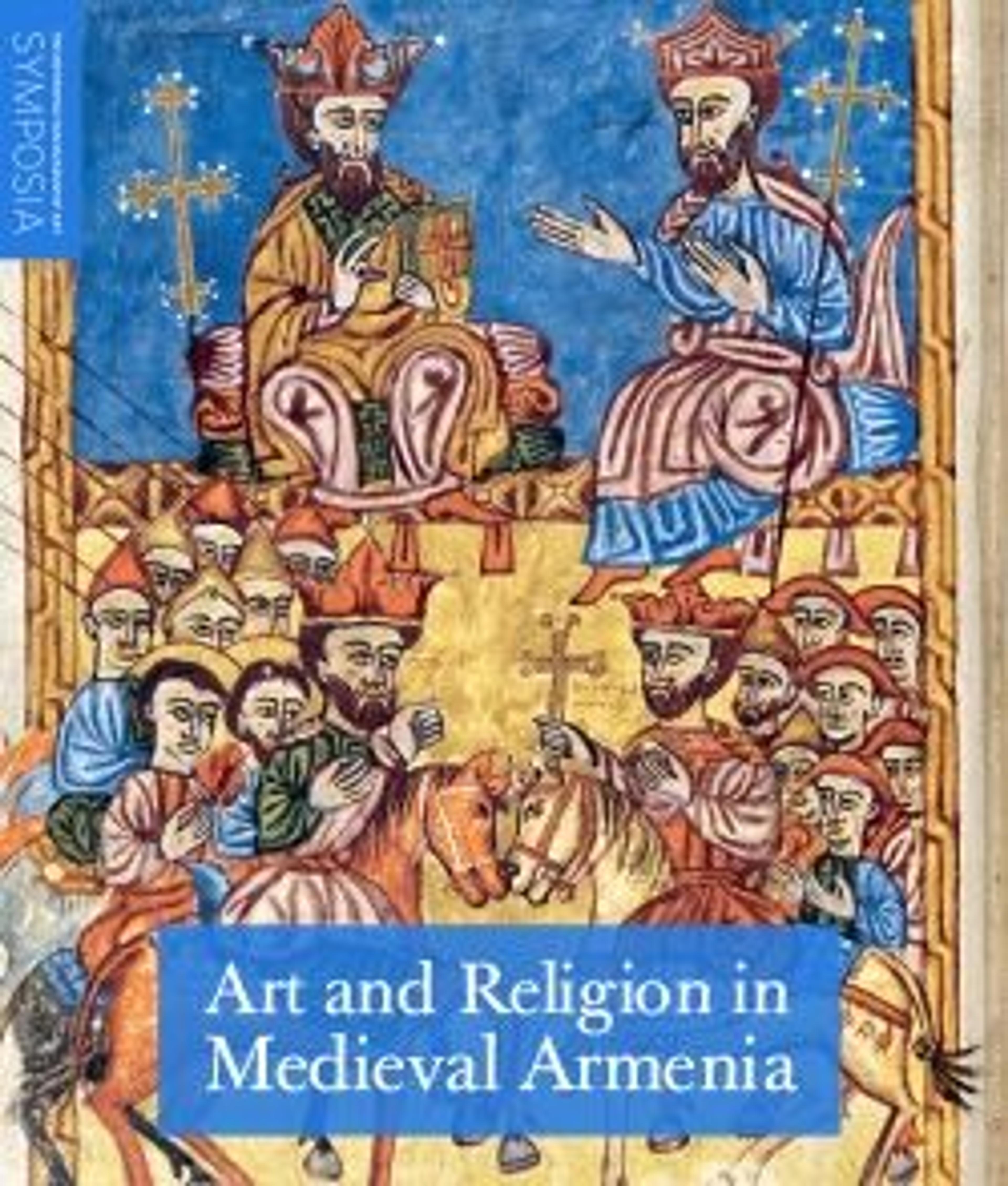 This latest volume in The Metropolitan Museum of Art symposia series reprises The Met's blockbuster exhibition Armenia! (2018–19)—the first major exhibition on the art of this highly influential culture at the crossroads of the eastern and western worlds. Building on the pioneering work of those who first established Armenian studies in America, these essays by a new generation of scholars address Armenia's roles in facilitating exchange with the Mongol, Ottoman, and Persian empires to the East and with Byzantium and European Crusader states to the West. Contributors explore the effects of this tension in the history of Armenian art and how those histories persist into the present, as Armenia continues to grapple with the legacy of genocide and counters new threats to its sovereignty, integrity, and culture.
- Download PDFFree to download
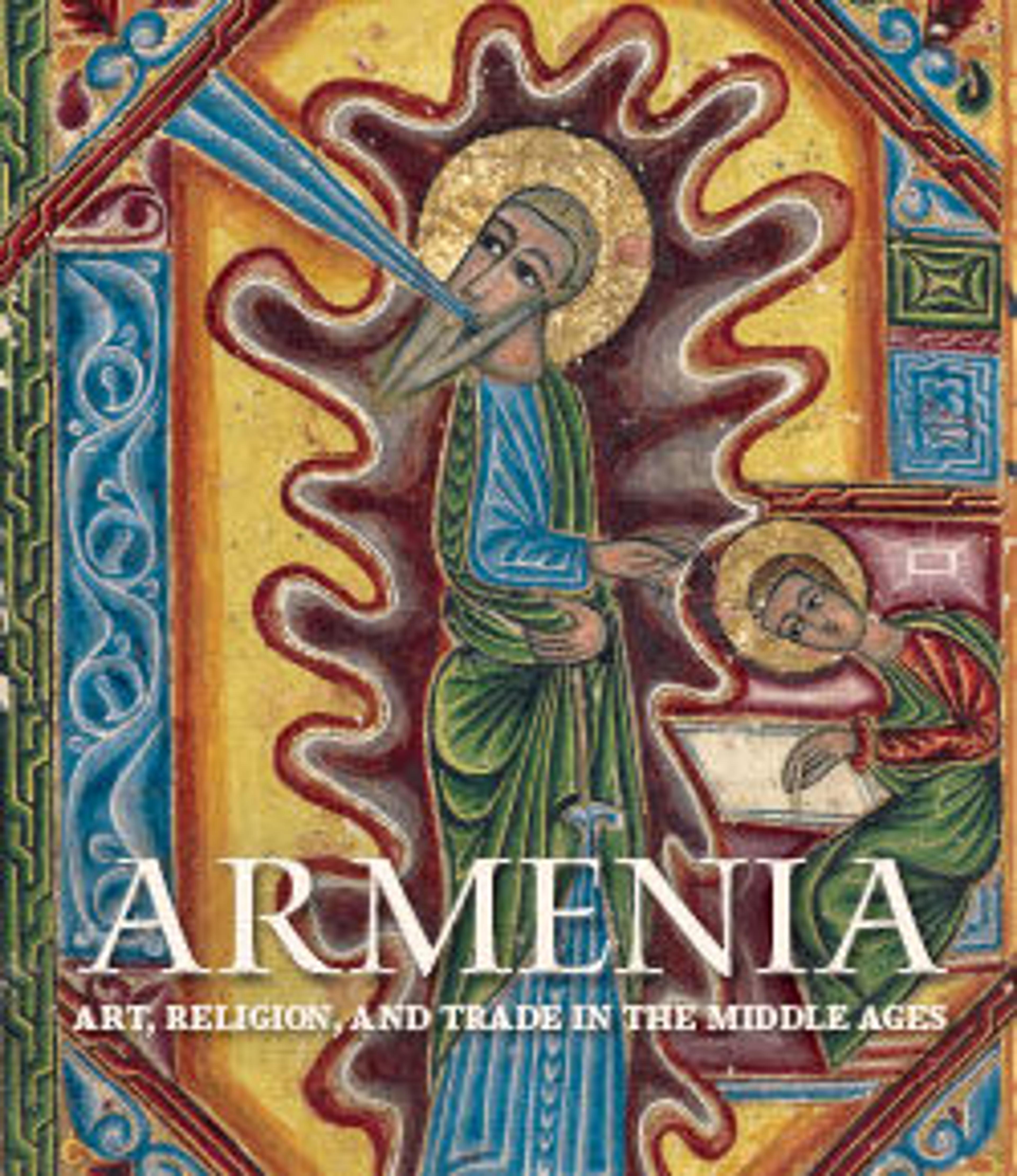 At the foot of Mount Ararat on the crossroads of the eastern and western worlds, medieval Armenians dominated international trading routes that reached from Europe to China and India to Russia. As the first people to convert officially to Christianity, they commissioned and produced some of the most extraordinary religious objects of the Middle Ages. These objects—from sumptuous illuminated manuscripts to handsome carvings, liturgical furnishings, gilded reliquaries, exquisite textiles, and printed books—show the strong persistence of their own cultural identity, as well as the multicultural influences of Armenia’s interactions with Romans, Byzantines, Persians, Muslims, Mongols, Ottomans, and Europeans. This unprecedented volume, written by a team of international scholars and members of the Armenian religious community, contextualizes and celebrates the compelling works of art that define Armenian medieval culture. It features breathtaking photographs of archaeological sites and stunning churches and monasteries that help fill out this unique history. With groundbreaking essays and exquisite illustrations, Armenia illuminates the singular achievements of a great medieval civilization.Download PDFFree to download