MetPublications
Showing 1–10 results of 29
Sort by:
 Download PDFFree to download
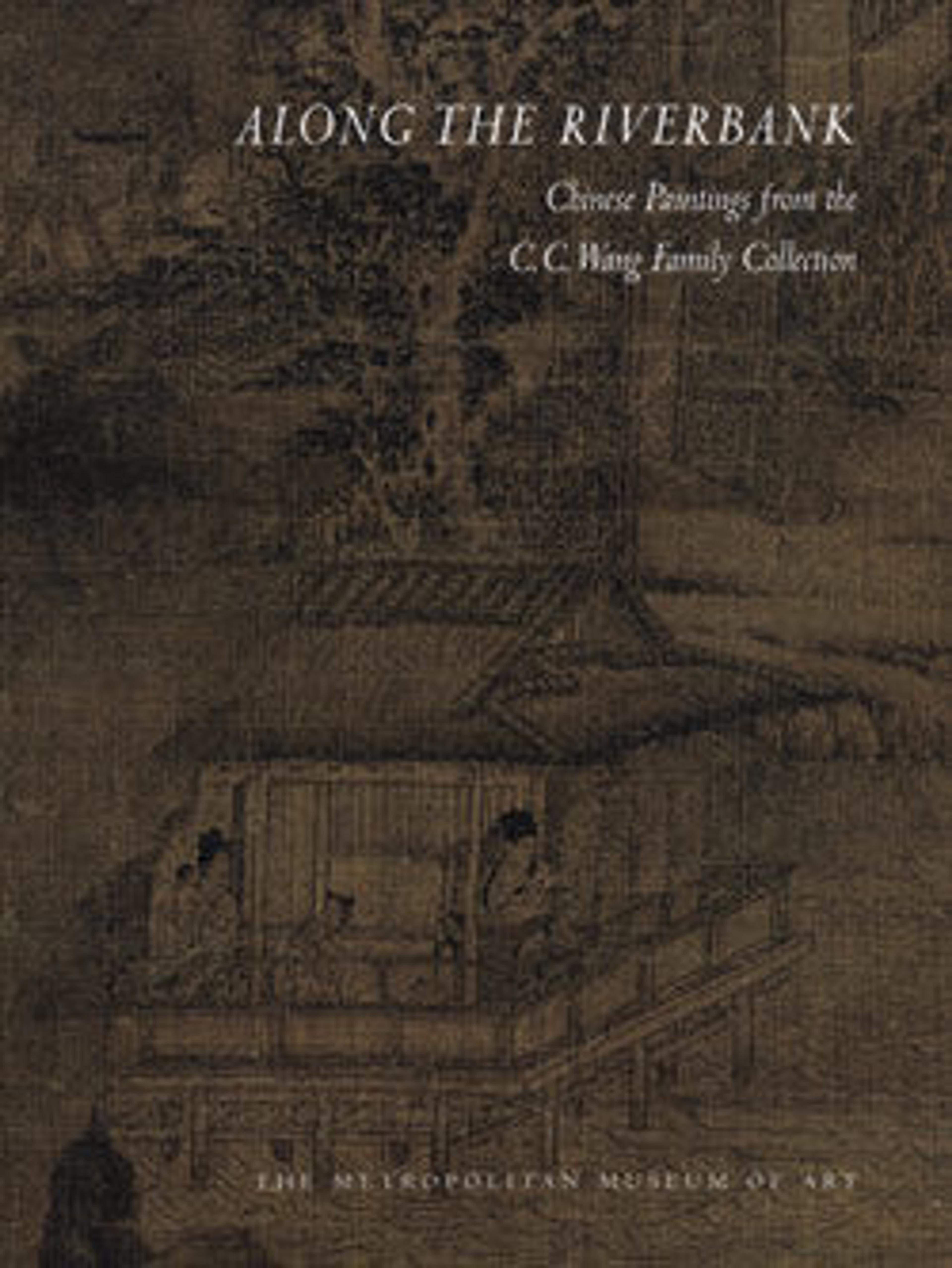 This publication celebrates the promised gift to The Metropolitan Museum of Art from the Oscar Tang family of twelve major works from the C. C. Wang Family Collection, one of the great private collections of Chinese old master paintings to be assembled in the twentieth century. Ranging in date from the tenth to the early eighteenth century, these works significantly extend the Museum's holdings and reveal those areas of Chinese painting of particular interest to Mr. Wang. An accomplished artist, Ch'i-Ch'ien Wang, a resident of New York City since 1949, began collecting paintings in Shanghai more than seventy years ago. Works from his collection, long known to Western scholars and connoisseurs, are now in many American public institutions and universities. The Metropolitan owns some sixty works formerly in this collection, the twelve presented here constituting the most recent addition to the Museum's holdings from this source. Along the Riverbank is published on the occasion of the exhibition "The Artist as Collector: Masterpieces of Chinese Paintings from the C. C. Wang Family Collection," which includes most of the works acquired by the Museum from Mr. Wang since 1973. Among the twelve paintings presented here is the famed Riverbank, attributed to the tenth-century master Dong Yuan (active 950s–60s), one of the patriarchs of the scholarly Southern school of landscape painting. It is generally recognized as one of the rare extant paintings marking the inception of the monumental landscape tradition in China. An essay by Wen C. Fong presents an in-depth stylistic analysis and contextual history of the painting. A physical analysis of the work is also included. An extended essay by Maxwell K. Hearn examines all twelve paintings. The major examples of landscape art include Simple Retreat, by the renowned scholar-artist Wang Meng (1308–1385), who drew inspiration from the vision of landscape created by Dong Yuan and other tenth-century painters. In addition to landscapes, the collection features several important figure paintings, including Palace Banquet, by an unknown Academy painter of the Southern Tang dynasty (967–75) and a long monochrome narrative by Zhao Cangyun, a late-thirteenth-century survivor of the Mongol conquest. The genre of flower-and-bird painting is represented by Mandarin Ducks and Hollyhocks, a pictorial metaphor of marital happiness by the leading early Ming academic master Lü Ji (active late 15th century), and by Two Eagles, a defiant symbol of political resistance by Bada Shanren (1616–1705), a member of the Ming royal house who lived through the occupation of China by the Manchus.Download PDFFree to download
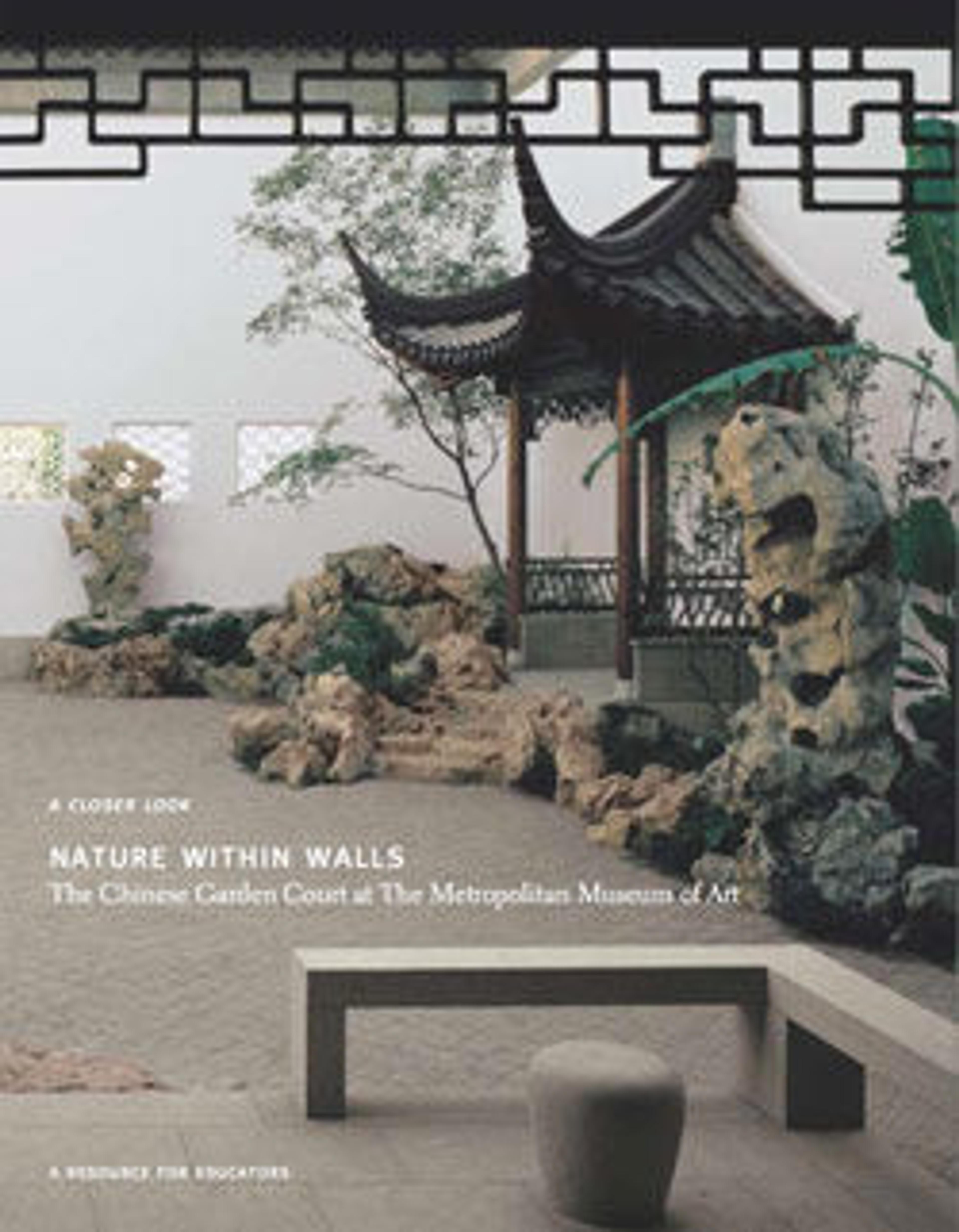 Elizabeth Hammer focuses on the Chinese Garden Court, one of the most pleasant and popular parts of the Museum's Asian art galleries. Its architectural elements, rock formations, plantings, and pond not only provide a peaceful environment but also offer visitors a window through which they can glimpse how nature was traditionally perceived in Chinese culture and how these ideas influenced the arts of this ancient civilization. These educational materials are made possible by The Freeman Foundation.Download PDFFree to download
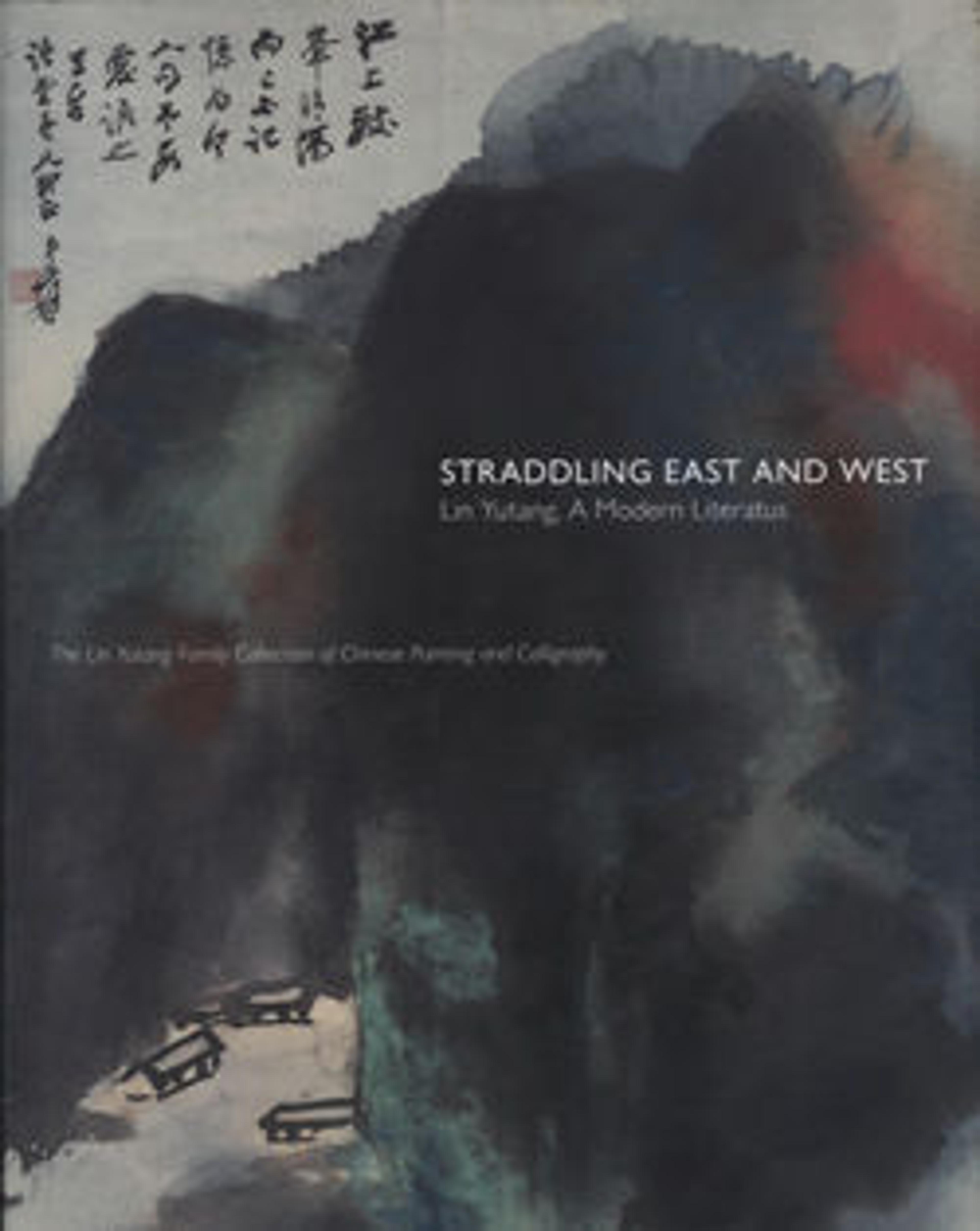 In the winter of 2005 the Department of Asian Art received an important group of gifts and promised gifts from the family of the noted author Lin Yutang (1895–1976). Consisting of forty-three modern Chinese paintings, calligraphies, and prints, this donation, together with the earlier gift of nineteenth- and twentieth-century paintings from Robert H. Ellsworth, significantly enhances the Museum's ability to present China's traditional literati arts of the mid-twentieth-century.
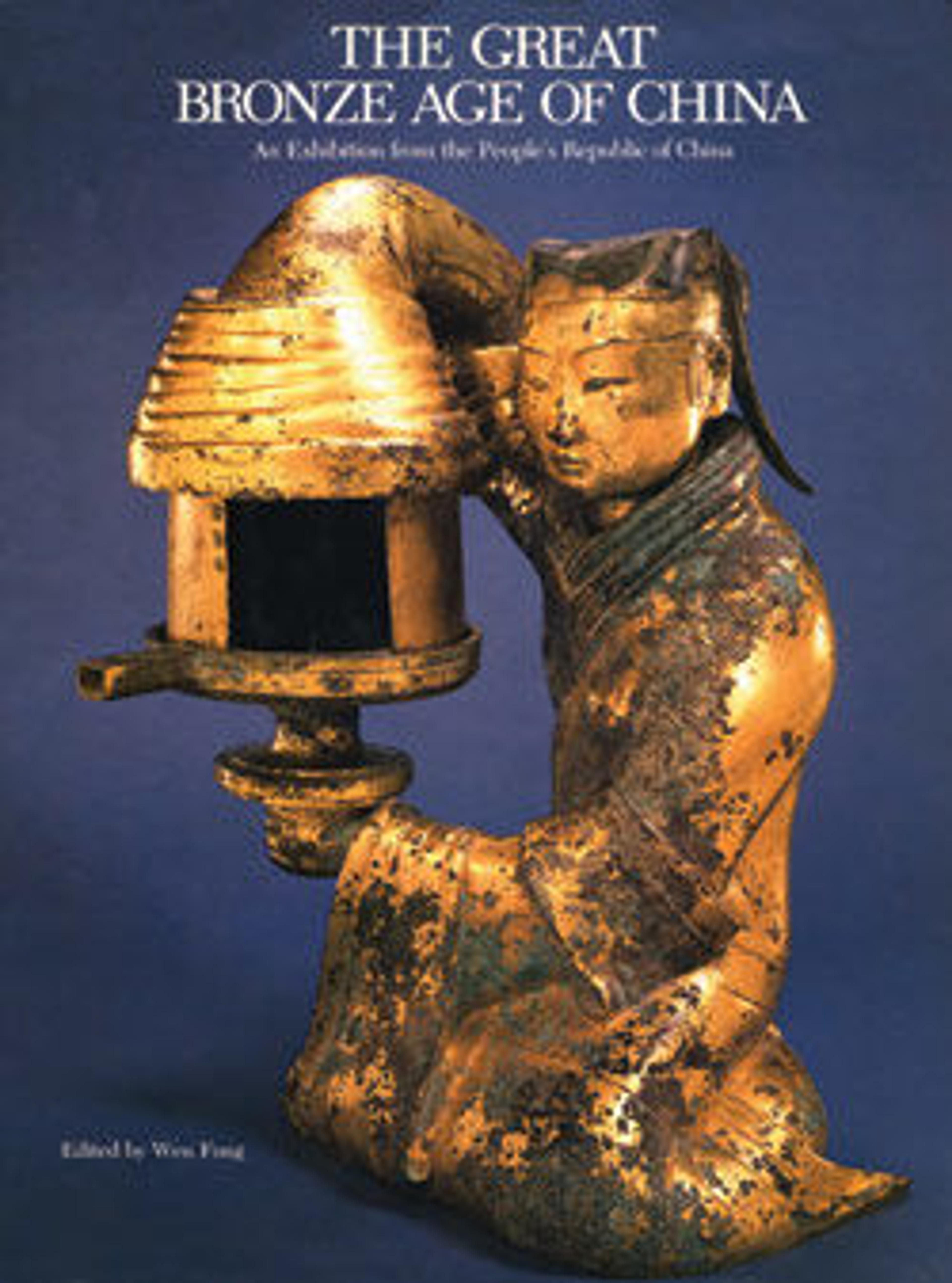 Nearly 4,000 years ago, the ancient Chinese made a discovery that would determine the course of their history and culture for two millennia—the alloy of tin and copper known as bronze. Bronze was used for tools and weapons and even musical instruments, but the Great Bronze Age of China has come down to us mainly in the ritual vessels that symbolized power and prestige for China's first three dynasties: the Xia, the Shang, and the Zhou. Passed on to successive conquerors, used to honor the ancestors, and buried—along with other grave goods and sacrificial victims or in storage pits by fleeing members of defeated dynasties—these exquisite bronzes reveal more about the character of life in ancient China than any other artifacts. As Chinese legend tells us, whoever held the bronze vessels held the power. Recent archaeological excavations and recent diplomatic ties between the People's Republic and the United States have combined to make possible a unique exhibition of Bronze Age artifacts. Eighty-five bronzes—including vessels that range from the simplest wine cup to huge cauldrons, elaborate bird- and elephant-shaped containers, bells, and a standard top—are seen together for the first time on a generous loan from the People's Republic to five United States museums. Included are some objects so treasured that it was at first thought that they would not be permitted to leave China. Perhaps the most stunning objects are those from one of the most remarkable finds in the history of archaeology: in 1974, more than 7,000 life-size figures—a veritable army of warriors, cavalry, and chariots complete with horses and drivers—were discovered still standing, rank after rank, guarding the burial mound of China's first emperor, Qin Shihuangdi, who died in 210 B.C. Eight of them, six men and two horses, are included here, the first to be placed on exhibit outside China. Richly carved jades and an iron belt hook make up the remainder of the 105 objects presented. To document this extraordinary exhibition, The Metropolitan Museum of Art, New York, sent a special advance team of researchers and a photographer to China in 1979, led by director Philippe de Montebello. Represented in this catalogue are the results of that journey—color-plate illustrations of all of the objects in the show, including many details, supplemented by black and white photographs—most of them supplied by China's Cultural Relics Bureau—along with many drawings, charts, and maps.Download PDFFree to download
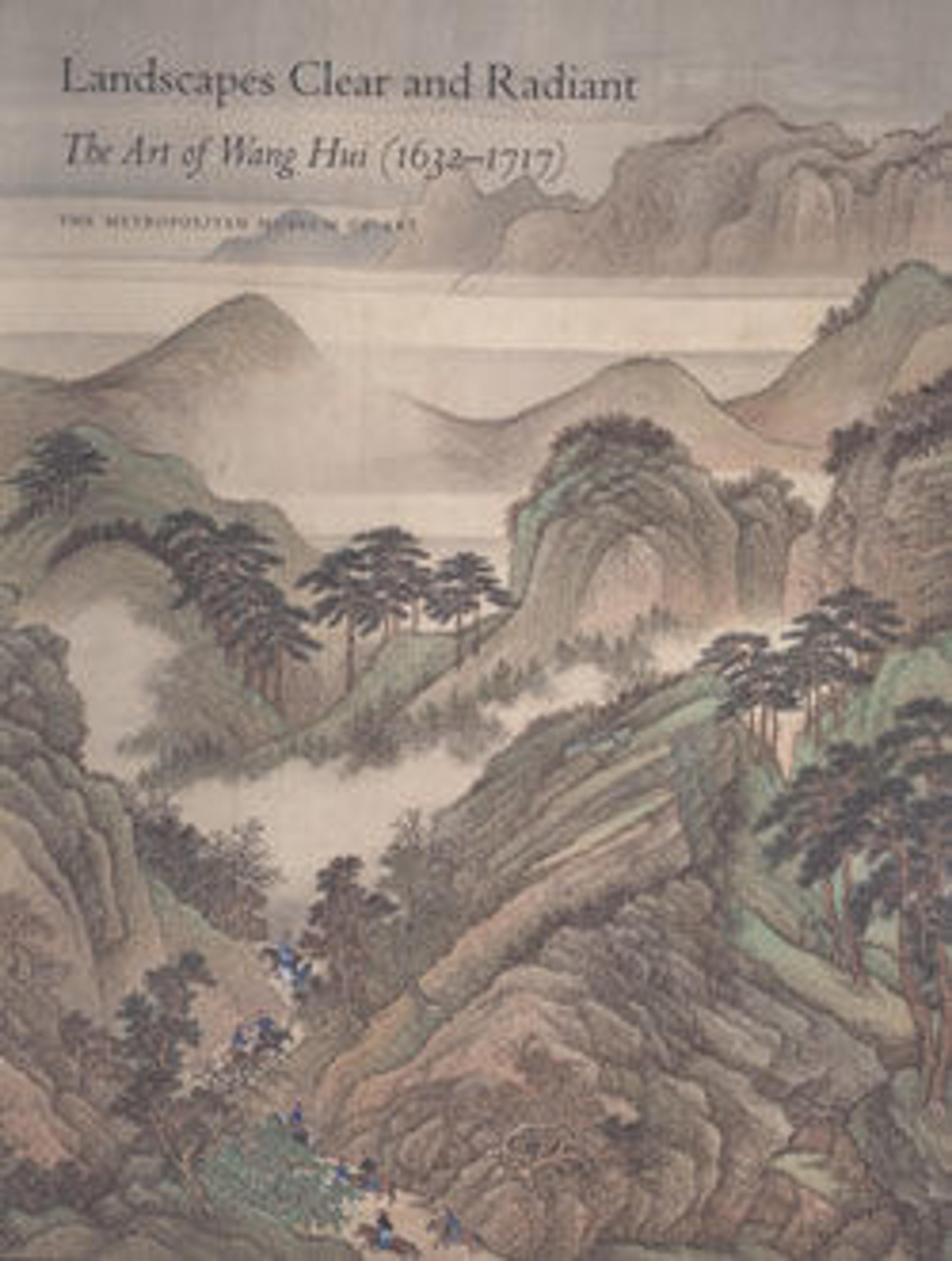 Wang Hui, the most celebrated painter of late seventeenth-century China, played a key role both in reinvigorating past traditions of landscape painting and in establishing the stylistic foundations for the imperially sponsored art of the Qing court. Drawing upon his protean talent and immense ambition, Wang developed an all-embracing synthesis of historical landscape styles that constituted one of the greatest artistic innovations of late imperial China. This comprehensive study of the painter, the first published in English, features three essays that together consider his life and career, his artistic achievements, and his masterwork—the series of twelve monumental scrolls depicting the Kangxi emperor's Southern Inspection Tour of 1689. The first essay, by Wen C. Fong, closely examines Wang Hui's genius for "repossessing the past," his ability to engage in an inventive dialogue with previous masters and to absorb their stylistic personae while making works that were distinctly his own. Chin-Sung Chang next traces the entire trajectory of Wang's development as an artist, from his precocious youth in the village of Yushan, through growing local and national fame—first as a copyist, then as the creator of groundbreaking panoramic landscapes—to the ultimate confirmation of his stature with the commission to direct the Southern Inspection Tour project. Focusing on this extraordinary eight-year-long effort, Maxwell K. Hearn's essay discusses the contemporary sources for the scrolls, the working methods of Wang and his assistants (comparing drafts with finished versions), and the artistic innovations reflected in these imposing works, the extant examples of which measure more than two feet high and from forty-six to eighty-six feet long. Presented in this volume are twenty-seven of Wang Hui's major paintings, including two of the Southern Inspection Tour scrolls, drawn from The Metropolitan Museum of Art and from museums in Beijing, Taipei, Shanghai, the United States, and Canada. These are supplemented by a wealth of comparative images that range from ancient Chinese paintings and seventeenth-century woodblock maps to works by present-day artists. Invaluable information is provided by a scholarly catalogue, compiled by Shi-yee Liu, Research Associate in the Department of Asian Art at the Metropolitan Museum, which details the inscriptions, colophons, signatures, and seals of each work.Download PDFFree to download
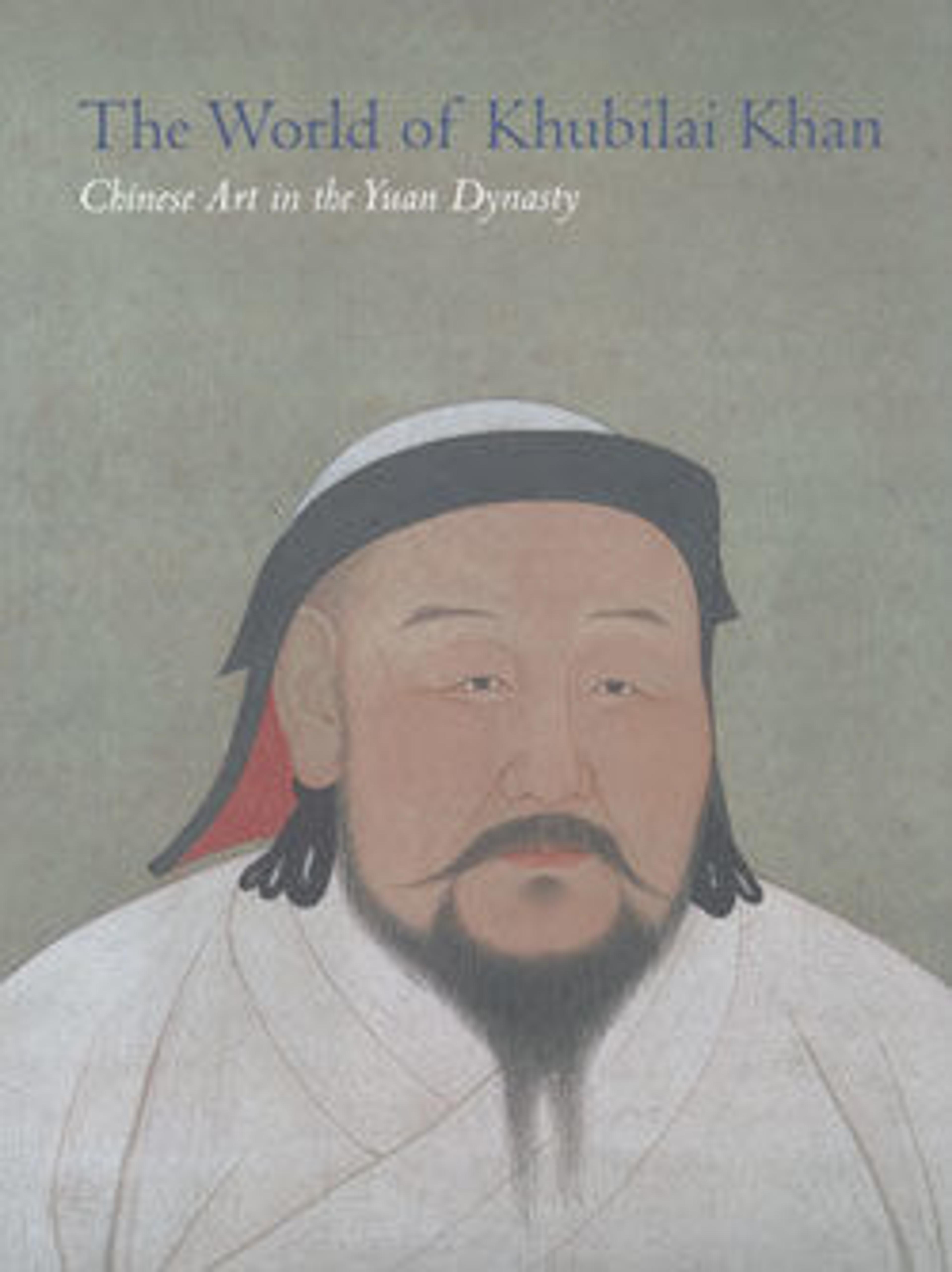 In 1215, the year Khubilai Khan (1215–1294) was born, the Mongols made their first major incursion into North China, initiating a period of innovation in the arts that had its greatest flowering in the Yuan dynasty, founded by Khubilai in 1271 and lasting until 1568. The creativity unleashed during this period of approximately 150 years was instigated by the confluence of the many cultures and ethnic groups that were brought together in a unified empire in China, which for centuries past had been politically divided. Skilled craftsmen from all over Central and Western Asia were relocated to workshops in North China, where they worked alongside Chinese artists, exchanging ideas and styles. This interaction eventually resulted in the creation of new art forms that would provide models for the arts of China in all subsequent periods until the twentieth century. The World of Khubilai Khan: Chinese Art in the Yuan Dynasty, which accompanies a groundbreaking exhibition at The Metropolitan Museum of Art, is an in-depth discussion of the art and culture produced during this time, tracing the origins of the new art forms and exploring daily life in Yuan China, in particular at the imperial court and in the capital cities of Xanadu (present-day Shangdu) and Dadu (Beijing), and the impact on the arts of Buddhism, Daoism, Christianity, Manichacism, Hinduism, and Islam. The works of art and the archaeological finds on which the ten essays included in this volume are based are drawn principally from museums in China, with additional loans from museums in Taiwan, Japan, Russia, Europe, the United Kingdom, Canada, and the United States. The exhibition and catalogue, conceived and organized by James C. Y. Watt, Brooke Russell Astor Chairman of the Department of Asian Art at the Metropolitan Museum, illuminate our understanding of both the arts and the material culture of this period, telling the story of the emergence of a new Chinese art in a way that it has never before been told.
 For centuries China has fueled the creative imagination and inspired fashion. This stunning publication explores the influence of Chinese art, film, and aesthetics on international fashion designers, including Christian Dior, Jean Paul Gaultier, Karl Lagerfeld, Alexander McQueen, and Yves Saint Laurent.
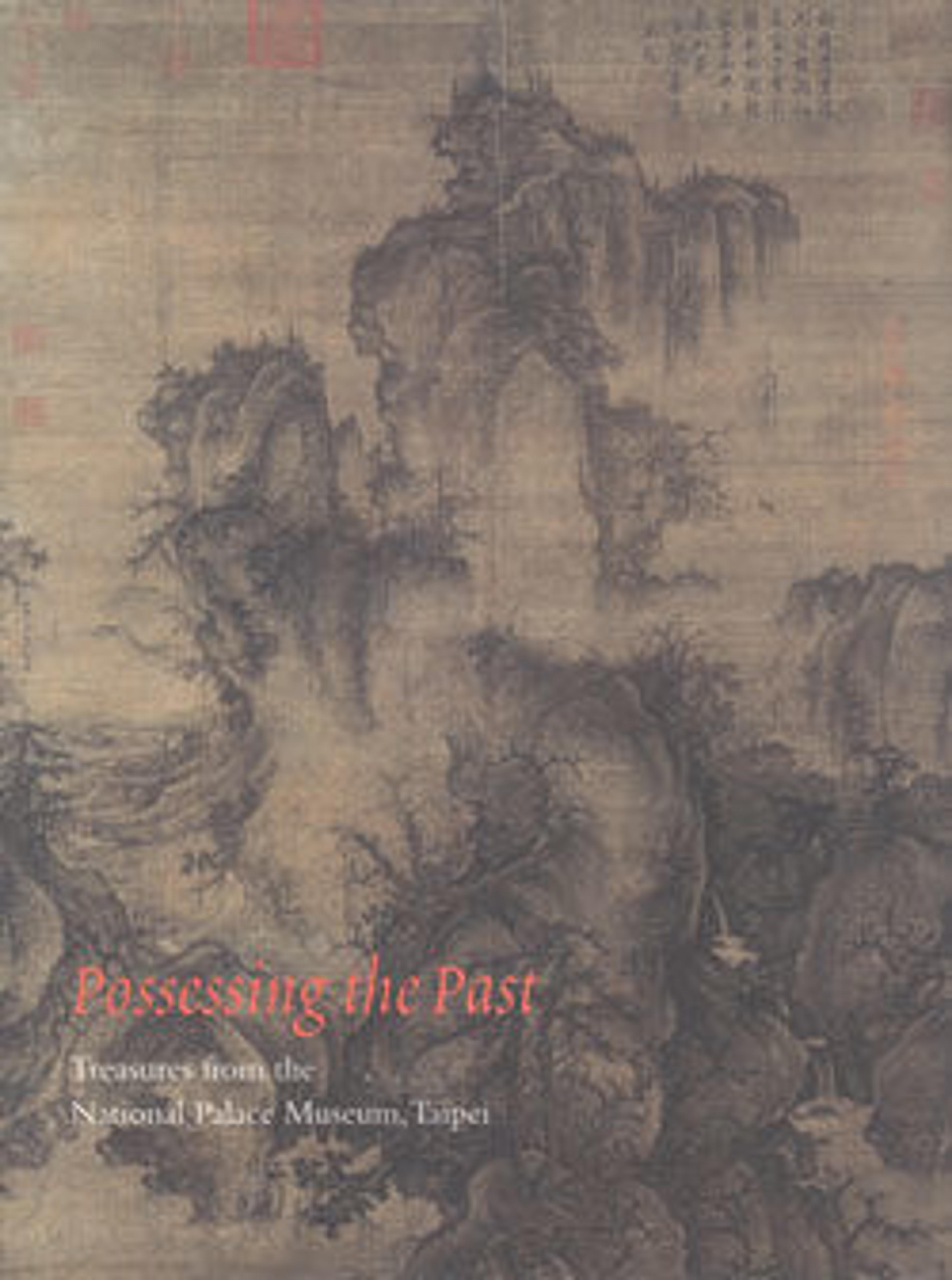 Only two major exhibitions from the fabled Chinese Palace Museum collections have been seen in the West—the first in London in 1935–36 and the second in the United States in 1961–62. These two exhibitions provided an extraordinary stimulus to the study of Chinese culture, revolutionized Asian art studies in the West, and opened the eyes of the public to the artistic traditions of Chinese civilization. Possessing the Past: Treasures from the National Palace Museum, Taipei is the publication that accompanies the third great exhibition of Chinese masterworks to travel to the West. Written by scholars of both Chinese and Western cultural backgrounds and conceived as a cultural history, the book tells the story of Chinese art from its foundations in the Bronze Age and the first empires through the rich diversity of art produced during the Sung, Yuan, Ming, and Ch'ing dynasties, contrasting China's absolutist political structure with the humanism of its artistic and moral philosophy. Synthesizing scholarship of the past three decades, the authors present not only the historical and cultural significance of individual works of art and analyses of their aesthetic content, but a reevaluation of the cultural dynamics of Chinese history, reflecting a fundamental shift in the study of Chinese art from a focus on documentation and connoisseurship to an emphasis on the cultural significance of the visual arts. National treasures passed down from dynasty to dynasty, the works of art that now form the collection of the National Palace Museum, Taipei, originally constituted the personal collection of the Ch'ien-lung emperor, who ruled China from 1736 to 1795. Two centuries after Ch'ien-lung ascended the dragon throne, when the Japanese invaded China in 1937, the nearly 10,000 masterworks of painting and calligraphy and more than 600,000 objects and rare books and documents—which had earlier been moved from Peking to Nanking following the Japanese occupation of Manchuria in 1931—were packed in crates and evacuated to caves near the wartime capital, Chungking. It was not until after World War II that the crated treasures were moved to their present home in Taiwan, where today they represent a major portion of China's artistic and cultural legacy. Drawing on this extraordinary collection, the authors explore in depth four interrelated themes: a cyclical view of history, the Confucian discourse on art, the social function of art, and possessing the past. The last theme, from which the volume takes its title, refers both to imperial China's possession of its past through the art of collecting and to the broader cultural tradition of embracing change through the creative reinterpretation of the past. This major scholarly publication will expand our understanding and deepen our appreciation of works of art that over the centuries have emerged from a remarkable and, in the West, still largely unexplored culture.
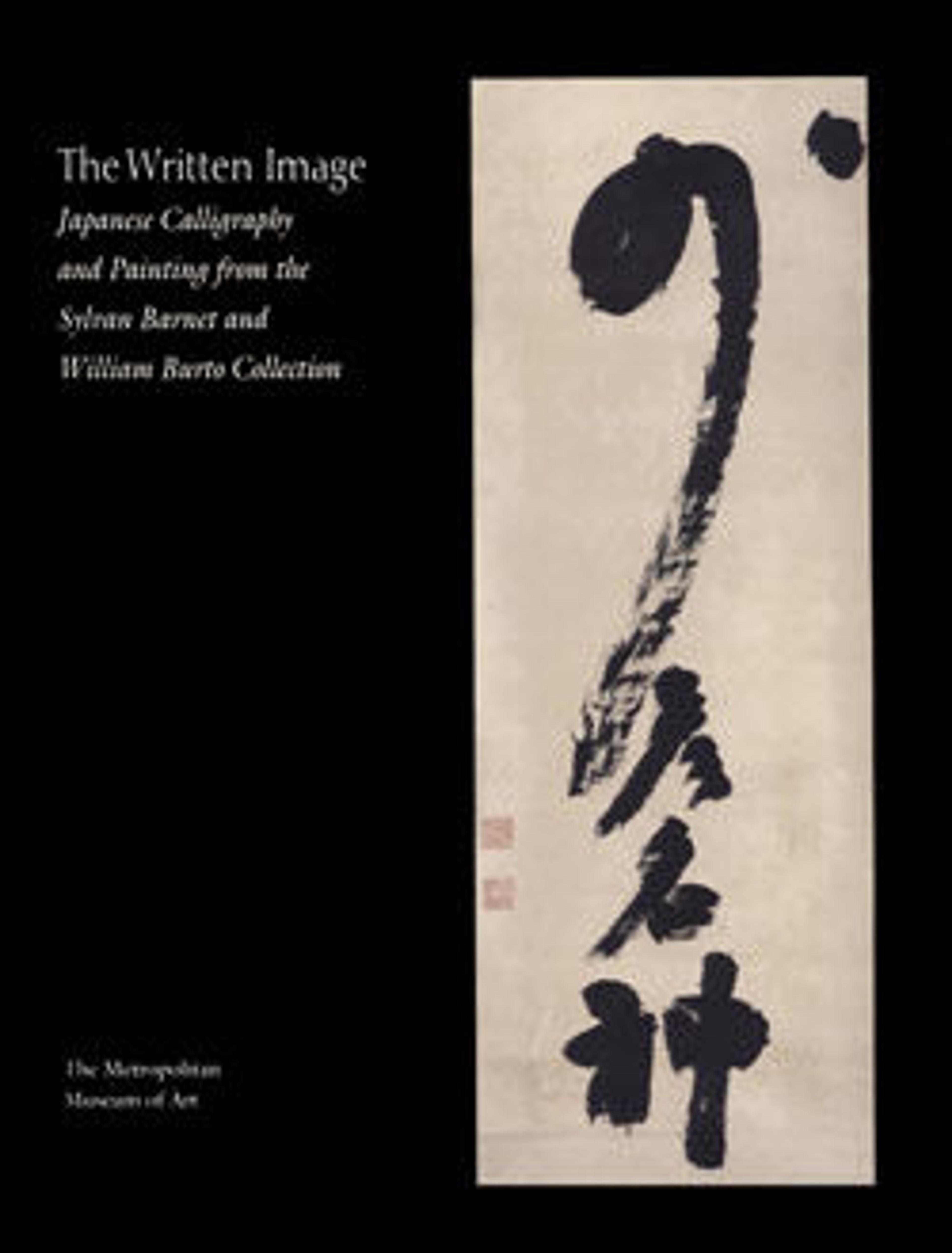 Calligraphy is often regarded as the purest manifestation of an artist's inner character and level of cultivation, as well as the expression of his soul, thoughts, and feelings. This publication presents some fifty-eight Japanese works, almost all calligraphy, from the remarkable collection formed over the last forty years by Sylvan Barnet and William Burto, literary scholars who became enraptured by the Japanese art of the brush. Their holdings, virtually unique outside Japan, not only embody a fundamental aspect of Japanese culture but also testify to the growing sophistication of Americans' engagement with other cultures. Spanning more than a thousand years from the Nara period (710–784) through the nineteenth century, the material includes sublime early sutras, or transcriptions of the Buddha's discourses; an extraordinary mandala that is perhaps the finest example of its kind in the West; seminal works by such renowned figures as Myoe, Koetsu, Muso, Konoe, and Daishin; engaging letters and poems that illuminate courtly life; and powerful graphic statements by Zen monk-artists. In their "Collectors' Foreword" Sylvan Barnet and William Burto discuss the history of their collection. Their second essay, "Some Western Thoughts on Shodō: The Way of Writing," is directed to the non-Japanese reader and is an illuminating commentary on the ways in which Japanese calligraphy can be appreciated. Miyeko Murase's introduction provides a rich commentary on the Japanese calligraphic scripts and scribes and an insightful overview of the society and world in which this art flourished. All of the works are discussed in texts by leading experts. Mountings of Japanese calligraphy are treated in an appendix.Download PDFFree to download