MetPublications
Showing 1–10 results of 51
Sort by:
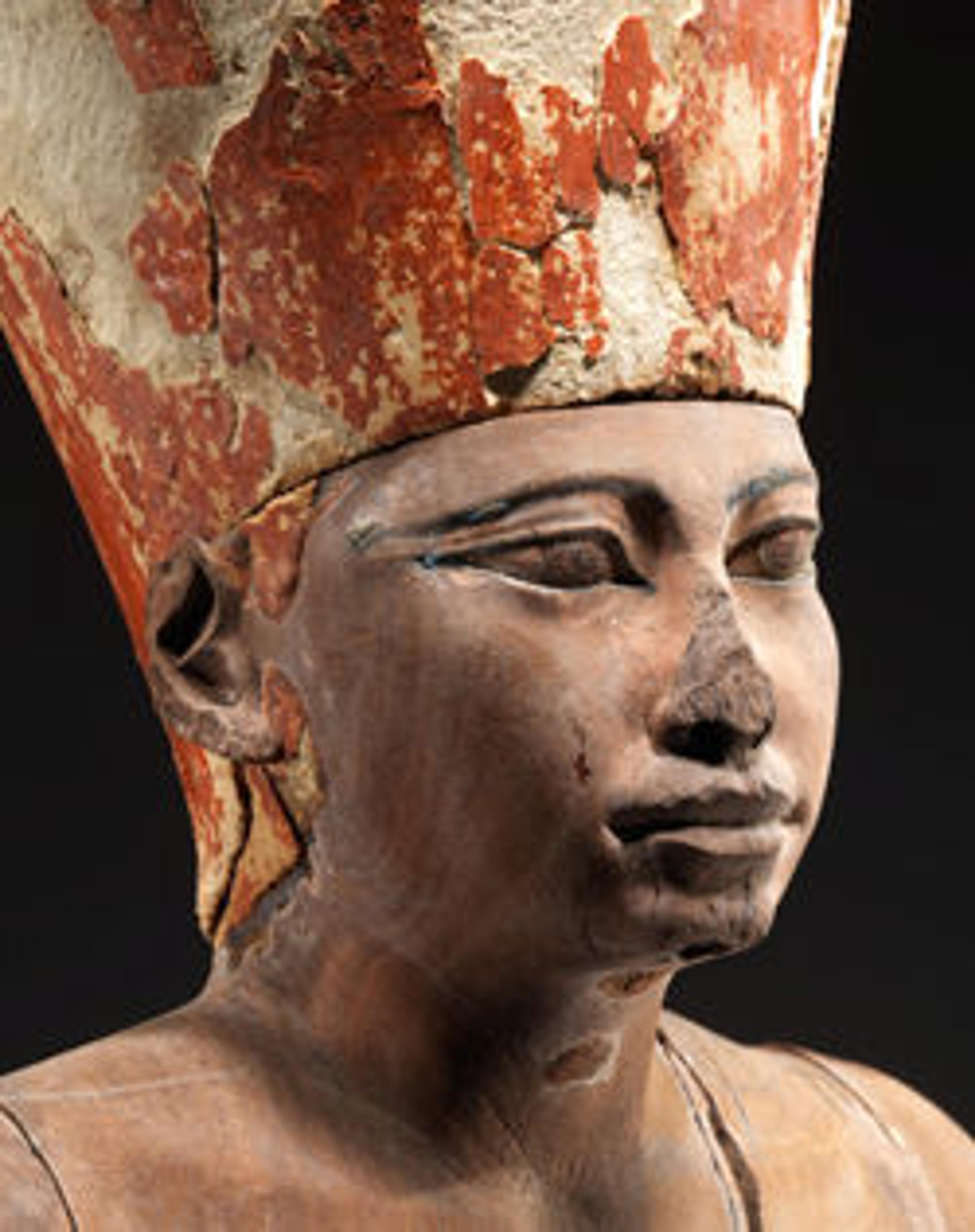 The Middle Kingdom (ca. 2030–1650 B.C.) was a transformational period in ancient Egypt, during which older artistic conventions, cultural principles, religious beliefs, and political systems were revived and reimagined. Ancient Egypt Transformed presents a comprehensive picture of the art of the Middle Kingdom, arguably the least known of Egypt’s three kingdoms and yet one that saw the creation of powerful, compelling works rendered with great subtlety and sensitivity. The book brings together nearly 300 diverse works— including sculpture, relief decoration, stelae, jewelry, coffins, funerary objects, and personal possessions from the world’s leading collections of Egyptian art. Essays on architecture, statuary, tomb and temple relief decoration, and stele explore how Middle Kingdom artists adapted forms and iconography of the Old Kingdom, using existing conventions to create strikingly original works. Twelve lavishly illustrated chapters, each with a scholarly essay and entries on related objects, begin with discussions of the distinctive art that arose in the south during the early Middle Kingdom, the artistic developments that followed the return to Egypt’s traditional capital in the north, and the renewed construction of pyramid complexes. Thematic chapters devoted to the pharaoh, royal women, the court, and the vital role of family explore art created for different strata of Egyptian society, while others provide insight into Egypt’s expanding relations with foreign lands and the themes of Middle Kingdom literature. The era’s religious beliefs and practices, such as the pilgrimage to Abydos, are revealed through magnificent objects created for tombs, chapels, and temples. Finally, the book discusses Middle Kingdom archaeological sites, including excavations undertaken by the Metropolitan Museum over a number of decades. Written by an international team of respected Egyptologists and Middle Kingdom specialists, the text provides recent scholarship and fresh insights, making the book an authoritative resource.Download PDFFree to download
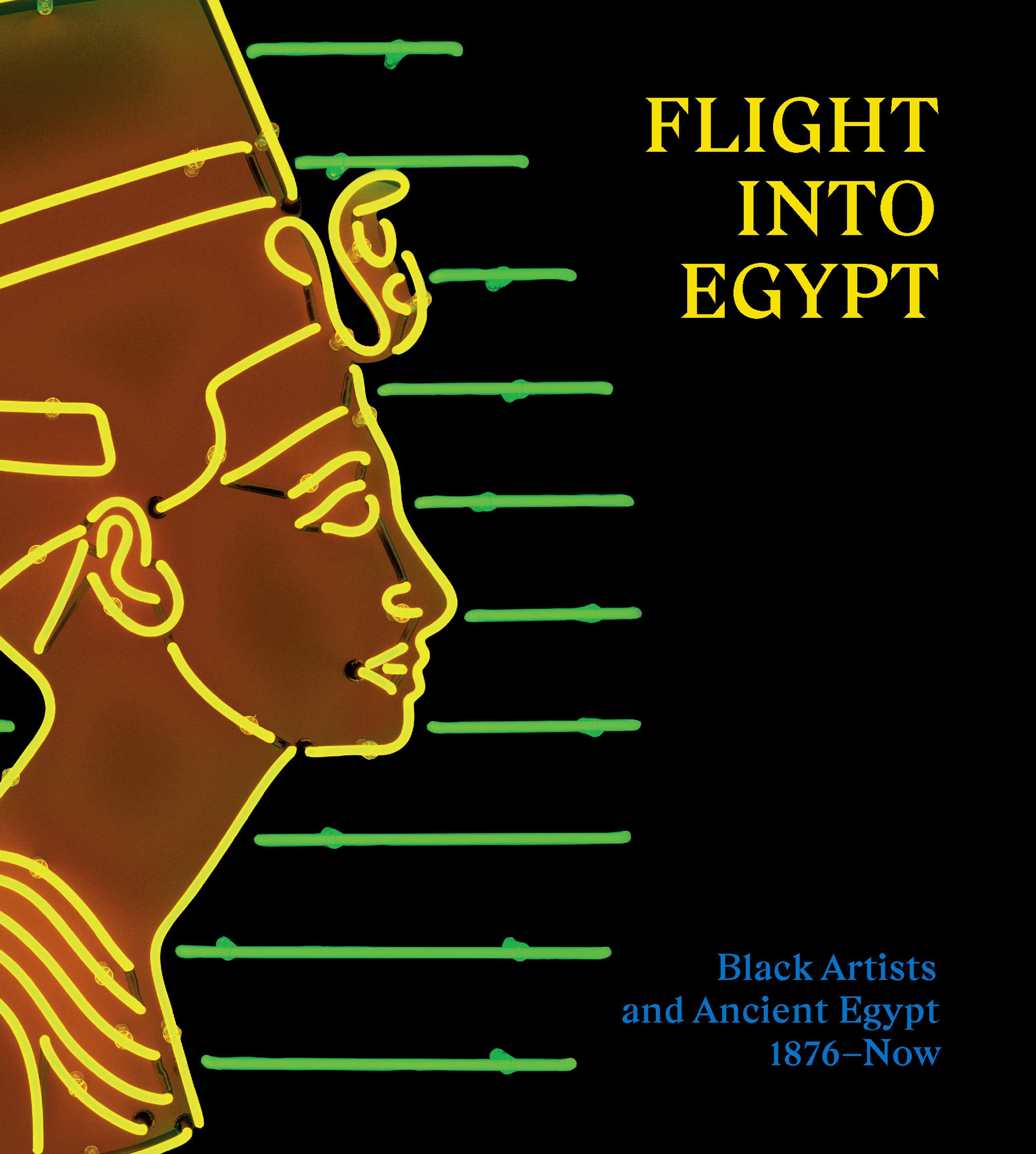 Explores the symbolic importance of ancient Egypt to Black artists and other cultural figures, from the nineteenth century to the present.
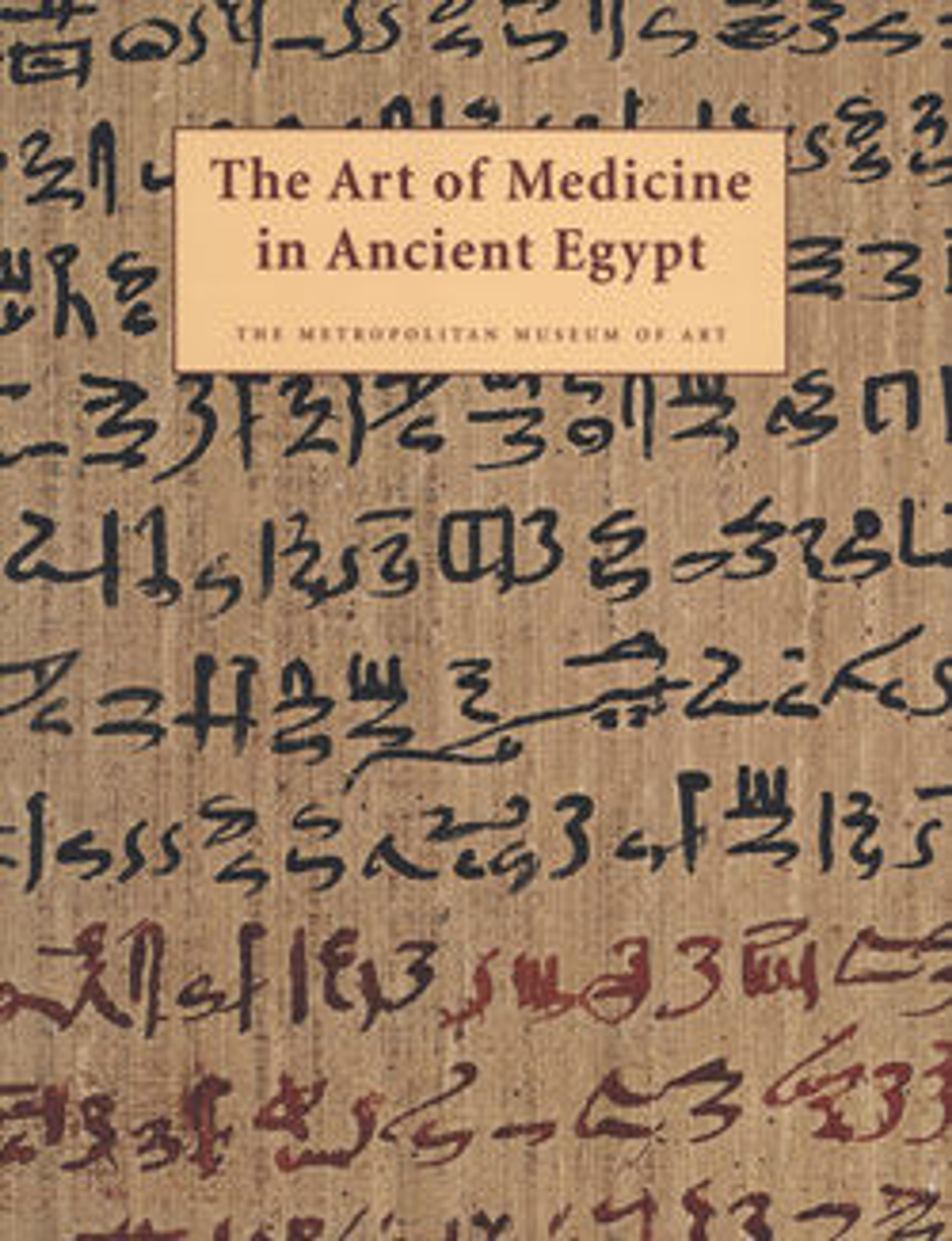 Life in ancient Egypt was advanced and sophisticated by the standards of the time, but it was also perilous. The river Nile and the surrounding deserts teemed with dangerous animals such as crocodiles, scorpions, and snakes, and diseases carried by flies and parasites threatened blindness, disability, and death. Soldiers and men who worked in the stone quarries risked crippling injuries, and women often died in childbirth. Although these hazards certainly loomed large in the minds of most ancient Egyptians, the role they played in the creation of Egyptian art has been largely overlooked. This volume, published in conjunction with the exhibition "The Art of Medicine in Ancient Egypt," held at The Metropolitan Museum of Art, New York, examines the expression of medical concerns in the art of ancient Egypt as well as the practice of ancient Egyptian medicine as an art form in its own right. Of the more than sixty objects beautifully illustrated in the catalogue, most are humble representatives of the everyday material culture of ancient Egypt. In many ways these works actually bring us closer to their anonymous creators than do the recognized "masterpieces" of Egyptian art. They also bear eloquent witness to how concern for the preservation and restoration of health influenced many aspects of Egyptian life and creative activity. Complementing them is the unique Edwin Smith Papyrus, translated in full and reproduced here in color. Written about 1600 B.C., the Smith Papyrus was intended in part to provide the ancient Egyptian physician with a practical guide to treating wounds of the head and torso. It is more than fifteen feet long and inscribed on the front with forty-eight case descriptions, including a remarkable explanation of the diagnostic process. The reverse of the papyrus contains eight magic spells, one of which apparently was meant to ward off mental or emotional distress, and five prescriptions, among them a recipe for an anti-wrinkle ointment. In fact, many of the procedures and techniques described in the Smith Papyrus can be considered antecedents of modern medical practice. In separate catalogue essays, James P. Allen, Curator in the Metropolitan's Department of Egyptian Art, provides an overview of medicine as a major theme in ancient Egyptian art, and David T. Mininberg, M.D., Medical Consultant to the Department of Egyptian Art, discusses the legacies of Egyptian medical knowledge.Download PDFFree to download
 The art of ancient Egypt and the collection of The Metropolitan Museum of Art come together in this comprehensive resource for educators, which includes summaries of ancient Egyptian history and art, maps, lesson plans and classroom activities, a bibliography, and a glossary. The descriptions of the works and other information are aimed at increasing knowledge and pleasure in viewing Egyptian art at the Metropolitan or other museums. The materials can be adapted for students of all ages, interests, and abilities, and can be used to enrich any curriculum. The Metropolitan Museum of Art's teacher-training programs and accompanying materials are made possible through a generous grant from Mr. and Mrs. Frederick P. Rose.Download PDFFree to download
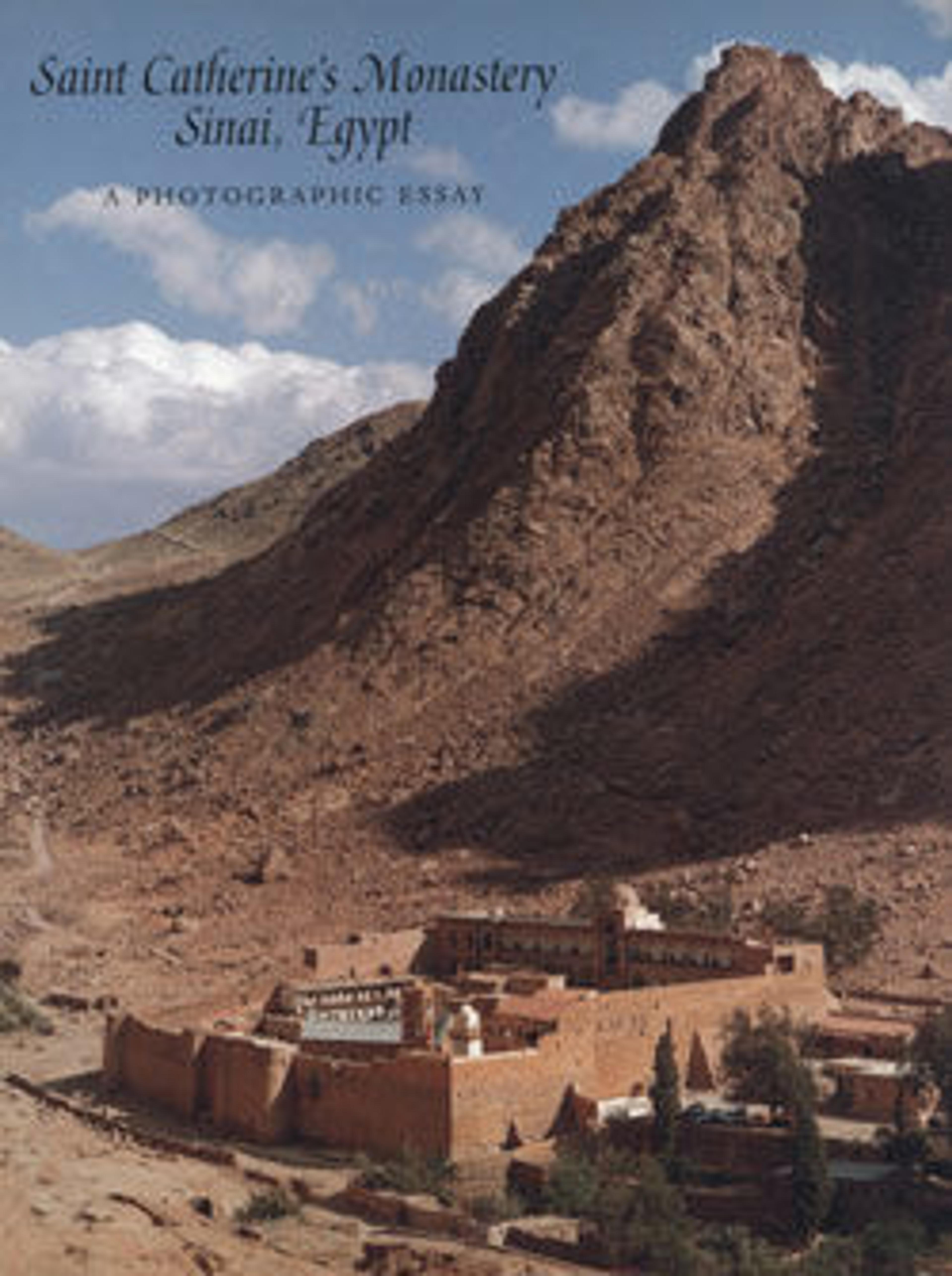 The Holy Monastery of Saint Catherine, situated among the mountains of the Sinai Peninsula in Egypt, is the oldest continuously active monastery in the world. Recorded as a Christian pilgrimage site as early as the fourth century, it is located where Moses is thought to have seen the Burning Bush and to have received the Ten Commandments. In the sixth century, the Byzantine emperor Justinian the Great (r. 527–67) ordered the building of an impressive church and fortifications for the Monastery to protect the surrounding imperial land. Later generations of pilgrims added gifts of icons, manuscripts, embroideries, altar furnishings, and other liturgical objects and works of art. The Holy Monastery still receives many pilgrims and visitors each year, attracted by its history, its sanctity, and its scenic beauty. In this handsome and informative book, the Monastery and its buildings are presented in many newly commissioned color photographs: included are views of the richly decorated sanctuary of the sixth-century church as well as images of the world's most outstanding collection of icons. The Introduction by His Eminence Archbishop Damianos of Sinai and the essay on the Holy Monastery by Helen C. Evans augment the powerful and dramatic photographs of the site, some of them from the Monastery's archives. Additional photographs and the descriptive captions that accompany the pictures were provided by members of the Monastery's monastic community.Download PDFFree to download
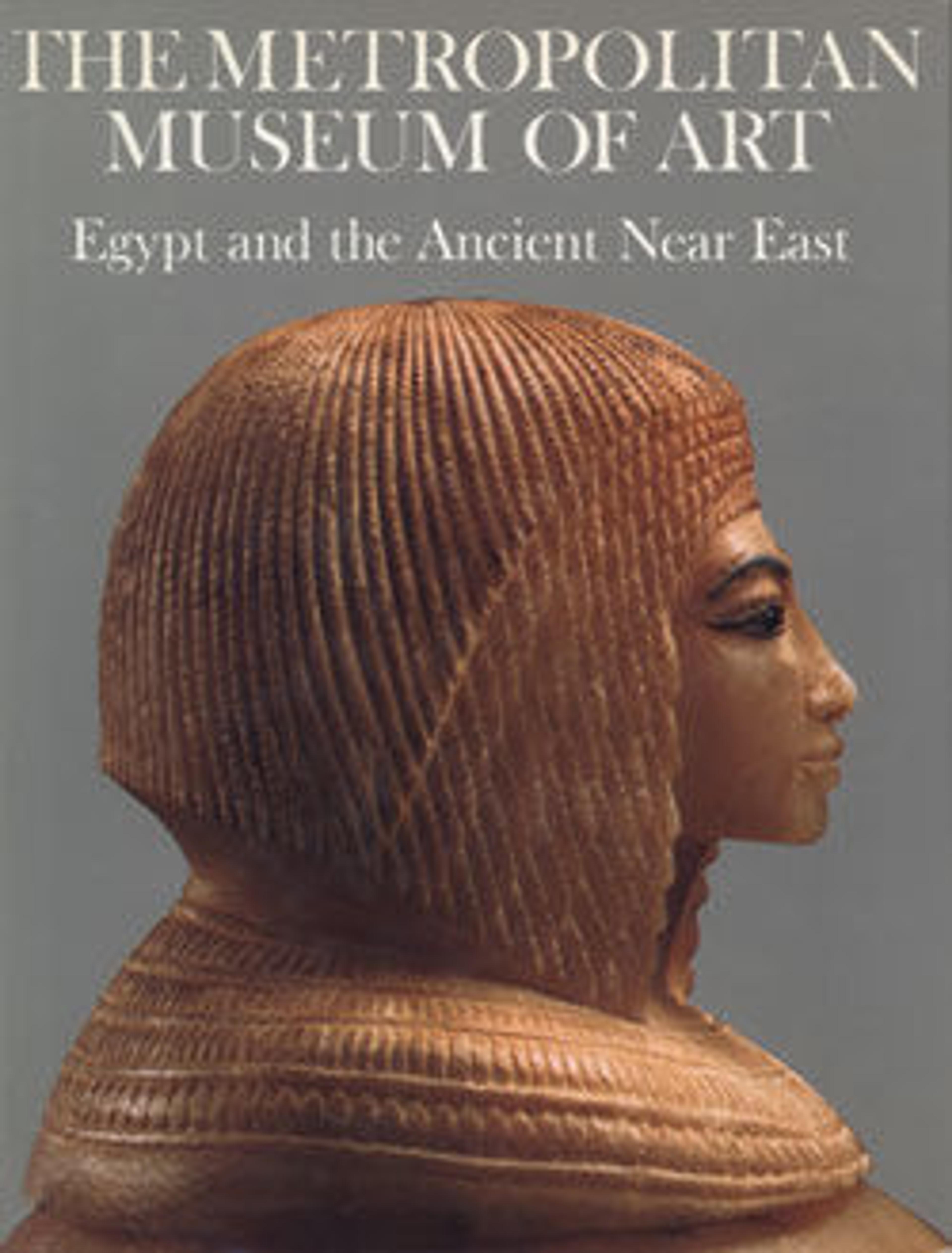 The long-vanished civilizations of Egypt and the Near East have been a source of fascination since earliest times. While these cultures were still thriving, travelers brought back to Europe tales of rich and exotic lands in Africa and Asia. In the centuries that followed, fact and fancy created elaborate myths about the cities and monuments that lay buried in the deserts. Only in the nineteenth century, at the height of European colonialism, did science begin to replace romance, allowing the study and preservation of ancient artifacts to be undertaken seriously. Almost from the beginning, the great museums in the West played an essential role in rediscovering and studying these ancient cultures. Expeditions organized in Europe and the United States replaced the haphazard collecting of earlier times with planned scientific excavation and preservation. The reports of the discoveries made on these expeditions, no less than the recovered objects themselves, were eagerly awaited by a public newly awakened to the thrill of exploration. Among the most active of these new explorers was The Metropolitan Museum of Art in New York. Beginning in 1910 and lasting until 1936, the Museum dug first at Lisht and the Kharga Oasis and then at Thebes, the richest archaeological area in Egypt. In the Near East the Museum mounted and supported excavations in Iran, Iraq, Jordan, Syria, and Turkey. A century of purchases and gifts has added to the objects discovered during the Museum's own expeditions, making the collections of The Metropolitan Museum among the finest in the world. Egypt and the Ancient Near East presents almost 125 color-plates of some of the most important and beautiful objects from these cultures, all from the collections of The Metropolitan Museum. Many of these pieces are shown with enlarged details or multiple views so that readers can examine these works as closely as they might in the Museum itself. The range of objects, which span some 3000 years, gives a vivid picture of the wealth, power, and consummate taste of the rulers and of the skill of their artisans. Monumental panels recovered from Babylon, silver vessels from Anatolia, and a bronze head from Mesopotamia, for example, attest to the splendor of the Near Eastern empires and to their vigorous artistic production. Reliefs and monumental statuary from the earliest periods of Egyptian history to the Roman conquest record the faces of kings and their courtiers, and the gold jewelry recovered from pharaonic tombs reveals the great wealth and fine artistry at the command of these rulers. Models of a servant and a shio, both buried to ensure that their owner would enjoy a rich afterlife, and fragments of a farmer's letters to his family give us a glimpse of what daily life must have been like in this complex society. Introductions contributed by the curators of the Metropolitan Museum's Egyptian and Ancient Near Eastern Departments examine the history of these cultures, while the individual essays that accompany each object point out their significance and their place in the cultural life of the ancient world. Maps and a comparative time chart locate the important sites and indicate the relative time spans of the many disparate cultures that flourished before the advent of Christ and Islam.Download PDFFree to download
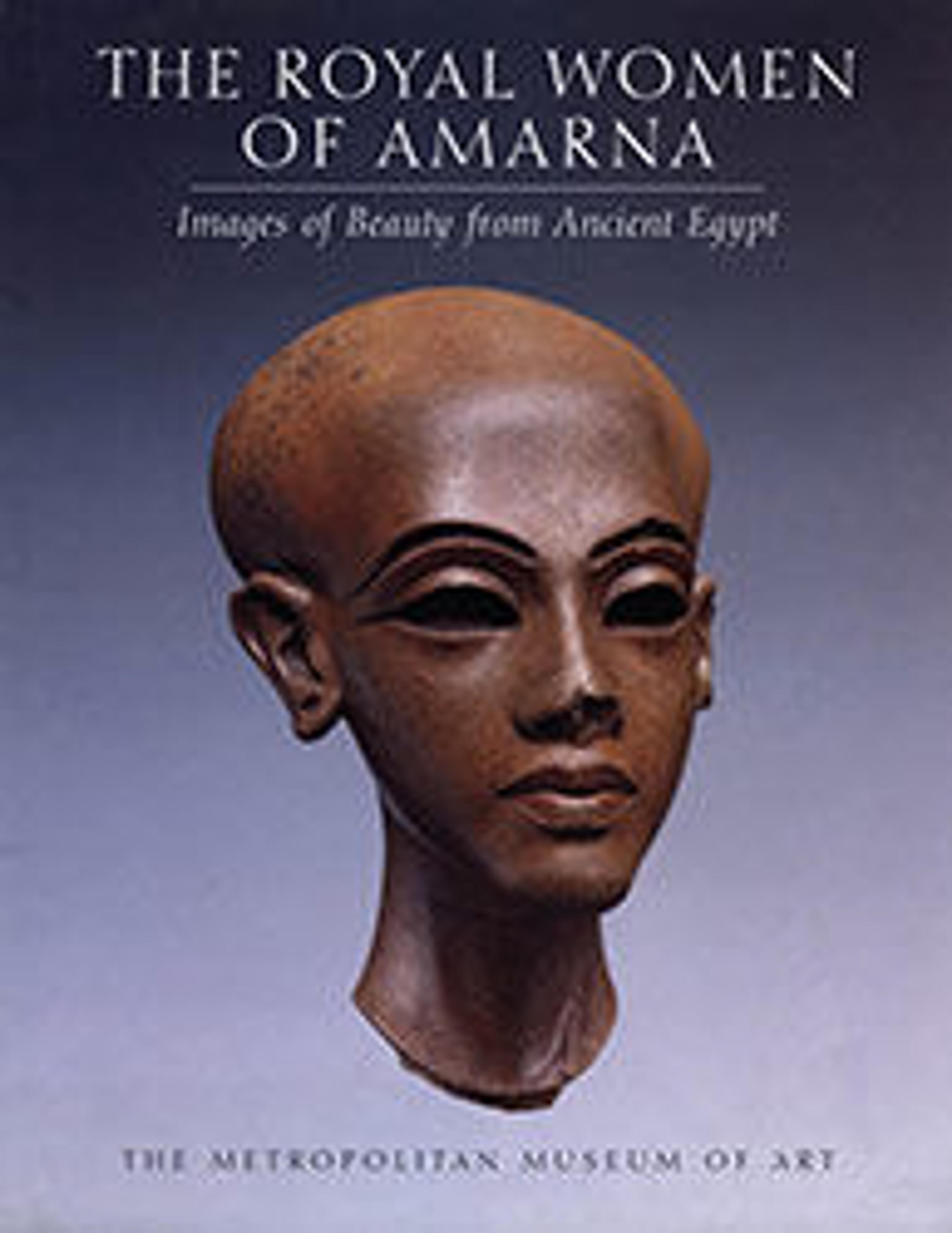 During a brief seventeen-year reign (ca. 1353–1336 B.C.) the pharaoh Amenhotep IV/Akhenaten, founder of the world's first known monotheistic religion, devoted his life and the resources of his kingdom to the worship of the Aten (a deity symbolized by the sun disk) and thus profoundly affected history and the history of art. The move to a new capital, Akhetaten/Amarna, brought essential changes in the depictions of royal women. It was in their female imagery, above all, that the artists of Amarna departed from the traditional iconic representations to emphasize the individual, the natural, in a way unprecedented in Egyptian art. A picture of exceptional intimacy emerges from the sculptures and reliefs of the Amarna Period. Akhenaten, his wife Nefertiti, and their six daughters are seen in emotional interdependence even as they participate in cult rituals. The female principle is emphasized in astonishing images: the aging Queen Mother Tiye, the mysterious Kiya, and Nefertiti, whose painted limestone bust in Berlin is the best-known work from ancient Egypt—perhaps from all antiquity. The workshop of the sculptor Thutmose—one of the few artists of the period whose name is known to us—revealed a treasure trove when it was excavated in 1912. An entire creative process is traced through an examination of the work of Thutmose and his assistants, who lived in a highly structured environment. All was left behind when Amarna was abandoned after the death of Akhenaten and the return to religious orthodoxy. Dorothea Arnold, Lila Acheson Wallace curator in charge of the Department of Egyptian Art at the Metropolitan Museum, has provided a landmark art-historical exploration of a period when the confluence of religion, art, and politics resulted in a unique epoch. James P. Allen, associate curator, Department of Egyptian Art, has elucidated this revolutionary era in the history of religion, a time when the governing principle of life was a "sole god, with no other except him," light itself. In her brief biographical summaries, the Egyptologist L. Green, lecturer at Scarborough College, the University of Toronto, places the royal women of Amarna in genealogical context.Download PDFFree to download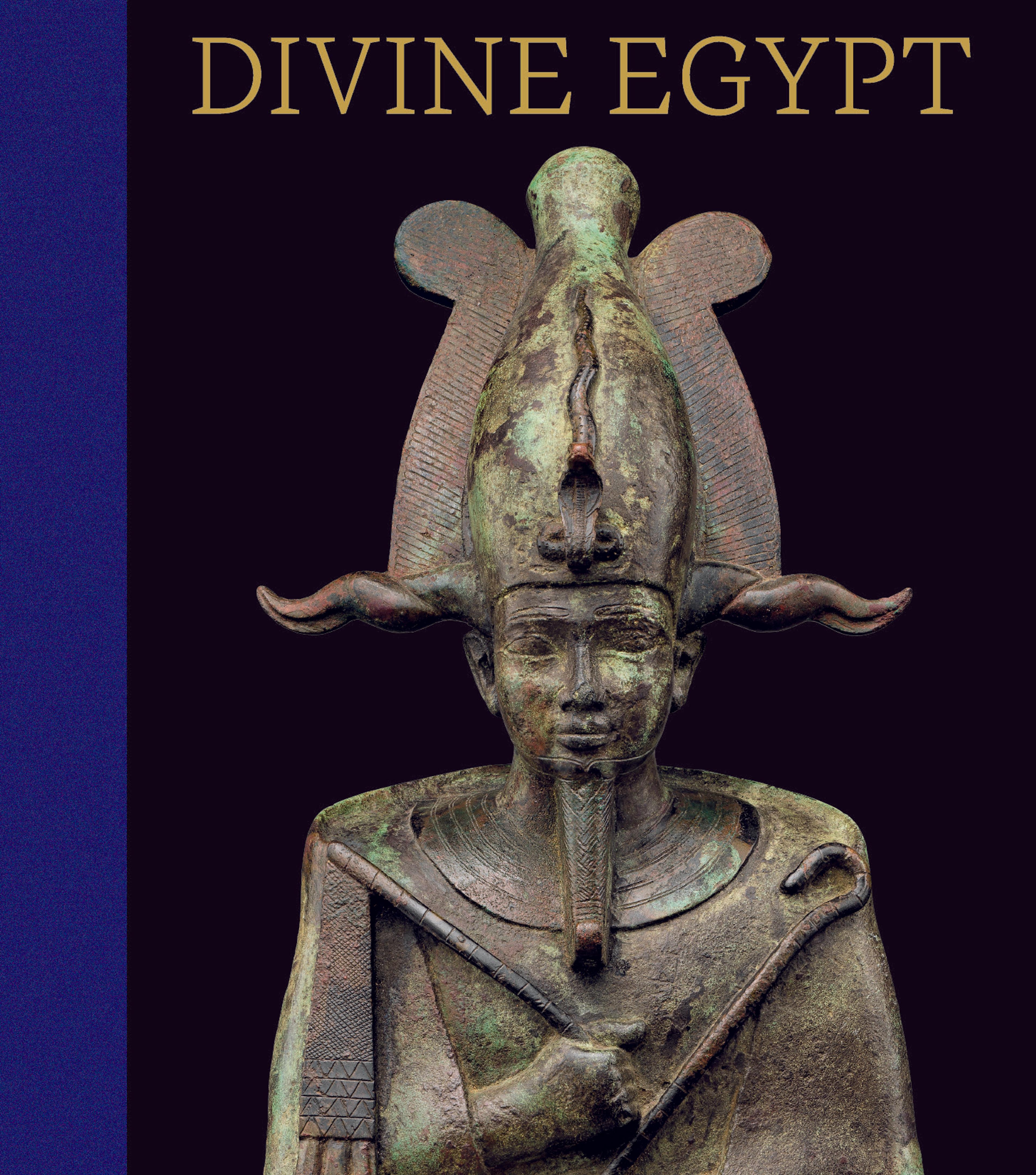
Divine Egypt
2025A rare and captivating look at ancient Egyptian deities that demystifies their complex iconography to illuminate three millennia of life and religious practice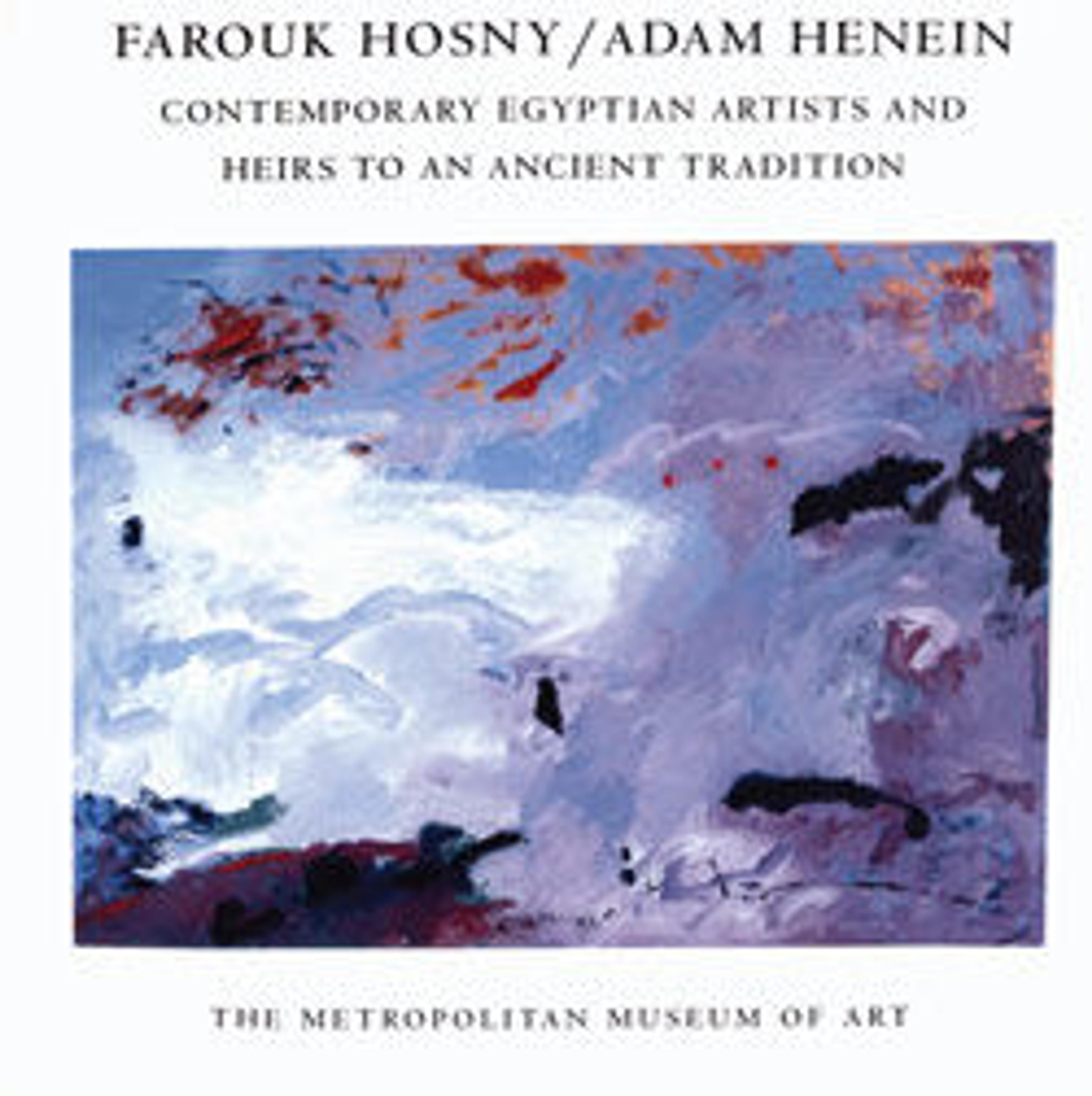 It is little recognized in the United States that Egypt, so long and so well known for its magnificent ancient art and culture, has also produced contemporary modernist art of note. Egyptian artists now work in all media and draw inspiration from both their country's rich past and its vibrant living present to communicate their individual creative vision. It is therefore with great pleasure that The Metropolitan Museum of Art presents this exhibition of the works of two of the most prominent contemporary Egyptian artists, abstract painter Farouk Hosny and sculptor Adam Henein. The exhibition, which this catalogue accompanies, has been organized to coincide with the exhibition "Egyptian Art in the Age of the Pyramids," the Museum's historic comprehensive survey of the art of the Old Kingdom. Farouk Hosny, who was born in Alexandria, began painting his evocative abstractions during the late 1960s. He has lived in Paris and in Rome, and his works reflect his internalization of modernist trends there, but his pictures are always infused with his innate connections with the light and color of his native land. Adam Henein, born in Cairo, was first recognized for his sculptures during the 1950s. Although his works also evoke connections with various currents of European modernism, an emotional charge emanates from them that can only come from the hand and mind of an inheritor of Egypt's formidable past. He was, in fact, head of the design team that helped restore the Great Sphinx of Giza. Hosny and Henein are members of the international community of art, even as they also are heirs to the great culture of their homeland. They have exerted a formidable positive influence on contemporary Egyptian art, by the example they have set through both their work and their activities encouraging the development of an active and lively contemporary art world in Egypt deserving of wider recognition. The Museum thanks these two artists for their help and cooperation in making this exhibition possible.
 The two papers that are the subject of this publication were originally presented at a conference which was held in Cairo from January 5th to 9th, 1975, and which was called "Ancient Egypt: Problems of History, Sources and Methods." The conference was sponsored by the Egyptian Antiquities Organization in collaboration with the American Research Center in Egypt and the University Museum, University of Pennsylvania.Download PDFFree to download