MetPublications
Showing 1–10 results of 49
Sort by:
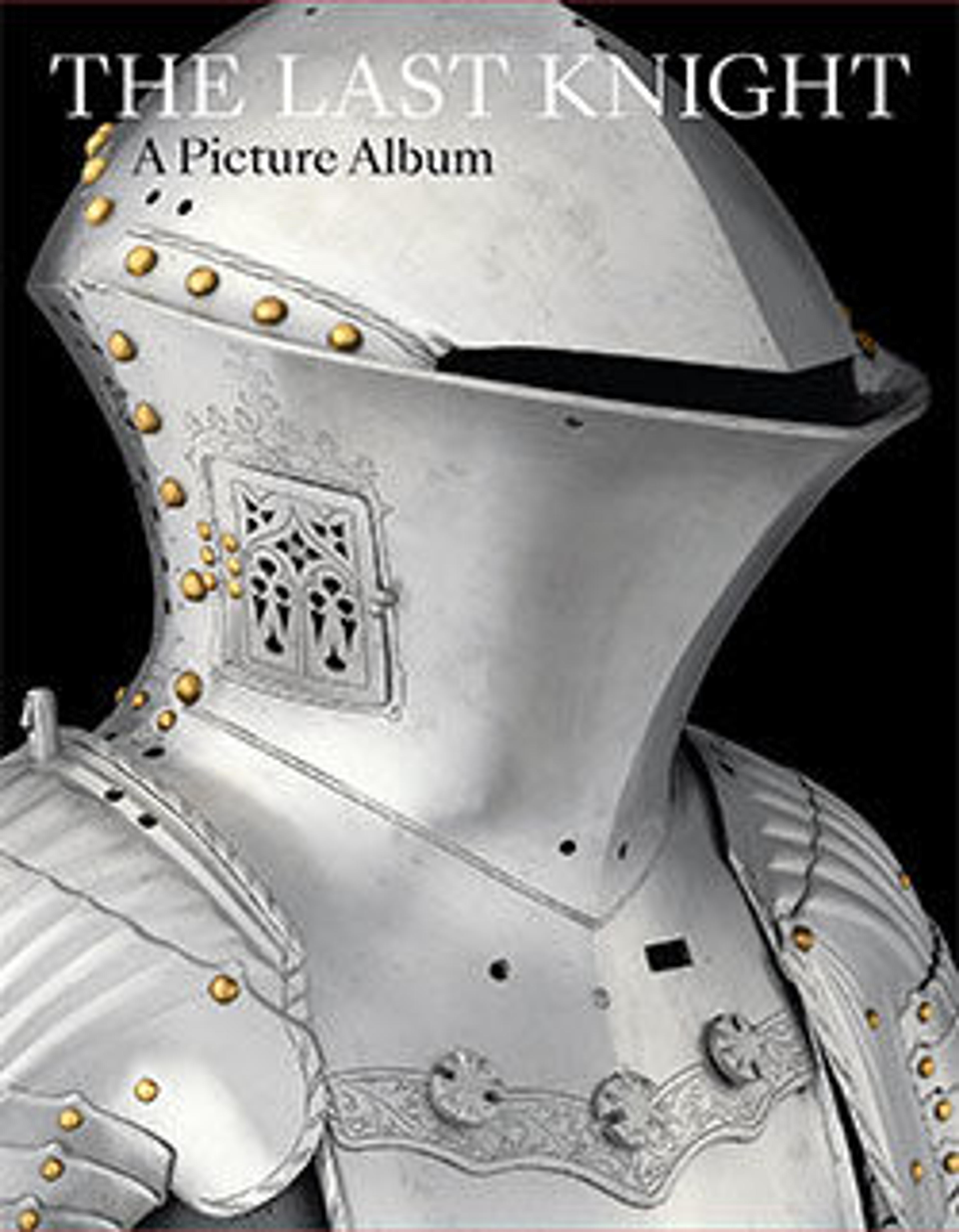 Emperor Maximilian I (1459–1519) held sway over much of Europe in the late fifteenth and early sixteenth centuries. He boldly established the prominence of the Habsburgs, enhancing their prestige and expanding their dominions to the Low Countries, Hungary, Bohemia, parts of Italy, and Spain. As he skillfully crafted a public persona and personal mythology, Maximilian indulged his passion for the trappings and ideals of knighthood, including beautifully decorated suits of armor, which eventually earned him the sobriquet “the Last Knight.” This delightful album, published on the five hundredth anniversary of Maximilian’s death, features an engaging text about his life and legacy, gorgeously illustrated with armor, paintings, prints, and an exquisite tapestry.Download PDFFree to download
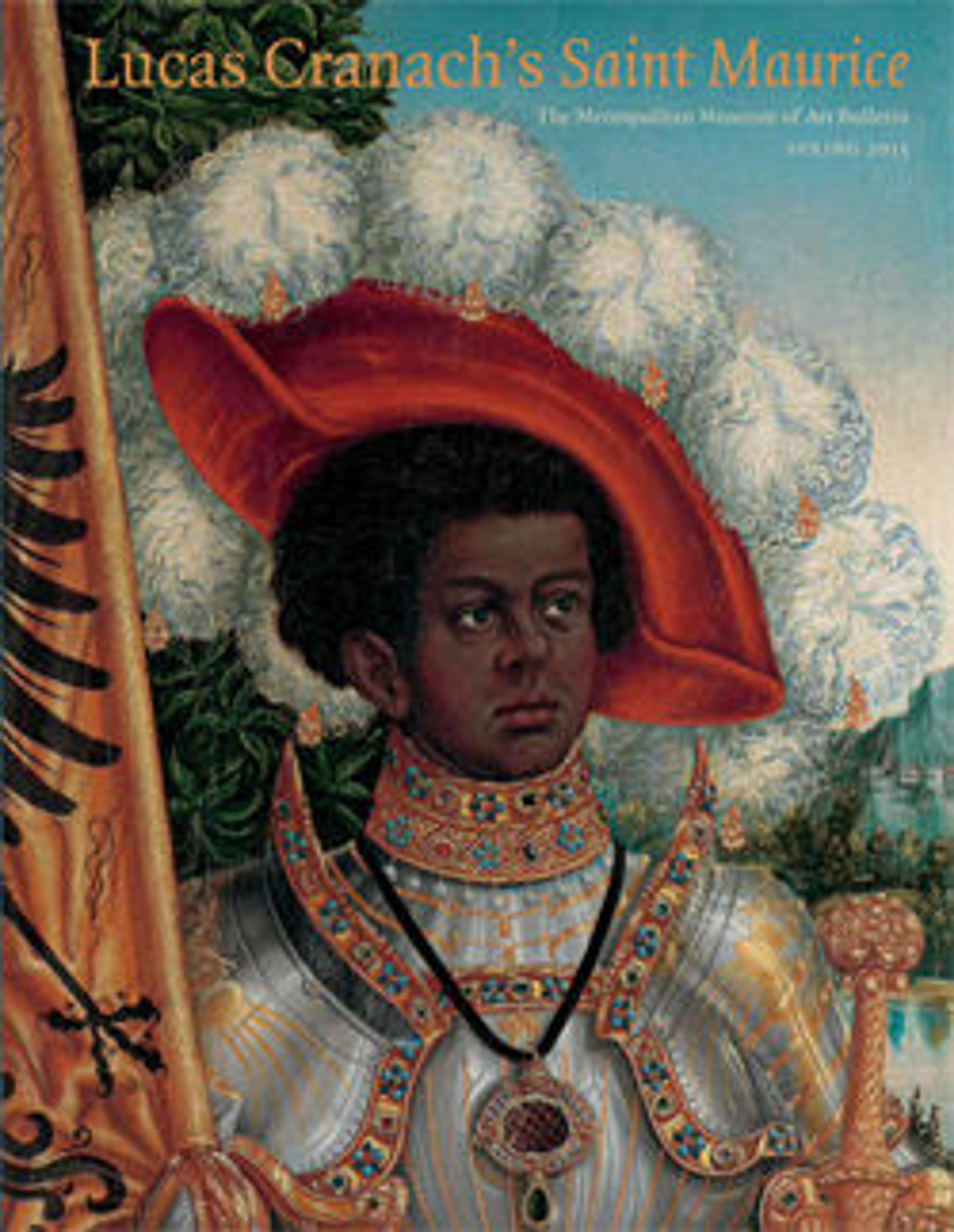 This Bulletin discusses Lucas Cranach's Saint Maurice and the importance of this saint during the stormy period of the Protestant Reformation in Germany. Anticipating the five-hundredth anniversary of the Reformation, this Bulletin draws on the work of donor Mrs. Eva S. Kollsman and connects this image of Saint Maurice to sculptural relics belonging to Cardinal Albrecht of Brandenburg, the most powerful Roman Catholic prelate at the time.Download PDFFree to download
Fragonard
1988Jean-Honoré Fragonard can be considered a true symbol of eighteenth-century France, reflecting its essence far more accurately than did Watteau, David, Chardin, or Boucher, according to Pierre Rosenberg, chief curator at the Louvre and the author of this important catalogue. Fragonard is also perhaps the least understood of the painters of his time, partly because his life is so inadequately documented and because he was such a complex artist, whose work is full of contradictions. Best known for his delightful, erotic boudoir scenes and his charming paintings of cupids and children, Fragonard was officially recognized by the French Academy as a history painter, but he also created a number of important religious works. A student of Chardin, Boucher, and Carle Vanloo, Fragonard directly inherited the traditions of eighteenth-century French painting, yet he himself left behind no artistic heirs; in fact, even during his lifetime, his work was considered old-fashioned and somewhat passé. Nevertheless, his technical genius as a painter of light and as a colorist—most obvious in his unique landscapes—has led a number of modern critics to describe him not only as the father of Impressionism, but also as the first action painter: the unwitting progenitor of modern art. M. Rosenberg has compiled a vast amount of documentary material in order to establish a new chronology for Fragonard's life and work, thus enabling subsequent scholars to examine the artist's immensely prolific oeuvre in the context of the time in which he flourished. About one thousand comparative illustrations of related works by Fragonard and by his contemporaries support the author's discussion of more than 300 paintings, drawings, and prints by the artist, many of them newly attributed and dated. In presenting this impressive result of his intensive research, Pierre Rosenberg has provided the basis for all future study of this artist and his time.Download PDFFree to download Download PDFFree to download
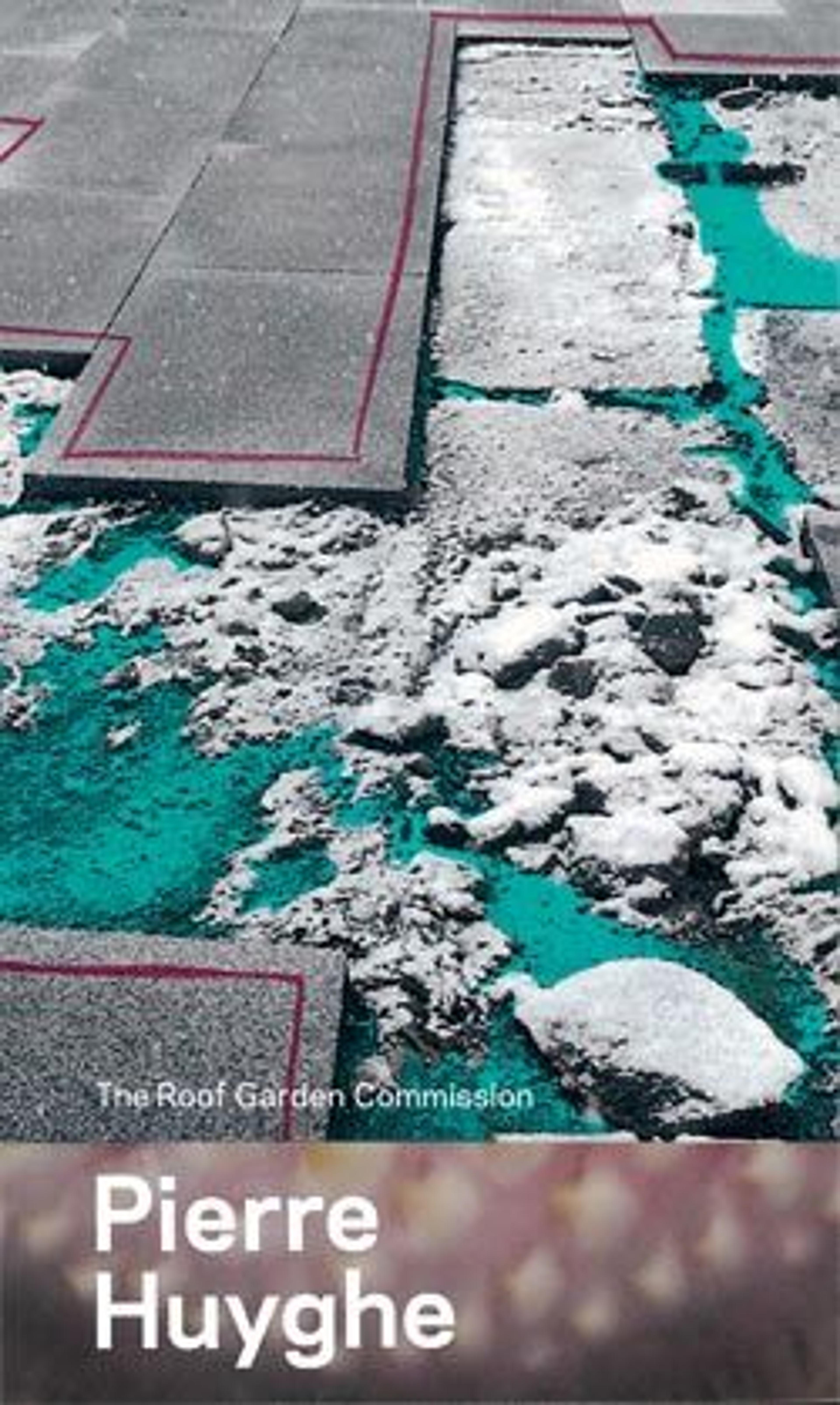 Acclaimed French artist Pierre Huyghe has spent the past twenty-five years experimenting in a great variety of media, from drawing and film to uncommon components such as living animals, plants, and other natural elements. His new project, Rite Passage (2015), conceived and created for The Metropolitan Museum of Art, will explore the transformation of cultural and biological systems through the Museum’s collection, architecture, and surroundings. This fascinating and informative book is the third in a series that documents and contextualizes the Met’s annual rooftop commissions. The introductory essay by Ian Alteveer discusses the nineteenth-century scientific and artistic endeavors that have long inspired Huyghe. The dynamic interview between the artist and Sheena Wagstaff explores the conceptual framework for Huyghe’s latest project as well as the wide-ranging sources that inform this remarkable event.Download PDFFree to download
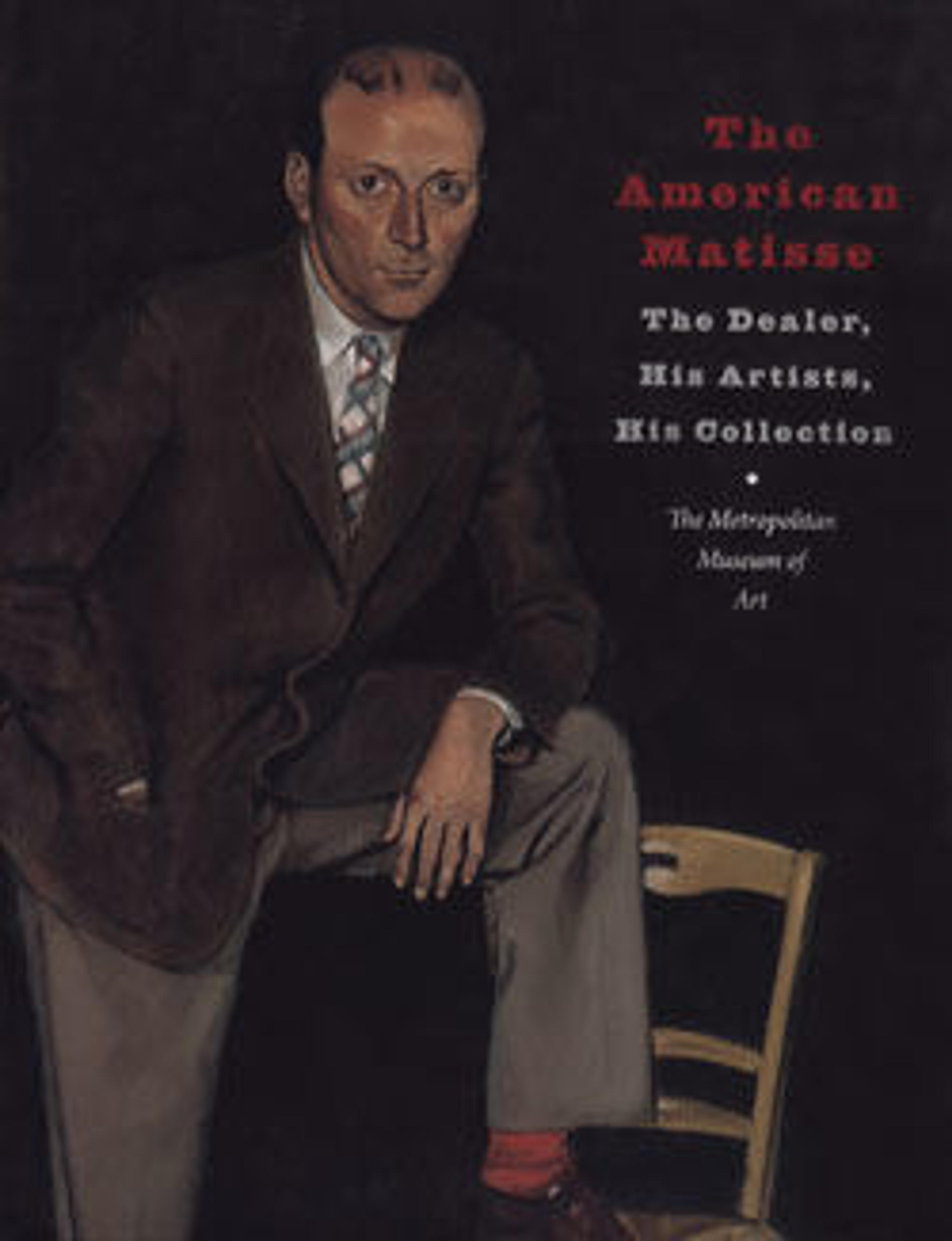 On a frigid day in December 1924, a young Frenchman—exactly as young as the century itself—stepped off a ship and onto a dock in New York City. Pierre Matisse aspired to establish himself as an art dealer in the United States. Although a son of the renowned painter Henri Matisse, he struggled at first and was often discouraged and homesick over the next seven years. When he opened his gallery on Fifty-seventh Street in November 1931, the city was in the throes of the Great Depression, and his success was by no means assured. For nearly sixty years, however, the Pierre Matisse Gallery prospered. It came to be recognized as an influential part of the modern art movement in America, benefiting many artists, collectors, and institutions, including The Metropolitan Museum of Art, where the works discussed and illustrated in this book now reside. Having initially exhibited works by members of the School of Paris, including his father, Pierre Matisse found his true vocation in championing younger artists, among them Joan Miró, Balthus, Jean Dubuffet, and Alberto Giacometti. His embrace of innovative, original, and controversial art ensured the historical significance of his career. When Pierre Matisse died in 1989, his gallery ceased to exist. His widow, Maria-Gaetana ("Tana") Matisse, had been an active partner in running the business since 1974, and in 1995, she established the Pierre and Maria-Gaetana Matisse Foundation. Following Tana's death in 2001, the Foundation extended to the Metropolitan Museum the extraordinary gift of 148 paintings, drawings, sculptures, and prints from the couple's personal collection. In this volume, the authors Sabine Rewald and Magdalena Dabrowski describe and document the works in the collection and shed light on the personal histories of twentieth-century masters as reflected in excerpts from Pierre Matisse's voluminous correspondence and in rare photographs, many published here for the first time. This story of a singular man who stepped out of the shadow of his famous father and made a name for himself in the annals of art history will surely captivate anyone interested in the visual achievements of the twentieth century.
 Download PDFFree to download
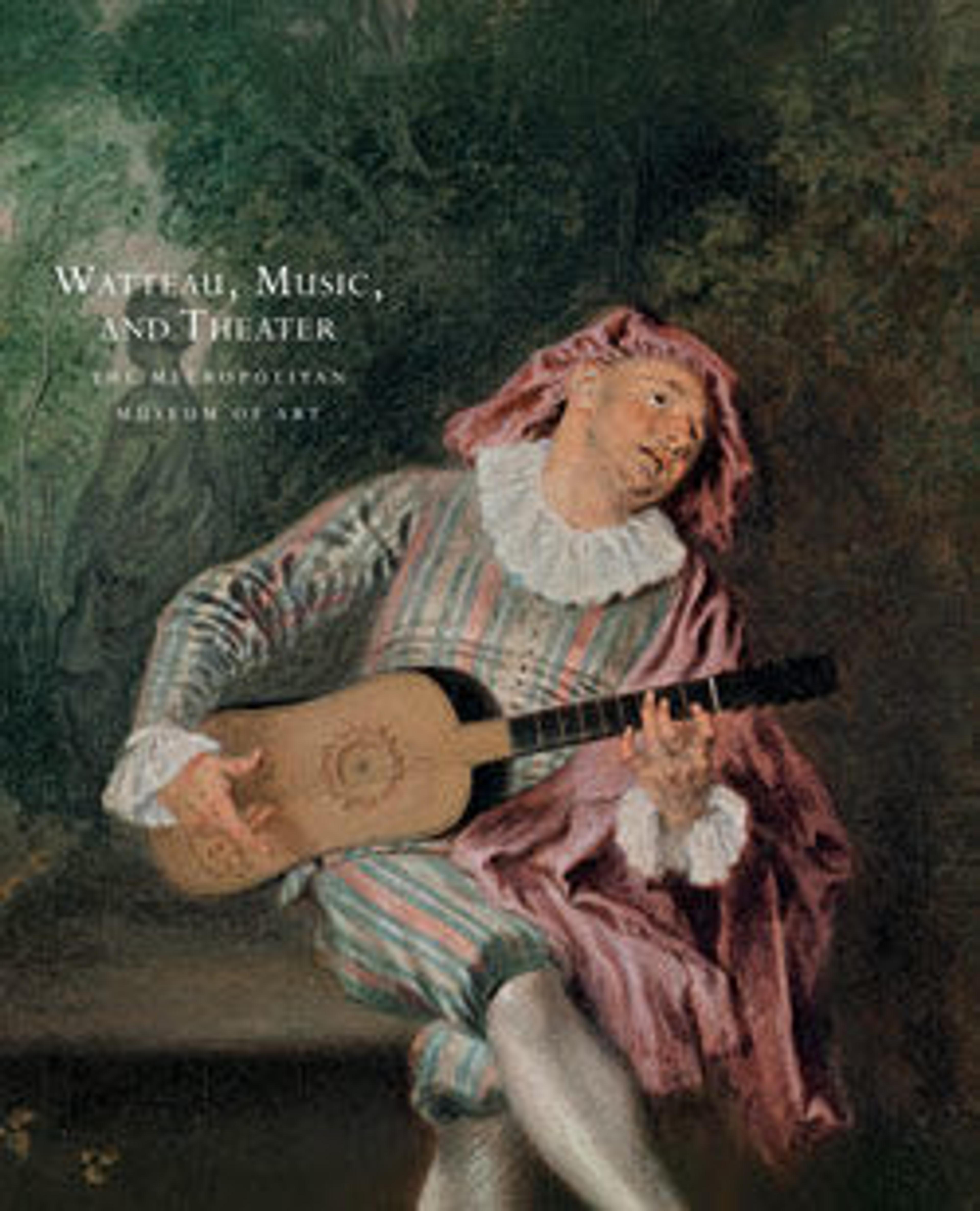 Focusing on both the visual and performing arts, Watteau, Music, and Theater explores the rich connections between painting and theater at a time when Louis XIV had reigned in France for some six decades. Its contents will engage admirers of the art of Jean-Antoine Watteau (1684–1721) and that of other early eighteenth-century French artists. The fascinating developments in music and theater that took place in Paris during the early years of the eighteenth century, after the young Watteau arrived in the vibrant French capital, are the subject of this volume. An introductory essay by Pierre Rosenberg de l'Académie française, Honorary President-Director of the Museé du Louvre, Paris, opens the publication. A second essay by Georgia J. Cowart, Professor of Music at Case Western Reserve University, furnishes instructive background information on the period's cultural milieu. A chronology of Watteau's life reveals the few facts known about this intriguing and somewhat mysterious artist. Brief biographies of the other artists represented are also included. Fifteen major paintings by Watteau and a number of his drawings demonstrate the ways in which the painter's vision reflects his involvement with actors, musicians, and the stage. The works discussed range from enchanting single figures to animated assemblages of players from the French and Italian theatrical tradition. You will meet Mezzetin, a stock character of the commedia dell'arte; Harlequin, garbed in the traditional black mask and a diamond-patterned costume; the cheerless and egotistical manservant Crispin, a leading stock comic character of the French stage; and Pierrot, a French charmer in his loose "clown" costume and pointed hat. The first of the sixty-three entries that examine individual works of art is Watteau's The Island of Cythera, an early canvas from about 1709–10, associated with the finale of Florent Carton Dancourt's play Les Trois Cousines, in which French villagers undertake a pilgrimage to the temple of Venus's son Cupid in search of love. Among the additional paintings by Watteau are Italian Comedians, in which the huge assemblage of players suggests the bows at the end of a performance, and French Comedians, which represents several aspects of tragi-comic French theater. The performing arts in Paris are also addressed in paintings by Nicolas Lancret (1690–1743), Jean-Baptiste-Joseph Pater (1695–736), and the Venetian Giovanni Domenico Tiepolo (1727–1804). Dance before a Fountain, a canvas by Lancret, is a classic fête galante in which young and fashionable characters in their garden world play out the drama of love. The Fair at Bezons, one of Pater's largest and most ambitious canvases, shows the artist in full command of the new genre of the fête galante. A number of appealing drawings and prints by Watteau and other eighteenth-century artists as well as porcelains and musical instruments are also examined. Examples include Watteau's delightful studies of men and women that served as the sources for his depictions of theatrical characters. Watteau, Music, and Theater was edited by Katharine Baetjer, Curator in the Metropolitan Museum of Art's Department of European Paintings, and it accompanies an exhibition at the Metropolitan Museum honoring Philippe de Montebello, Director Emeritus.Download PDFFree to download