MetPublications
Showing 1–10 results of 43
Sort by:
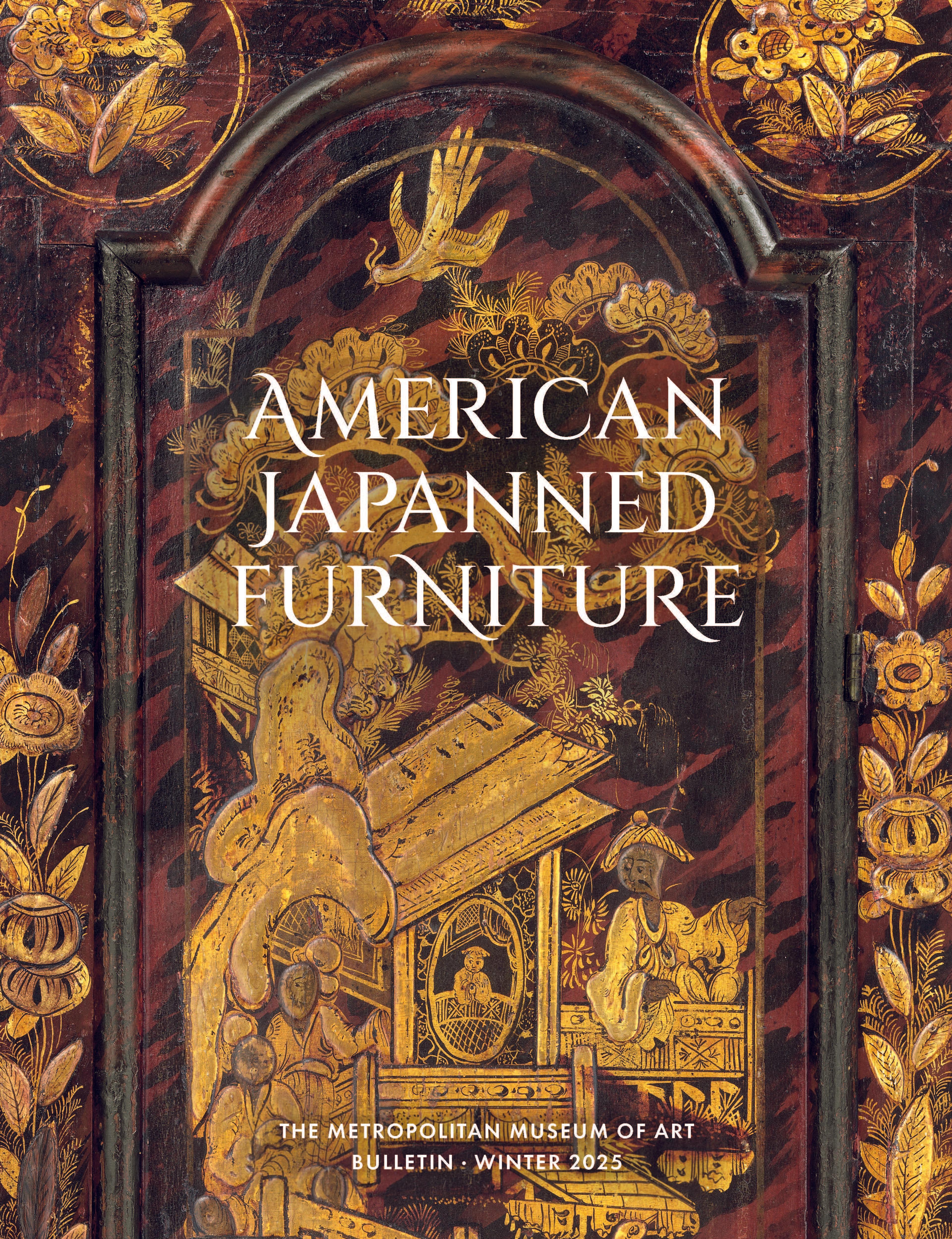 As European and American interest in Asian art grew in the sixteenth to eighteenth centuries, Western consumers coveted expensive lacquerware for its gloss, durability, and rich ornament. This edition of the Bulletin examines the evolving discourse surrounding japanned furniture, an artform cultivated by European and North American tradesmen that was inspired by luxury lacquer items from China and Japan. Using resin from native conifers or imported sandarac, copal, and shellac, they imitated the medium and the motifs used in traditional lacquer objects. Featuring more than a dozen examples of japanned chests, tables, and mirrors, American Japanned Furniture discusses the works’ patronage and aesthetic origins while also uncovering a new artistic attribution to Thomas Johnston for key examples in The Met’s Collection– a discovery which not only sheds new light on Johnston’s work, but also helps shape a new understanding of the Museum’s japanned furniture.Download PDFFree to download
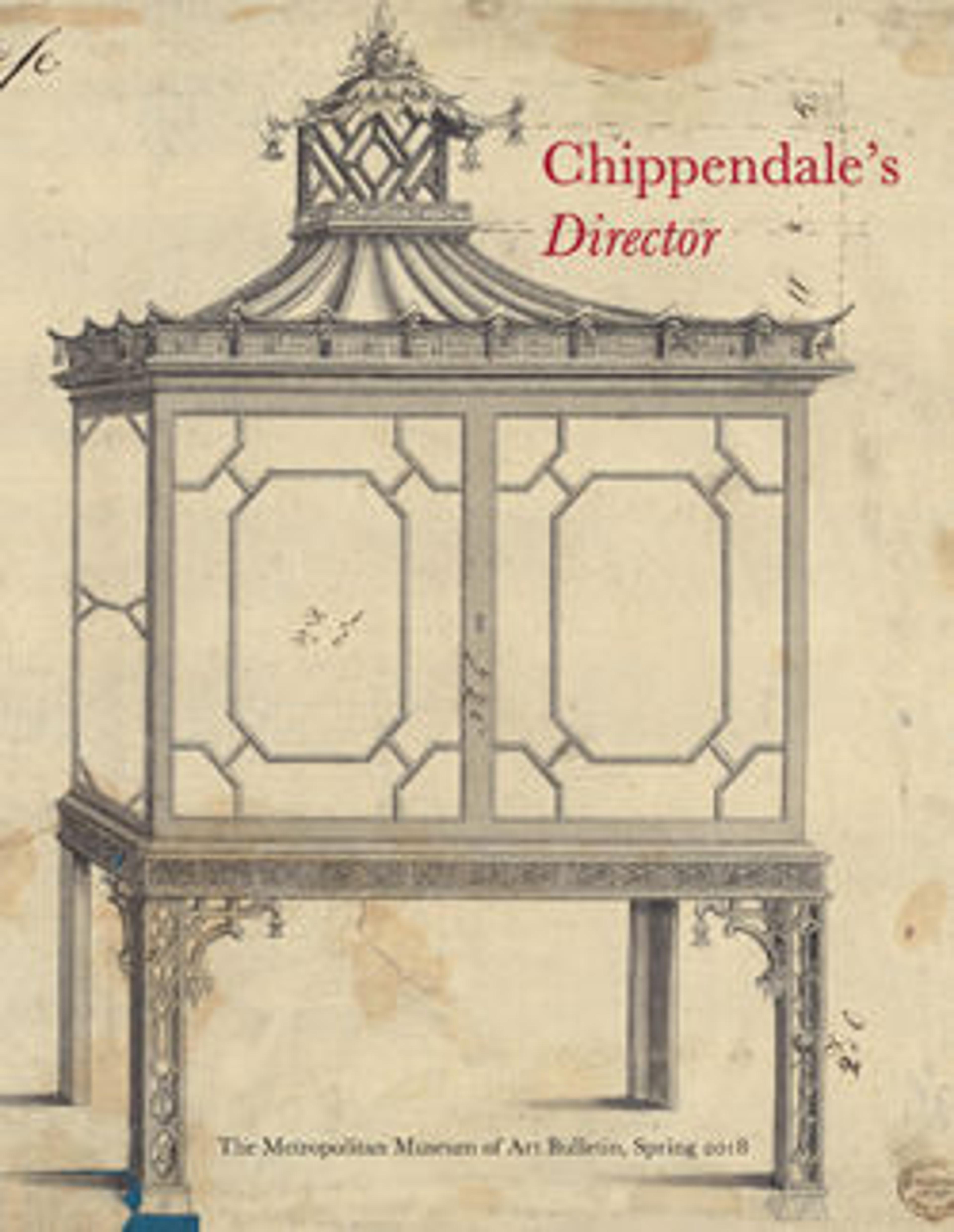 Published to coincide with the three hundredth anniversary of the birth of Thomas Chippendale, England’s most famous cabinetmaker, this issue of the Bulletin addresses the history of Chippendale works at The Met. Morrison H. Heckscher recounts the designer’s meteoric rise from rural obscurity to the heights of the London luxury trade, crediting that remarkable success to the publication of the Chippendale Director, an instructive book on furniture design and ornament. The text analyzes the Museum’s rare collection of drawings by Chippendale, revealing a gifted and highly imaginative designer who mastered what today would be called branding. Illustrating a wide selection of the Director drawings alongside furniture inspired by the Director or actually made in Chippendale’s shop, this Bulletin features works of art that attest to the museum’s century-long infatuation with drawing, prints, books, and furniture in the Chippendale style.Download PDFFree to download
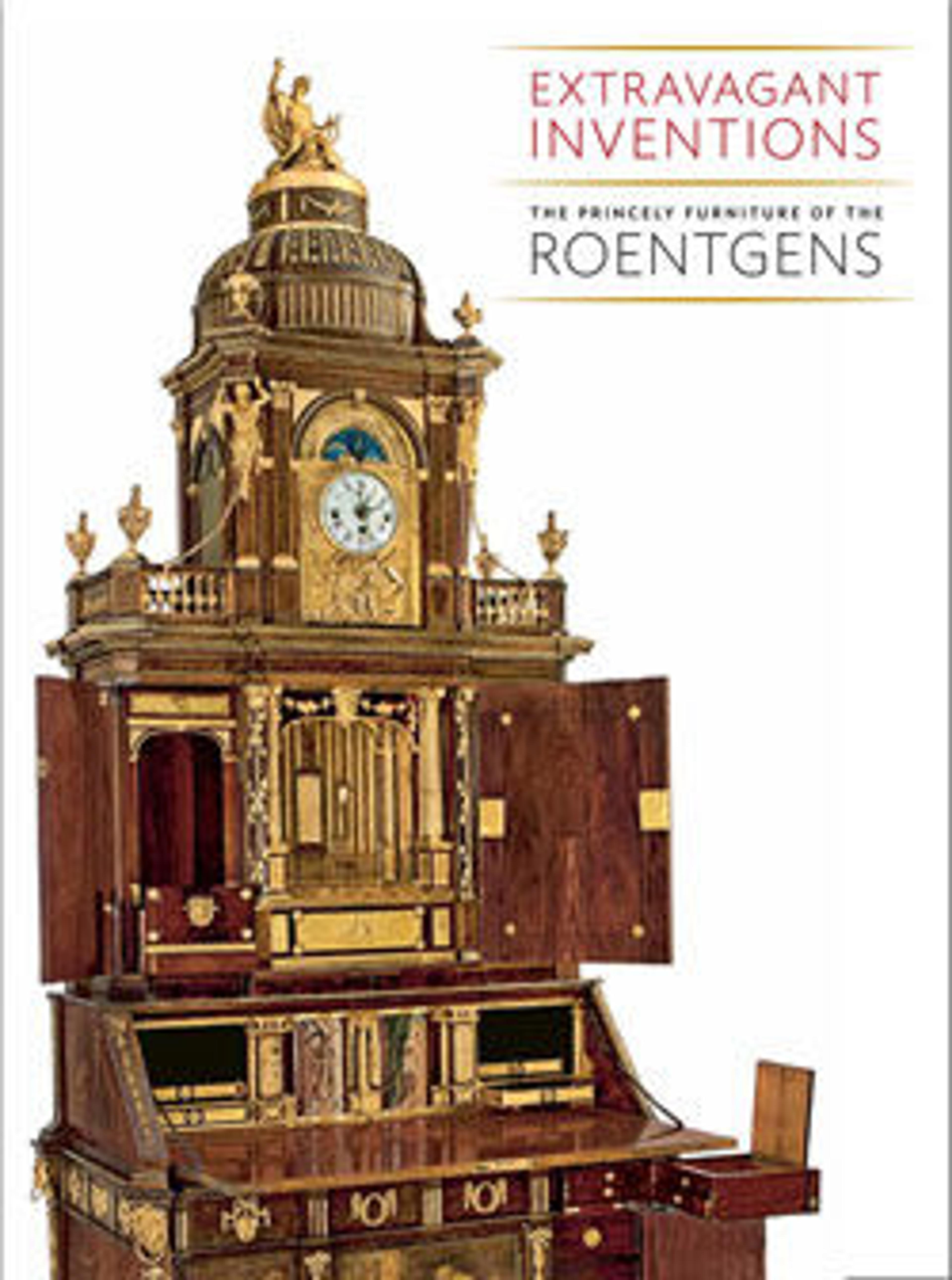 During the second half of the 18th century, the workshop of Abraham and David Roentgen at Neuwied on the Rhine was among Europe's most successful cabinetmaking enterprises, employing at its height nearly two hundred specialized artisans. The Roentgens' ingenious inventions combined innovative designs with intriguing mechanical devices that revolutionized traditional types of European furniture. Key to their success was the pairing of the skilled craftsman Abraham with his boldly entrepreneurial son David, whose clients included the most prominent sovereigns of Europe, among them Louis XVI and Marie Antoinette of France, Catherine the Great of Russia, and Frederick William II of Prussia. In addition, the Roentgens perfected the practice of adapting prefabricated elements and elaborate trompe l'oeil marquetry panels to the specifications of their customers. Extravagant Inventions: The Princely Furniture of the Roentgens is the first comprehensive English-language survey of the firm in nearly fifty years, from its founding in 1742 to its closing in the early 1800s. Detailed discussions explain the intricate workings of these extraordinary pieces and are complemented by illustrations showing them in their contemporary interiors. Design drawings, portraits of the cabinetmakers and their patrons, and previously unpublished historical documents from the Roentgen estate further illuminate the work of these master craftsmen. An essential contribution to the study of European furniture, this fascinating book firmly establishes the Roentgens as the principal Continental European cabinetmakers of the ancien régime.Download PDFFree to download
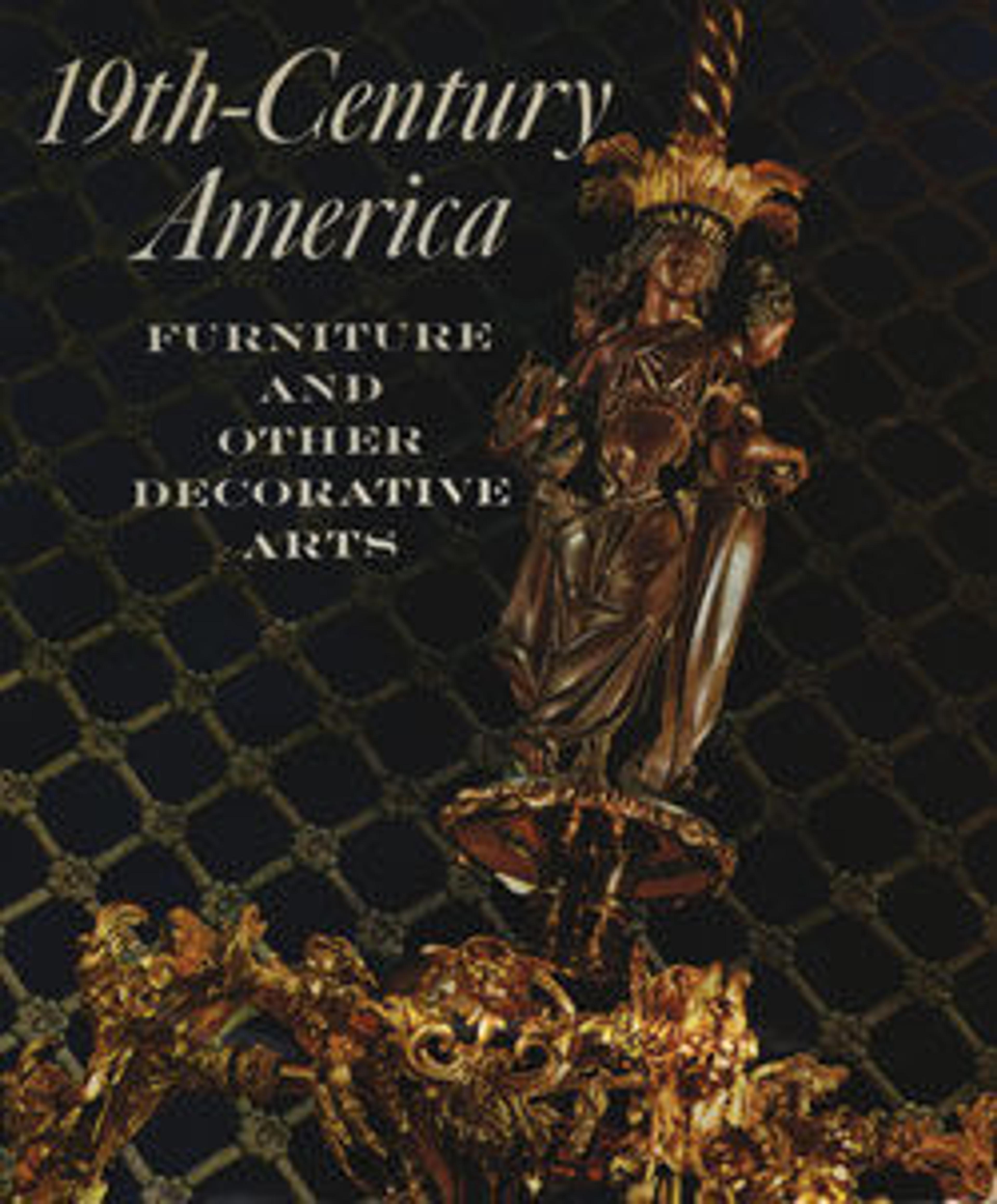 As the central feature of its year-long Centennial the Metropolitan Museum has mounted a spectacular exhibition of American decorative arts of the nineteenth century. Federal, Empire, Gothic, Rococo, Renaissance, Art Nouveau, Reform—the century's principal styles succeed one another in a series of lavish room settings and galleries that display the 300 prime pieces illustrated and discussed in this book. More than 200 of these objects, including furniture, silver, glass, ceramics, and metalwork, are treasures of the Museum's American Wing, some of them accessioned during the Museum's early years, a substantial number acquired only recently and never shown before. The rest of the material has been lent to the exhibition from other museums, institutions, and private collections. A show of this magnitude dealing entirely with American works of the nineteenth century is without precedent. The historical line begins with the cabinetry of New England (a superb chest of drawers of about 1796 from Salem, Massachusetts), proceeds through the sedate European-influenced styles of the Empire, takes into account the medley of revivals in the decades before the Civil War, sets forth the splendid eighties, when decorative arts became an expression of American success and optimism, and ends with the elegant simplicity of furniture by the architect brothers Charles and Henry Greene. Among the outstanding furniture makers represented are Duncan Phyfe (with an entire parlor suite), Charles-Honoré Lannuier (with a bed as elaborately ornamented as any made in America), Joseph Meeks and Sons, and the Rococo master John Henry Belter. Other craftsmen and manufacturers include the silversmiths Chaudron and Rasch, Fletcher and Gardiner, Gorham Manufacturing Company, Tiffany and Company, the Boston and Sandwich and New England Glass companies, the Tucker Porcelain Company, and the great decorating firms of LePrince and Marcotte, Herter Brothers, and Louis Tiffany's Associated Artists. Berry B. Tracy, Curator of the American Wing and organizer of the exhibition, has justly called it a "hundred-year chronology of the best of American taste." This description can equally well be applied to the present volume, one of two devoted to the exhibition. Its more than 300 illustrations (sixty-six in color), its comprehensive historical introduction (by Mr. Tracy), its authoritative discussion of the pieces (by Marilynn Johnson, Marvin D. Schwartz, and Suzanne Boorsch), and its extensive bibliography of the pieces themselves and the craftsmen who produced them make it an important addition to a still little-documented field.Download PDFFree to download
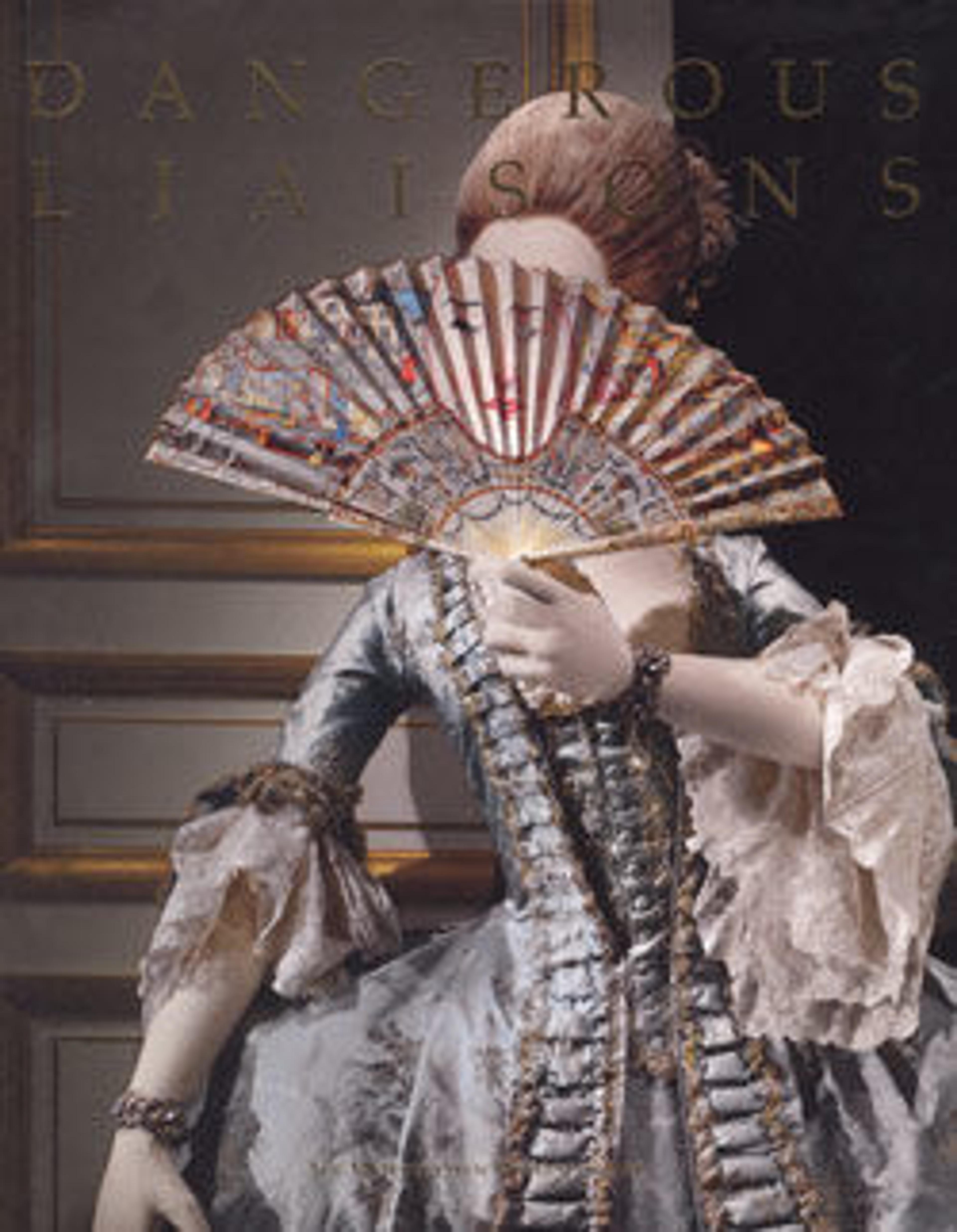 During the reigns of Louis XV (1723–74) and Louis XVI (1774–92) fashion and furniture merged ideals of beauty and pleasure through their forms and embellishments. With their fragile surfaces and delicate proportions, tables, chairs, and other pieces of furniture enhanced the elite's indulgence in leisurely pursuits, fostering highly complex standards of etiquette and performance. Men and women restated the splendor of the Rococo and Neoclassical interiors of the period in their opulent costumes. For the eighteenth-century libertine and femme du monde, a refined elegance and delicate voluptuousness infused their world with a mood of amorous delight. Dangerous Liaisons takes its theme from this era, when trifling in love propelled the energies of elite men and women, providing almost daily stimulating encounters, and when, as has been written, "morality lost but society gained." In Choderlos de Laclos's novel of the same name, Cécile, a young girl, is praised by her tutor in the worldly arts: "She is really delightful! She has neither character nor principles ... everything about her indicates the keenest sensations." Valmont, her seducer, notes the following morning, "Nothing could have been more amusing." Valmont has won a game in the contest of lovemaking. The beautifully photographed and handsomely reproduced images on the following pages bring these amorous adventures to life. The vignettes, staged for the widely praised exhibition "Dangerous Liaisons: Fashion and Furniture in the Eighteenth Century," held at The Metropolitan Museum of Art in 2004, feature eighteenth-century costumes in the Museum's spectacular French period rooms, The Wrightsman Galleries. The artfully composed scenes include: a woman sitting for her portrait while her husband flirts with her friend; a man being granted an audience with a woman in a peignoir who is having her hair dressed; a vendor embracing the wife of an old man, his back turned, examining a table for sale; a girl receiving more than a harp lesson from her teacher, while her oblivious chaperone reads an erotic novel; a woman giving up her garter as a memento of a very private dinner. The entertaining and knowledgeable texts set the scenes perfectly.Download PDFFree to download
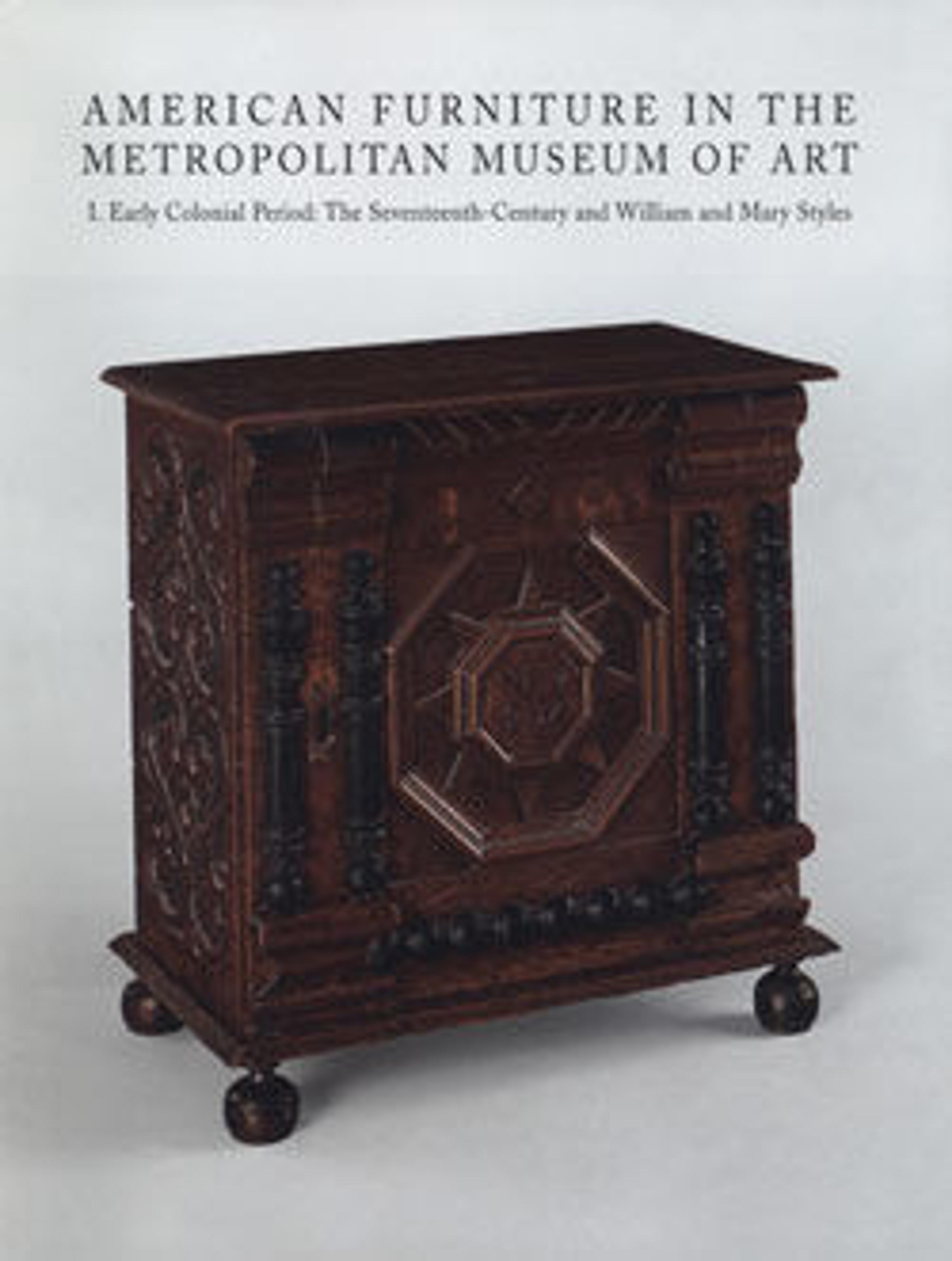 The Metropolitan Museum's preeminent collection of early colonial furniture is expertly documented in this long-awaited publication. It presents a broad spectrum of furniture forms made in America during the seventeenth and early eighteenth centuries—from chairs and other seating to tables, boxes, various types of chests and cupboards, dressing tables, and desks—and includes prime examples of the different modes of ornamentation in fashion during that period. Freshly photographed in color for this volume, each of the 141 objects is thoroughly described, with detailed information given on its construction, condition, dimensions, materials, and inscriptions and other marks, as well as provenance and exhibition history. Each object is also explicated in terms of the styles and craftsmanship of the period and evaluated in light of comparative pieces in public and private collections throughout the country. Furniture from New England predominates, but there are significant examples of forms and ornament characteristic of New York and Pennsylvania, as well. The Museum's masterpieces range from majestic seventeenth-century turned chairs with a spindle back to case pieces in the William and Mary style of the early eighteenth century that feature dramatic veneers or japanning. Several chairs in the collection retain their original upholstery, and some of the chests and cupboards have their original painted decoration. The pigments on the painted pieces have been identified, and the results published here represent the first large body of such information included in an American furniture catalogue. An appendix containing photographic details of construction and decorative elements and another with line drawings explaining furniture terms and showing various types of joints and moldings are also included. This is the first volume in a series that is dedicated to American furniture in the Museum; the second volume, on the late colonial period, was published in 1985.Download PDFFree to download
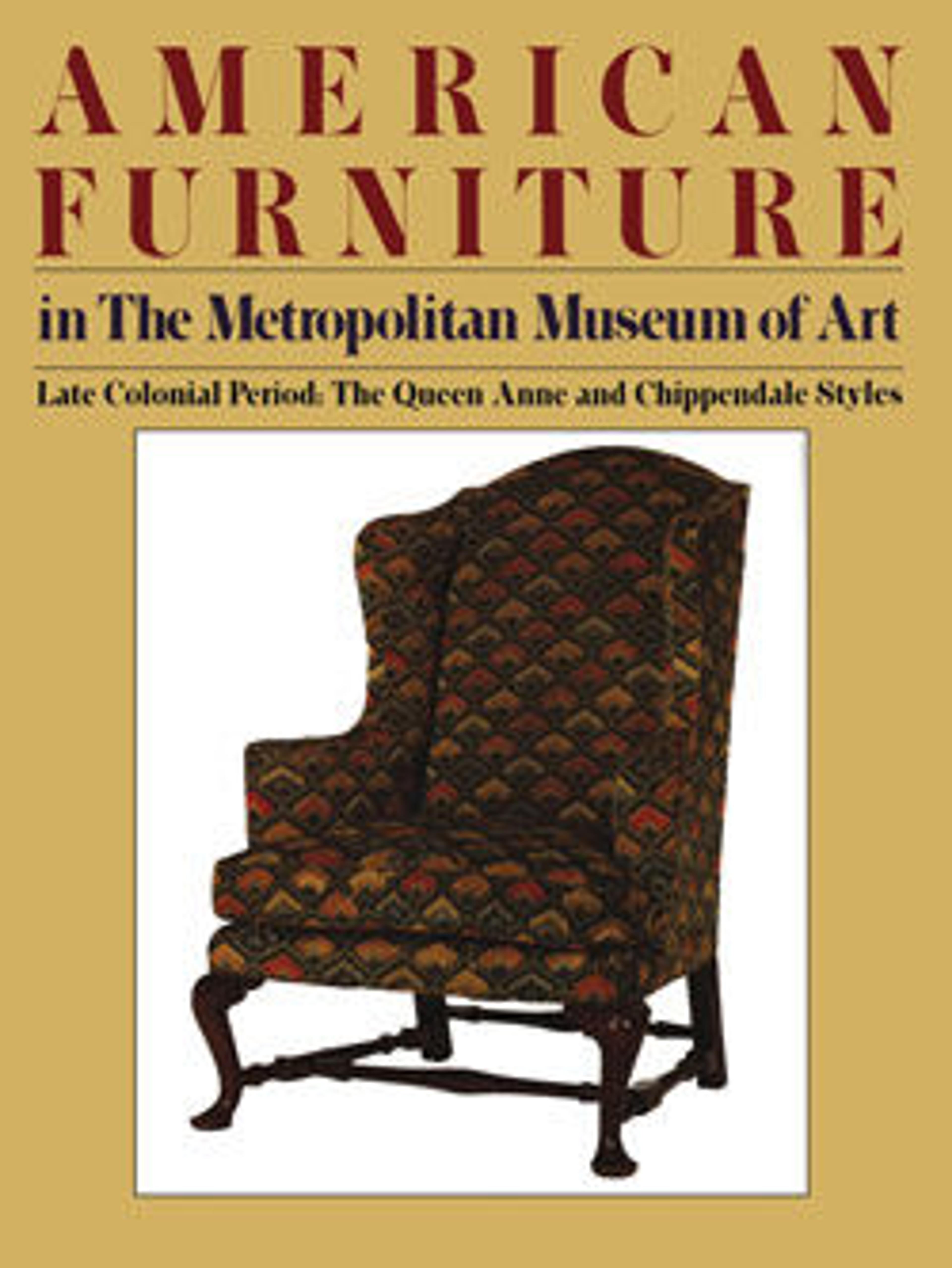 Here at last is the publication that documents The Metropolitan Museum of Art's superlative collection of late colonial furniture. This comprehensive catalogue—prodigiously researched and gloriously illustrated—presents 213 of the finest objects in the Museum's American Wing. These masterpieces of eighteenth-century furniture are fully described and considered in light of comparative pieces from collections across the country. For every object the author gives detailed information about provenance, construction, condition, inscriptions if any, dimensions, and materials. The volume will stand as the quintessential sourcebook for collectors and a tour de force of scholarship in the field. In his foreword, Philippe de Montebello, director of the Metropolitan, says: "The Museum's highest priority is to communicate fully and exhaustively what is known about its collections in catalogues such as the present one. The first of three volumes covering the entire field of American furniture, it is devoted to the achievements of American cabinet- and chairmakers in the mid-eighteenth century, and in it curator Morrison Heckscher is able to furnish not only both a synoptic and detailed account of the period, but also invaluable information on methods of manufacture and on stylistic considerations, since his points of departure are the objects themselves, ultimately the most direct and secure evidence from which accurate conclusions can be drawn." The catalogue contains an appendix of photographic details, a complete bibliography, and indexes.Download PDFFree to download
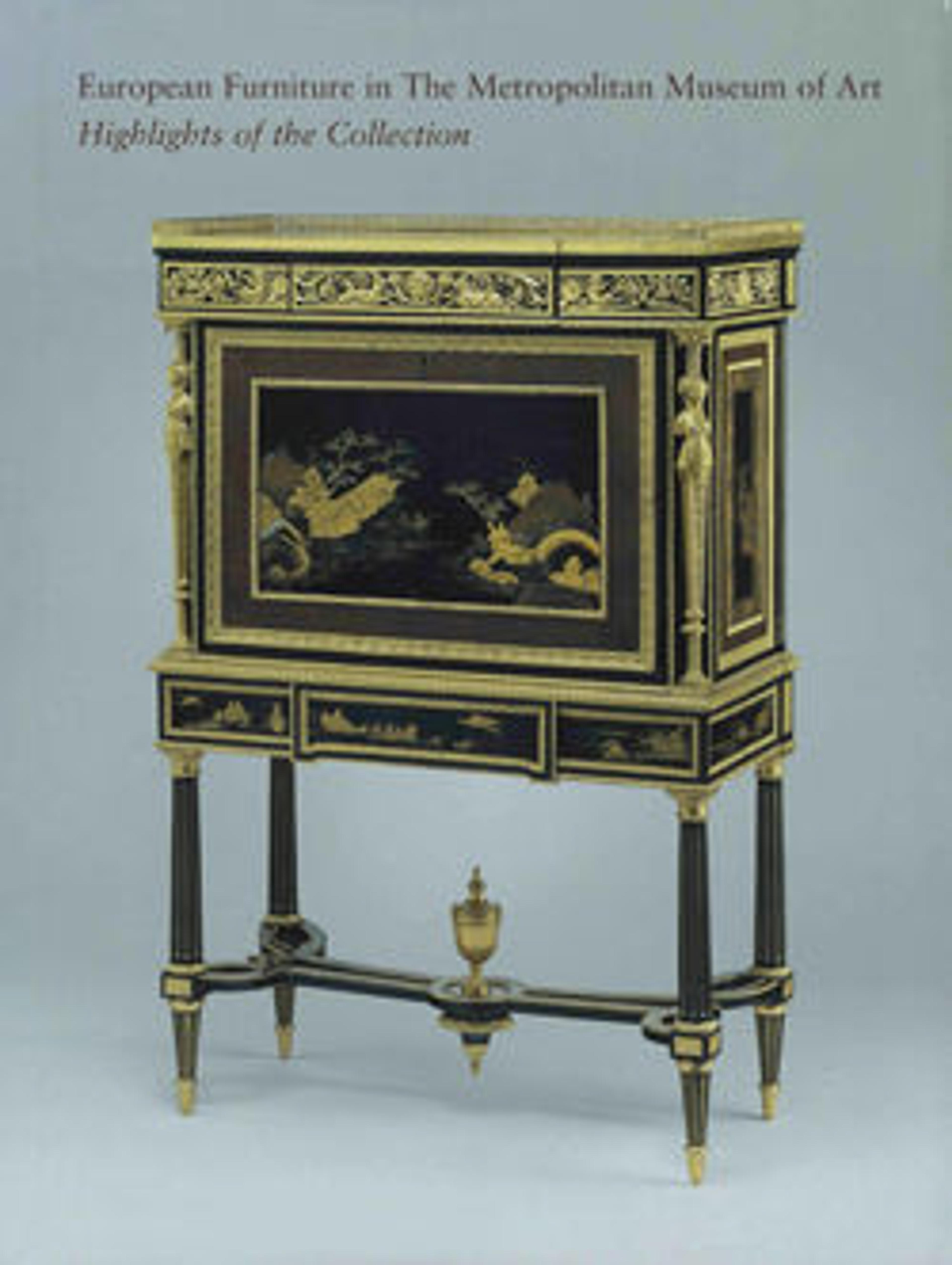 This beautifully produced volume is the first to survey the Metropolitan Museum's world-renowned collection of European furniture. One hundred and three superb examples from the Museum's vast holdings are featured. They originated in workshops in England, France, Germany, Italy, the Netherlands, Austria, Russia, or Spain and date from the Renaissance to the late nineteenth century. A number of them belonged to such important historical figures as Pope Urban VIII, Louis XIV, Madame de Pompadour, and Napoleon. The selection includes chairs, tables, beds, cabinets, commodes, settees and sofas, bookcases and standing shelves, desks, fire screens, athéniennes, coffers, chests, mirrors and frames, showcases, and lighting equipment. There is also one purely decorative piece, a superb vase made for a Russian noble family who, according to one awestruck viewer, "owned all the malachite mines in the world." The makers of some of the objects are unknown, but most of the pieces can be identified by label, documentation, or style as the work of an outstanding European designer-craftsman, such as André-Charles Boulle, Thomas Chippendale, David Roentgen, or Karl Friedrich Schinkel.Download PDFFree to download
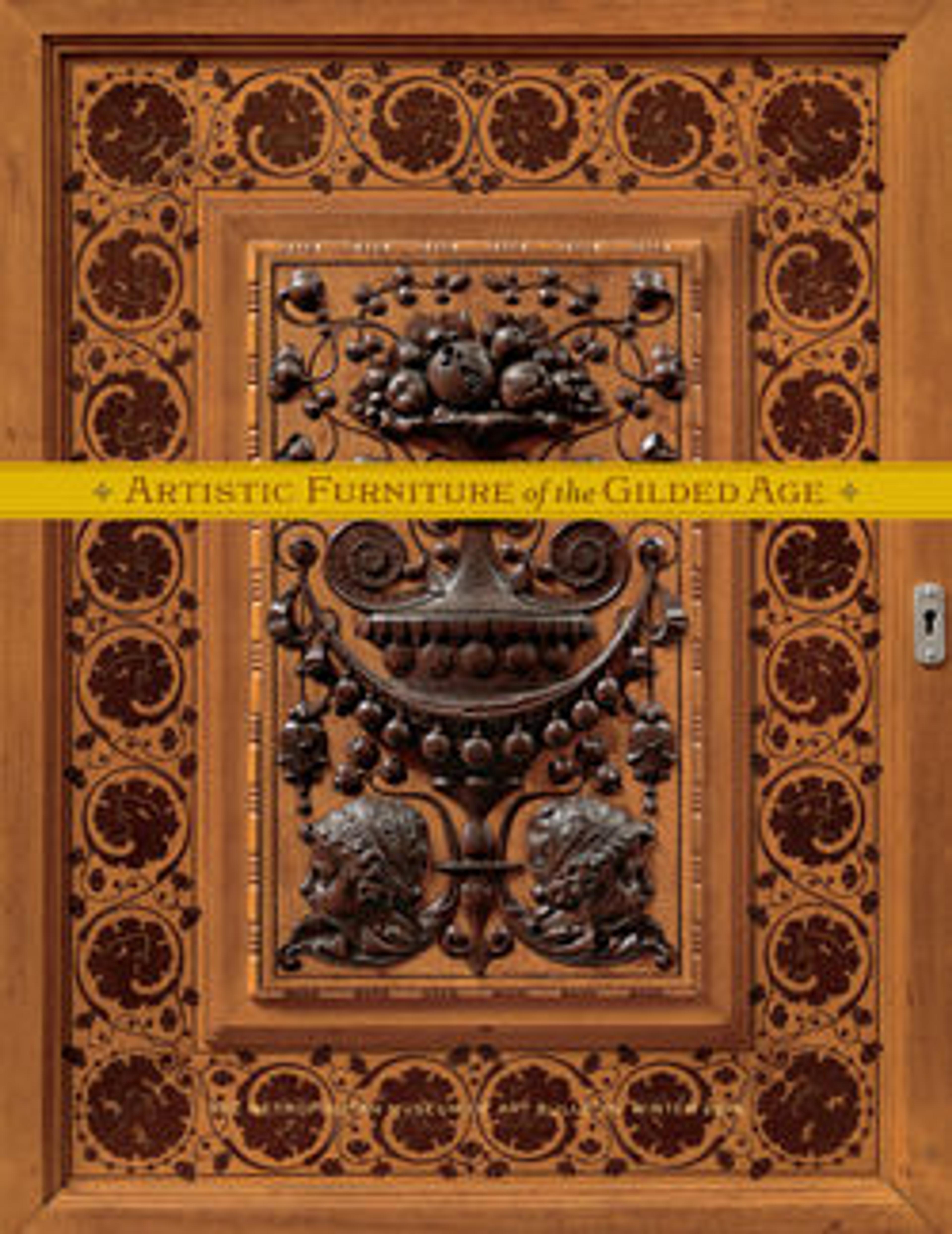 This Bulletin presents new discoveries and historical documentation on the preeminent New York cabinetmaker George A. Schastey, illuminating his life and his under-appreciated body of work while providing the first in-depth analysis of the Worsham-Rockefeller house and its patron Arabella Worsham.Download PDFFree to download
 Download PDFFree to download