MetPublications
Showing 1–10 results of 1,064
Sort by:
 Among the most revered and beloved artworks in China are ceramics—sculptures and vessels that have been utilized to embellish tombs, homes, and studies, to drink tea and wine, and to convey social and cultural meanings such as good wishes and religious beliefs. Since the eighth century, Chinese ceramics, particularly porcelain, have played an influential role around the world as trade introduced their beauty and surpassing craft to countless artists in Europe, America, and elsewhere. Spanning five millennia, the Metropolitan Museum’s collection of Chinese ceramics represents a great diversity of materials, shapes, and subjects. The remarkable selections presented in this volume, which include both familiar examples and unusual ones, will acquaint readers with the prodigious accomplishments of Chinese ceramicists from Neolithic times to the modern era. As with previous books in the How to Read series, How to Read Chinese Ceramics elucidates the works to encourage deeper understanding and appreciation of the meaning of individual pieces and the culture in which they were created. From exquisite jars, bowls, bottles, and dishes to the elegantly sculpted Chan Patriarch Bodhidharma and the gorgeous Vase with Flowers of the Four Seasons, How to Read Chinese Ceramics is a captivating introduction to one of the greatest artistic traditions in Asian culture.
 Intended to inspire the devout and provide a focus for religious practice, Buddhist artworks stand at the center of a great religious tradition that swept across Asia during the first millennia. How to Read Buddhist Art assembles fifty-four masterpieces from The Met collection to explore how images of the Buddha crossed linguistic and cultural barriers, and how they took on different (yet remarkably consistent) characteristics in India, Pakistan, Afghanistan, the Himalayas, China, Korea, Japan, Sri Lanka, Thailand, Cambodia, and Indonesia. Works highlighted in this rich, concise overview include reliquaries, images of the Buddha that attempt to capture his transcendence, diverse bodhisattvas who protect and help the devout on their personal path, and representations of important teachers. The book offers the essential iconographic frameworks needed to understand Buddhist art and practice, helping the reader to appreciate how artists gave form to subtle aspects of the teachings, especially in the sublime expression of the Buddha himself.
 For centuries, Islamic calligraphy has mesmerized viewers with its beauty, sophistication, and seemingly endless variety of styles. How to Read Islamic Calligraphy offers new perspectives on this distinctive art form, using examples from The Met’s superlative collections to explore the enduring preeminence of the written word as a means of creative expression throughout the Islamic world. Combining engaging, accessible texts with stunning new photography, How to Read Islamic Calligraphy introduces readers to the major Islamic script types and explains the various contexts, whether secular or sacred, in which each one came to be used. Beauty and brilliance emerge in equal measure from works of every medium, from lavishly illuminated Qur’an manuscripts, to glassware etched with poetic verses, to ceramic tiles brushed with benedictions. The sheer breadth of objects illustrated in these pages exemplifies the ubiquity of calligraphy in the arts of Islam and the vitality of its role in Islamic culture.
 Many of us have long been captivated by images of knights in shining armor evoking the age of chivalry and the ideals of Camelot. In this richly illustrated volume, the beauty and complexity of the actual armor worn by European knights and soldiers comes brilliantly to the fore. How to Read European Armor presents a compelling overview of armor in Europe from the Middle Ages through the seventeenth century, the period when armor as an art form achieved its highest levels of stylistic beauty and functional perfection. During that time, skilled armorers developed ingenious solutions for protecting the body with armor that was effective and often amazingly ornate. This volume features historically important examples of armor such as a suit made in the royal workshops of Greenwich, England, almost certainly for King Henry VIII himself; a masterfully etched work created by a famed Nuremberg armorer for Emperor Ferdinand I; and sumptuous armor for the warhorse of an Italian nobleman. The engaging text extensively examines armor's complex parts and many decorative techniques, and sets the lively historical context for how European armor thrived in the field of combat, in tournaments, and on ceremonial occasions. A book for any reader drawn to the chivalric and courtly life of Europe, How to Read European Armor highlights the many innovations of armorers who created these legendary marvels of art and technology.
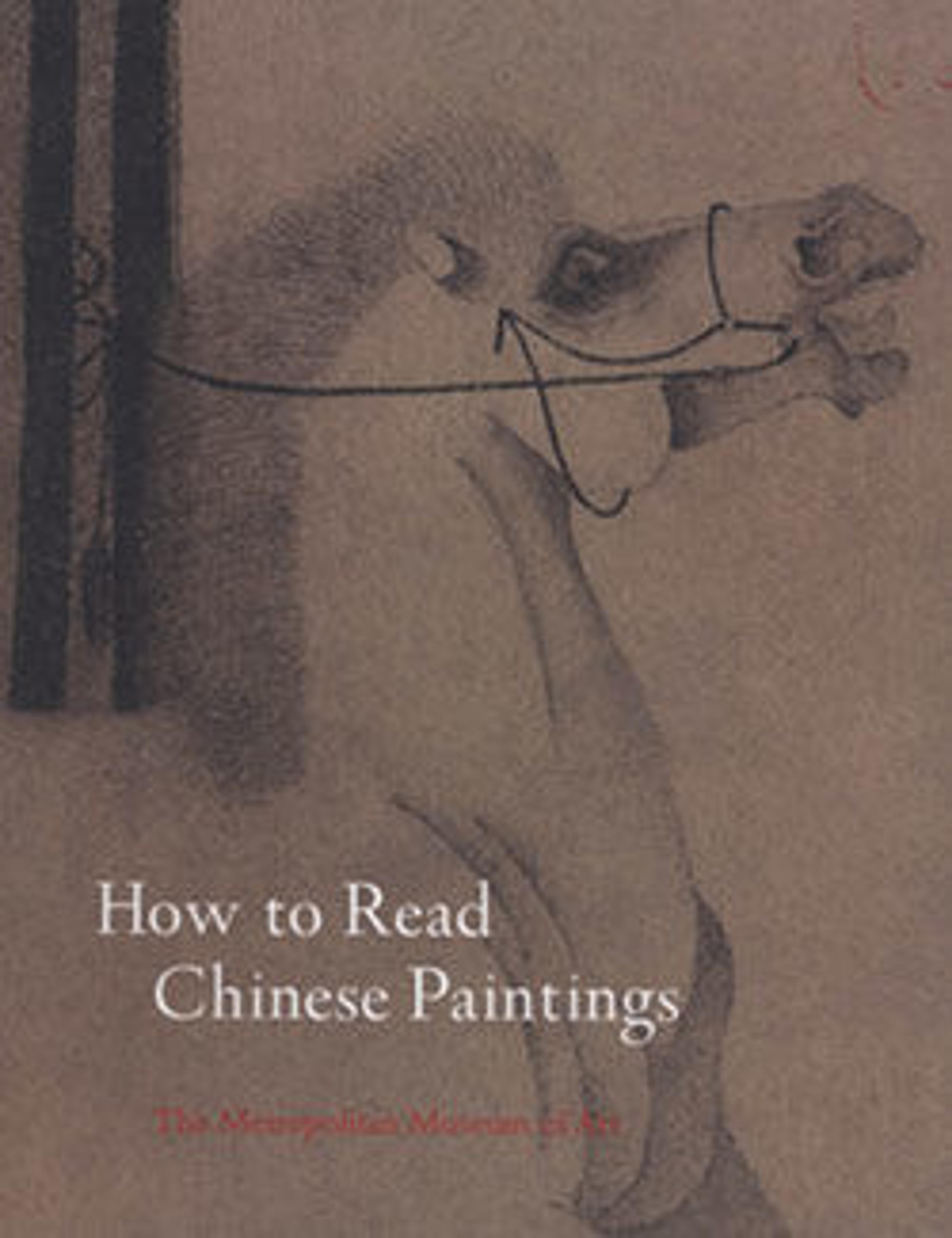 The Chinese way of appreciating a painting is often expressed by the words du hua, "to read a painting." How does one do that? Because art is a visual language, words alone cannot adequately convey its expressive dimension. How to Read Chinese Paintings seeks to visually analyze thirty-six paintings and calligraphies from the encyclopedic collection of The Metropolitan Museum of Art in order to elucidate what makes each a masterpiece. Maxwell K. Hearn's elegantly erudite yet readable text discusses each work in depth, considering multiple layers of meaning. Style, technique, symbolism, past traditions, historical events, and the artist's personal circumstances all come into play. Spanning more than a thousand years, from the eighth through the seventeenth century, the subjects represented are particularly wide-ranging: landscapes, flowers, birds, figures, religious subjects, and calligraphies. All illuminate the main goal of every Chinese artist: to capture not only the outer appearance of a subject but also its inner essence. Numerous large color details, accompanied by informative captions, allow the reader to delve further into the most significant aspects of each work. Together the text and illustrations gradually reveal many of the major themes and characteristics of Chinese painting. To "read" these works is to enter a dialogue with the past. Slowly perusing a scroll or album, one shares an intimate experience that has been repeated over the centuries. And it is through such readings that meaning is gradually revealed.
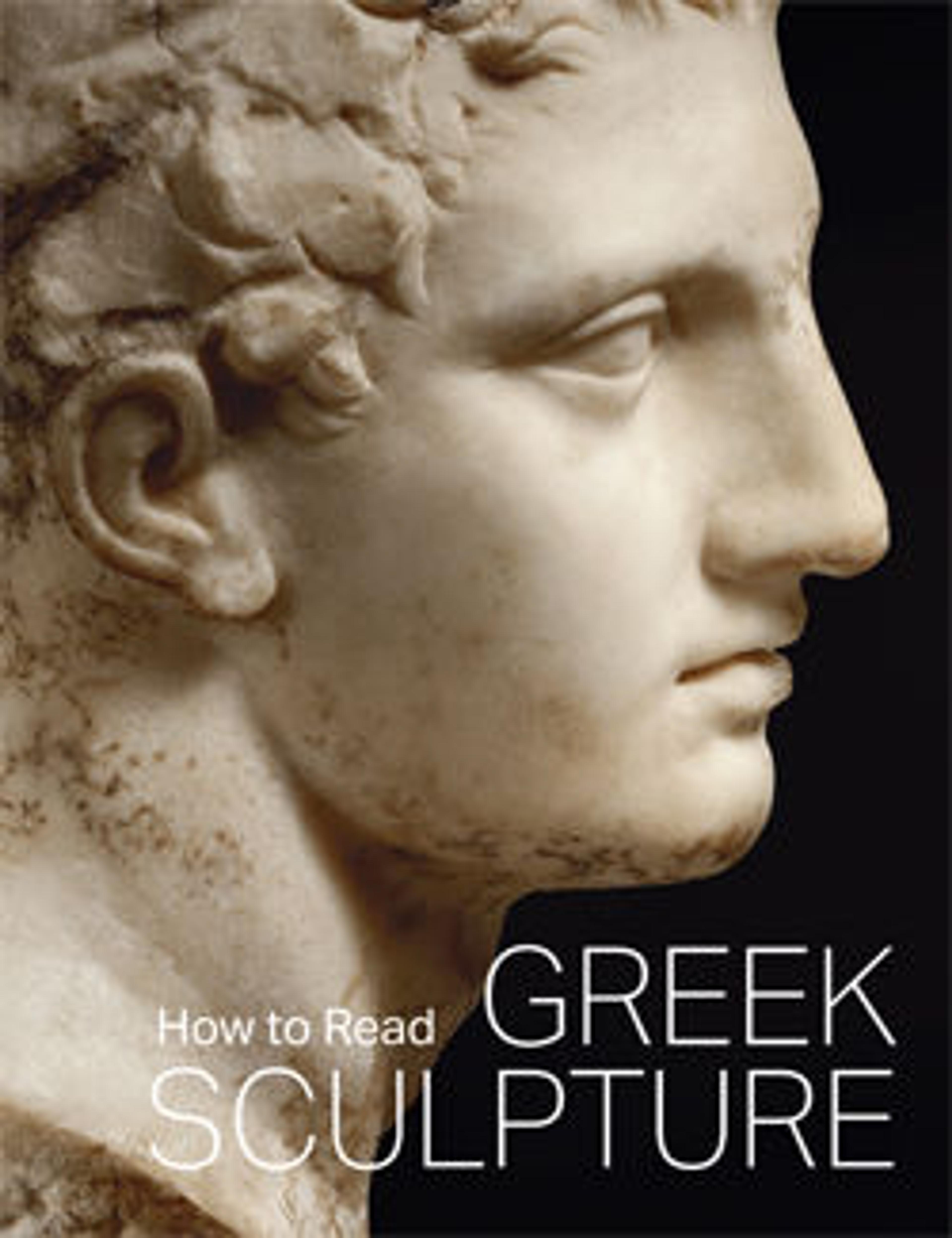 The sculptural tradition developed by the ancient Greeks is justifiably considered one of the most remarkable achievements of Western art. This richly illustrated volume introduces eight centuries of Greek sculpture, from the early rectilinear designs of the Geometric period (ca. 900–700 B.C.) through the groundbreaking creativity of the Archaic and Classical periods to the dramatic monumental achievements of the Hellenistic Age (323–31 B.C.). A generous selection of objects and materials—ranging from the sacred to the everyday, from bronze and marble to gold, ivory, and terracotta—allows for an especially appealing picture not only of Greek art but also of life in ancient Greece. Sculptures of deities such as Zeus, Athena, and Eros and architectural elements from temples are included, as are depictions of athletes and animals (both domesticated and wild), statuettes of dancers and actors, funerary reliefs, perfume vases, and jewelry. The informative text provides a comprehensive introduction and insightful discussions of forty objects selected from the collection of The Metropolitan Museum of Art. Full-page photographs of the featured works are supplemented by many illuminating details and comparative illustrations. The latest in The Met’s widely acclaimed How to Read series, this publication reveals how, more than two millennia ago, Greek artists brilliantly captured the fundamental aspects of the human condition.
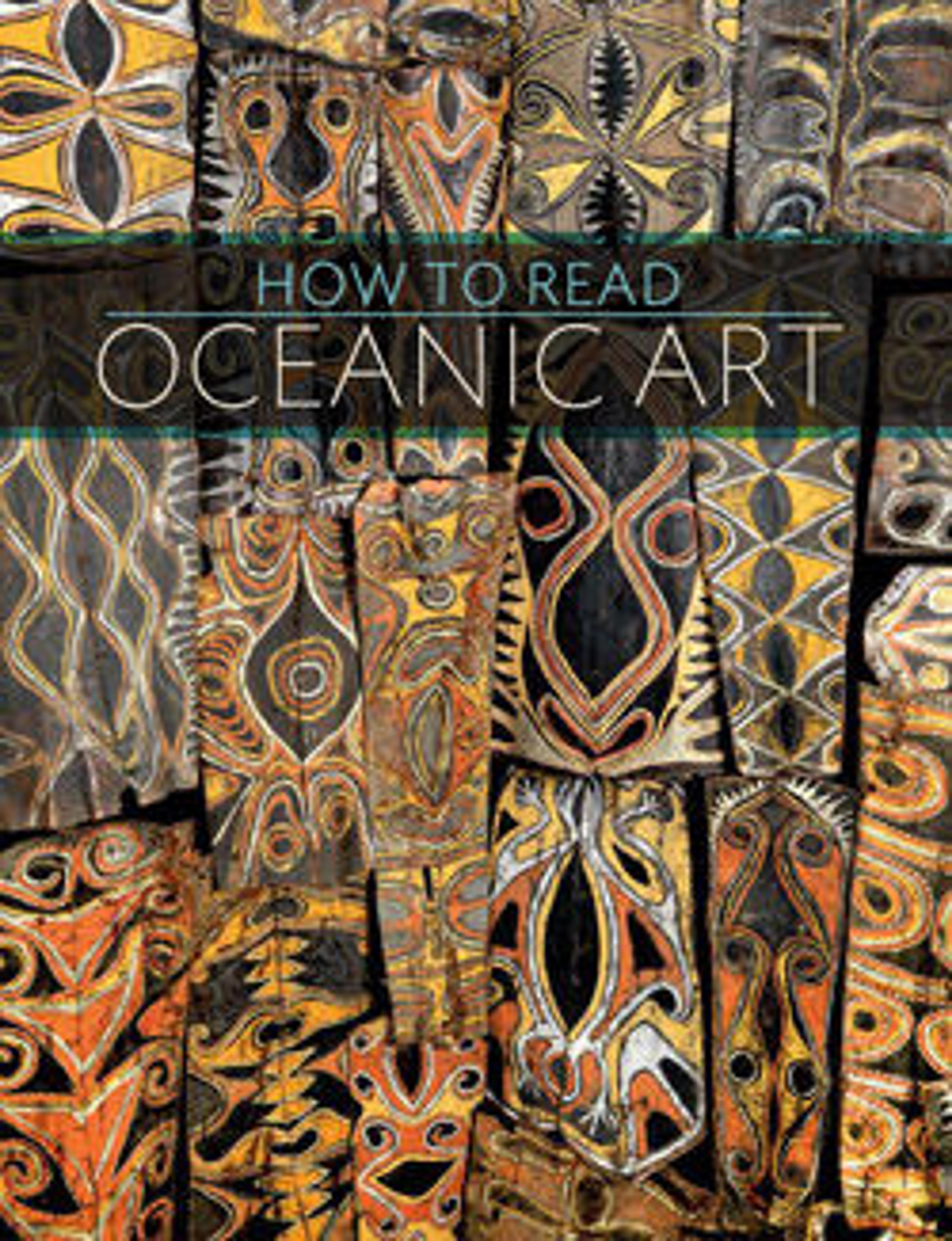 From the dense rain forests of New Guinea to the spice-rich islands of Indonesia, the tropical archipelagos of Polynesia and Micronesia, and the deserts of Australia, Oceania encompasses hundreds of distinct artistic traditions with an extensive variety of objects and mediums. Formidable, fascinating and even fearsome, they range in size from intricate jewelry to colossal sculptures and musical instruments. In addition to serving numerous practical and decorative purposes, many Oceanic objects were invested with religious or social symbolic significance and often have been used in enthralling ceremonies. The imagery of these remarkable works—ranging from ancestors, gods, and spirits to animals and inter-species composites—has had a direct impact on modern artists, including Paul Gauguin and the Surrealists. An invaluable resource for art-historical study, this third volume in the How to Read series is an important gateway to wider appreciation of Oceanic heritage and visual culture.
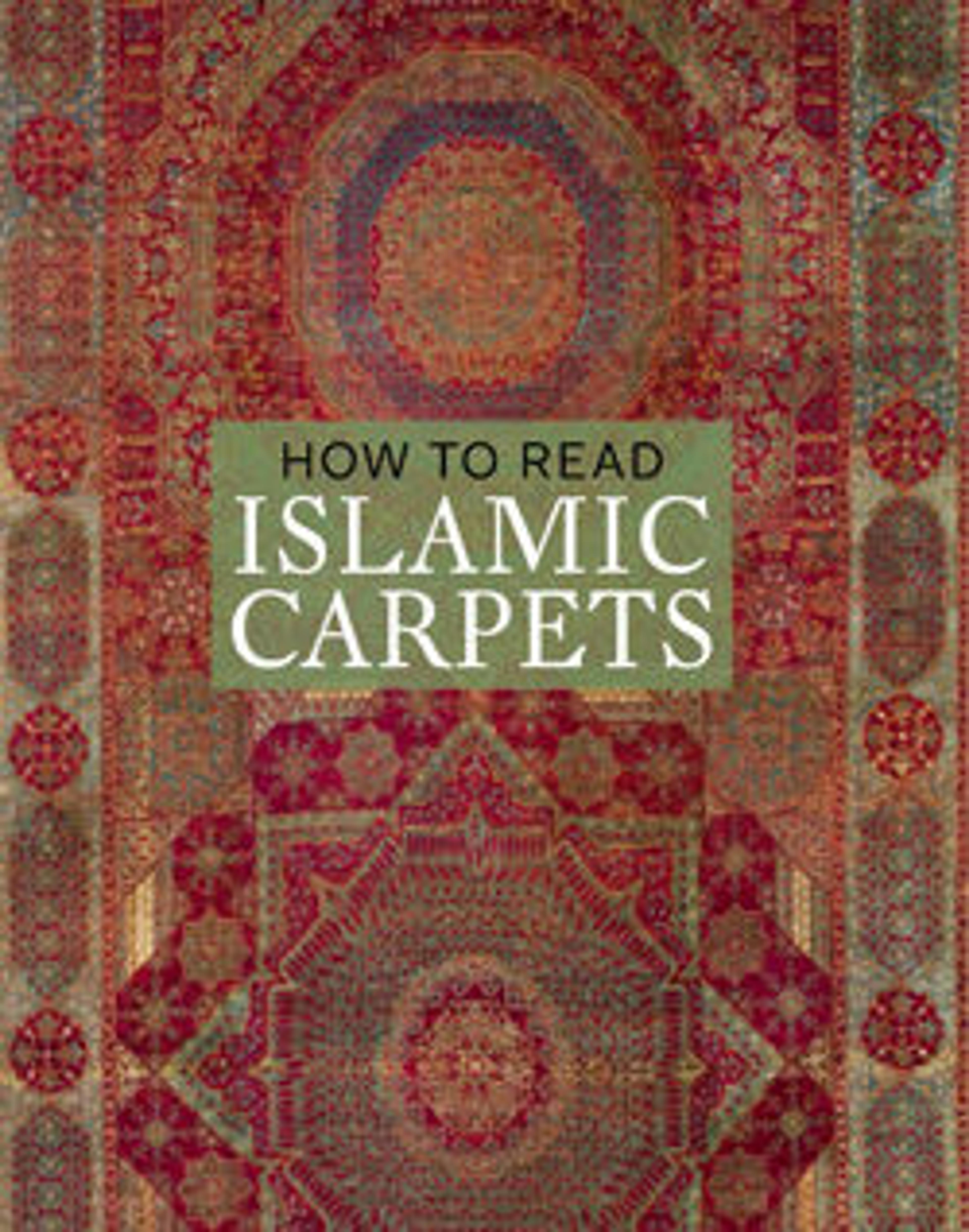 The engaging and accessible volume offers invaluable insights and novel perspectives on what is perhaps the most iconic of all Islamic art forms: the handwoven carpet. With a history stretching back to the fourteenth century and a geographic reach spanning Europe to Eurasia, Mongolia to the Middle East, Islamic carpets boast a degree of innovation and technical skill to rival the world's most exalted works of art. Beauty and brilliance emerge in equal measure from carpets of all forms be they colossal silk rugs exchanged as gifts by sultans and kings or small and sturdy textiles woven for use in nomadic encampments. Some sixty superlative examples from the Metropolitan Museum's collection—from Persia, India, Turkey, North Africa, and across the Islamic world—are presented here in lavish detail, with concise and approachable texts that position each work in historical and cultural context. Beginning with a discussion of materials and techniques, How to Read Islamic Carpets offers a comprehensive introduction to this captivating art form, and reveals the lasting influence of carpet-weaving traditions in lands far beyond the Islamic world.
 The intensely expressive art of the Middle Ages was created to awe, educate and connect the viewer to heaven. Its power reverberates to this day, even among the secular. But experiencing the full meaning and purpose of medieval art requires an understanding of its narrative content. This volume introduces the subjects and stories most frequently depicted in medieval art, many of them drawn from the Bible and other religious literature. Included among the thirty-eight representative works are brilliant altarpieces, stained-glass windows, intricate tapestries, carved wood sculptures, delicate ivories, and captivating manuscript illuminations, all drawn from the holdings of the Metropolitan Museum, one of the world's most comprehensive collections of medieval art. Iconic masterworks such as the Merode Altarpiece, the Unicorn Tapestries, and the Belles Heures of the duc de Berry are featured along with less familiar work. Descriptions of the individual pieces highlight the context in which they were made, conveying their visual and technical nuances as well as their broader symbolic meaning. With its accessible informative discussions and superb full-color illustrations, How to Read Medieval Art explores the iconographic themes of the period, making them clearly recognizable and opening vistas onto history and literature, faith and devotion.
 Spanning three centuries of creativity, this volume in The Met’s How to Read series provides a peek into daily lives across Europe—from England, Spain, and France to Germany, Denmark, and Russia—through 40 exemplary objects. The featured furniture, tableware, utilitarian items, articles of personal adornment, devotional objects, and display pieces cover many aspects of European society and lifestyles, from the modest to the fabulously wealthy. The book considers the contributions of renowned masters, such as the Dutch cabinetmaker Jan van Mekeren and the Italian goldsmith Andrea Boucheron, as well as talented amateurs, among them the anonymous young Englishwoman who embroidered an enchanting chest with scenes from the Story of Esther. The works selected include both masterpieces and less familiar examples, some of them previously unpublished, and are discussed not only in light of their art-historical importance but also with regard to the social issues relevant to each, such as the impact of colonial slavery or the changing status of women artists.