Andrew W. Mellon Postdoctoral Curatorial Fellowship
About the Fellowship
The Andrew W. Mellon Postdoctoral Curatorial Fellowship is a two-year fellowship that provides an opportunity for a postdoctoral scholar at an early stage of their career to gain curatorial training and experience and to engage with a community of staff and scholars from around the world. These fellows work with a curatorial supervisor and mentor on a specific project related to The Met collection or an upcoming exhibition. The fellowships are intended to strengthen the curatorial profession at large by training promising emerging scholars for curatorial careers.
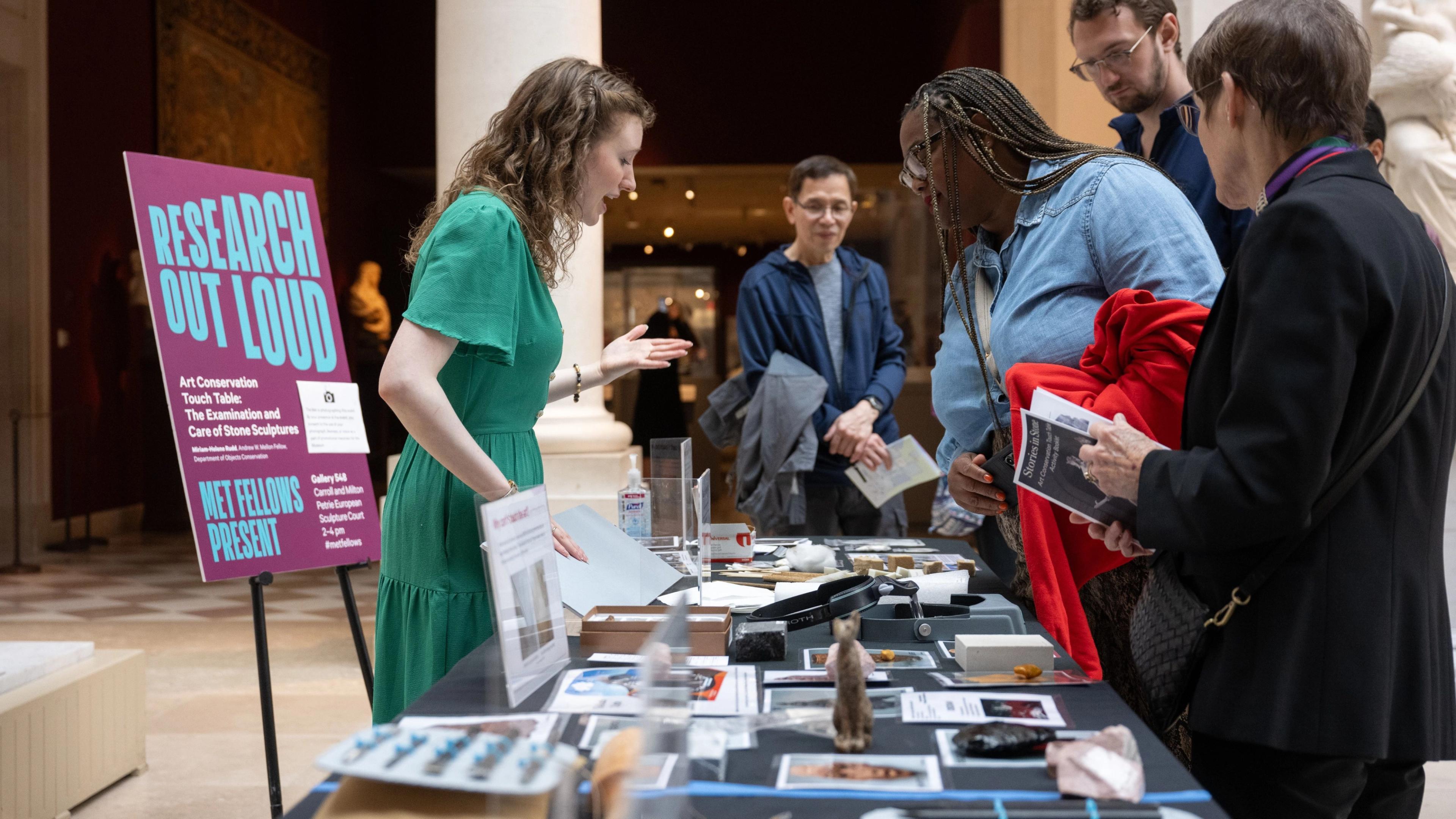
The fellows also have the opportunity to engage in an independent project in consultation with the supervising curator, and they take part in the overall Fellowship Program as well as the annual series Research Out Loud: Met Fellows Present.
Two Andrew W. Mellon Postdoctoral Curatorial Fellowships will be awarded, one in each department listed below.
2027–2029 Fellowships in Islamic Art or European Sculpture and Decorative Arts
Islamic Art
The Met’s outstanding collection of Mughal and later Indian textiles and carpets has often been lauded but remains under-examined, particularly in relation to Safavid, Ottoman, and East Asian collections of contemporary material. Several of these objects will be featured in the upcoming exhibition Jahangir: Emperor, Connoisseur, Naturalist of Mughal India, 1605–27, scheduled to open in spring 2027. In its selection and discussion of early 17th-century textiles and carpets, the exhibition develops new frameworks for further study and advancement of understanding of works in The Met collection. Collections remain to be freshly considered within global networks of artistic exchange, in relation to visual evidence in painting and manuscript illustration, with renewed consideration of architectural and non-architectural spaces and settings, and with interpretations of design in relation to the literary and poetic cultures of the Indo-Persian sphere.
This Andrew W. Mellon Postdoctoral Fellowship provides significant curatorial training for an early-career scholar of Islamic art, textiles, and Indo-Persian culture and its long reach within South Asian material culture. Through in-depth research and a wide consideration of the Islamic Art Department’s collection of textiles from the Mughal world, the fellow will gain fundamental curatorial skills while contributing to the department and the field’s understanding of these important objects. Areas of scholarly inquiry that the fellow may pursue would ideally emphasize regional and global connections to take advantage of The Met’s wide-ranging collection. Technical aspects of production are important areas of investigation which will depend on the availability of the Department of Textile Conservation towards common goals of research on the collection.
Key research questions grounded in The Met collection include:
- What is the nature of the artistic, cultural, and technical exchange between courtly and regional styles of textiles throughout South Asia in the early modern period and its aftermath?
This will allow for the consideration of several types of regional Indian and Persian textiles in the collection, broadening the scope of otherwise siloed materials and leading study into later traditions as well.
- How did interactions with the neighboring Safavid empire of Iran foster new technical and visual forms in the textiles of Mughal India?
Connections between textiles produced in Safavid Iran and Mughal India have long been theorized. The fellow may explore how technical innovations and a trans-regional “Persianate” aesthetic developed through the movement of artists and objects.
- What other global pathways of circulation should be traced to better understand Mughal textiles?
Other networks of trade and diplomacy informed the kinds of textiles acquired and produced in Mughal workshops. The fellow may examine such links between India and other parts of the world, particularly Europe and East Asia.
- How did Mughal and Indian textiles and carpets contribute to both regional and global languages of floral ornament?
Although a botanical approach to Mughal art has been undertaken in the field more largely, especially in relation to paintings, the floral ornament that dominated textiles has not been studied as closely. The fellow may approach floral ornament from various perspectives: identifying plants common to textiles, considering relations to botanical forms depicted in other media, and making comparisons with other cultures of the early modern world for which a floral visual language had become increasingly important. The flourishing of the floral style at the 18th- and 19th-century Indian courts would also be a generative area for further study.
The fellow will gain critical experience in object-based research and collection cataloguing, skills fundamental to curatorial work. As these textiles form an important part of permanent gallery rotations, the fellow will also have the opportunity to help curate installations by supporting the curatorial team: writing labels, engaging with installation issues, and brainstorming how these objects can be made accessible to the broader public. The fellow will also have the opportunity to work in the digital realm—an increasingly integral part of curatorial practice today—writing updated labels for the website and contributing to the department’s digital humanities projects, such as Speaking Objects From the World of Islam and the Dastangoi (storytelling) platform.
In addition to holding a PhD at the time of application, the ideal applicant should have an academic specialization in the field of Mughal or Persian art history, knowledge of the materiality and techniques of Indo-Persian textiles, an understanding of the wider history and context of the early modern age, Persian and Devanagari reading skills, good writing skills, and experience with connoisseurship and aesthetic appreciation.
Learn more about the Department of Islamic Art.
European Sculpture and Decorative Arts
The Department of European Sculpture and Decorative Arts is responsible for more than 60,000 objects from Western Europe from the early 15th through the early 20th century. The holdings include sculpture in many sizes and media, woodwork and furniture, ceramics and glass, metalwork and jewelry, horological and mathematical instruments, and tapestries and textiles. Ceramics made in Asia for export to European markets and sculpture and decorative arts produced in Latin America during this period are also included among these works. The Andrew W. Mellon Postdoctoral Curatorial Fellowship in in the Department of European Sculpture and Decorative Arts provides an opportunity to conduct original scholarly and provenance research on the Department's collection while receiving important skills and training in curatorial practice. A principal aim of the fellowship will be to contribute new scholarship and synthesize existing information for use by various audiences within and outside The Met.
Provenance research is emerging as one of the most important skills for curatorial practice, and also one of the most quickly changing spheres of research. Every year, there are new databases available, new claims put forward, and new legal thresholds to meet. The Andrew W. Mellon Postdoctoral Curatorial Fellowship will also provide a training ground for research in this increasingly urgent field, with training and oversight provided by the Director of Provenance Research.
Primary Responsibilities
- Conduct original research on selected target areas of the Department’s collections in coordination with the Director of Provenance Research and the ESDA Curatorial Team
- Use all resources available by consulting and checking archives, monographs, exhibition catalogues, periodicals, sales catalogues, and other literature to research the provenance of objects in The Met collection;
- Thoroughly document research and sources in The Met’s collections management system (TMS) by entering and updating data according to museum-wide standards;
- Research the constituents and constituencies that objects in the collection passed through, including collectors, commercial galleries, auction houses, and dealers;
- Assist curators and General Manager of Collections in maintaining object files and other records related to the provenance of the collection;
- Identify and research objects known to have been in continental Europe and missing ownership history between the years 1933–1945.
In addition to holding a PhD at the time of application, strong candidates will also have a demonstrated ability for the original research and cataloguing of decorative arts and sculpture; excellent written communication skills for diverse audiences; advanced computer skills including proficiency navigating digital platforms for art historical information and media (familiarity with TMS preferred), and some familiarity with the Museum’s holdings of European art, libraries, and visual resources.
- Applicants must hold a PhD by the application deadline date, with a specialization related to one of the projects.
- Applicants must have received their PhD no more than five years prior to the application deadline.
- Individuals who are neither US citizens nor permanent residents are eligible to apply for The Met Fellowship Program, provided that they have or are able to obtain valid work authorization under applicable US visa regulations. If you are an international student, fellow, or worker currently in the US on a visa sponsored by another entity (e.g. a university, another museum, or employer), we strongly encourage you to speak to your university’s foreign student office or visa sponsor before applying. If you are currently in the US on an F-1 visa sponsored by a US college or university, you may request CPT or OPT from your school to participate in the Fellowship Program. Please contact your university’s foreign student office prior to applying.
- If you are not currently in the US, The Met may be able to sponsor successful applicants as part of the J-1 Exchange Visitor Program, if they are eligible. Please note that the J-1 Exchange Program has specific regulations about repeat participation in the program; if you currently hold or have held a J-1 visa in the past, we strongly encourage you to visit the BridgeUSA website (j1visa.state.gov) and your current sponsor’s visa office to determine your eligibility to apply for another J-1 visa. Please note that The Met does not reimburse or cover costs incurred during the visa application process.
$66,300 annual salary, less applicable taxes and deductions
Travel: Fellows receive a stipend of $6000 to pursue travel related to their research, which is paid through reimbursement
Benefits: Andrew W. Mellon Postdoctoral Curatorial Fellows are eligible to receive benefits granted to full-time, exempt staff of The Met, including health insurance and dental benefits.
Application deadline: Thursday, October 16, 2026, 5 pm ET
Notification date: All applicants will be notified by the last Friday in February following the application deadline.
Fellowship period: September 1, 2027 through August 31, 2029
All applications, including letters of recommendation, must be submitted online and in English. The Met will not accept applications or related materials via email, postal mail, or in person.
Andrew W. Mellon Postdoctoral Curatorial Fellowship applicants must submit the following:
- A statement of interest, not to exceed 1,000 words, specifying which Andrew W. Mellon Postdoctoral Fellowship you are applying for, and explaining how the fellowship would meet your research and professional goals. Please include your area(s) of research and specialization, as well as any relevant experiences related to your chosen curatorial area.
- A copy of a published paper or recent writing sample
- A curriculum vitae of education, professional experience, honors, awards, and publications
- Three letters of recommendation. Applicants must submit at least one academic and one professional letter of recommendation. All letters must be submitted in English and uploaded directly by the recommenders. Recommenders may not be current Met staff, contractors, or volunteers.
What to Expect After Applying
Once submitted, staff in relevant department(s) first review your application to assess the quality of your application. For the Andrew W. Mellon Postdoctoral Fellowship, a small group of finalists will be contacted for a virtual interview with the host department. Each host department will then recommend candidates for review by The Met’s Grants Committee, which consists of members of The Met’s professional staff appointed by the Museum’s Director and Chief Executive Officer. The committee reviews all aspects of each application along with the notes and recommendations of the host department. Following this assessment, the Grants Committee submits final award recommendations to the Director and CEO for review and approval. Applicants are notified regarding the result of their application by the last Friday in February.
Please note that due to the lengthy and multiperspective review process, we are unable to provide individual feedback on applications that are not selected.
Selection Criteria
Applications are evaluated based on the criteria set forth in The Met’s evaluation rubric. Reviewers consider all your application materials: your statement of interest, digital interpretation statement, writing sample, CV, and letters of recommendation. They use the rubric to score your application, but this serves only as a guide. There is no cut-off score for progressing in the review process or being awarded a fellowship. View the evaluation rubric. (PDF)
Life as a Met Fellow
Research Support, Community, and Professional Development
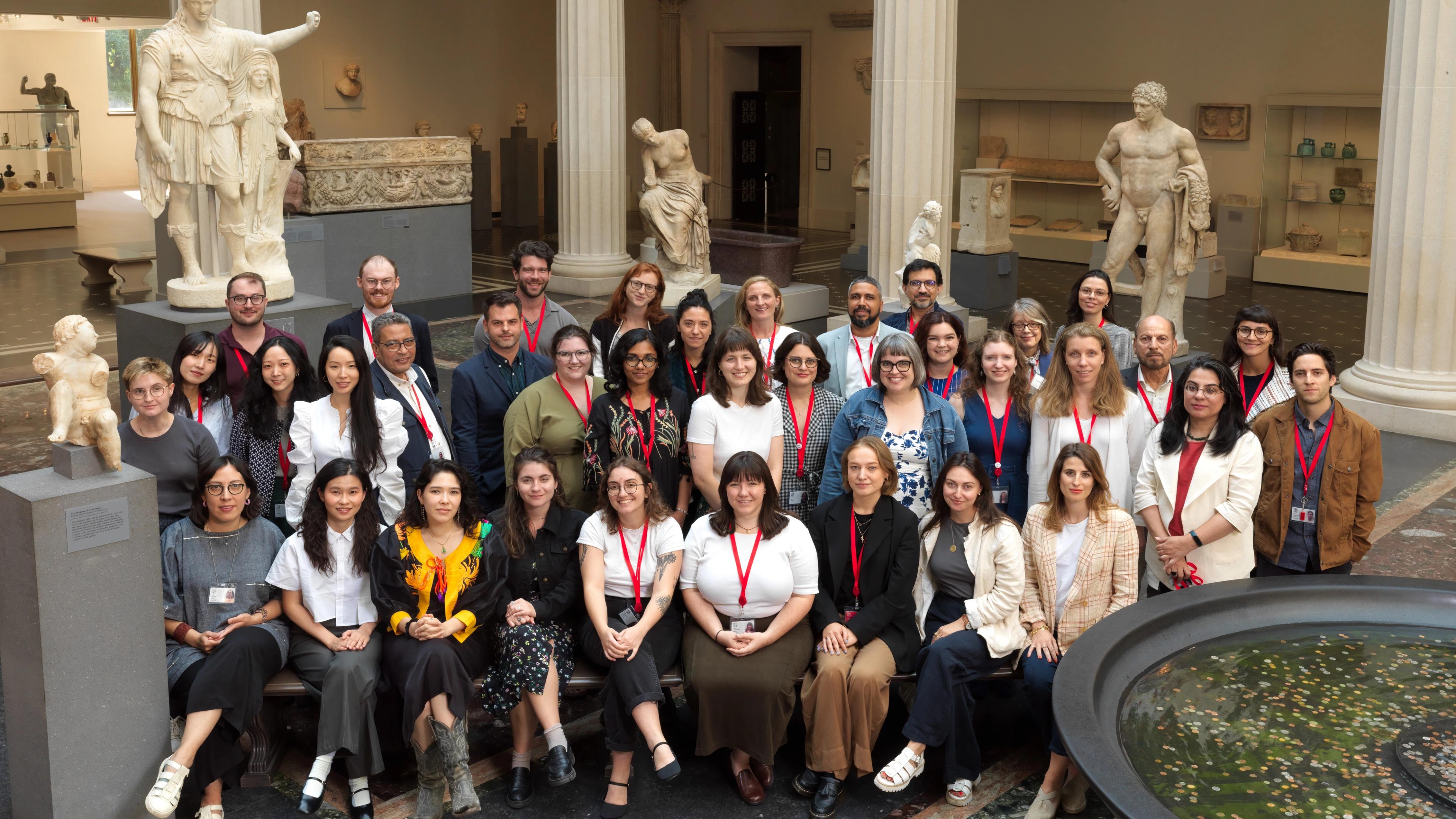
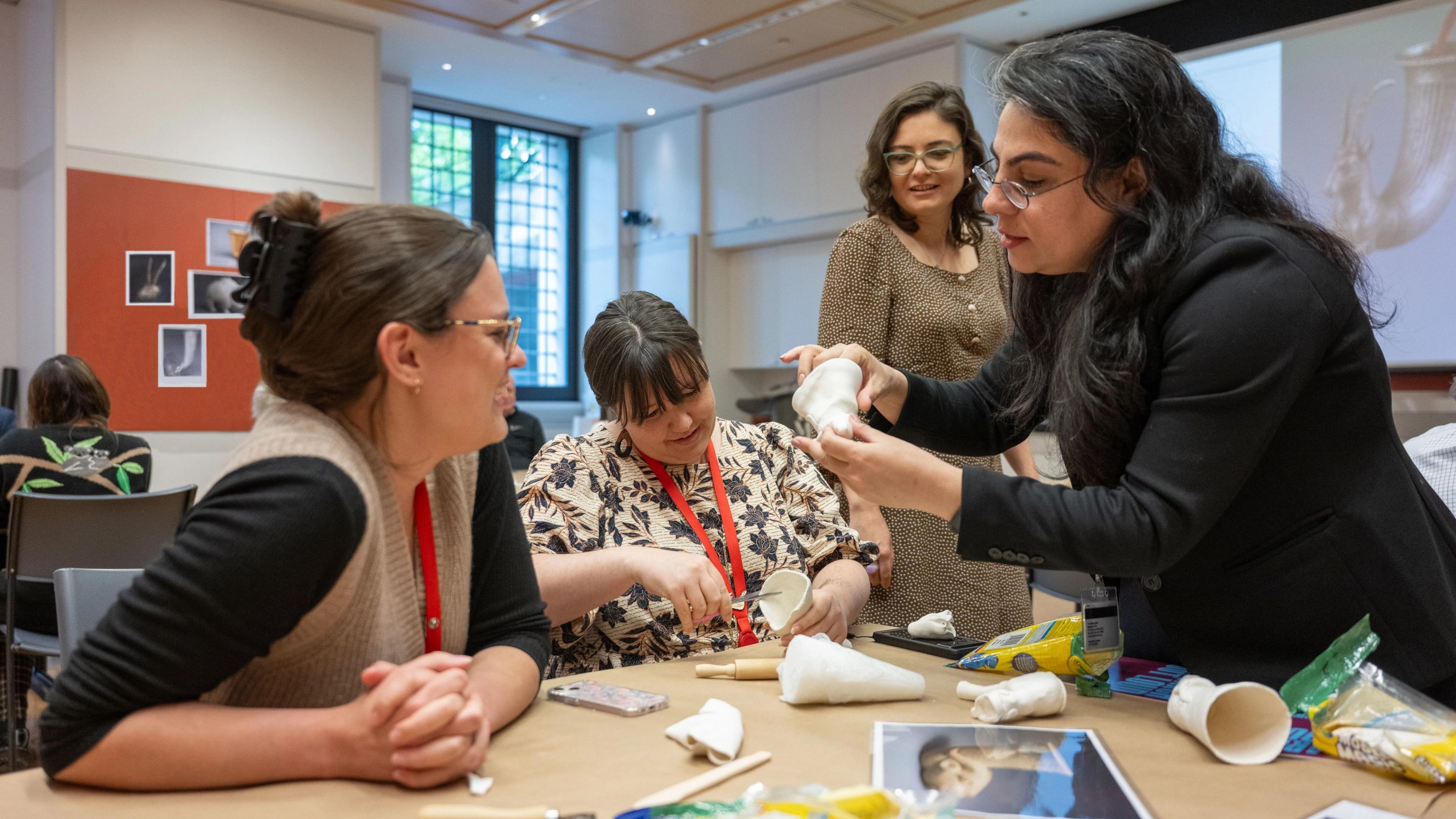
Fellows receive financial support, time for research, exposure to museum work, and access to The Met collection and libraries. Weekly programs and workshops bring fellows together with Met staff to share ideas, develop professional skills, and discuss current issues in museum practice.
Department Placement
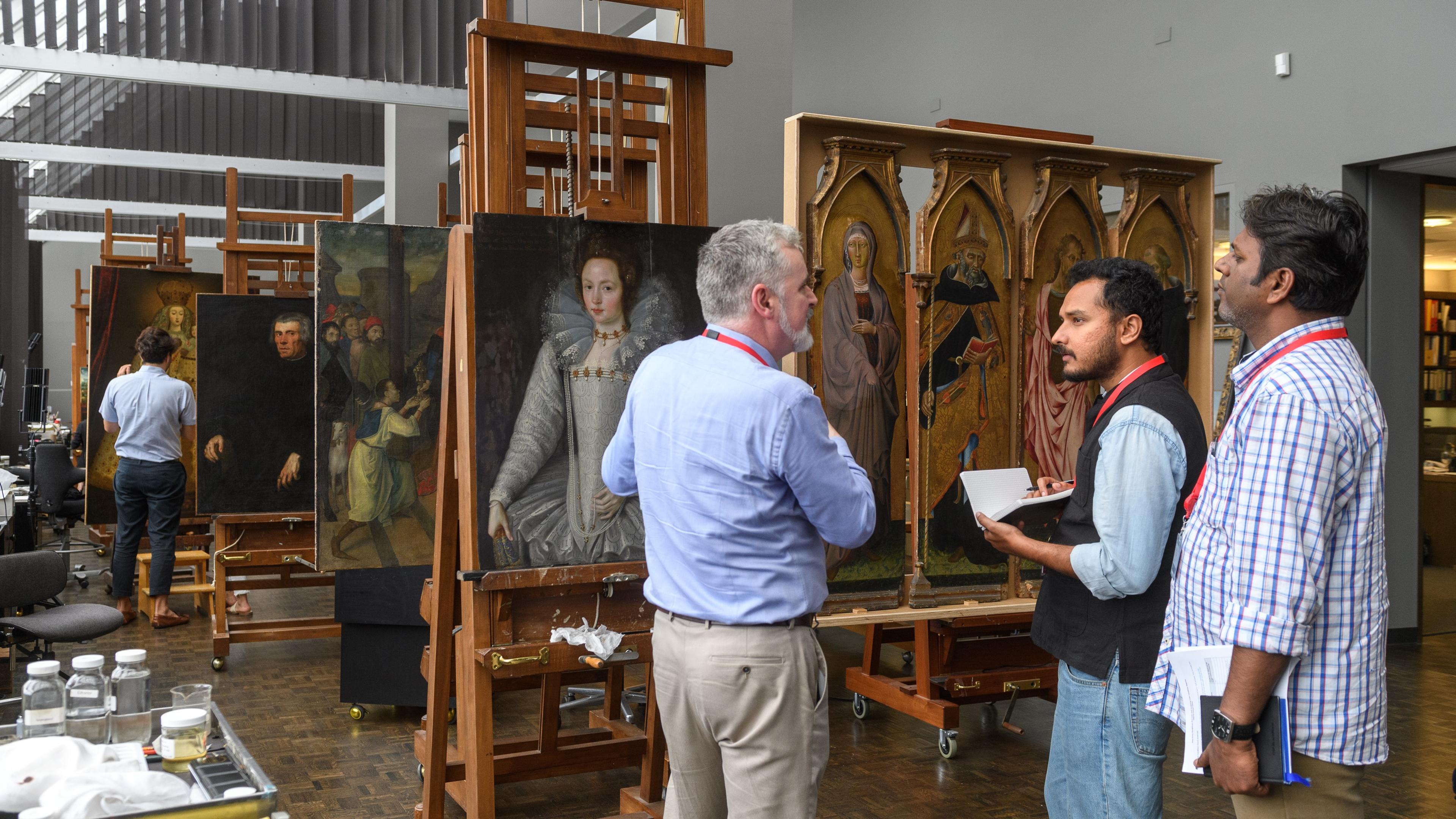
Fellows are embedded in a curatorial department with a dedicated Met staff supervisor. Learn more about the 2026–2028 host departments for the Andrew W. Mellon Postdoctoral Curatorial Fellowships, the Department of Islamic Art and the Department of Egyptian Art.
Research Out Loud
Research Out Loud: Met Fellows Present connects the fellows with the public through a series of gallery programs and research presentations that offer cross-cultural and transhistorical connections throughout The Met collection.
Helpful Links for Fellowship Applicants