
William the Hippo: Celebrating 100 Years at The Met
In 1917, The Metropolitan Museum of Art acquired a small ancient Egyptian faience hippopotamus. Created in a captivating blue, the little hippo quickly won people's hearts. He received his now-famous nickname, William, in 1931. Today he is the informal mascot of the Museum, beloved by museum-goers around the world.
A 2017–18 display at The Met, Conversation between Two Hippos, celebrated the one hundredth anniversary of William's arrival at the Museum. In the installation William was juxtaposed with a ceramic hippo created about four thousand years later by the American artist Carl Walters and acquired by the American Wing in 2017.
You can explore different aspects of his life and story on this page.
Art
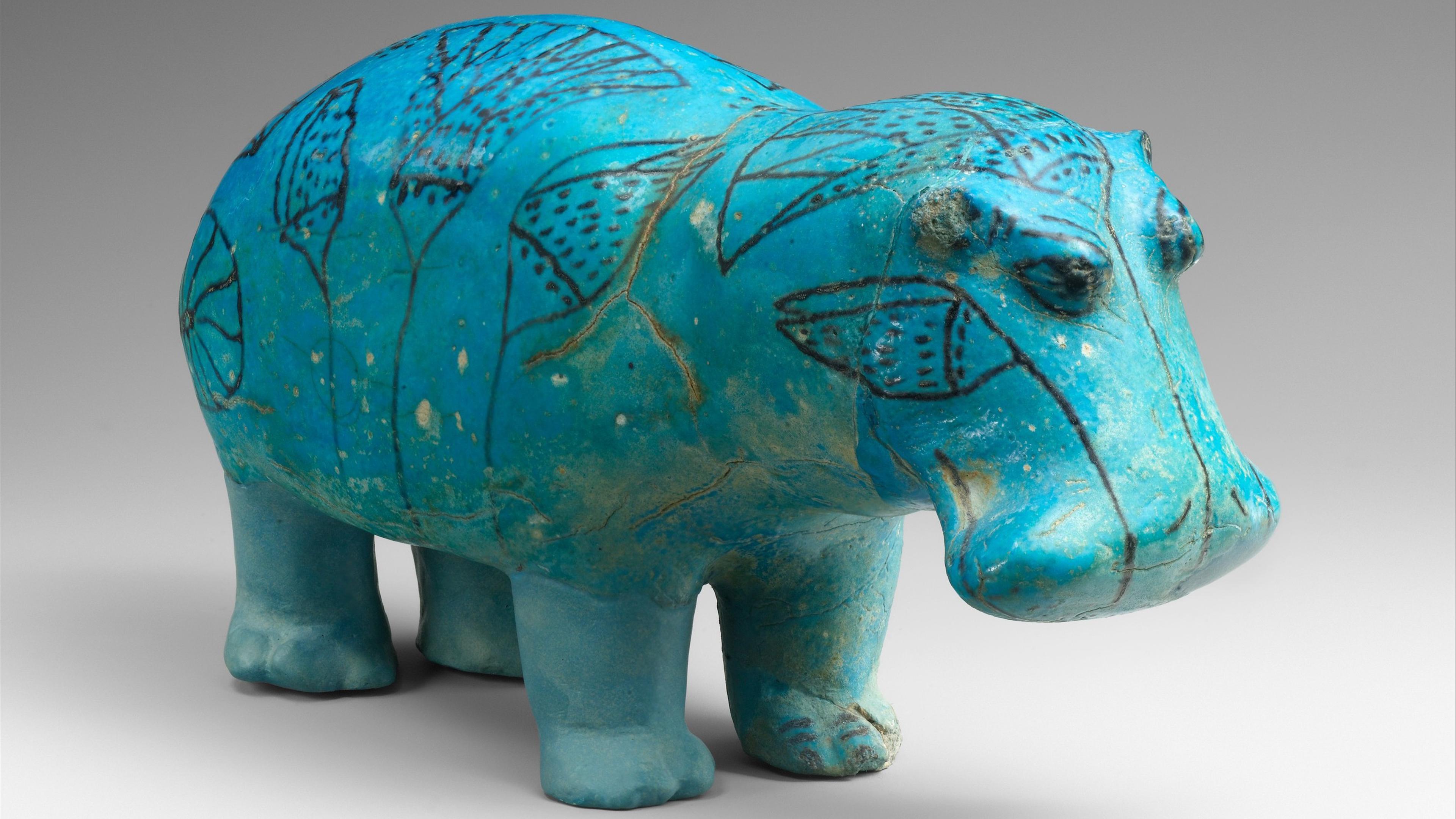
This statuette of a hippopotamus (popularly called "William") was molded in faience, a ceramic material made of ground quartz.
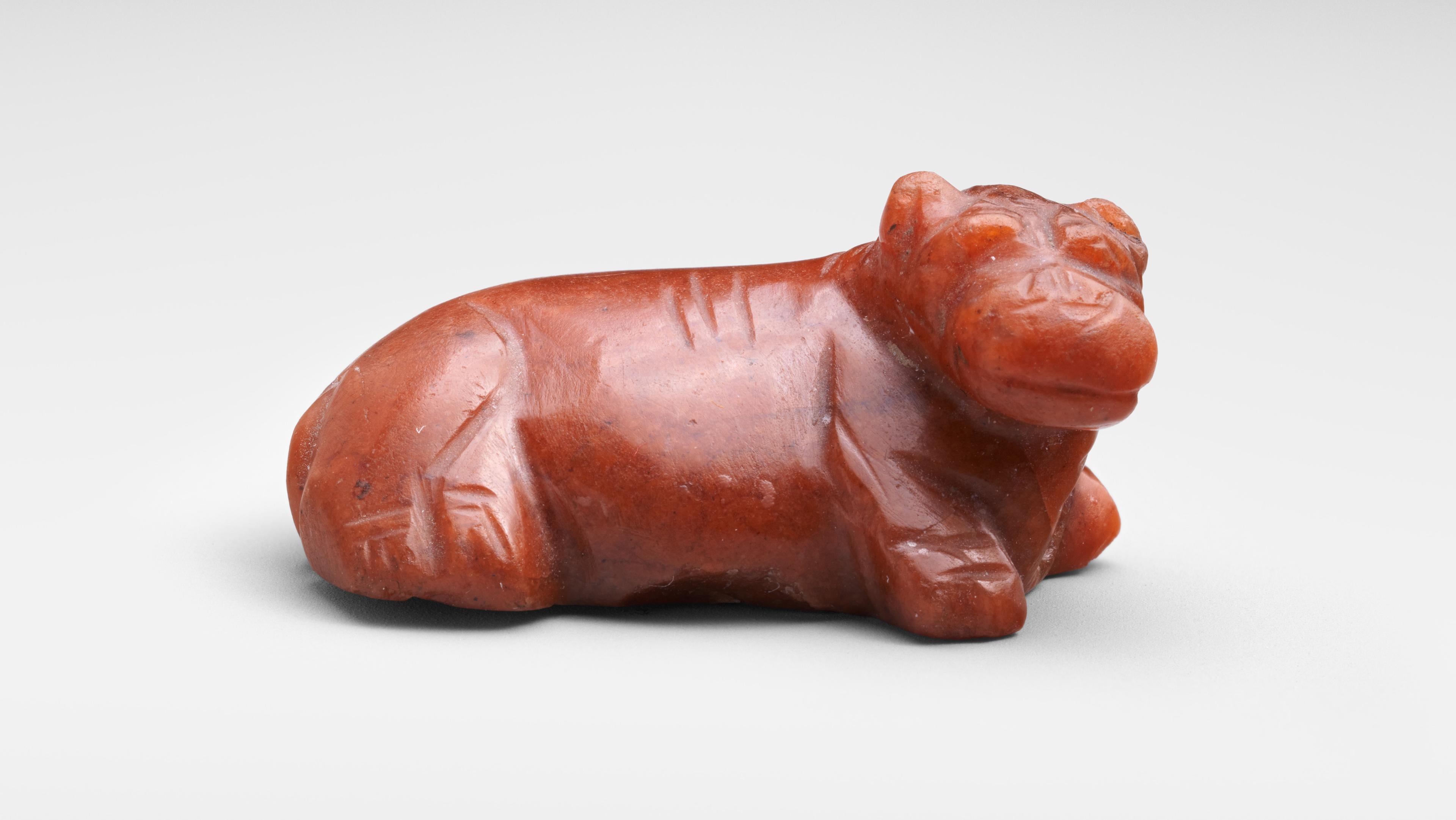
Meet other ancient Egyptian hippos on view at The Met.
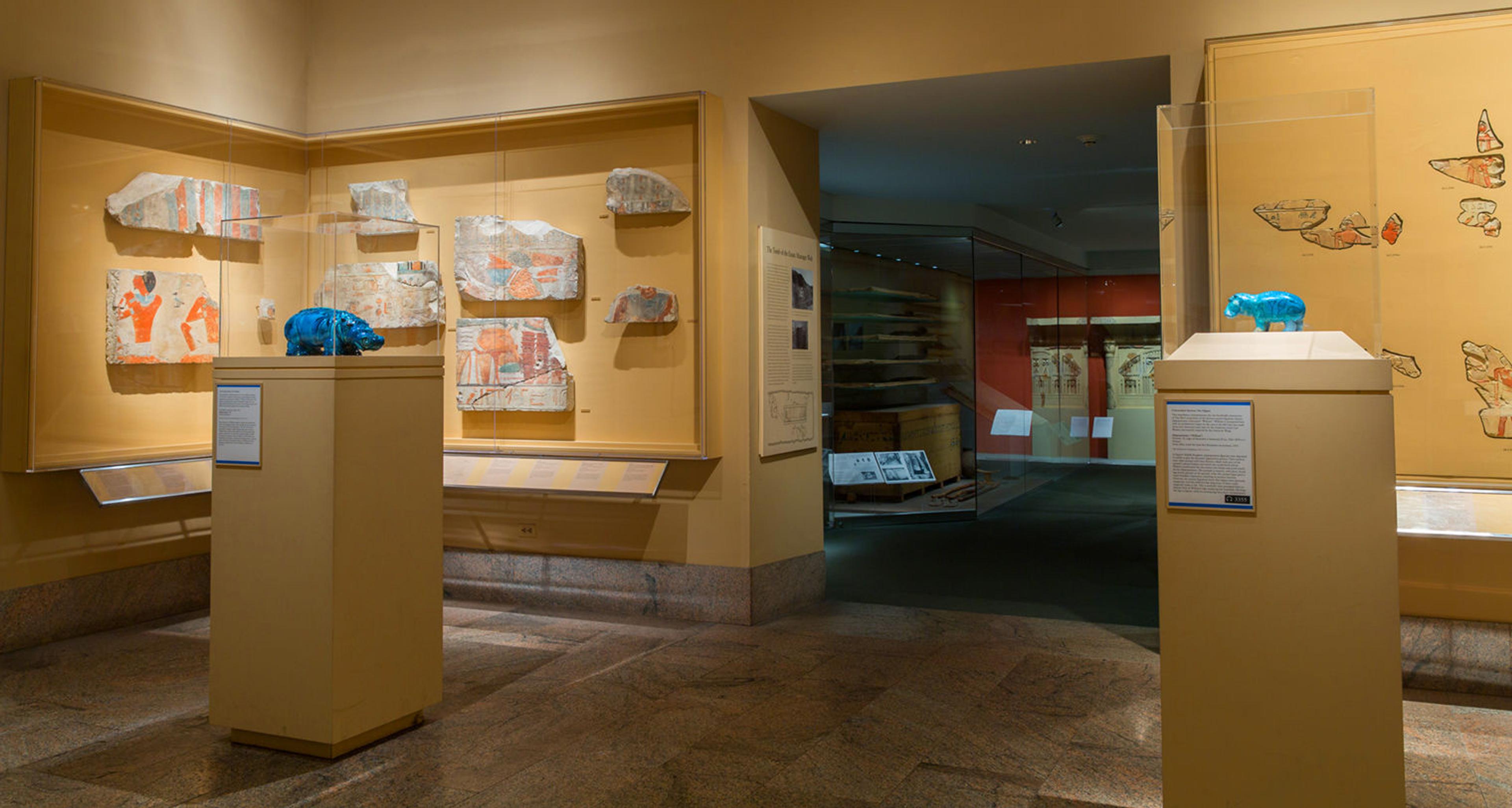
A 2017–18 display at The Met commemorated the one hundredth anniversary of the acquisition of the ancient Egyptian hippo by juxtaposing it with an earthenware hippo made about four thousand years later by the American artist Carl Walters.
Articles and videos
Curator Isabel Stünkel and Research Associate Kei Yamamoto tell the story of how The Met's beloved unofficial mascot, William the Hippo, got his name.
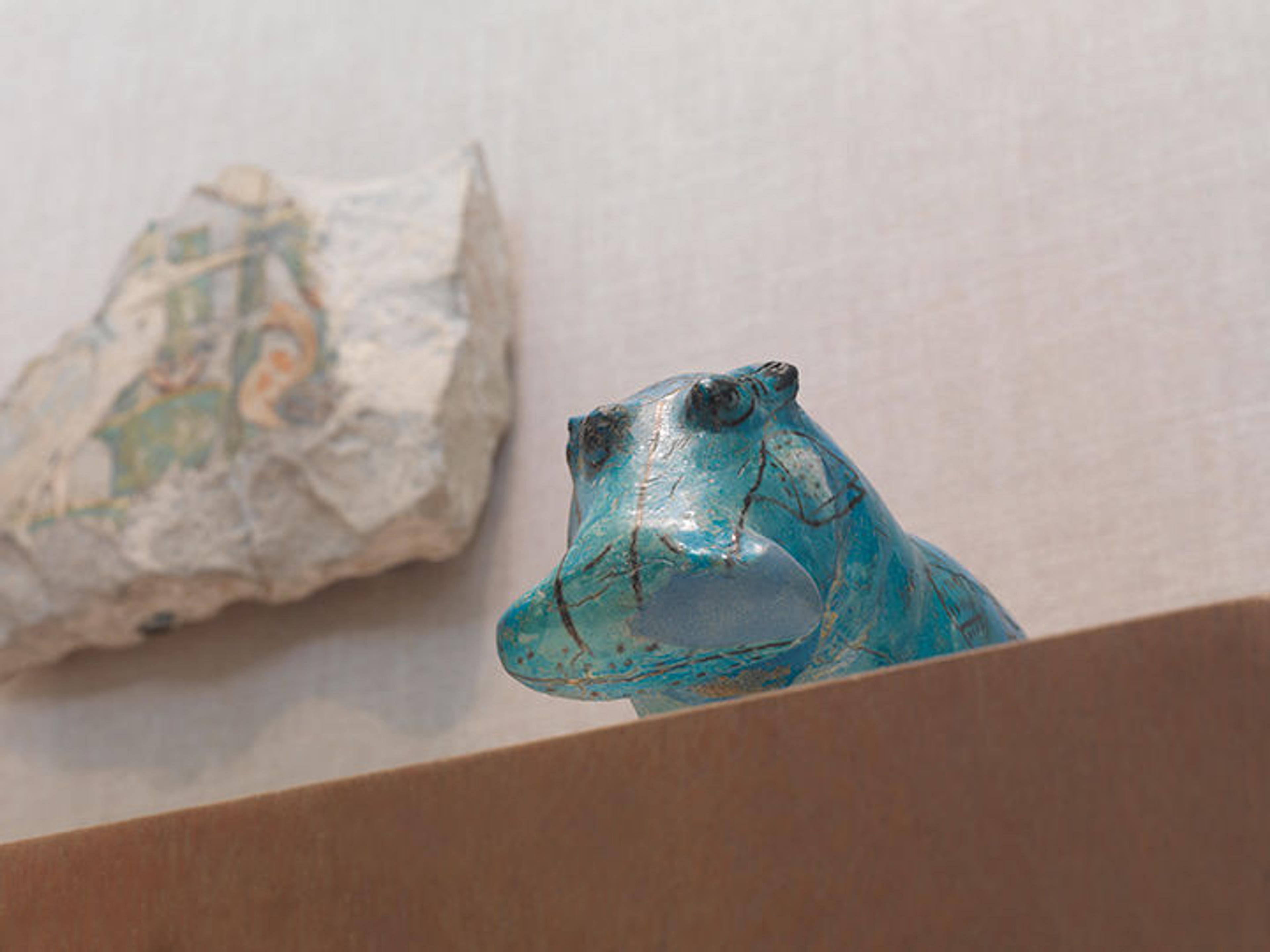
Three conservators at The Met share what they discovered when they examined William the hippo up close.

The Met’s unofficial mascot—this tiny hippo named William—has a bit of a dark side.
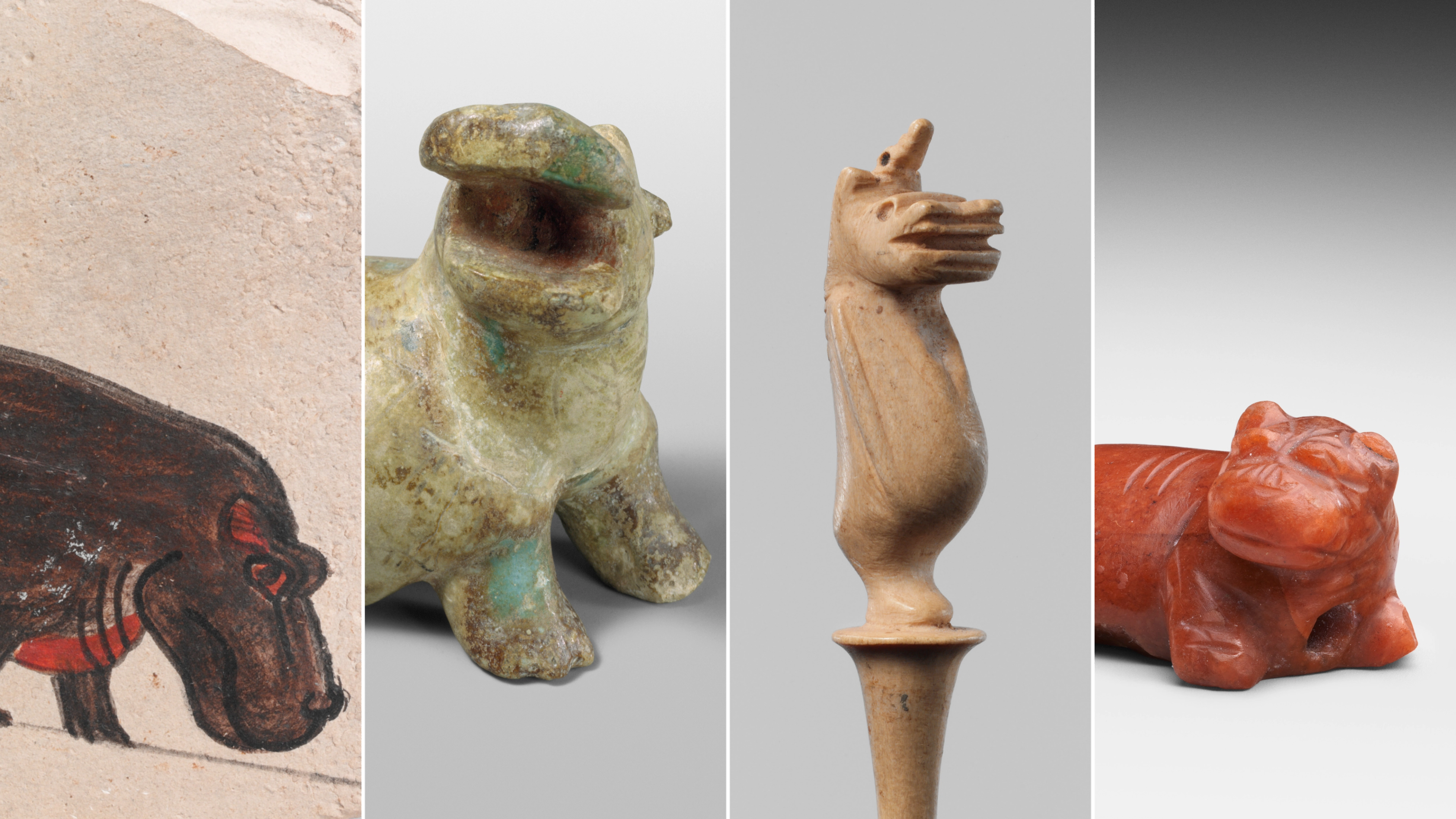
Did you know there are tons of very small ancient Egyptian hippos at The Met? Use the clues in this post and meet four tiny hippos today!
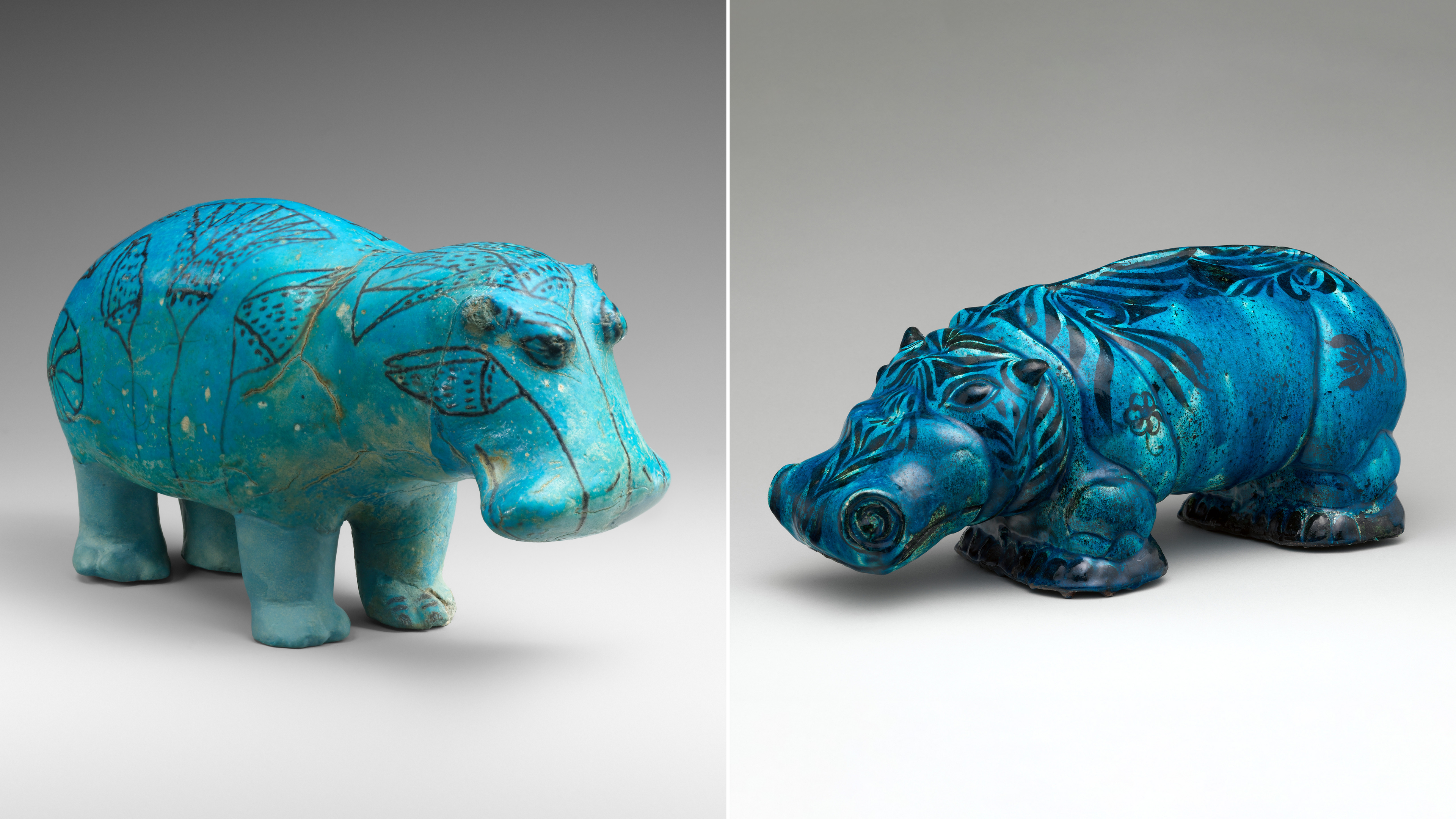
Isabel Stünkel, associate curator of Egyptian Art, and Adrienne Spinozzi, assistant research curator in The American Wing, write about two hippos in The Met collection.
Essays
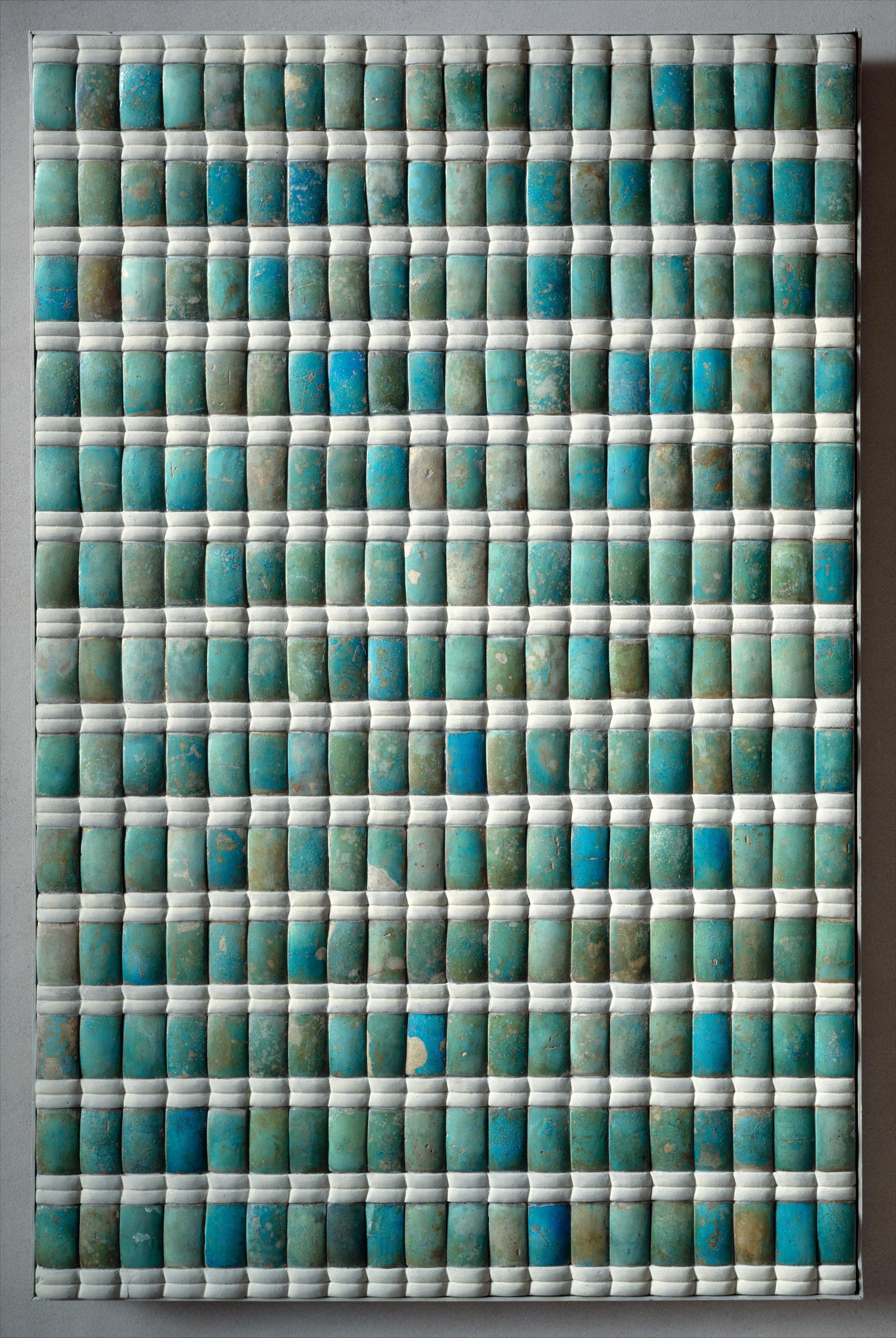
In ancient Egypt, objects created with faience were considered magical, filled with the undying shimmer of the sun, and imbued with the powers of rebirth.
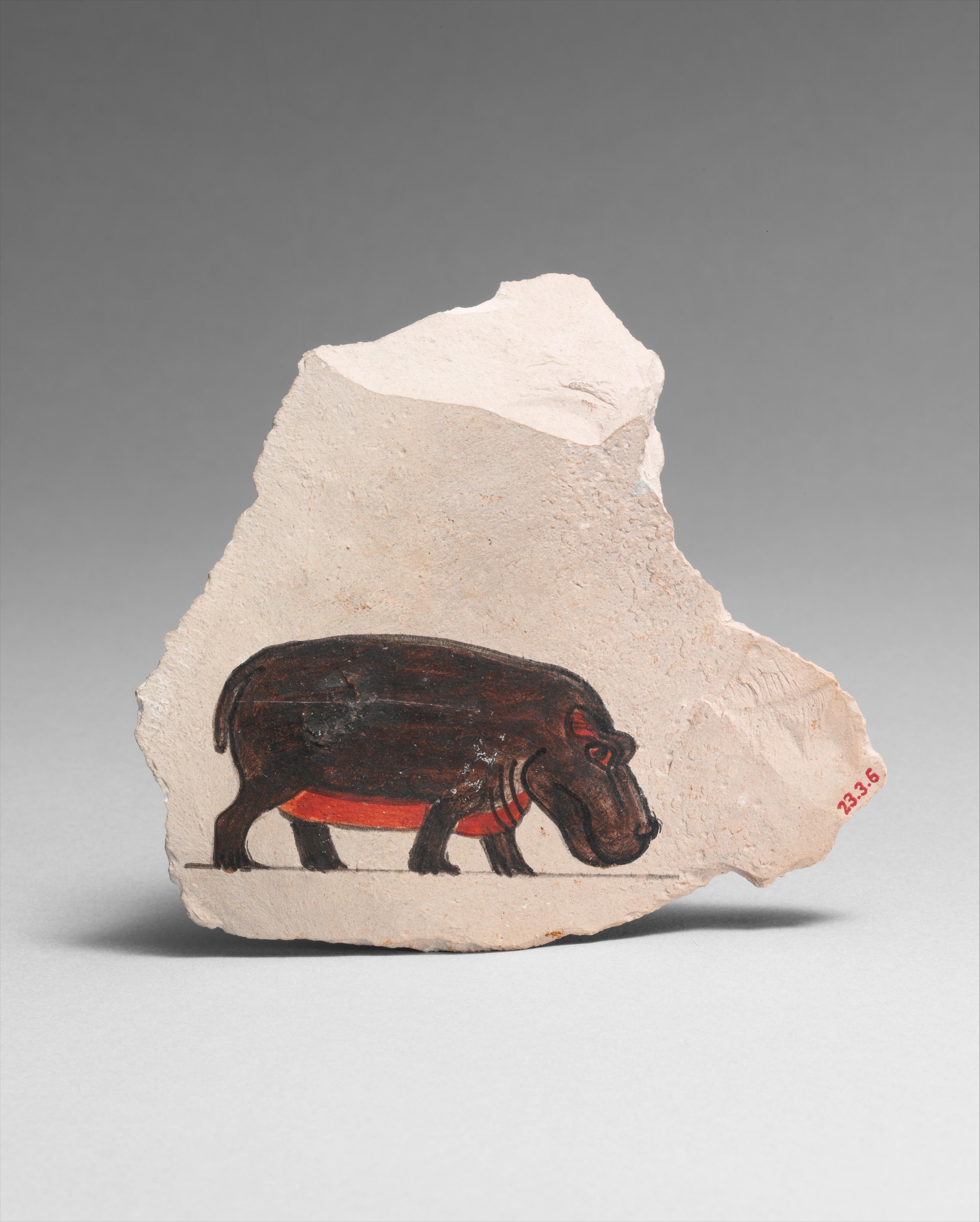
Many different types of hippopotamus representations occurred throughout ancient Egypt, but the most famous are doubtless the wonderful faience hippopotami . . .