Research at The Met
Our research takes full advantage of The Met's resources and offers object-based study using a collection that spans thousands of years of world history. We welcome an international community of students and scholars.
Conducting Research at The Met

Thomas J. Watson Library
With its collection of more than one million volumes, extensive digital collections, and online resources, Watson Library is one of the world's most comprehensive art libraries.
Browse the library collection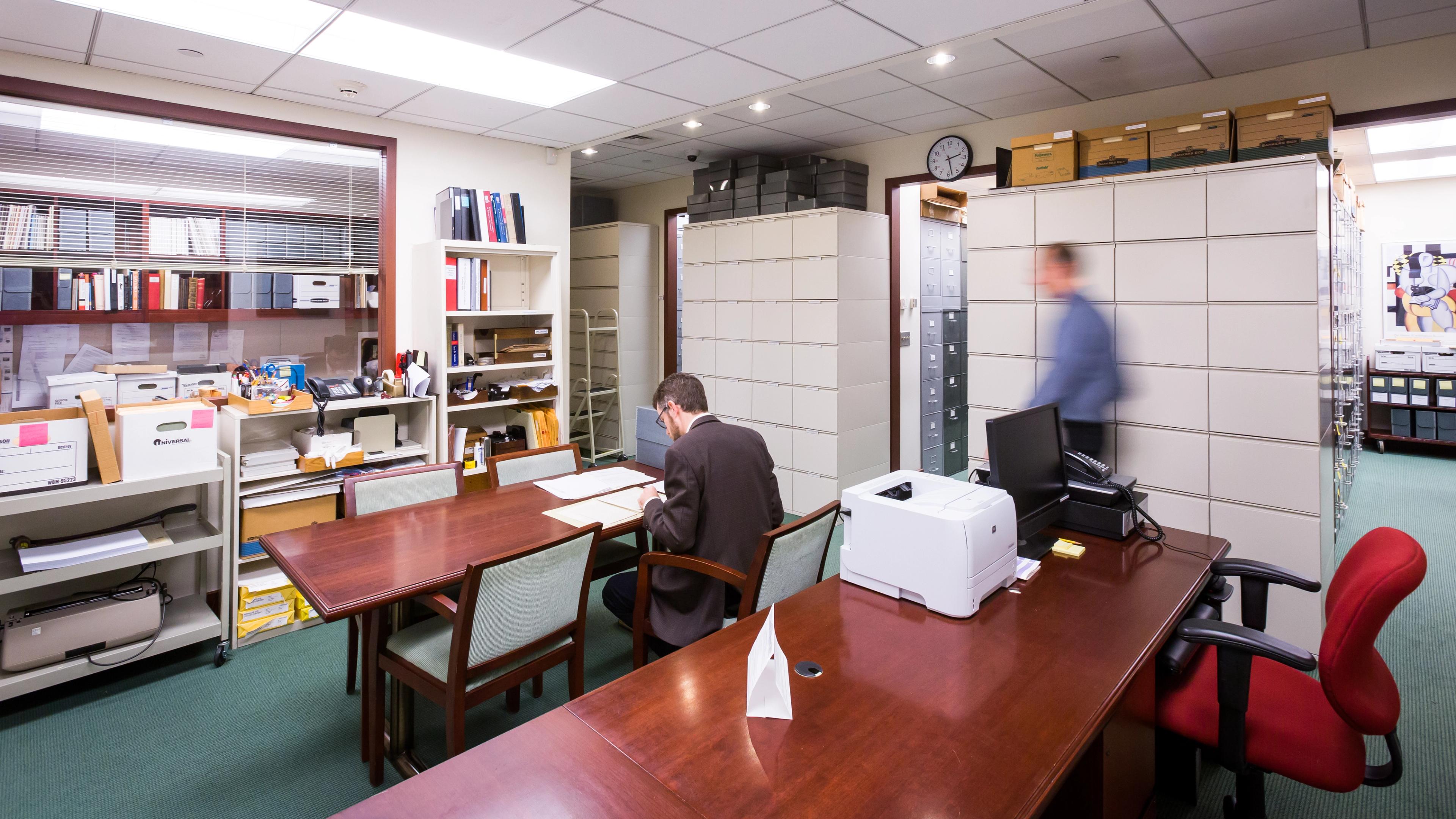
The Met Archives
The Archives Department collects, organizes, and preserves The Met's corporate records and correspondence to support both Museum research and the continuation of an informed understanding of the Museum's history.
Explore the archives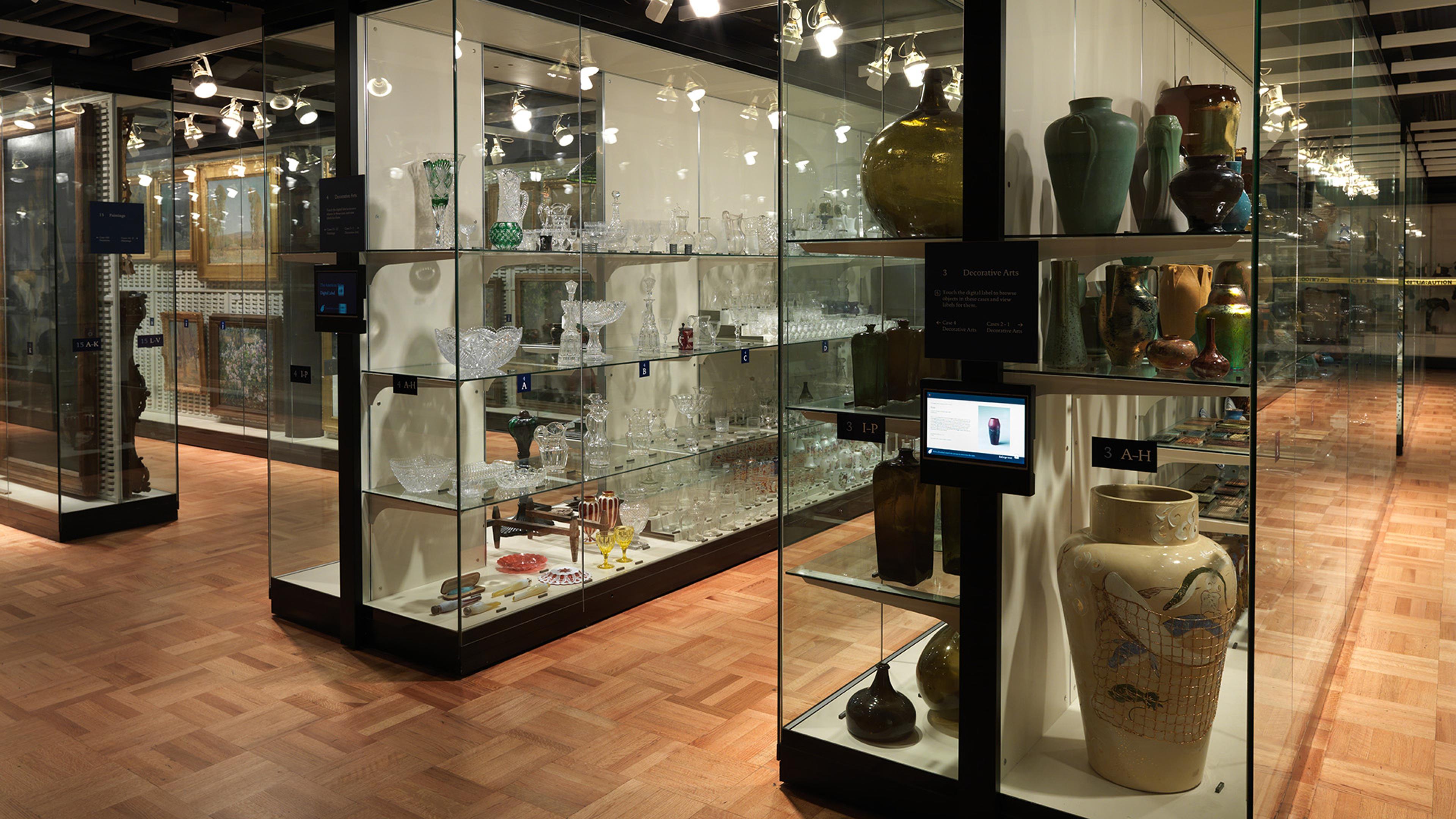
Study Rooms and Study Collections
Explore numerous on-site study spaces and open storage to take a closer look at objects in The Met collection. Some spaces require advanced registration.
Learn about onsite research spacesResearching from Anywhere

Explore works in the online collection.

Explore over 1,700 titles from the last six decades.
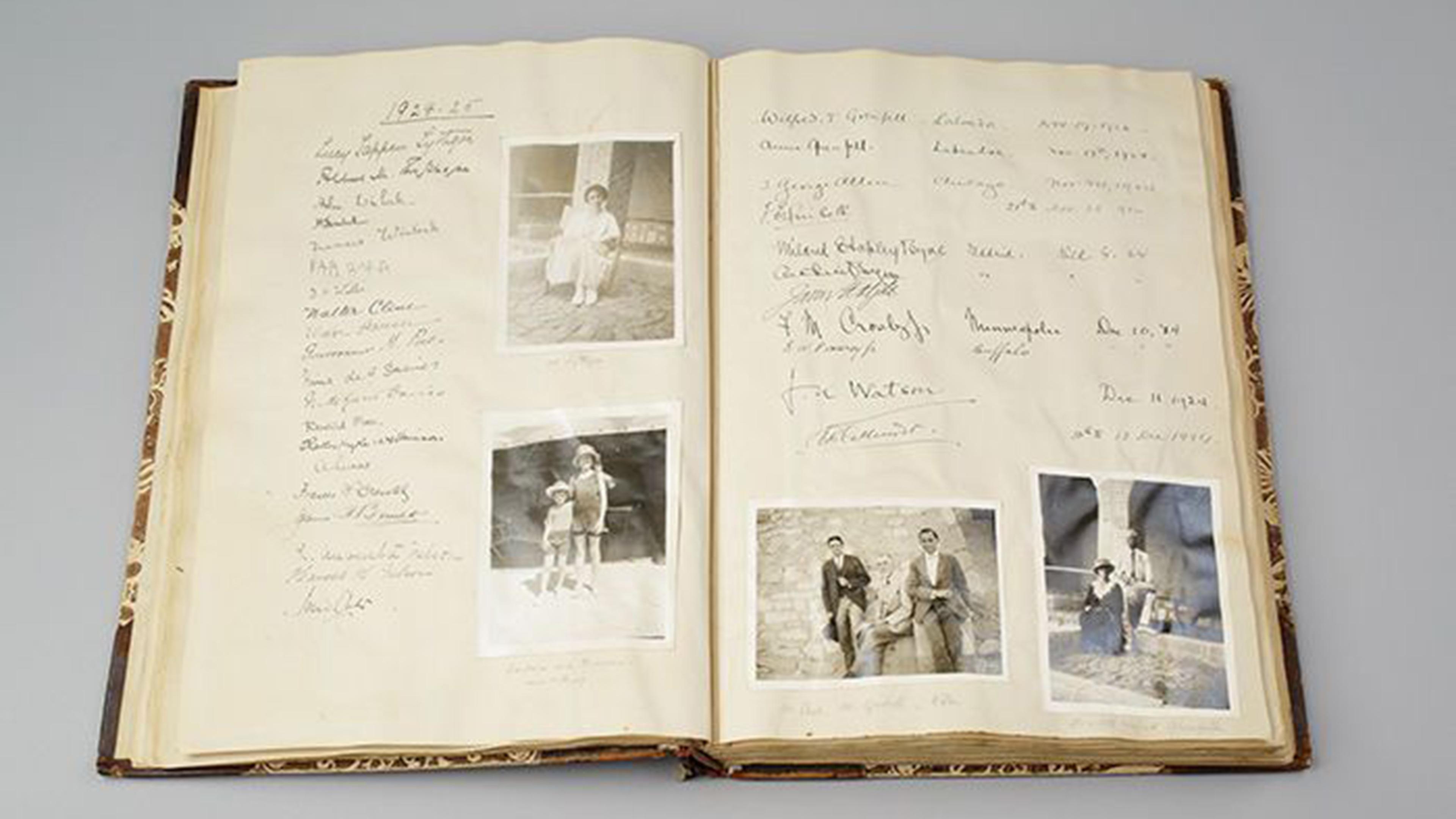
Access the Museum's rare and unique research materials including auction catalogues, Met publications, photographic albums, ephemeral materials, illustrated books, and archival collections.

Archival materials from Watson Library, the Archives Department, and several curatorial departments.
Research Centers and Initiatives
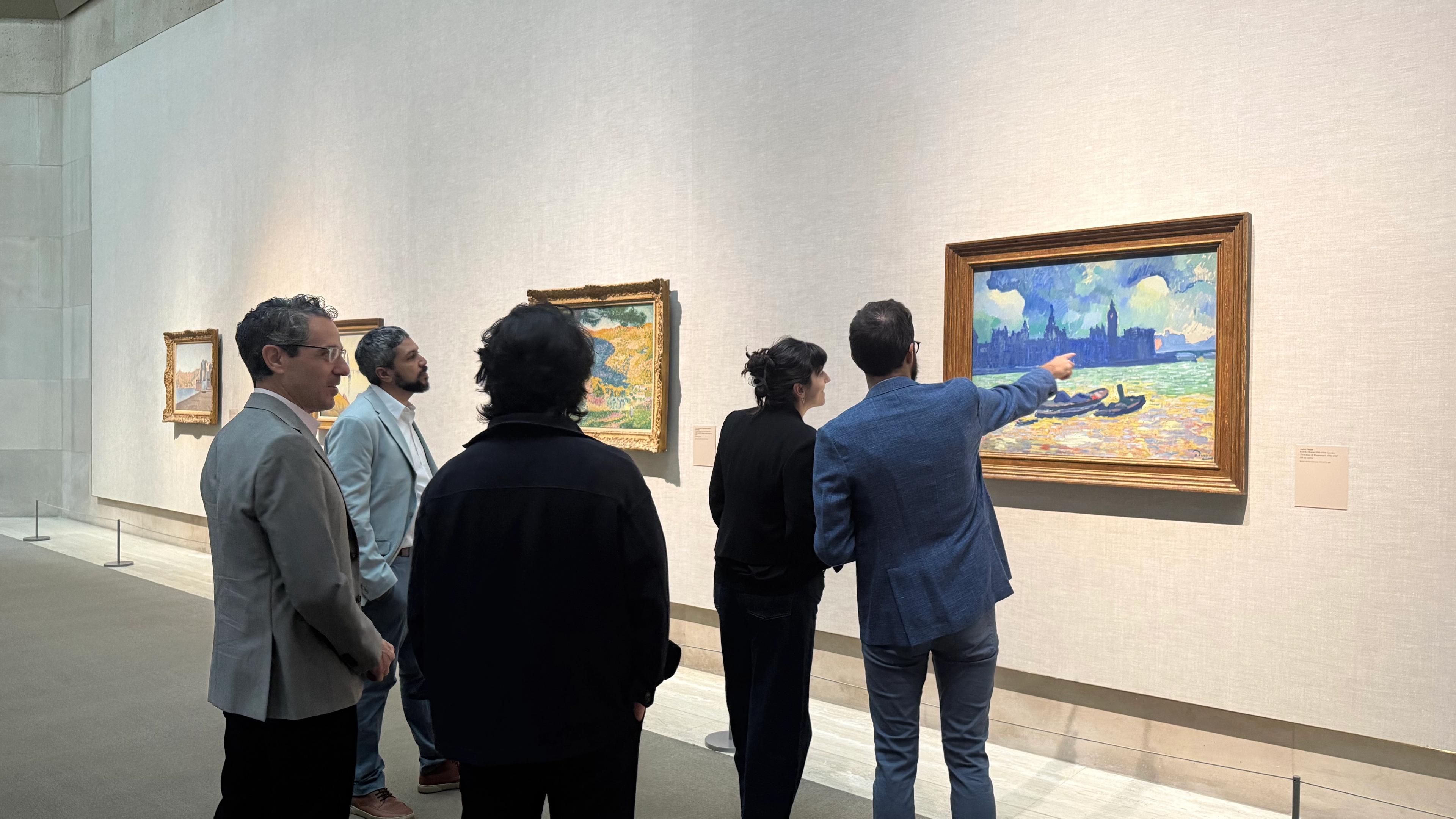
Leonard A. Lauder Research Center for Modern Art
The Research Center mission is to foster the understanding and appreciation of modern art, including Cubism, its origins and influence.
Read more
Every object in The Met collection has a unique history, purpose, and context. Part of the Museum’s mission is to research and present the provenance of every piece in our care.
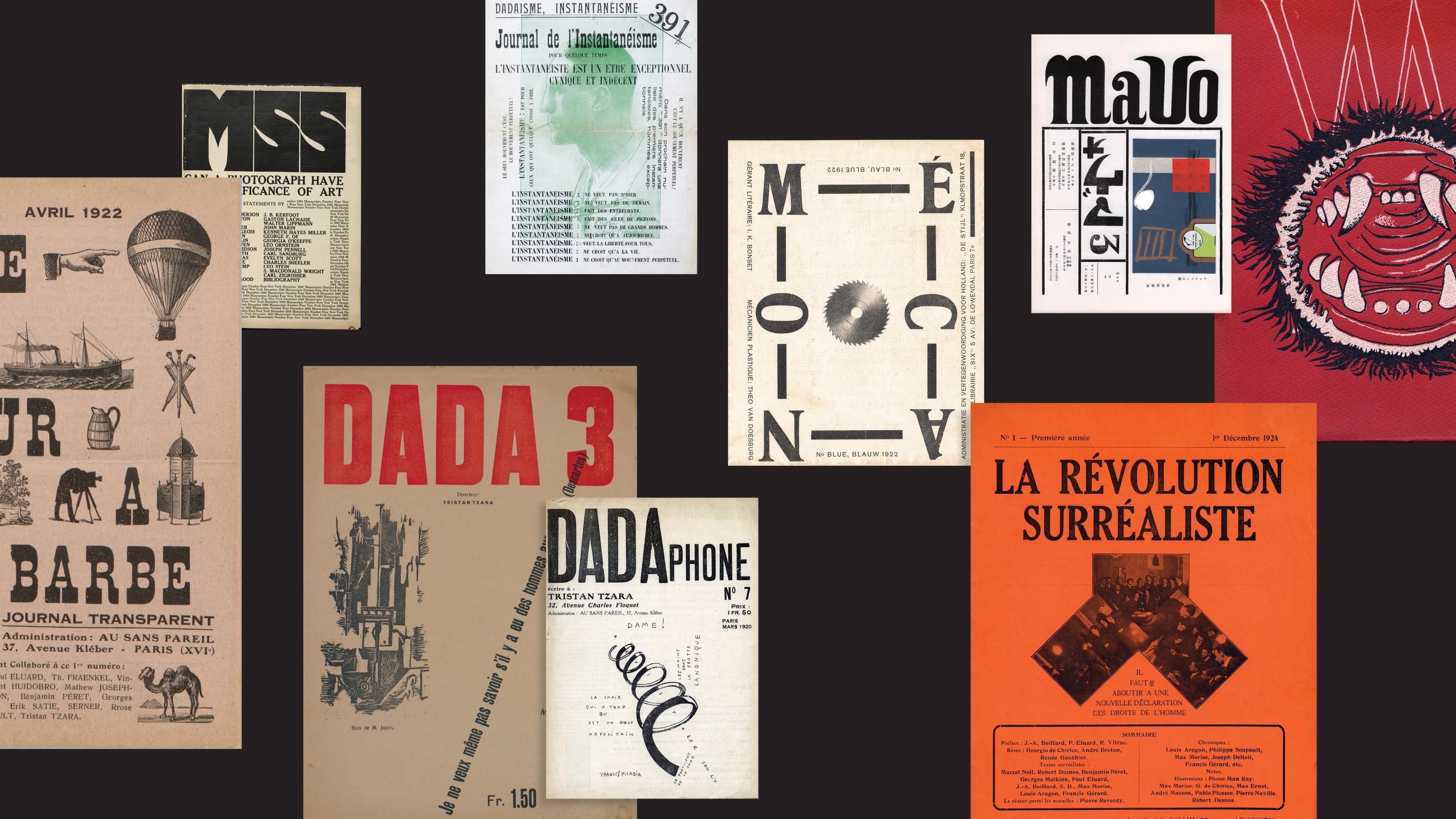
The Collaborative generates new scholarship by bringing together knowledge from the museum, archive, lab, and studio to advance fresh perspectives on the power of art and ideas in society today.
Learn how NICS advances research and scholarship in art history, archaeology, conservation, and science by sharing The Met's cutting-edge scientific research facilities and analytical instrumentation, expertise, and resources.
Select Projects
Fellowships
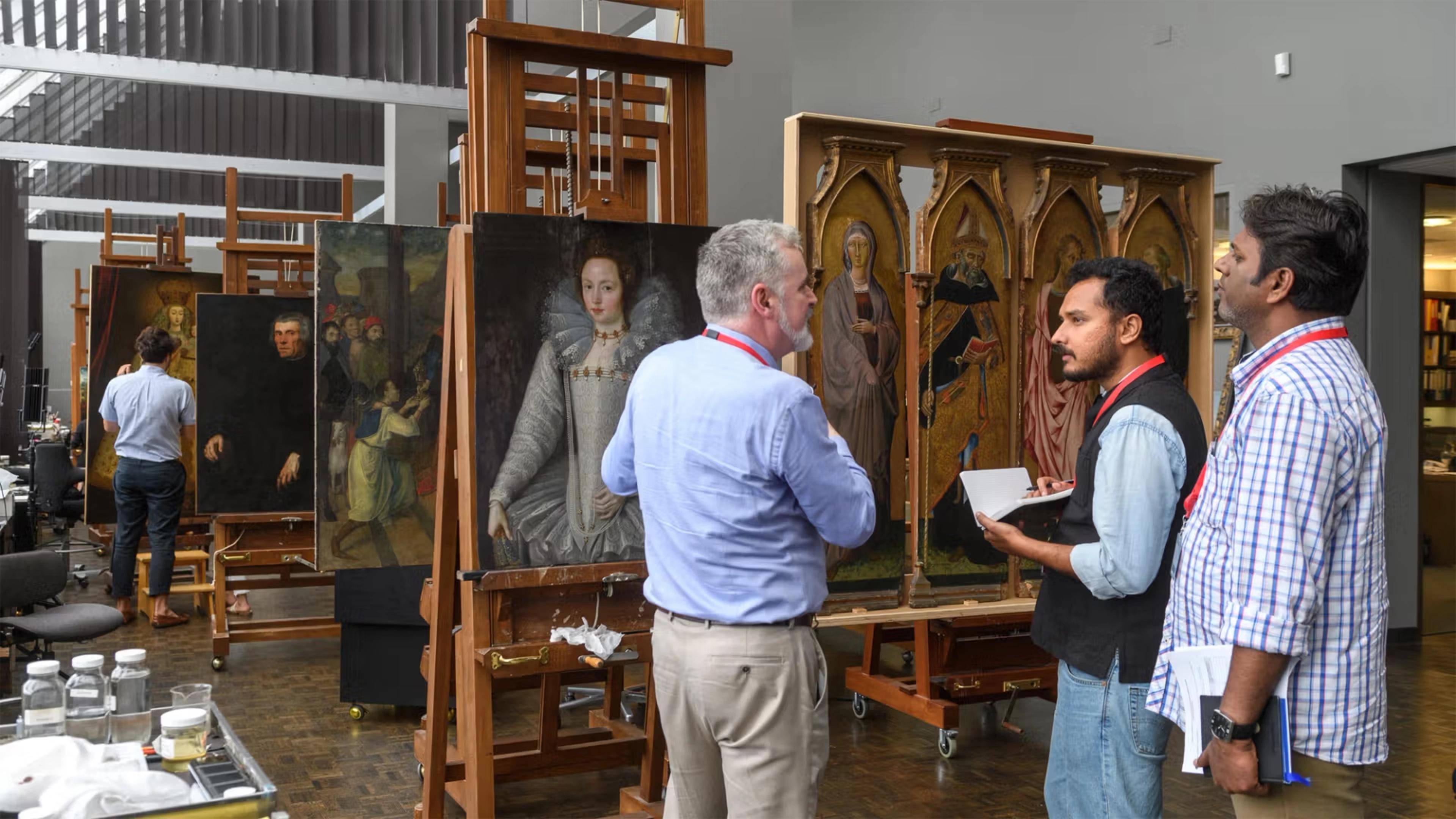
The Met Fellowship Program
Fellowship opportunities for junior and senior academics, postdocs, and museum professionals to conduct research at The Met.
Read more