Research Scholarship in Photograph Conservation
About the Fellowship
The Research Scholar in Photograph Conservation is fully integrated into the life of the Department of Photograph and Time-Based Media Conservation and is given unique access to the inner workings of the Museum through diverse activities centering on the study, documentation, and care of works from the collection. The Scholar conducts a research project based on the Museum’s resources and its collections of photographs, in addition to participating in the preservation and exhibition-related activities of the Department. Successful candidates will propose focused research at an advanced level, built around The Met collection, that furthers the Museum’s academic mission and contributes to the field of photograph conservation.
Current topics of interest for the Department include the characterization of photographic papers and applied media used by James Van Der Zee (1886–1983) or Charles DeForest Fredricks (1823–1894). The Met’s Department of Photographs has recently acquired the archive of the former and a large group of works by the latter.
Examples of previous research projects include research into adhesives for use in conservation treatment of photograph albums; a technical and historical investigation of E. J. Bellocq's working methods; techniques for imaging and tracking silver mirroring; measurement and documentation of color change in photographs using densitometry, spectrophotometry, and micro-fading; and the application of anoxic enclosures for conservation of photographic objects, focusing on the effectiveness of these packages for long-term preservation of autochrome plates.
- The Research Scholar is expected to have a graduate degree in conservation or equivalent experience, and they should be completely committed to the conservation of photographs as their area of specialization. The scholar must have the experience and the research focus necessary to be able to operate with a high level of autonomy and ability to complete independent research.
- Individuals who are neither US citizens nor permanent residents are eligible to apply for The Met Fellowship Program, provided that they have or are able to obtain valid work authorization under applicable US visa regulations. If you are an international student, fellow, or worker currently in the US on a visa sponsored by another entity (e.g. a university, another museum, or employer), we strongly encourage you to speak to your university’s foreign student office or visa sponsor before applying. If you are currently in the US on an F-1 visa sponsored by a US college or university, you may request CPT or OPT from your school to participate in the Fellowship Program. Please contact your university’s foreign student office prior to applying.
- If you are not currently in the US, The Met may be able to sponsor successful applicants as part of the J-1 Exchange Visitor Program, if they are eligible. Please note that the J-1 Exchange Program has specific regulations about repeat participation in the program; if you currently hold or have held a J-1 visa in the past, we strongly encourage you to visit the BridgeUSA website (j1visa.state.gov) and your current sponsor’s visa office to determine your eligibility to apply for another J-1 visa. Please note that The Met does not reimburse or cover costs incurred during the visa application process.
Stipend: $63,000 per year, plus an additional $6,000 for travel (maximum of six weeks).
Travel: Fellows also receive an additional $6,000 for research travel (maximum of six weeks).
Health insurance: Fellows also receive an additional monthly payment to offset the cost of health insurance.
Application deadline: Friday, November 11, 2026, 5 pm ET
Notification date: All applicants will be notified by the last Friday in February following the application deadline.
Fellowship period: September 1, 2027 through August 31, 2029, with the possibility of renewal for a third year.
All applications, including letters of recommendation, must be submitted online and in English. The Met will not accept applications or related materials via email, postal mail, or in person.
Applicants for this fellowship must submit (as .doc or .pdf files):
- A project proposal, not to exceed 1,000 words, describing why The Met is uniquely suited to your fellowship objectives, what you expect to accomplish during the fellowship period, and how you will utilize the Museum's resources and The Met collection to achieve your goal.
- A brief schedule of work to be accomplished during the fellowship period
- A brief schedule of travel required (maximum of six weeks) during the fellowship period, if applicable.
- A curriculum vitae of education, professional experience, honors, awards, and publications.
- Three letters of recommendation. Applicants must submit at least one academic and one professional letter of recommendation. All letters must be submitted in English and uploaded directly by the recommenders. Recommenders may not be current Met staff, contractors, or volunteers.
- Official transcripts (undergraduate and graduate)
If you have transcripts from more than one institution for either category (undergraduate or graduate), please upload them as one combined file.
What to Expect After Applying
Once submitted, staff in relevant department(s) first review your application to assess the quality and feasibility of your application according to the criteria set forth on the evaluation rubric. If your proposal meets the necessary criteria, the department(s) recommend it for review by The Met’s Grants Committee, which consists of members of The Met’s professional staff appointed by the Museum’s Director and Chief Executive Officer. The committee reviews all aspects of each application submitted, using the evaluation rubric (see above). Following this assessment, the Grants Committee submits final award recommendations to the Director and CEO for review and approval. You are notified regarding the result of your application by the last Friday in February.
Please note that due to the lengthy and multiperspective review process, we are unable to provide individual feedback on applications that are not selected.
Selection Criteria
Applications are evaluated based on the criteria set forth in The Met’s evaluation rubric for Conservation and Scientific Research Fellowship applications.
Reviewers consider all your application materials: your personal statement, project proposal, CV, transcripts, and letters of recommendation. They use the rubric to score your application, but the score serves only as a guide. There is no cut-off number for progressing in the review process or being awarded a fellowship.
View a rubric to learn how Conservation and Scientific Research fellowships are assessed.
Life as a Met Fellow
Research Support, Community, and Professional Development
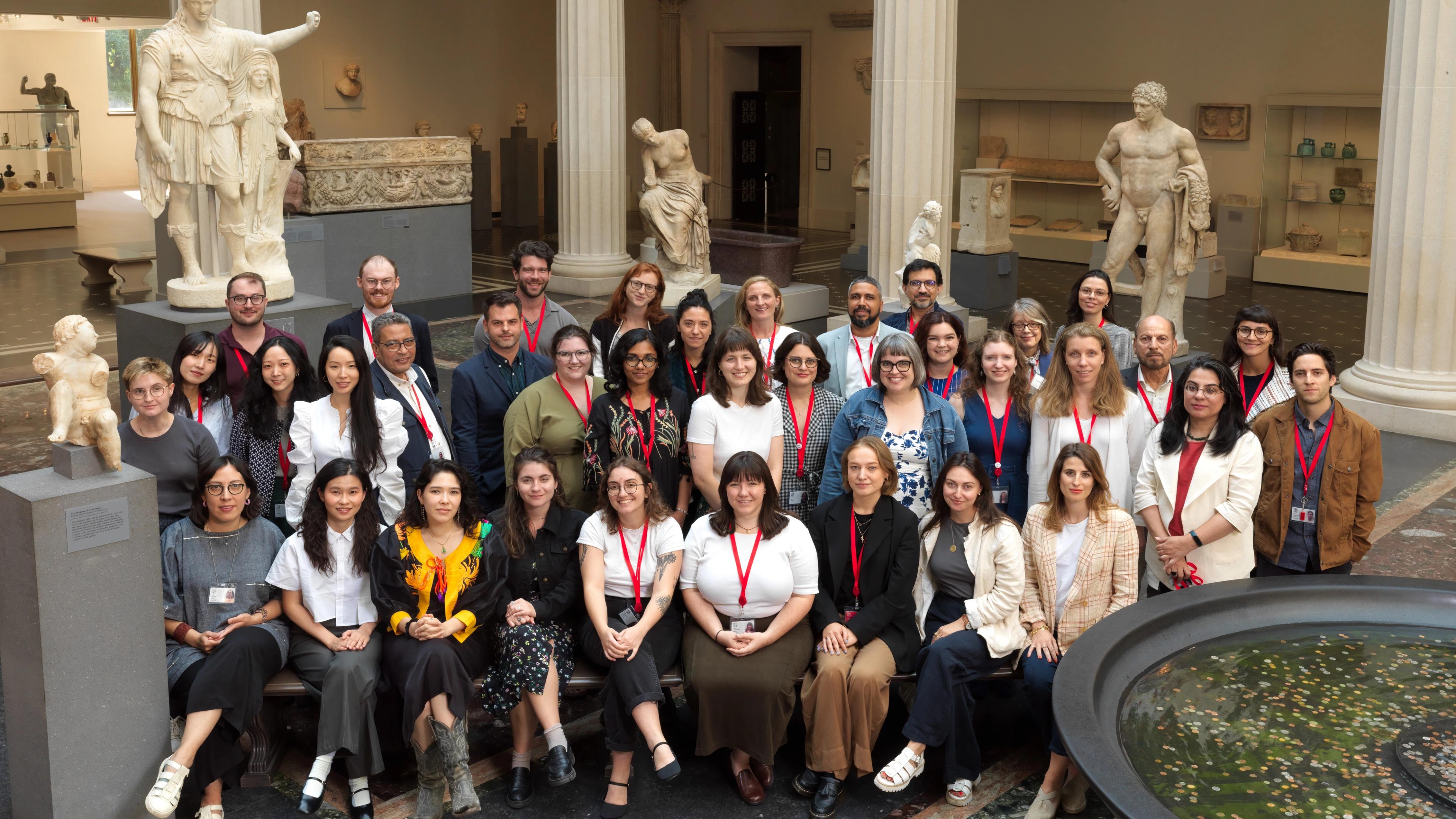
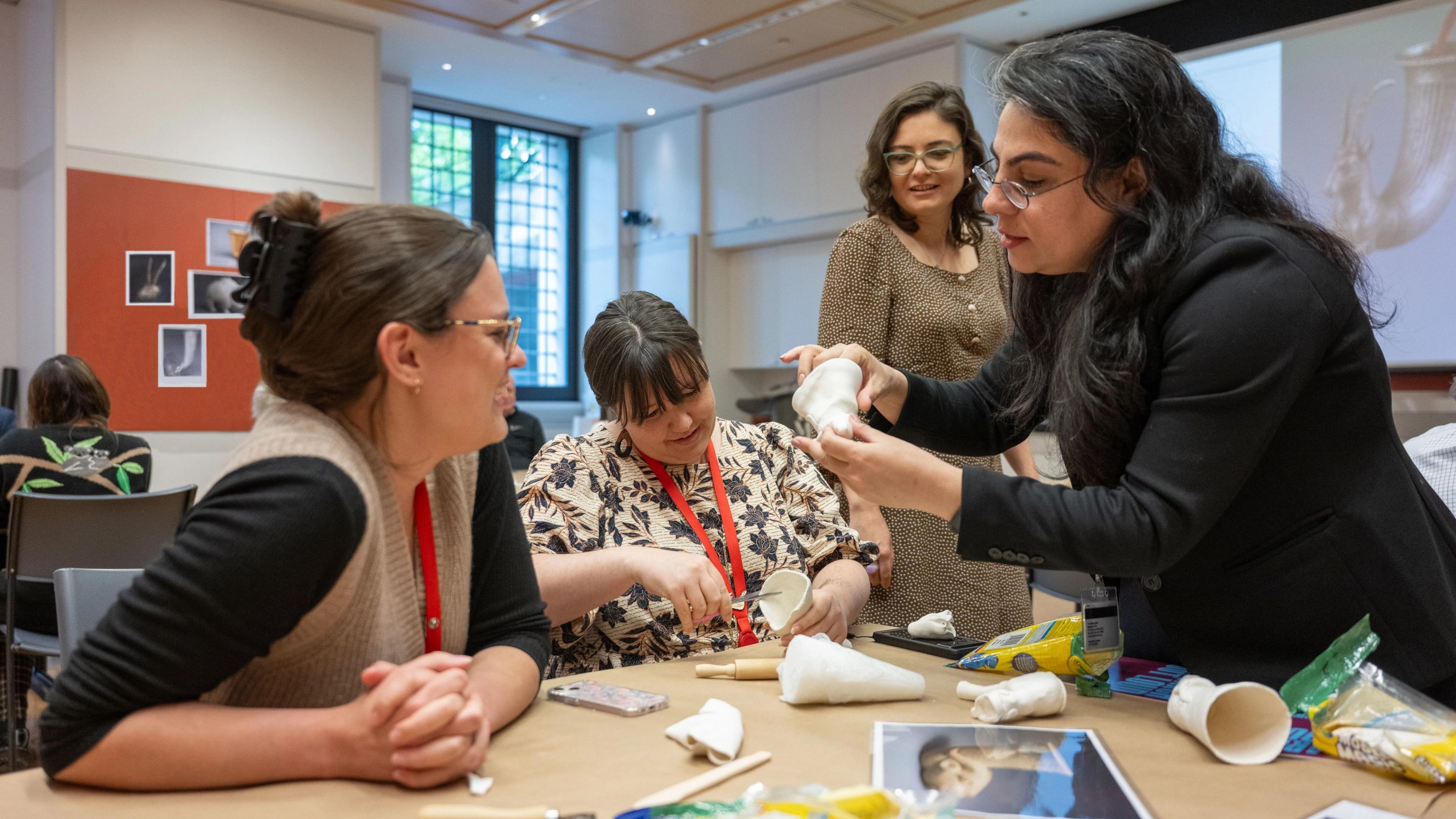
Fellows receive financial support, time for research, exposure to museum work, and access to The Met collection and libraries. Weekly programs and workshops bring fellows together with Met staff to share ideas, develop professional skills, and discuss current issues in museum practice.
Department of Photograph Conservantion
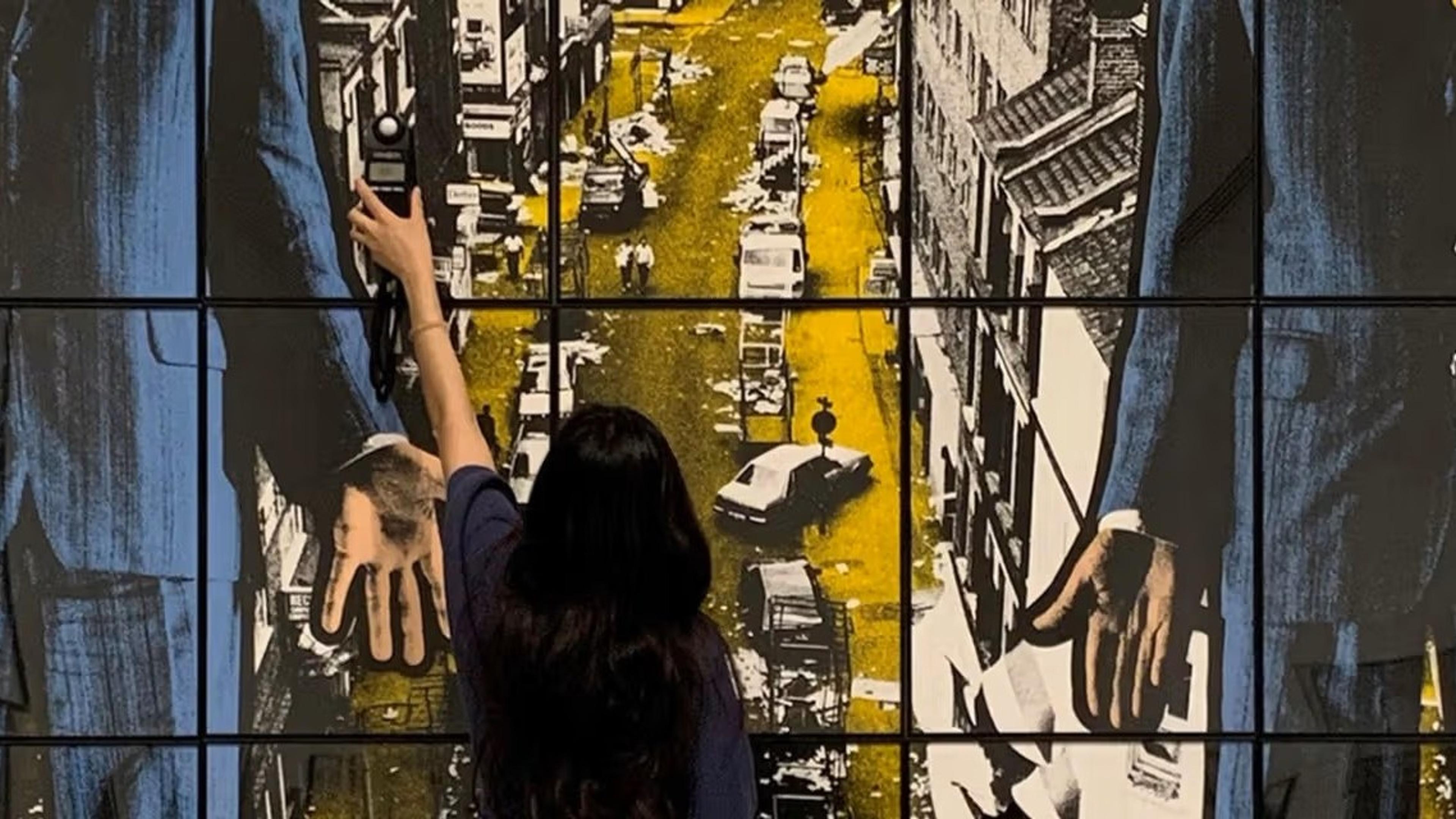
The Photograph and Time-Based Media Conservation Department is dedicated to conserving and researching artworks in The Met collection that span from the earliest photographic experiments through the emergence of the digital era to the present day.
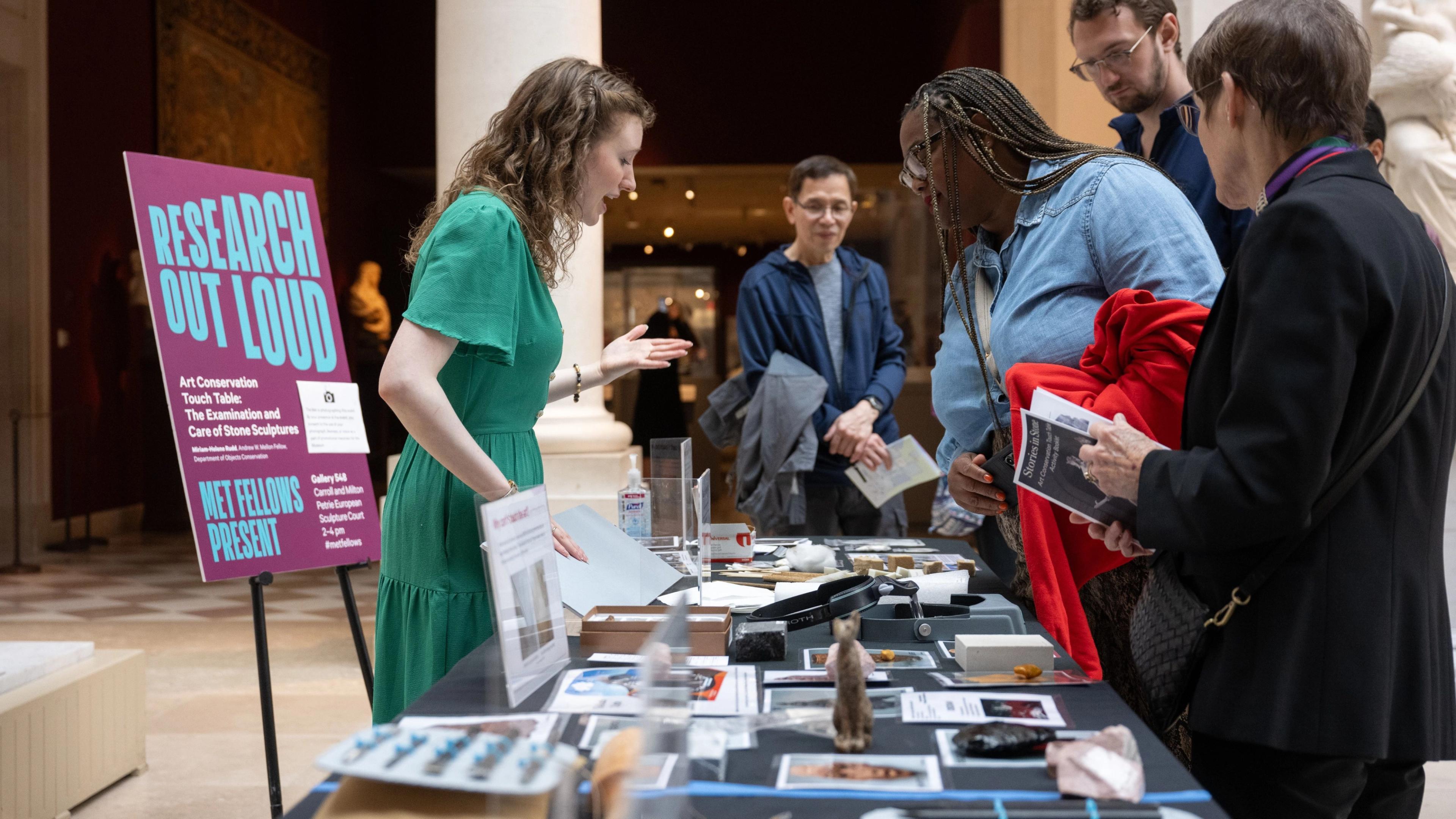
Research Out Loud: Met Fellows Present
Research Out Loud: Met Fellows Present connects the fellows with the public through a series of gallery programs and research presentations that offer cross-cultural and transhistorical connections throughout The Met collection.
Helpful Links for Fellowship Applicants