Pусский
ПожертвоватьЧленствоБилеты
Мы работаем над переводом этой страницы как можно скорее. Спасибо за понимание.

Search for Art

Search Tips
1-42 of 555 results for first-intermediate-period-of-egypt
Sort by:
Show only
Images
Date
For BCE dates, enter a negative number. E.g. For 2000 BCE, enter -2000.
Artist / culture
Object type / material
Match
 
Show results matching
selected filters.
Geographic location
Match
 
Show results matching
selected filters.
Department
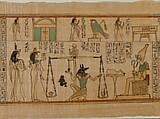
Book of the Dead for the Chantress of Amun, Nauny, Papyrus, paint
ca. 1050 BCE
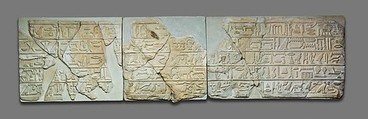
Inscribed Lintel from the Tomb of the Overseer of Priests and Keeper of the Sacred Cattle Mereri, Describing His Exemplary Life, Limestone
ca. 2100–2030 B.C.
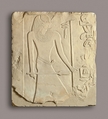
Lintel and Relief from the Tomb of the Overseer of Priests and Keeper of the sacred Cattle Mereri, Describing His Exemplary Life, Limestone
ca. 2100–2030 B.C.
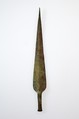
Blade inscribed for the Overseer of Upper Egypt Idi, unalloyed copper
ca. 2100 B.C.
Writing board of an apprentice scribe, Wood, whitewash, ink
ca. 2030 B.C.
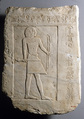
Stela of Djemi, Limestone
ca. 2120–2030 BC
Funerary Stela of the Royal Sealer Indi and His Wife, the Priestess of Hathor Mutmuti of Thinis, Limestone, paint
ca. 2100–2090 BC
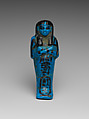
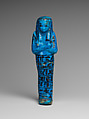
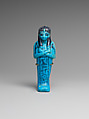
Shabti of the Adoratrice of Hathor Henettawy, wife of Painedjem I, Faience
ca. 1080–1042 BCE
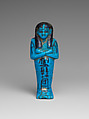
Shabti of the Adoratrice of Hathor Henettawy, wife of Painedjem I, Faience
ca. 1080–1042 BCE
Shabti of the Adoratrice of Hathor Henettawy, wife of Painedjem I, Faience
ca. 1080–1042 BCE
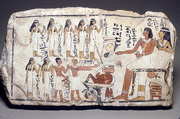
Funerary stela of "follower [of the king ?]" Megegi and his wife Henit, Limestone, paint
ca. 2059–2051 B.C.
Stela of the Gatekeeper Maati, Limestone
ca. 2051–2030 B.C.
Mummy Cloth Fragment of the Adoratrice of Hathor Henettawy, Linen
ca. 1080–1042 BCE
Shabti of the Adoratrice of Hathor ("Duahathor") Henettawy, wife of Painedjem I, Faience
ca. 1080–1042 BCE
Shabti of the Adoratrice of Hathor ("Duahathor") Henettawy, wife of Painedjem I, Faience
ca. 1080–1042 BCE
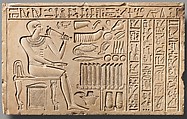
Relief from the Offering Niche of Inpuemhat, Limestone
ca. 2100–2010 B.C.
Stela of King Intef II Wahankh, Limestone
ca. 2108–2059 B.C.
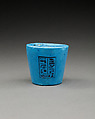
Cup of Nesikhonsu, Faience
ca. 1000–797 BCE
Funerary stela of the bowman Semin, Limestone, paint
ca. 2120–2051 B.C.
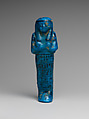
Shabti of the High Priest of Amun, Painedjem II, Faience
ca. 1000–979 BCE
Shabti of the High Priest of Amun, Painedjem II, Faience
ca. 1000–979 BCE
Shabti of the High Priest of Amun, Painedjem II, Faience
ca. 1000–979 BCE
Shabti of Painedjem I, Faience
ca. 1080–1042 BCE
Shabti of Painedjem I, Faience
ca. 1080–1042 BCE
Shabti of the High Priest of Amun, Painedjem II, Faience
ca. 1000–797 BCE
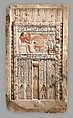
False Door of the Royal Sealer Neferiu, Limestone, paint
ca. 2150–2010 BCE
Mummy Cloth Fragment of Djedptahefankh, Linen
ca. 1080–945 BCE
Mummy Cloth Fragment of Djedptahefankh, Linen
ca. 1080–945 BCE
Mummy Cloth Fragment of Nesitanebtasheru, Linen
ca. 1000–979 BCE
Mummy Cloth Fragment of Nesitanebtasheru, Linen
ca. 1000–979 BCE
Mummy Cloth Fragment of Nesitanebtasheru, Linen, pink dye
ca. 1000–979 BCE
Mummy Cloth Fragment of Nesitanebtasheru, Linen
ca. 1000–979 BCE
Shabti of the Adoratrice of Hathor Henettawy, wife of Painedjem I, Faience
ca. 1080–1042 BCE
Shabti of the Adoratrice of Hathor ("Duahathor")  Henettawy, wife of Painedjem I, Faience
ca. 1080–1042 BCE
Design Amulet, Back in the Form of a Woman Suckling a Child, Device showing Two Lizards Head-to-tail, Steatite, glazed
ca. 2100–2080 B.C.
Stela of Tetu and Nefertjentet, Limestone, red, yellow and black paint
ca. 2124–1981 BC
Shabti of the God's Wife Maatkare, Faience
ca. 1080–1042 BCE
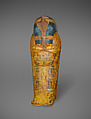
Outer Coffin of the Singer of Amun Nauny, Sycomore wood, mud, glue, stucco, paint, varnish, plaster
ca. 1050 BCE
Design Amulet with Pierced Shank, Device of Squatting Child Facing Right, Faience
ca. 2100–2080 B.C.
Overseer Shabti of Nauny, Faience
ca. 1051–1002 BCE
Shabti Box of Nauny, Sycomore, stucco, paint
ca. 1051–1002 BCE
Shabti Box of Nauny, Sycomore, stucco, paint
ca. 1051–1002 BCE

Content Notice

The Metropolitan Museum of Art presents over 5,000 years of art from around the world, and our online collection reflects ongoing work conducted over the course of our more than 150-year history. You may encounter objects or images that may be inappropriate for some viewers or information that may be outdated.