Search for Art
1-42 of 657 results for maasai-art
Sort by:
Show only
Images
Date
Artist / culture
Object type / material
Match
selected filters.
Geographic location
Match
selected filters.
Department
Maasai artist
19th-mid-20th century
Maasai or Samburu artist
early-mid-20th century
Publisher Issued by Allen & Ginter
1887
Oyo-Yoruba artist
19th–20th century
Oyo-Yoruba artist
19th–20th century
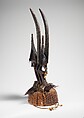
Bamana numu (blacksmith)
19th–20th century
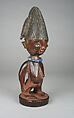
Oyo-Yoruba artist
19th–20th century
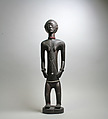
Tabwa artist
mid-19th century
Kurumba artist
19th–20th century
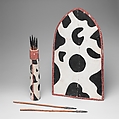
ca. 1981–1802 B.C.
Kulango artist
19th–20th century
Oyo-Yoruba artist
19th–20th century
Anyi-Akan artist
19th–20th century
Workshop of Onipasinobe
19th–20th century
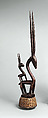
Bamana numu (blacksmith)
19th–20th century
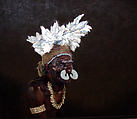
Lunda Hoyle Gill
mid-20th century
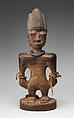
Oyo-Yoruba artist
19th–20th century
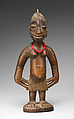
Workshop of Onipasinobe
19th–20th century
Yoruba artist
19th–20th century
Publisher Issued by William S. Kimball & Company
1888
Jama-Coaque
5th century BCE–6th century CE
Yoruba artist
19th–20th century
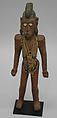
Bwa blacksmith (?)
20th century
Kurumba artist
19th–first half 20th century
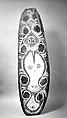
Bitara people
late 19th–early 20th century
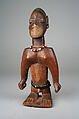
Egun or Aja artist
19th–20th century
Toba Batak people
19th–early 20th century
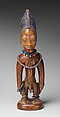
Yoruba artist
19th–20th century
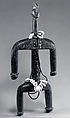
Namji artist
19th–mid-20th century
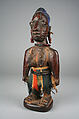
Yewa-Yoruba or Ibarapa-Yoruba artist
19th–20th century
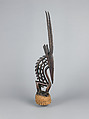
Bamana numu (blacksmith)
19th–20th century
Paipir
mid-20th century
Asmat people, Betjew or Biapis
mid-20th century
Publisher Issued by Allen & Ginter
1887
Iatmul people
late 19th–early 20th century
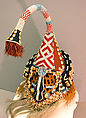
Kuba artist
19th–early 20th century
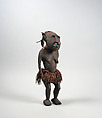
Murik Lakes (?)
late 19th–mid-20th century
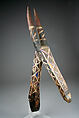
Kurumba artist
19th–20th century
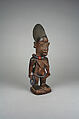
Yewa-Yoruba or Ibarapa-Yoruba artist
19th–20th century
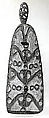
Opna
mid-20th century
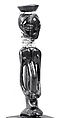
Kusu peoples
19th–20th century
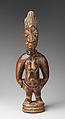
Workshop of Ibuke Compound
19th–20th century
Content Notice
The Metropolitan Museum of Art presents over 5,000 years of art from around the world, and our online collection reflects ongoing work conducted over the course of our more than 150-year history. You may encounter objects or images that may be inappropriate for some viewers or information that may be outdated.