
The Met Cloisters
Located in Fort Tryon Park in Upper Manhattan, discover the art, architecture, and gardens of medieval Europe.
Tickets
Suggested Admission
New York State residents and New York, New Jersey, and Connecticut students: the amount you pay for admission is up to you, but you must pay something ($00.01 minimum per ticket).
General Admission
| NY residents | Pay what you wish |
|---|---|
| NY, NJ, and CT students | Pay what you wish |
| Adults | $30 |
| Seniors (65 and over) | $22 |
| Visitors with a disability (in-person only) | $22 |
| Students | $17 |
| Children (12 and under) | Free |
| Members and Patrons | Free |
| Care partner of a visitor with a disability (in-person only) | Free |
Location, Hours and Directions

Getting There
The Met Cloisters is located in Fort Tryon Park in Upper Manhattan. Free public parking is available in Fort Tryon Park around The Met Cloisters. Visitors arriving by car can be dropped off at the step-free entrance in the courtyard.
Take the A train to 190th Street and exit the station by elevator. Walk north along Margaret Corbin Drive through Fort Tryon Park for approximately 10 minutes or transfer from the train station to the M4 bus and ride north one stop to Margaret Corbin Dr/Cloisters.
For fully accessible public transit, take the A train to 181st Street and exit the station by elevator. Transfer from the train station to the M4 bus and ride north 7 stops to Margaret Corbin Dr/Cloisters.
If you are coming from The Met Fifth Avenue, you may take the M4 bus directly from Madison Avenue/83rd Street to the last stop to Margaret Corbin Dr/Cloisters, approximately 1 hour 25 minutes.
Download a PDF of our map for more information.
Please note: Ongoing track maintenance and line closures may affect A train service during the weekend. Check the Metropolitan Transit Authority's website for the latest information.
What to See and Do
Collection Highlights
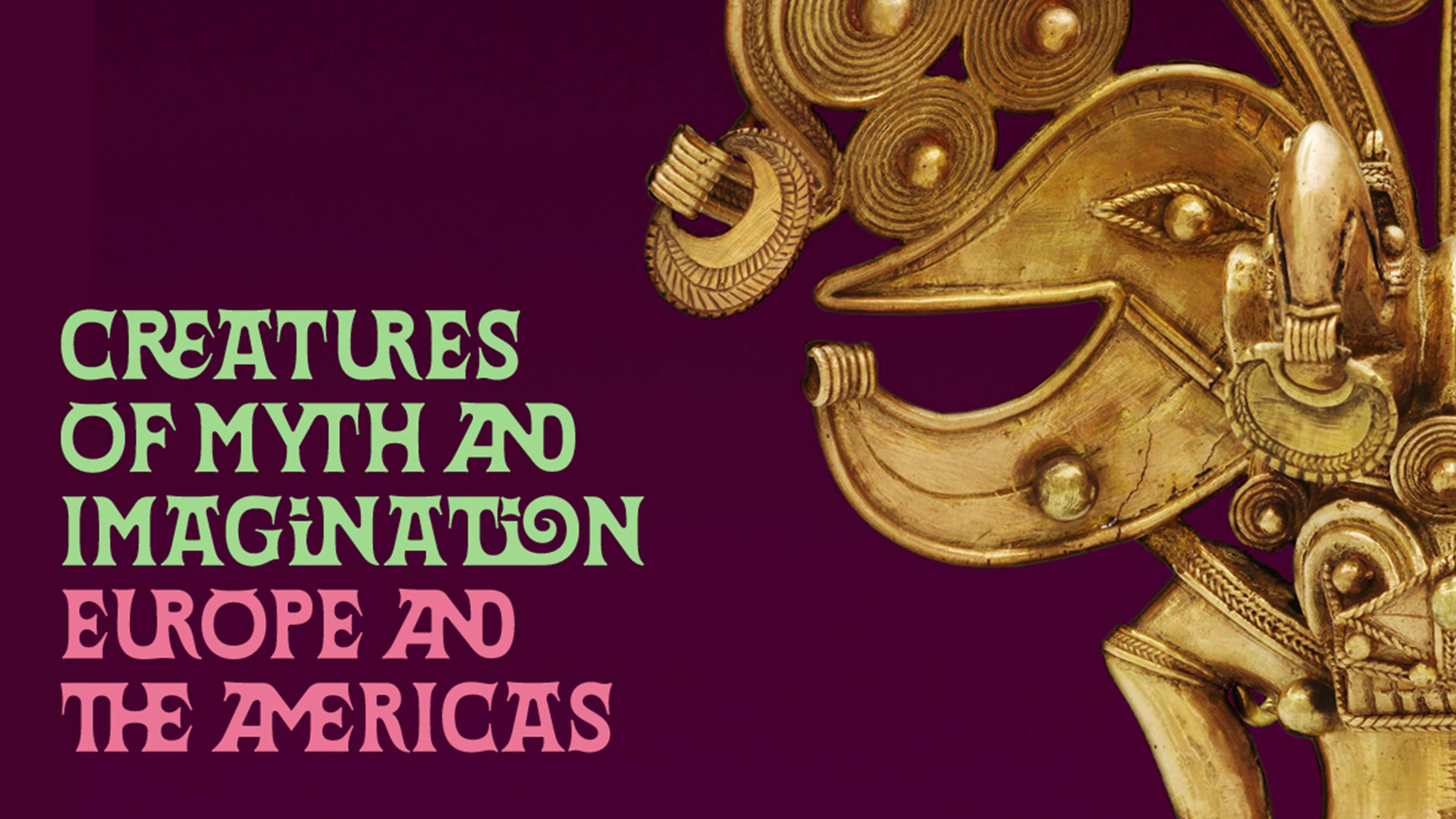
Creatures of Myth and Imagination: Europe and the Americas
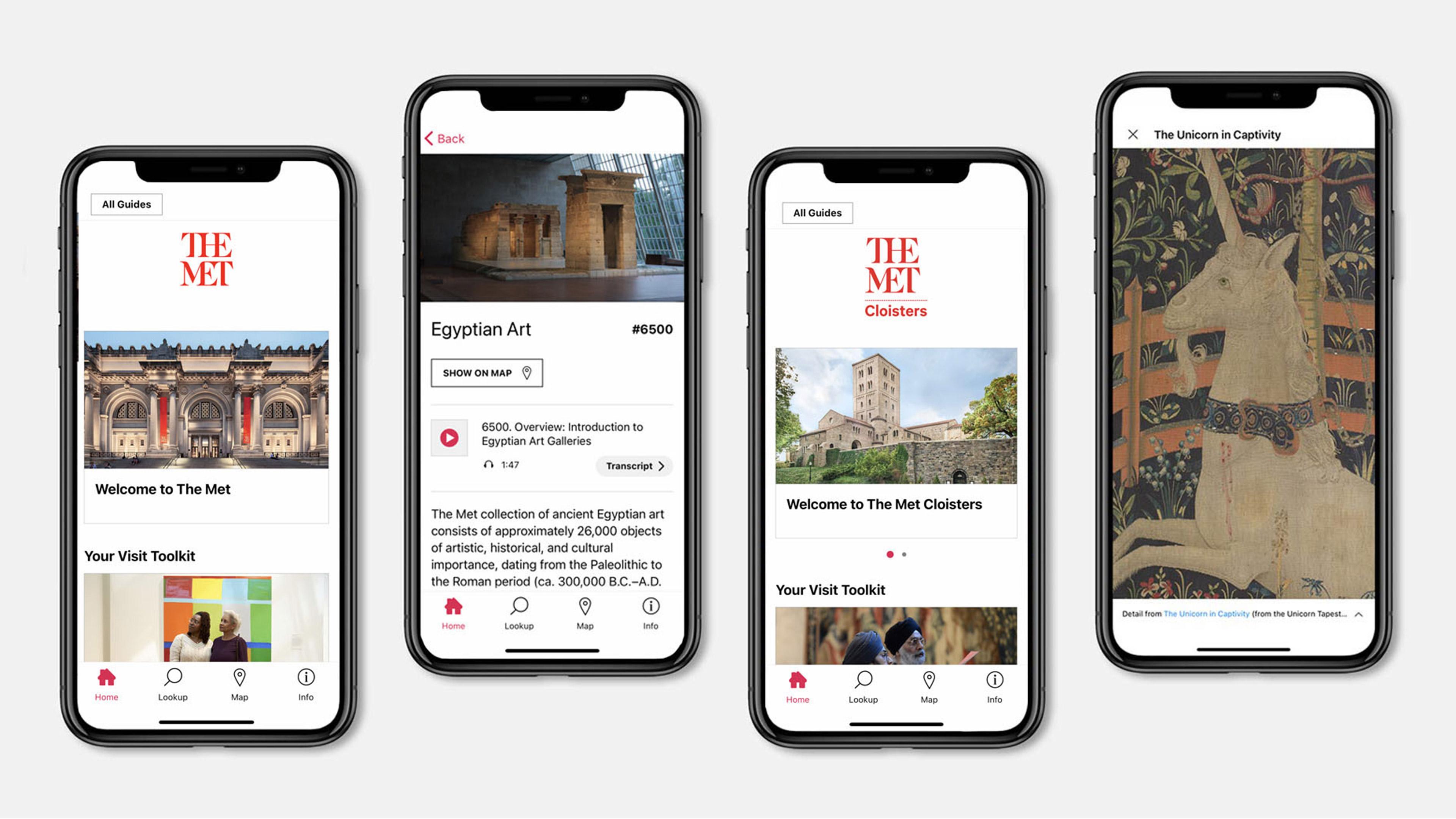
The Met Cloisters Digital Guide
Free Tours

Garden Tour at The Met Cloisters

Highlights of The Cloisters
Garden Tour at The Met Cloisters
Highlights of The Cloisters
Garden Tour at The Met Cloisters
Highlights of The Cloisters
Garden Tour at The Met Cloisters
Highlights of The Cloisters
Garden Tour at The Met Cloisters
Highlights of The Cloisters
Highlights of The Cloisters
Highlights of The Cloisters
Highlights of The Cloisters
Highlights of The Cloisters
Highlights of The Cloisters
Events

Family Afternoon at The Met Cloisters—Winged Wonders

Open Studio—Bloom: Floral Messages

Met Expert Talks at The Met Cloisters—Otherworlds

Raptor Watching at The Met Cloisters and Fort Tryon Park
Met Expert Talks at The Met Cloisters—Otherworlds

Drop-in Drawing at The Met Cloisters

A Celebration—Día de Muertos at The Met Cloisters

Meet the Artisans in Residence
Met Expert Talks at The Met Cloisters—Otherworlds

The Observant Eye at The Met Cloisters

How Did They Do That?—Tapestry Weaving
Met Expert Talks at The Met Cloisters—Otherworlds

Open Studio at The Met Cloisters—Creatures of Myth and Imagination
Open Studio at The Met Cloisters
Met Expert Talks at The Met Cloisters—Otherworlds
More to Explore
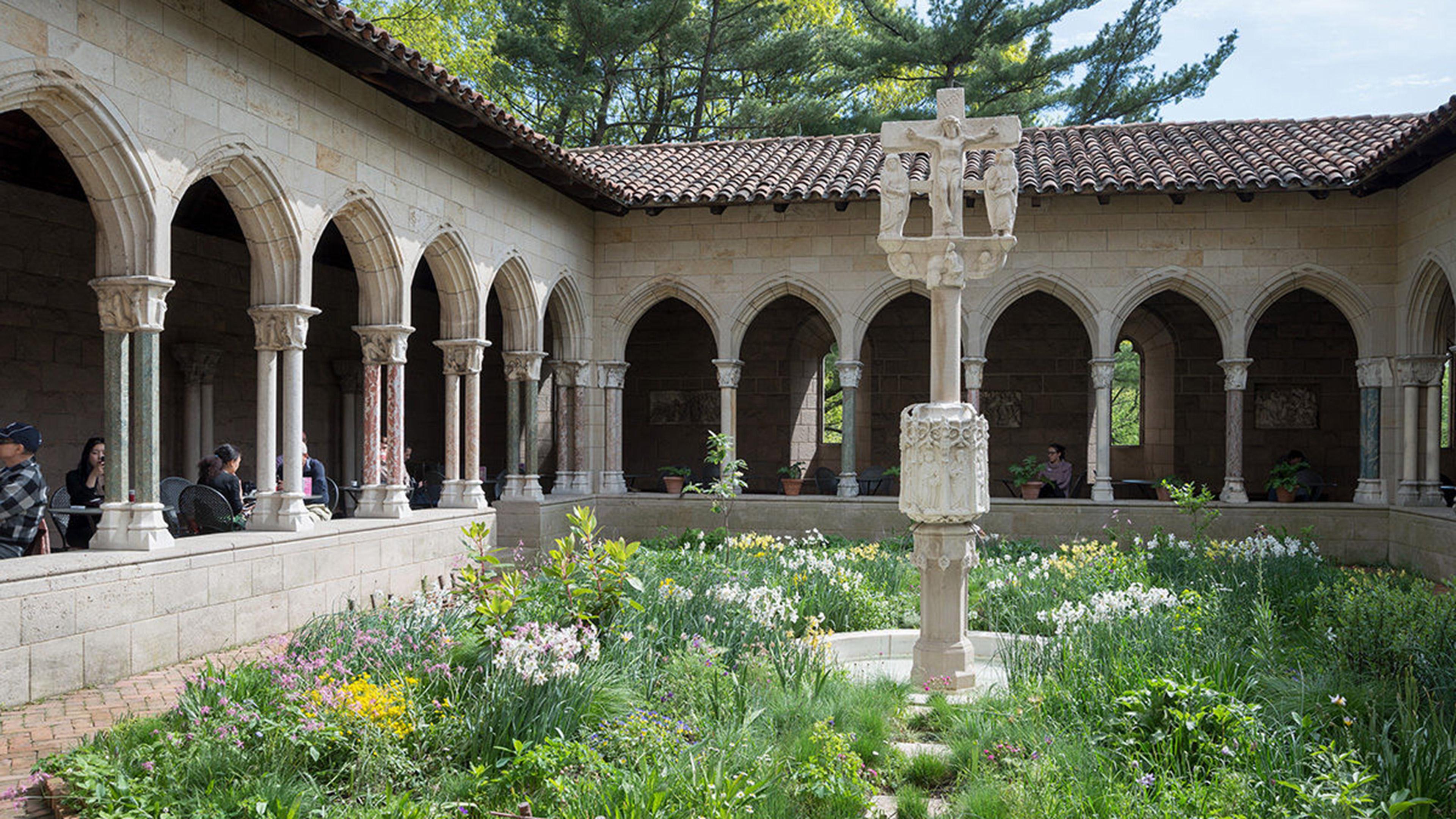
Trie Cafe
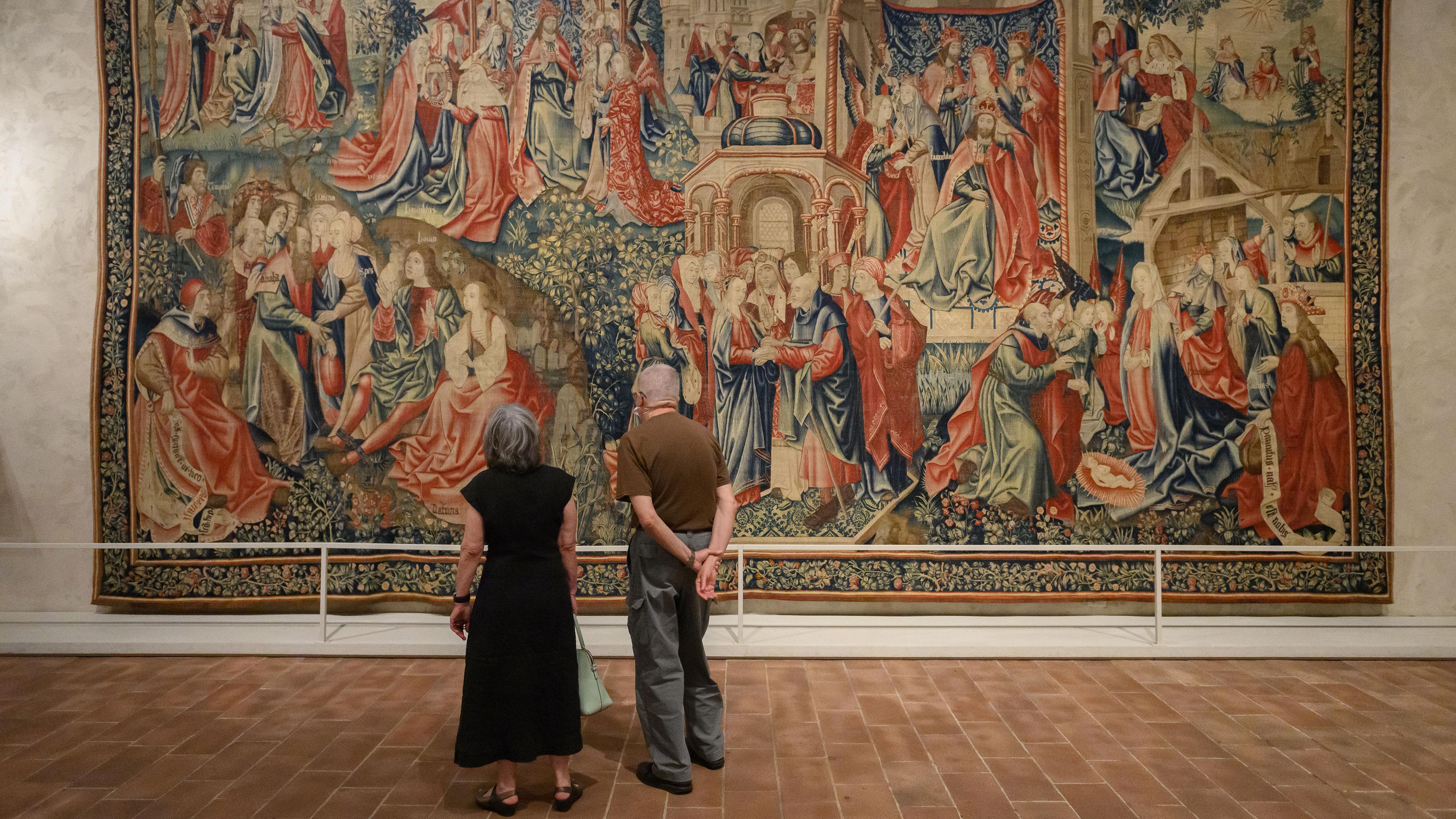
Become a Member

The Met Cloisters Store
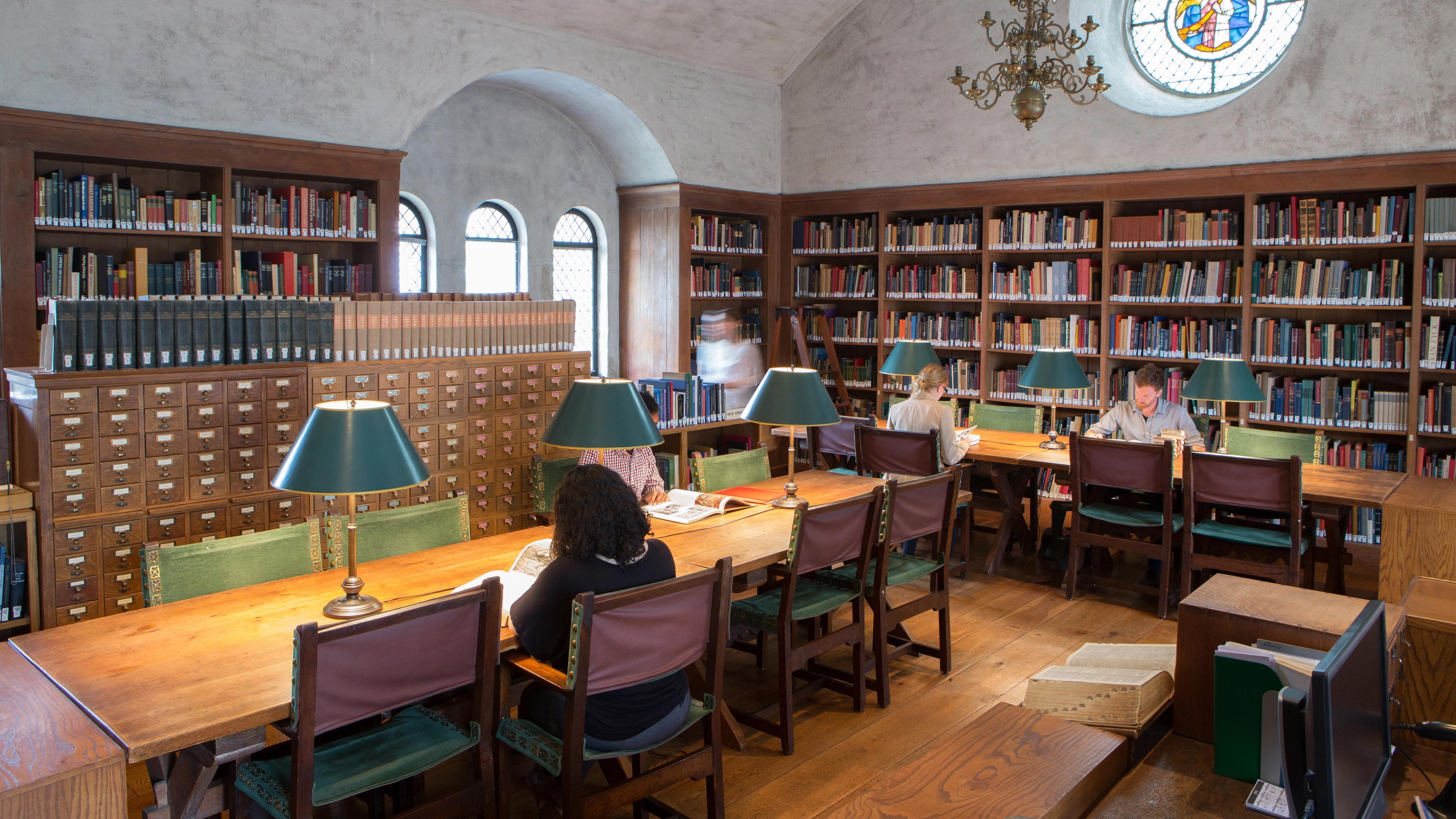
The Cloisters Library and Archives
