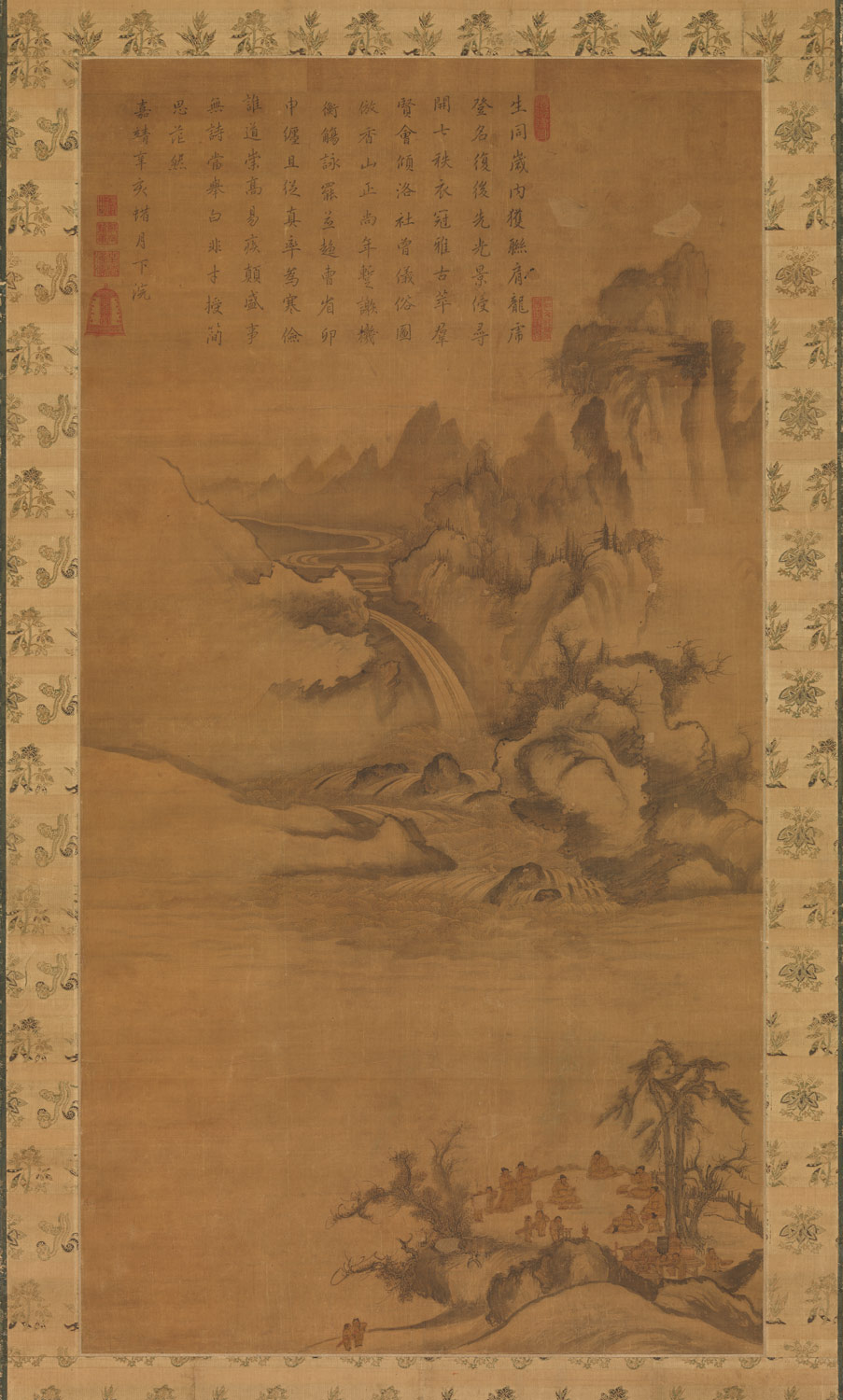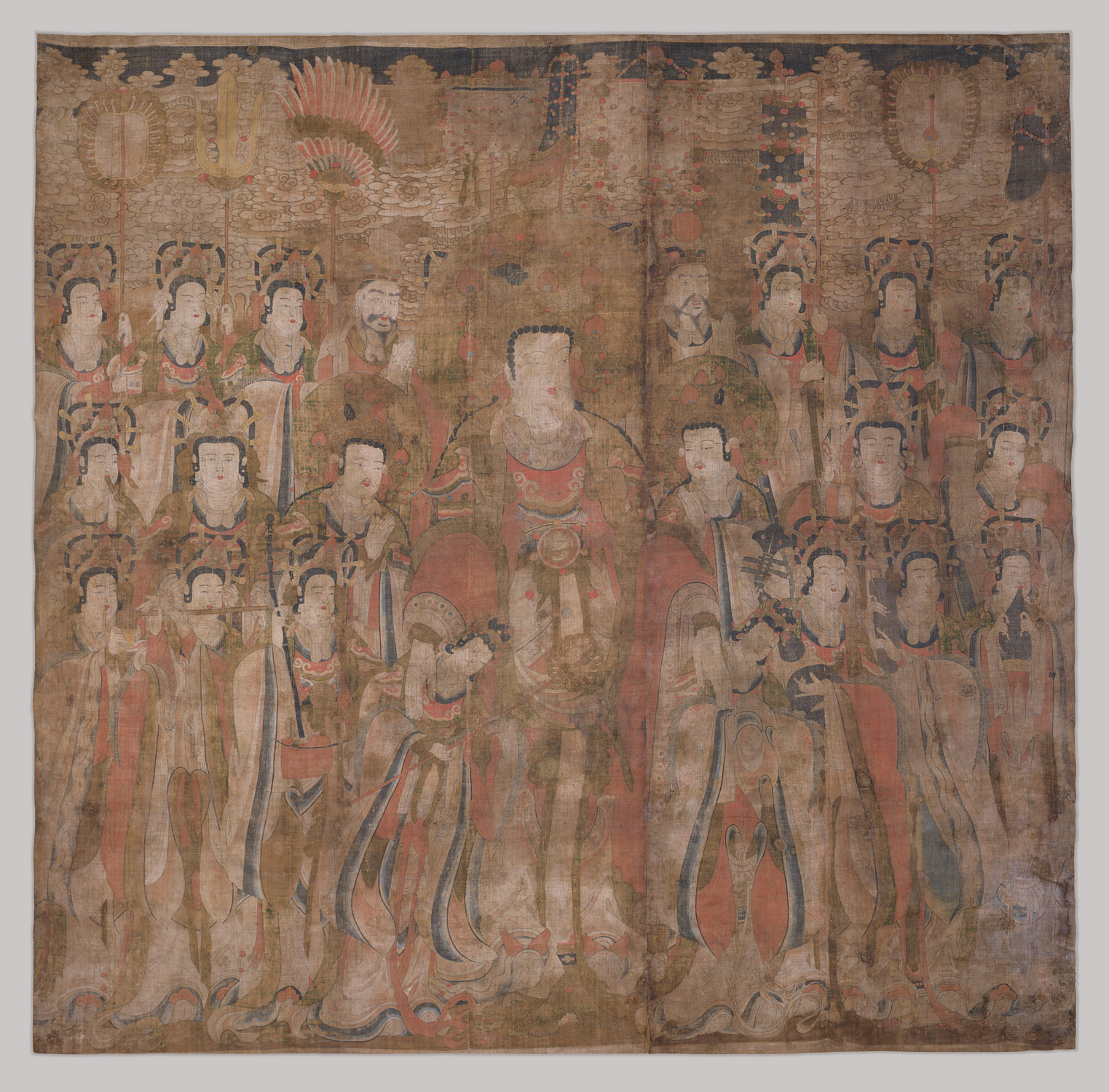
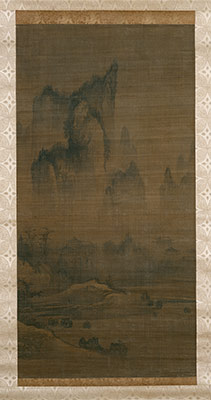
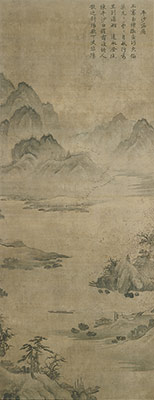
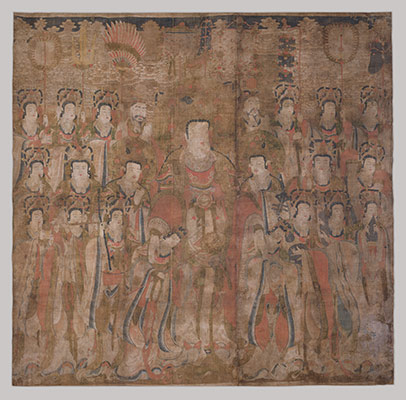
In an attempt to distance themselves from the former Goryeo court and rejuvenate the country, the rulers of the new Joseon dynasty (13921910) severely curtail the practice of Buddhism and embrace Neo-Confucianism as the official state ideology. The systematic repression of Buddhist institutions, which were associated with the fall of the Goryeo dynasty, and the withdrawal of official patronage of the religion leads to a decline in the number of Buddhist adherents and the production of Buddhist sculpture and painting. The commitment to Neo-Confucian educational and governmental policies, based on the influential school of Confucian philosophy and statecraft in China established by the Southern Song scholar Zhu Xi (11301200), is especially widespread among the newly influential yangban, or literati class, who come to dominate both the civil and military branches of government.
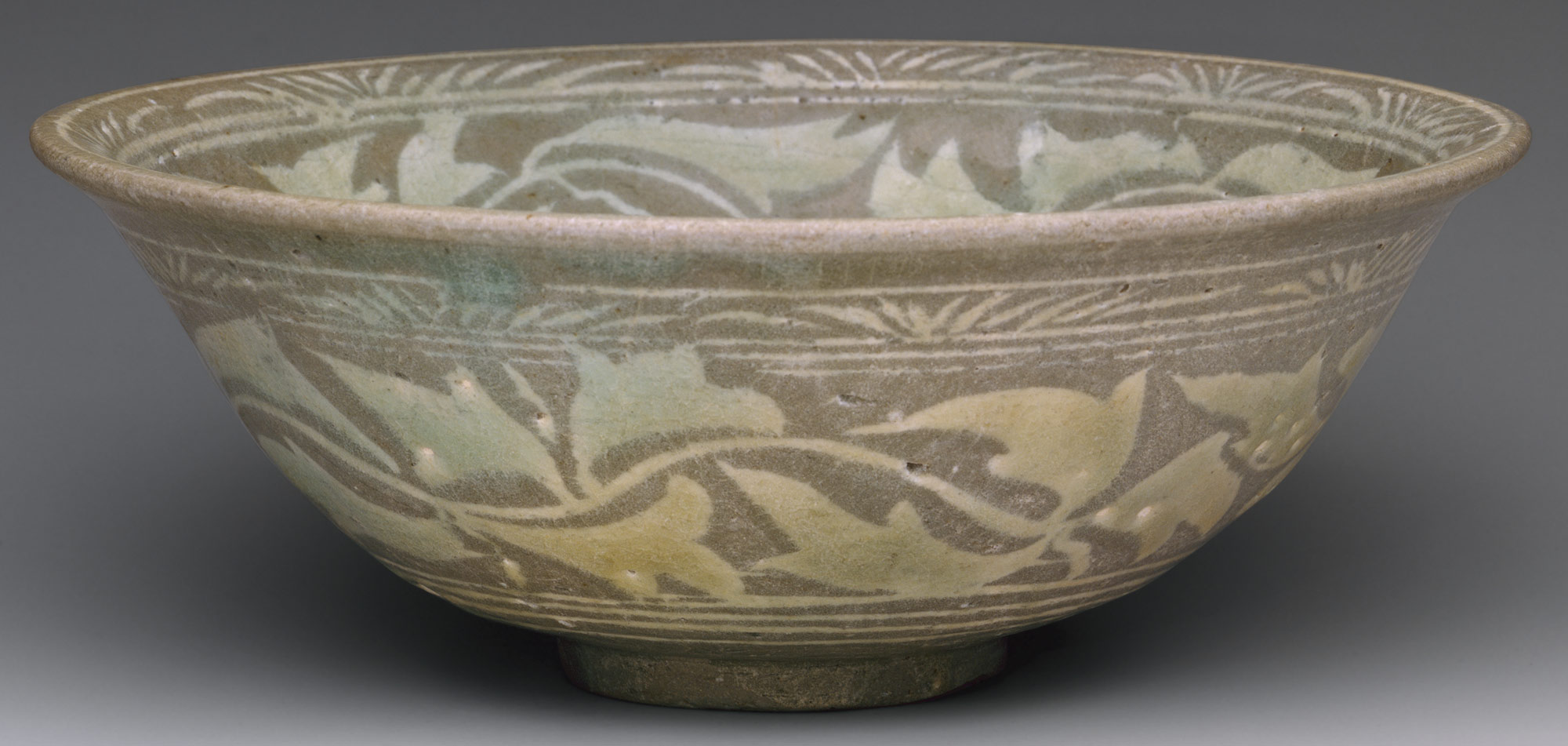
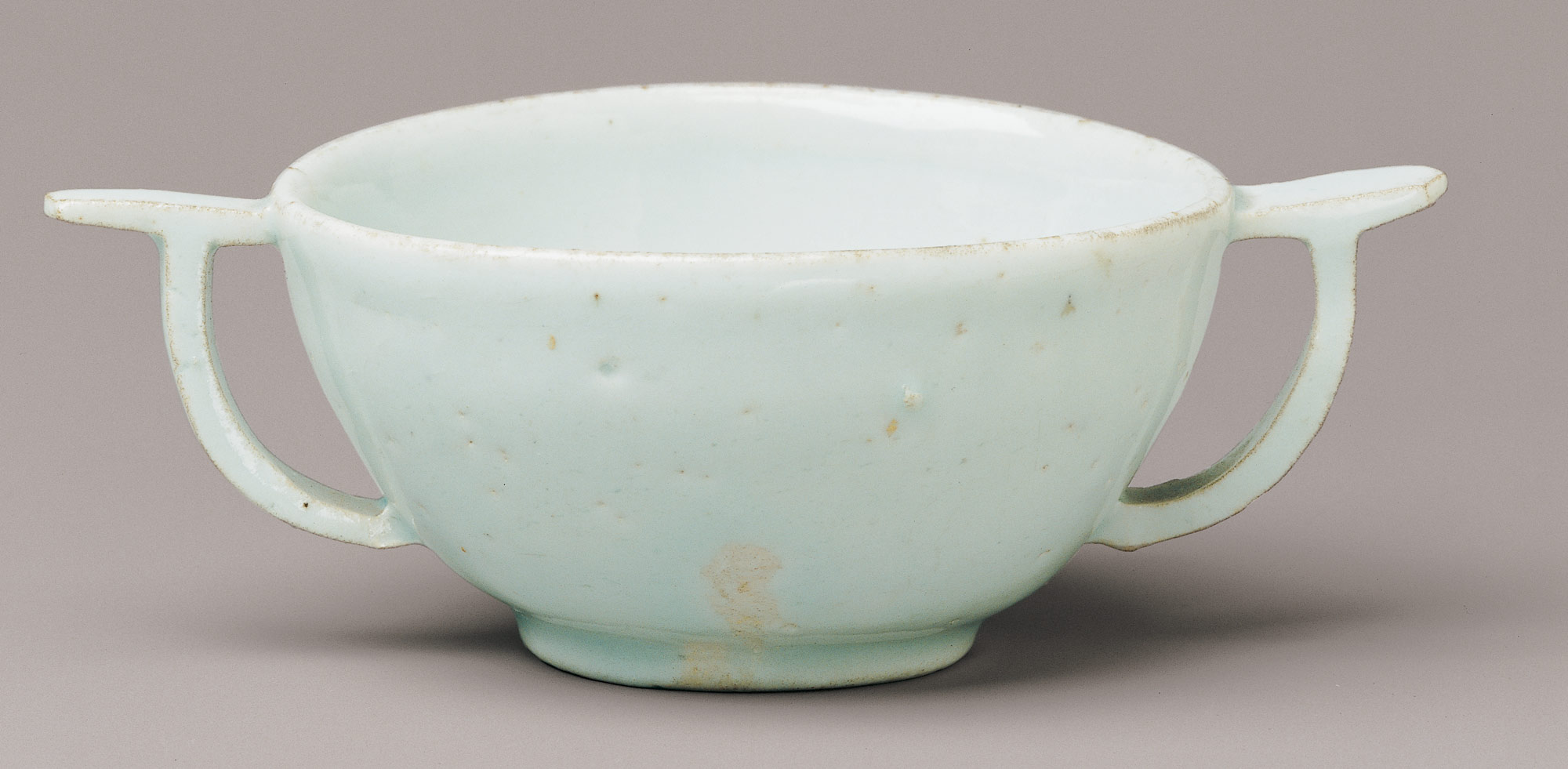
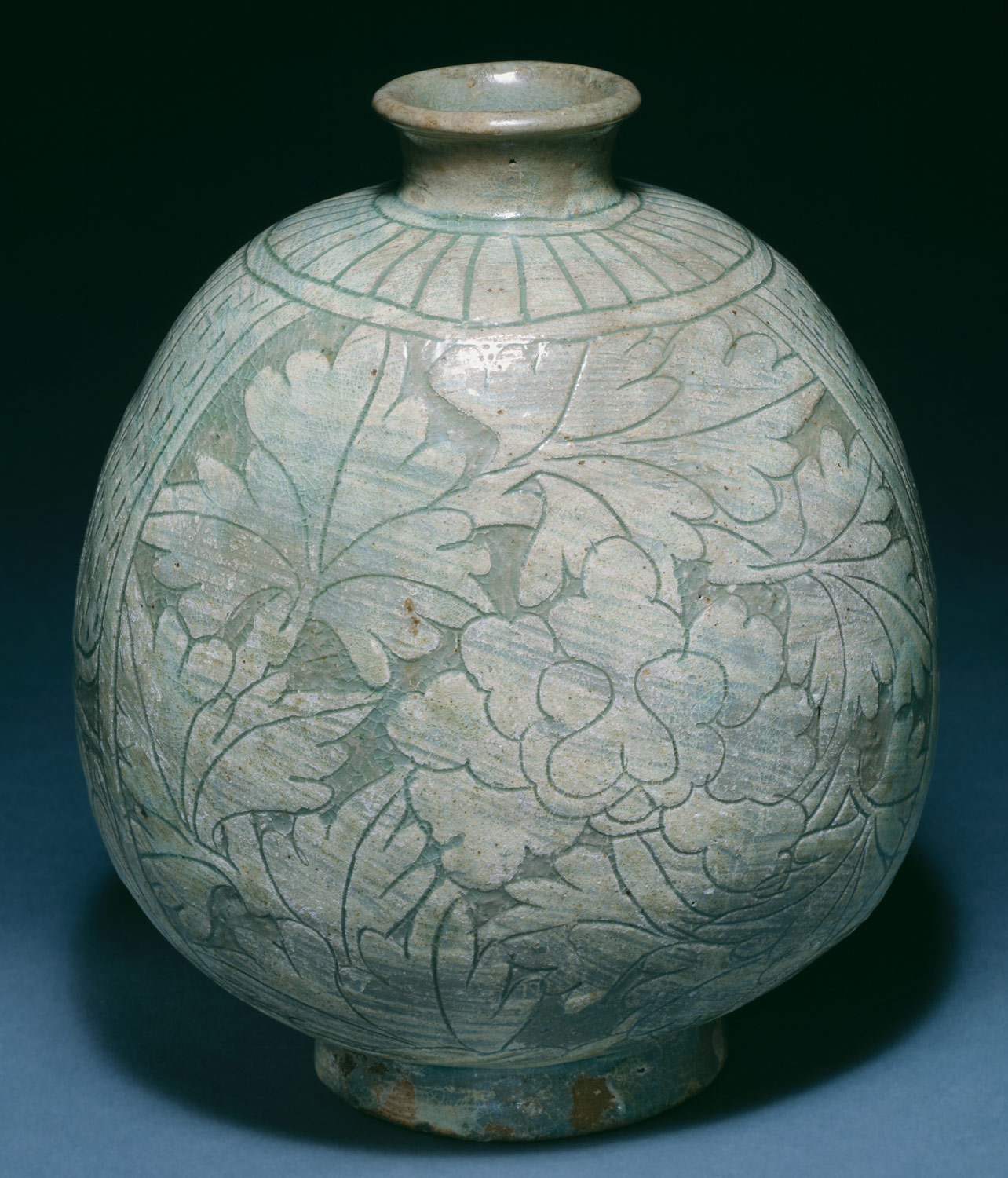
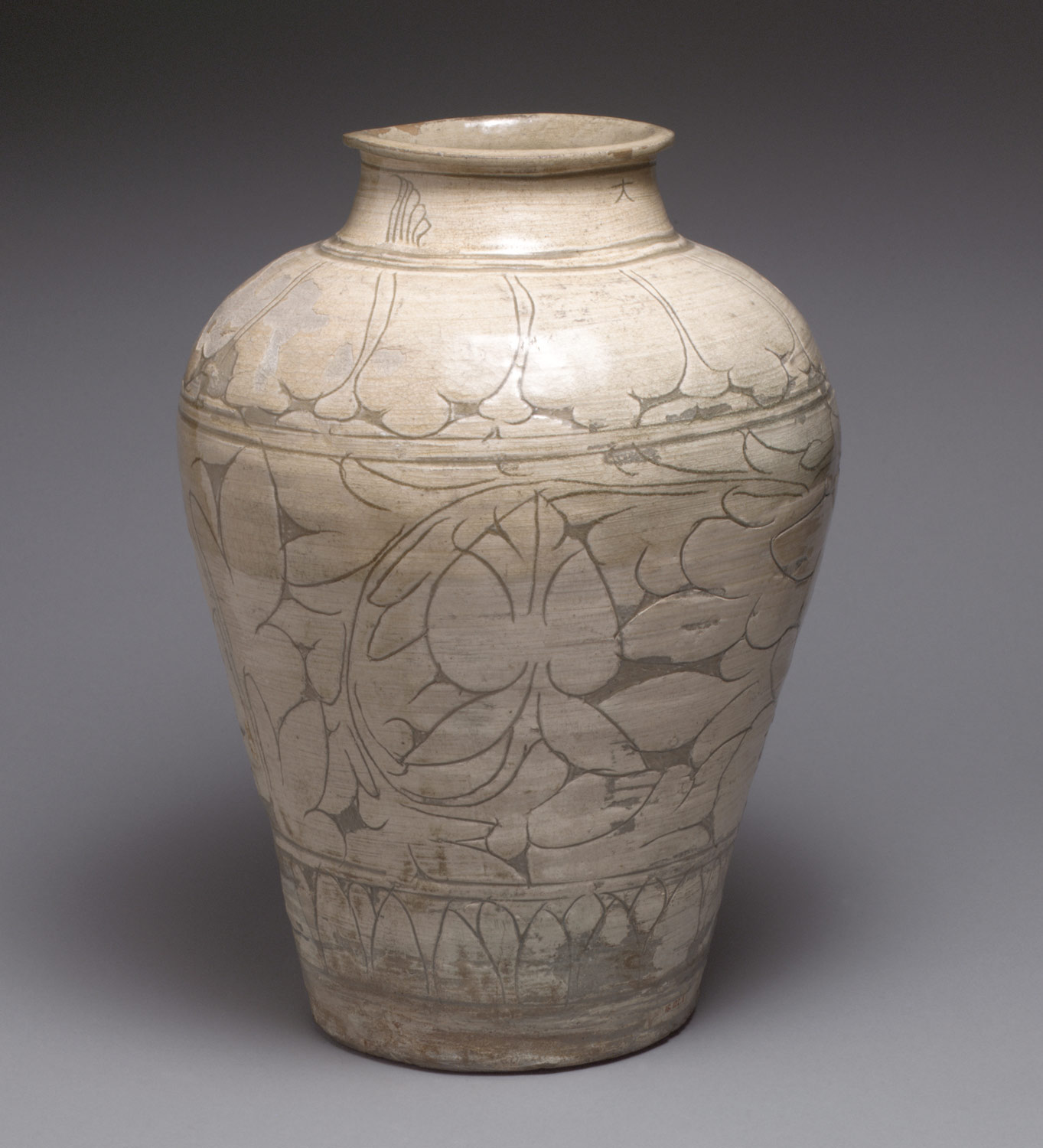
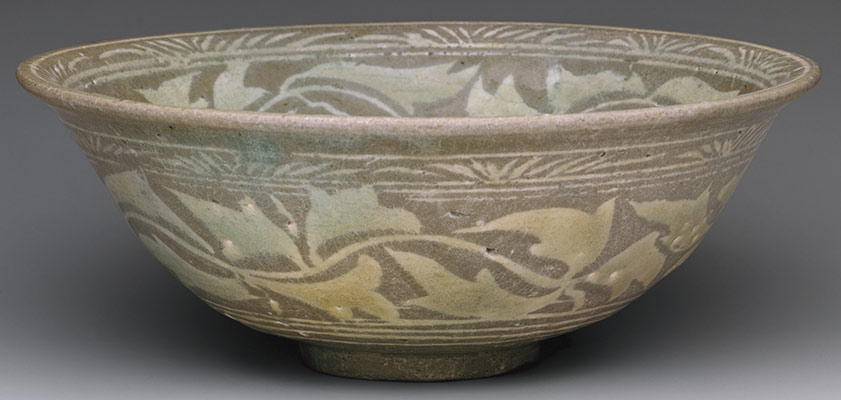
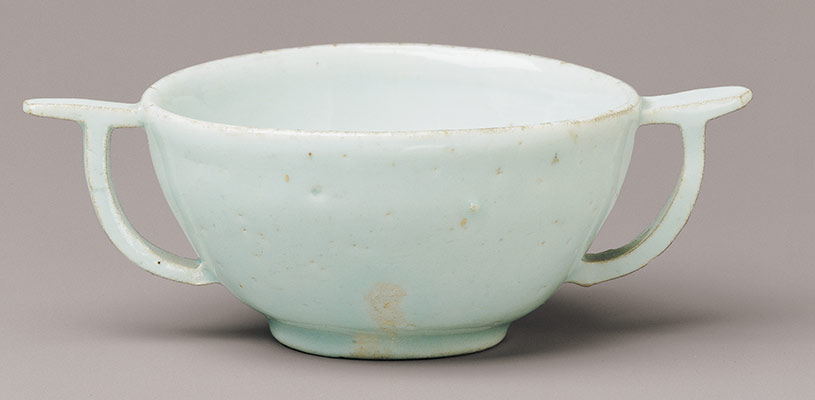
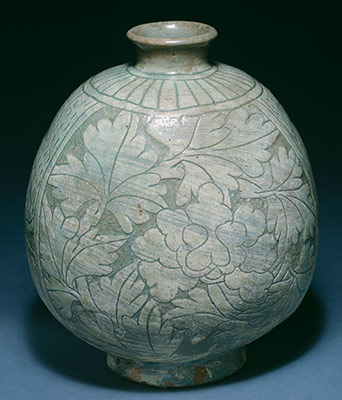
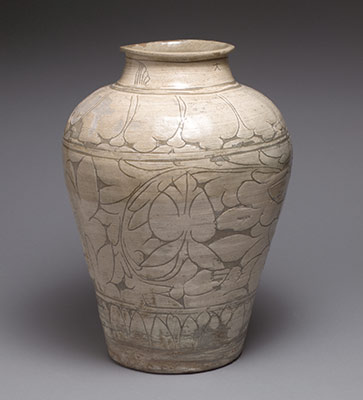
After the establishment of the Joseon dynasty, the Korean ceramics industry is reinvigorated, and white porcelain as well as buncheong wares are produced. While porcelain will continue to be manufactured throughout the dynasty, the production of buncheong ceases at the end of the sixteenth century, due in part to the devastating invasions of the peninsula led by the Japanese warlord Toyotomi Hideyoshi (15361598).
14001418
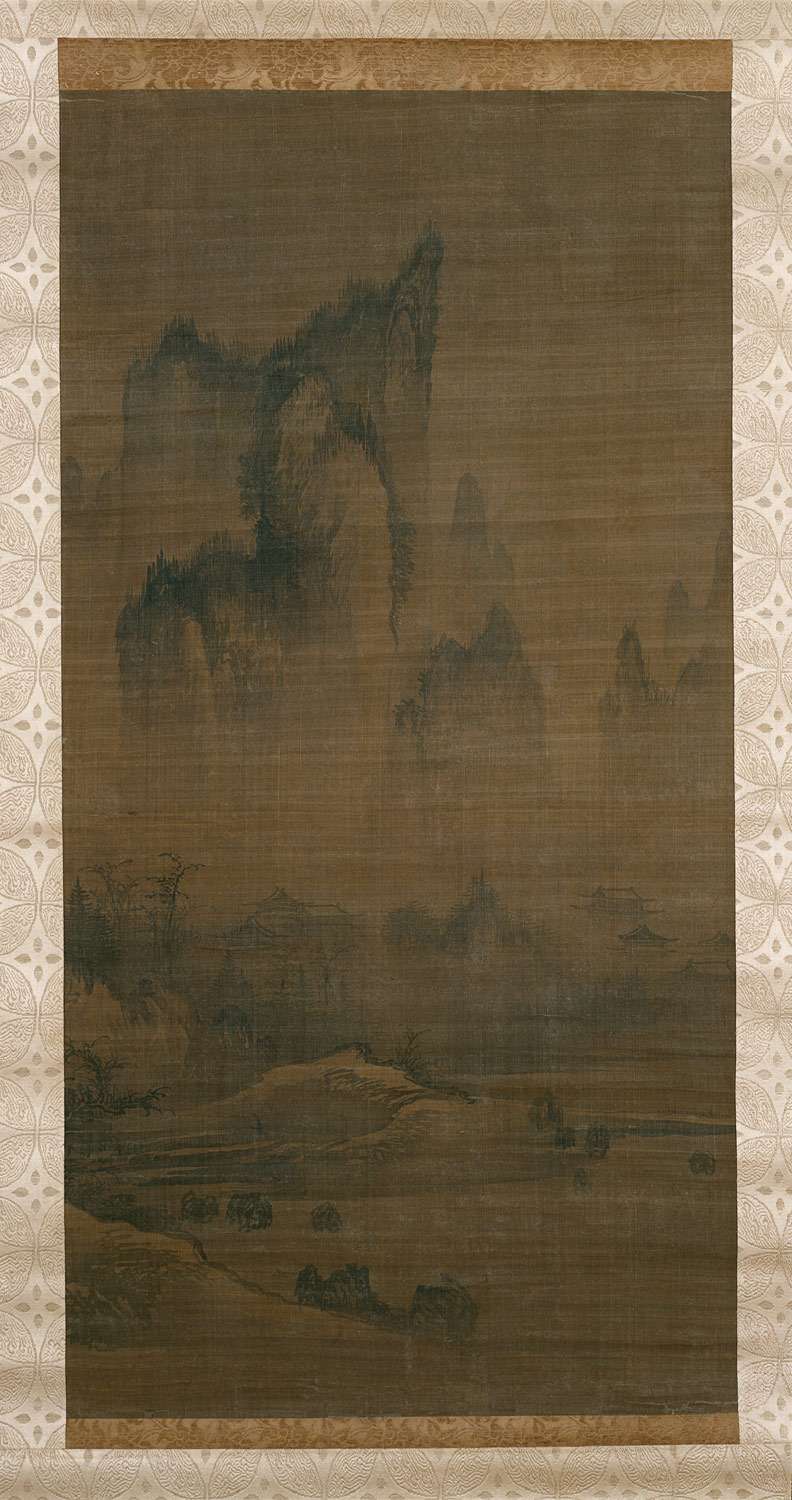
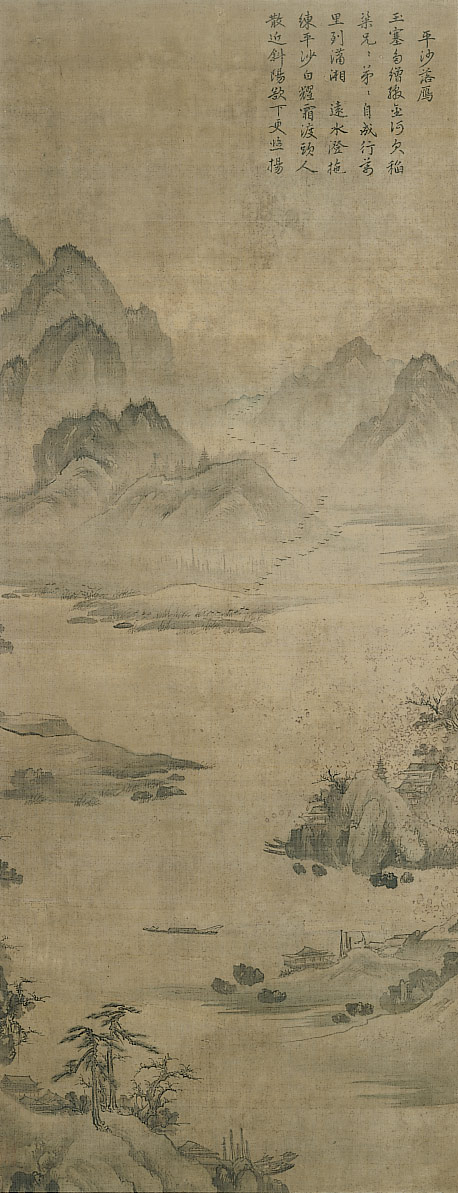
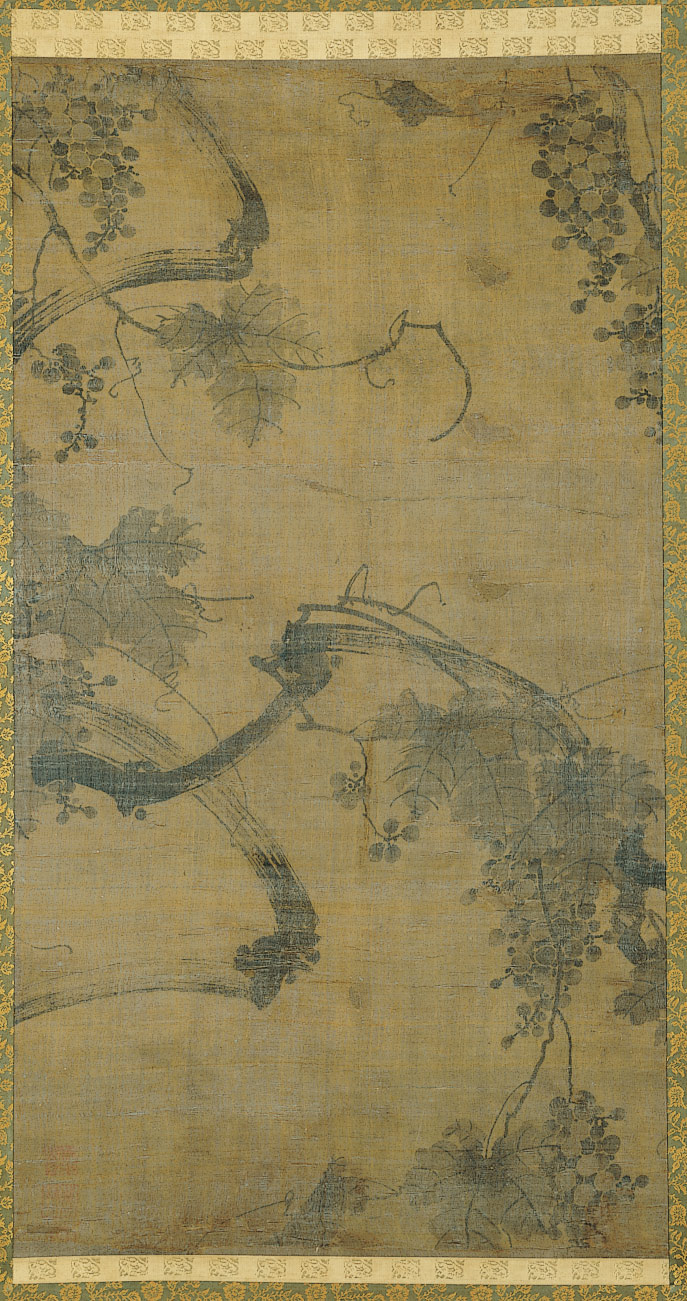
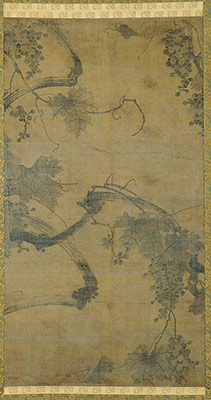
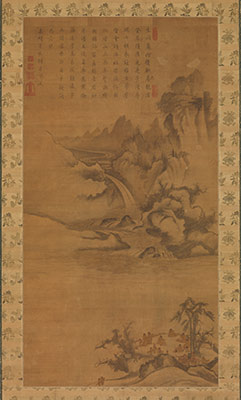
During the reigns of Taejo (Yi Sông-gye; r. 139298), founder of the Chosôn dynasty (13921910), and his fifth son, Taejong (Yi Pang-wôn; r. 14001418), increasingly stringent restrictions are placed on the Buddhist church and many of its properties are confiscated as well. These measures effectively undercut the societal influence of both the Buddhist hierarchy and the old aristocracy, thereby clearing the way for the new hereditary elite that will dominate Korea socially, culturally, and politically throughout the half-millennium of Chosôn rule. This new eliteknown collectively as yangban (officials of the "two orders")consists of the literati, or educated, class that over time is able to monopolize civil and military posts in the national bureaucracy. Success in the civil service examinations constitutes the primary gateway to the bureaucracy and, as in contemporary China, requires strict adherence to a Neo-Confucian perspective on the part of the candidate. Official position within the bureaucracy, especially the civil order, which is more highly regarded than the military order, confers prestige and financial security within Chosôn society. Since yangban families are exempt from the corvée as well as from the payment of taxes, their male children have greater opportunity to obtain the thorough Neo-Confucian education necessary for success in the civil service examinations, which are nominally open to all freeborn males.In all aspects of their life, the yangban cultivate such Confucian virtues as simplicity and frugality. This restraint is expressed, for example, in the furnishings and implements of the sarangbang, or study, the domain of the male head of a yangban household. Objects in the sarangbangsuch as writing implements, ceramics, calligraphy, and paintingsexemplify the scholar's social and political status as well as his moral standards and refined aesthetic sensibilities.
late 14thmid-16th century late 14thlate 16th century
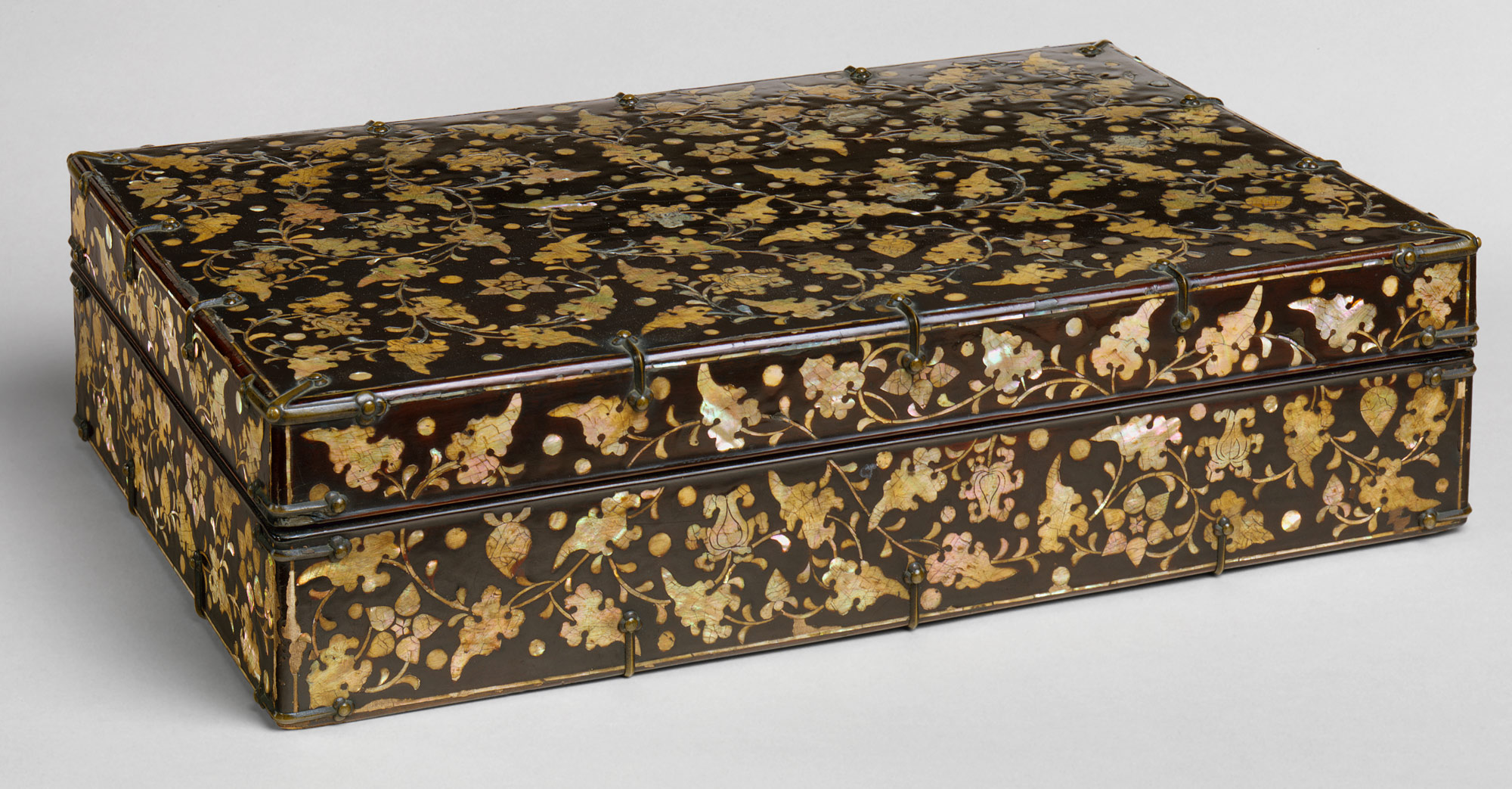
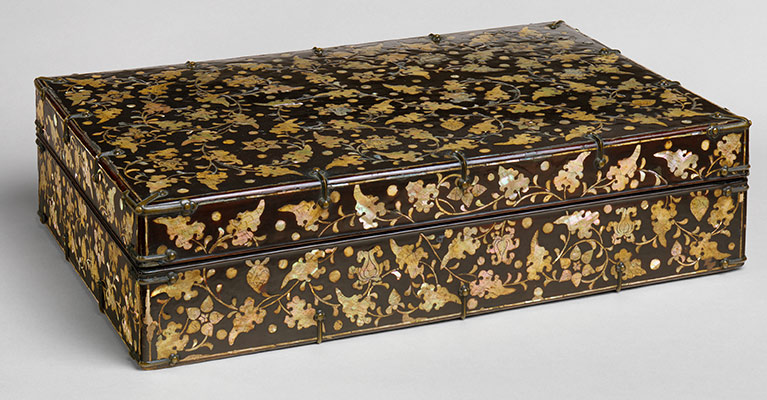
The continued threat posed by Japanese marauders, although diminished by the end of the preceding Koryô dynasty, leads King Sejong (r. 141850) in 1419 to order an attack against the island of Tsushima, off the southeast coast of the Korean peninsula, which serves as the base for the marauders. The Chosôn government subsequently agrees to grant the Japanese limited trading privileges, opening three ports to them along the southeast coast. Trade relations are severed in 1510 following a Japanese uprising in the ports, but resume in 1512 under a new, more restrictive treaty. Among the Korean articles exported to Japan during this period are rice, cotton, hemp, ramie cloth, inlaid lacquerware, and porcelain, as well as Buddhist sculptures and sutras and Confucian texts. The Japanese in exchange provide copper, tin, and sulfur along with luxury items for the elite Korean consumer such as spices and medicines.
late 14th17th century ca. 14001450
The best grade of porcelain, reserved for the use of the court and aristocracy, is manufactured primarily at the official kilns called Punwôn in Kwangju-gun, Kyônggi Province, near modern-day Seoul. These kilns are relocated every few decades in order to ensure a constant supply of firewood, enormous quantities of which are required to produce the high temperatures (in excess of 1200°C) needed for firing porcelain.
15th16th century
The production of punchông ceases at the end of the sixteenth century with the growing popularity of porcelain and the devastating invasions of the peninsula led by the Japanese warlord Toyotomi Hideyoshi (15361598), which results in the forced relocation of Korean potters to Japan.
1446 second half of 15th century 15921598
The Chosôn court's loyalty to the Ming is rewarded by the dispatch of Chinese armies to Korea, where they live off the land and frequently join in the fight against the Japanese. Between the initial onslaught of Japanese troops in 1592 and their final withdrawal in 1598, the invaders maintain themselves within massive fortifications erected along the peninsula's southern coast while they, too, live off the backs of the Korean peasantry.
During the bitter years of Japanese occupation, large areas of southern Korea are thoroughly pillaged. Among the vast quantities of booty borne off to the Japanese archipelago are many treasures plundered from Buddhist monasteries, including paintings, sculptures, stone lanterns, and large bronze temple bells. Numbers of Korean potters are also carried off to Japan, where masters of the increasingly popular tea ceremony (chanoyu) have acquired a profound appreciation for Korea's punchông ceramics. The labor of skilled Korean potters at Japanese kilns not only benefits the production of high-fired, glazed stonewares in the Kyushu region, but also significantly hastens the development of porcelain production in the archipelago.
|
About the Timeline | Credits | Image Copyrights and Credits | Share the Timeline | Connections |
|
|